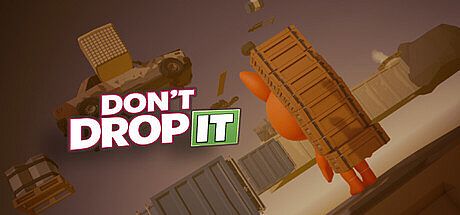


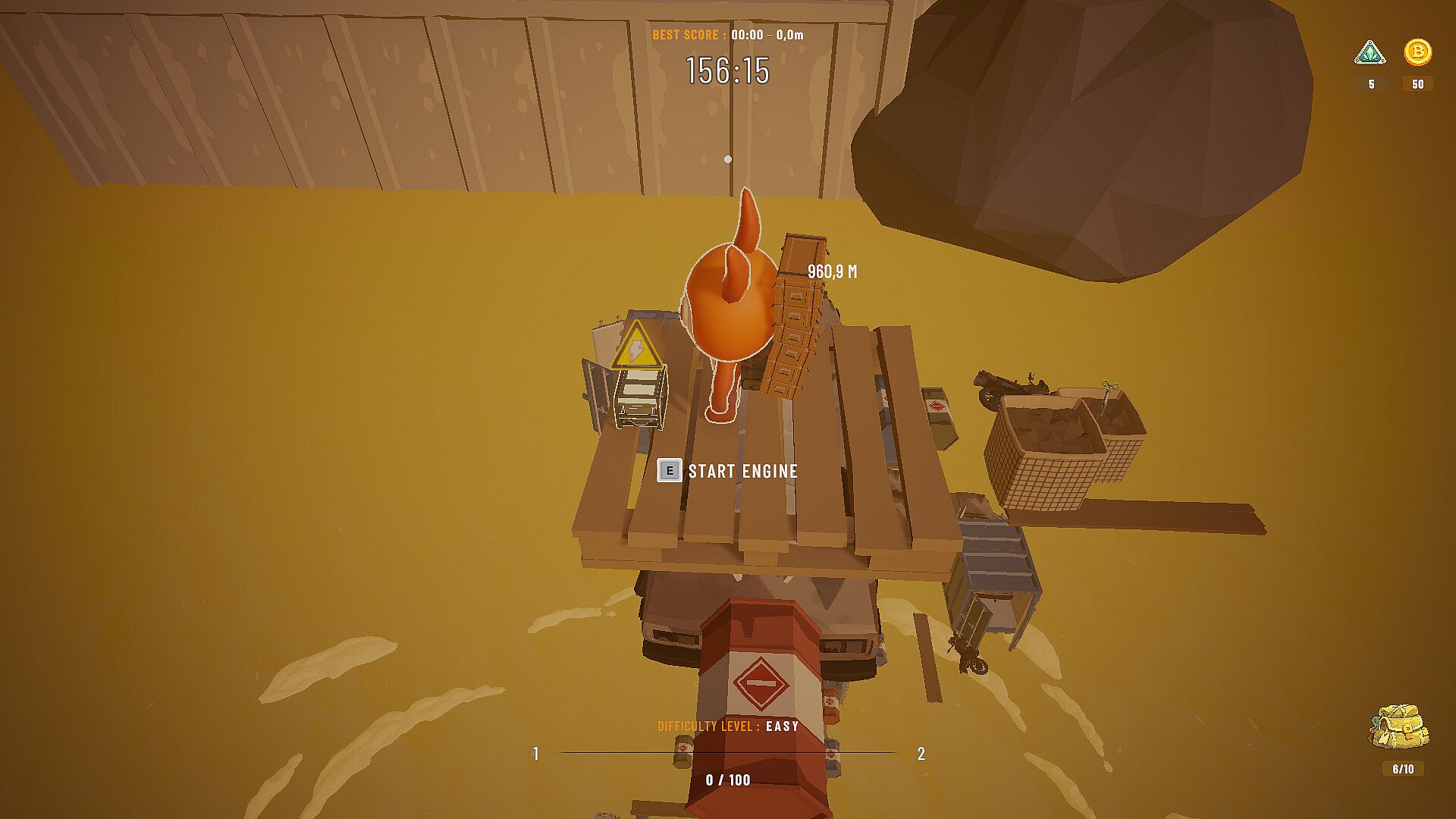
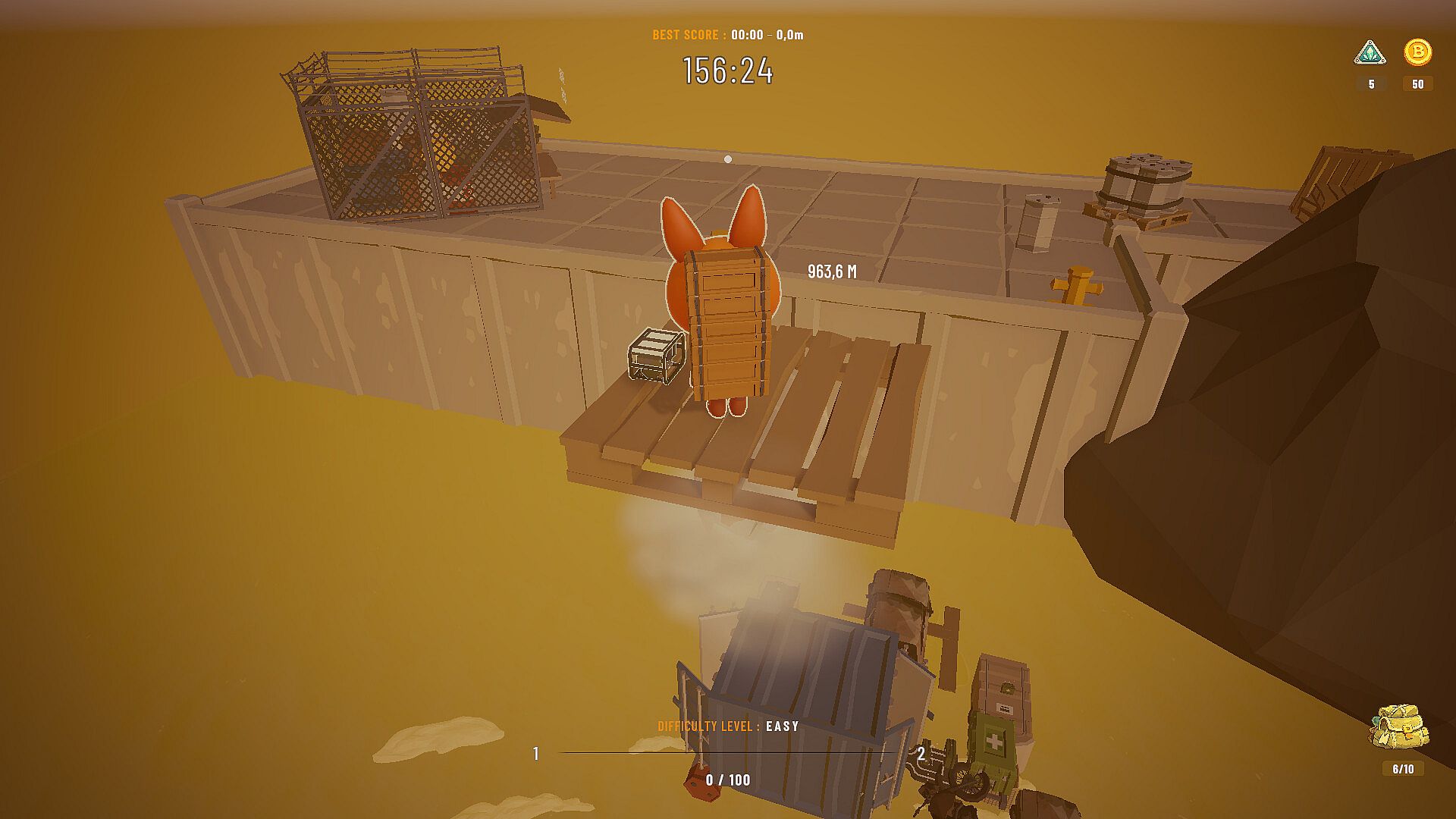
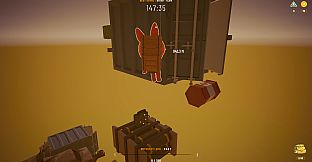
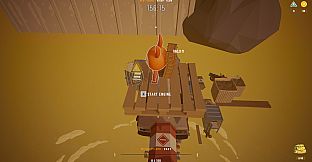
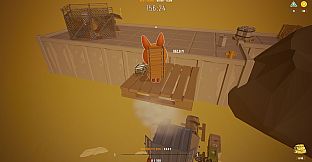
Don't Drop It is an indie adventure game built around precise, physics-driven climbing on PC. Players haul toolboxes upward through shifting towers, managing grip, momentum, and growing fatigue to reach the top without losing their cargo.
Gameplay
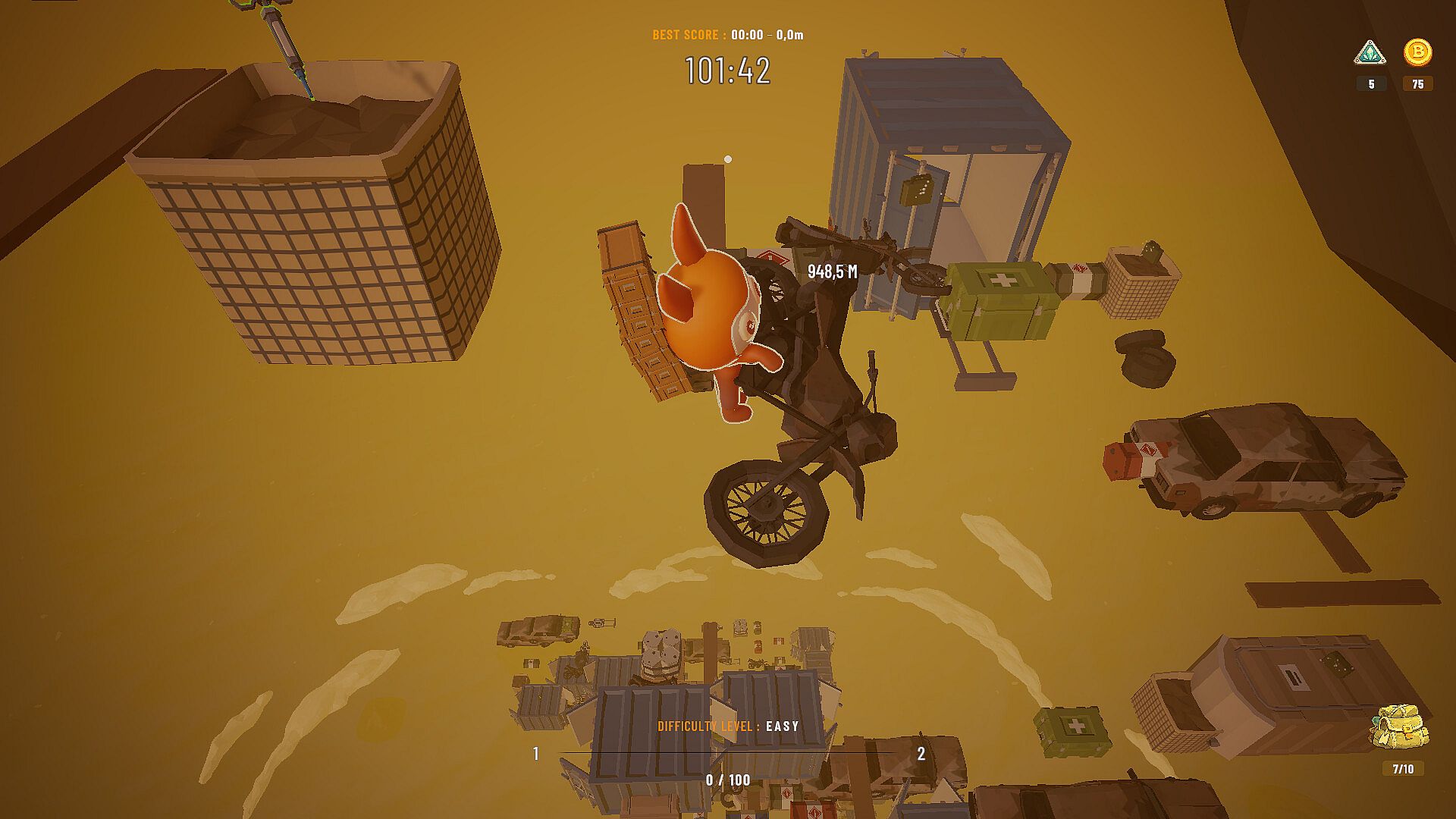
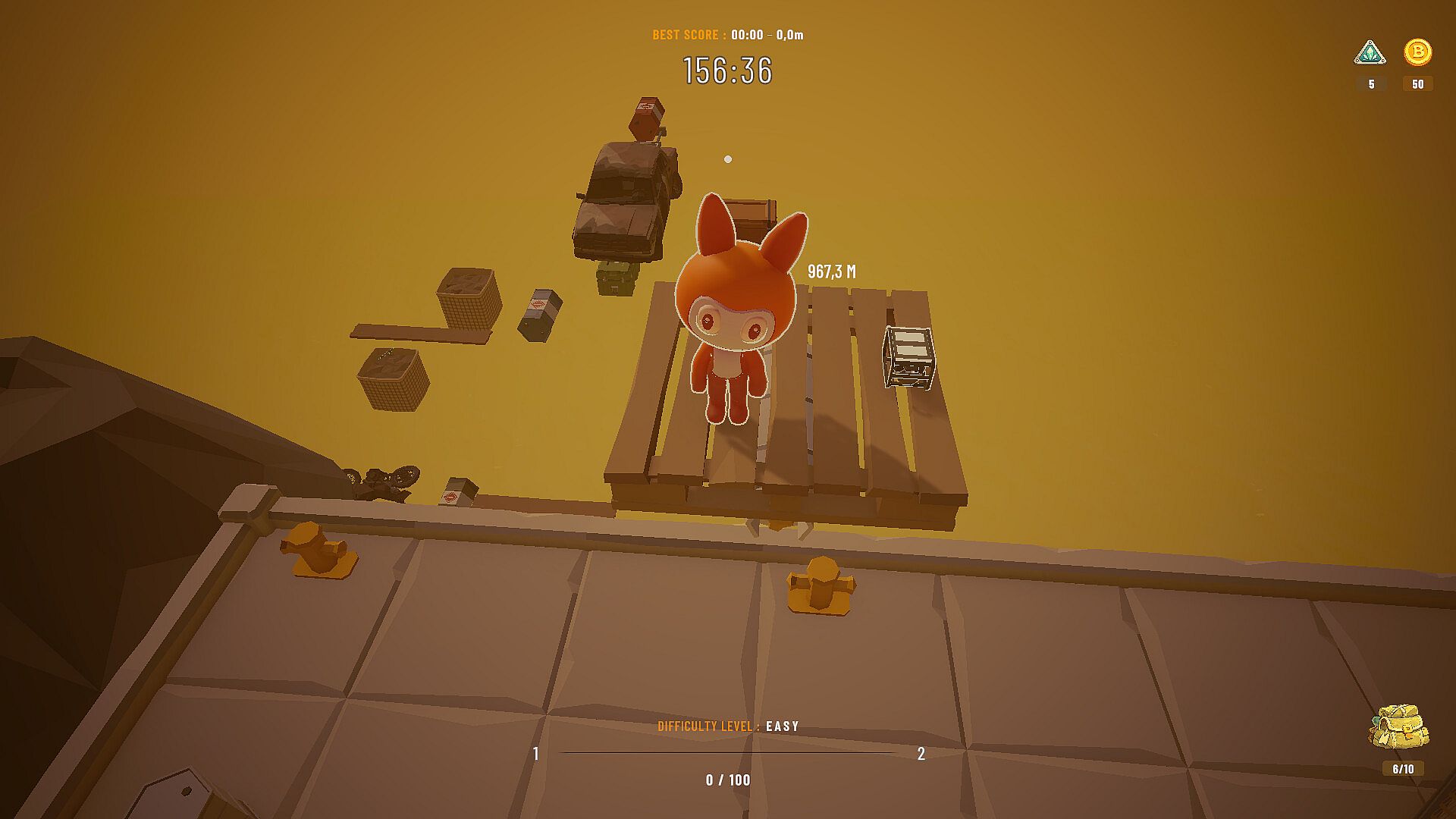
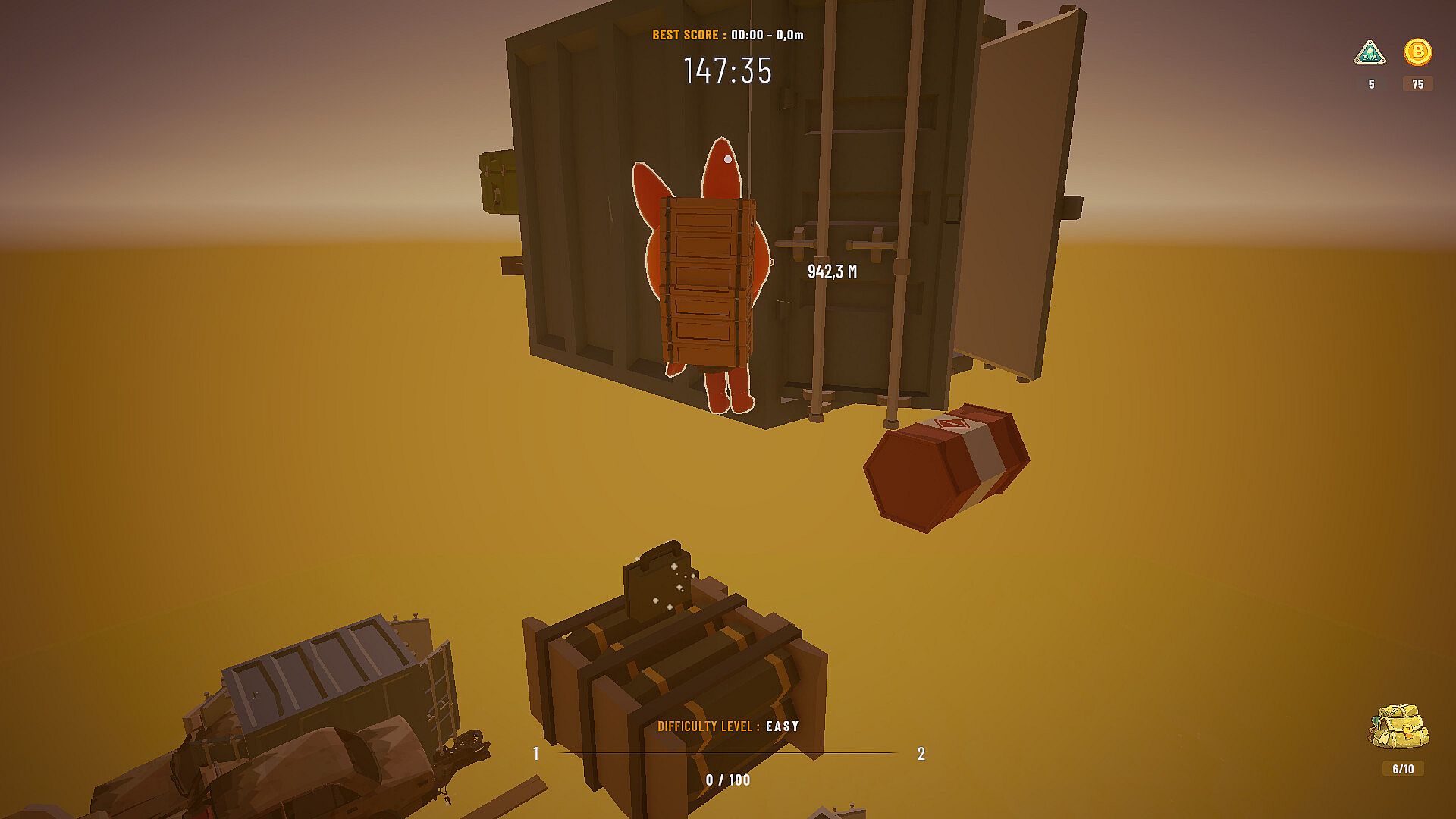
The core loop centers on grabbing toolboxes at the base and carrying them through procedurally generated towers filled with moving platforms. Every jump, swing, and landing carries real momentum and requires careful control, because a mistimed move can send boxes tumbling. Fatigue builds steadily with height, weakening the grip and raising the chance of drops during longer climbs.
Scoring rewards clean, efficient runs. Faster completions and fewer mistakes yield more XP and quicker leveling, but players must balance speed against control to avoid costly errors. Reward boxes scattered along the ascent contain BIT, an in-game currency used to unlock optional revive points. These points serve as strategic checkpoints; activating them costs BIT, and players decide where to invest based on the tower layout and personal risk tolerance. A fall returns the character to the last active revive point with carried toolboxes restored, allowing another attempt without starting from scratch.
Physics simulation governs movement at every step. Real momentum affects swings and landings, while the fatigue system adds progressive risk that forces adjustments in route and pacing. The result is a loop that emphasizes timing, route planning, and resource management over raw reflexes.
Game Modes
Multiple difficulty modes alter platform density, movement patterns, and overall forgiveness. Easier settings provide more stable layouts and breathing room for learning the physics and fatigue mechanics. Harder settings increase platform instability and punish imprecise jumps or poor routing, demanding tighter timing and greater patience on every ascent.
Procedural generation ensures each run rebuilds the tower with new platform types, placements, and overall structure. Even repeated attempts on the same difficulty produce different challenges, keeping the focus on adaptability rather than memorization. Players select a mode before starting, then navigate the fresh layout while deciding how to allocate BIT for revives along the way.
Key Mechanics and Progression
Time-based scoring tracks completion speed alongside cleanliness of movement. Higher scores translate directly into faster XP gains and leveling, encouraging repeated climbs to refine technique. The revive system adds a layer of strategic depth, as over-investing in checkpoints can limit long-term progress while under-investing risks total loss of carried toolboxes on a single mistake.
Platform variety and placement shift with each generation, creating fresh routing puzzles. Players learn to read momentum, anticipate fatigue spikes, and choose efficient paths that minimize exposure to risky sections. The combination of physics, fatigue, and optional checkpoints turns every tower into a test of both mechanical skill and decision-making.
Is It Worth Playing?
Don't Drop It targets players who enjoy deliberate, high-precision platforming with physics elements and risk-reward choices. The procedural towers and fatigue progression create consistent tension that rewards practice and smart resource use. Because the game launches on August 26, 2026, with no prior player data available, interest depends on whether the described climbing loop and strategic revive system appeal to individual preferences for challenging single-player experiences.
Those drawn to games that emphasize control, timing, and adapting to changing layouts will find a focused challenge here. The absence of multiplayer or additional systems keeps the experience tightly centered on the vertical climb and toolbox delivery objective.