












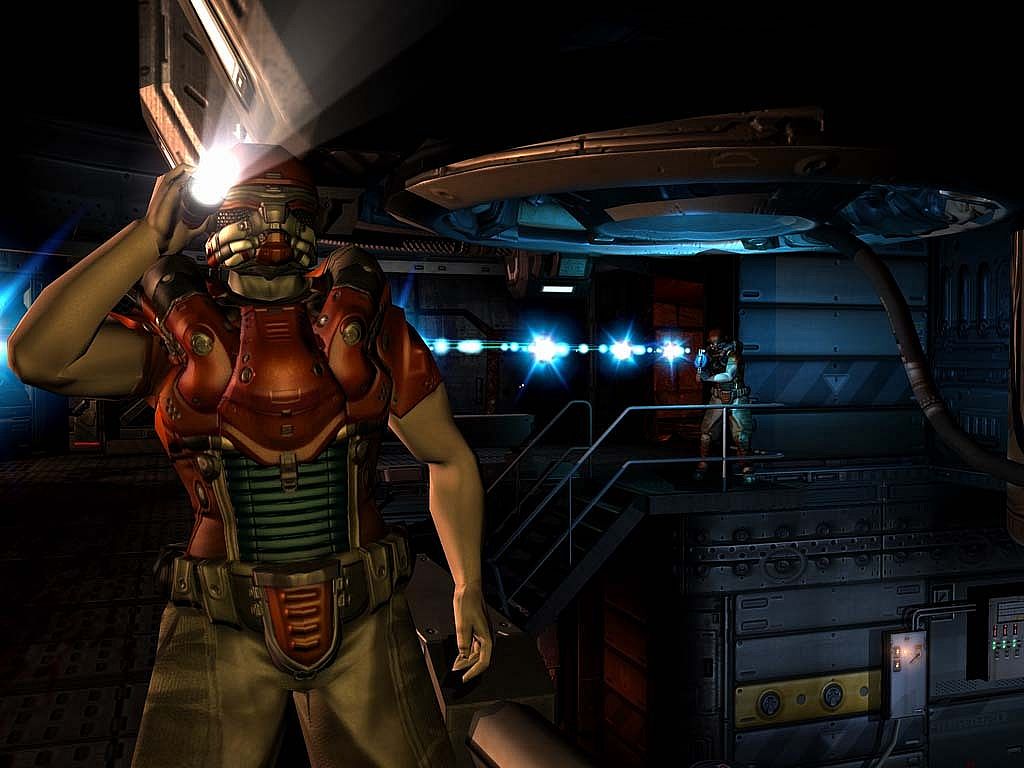
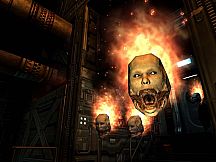
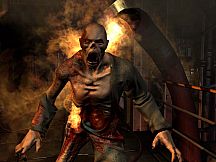
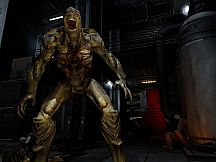
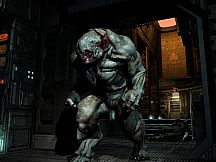
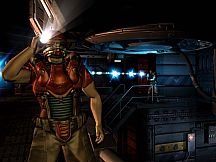
DOOM 3 is a first-person shooter survival horror game released in 2004 for PC. Set during a demonic invasion at the Union Aerospace Corporation research facility on Mars, the title places players in the role of a lone marine survivor tasked with battling through hordes of monsters while navigating dark corridors and industrial complexes. The core experience emphasizes tension, resource management, and deliberate movement in low-light environments rather than rapid arena combat.
Gameplay
The single-player campaign unfolds through linear levels where the primary goal is to advance while eliminating demonic enemies that emerge from portals and hidden areas. Players rely on a flashlight to illuminate surroundings, which must be toggled on and off since it occupies one hand and prevents simultaneous weapon use. This mechanic heightens the sense of vulnerability during exploration and ambushes.
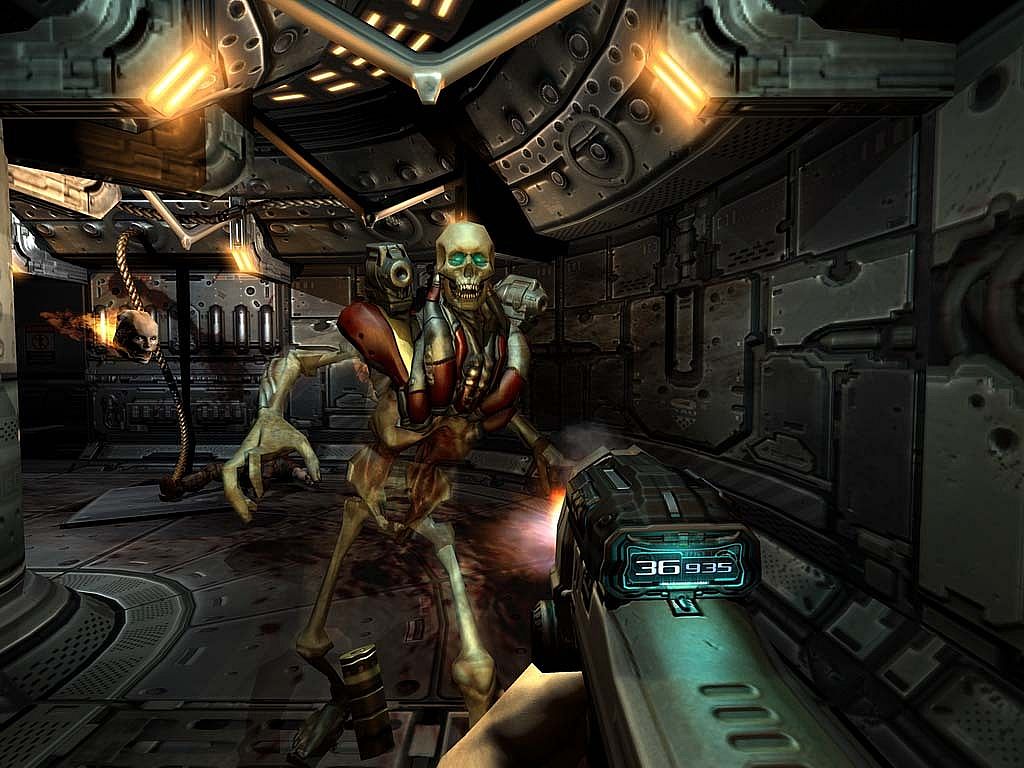
Combat revolves around a selection of ten weapons drawn from conventional firearms and experimental armaments. Early encounters often involve the pistol or shotgun for close-range threats, while later sections introduce plasma rifles and the iconic BFG 9000 for larger groups. Grenades provide area control, and the chainsaw serves as a melee option for conserving ammunition against weaker foes. Health and armor pickups are scattered throughout, encouraging careful routing and backtracking in some areas.
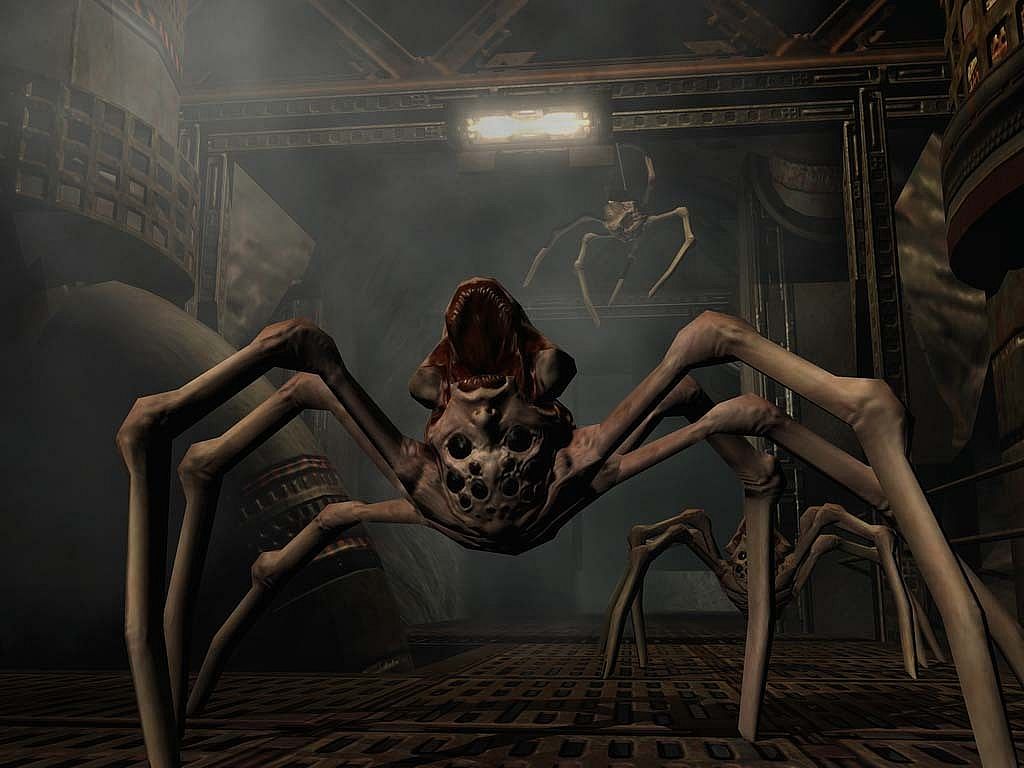
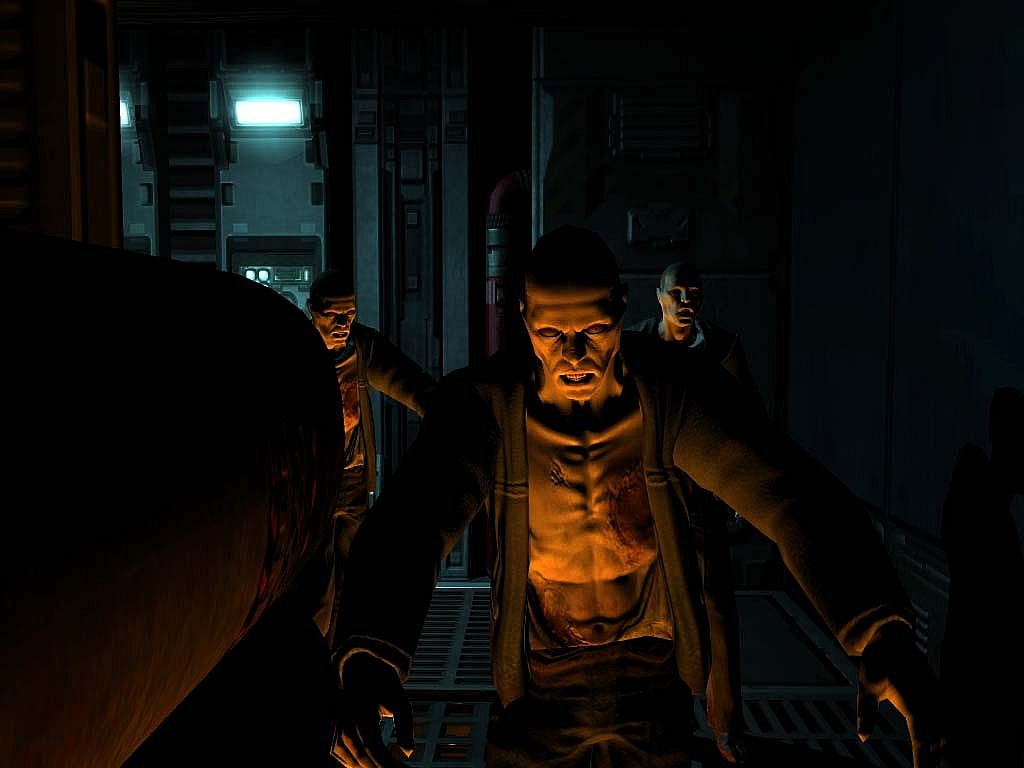
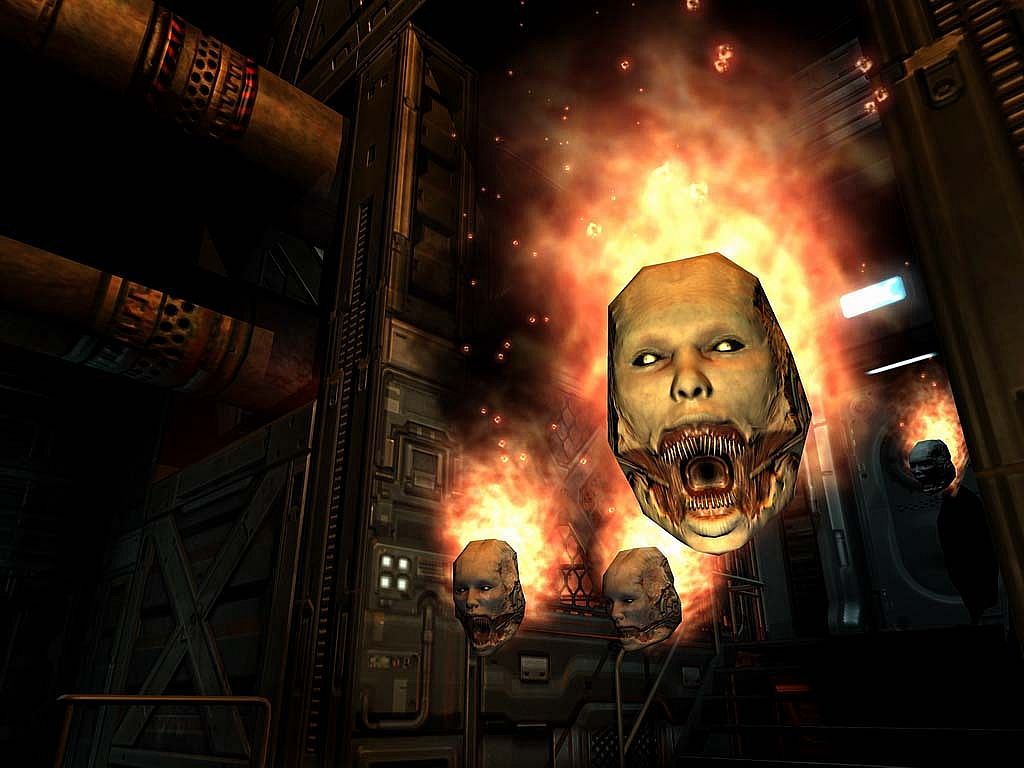
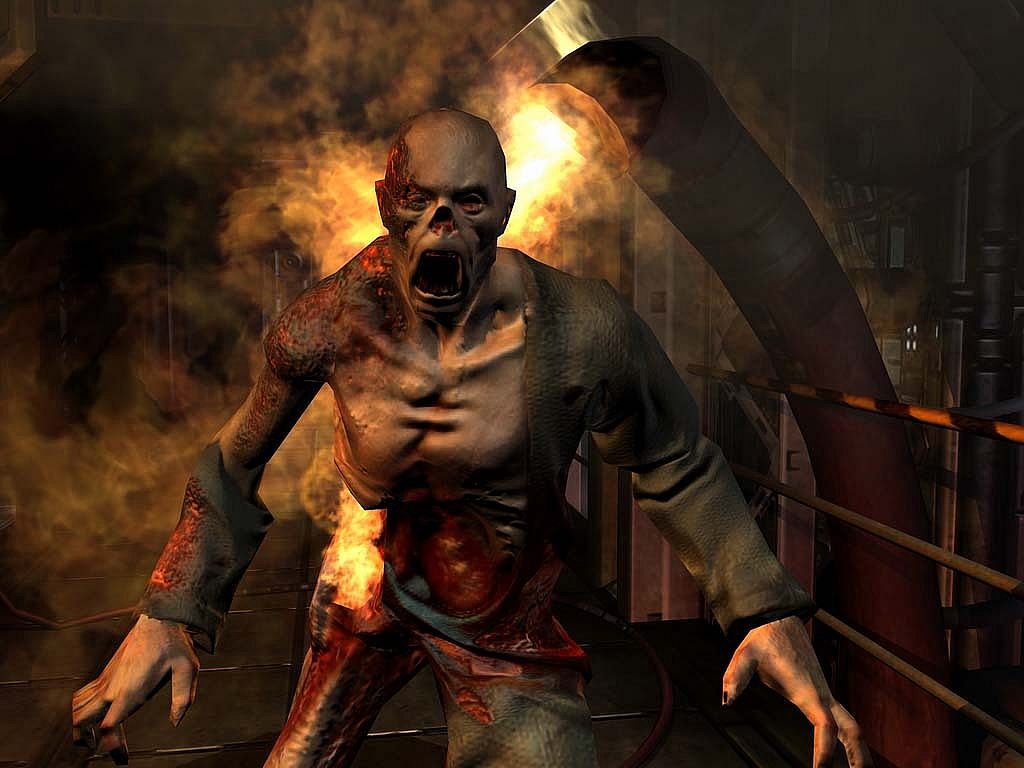
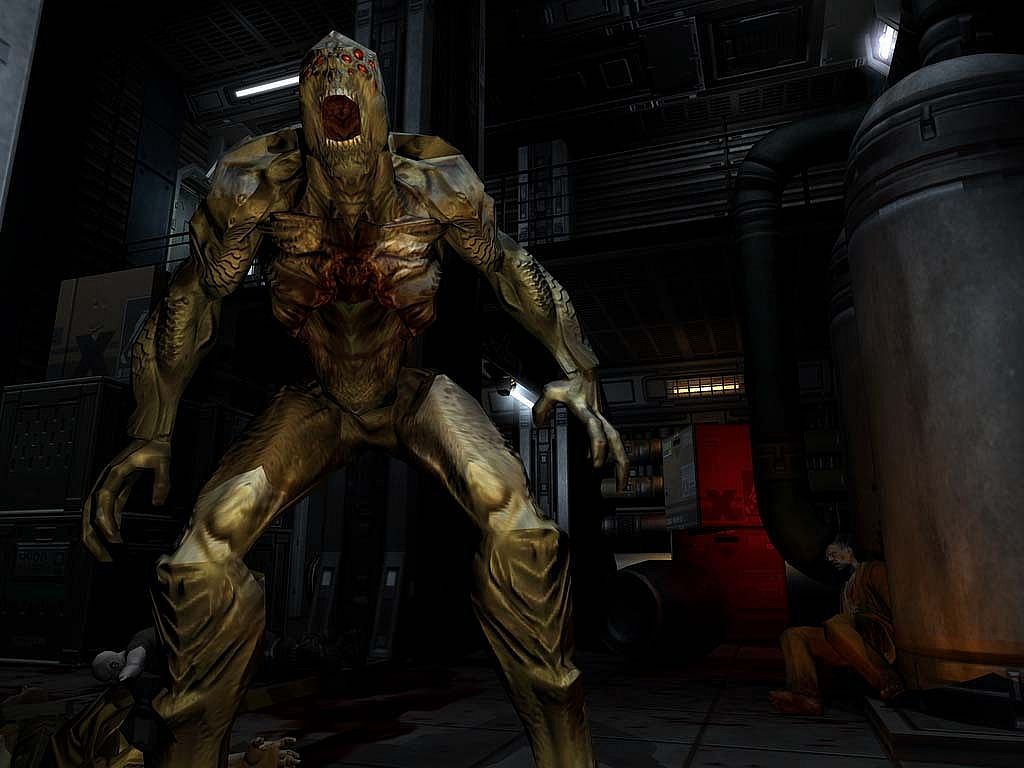
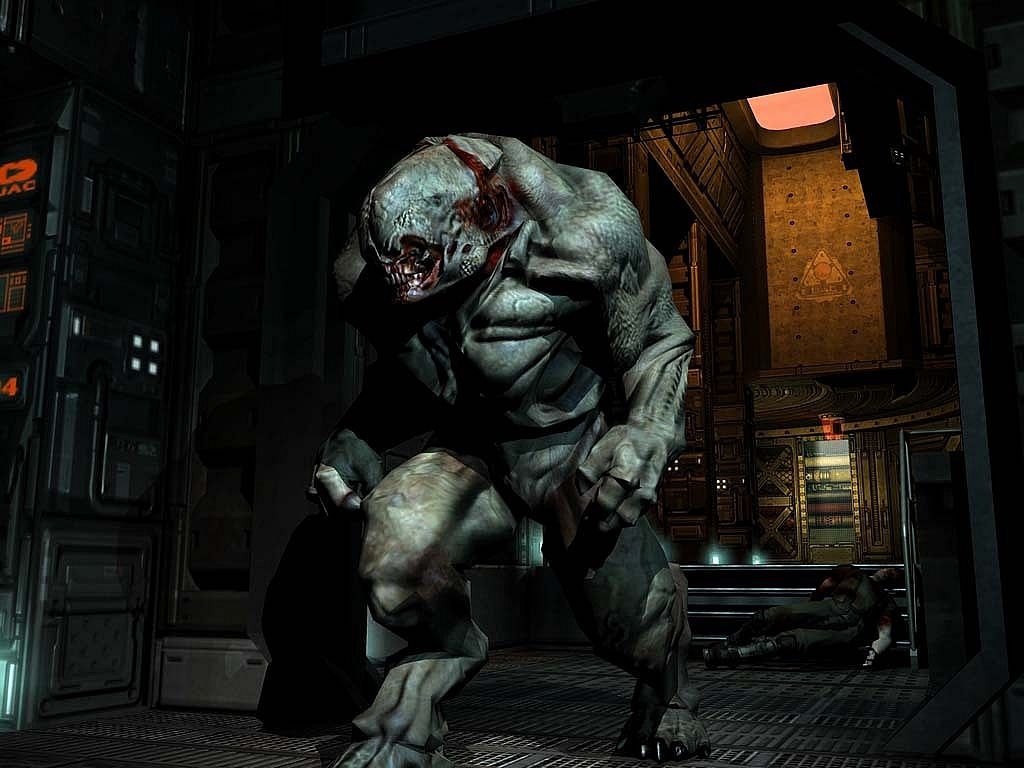
Enemy types include imps that hurl fireballs, zombies that rise from the floor, and larger demons that require sustained fire or specific tactics. The game incorporates occasional third-person cutscenes to advance the narrative through interactions with surviving non-player characters who offer objectives and items. Overall pacing favors methodical clearing of rooms over constant forward momentum, with darkness and sound design playing key roles in building suspense.
Game Modes
The multiplayer component supports up to four players and centers exclusively on competitive deathmatch formats. Standard deathmatch pits individuals against each other on dedicated maps, with the highest kill count determining the winner at the end of a time limit. Team deathmatch divides participants into opposing sides for coordinated play.
Last man standing restricts respawns, turning matches into survival contests where each death reduces available lives until only one player remains. Tournament mode structures one-versus-one duels, ejecting the loser into spectator status while others continue. These modes share the same weapon roster and level designs as the single-player campaign but emphasize direct player-versus-player confrontations without enemy AI interference.
Weapons and Enemies
Weapon progression introduces new tools at key points, balancing immediate firepower with longer-term strategic choices such as conserving ammunition for tougher encounters. The chainsaw stands out for its efficiency against clustered low-tier threats, while grenades allow indirect engagement around corners or through doorways.
Enemy behavior includes projectile attacks, melee rushes, and spawning from vents or shadows, requiring players to manage sightlines and retreat options. No light-amplification devices exist, so visibility remains a constant constraint that influences positioning and engagement distance.
Is It Worth Playing?
DOOM 3 delivers a focused single-player campaign lasting roughly ten to twelve hours that prioritizes atmospheric horror within a first-person shooter framework. Its deliberate pace and emphasis on darkness suit players who appreciate tension and exploration over fast-paced action. The multiplayer options provide additional variety for small groups seeking classic deathmatch experiences, though the feature set remains modest compared to dedicated competitive titles.
Reception at launch highlighted the technical achievements in lighting and sound alongside the shift toward narrative elements and slower combat. Today the original version stands as a self-contained experience available on PC platforms, with no ongoing seasonal content or major updates. Those drawn to survival horror mechanics and methodical gunplay in confined sci-fi settings will find the core loop intact and engaging, while fans of earlier high-speed entries in the series may note the deliberate change in tempo.