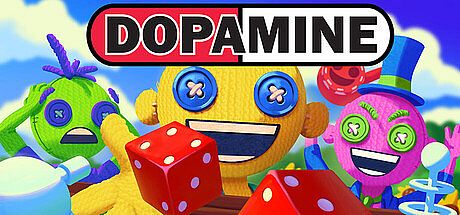


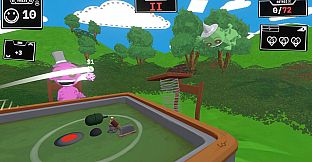
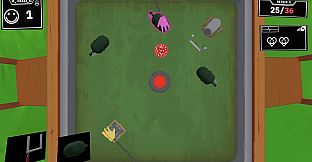
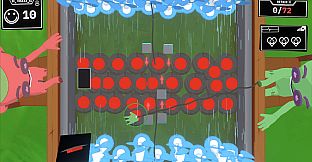
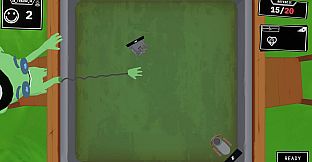
DOPAMINE is a strategy and simulation game built around physics-based dice rolling and contraption construction. Players create elaborate setups to guide a die through increasingly demanding challenges, aiming for high scores in a psychedelic rogue-lite framework. The core loop combines careful planning with unpredictable physical interactions, where each roll tests the stability and creativity of the built environment.
Gameplay
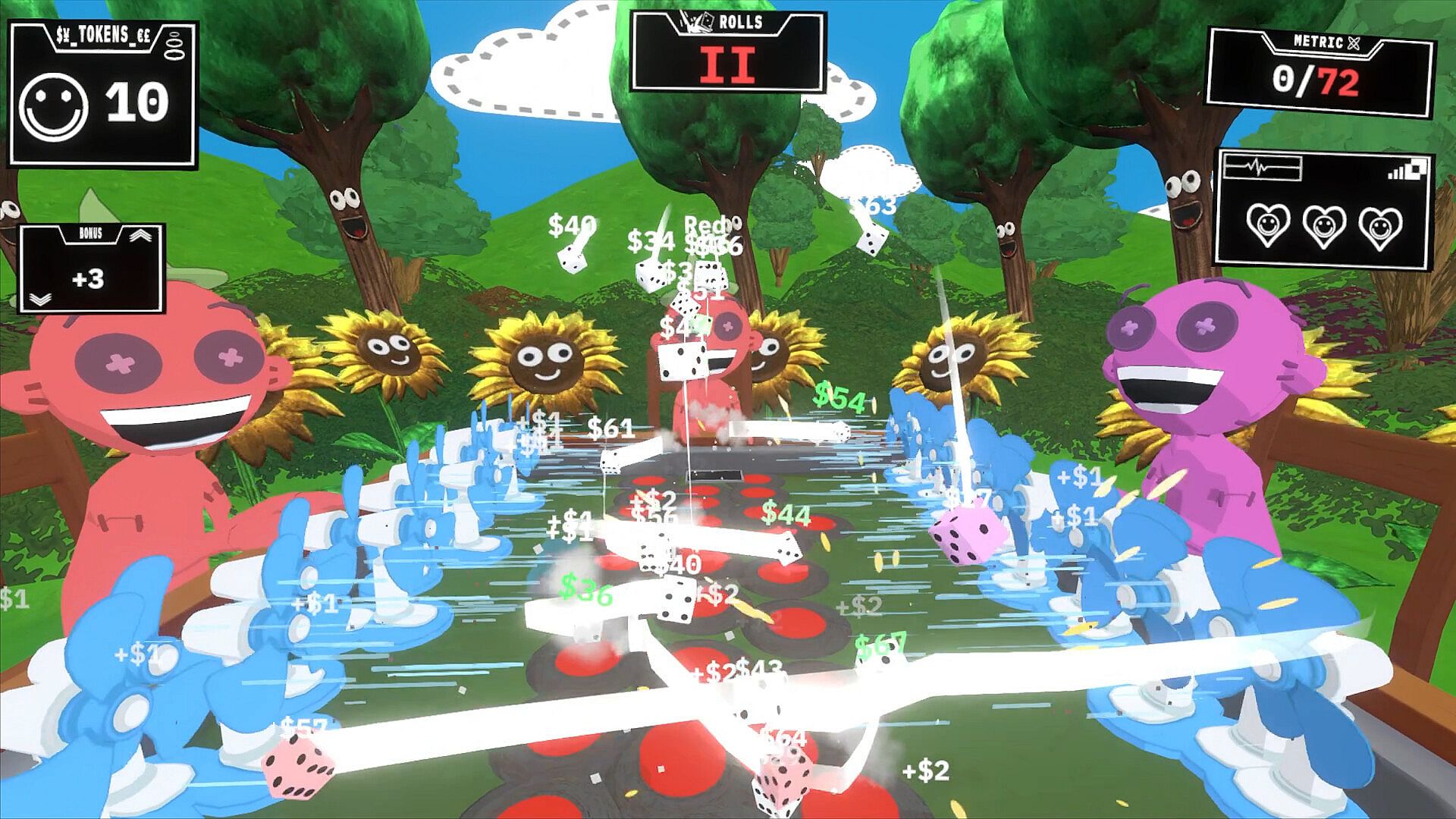
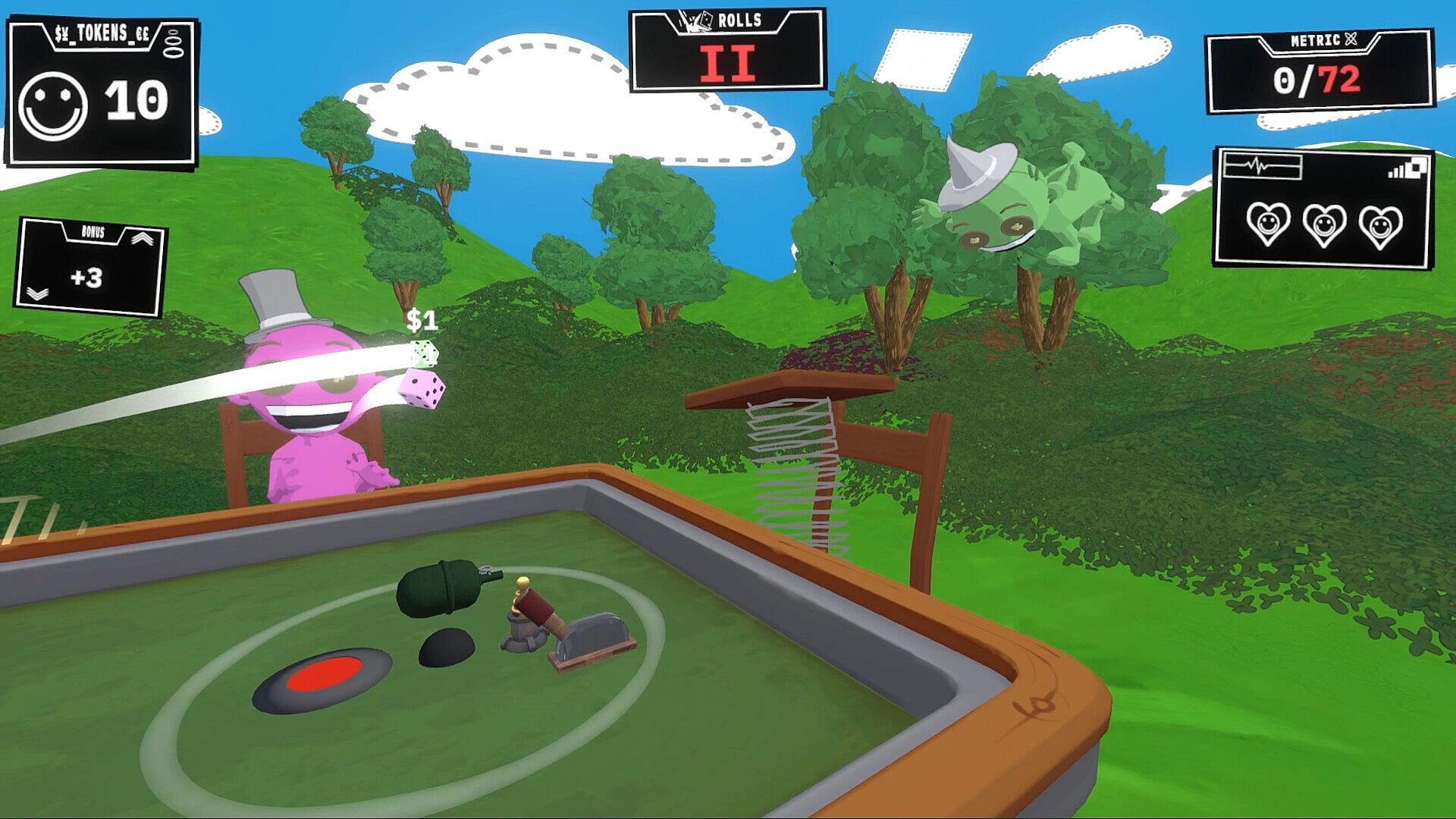
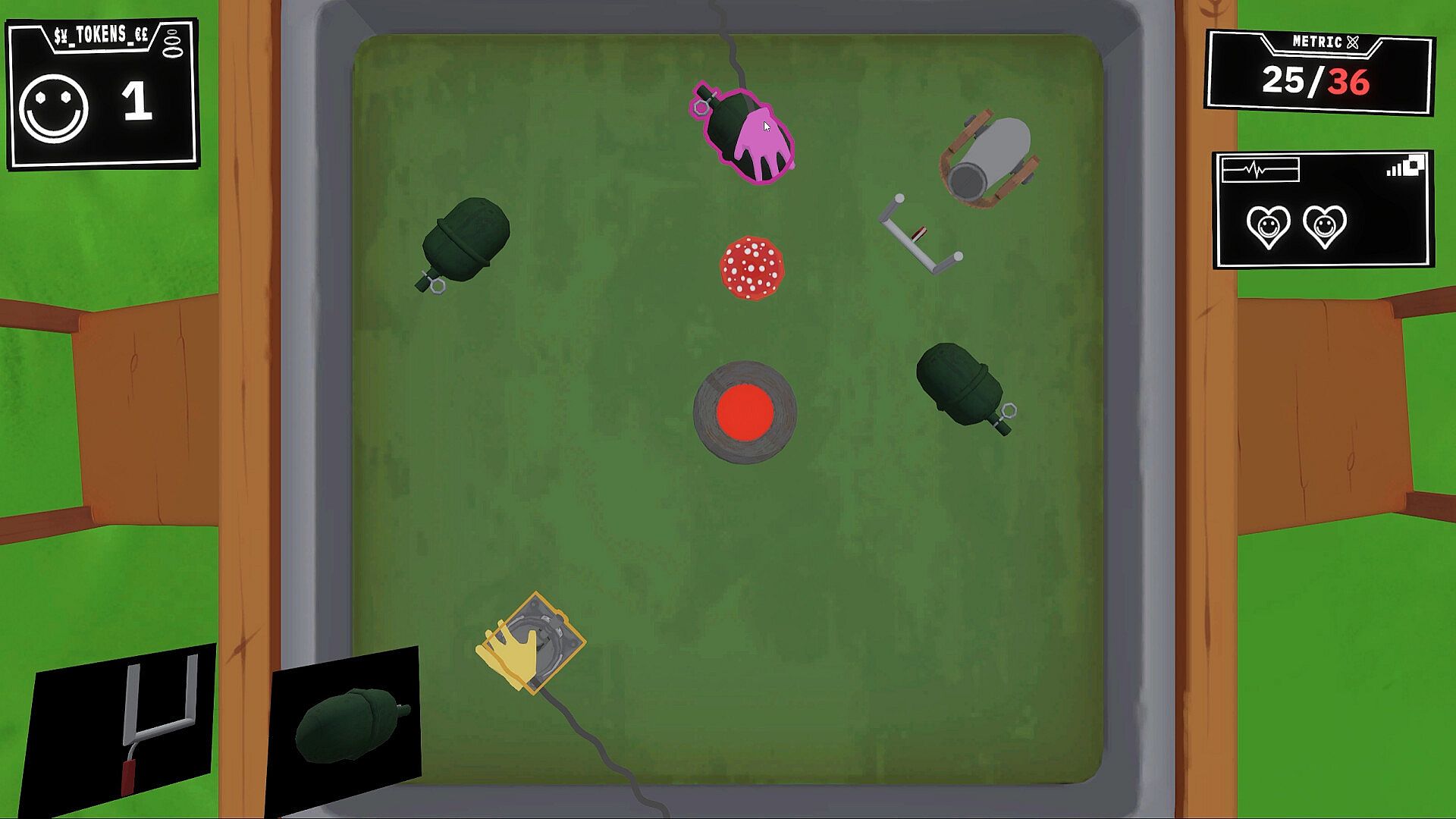
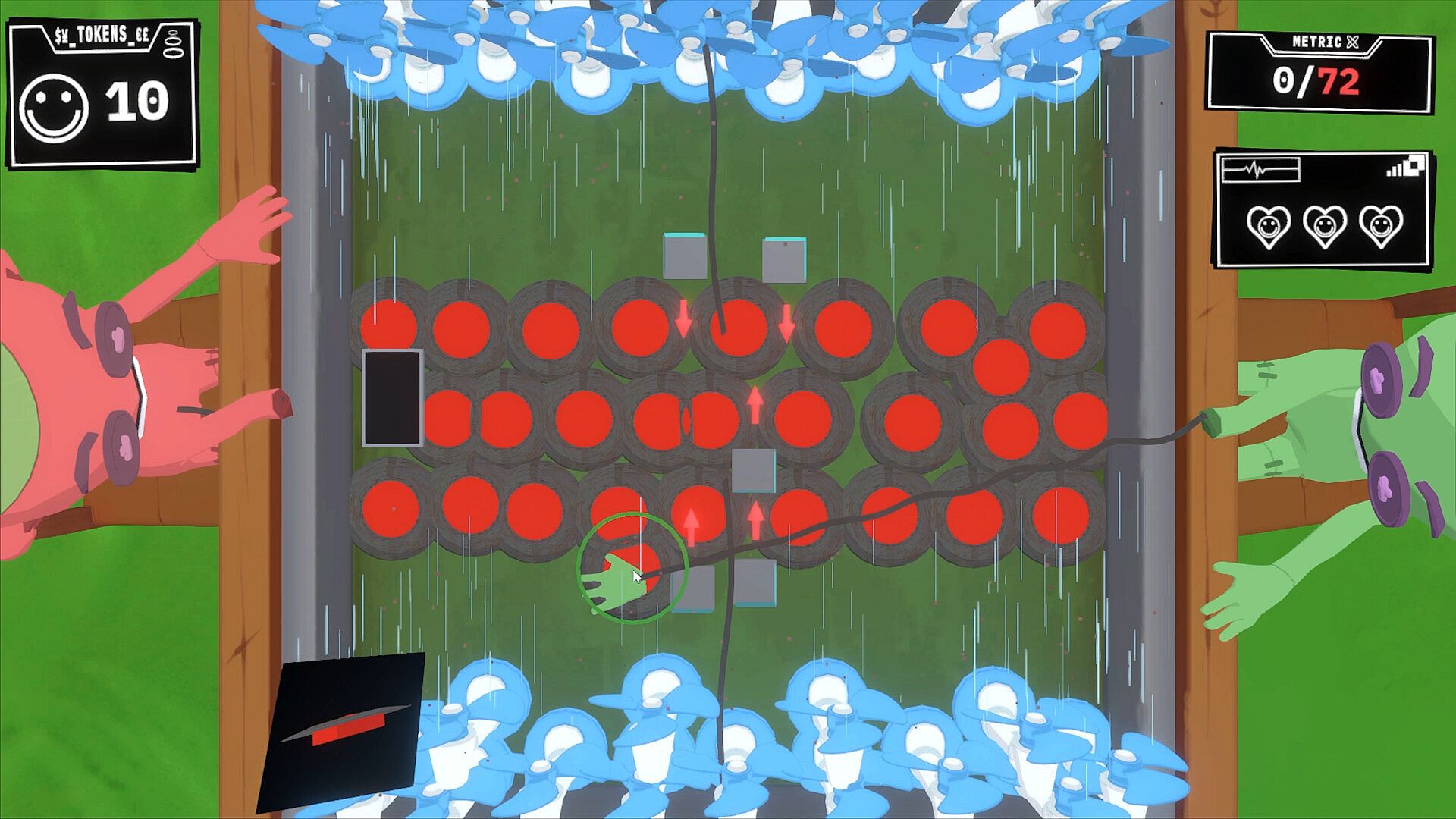
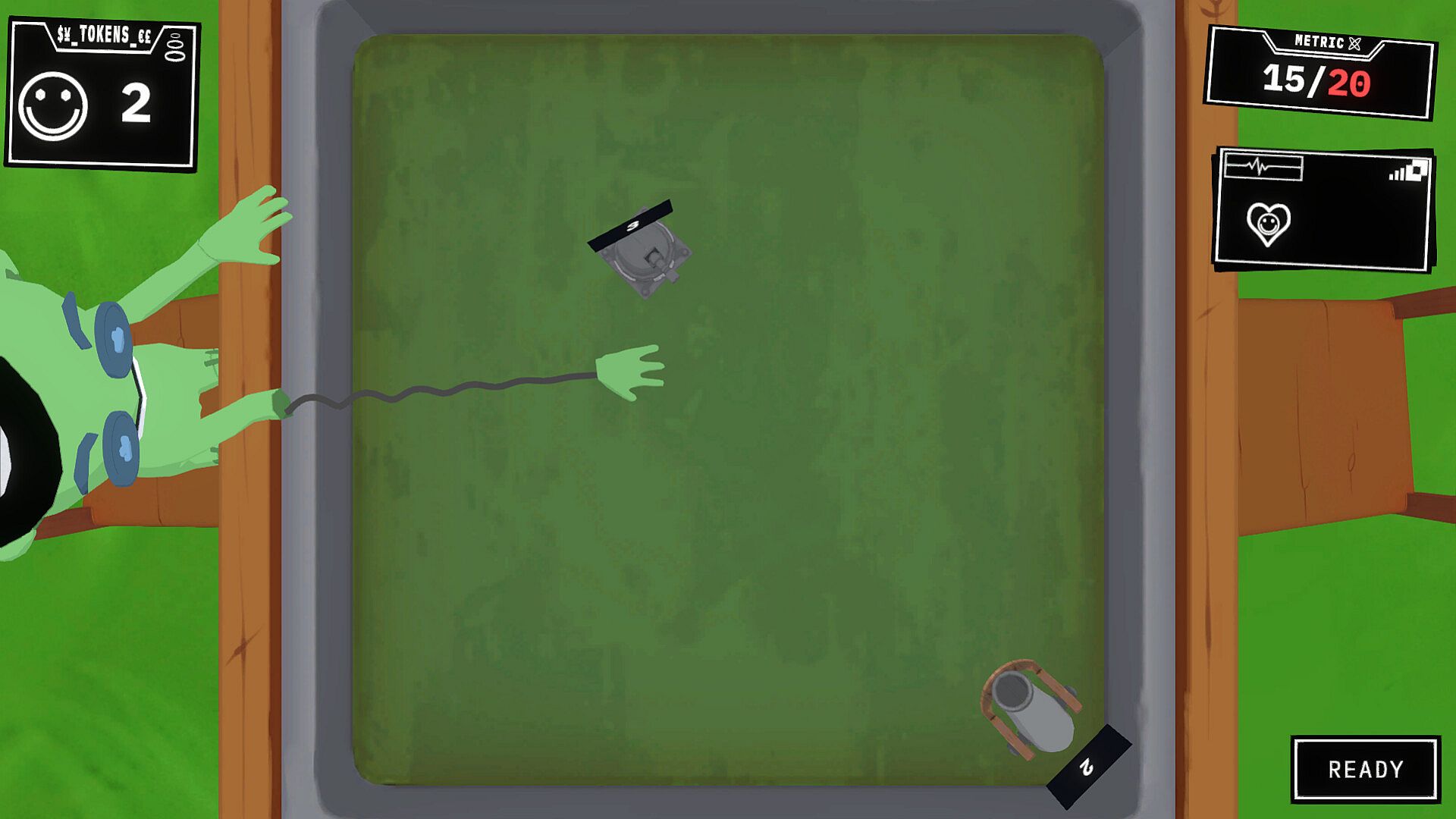
The central activity revolves around rolling a die through custom-built machines. Players position ramps, cannons, fans, bounce pads, magnets, grenades, guillotines, and additional elements to direct the die's path. Success depends on constructing routes that survive multiple rolls while accumulating points. The more rolls completed, the higher the score, pushing participants to refine layouts for greater efficiency and spectacle.
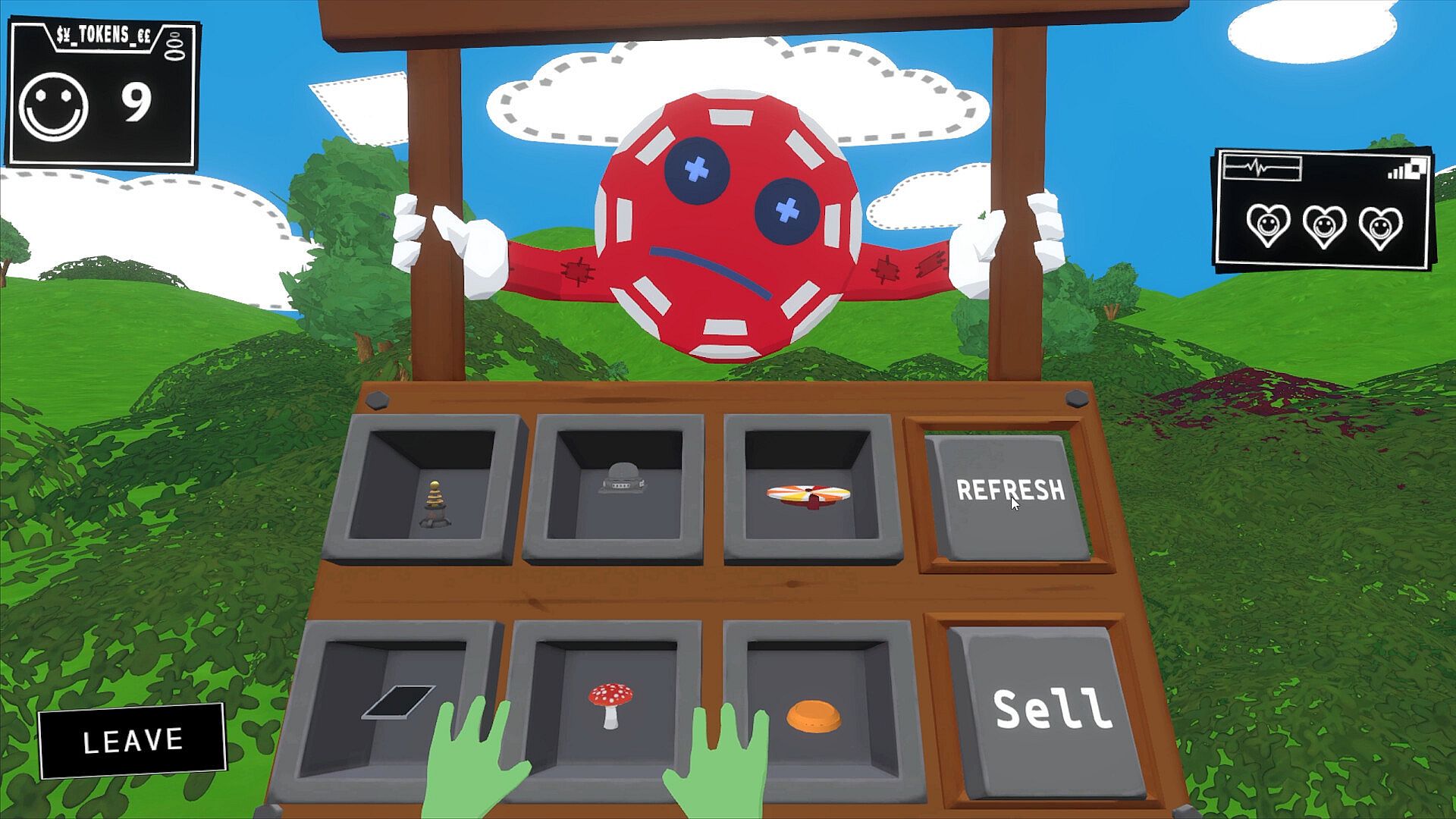
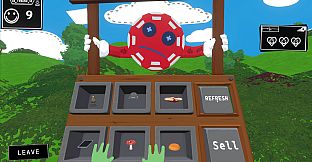
Item discovery occurs through a shop system that introduces new components over time. These additions expand options for path creation and introduce variables that alter dice behavior. Ragdoll physics governs how objects and the die interact, producing chaotic outcomes when setups fail or when elements collide unexpectedly. This system rewards experimentation while punishing overly complex or unstable designs.
Progression ties directly to repeated rolls and threshold completion. Each successful run unlocks further shop options, encouraging players to revisit earlier stages with improved tools. The emphasis remains on maximizing score through optimal contraption engineering rather than narrative or combat elements.
Game Modes
Singleplayer sessions allow solo experimentation with contraption building and dice rolling. The focus stays on personal score chasing and iterative improvement of individual setups.
Online co-op supports up to four participants working together on shared contraptions. Friends can collaborate on path design or introduce disruptive elements such as traps to interfere with one another's rolls. This mode highlights social interaction through shared construction and friendly sabotage, all while pursuing collective or competitive high scores.
The rogue-lite structure carries across both approaches. Failed runs reset progress but retain shop discoveries, allowing gradual expansion of available tools and mechanics. No separate competitive ladders or story-driven campaigns appear in the core experience.
Key Mechanics and Features
Physics simulation drives every interaction. Dice movement follows realistic trajectories influenced by placed objects, gravity, and collisions. Small adjustments to placement can produce dramatically different results on subsequent rolls.
Score thresholds increase with each stage, demanding more intricate contraptions. Players must balance risk and reward when adding volatile items like grenades or guillotines that might boost points or derail the die entirely.
Multiplayer interference adds a layer of strategy. Participants can place traps or alter shared elements to hinder others while advancing their own objectives. This creates dynamic sessions where cooperation and competition coexist within the same build space.
Is It Worth Playing?
DOPAMINE suits players who enjoy physics puzzle construction combined with light rogue-lite progression and optional multiplayer chaos. The emphasis on building and refining contraptions appeals to those who like iterative design and high-score optimization. Co-op sessions deliver memorable moments through shared successes and intentional disruptions.
Those seeking traditional strategy depth or extensive singleplayer campaigns may find the scope narrower. The game centers on repeated short runs focused on mechanical mastery rather than long-term progression systems or varied objectives. Availability on PC makes it accessible for groups interested in casual co-op sessions or solo tinkering.
Current player interest centers on the unique blend of gambling tension and creative building. The absence of confirmed large-scale updates or seasonal content keeps the focus on the foundational loop of rolling, building, and scoring. Individuals drawn to ragdoll physics and contraption experimentation will likely find repeated value in testing new item combinations and layouts.