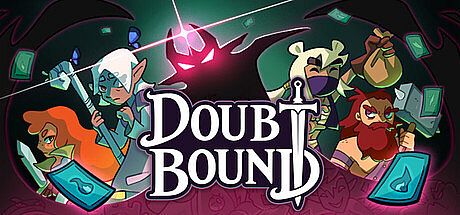


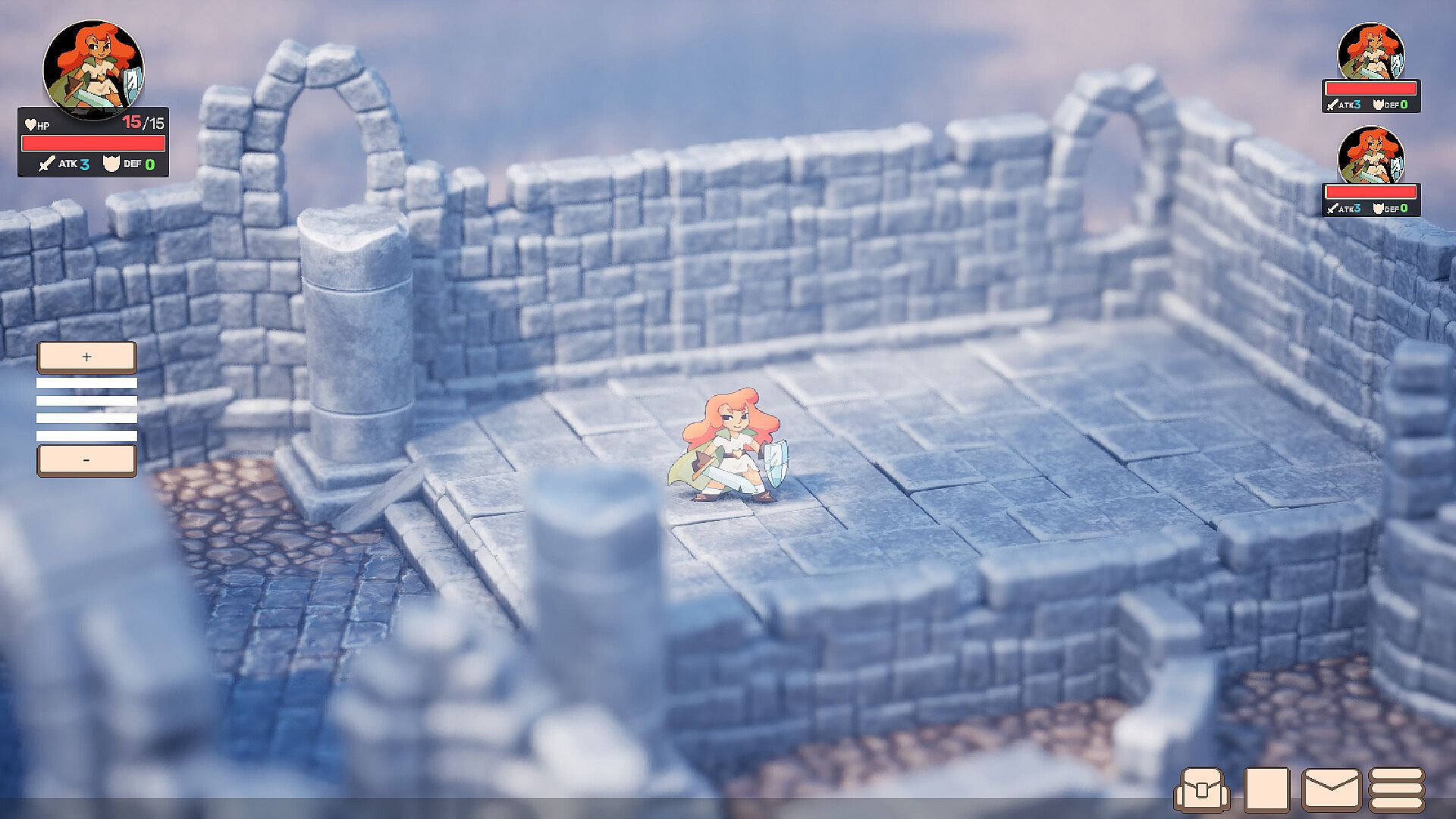
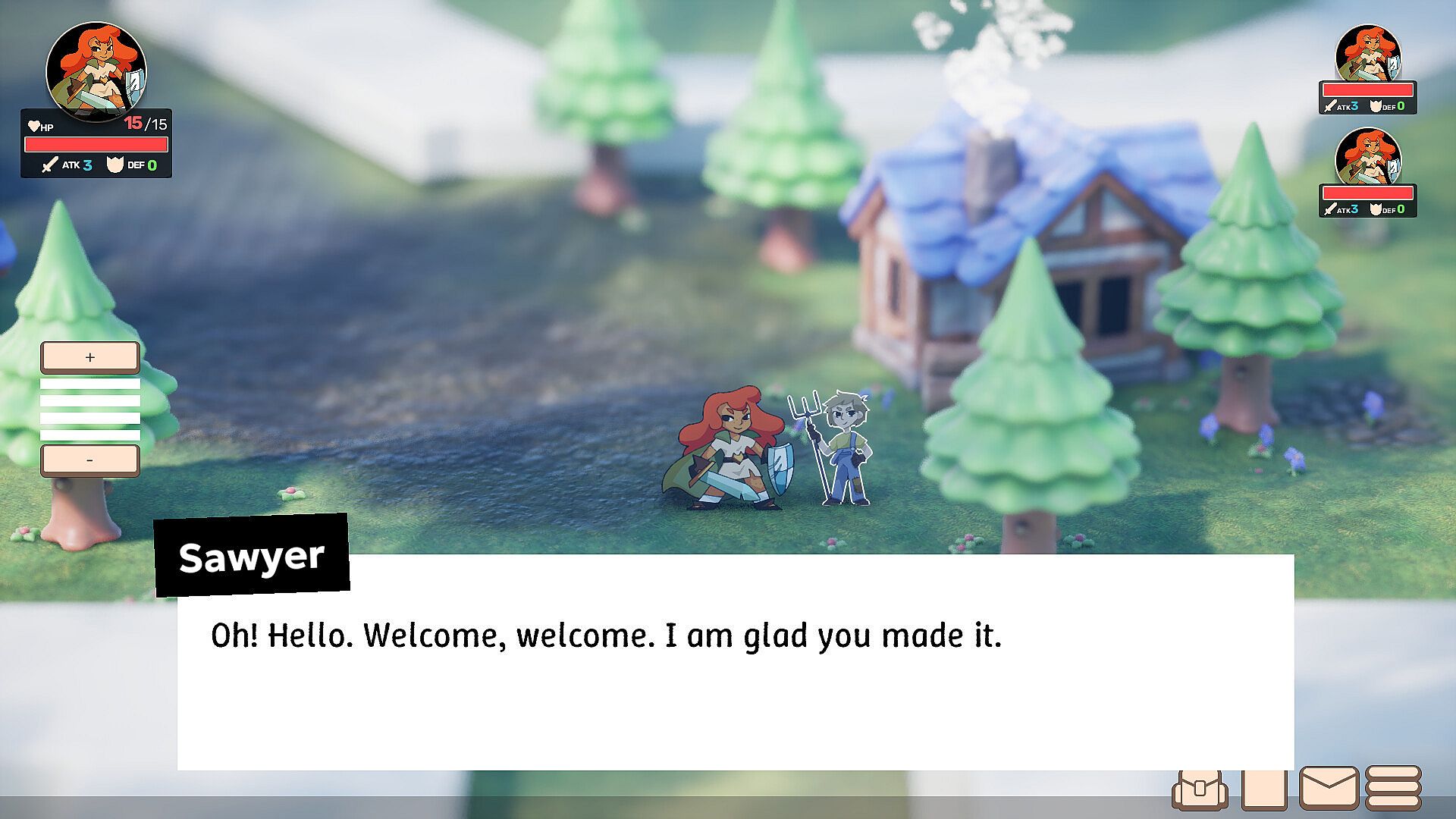

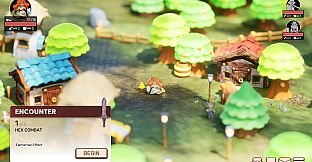
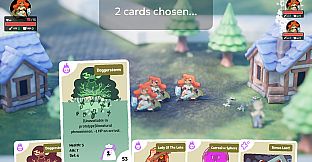

Doubtbound is a turn-based RPG that blends strategy and social deduction elements in a compact party-based adventure. Players assemble a group of three to five heroes to challenge the Mad Monarch, navigating encounters shaped by card choices while watching for signs of internal sabotage. The core loop revolves around tactical combat, resource allocation through loot decisions, and the constant need to identify which ally might be undermining the effort.
Gameplay
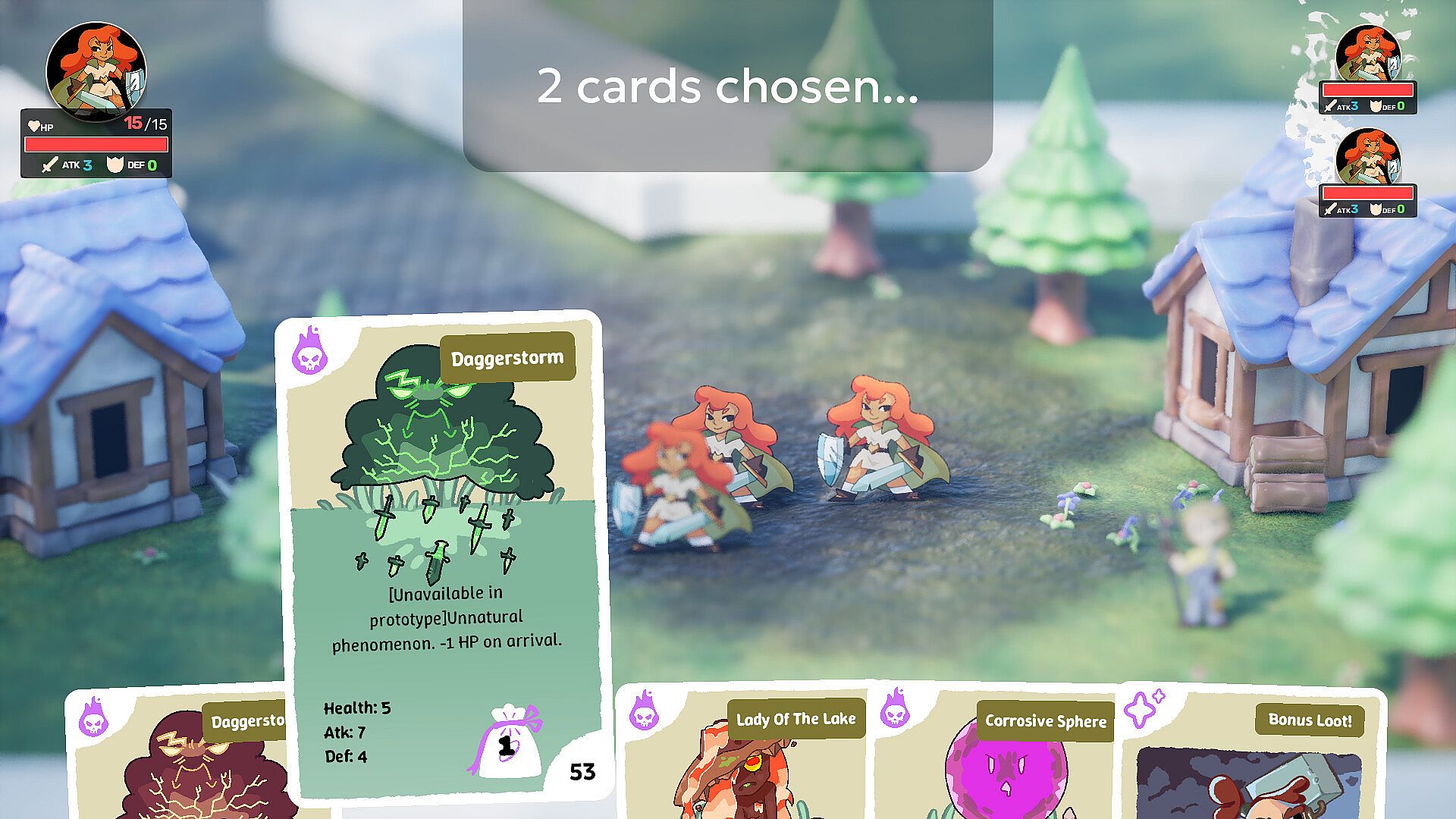
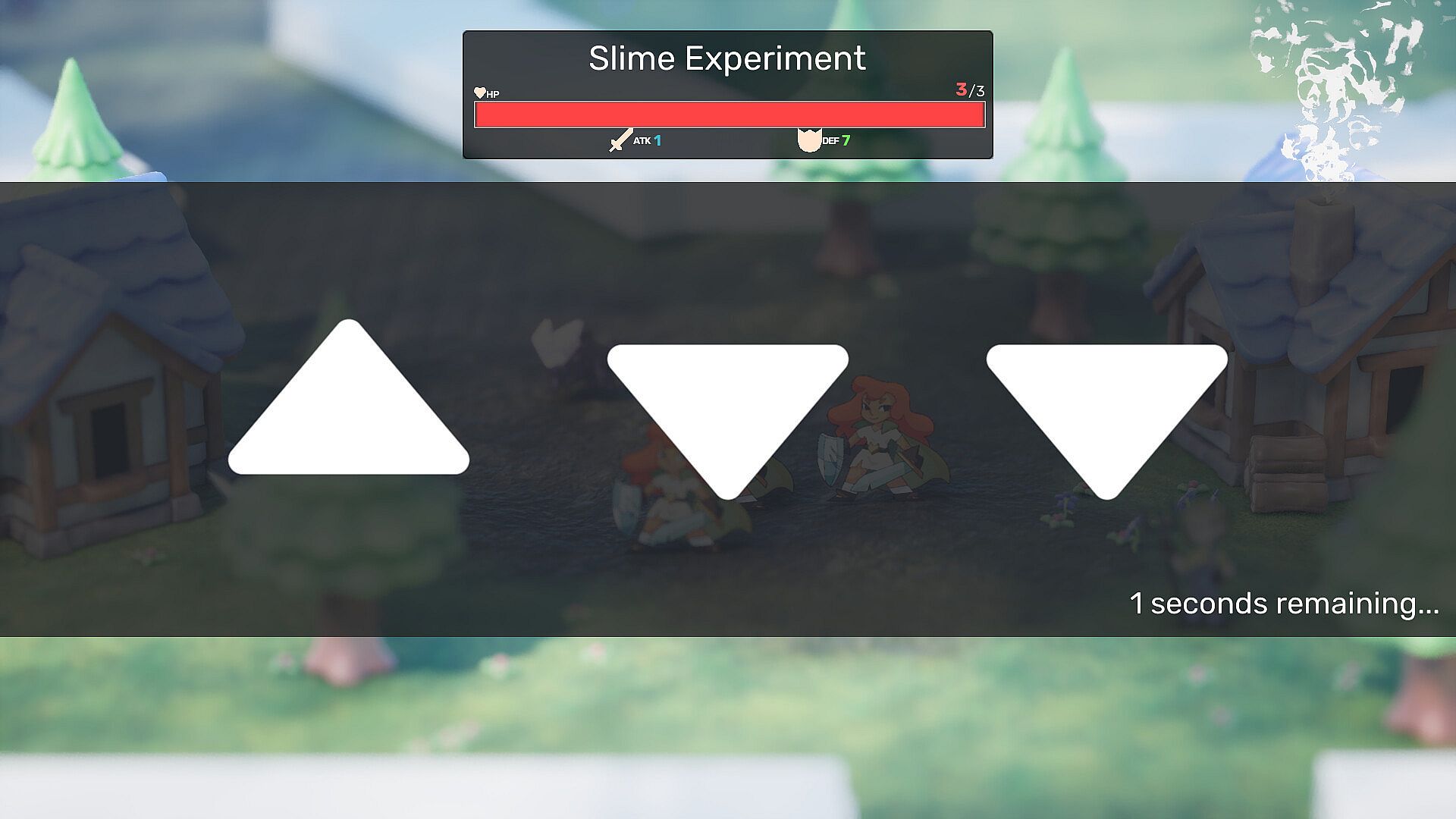
Combat unfolds in a turn-based format where each hero draws from a shared pool of cards that determine the challenges and opportunities in upcoming trials. These cards influence enemy compositions, environmental hazards, and potential rewards, forcing the party to adapt strategies on the fly. Heroes develop distinct abilities and playstyles as they progress, allowing for varied builds that emphasize different roles such as damage output, support, or control.
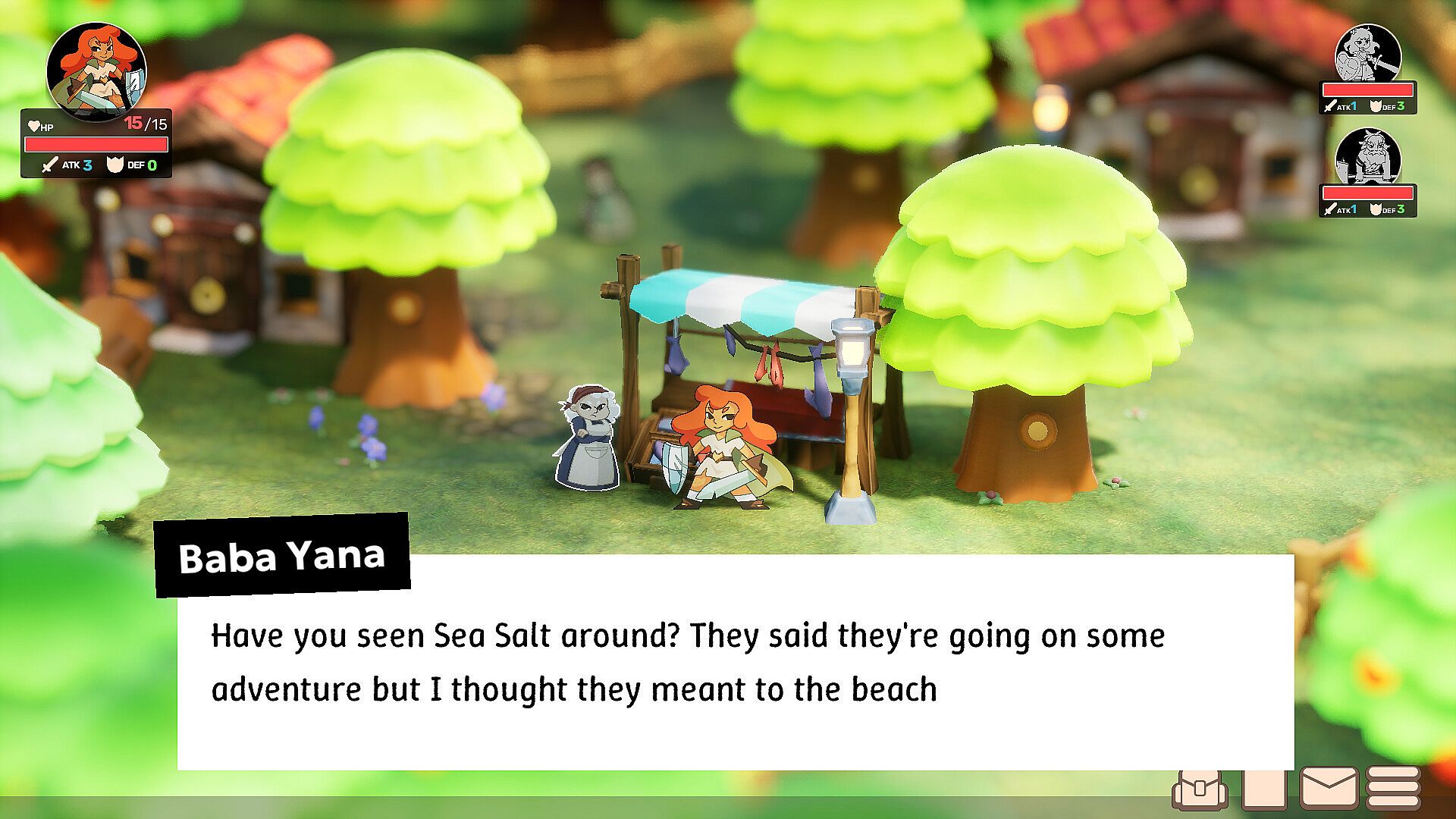
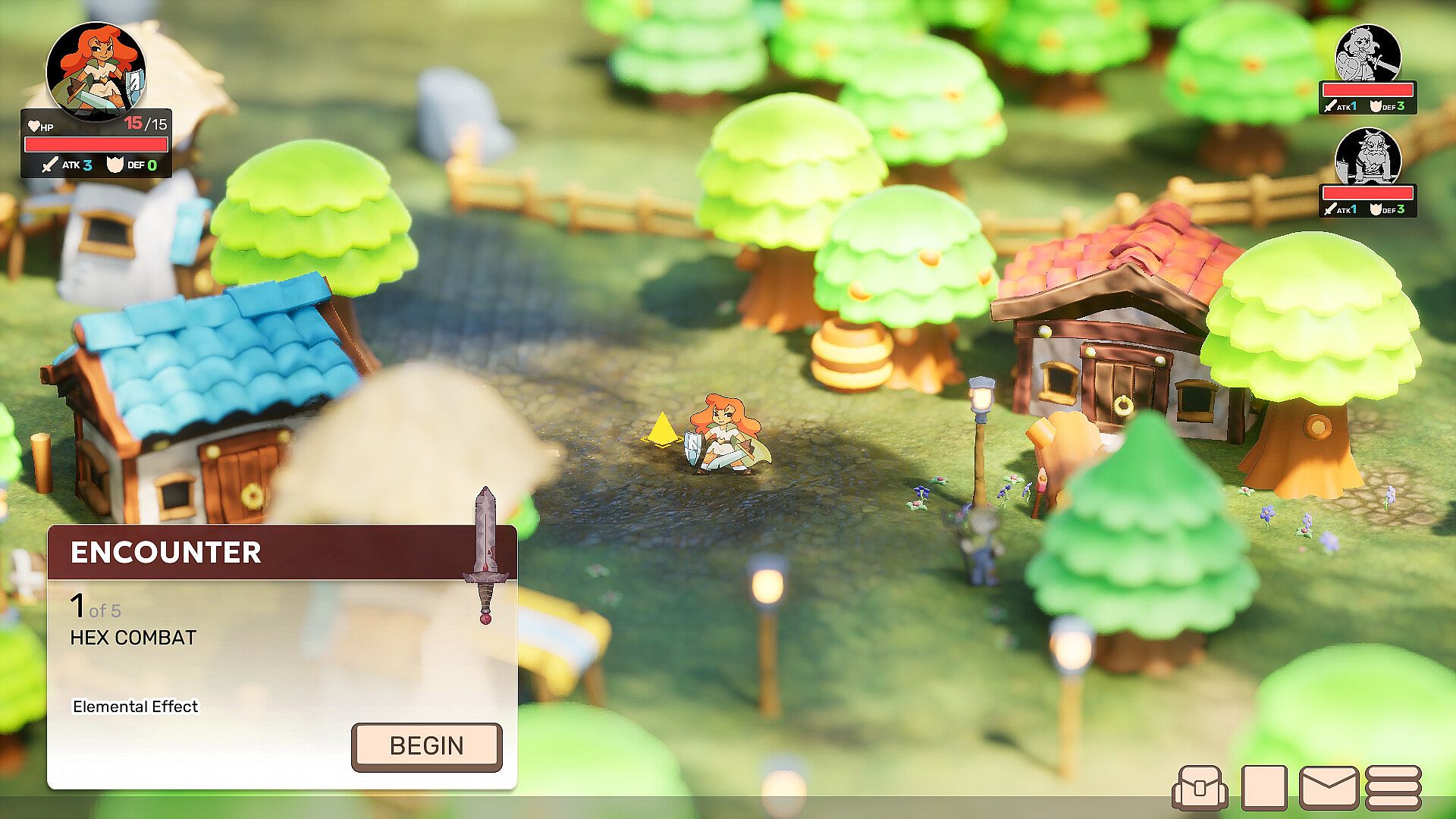
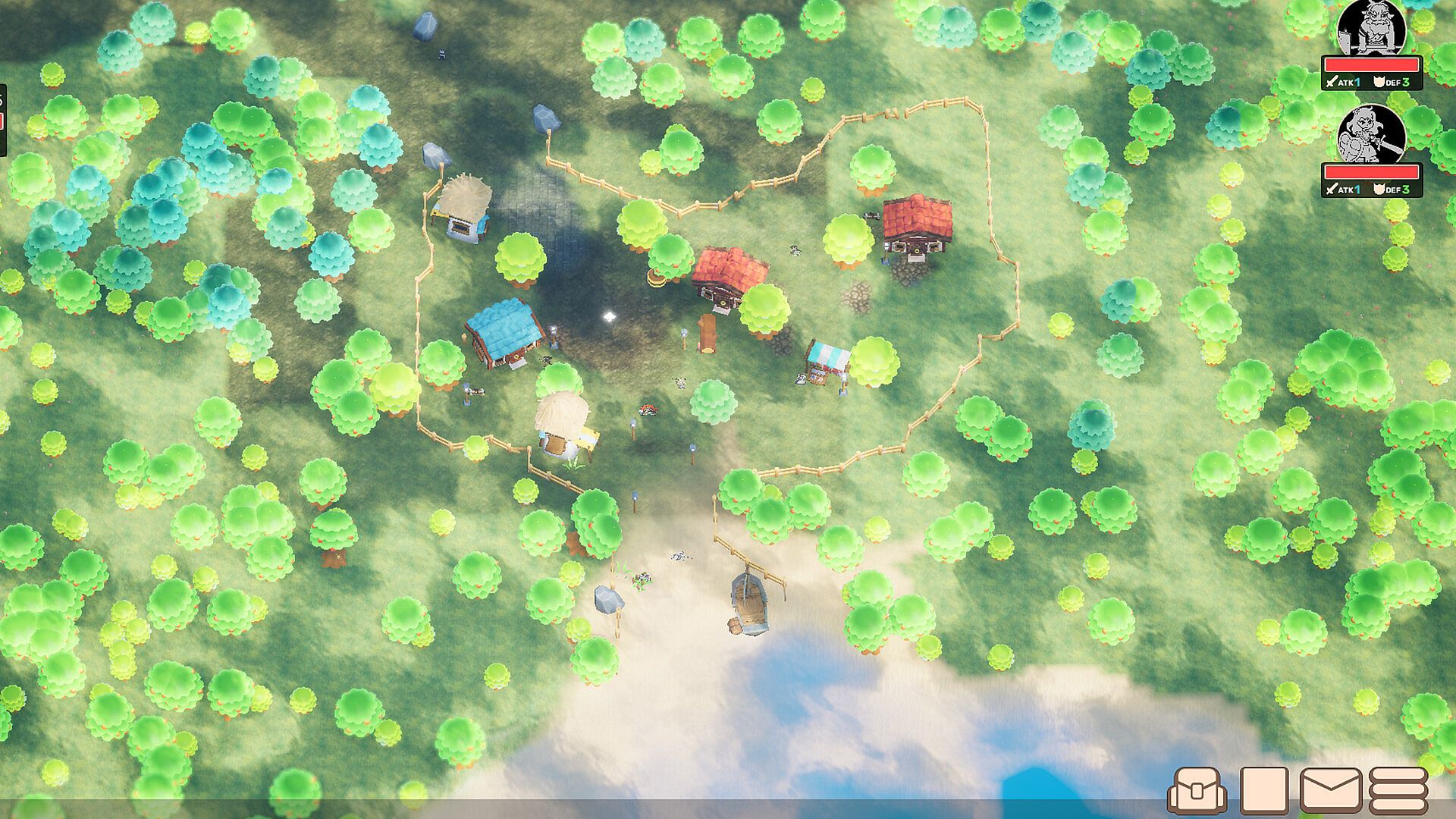
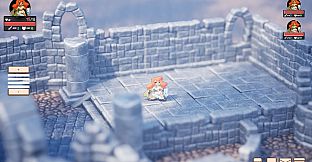
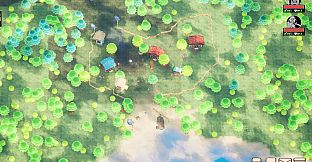
Loot distribution happens through party votes, adding another layer of decision-making that can shift power dynamics. The stylized 2D characters move through a colorful 3D diorama environment, keeping the focus on the strategic and interpersonal elements rather than visual spectacle. Replayability stems from shifting encounter setups across runs, ensuring no two journeys feel identical even with the same hero lineup.
Game Modes
Parties can form online with friends for the full hidden betrayal experience. Empty seats fill automatically with bots that maintain the core mechanics of potential sabotage and decision-making. A complete solo run is also possible using an all-bot party, preserving the tension of uncovering disloyalty without requiring other human players.
This flexibility supports both coordinated group sessions and independent play. The system ensures the traitor element remains active regardless of group size, with bots capable of mirroring human-like choices in card selection and voting.
Key Mechanics
Hidden betrayal forms the central tension. One party member secretly aligns with the Mad Monarch and can disrupt progress through subtle actions like favoring certain cards or steering loot toward less optimal outcomes. Detection relies on observing patterns in card picks, assistance given to others, and overall behavior across multiple encounters.
Exposing the traitor before the final confrontation weakens the Mad Monarch for the climactic battle. Failure to identify the saboteur results in facing a stronger opponent. The mechanics encourage close attention to every decision without disrupting the flow of combat or exploration.
Is It Worth Playing?
Doubtbound targets players who enjoy turn-based strategy combined with social deduction in small groups. Its indie scale and focus on repeatable short-to-medium sessions make it suitable for those seeking a mix of tactical depth and interpersonal suspicion. The bot support broadens accessibility for solo players or groups with inconsistent schedules.
Since the game remains in development with a Steam page available for wishlisting, interested players can monitor progress through official channels. Those drawn to party management, card-driven encounters, and the challenge of rooting out betrayal will find the verified systems align closely with these preferences. The absence of released player data means expectations should center on the described features rather than external benchmarks.