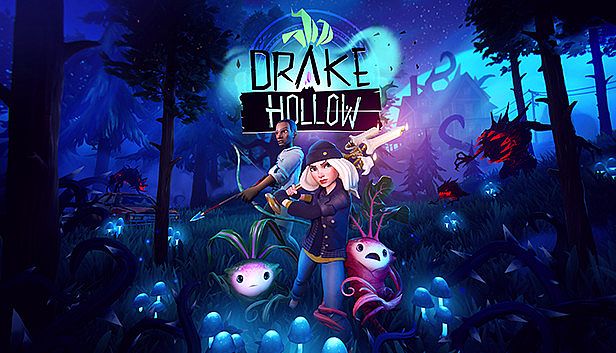











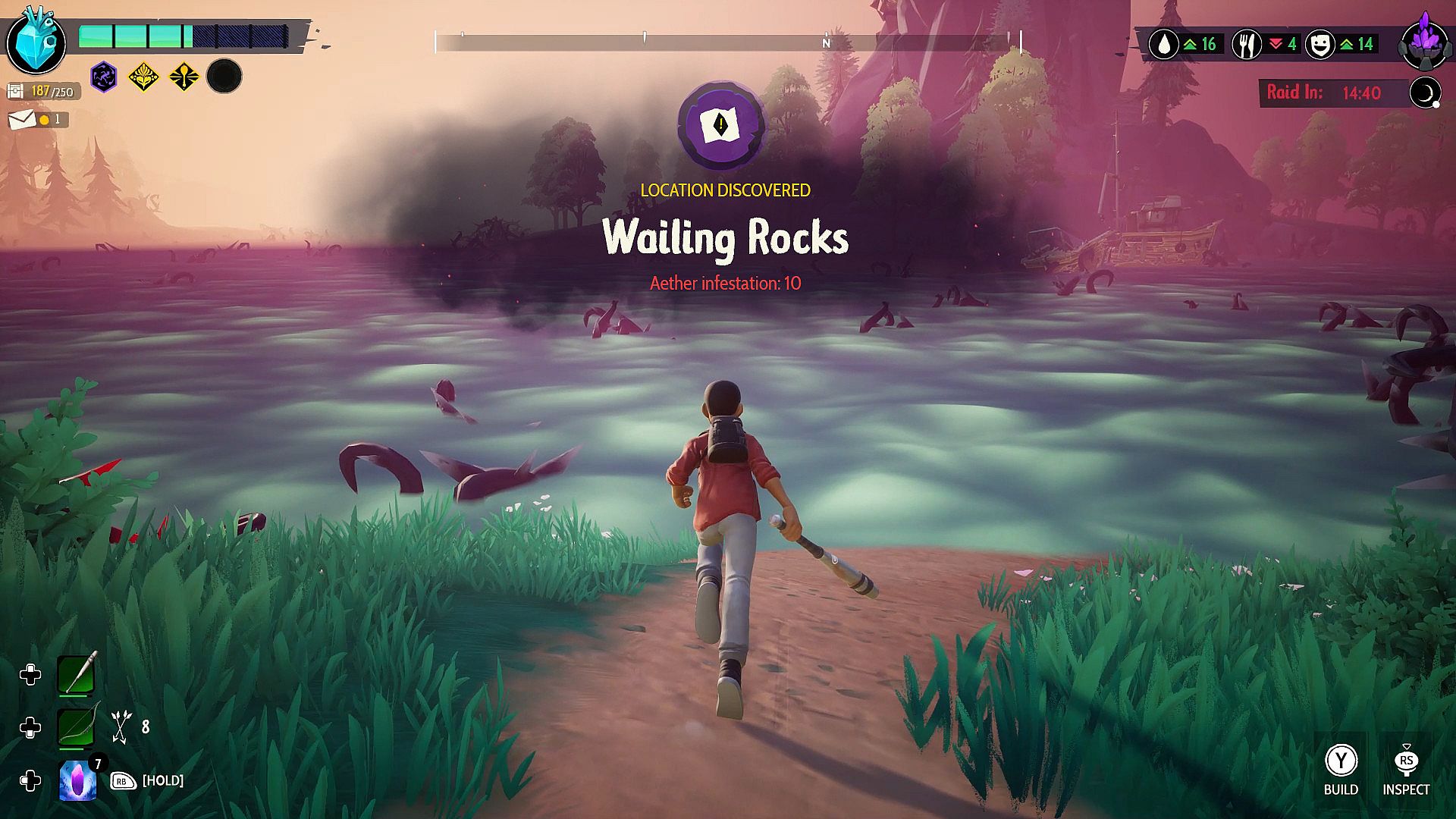
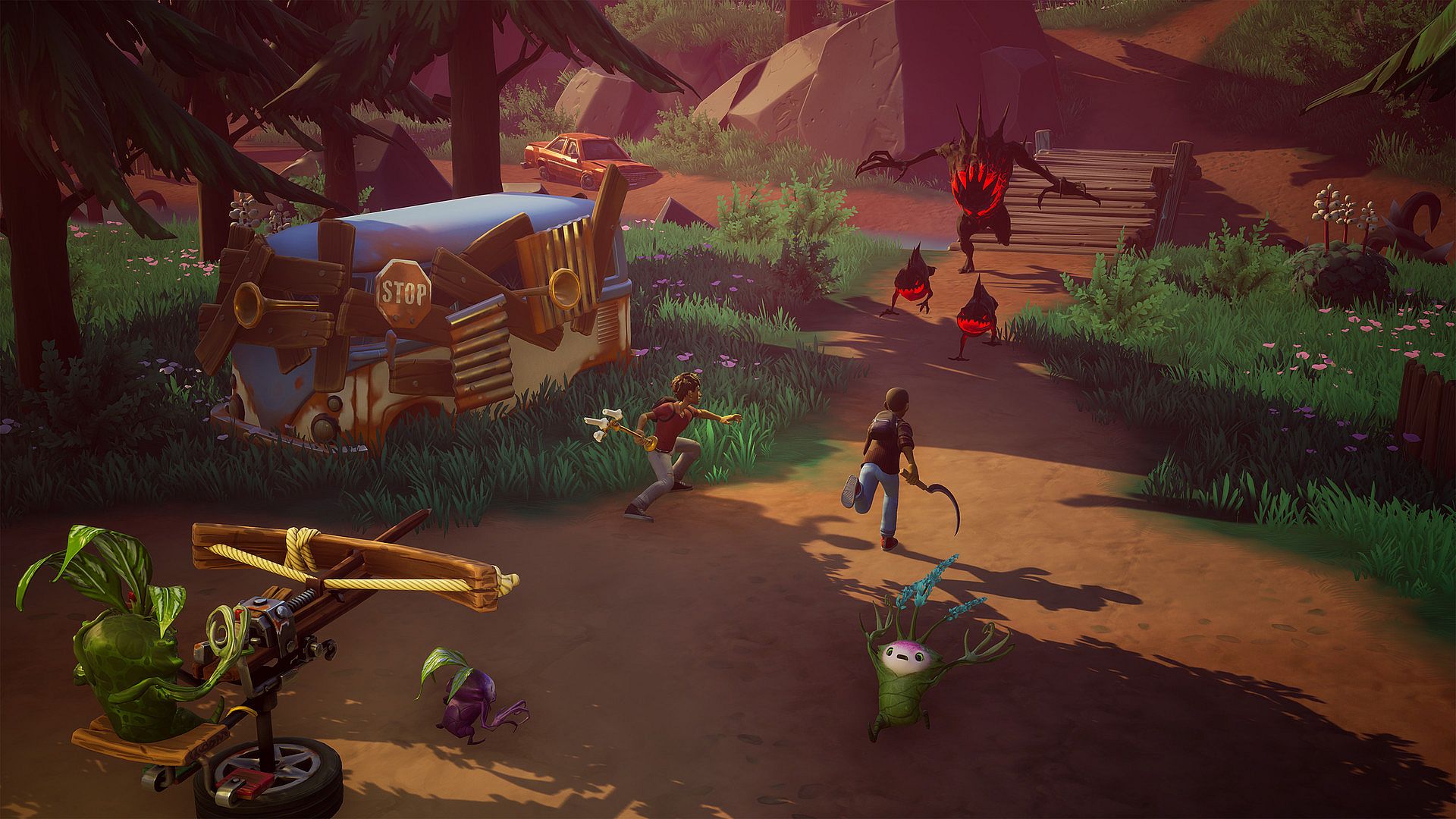
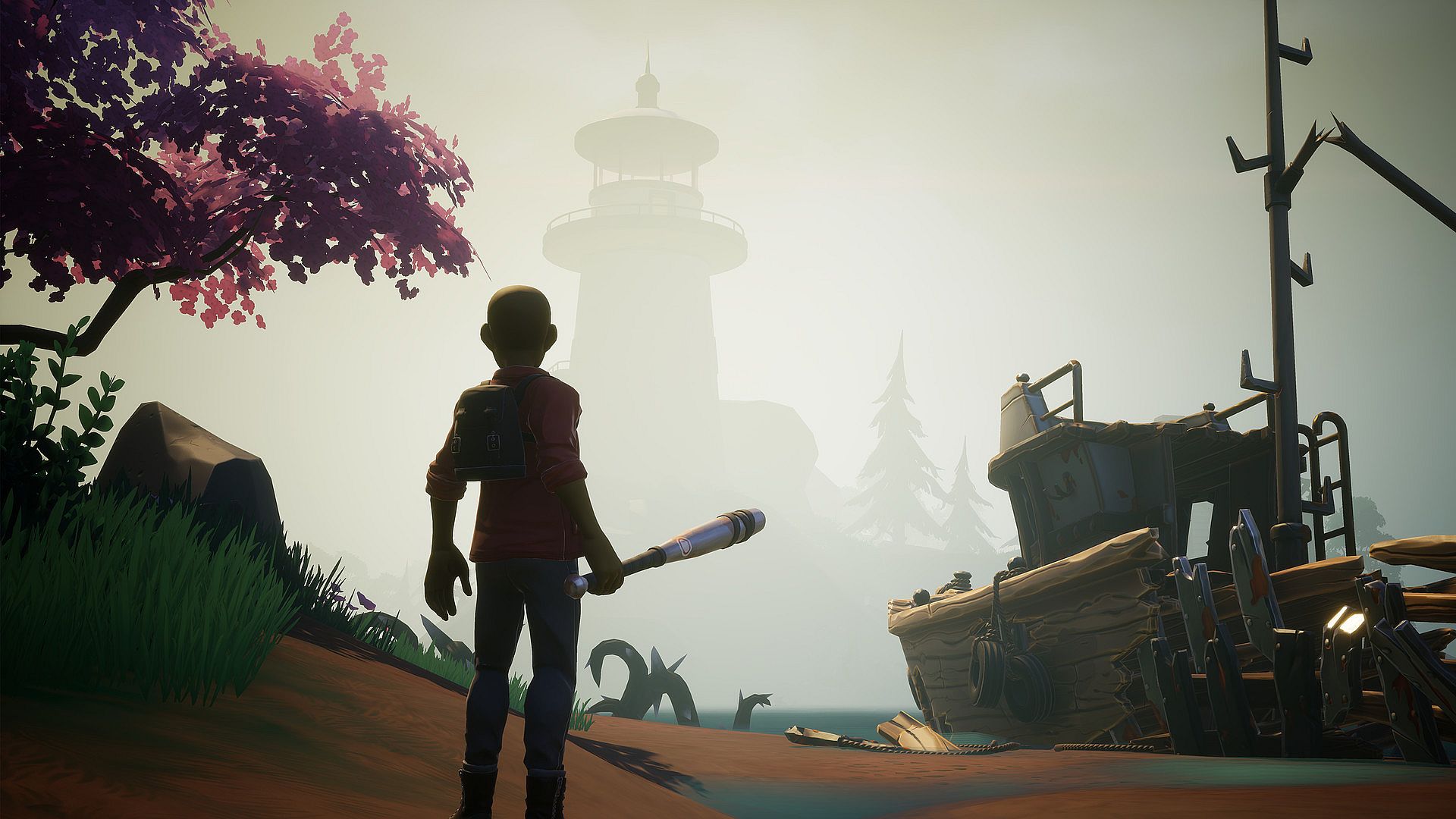
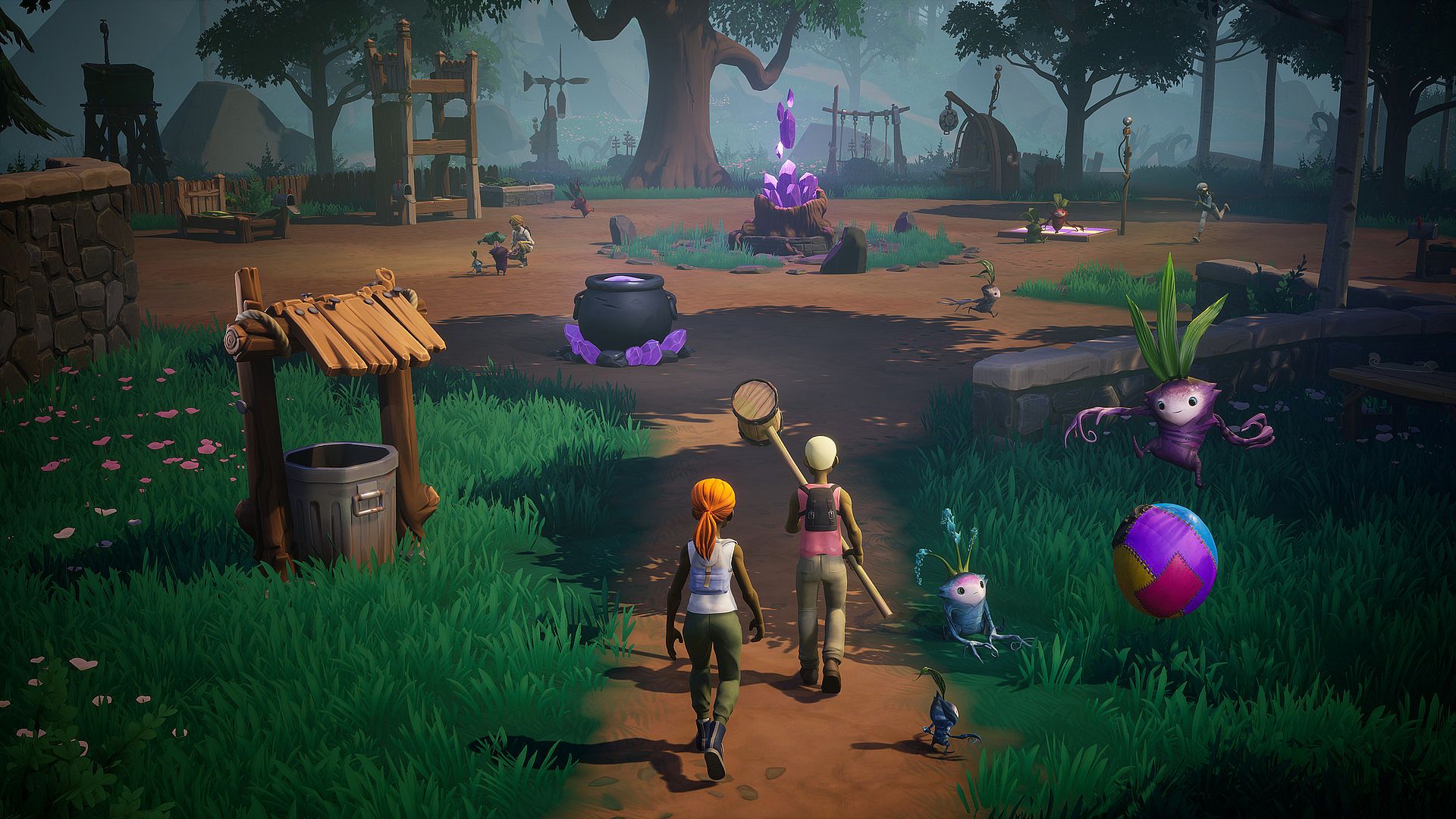
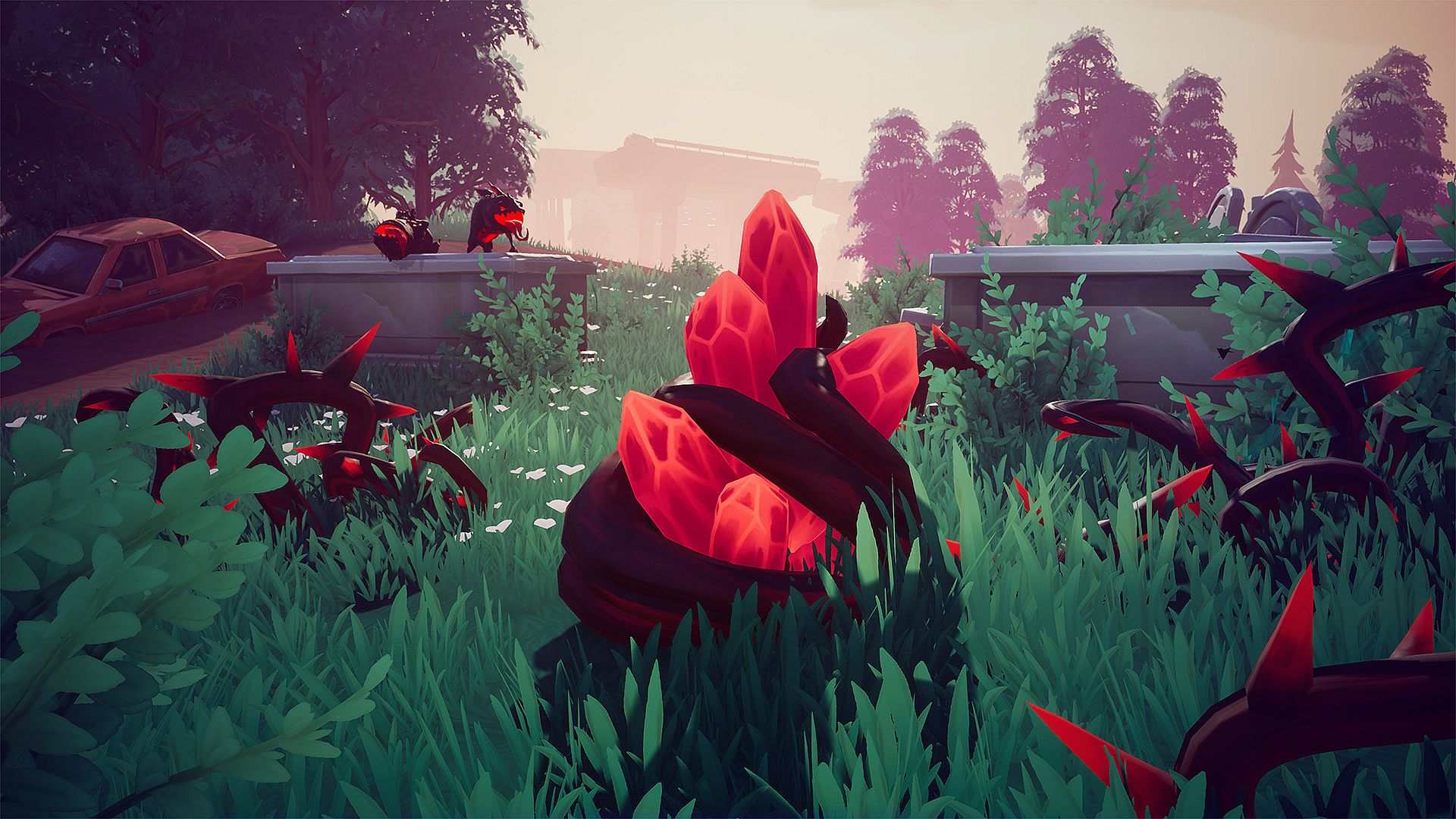


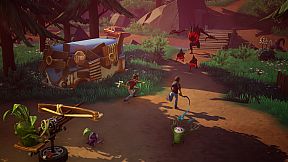
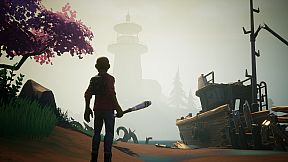
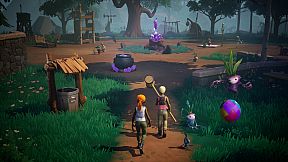
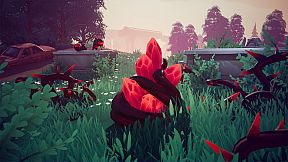
Drake Hollow is a third-person co-op survival-building adventure game set in a shattered world called The Hollow. Players take on the role of a traveler drawn in by a mysterious crow, tasked with rescuing plant-like creatures known as Drakes, rebuilding their village, and pushing back the feral beasts and hazards that threaten the land. The experience blends exploration across a procedurally generated environment with base expansion, creature care, and light combat, all while supporting solo play or online cooperation with up to three friends.
Gameplay
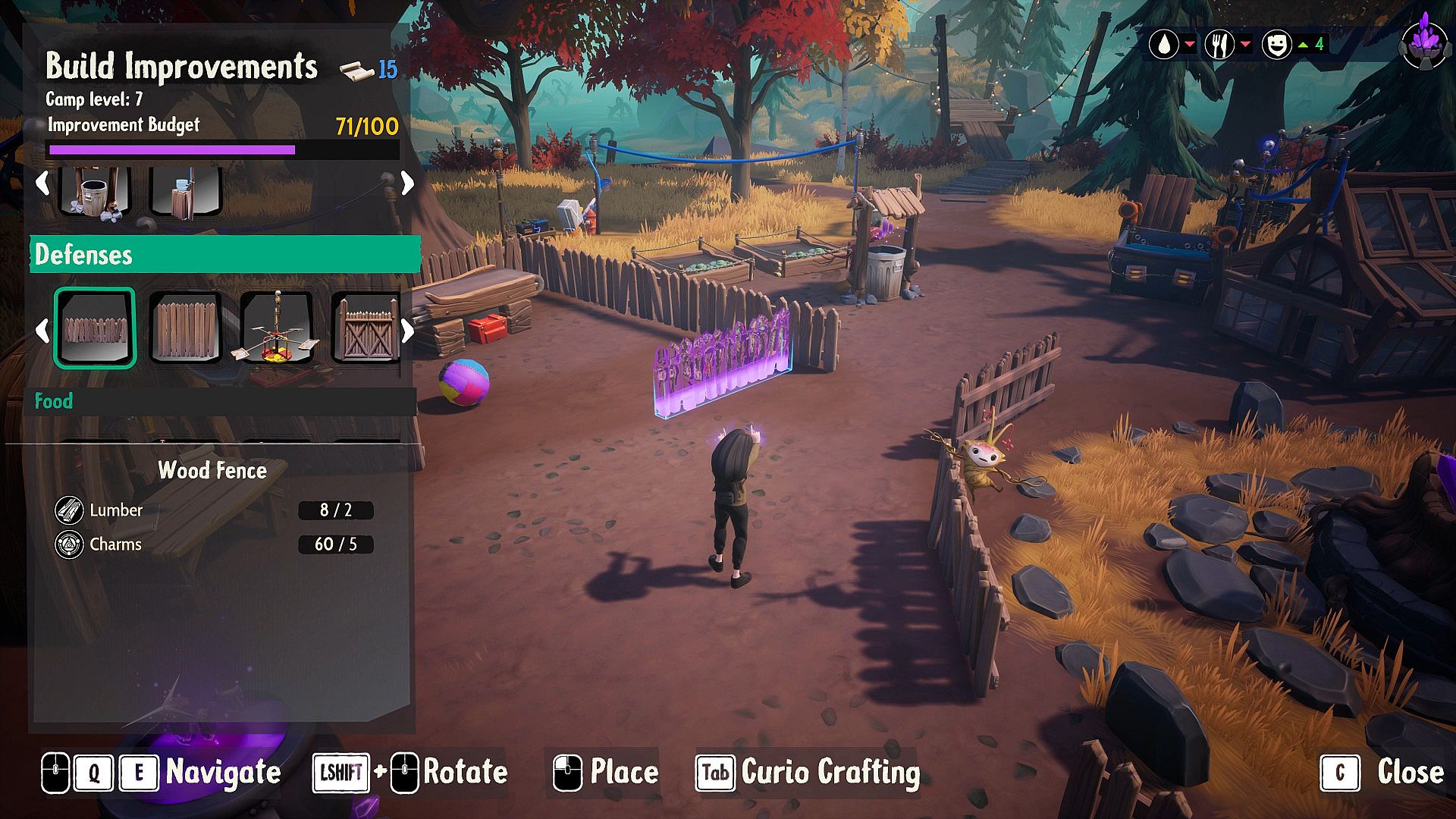
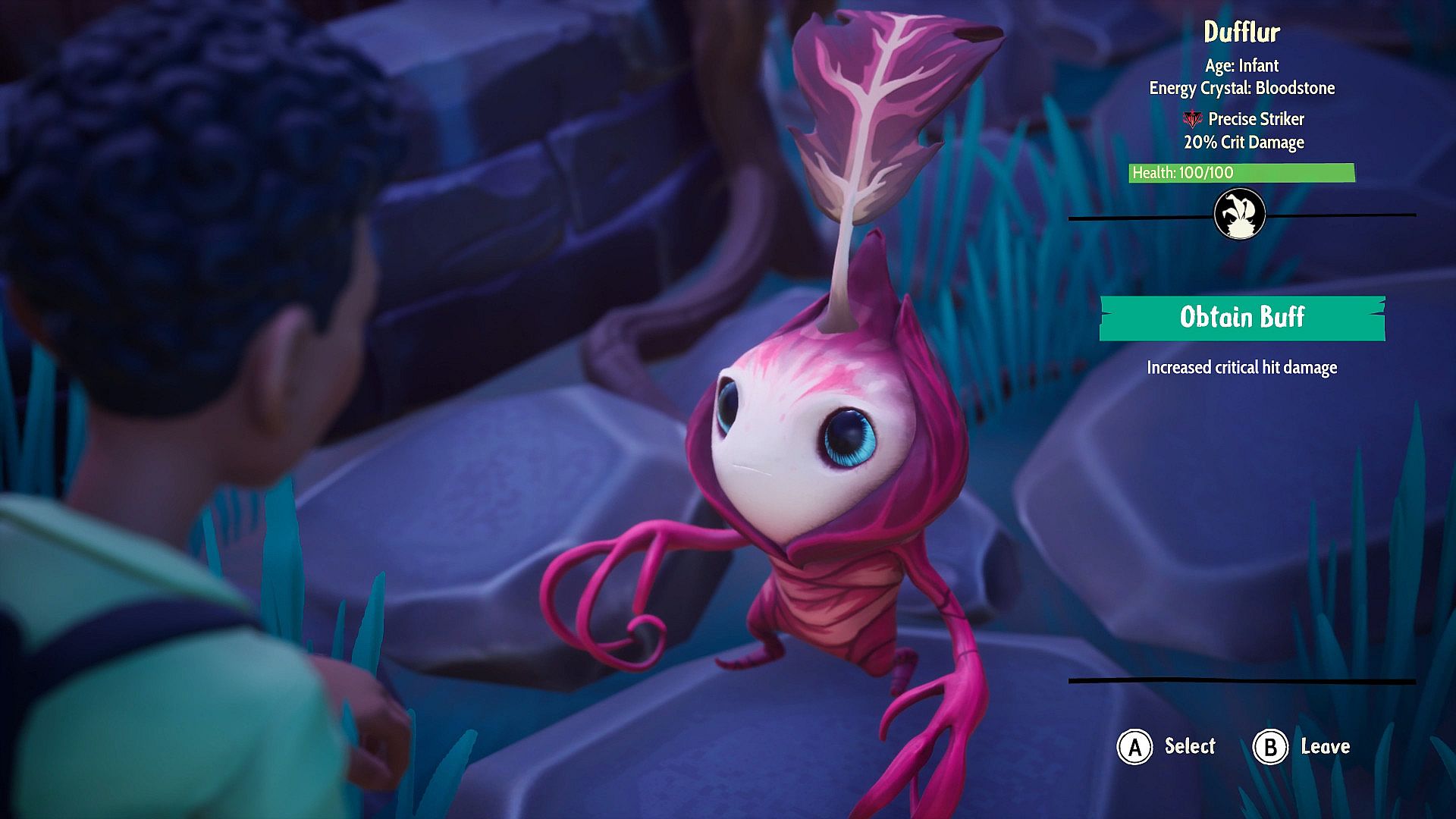
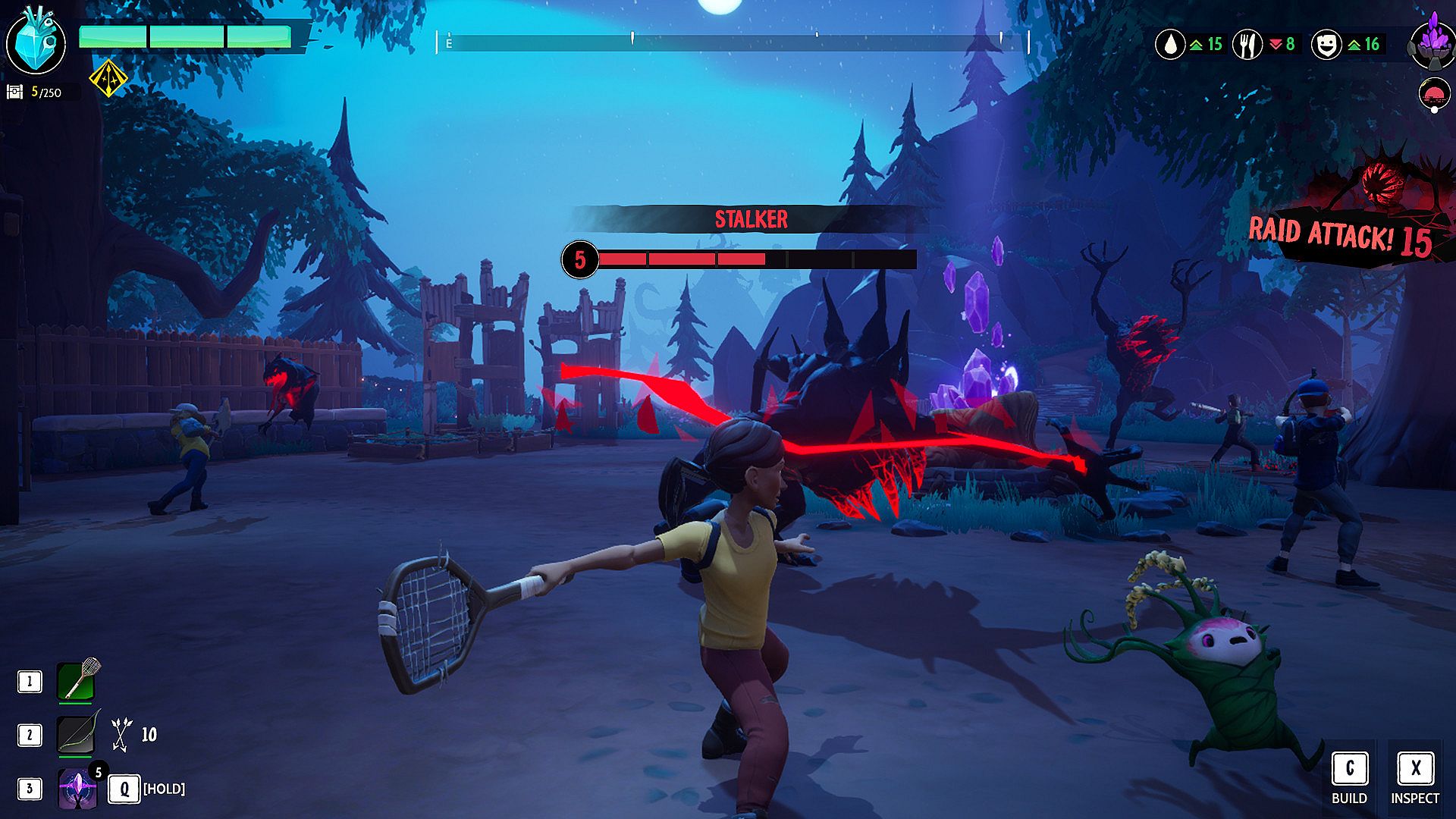
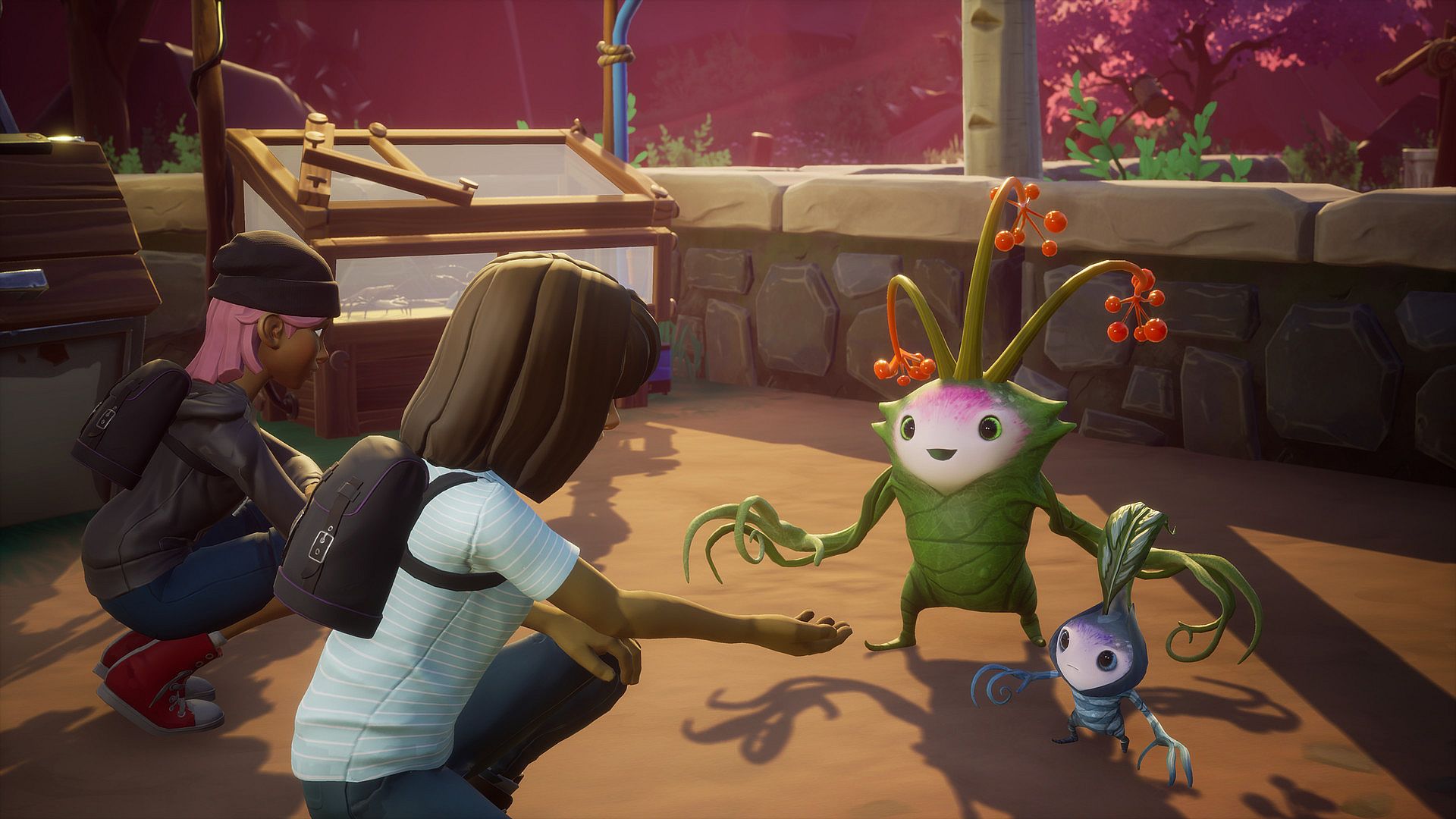
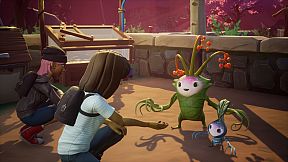
The core loop centers on venturing into the endless world to locate scattered Drakes, transport them safely back to the growing village, and then tend to their needs. Each Drake requires food, water, and rest to stay healthy, and satisfied creatures provide useful buffs along with occasional gifts that aid progression. Building starts small with basic shelters and expands through resource gathering and crafting, allowing players to add productive structures for supplies and defensive elements to guard the settlement during absences.
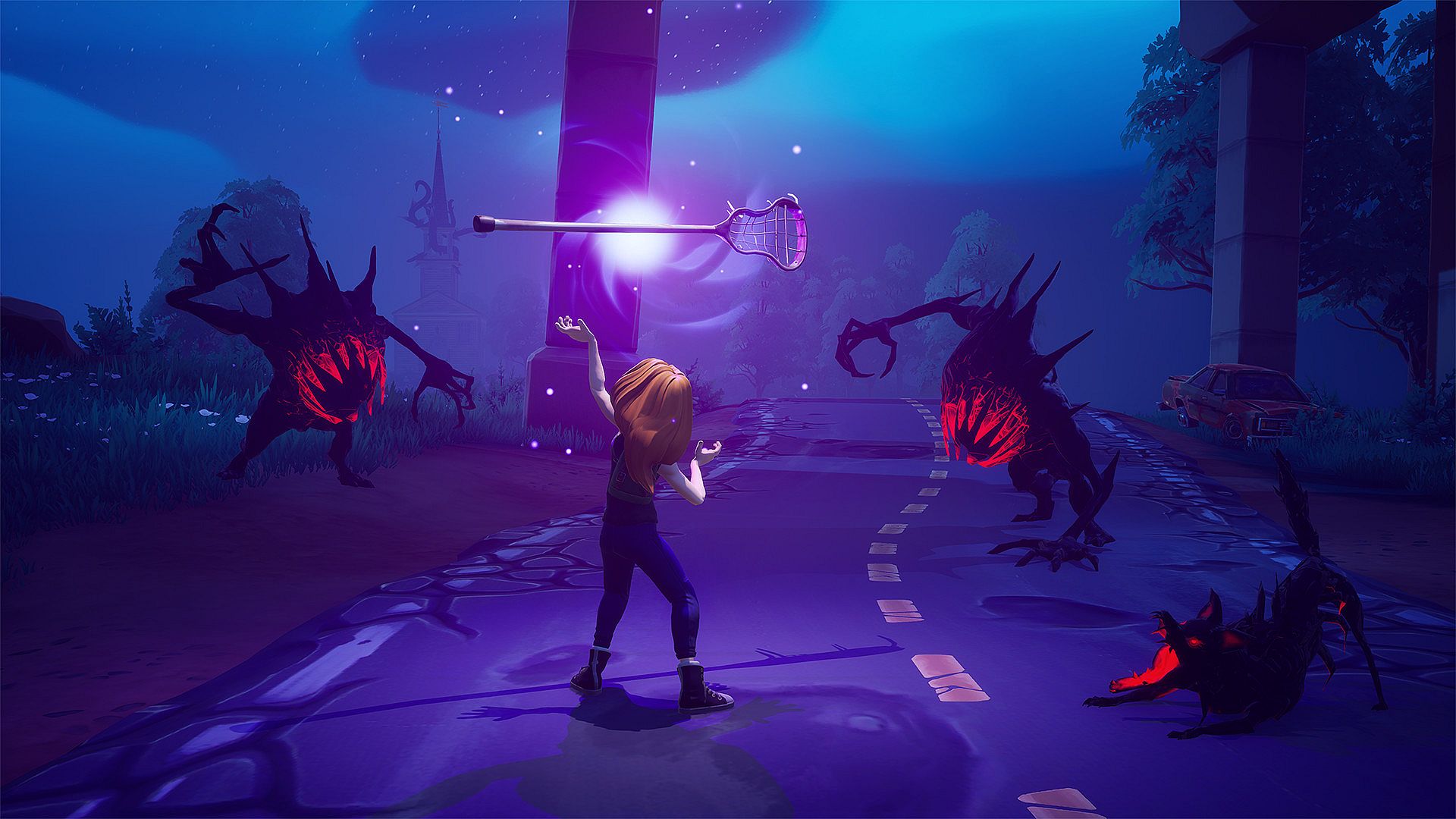
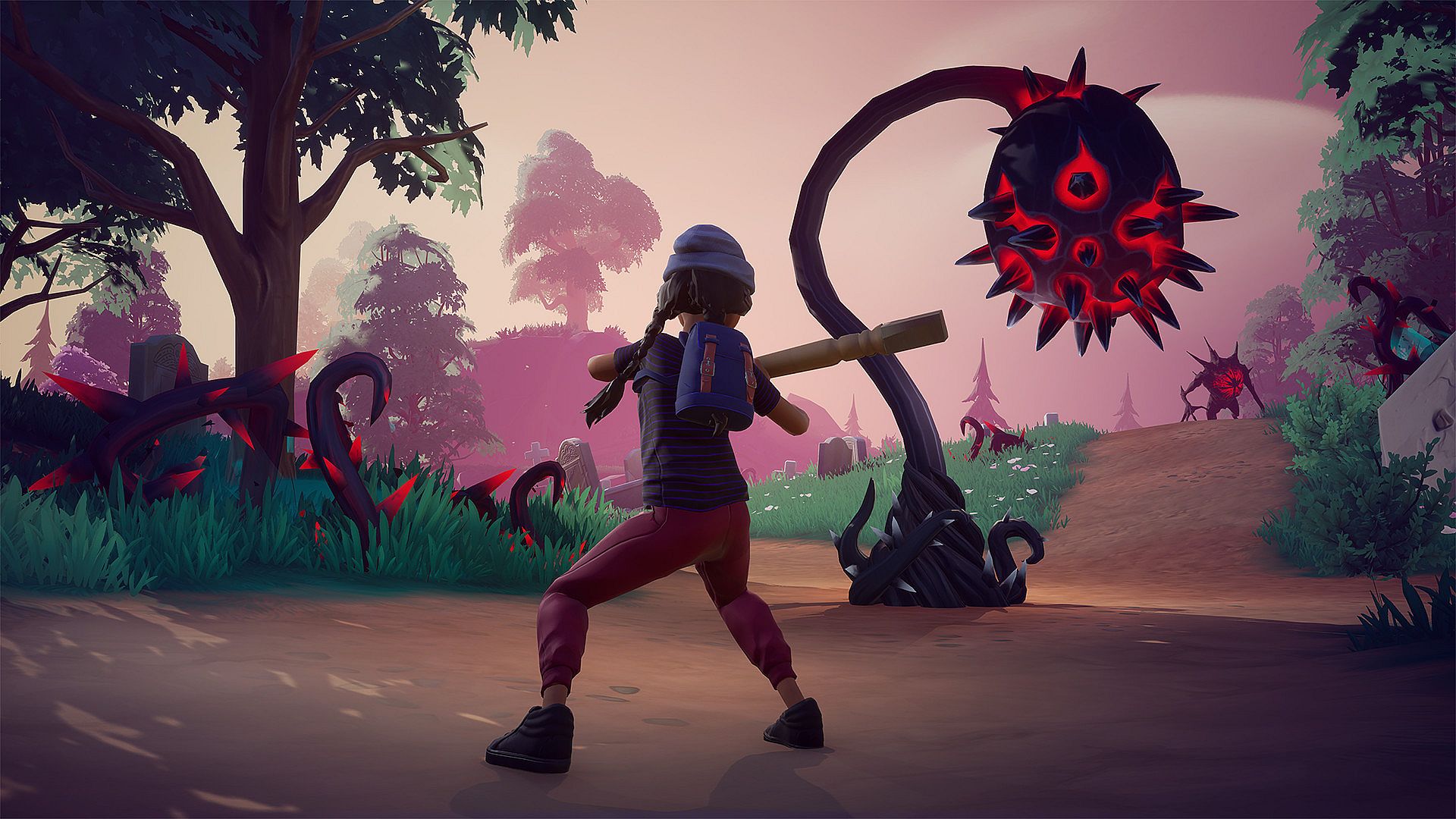
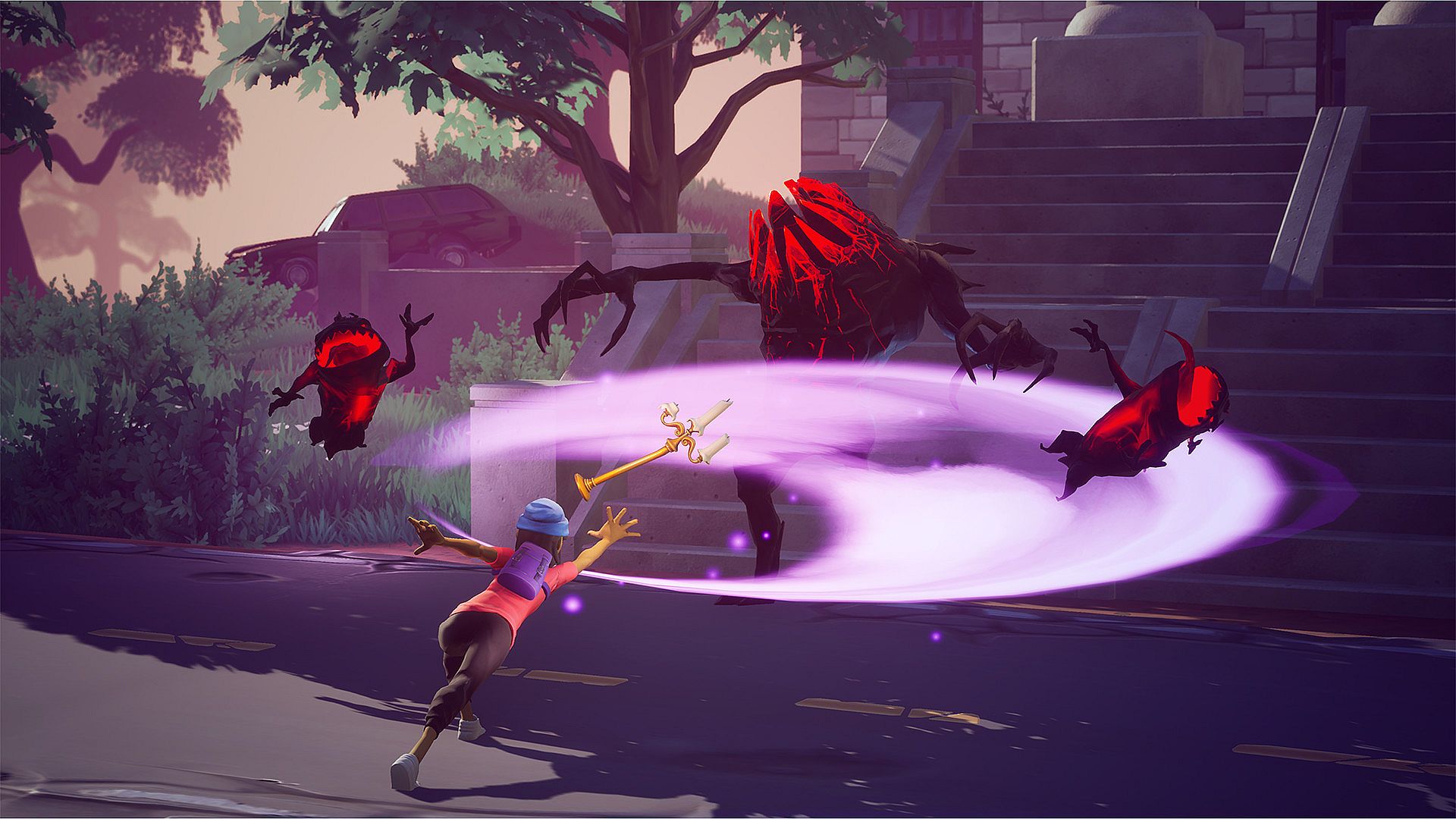
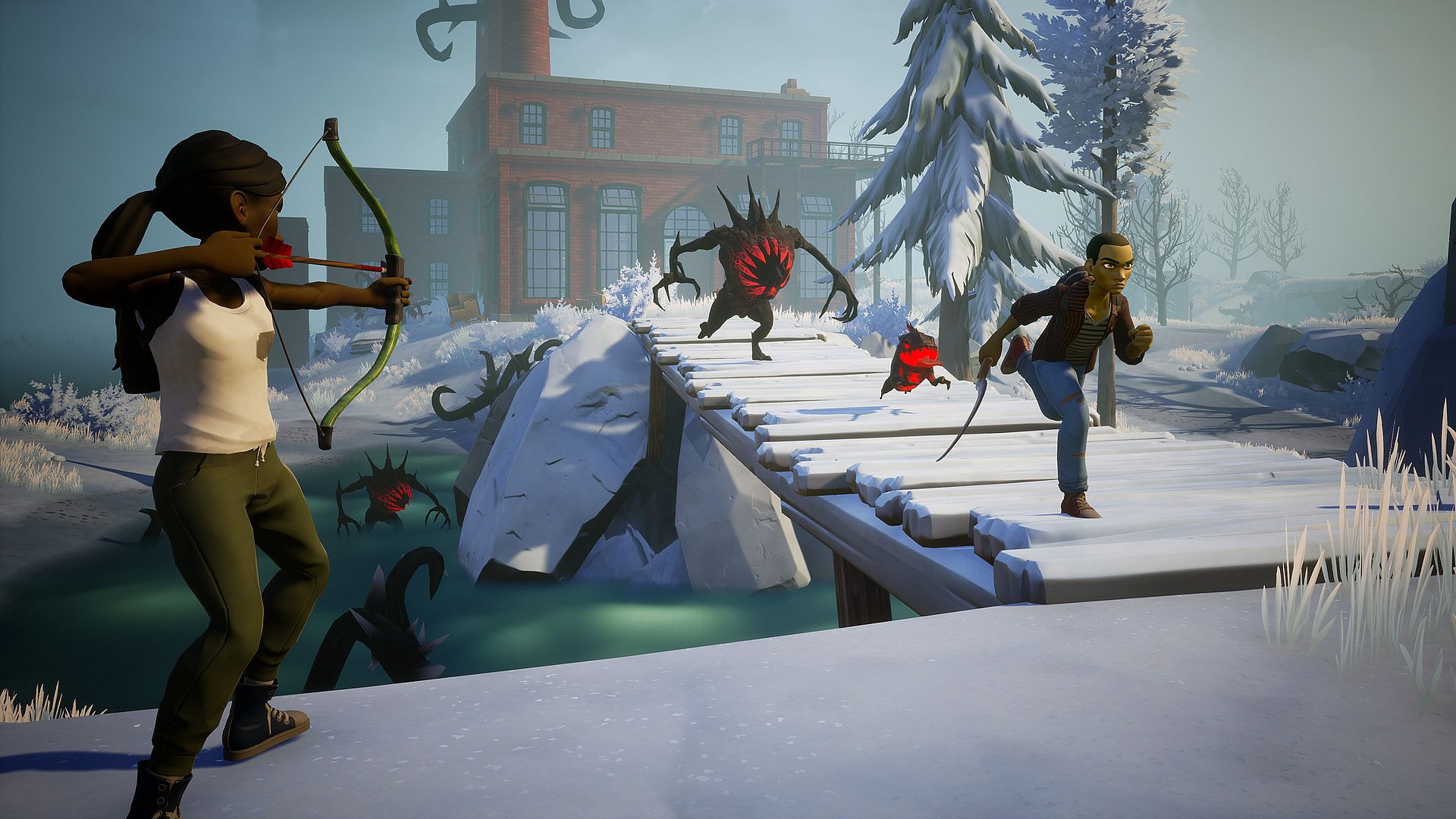
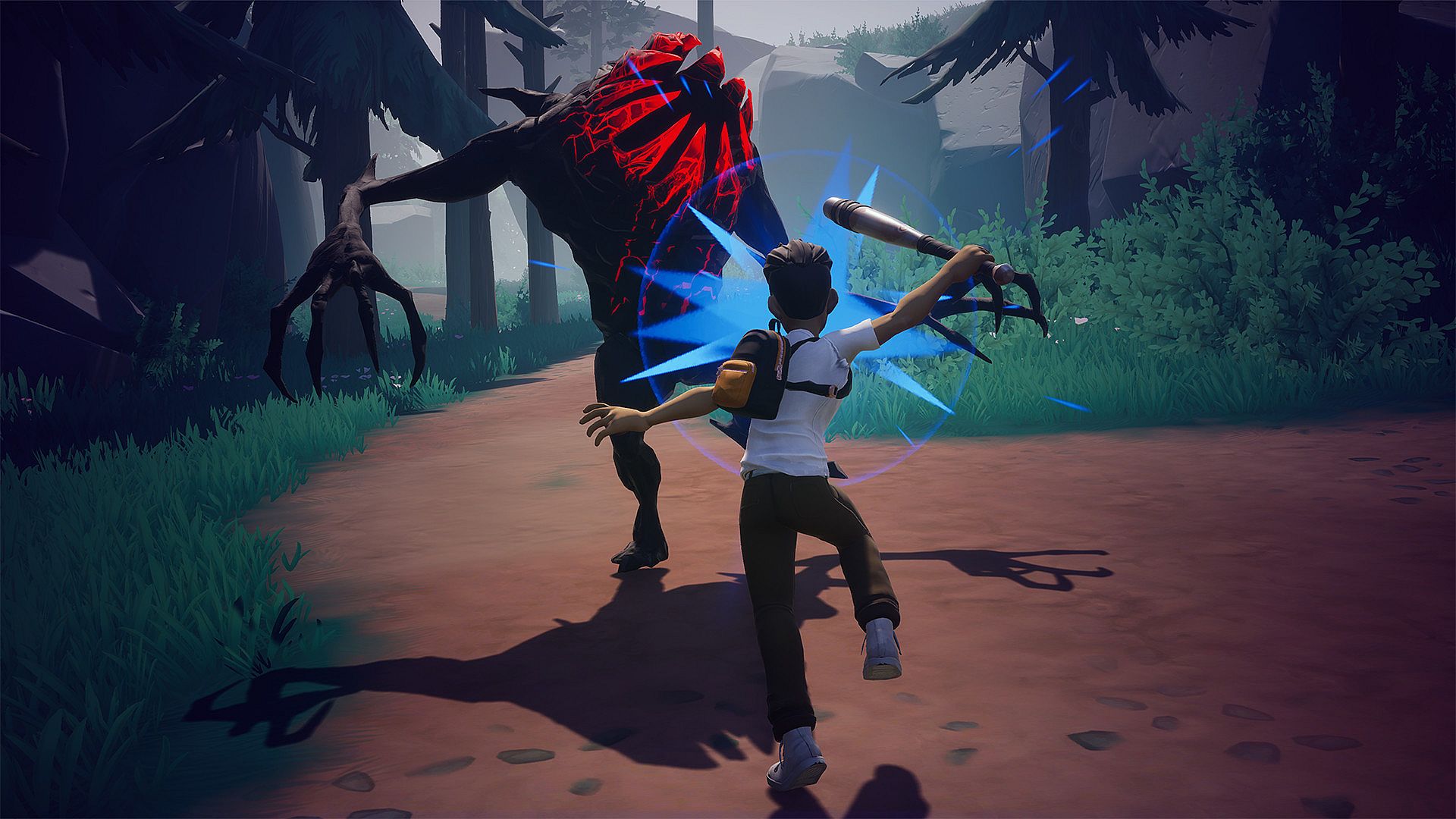
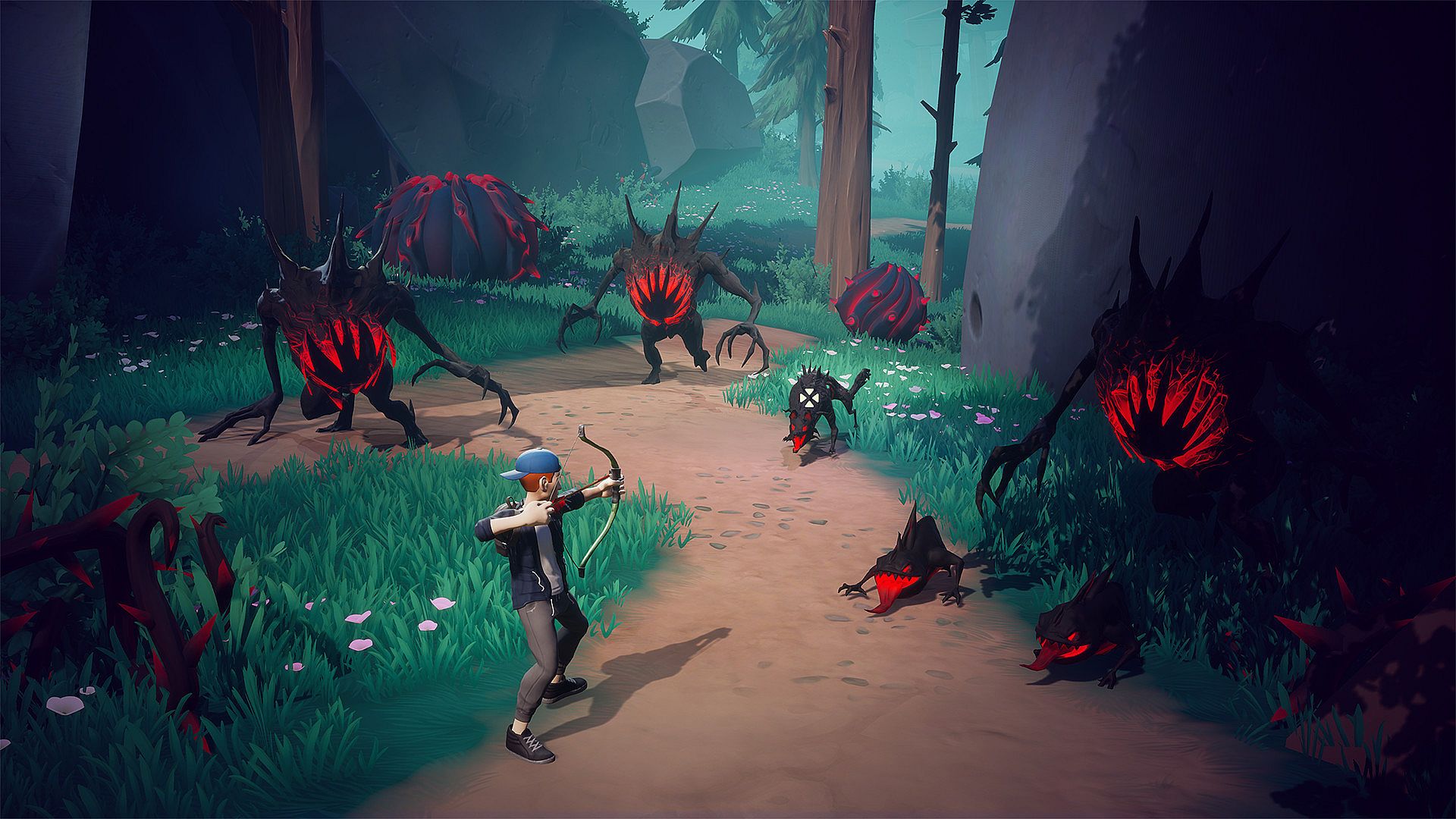
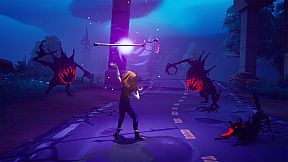
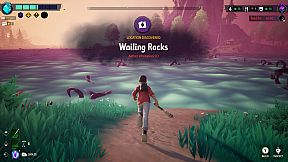
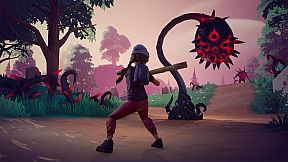
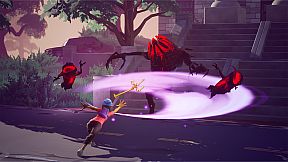
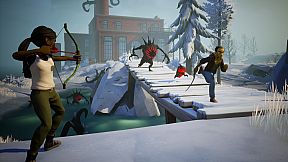
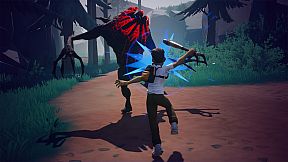
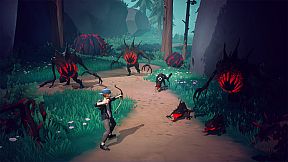
Exploration involves navigating varied terrain filled with hostile creatures and environmental dangers. Players construct networks of waypoints to speed up travel and move materials efficiently between sites and the main camp. Combat occurs through direct encounters, relying on melee strikes, ranged options, blocking, and dodging to handle threats. Weapons and tools see use in both fighting and gathering, with the world regenerating resources across different areas to support ongoing development.
Camp upgrades focus on supporting a larger community of Drakes by improving living conditions and output. This includes facilities that produce essentials and entertainment options that keep the creatures content. The procedural nature of the environment encourages repeated outings for new resources and Drakes, while the emphasis on village management creates a steady rhythm between trips out and time spent at home base.
Game Modes
Drake Hollow features two distinct modes that shape the overall experience. Campaign mode guides players through a structured sequence of objectives centered on rescuing Drakes, expanding the village, and addressing the underlying source of evil in The Hollow. This path introduces mechanics gradually and builds toward larger goals.
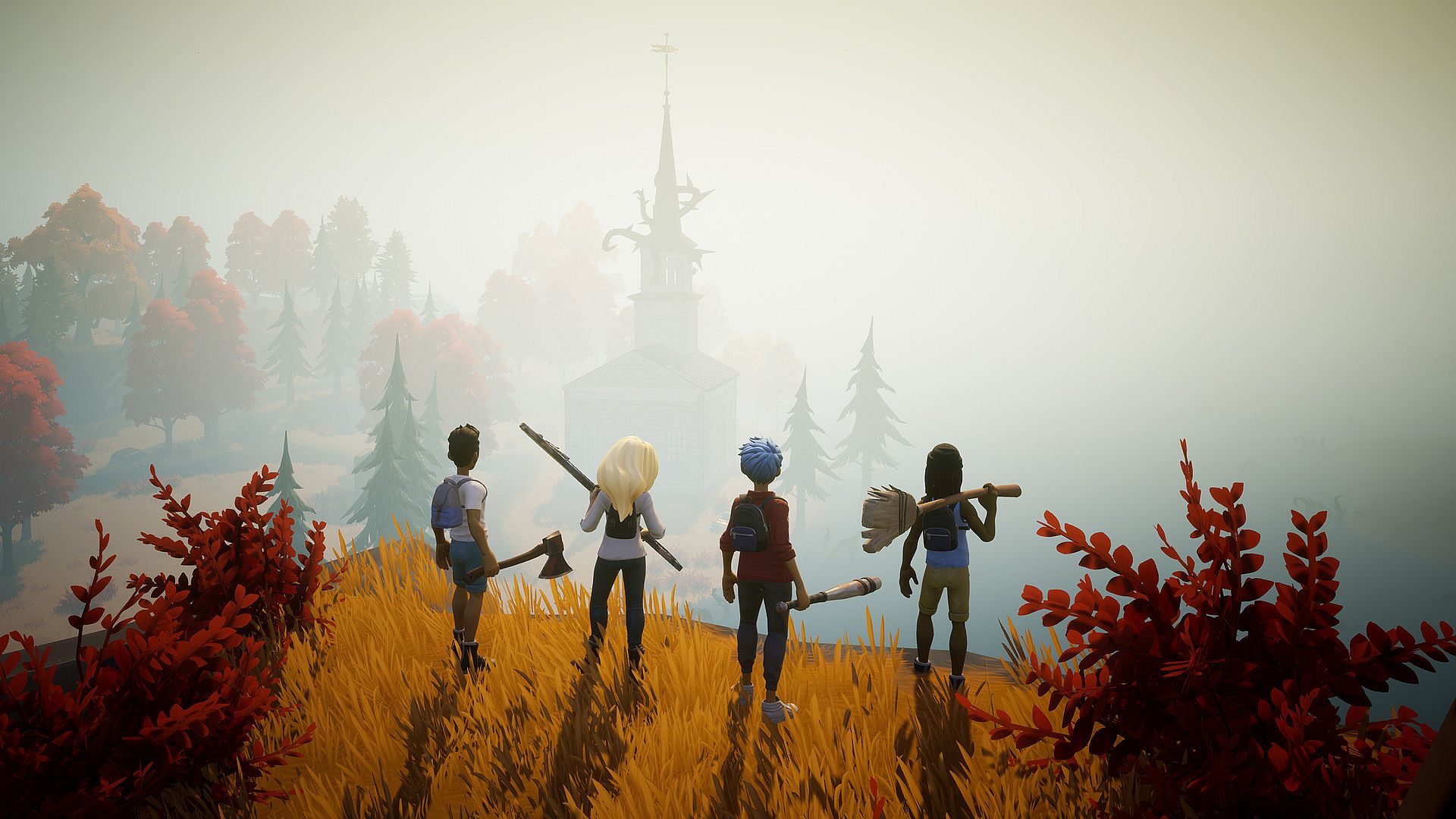
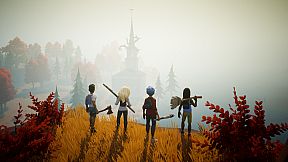
Sandbox mode removes the directed narrative, allowing free-form play where players set their own pace for exploration, building, and Drake collection. Both modes support single-player sessions or cooperative play with up to four participants total, where friends can divide tasks such as scouting new areas, defending the village, or managing resources together.
Exploration and World Design
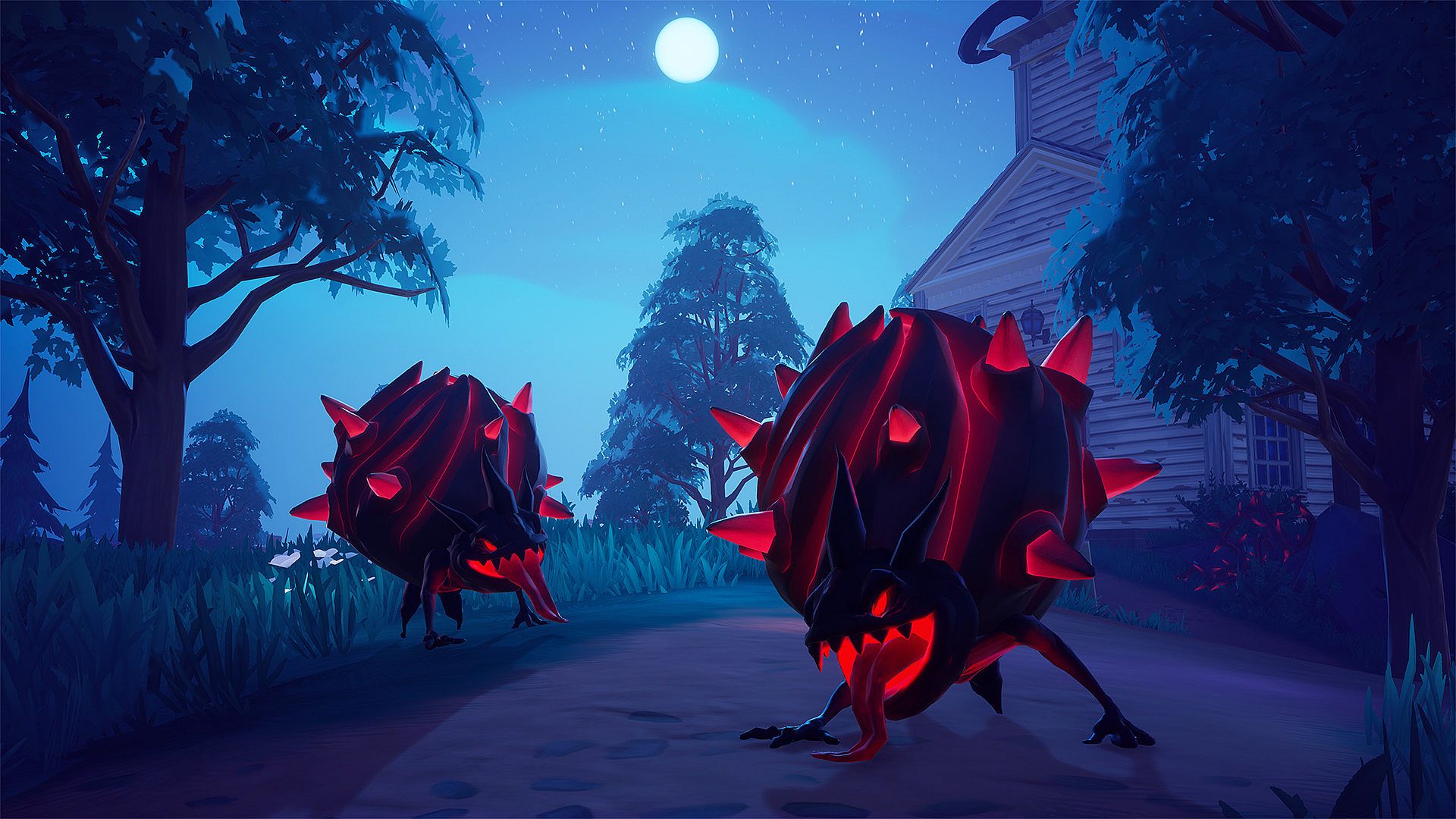
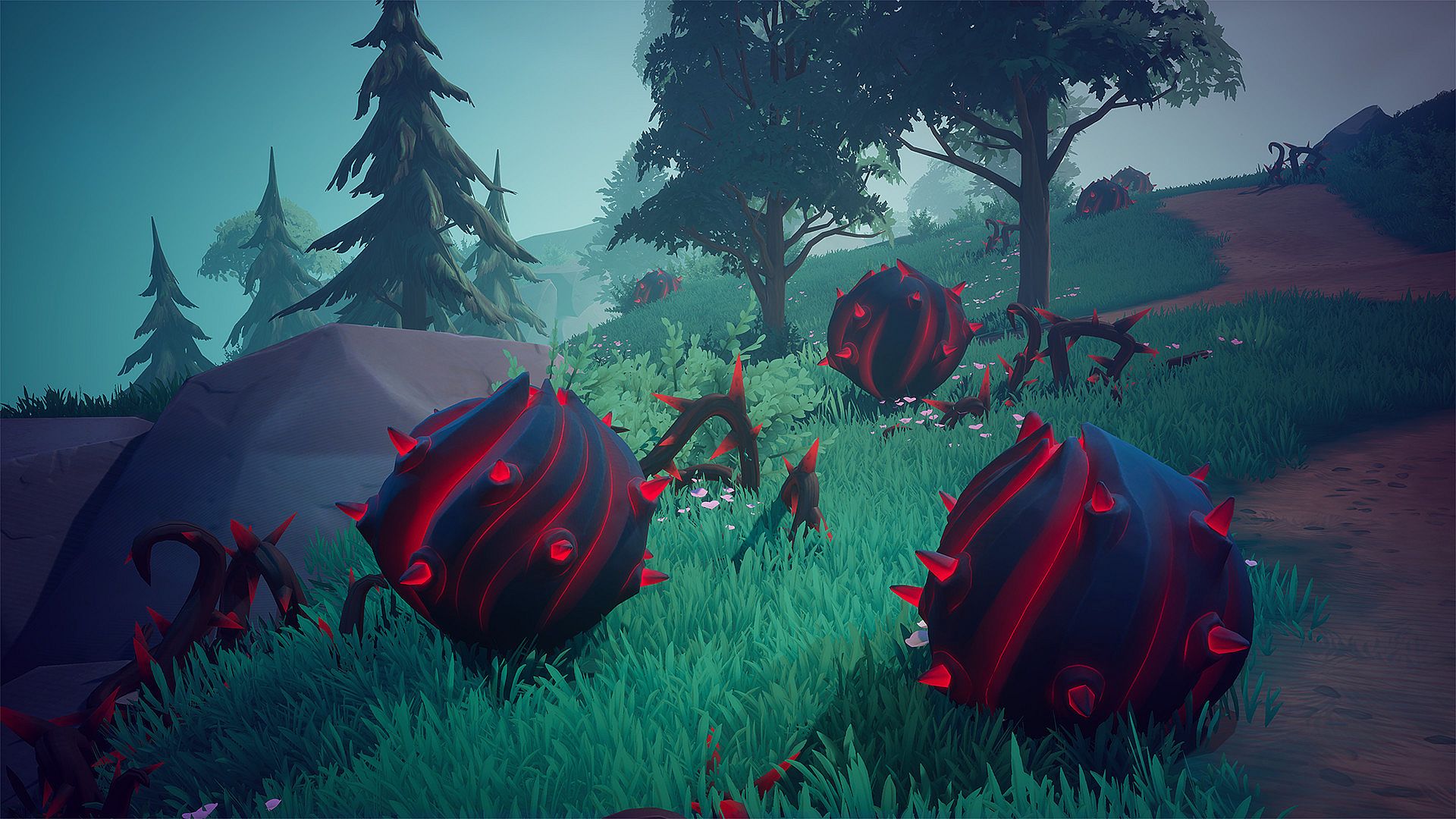
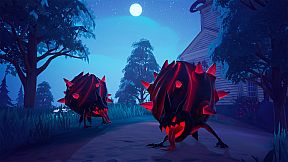
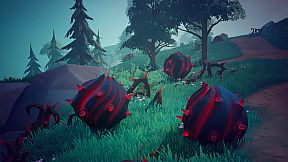
The procedurally generated landscapes offer varied biomes and points of interest that reward thorough searching. Players encounter feral beasts in roaming groups or sudden ambushes, alongside natural hazards that require careful navigation. Waypoint construction becomes essential for efficient movement, turning distant regions into accessible supply routes that feed back into village growth.
Resource management ties directly into both survival needs and expansion. Gathering materials supports crafting of tools, structures, and defenses, while the presence of Drakes adds a layer of ongoing maintenance that influences overall progress and capabilities.
Is It Worth Playing?
Drake Hollow suits players who enjoy survival games with a strong focus on creature care and cooperative base building rather than intense action or complex combat systems. The blend of exploration, crafting, and village management delivers a steady sense of advancement through rescued Drakes and expanded facilities, particularly when shared with friends in co-op sessions.
Reception highlights strengths in the art direction, creature design, and satisfying building loop, while noting that combat can feel basic and certain activities grow repetitive over longer sessions. The game remains available for solo or small-group play on PC, with its two modes providing options for guided or open-ended experiences. Those drawn to nurturing mechanics and procedural worlds will likely find the most consistent engagement, whereas players seeking polished combat or constant new content may encounter limitations in the established systems.