

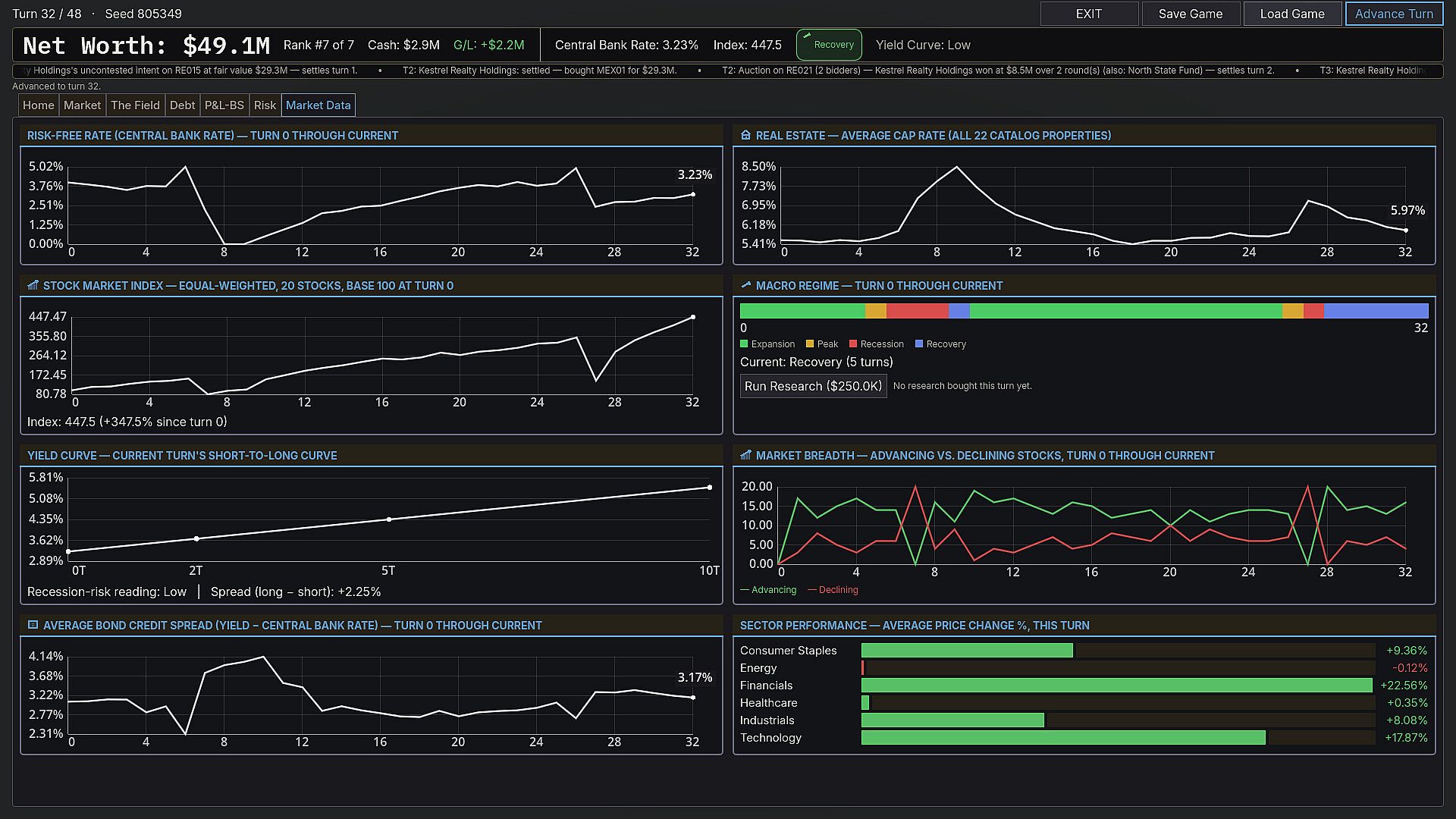
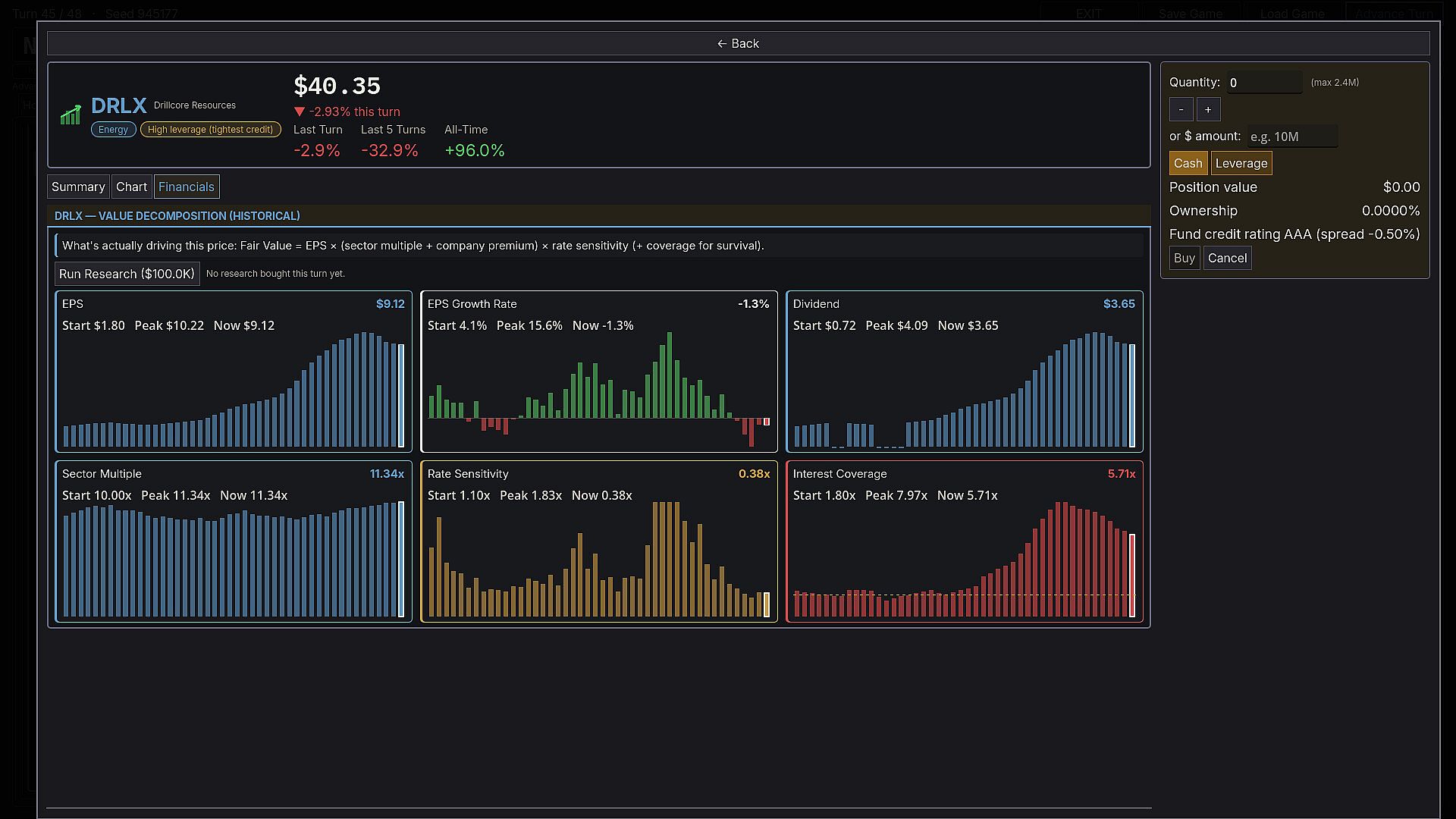
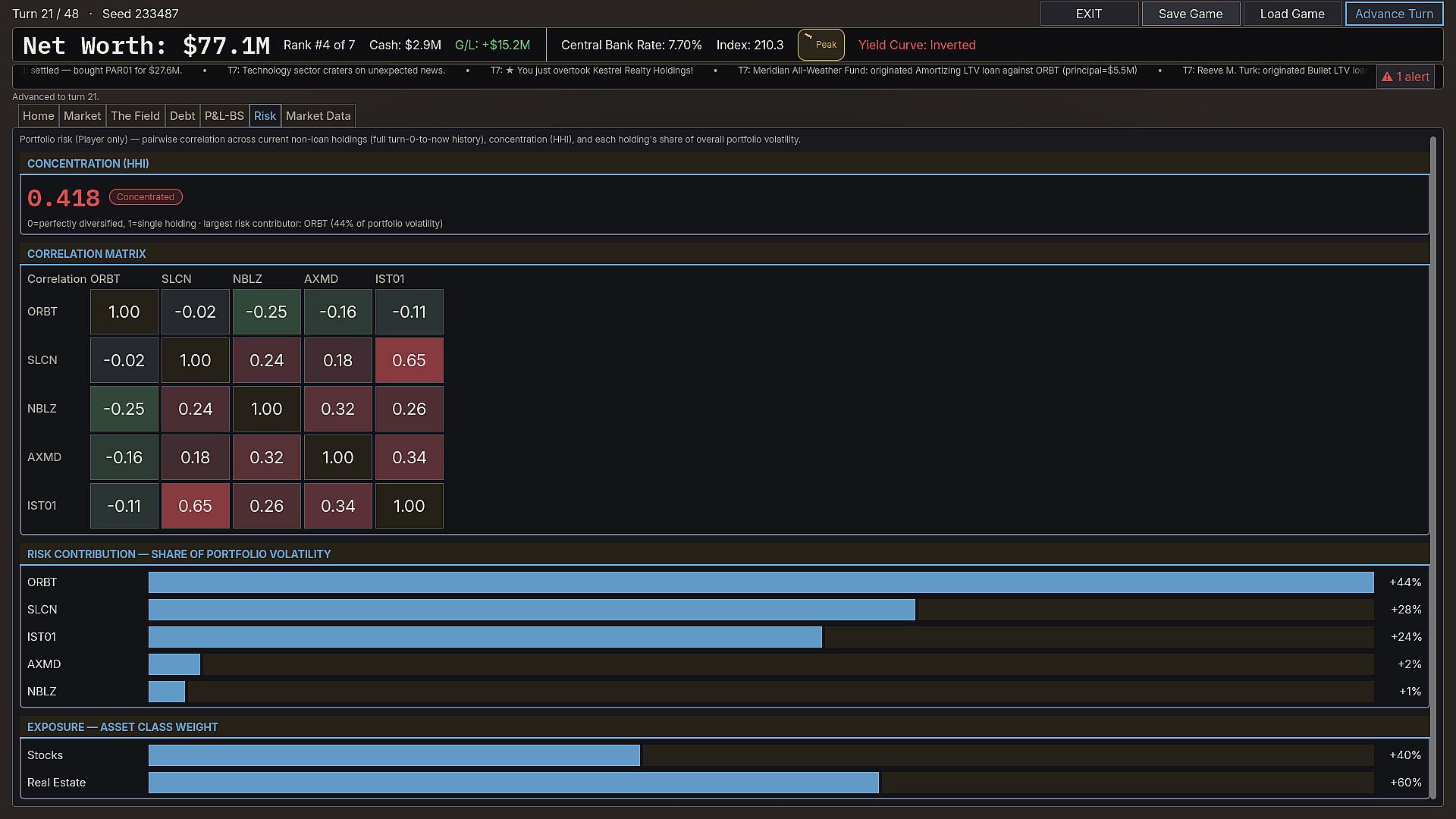
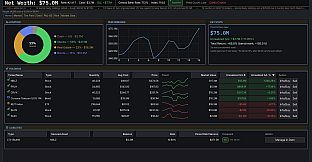
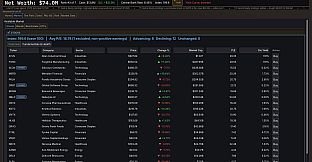
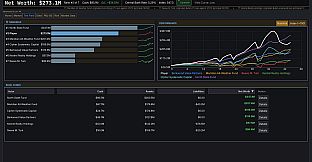
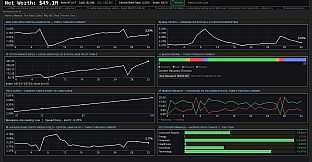
Dry Powder is a turn-based simulation game for PC that puts players in charge of building wealth through investments across repeated economic cycles. The core experience revolves around managing a portfolio of stocks, bonds, and property while competing against six AI opponents, each following distinct strategies. The economy itself generates anew with every session, creating unpredictable booms, peaks, crashes, and recoveries that shape outcomes.
Gameplay
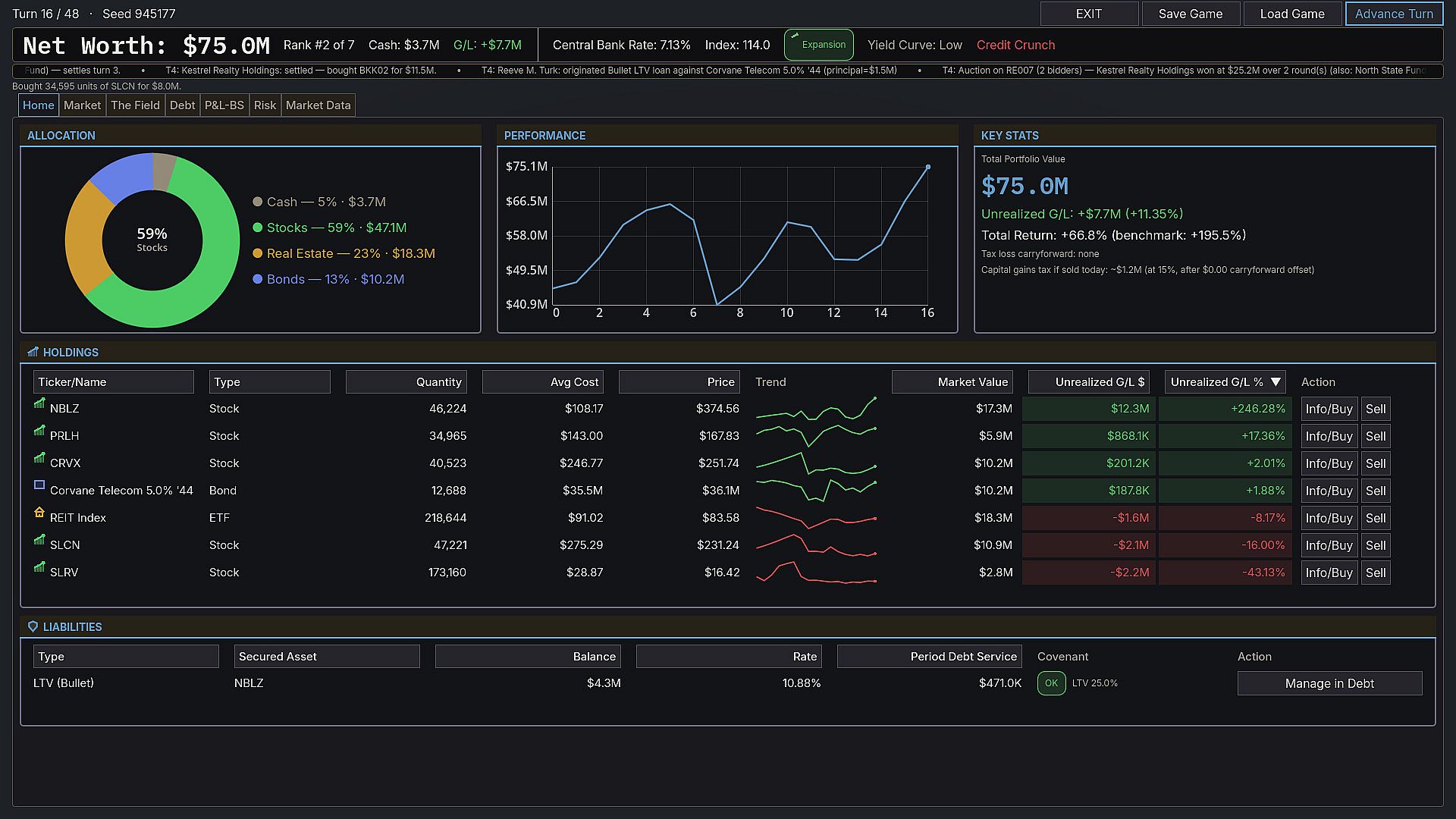
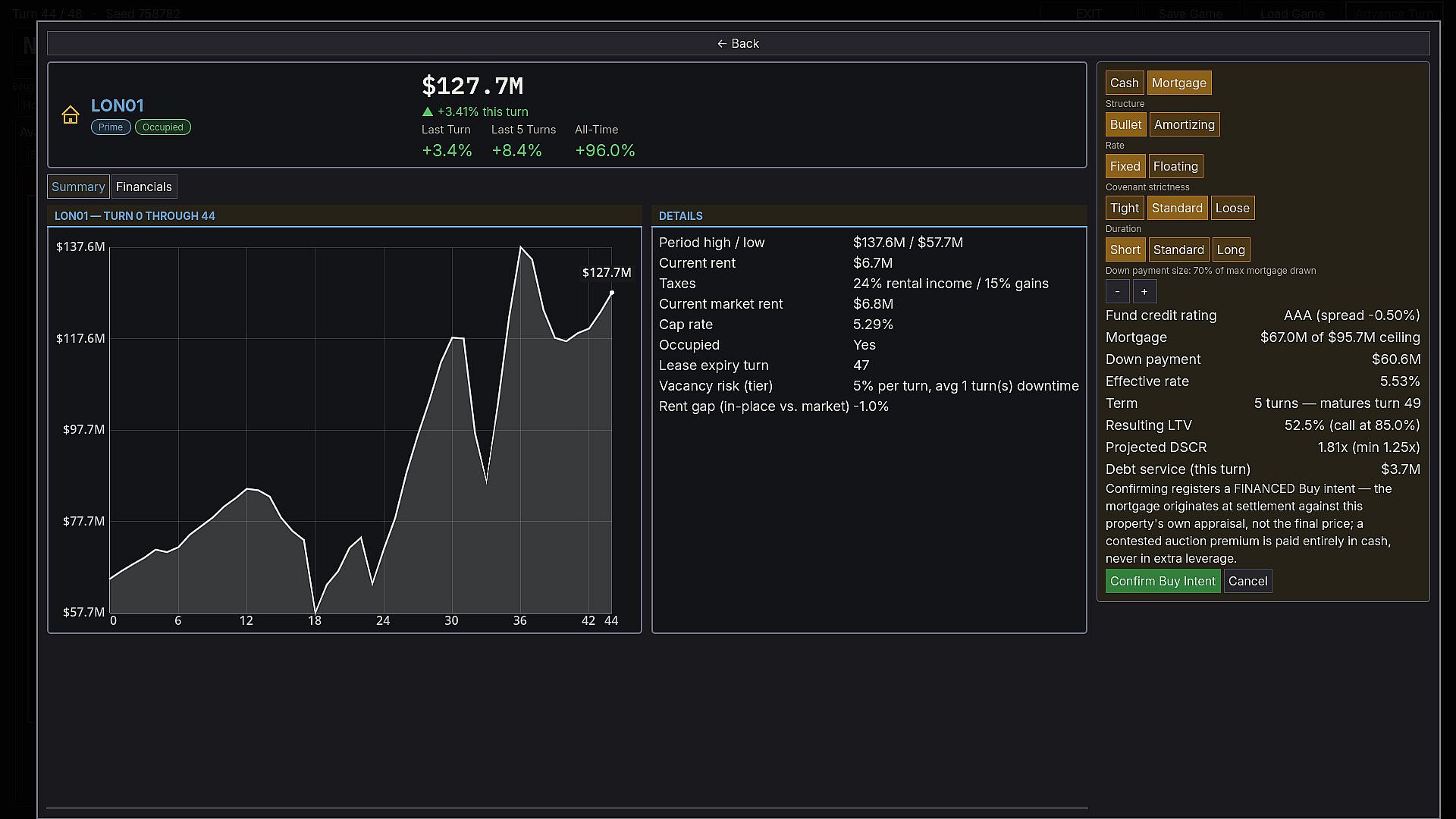
Each round begins with an initial sum of capital for the player and the AI rivals. Turns proceed in sequence as participants purchase shares for potential high returns during growth periods, bonds that tend to hold or gain value when markets decline, and property that generates steady rental income whether bought outright or financed through mortgages. Borrowing amplifies gains when investments perform well but introduces real risks through margin calls and forced sales if debt levels become unsustainable.
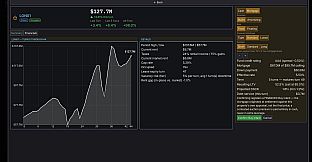
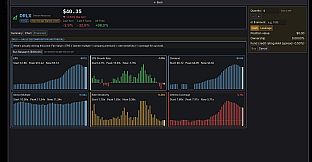
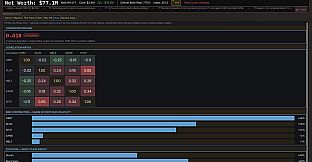
The economic model follows observable cycles rather than random events. Strong years encourage aggressive stock positions, while overheating signals often precede sharp downturns where equities suffer most and bonds provide relative stability. Property offers consistent cash flow but requires careful timing on leverage. Players track simplified balance sheets and profit-and-loss statements to monitor positions, though these tools prioritize accessibility over professional accounting standards.
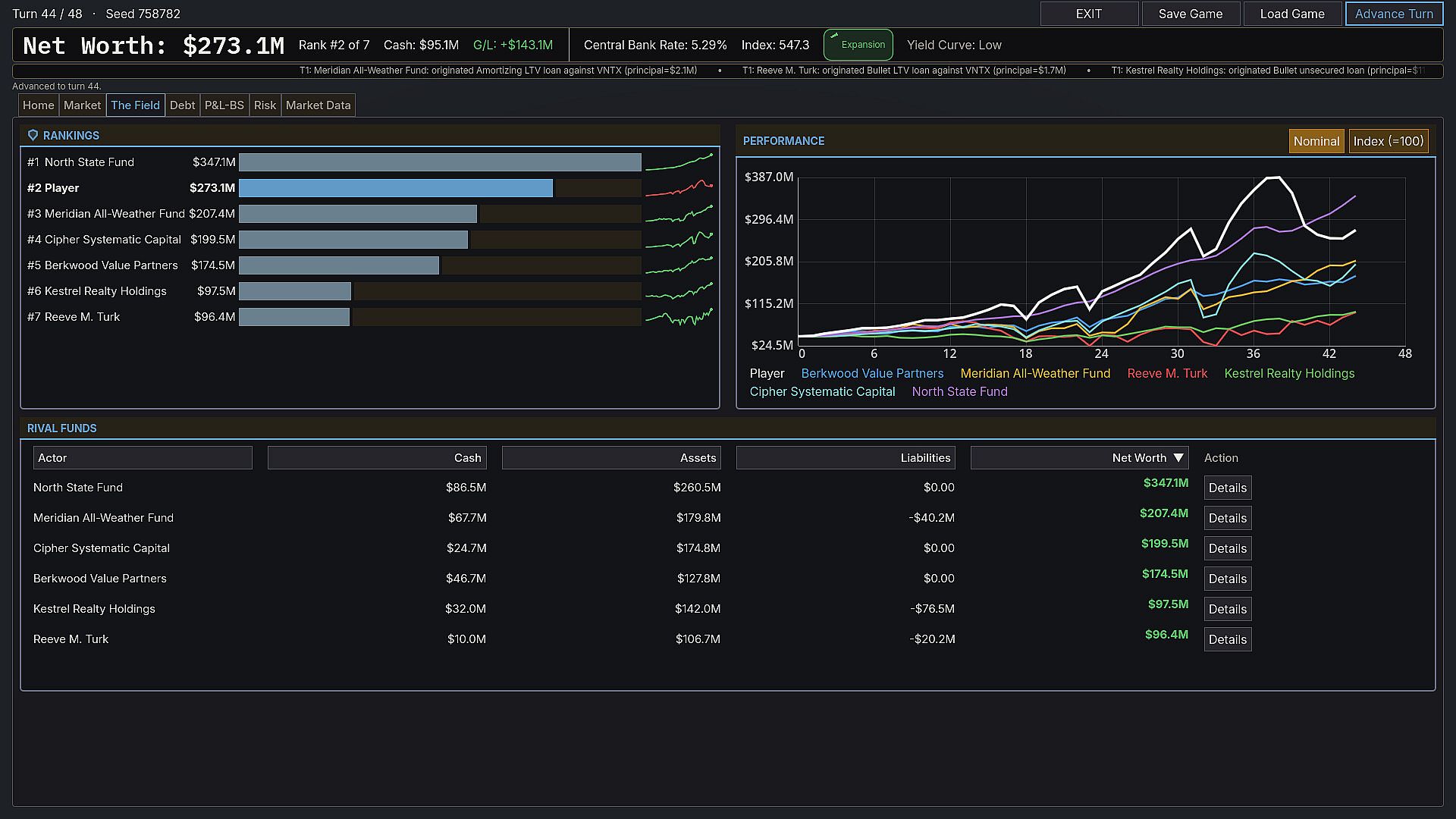
Debt and credit mechanics add another layer. Lenders extend credit based on performance, yet excessive borrowing can trigger automatic liquidations at inopportune moments. Success depends on interpreting market signals to adjust holdings before shifts occur. Six AI opponents pursue varied approaches, from conservative preservation to high-risk bets or property-focused accumulation, forcing adaptation to different competitive pressures.
Game Modes
The primary experience centers on single-player sessions against the AI rivals in procedurally generated economies. Every run produces a fresh economic sequence, ensuring the timing of peaks and crashes varies and prevents any single strategy from dominating indefinitely. Lead positions can shift until the final turn.
Custom sessions allow adjustments to starting capital for both the player and opponents, along with difficulty scaling for the AI. A seed system enables repeatable economies for targeted testing of approaches or direct comparison across multiple plays. These options support experimentation without altering the fundamental turn-based structure or core investment options.
Core Mechanics and Systems
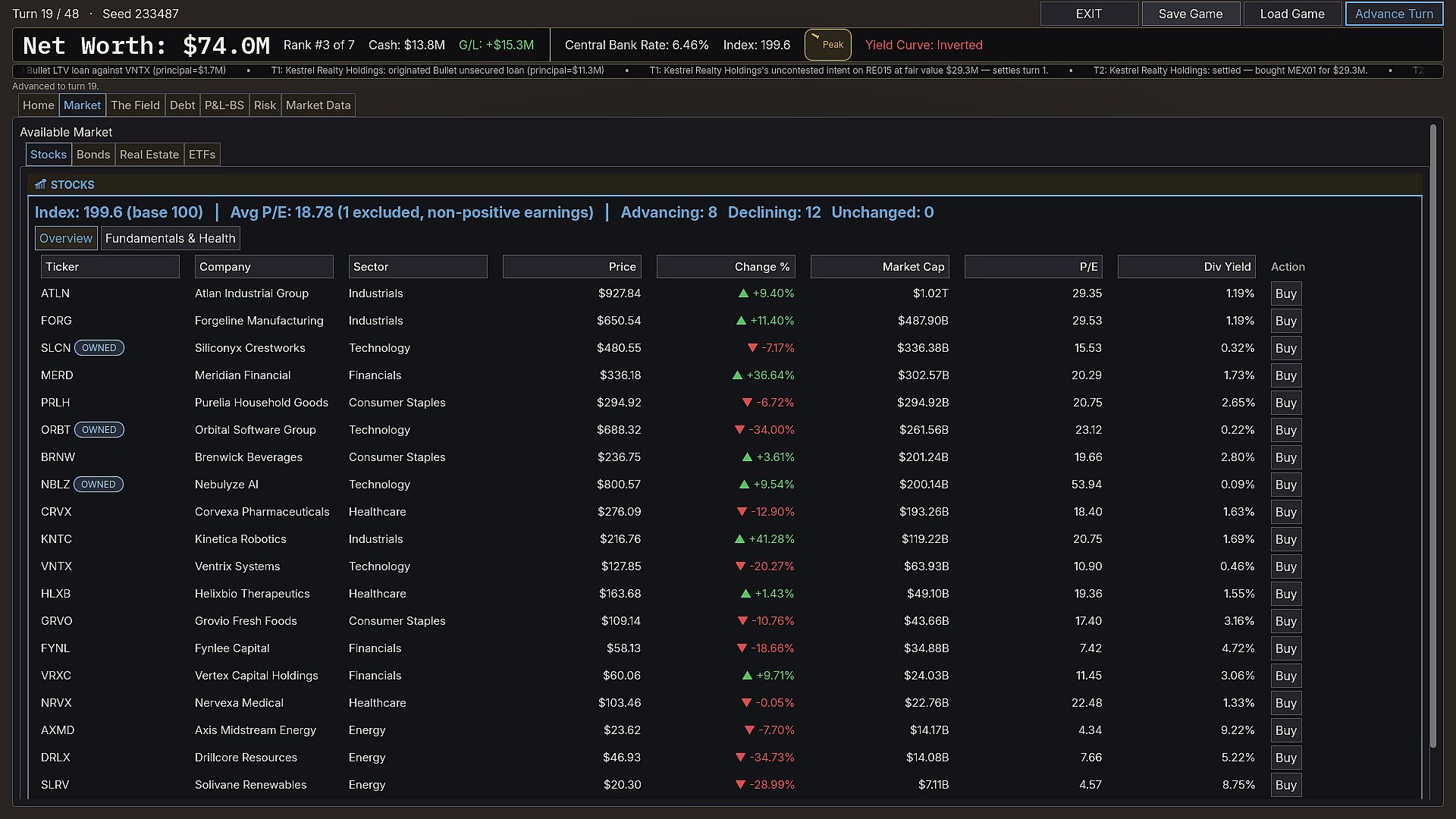
Three primary asset classes drive decisions. Stocks deliver the strongest upside in expansion phases but suffer steep losses during contractions. Bonds serve as a defensive holding that often rises when other assets fall. Property supplies ongoing income and can be acquired with or without financing, introducing mortgage obligations that must be serviced through the cycle.
Leverage operates through borrowing against positions. Moderate use multiplies returns during favorable periods, while overextension risks margin requirements that compel sales at depressed prices. Credit ratings influence available borrowing terms, adding another variable to long-term planning across multiple cycles.
A built-in guide introduces basic concepts of market cycles, asset behavior, and leverage without assuming prior knowledge. The game emphasizes pattern recognition over precise forecasting, as no participant, including the AI, possesses advance information about upcoming economic phases.
Is It Worth Playing?
Dry Powder targets players interested in a focused simulation of investment decisions and economic timing rather than fast-paced action or narrative elements. Its strength lies in the combination of straightforward asset trading with meaningful consequences for leverage and cycle awareness. The seed-based generation and customizable starting conditions support repeated play for those who enjoy refining strategies against consistent AI behaviors.
Because the title remains in development and has not yet released, concrete player feedback on long-term engagement is unavailable. Those drawn to turn-based management of financial positions and competitive elements against rule-based opponents may find the systems rewarding once available. The simplified presentation makes it approachable for newcomers while still incorporating core principles of market dynamics and risk management.