


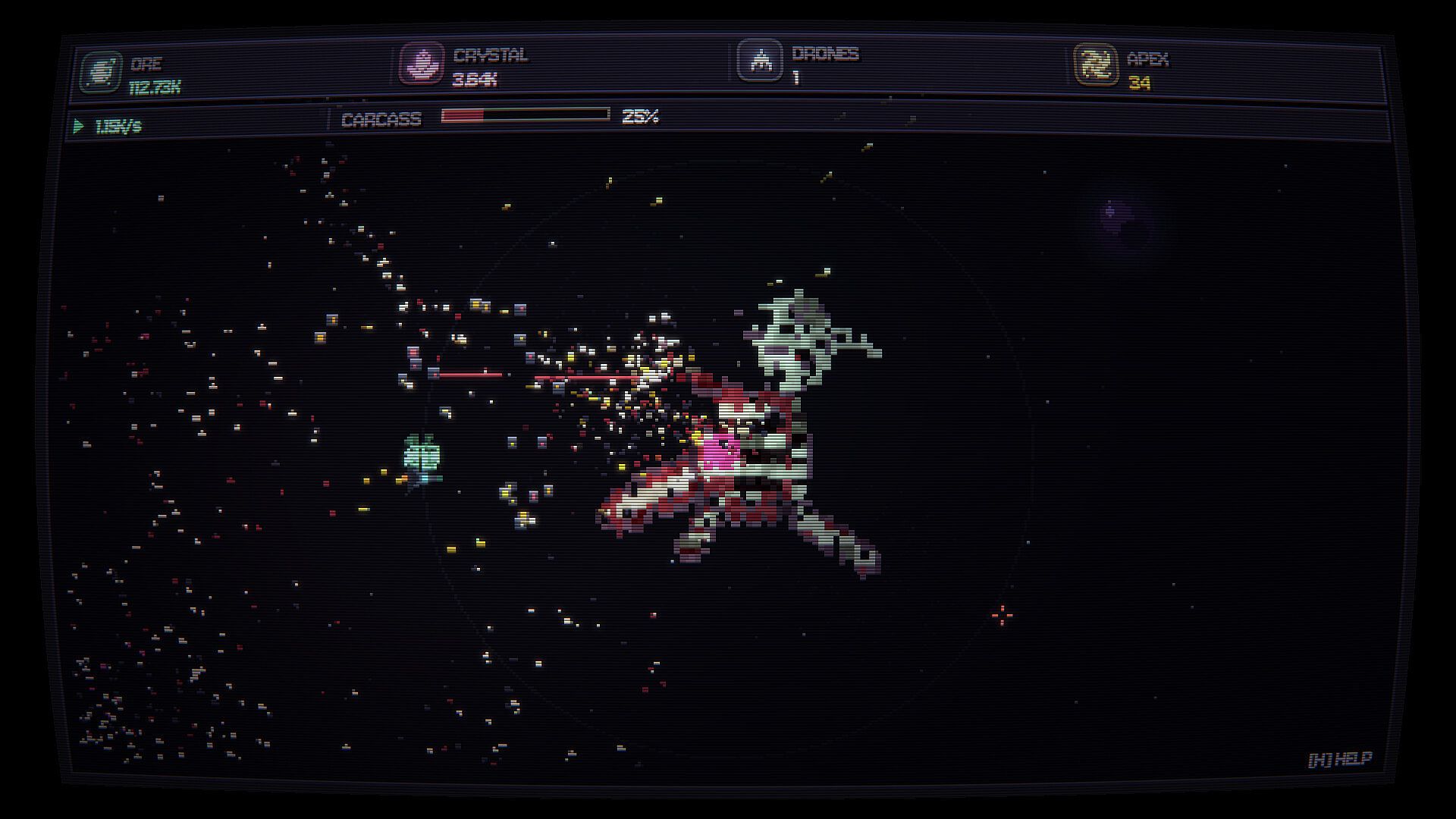
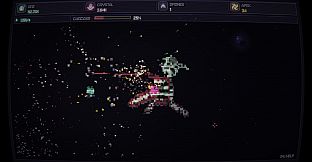

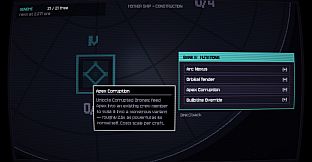
ECHIDNA is a strategy simulation game built around the core loop of harvesting resources from massive, procedurally generated carcasses in a pixel-art style. Players direct fleets of automated tools to dismantle these floating remains cell by cell, turning the process into a visible spectacle of debris and salvage collection. The experience blends incremental progression with direct visual feedback, where every addition to the setup produces immediate, observable changes on screen rather than hidden numerical boosts.
Gameplay
The central activity involves positioning mining drones, turrets, and collectors around a colossal dead entity to break it down piece by piece. Upgrades appear as physical attachments such as extra turrets or new drone types that peel away layers of the carcass in real time. This creates a steady flow of flying salvage that players watch accumulate as counters rise.
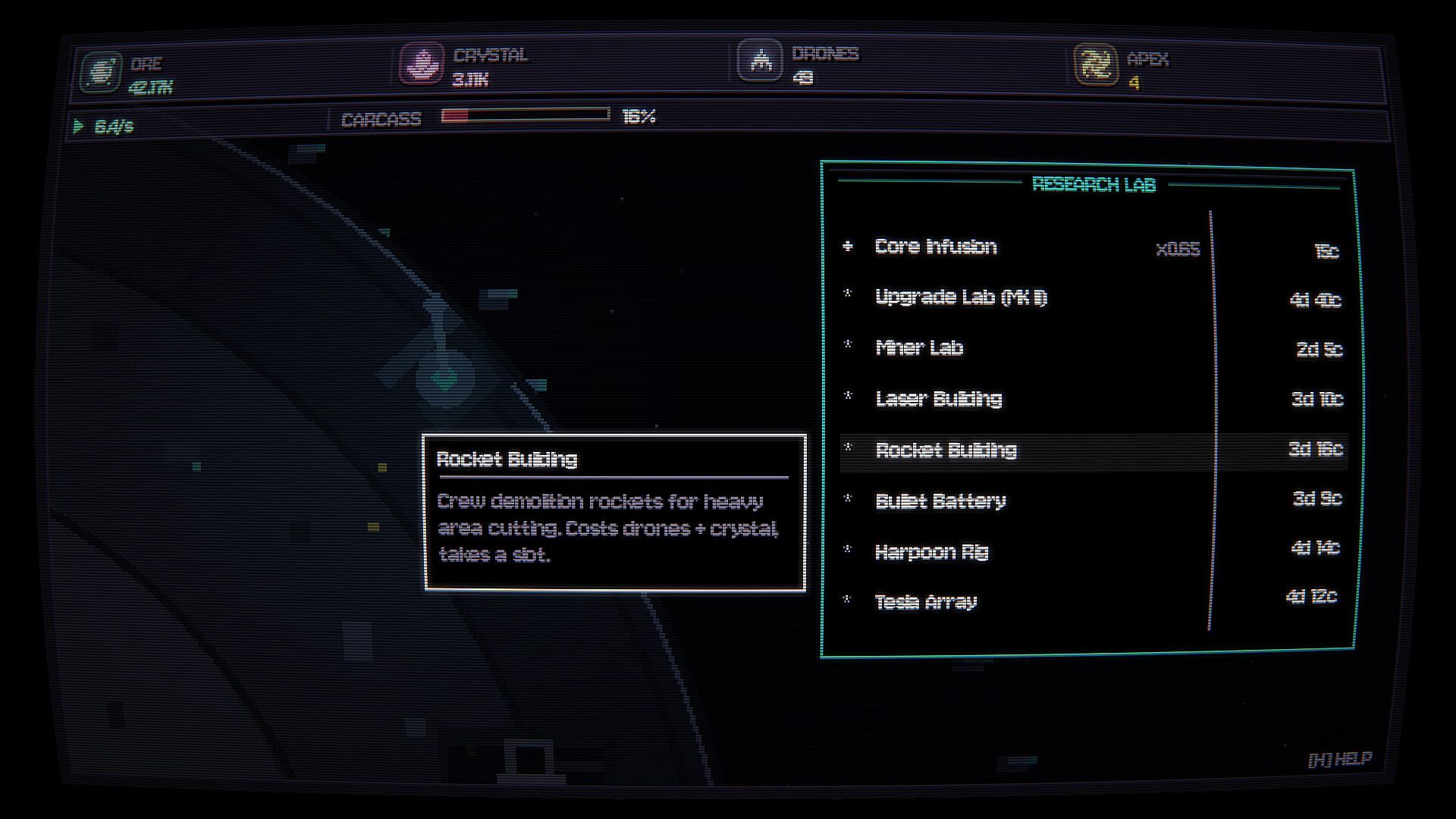
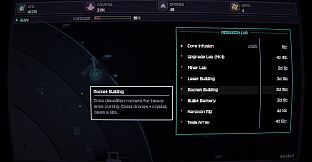
Weapon variety comes from different crew types that apply distinct effects. Auto-lasers provide steady damage, demolition rockets deliver explosive impacts, harpoons reel in sections, Tesla coils arc electricity between targets, flamethrowers spread fire, and railguns charge for powerful shots. These tools interact through elemental reactions that players set up deliberately. Cryo effects freeze drifting cells in place for cleaner follow-up strikes, while applying burn afterward triggers chain explosions. Acid patches alone do little but multiply the output of any other weapons that fire into the treated area.
Progression relies on visible construction rather than abstract multipliers. Players expand their arsenal by adding components that alter the rate and style of disassembly. The pixel-art presentation emphasizes the gradual dissolution of the titan, with debris patterns shifting as different tools engage specific body sections.
Game Modes
One mode focuses on automated fleet operations against inert remains. Players set up their equipment, observe the ongoing breakdown, and adjust placements or add new tools as the carcass depletes. The emphasis stays on long-term optimization of the rig layout and tool combinations.
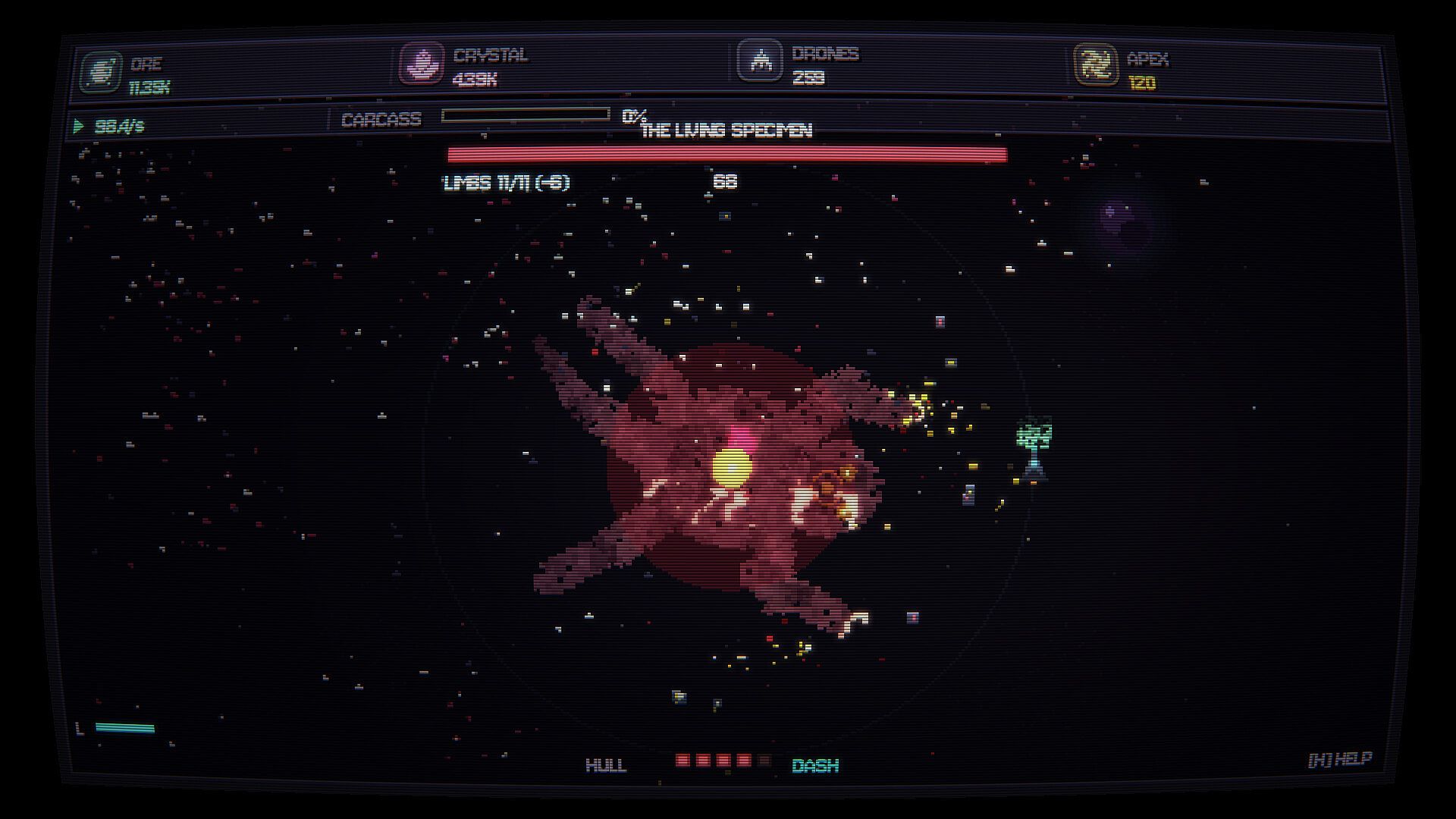
A separate hands-on mode activates when a specimen proves still active. Players switch to direct control of a fighter craft, navigating through projectile patterns in real time while targeting weak points to expose the core. Success allows the player to claim the larger, fresher carcass for the next automated stripping session.
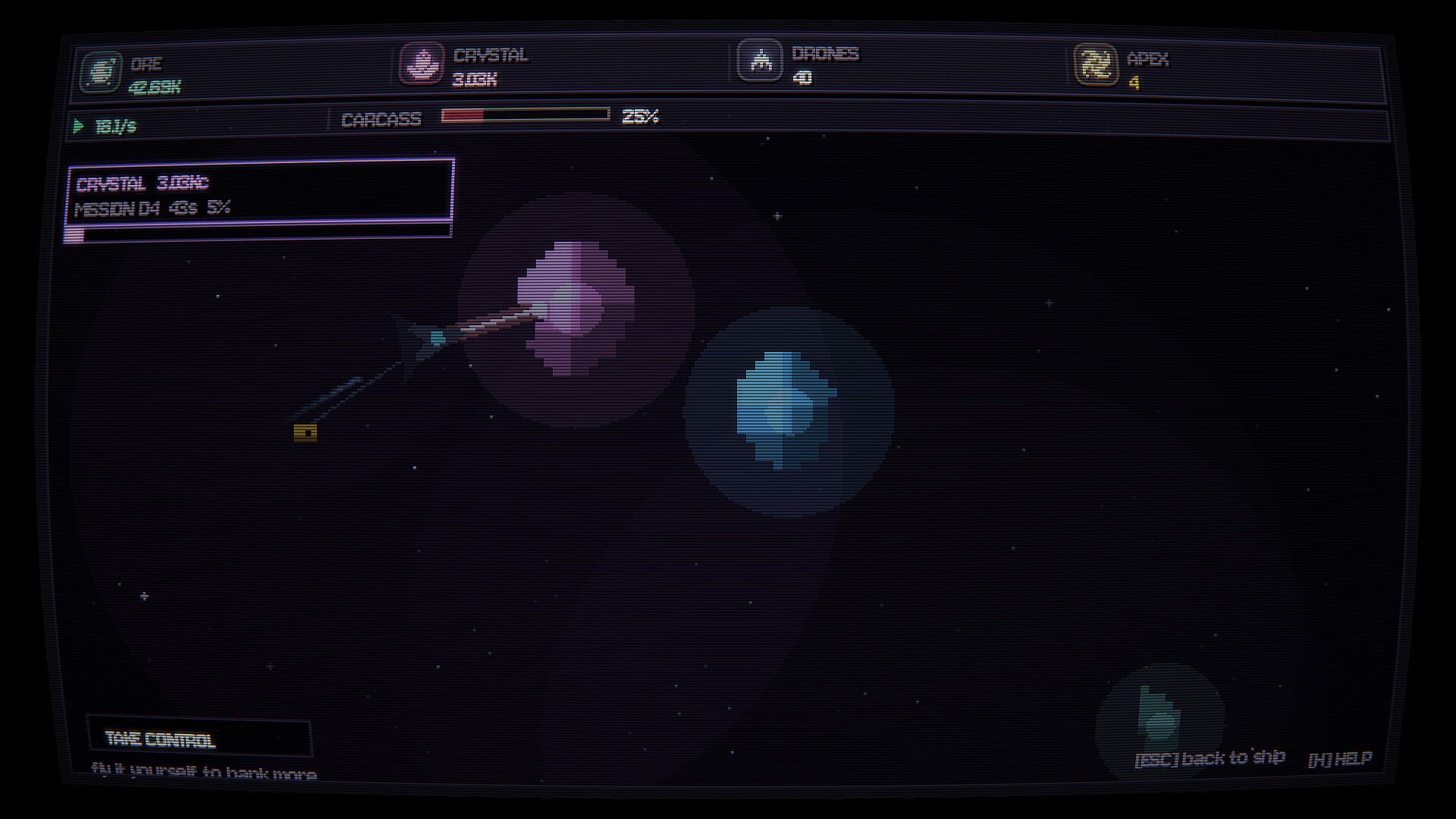
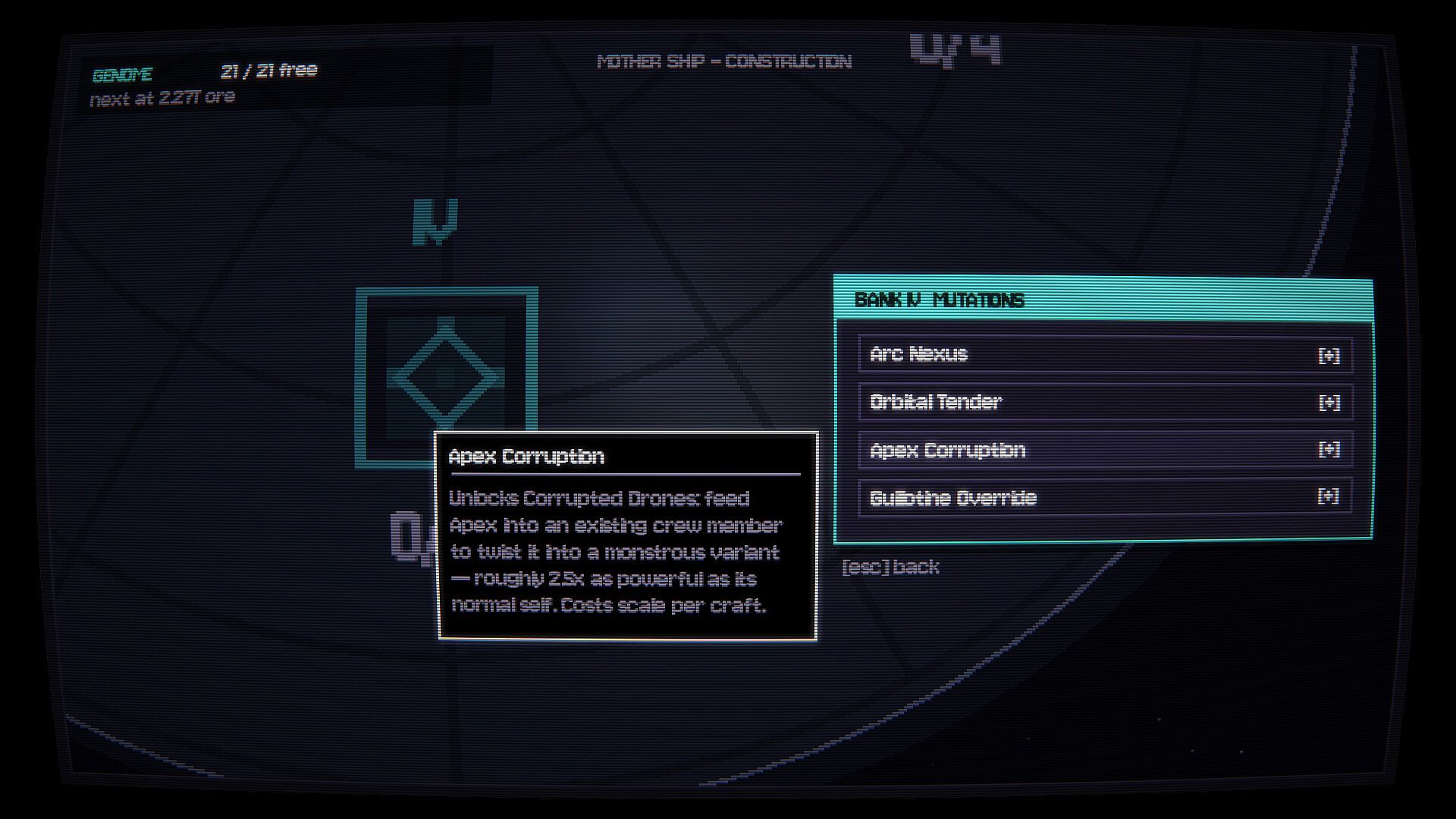
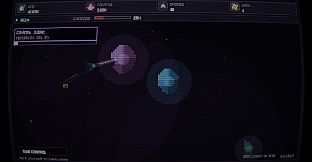
Mutation systems provide run-to-run variety through genome spending. These choices alter ship size, fighter capabilities, and the availability of remote outposts that support additional material gathering through short piloted minigames.
Visual Automation and Progression
Every mechanical choice produces a clear on-screen result. Adding a new turret changes the angle and speed of hull removal. Introducing a reaction chain visibly accelerates the spread of damage across the carcass surface. This approach keeps the incremental elements tied directly to the artwork rather than separate menus or stat screens.
Expeditions scale in scope as players return with resources to expand the mother ship and supporting vessels. Larger hulls support more simultaneous tools, while side-ships open parallel collection opportunities. The procedural nature of each carcass ensures that layouts and weak points differ between runs, encouraging repeated experimentation with tool placements and reaction setups.
Is It Worth Playing?
ECHIDNA suits players who enjoy watching systems interact in real time within an automation framework. The combination of fleet building and occasional direct combat creates a rhythm that alternates between setup and active engagement. Those drawn to incremental games that prioritize visible outcomes over hidden calculations will find the pixel-art dissolution and reaction chains rewarding.
The early access status means the core loop is available for testing, with room for further refinement based on ongoing development. Fans of simulation titles that reward careful tool synergy and adaptation to changing conditions will likely appreciate the focus on observable progress and escalating specimen sizes.