























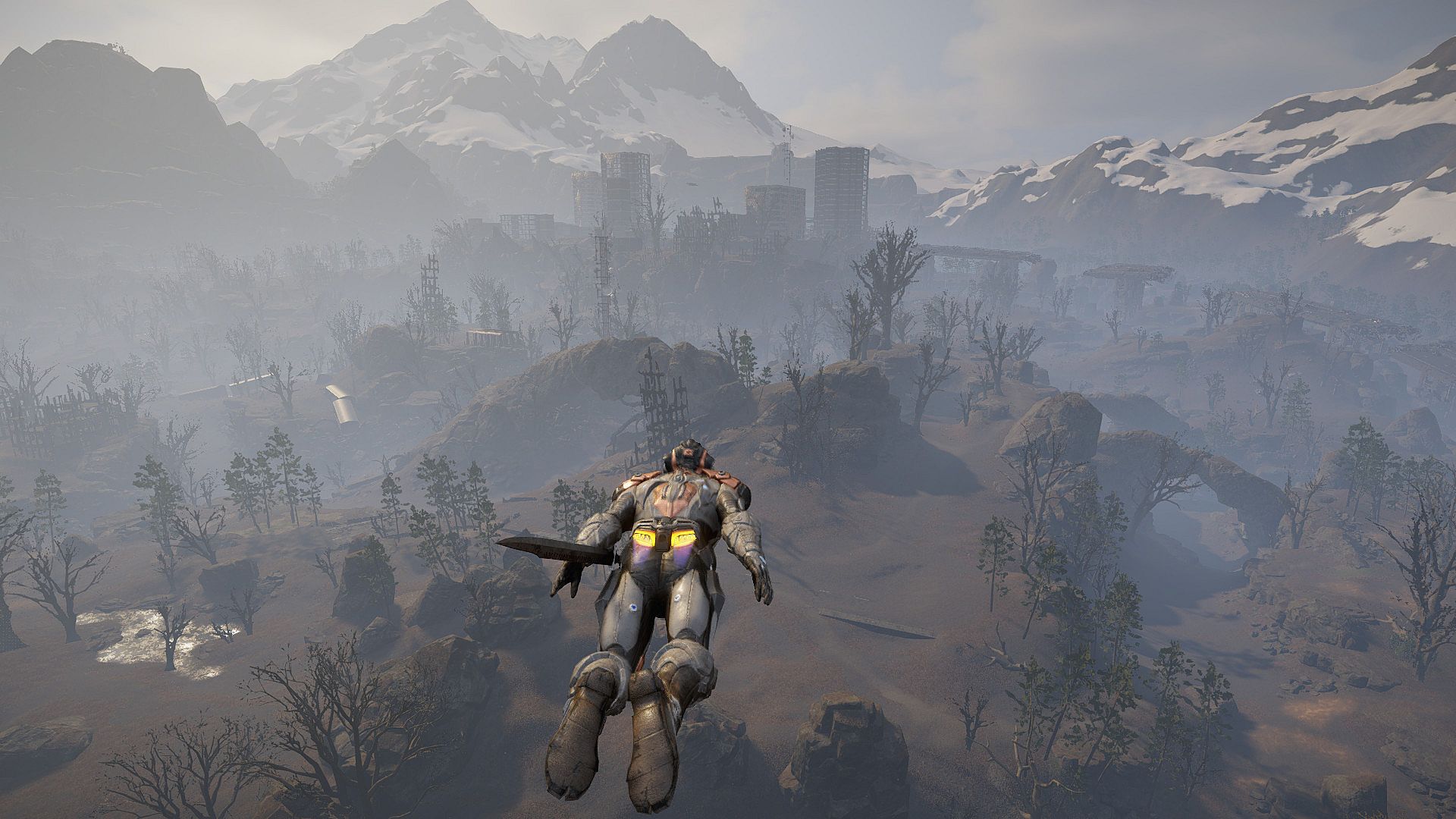
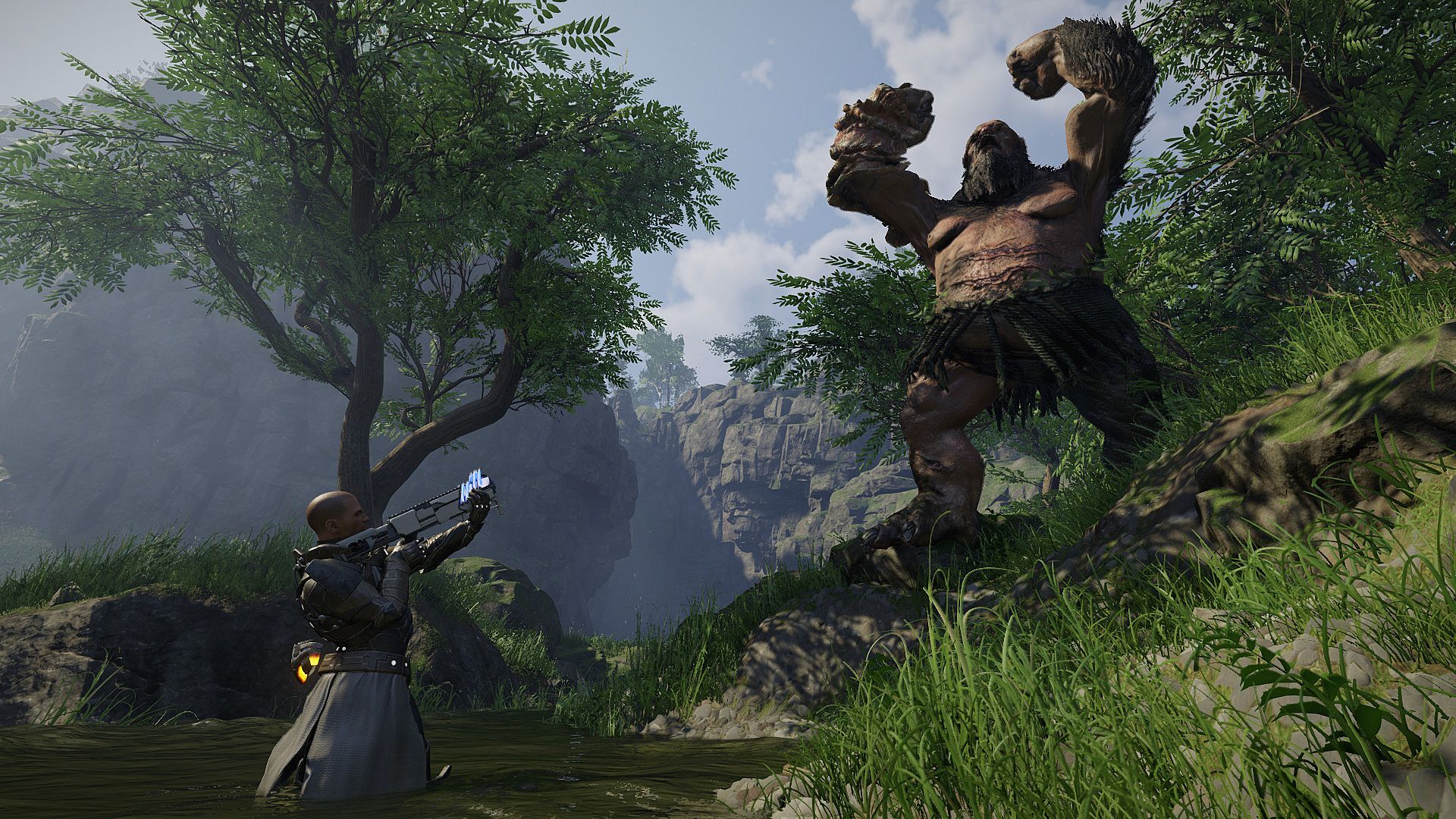
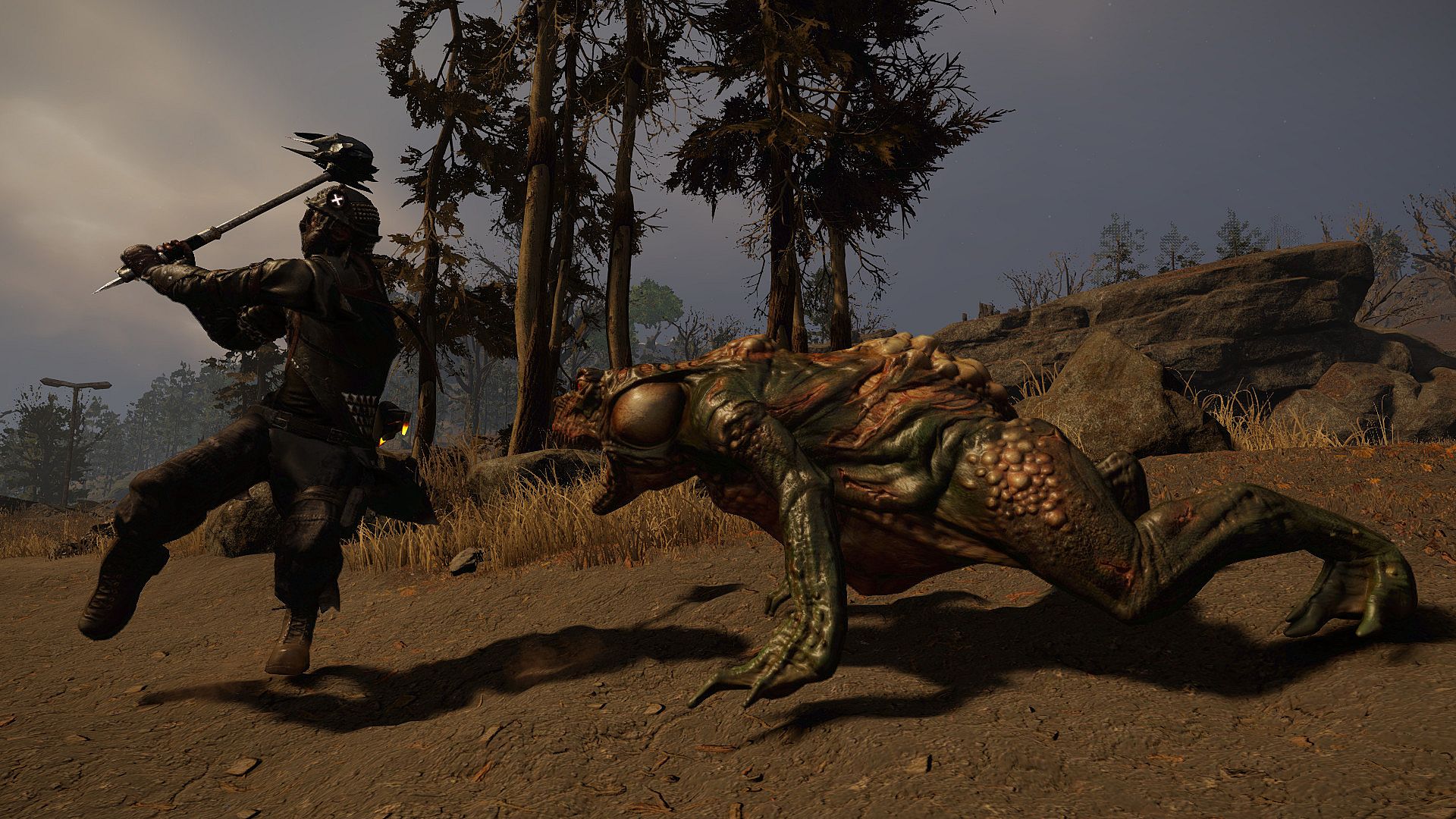
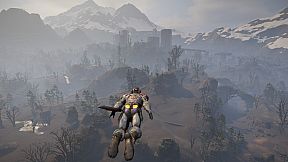
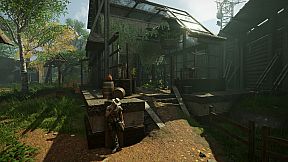
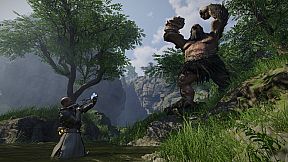
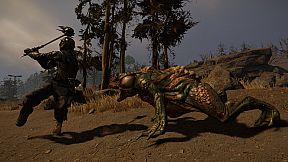
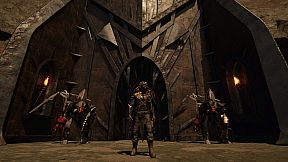
ELEX II is a single-player action RPG set in a post-apocalyptic science fantasy world. Players take control of Jax as he navigates the planet Magalan, using a jetpack for free-form traversal across large hand-crafted environments while pursuing a narrative centered on uniting divided groups against an external threat.
Gameplay
The core loop revolves around open-world exploration, combat, and character progression. Movement relies heavily on the jetpack for ground traversal and sustained flight, allowing access to elevated areas and shortcuts across the map. Combat mixes melee strikes with ranged options, supported by an improved control scheme that emphasizes fluid transitions between close-quarters fighting and projectile attacks. Character development ties equipment and abilities to four main attributes: Strength, Constitution, Dexterity, and Intelligence. Points in these stats determine what weapons, armor, and skills become available, encouraging specialization rather than broad builds.
Companions can be recruited and accompany the player, though their presence depends on prior choices and behavior. These allies contribute to fights and react to events, with permanent consequences possible if they die. The world features reactive NPCs whose dialogue and availability shift based on completed quests and reputation levels. Moral decisions appear throughout the main storyline and side content, influencing alliances and outcomes without a single correct path.
Game Modes
ELEX II operates exclusively as a single-player experience. The campaign unfolds through a linear main quest that branches according to faction alignments and individual decisions. Players progress by completing objectives for various groups, gaining reputation that unlocks unique abilities, gear, and story variations. No separate multiplayer or co-operative modes exist. Different playthroughs emphasize replayability through alternate faction paths rather than distinct game modes.
Factions and World Interaction
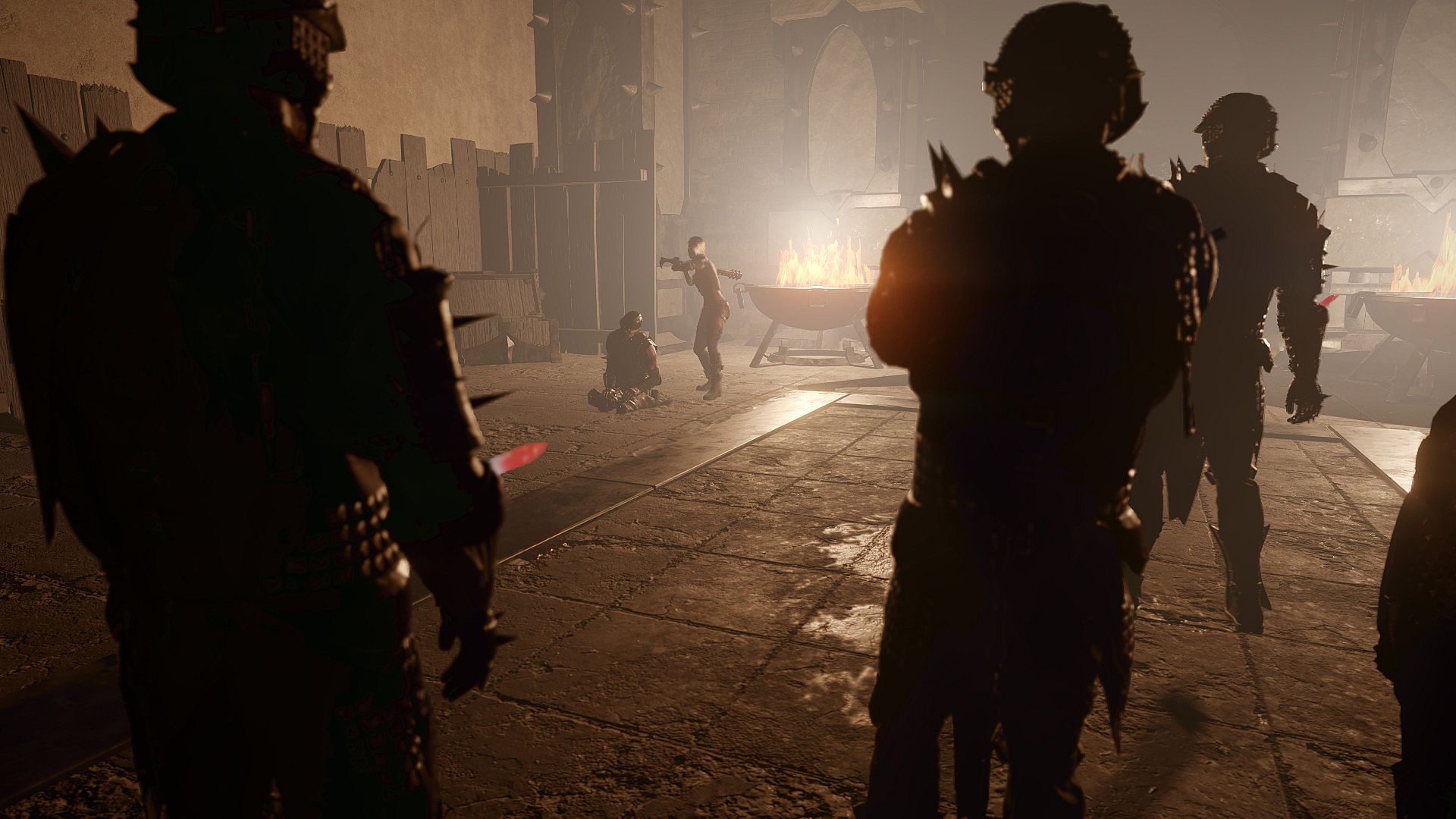
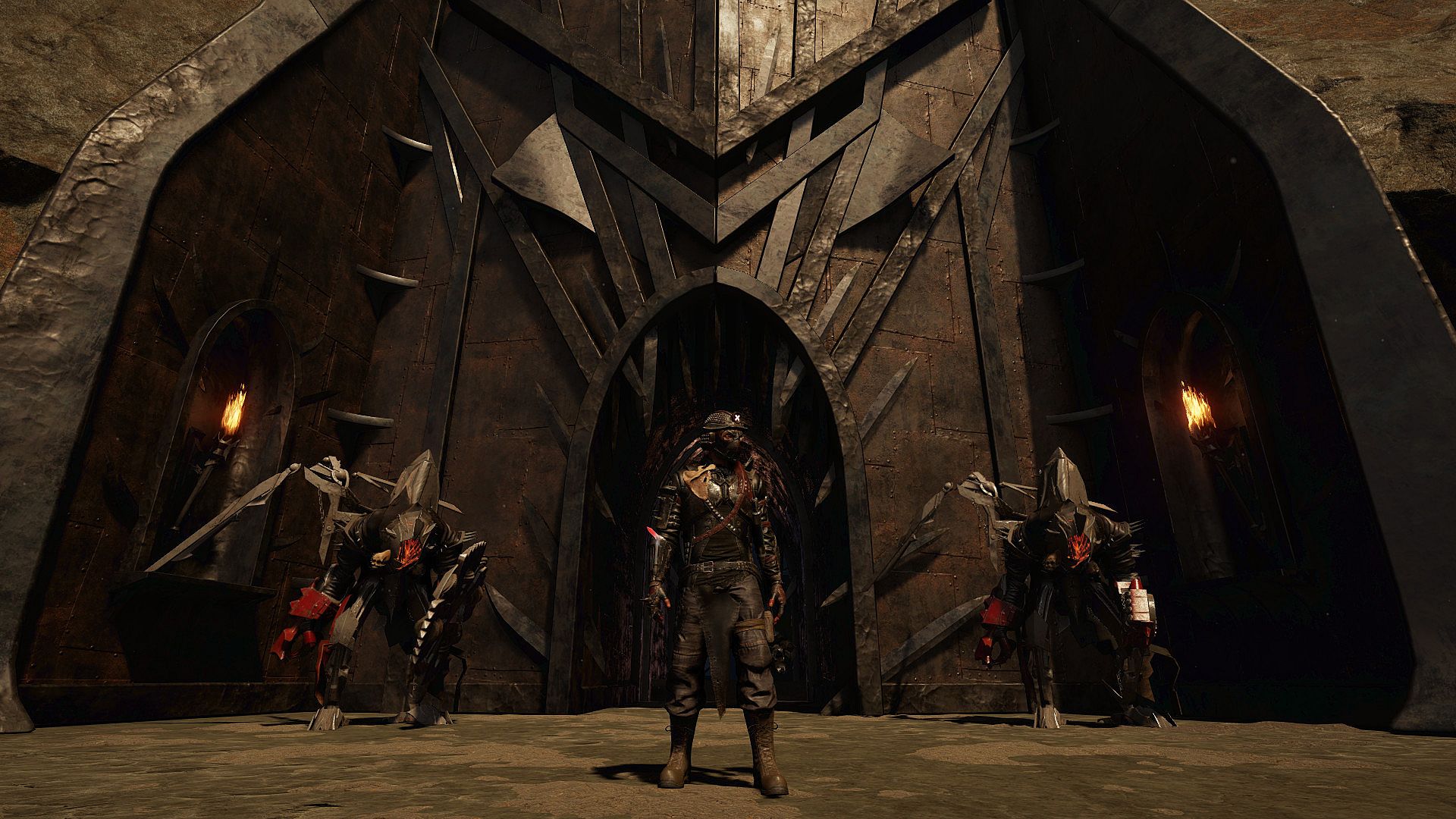
Five factions can be joined through reputation-building quests: Berserkers, who focus on fire-based magic; Albs, associated with ice and electric abilities; Morkons, who emphasize melee enhancements at the cost of health; Clerics, centered on technological approaches; and Outlaws, offering further options after initial alignments. A sixth group, the Skyands, remains hostile and cannot be joined. Each faction provides distinct skill trees and regional hubs. Reputation gained with one group can affect standing with others, creating interconnected consequences across the map.
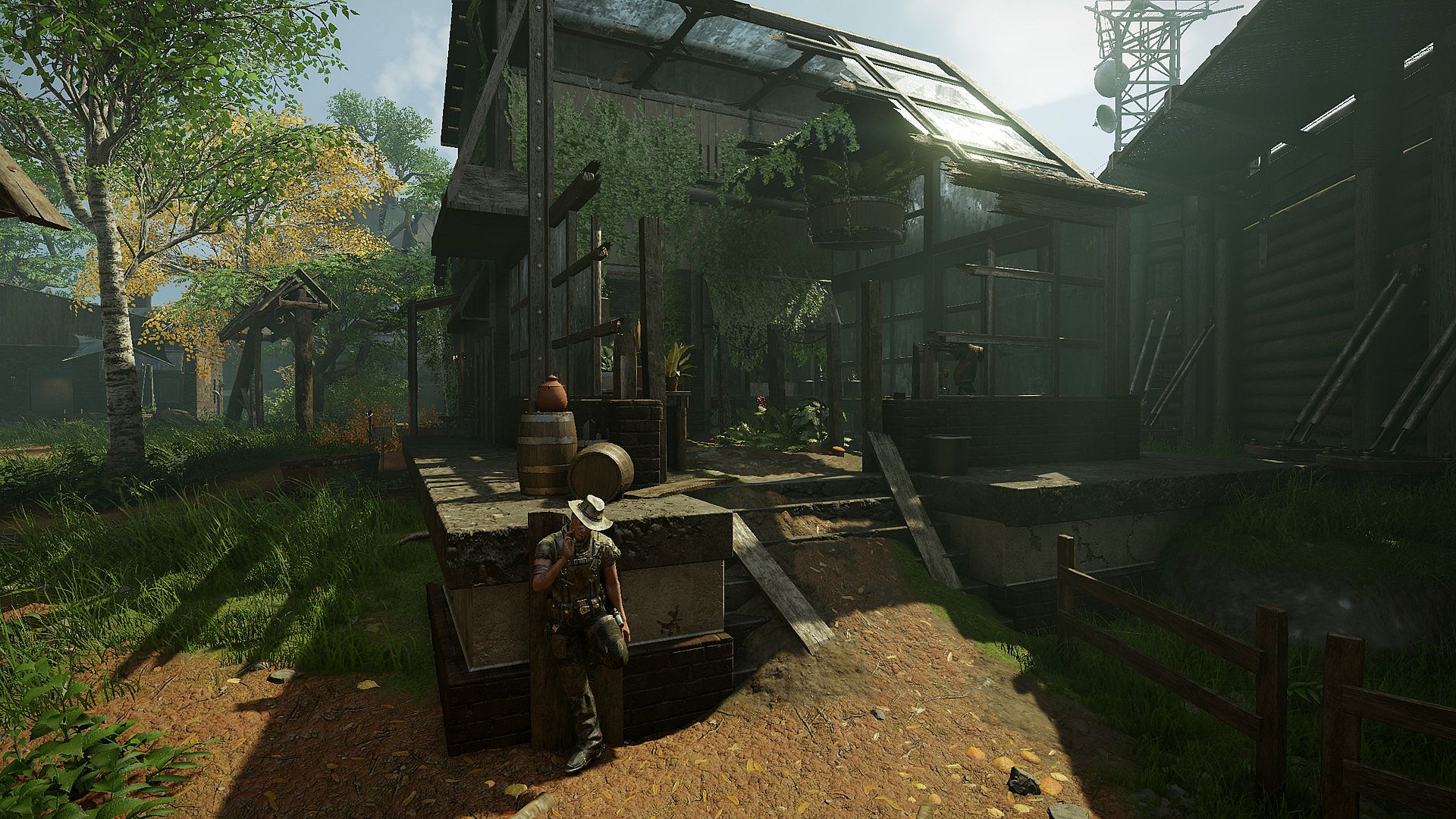
Environments range from varied biomes that support different combat and exploration styles. The Piranha Bytes Engine powers these systems, handling NPC schedules, quest reactivity, and attribute-gated progression.
Is It Worth Playing?
Player reception on Steam stands at mostly positive overall, with recent reviews showing mixed results. The title appeals most to those who value choice-driven narratives, faction politics, and open exploration in the style of older role-playing games. Technical issues and combat feedback have drawn criticism from some players, while others highlight the depth of consequences and freedom of movement as strengths.
Those seeking a polished action experience may find the systems dated. Players comfortable with deliberate pacing, attribute specialization, and multiple playthroughs to explore different alliances will likely find the most engagement. The game remains available on PC with no ongoing seasonal content or major post-launch expansions confirmed beyond early patches addressing stability.