


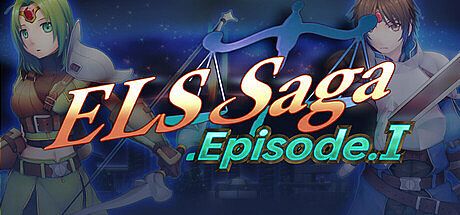


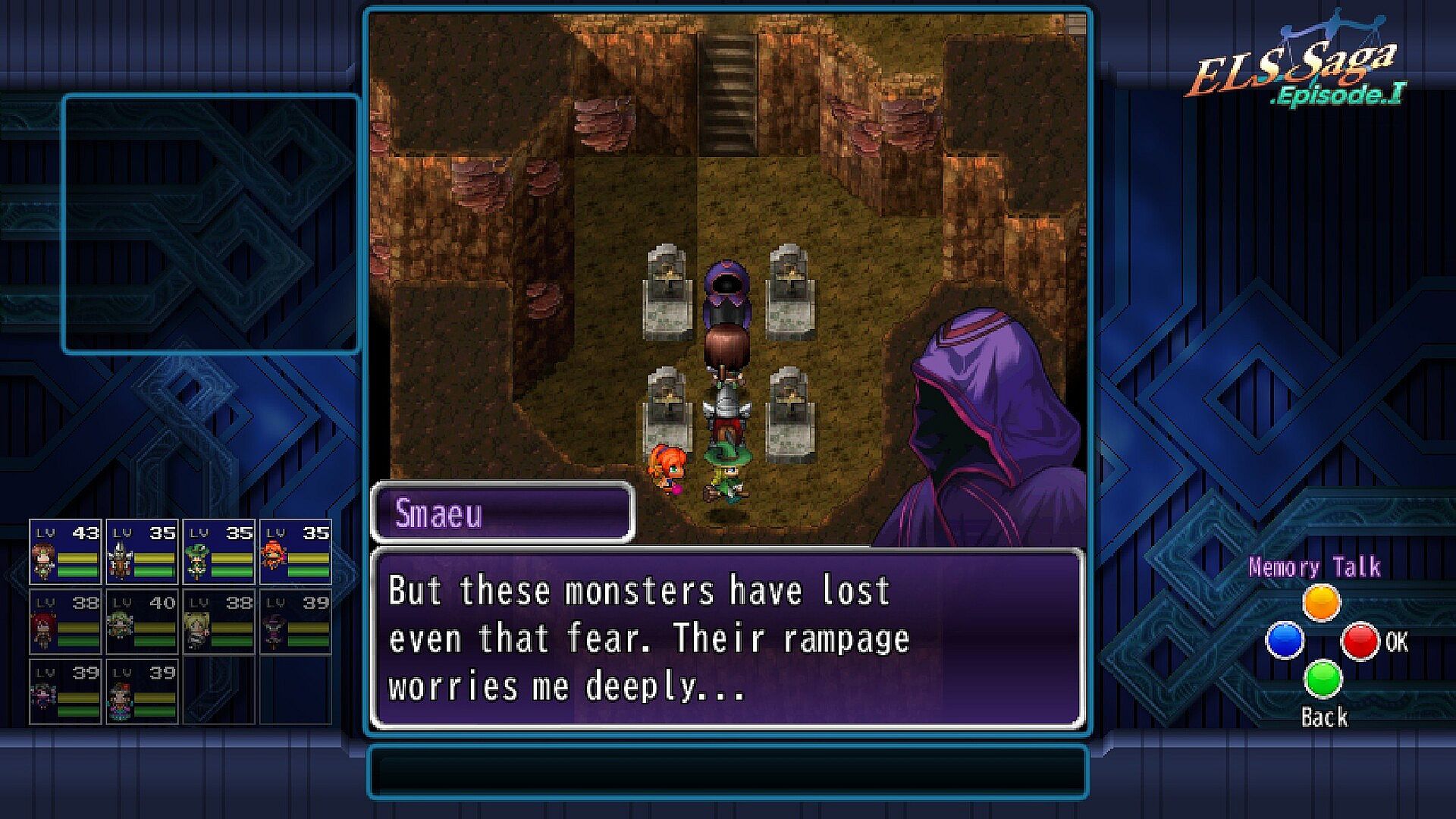
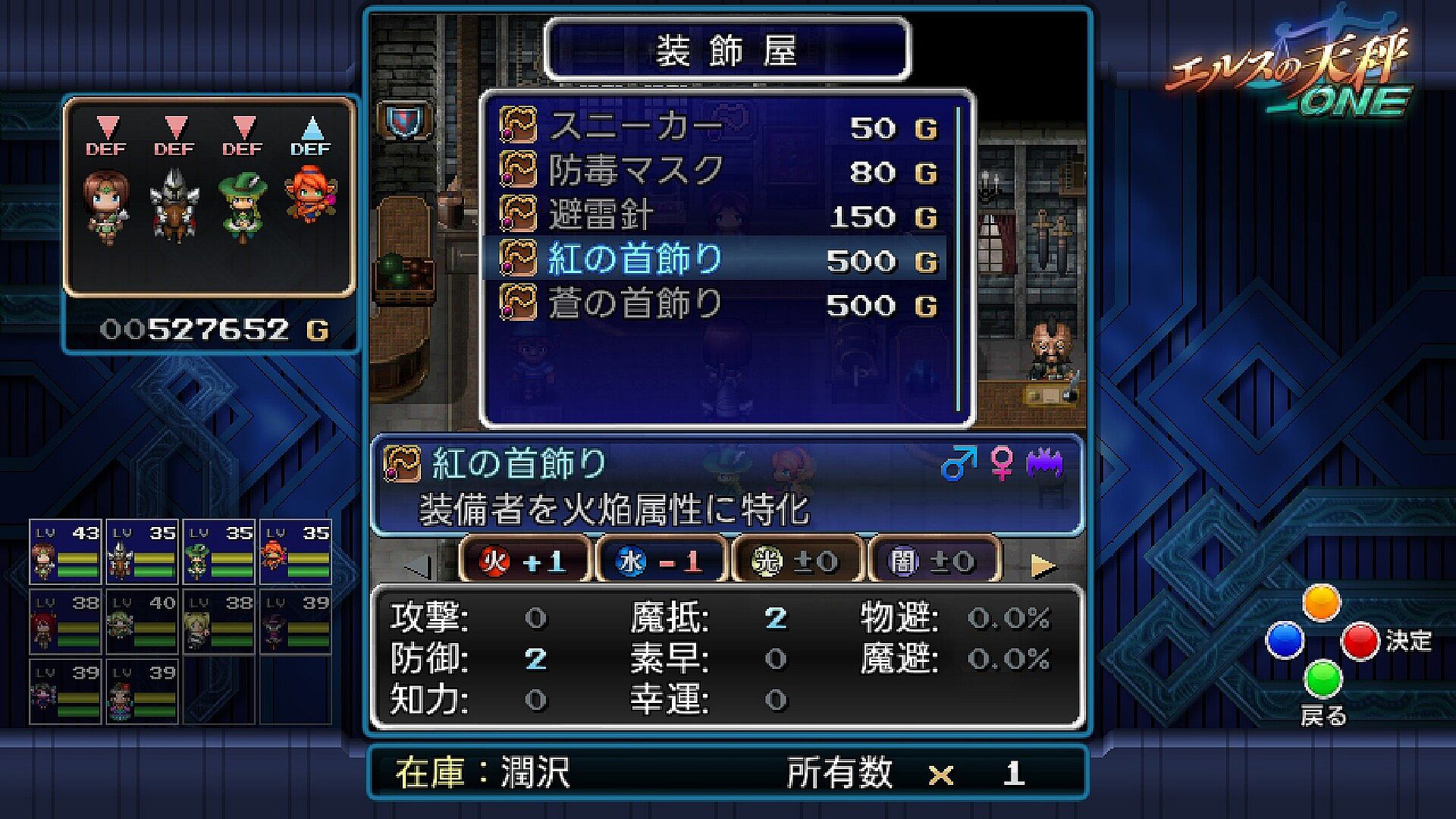
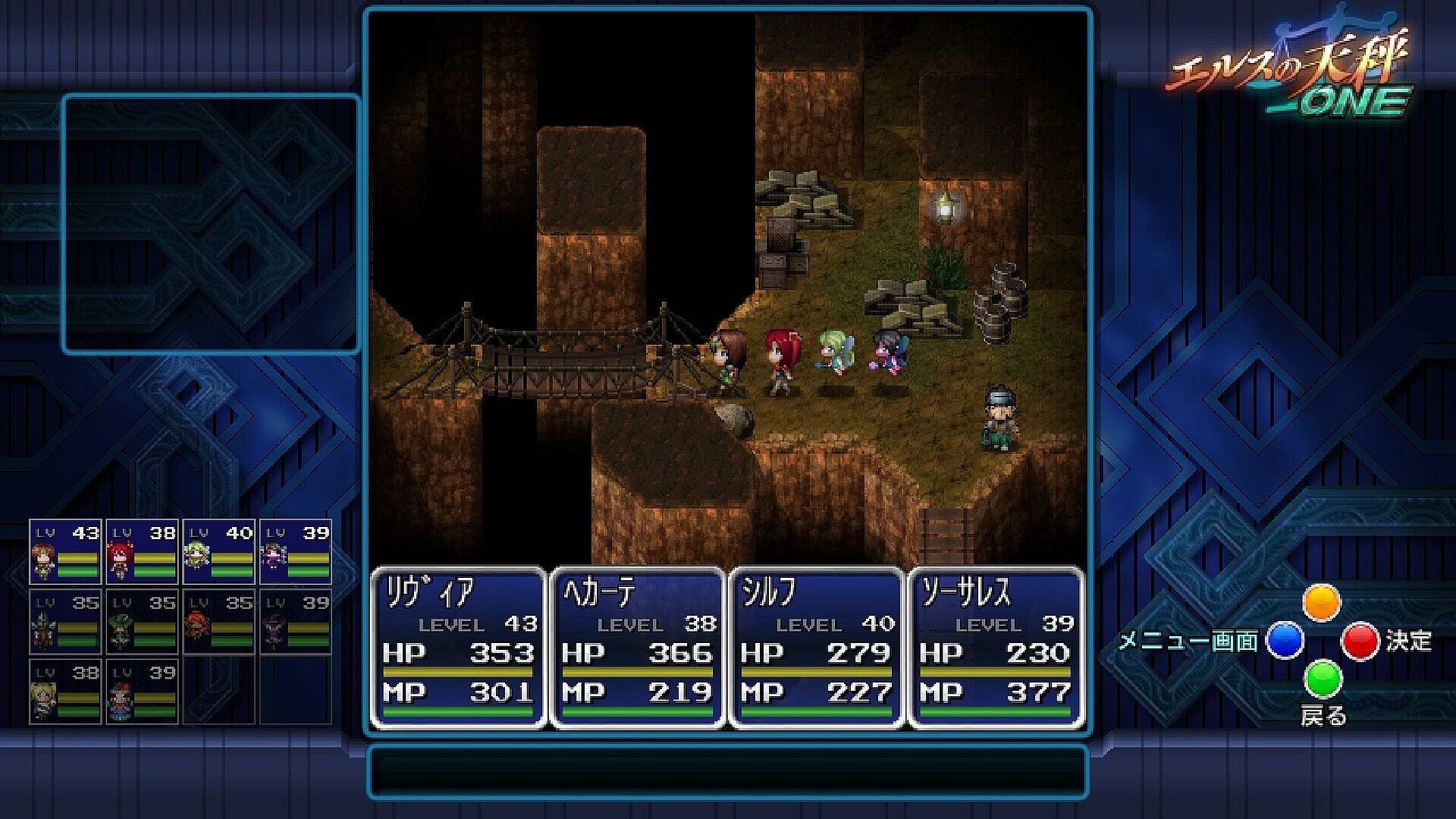
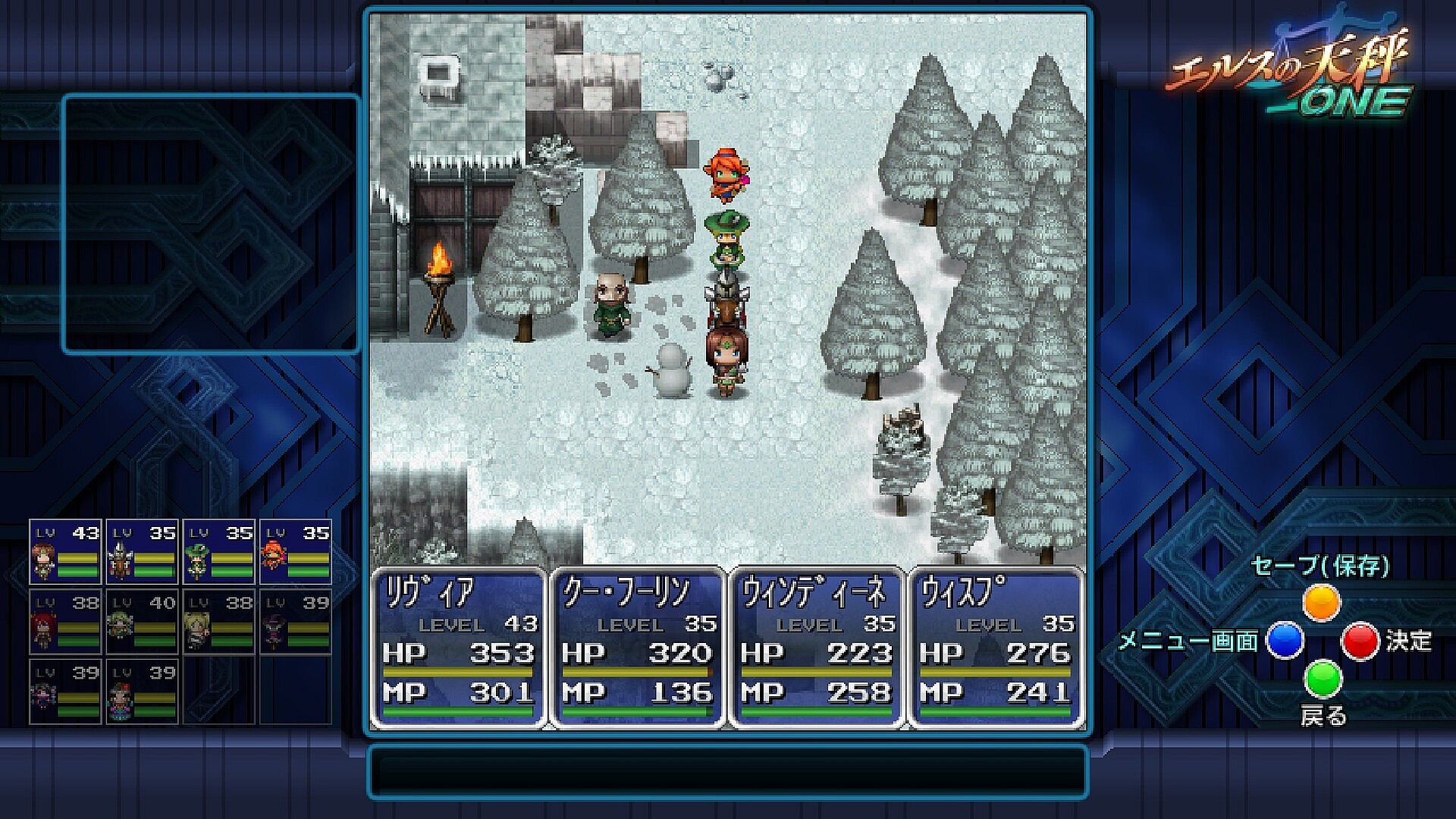
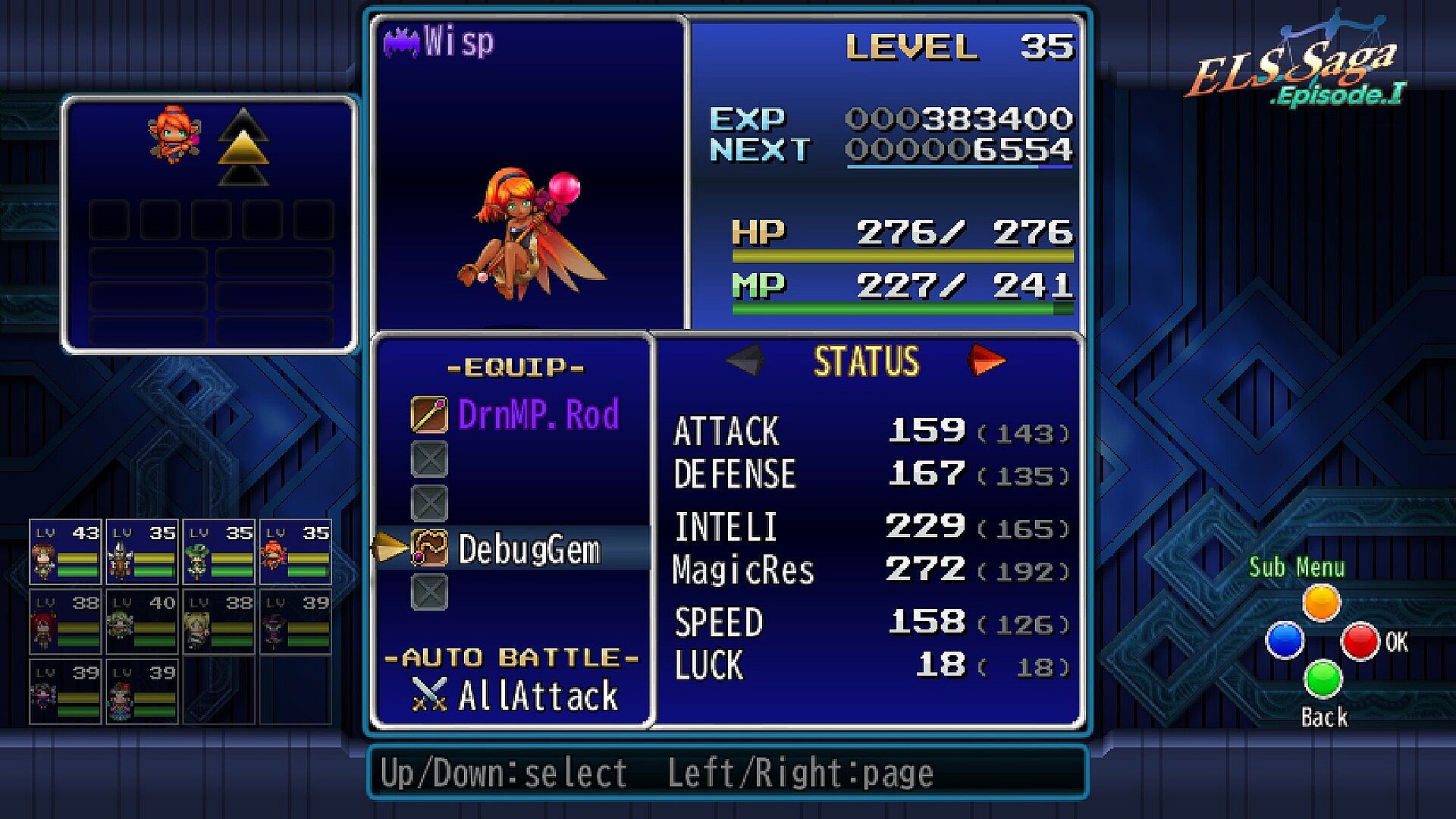
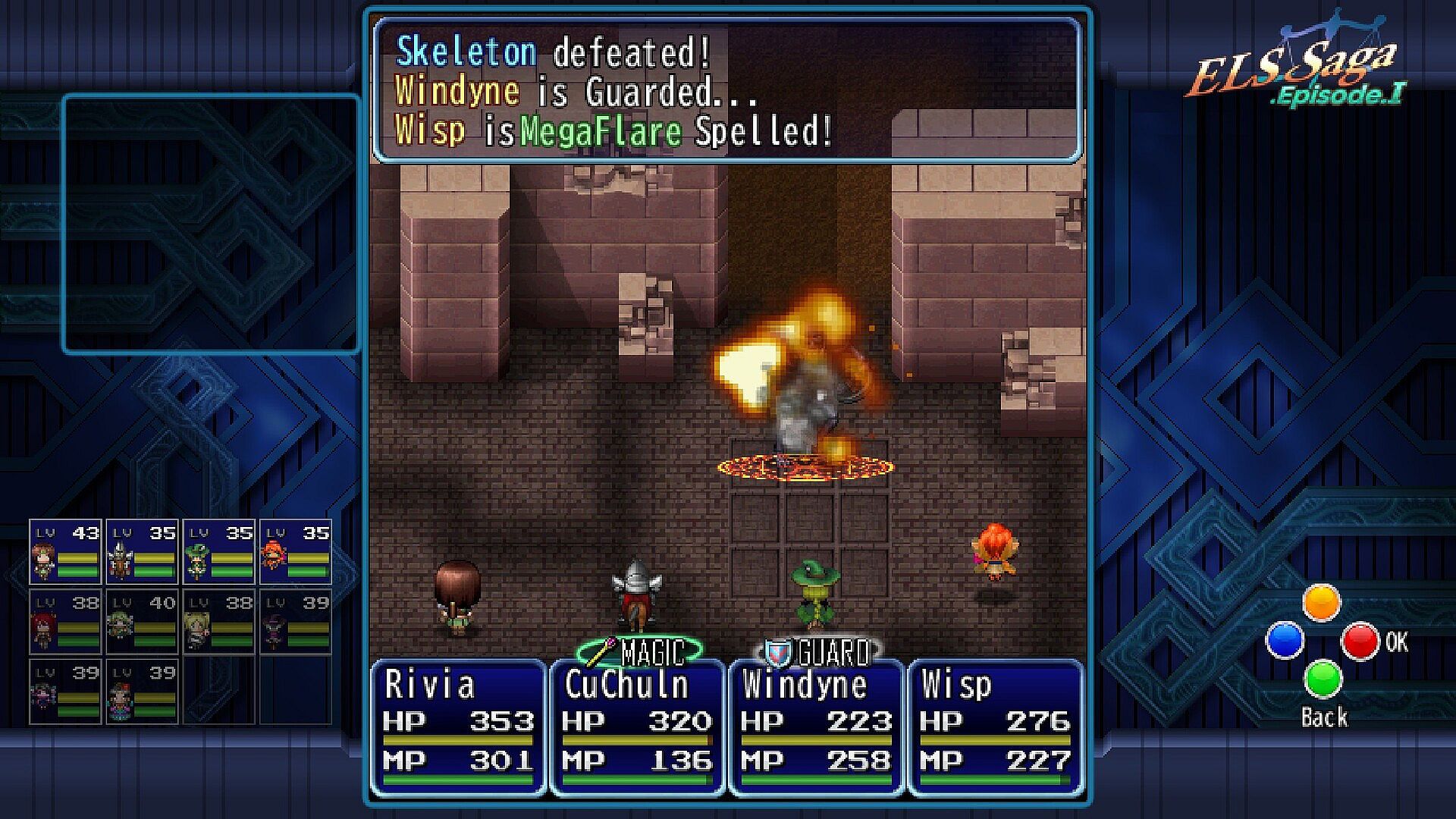
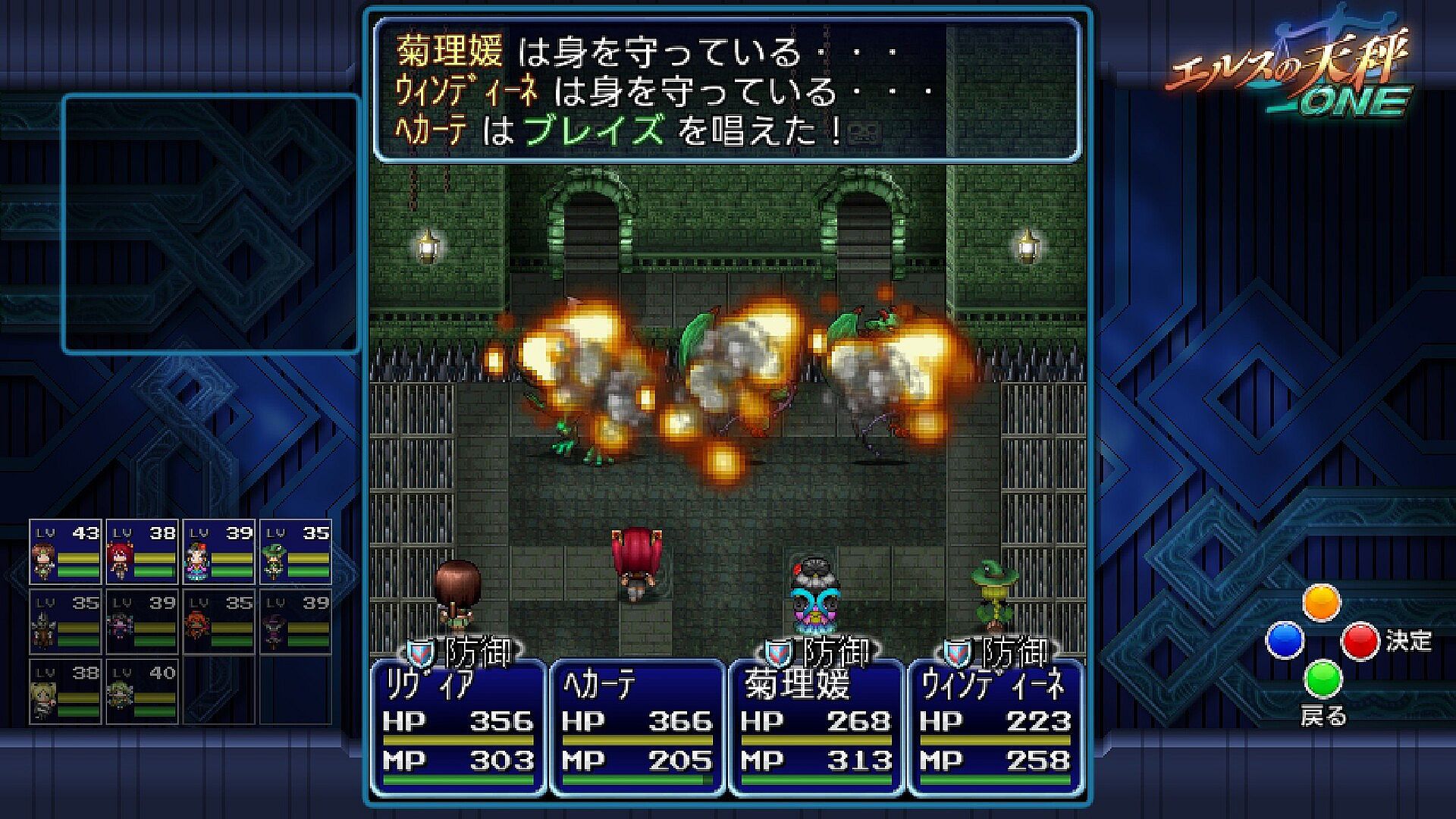
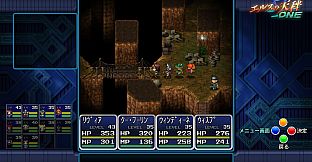
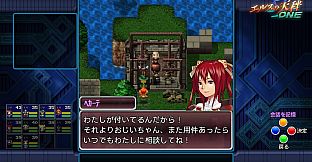
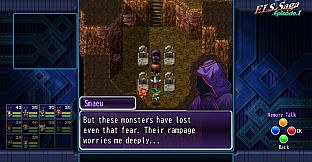
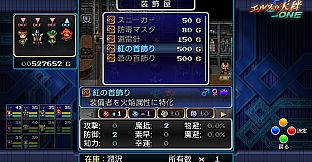
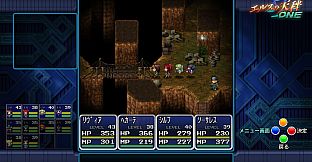
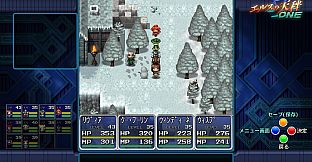
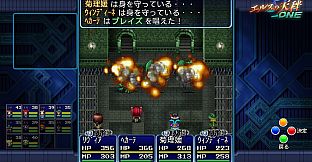
ELS Saga: Episode I delivers a traditional turn-based JRPG built around pixel art visuals and command-driven battles. This indie title blends RPG progression with simulation elements through its emphasis on party building and tactical adjustments during fights. The experience centers on exploration, enemy encounters, and strategic decisions that shape a growing roster of allies.
Gameplay
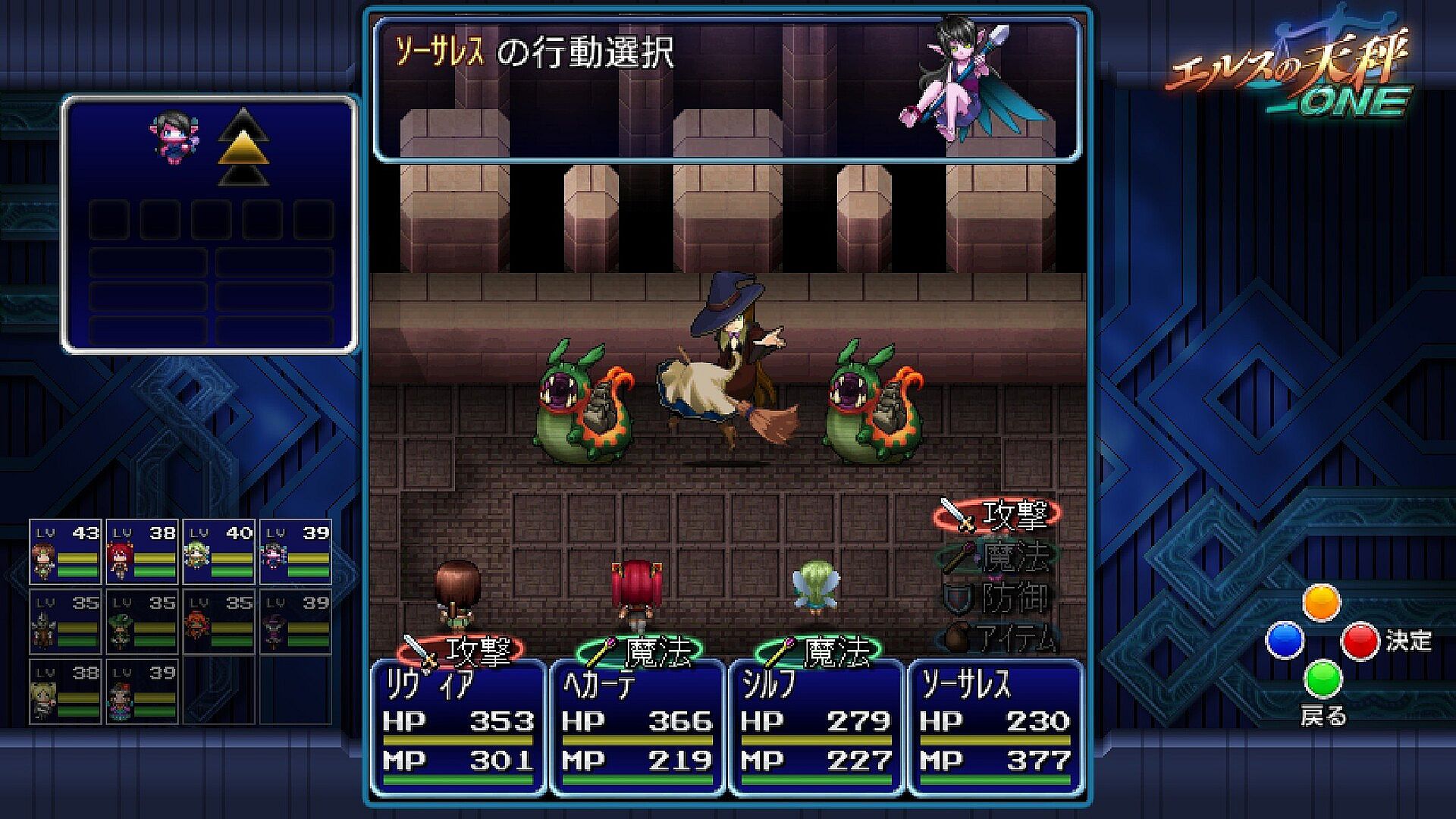
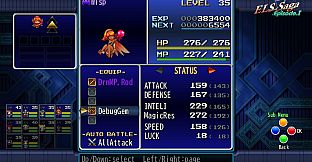
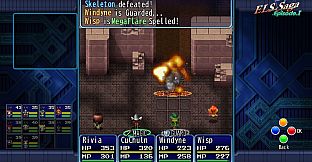
The core loop revolves around turn-based command battles where players issue orders to a party of characters. Battles follow familiar patterns of selecting attacks, skills, and items, yet they incorporate deeper layers through the recruitment mechanic. Nearly every enemy encountered can be captured and added to the team, turning obstacles into permanent companions that players can train and customize over time.
Party composition becomes highly flexible because of this system. Players experiment with different monster types and their unique abilities to create balanced groups suited to various challenges. Training focuses on strengthening favorites, allowing for personalized teams that evolve alongside the story.
A standout feature is the ability to swap party members freely during combat. This mid-battle adjustment lets players respond to shifting enemy weaknesses or protect vulnerable allies without waiting for the next encounter. The result is a more dynamic flow within the otherwise classic structure, rewarding quick thinking and adaptation.
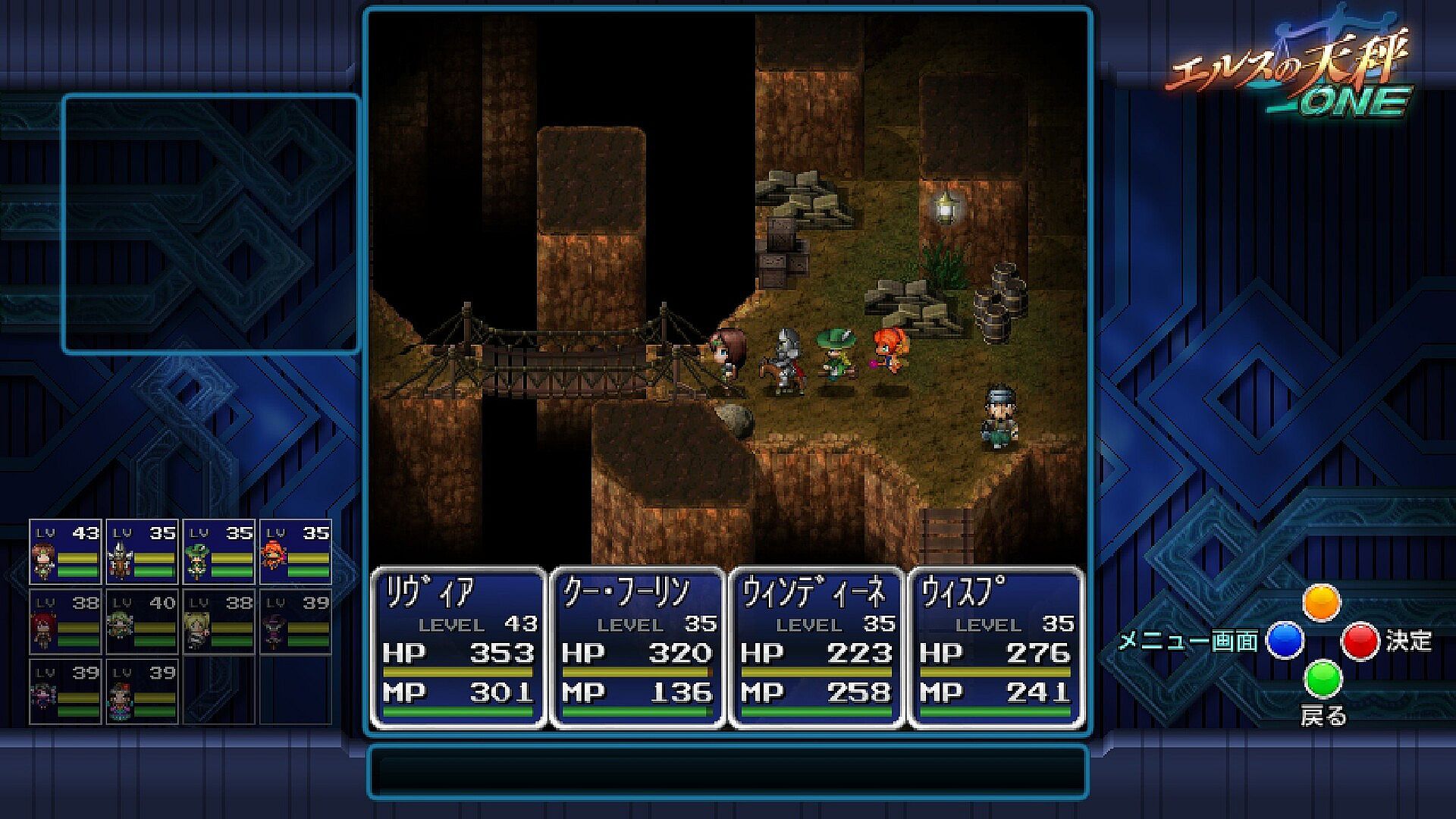
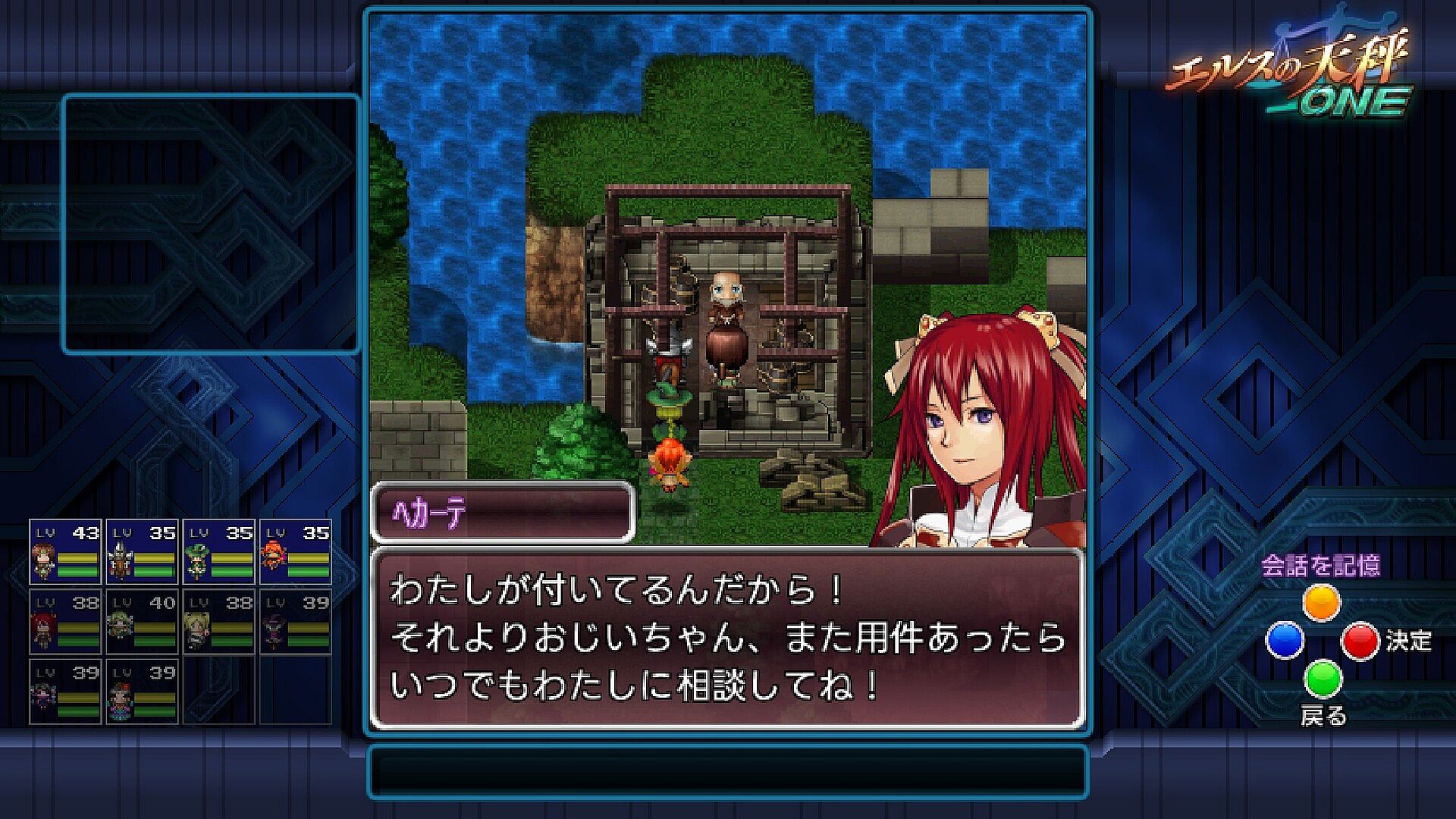
Pixel art presentation evokes earlier eras of JRPG design, with detailed sprites and environments that support the nostalgic tone. The Steam version adds full controller and keyboard compatibility, enabling smooth play on larger screens without input friction. Support for both Japanese and English languages further broadens accessibility for different preferences.
Game Modes
The game operates as a single-player experience focused on sequential story progression through encounters and exploration. Players advance by navigating areas, engaging in battles, and managing their growing collection of recruited monsters. No separate competitive or multiplayer components appear in the available details, keeping the emphasis on individual campaign advancement and team development.
Progression ties directly to the recruitment and training loop. Each new ally expands options for future battles, encouraging repeated playthroughs or careful planning within a single run to optimize party synergy. The structure supports steady advancement without branching side activities beyond the main narrative path.
Is It Worth Playing?
Fans of classic JRPG mechanics will find value in the recruitment system and in-battle swapping, which add layers of strategy to standard turn-based combat. The pixel art style and controller support make it suitable for players seeking a straightforward yet tactically engaging single-player campaign on PC. Those who enjoyed monster-collecting elements in similar titles may appreciate the near-universal capturability of enemies and the freedom to build custom teams.
The title represents the first episode in a series that previously saw significant mobile success, now presented in an optimized desktop format. Availability in two languages and seamless control options reduce barriers for newcomers or returning players. Overall, it suits individuals who prioritize methodical battle planning and roster experimentation over fast-paced action or expansive open worlds.












