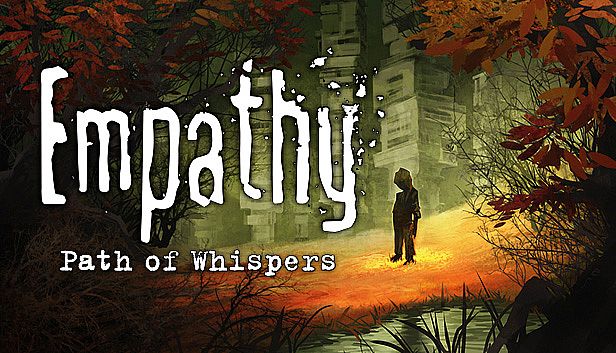
























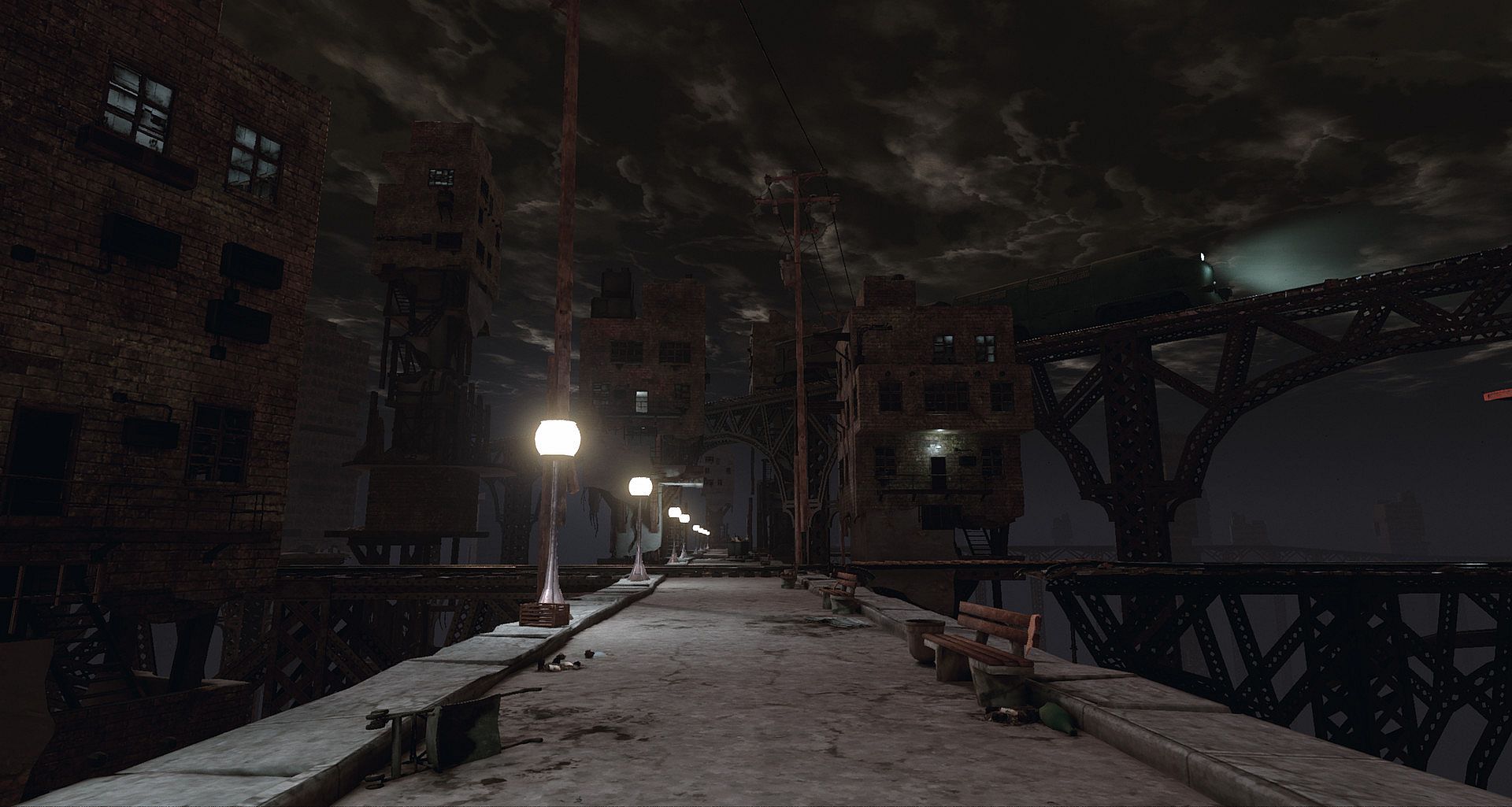
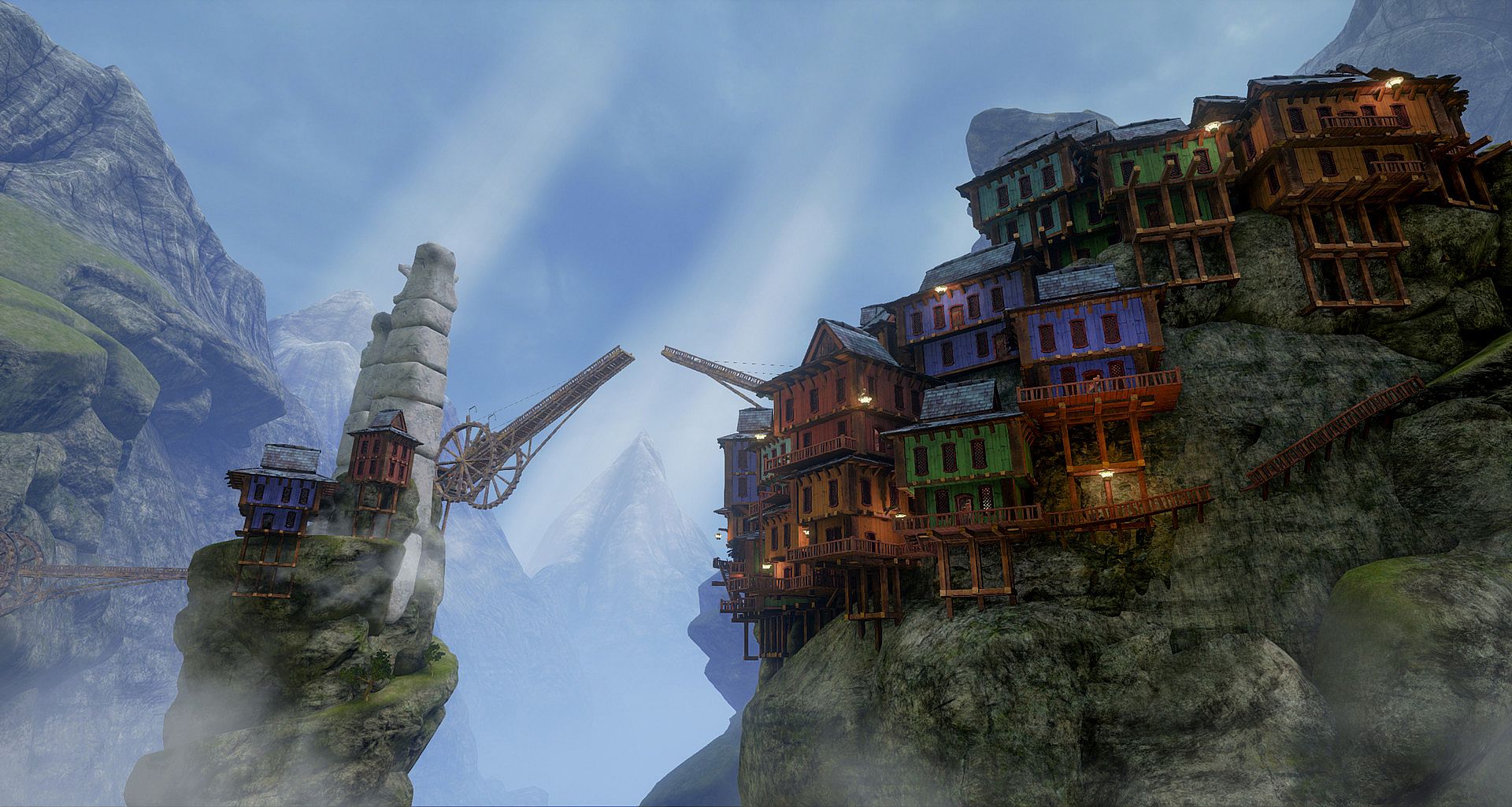
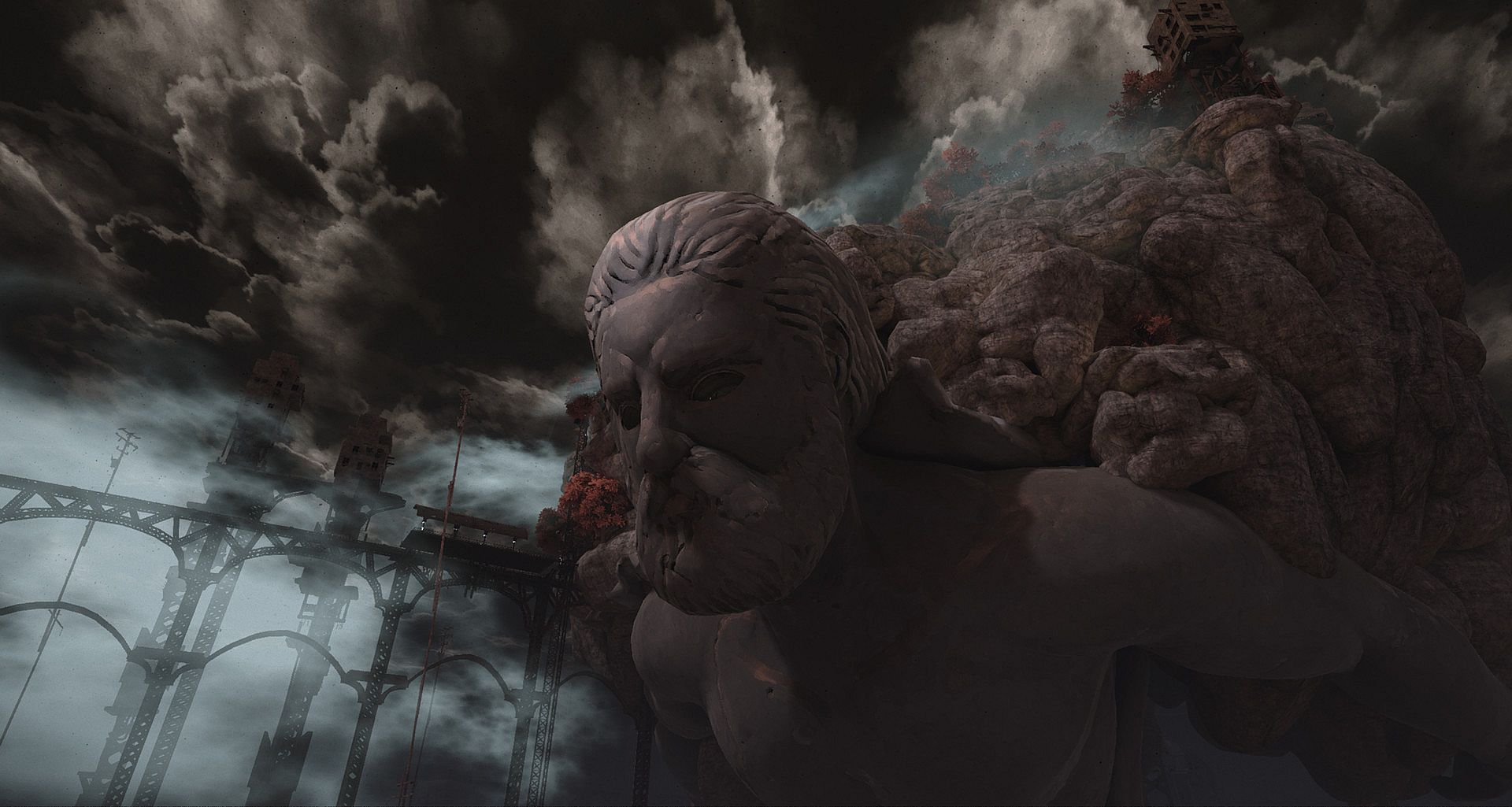
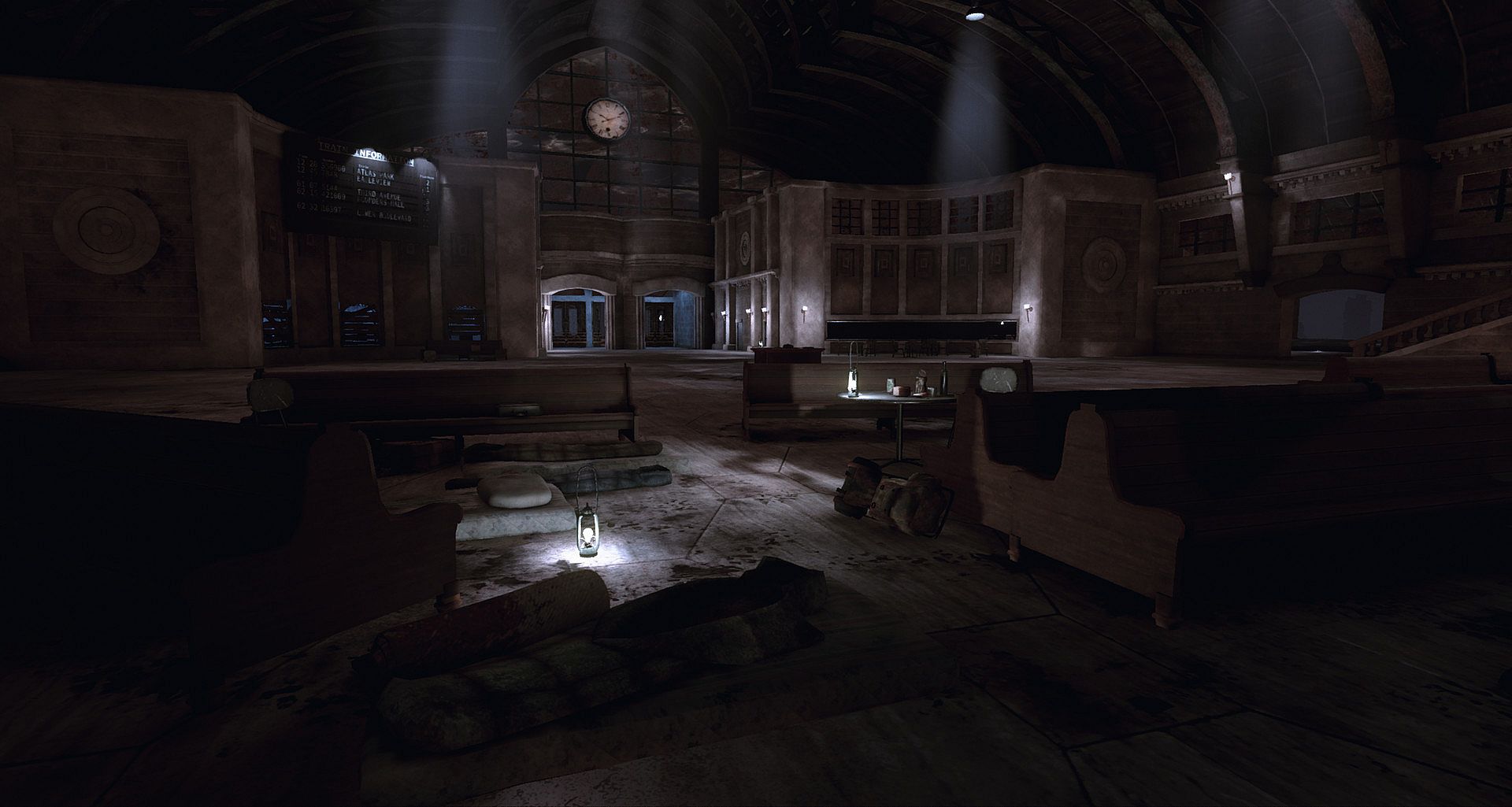
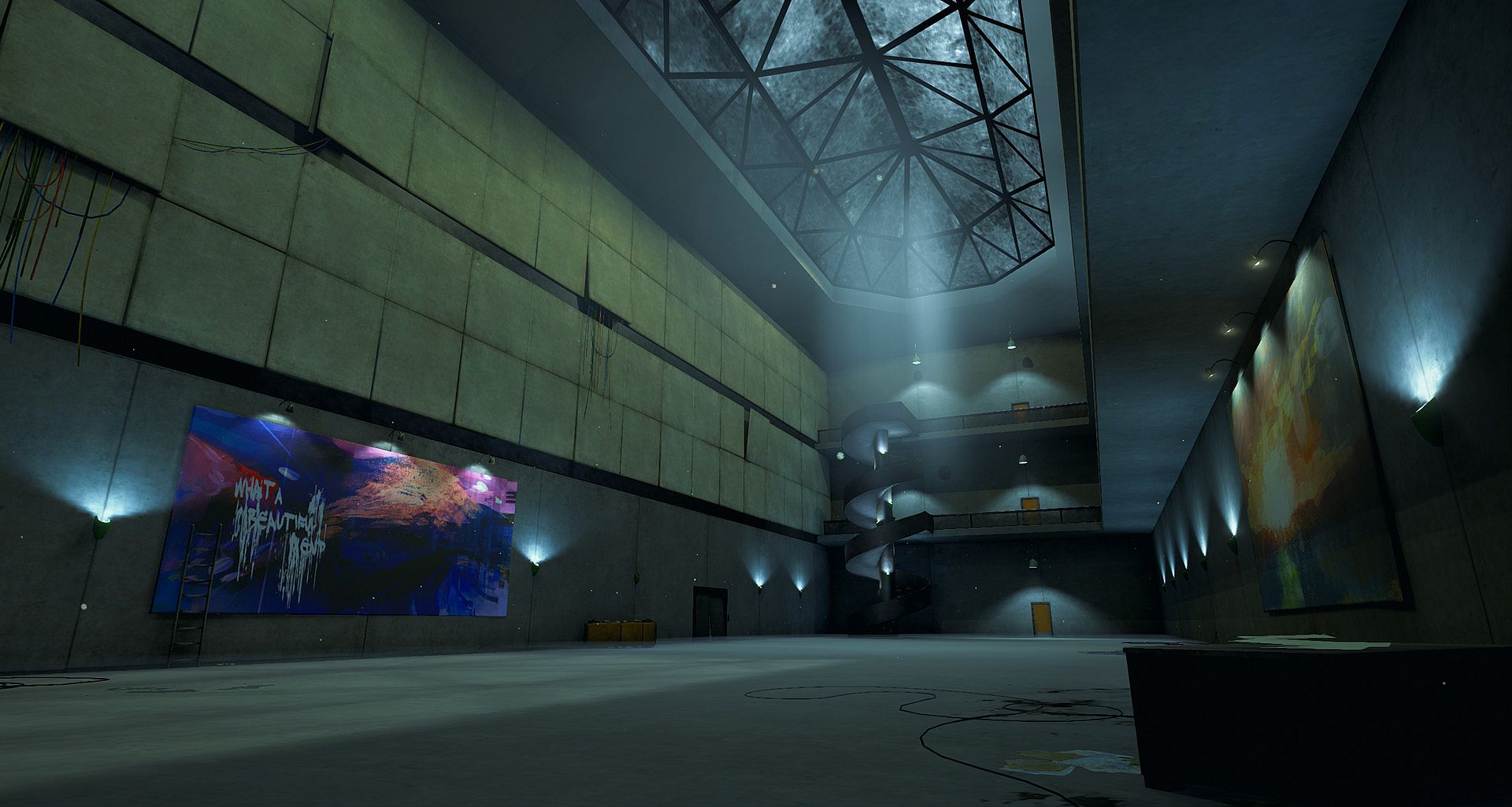
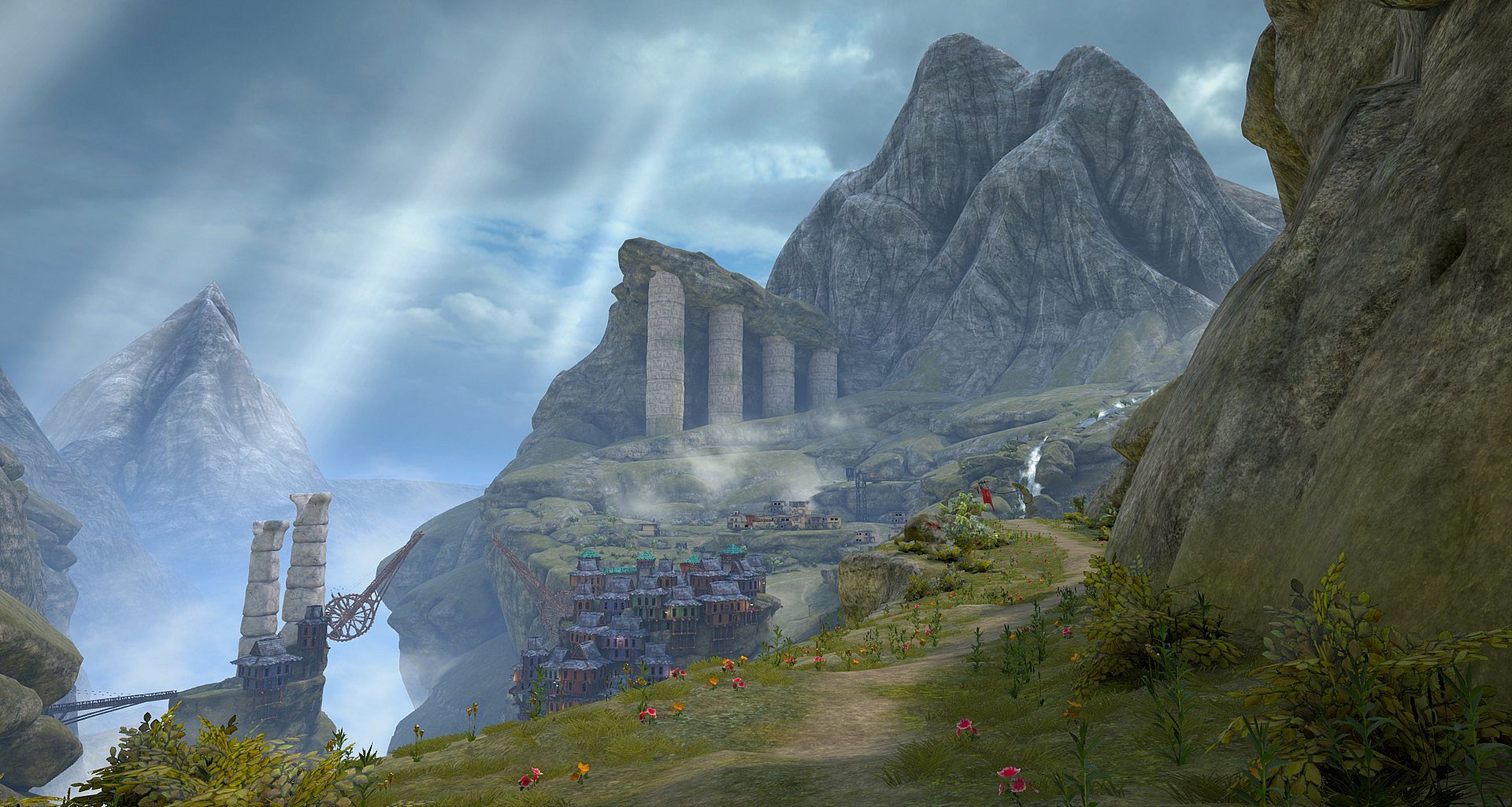
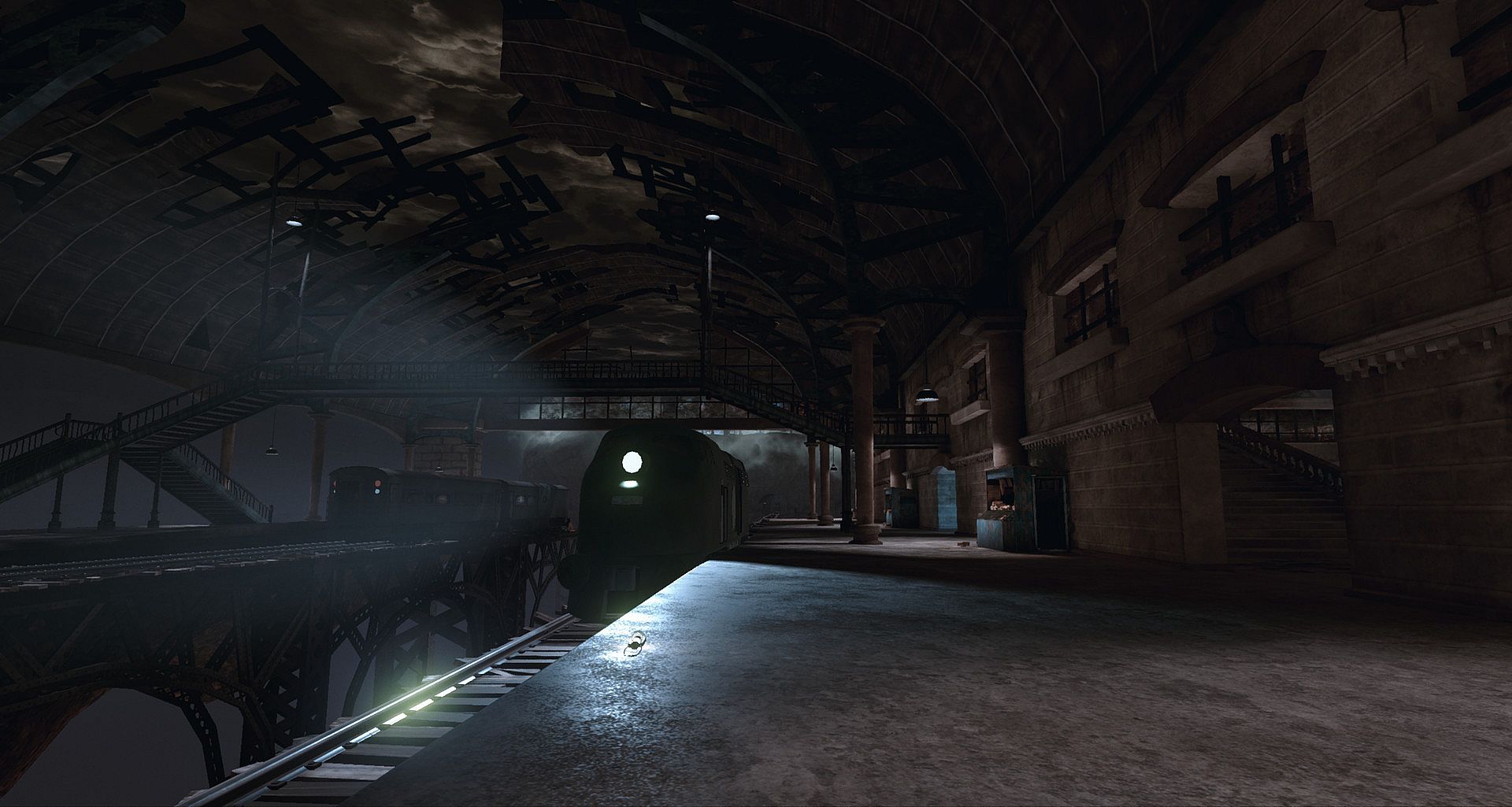
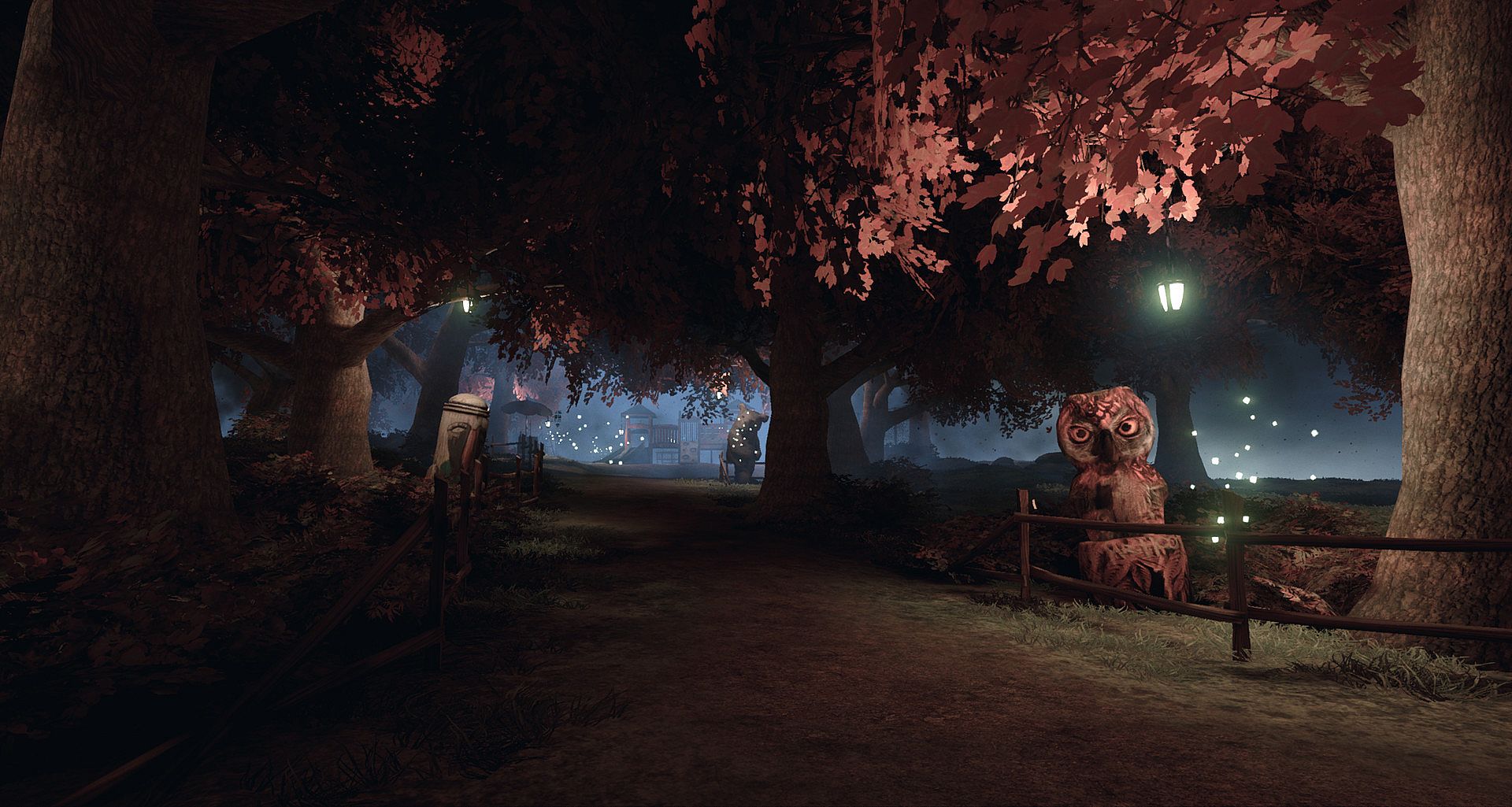


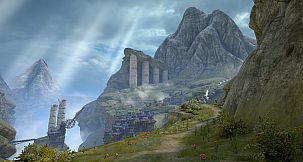

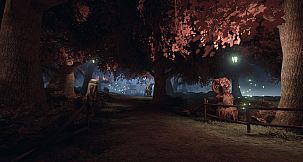
Empathy: Path of Whispers is an indie adventure game centered on exploration and narrative discovery in a first-person perspective. Players navigate a fragmented world shaped by lingering emotions and memories, piecing together events that led to its current state of abandonment and decay. The experience emphasizes atmospheric storytelling over action, with mechanics that tie directly into altering the environment through collected remnants of the past.
Gameplay
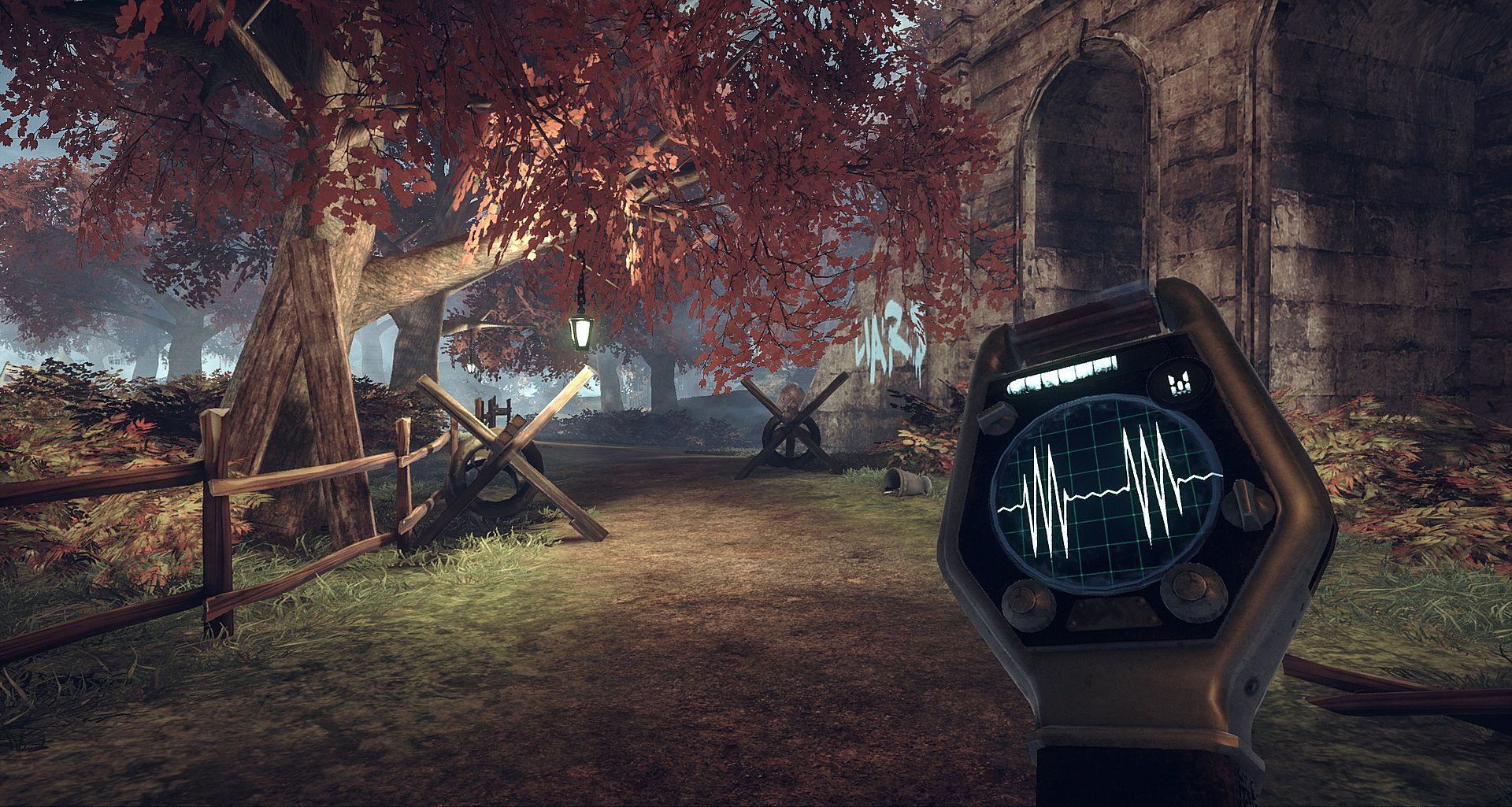
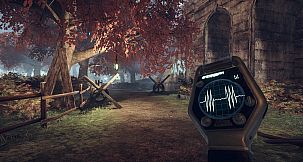
The core loop revolves around traversing surreal landscapes where emotions manifest as tangible elements. Players collect and interact with these memory fragments to shift the surroundings, opening pathways or revealing new details about the world's history. Puzzle elements often involve aligning frequencies or frequencies that represent emotional states, allowing access to previously blocked areas or deeper narrative layers. Movement feels deliberate and unhurried, encouraging close observation of the environment rather than rapid progression. Multiple perspectives appear throughout the journey, each adding fragments to the overall story without relying on traditional dialogue trees or combat systems.
Exploration serves as the primary driver, with the crumbling world acting as both setting and puzzle. Restoring balance requires understanding connections between memories, which in turn rebuilds sections of the environment. This creates a feedback loop where narrative progress and spatial changes reinforce each other, keeping the focus on discovery and interpretation.
Game Modes
The game operates as a single continuous experience without separate modes or variations. All progression occurs within one narrative campaign that blends exploration, memory collection, and environmental manipulation. There are no competitive, cooperative, or alternate play styles available, keeping the structure linear yet open to player interpretation through the order of discoveries.
Story and World
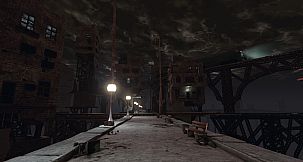
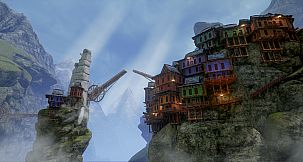
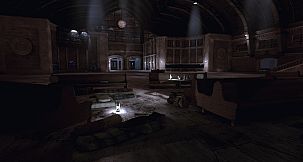
A silent apocalypse has left the setting empty of inhabitants, yet echoes of their lives persist in physical form. The narrative unfolds through these remnants rather than direct exposition, challenging players to connect events across different viewpoints. Themes of loss, human connection, and consequence emerge gradually as the world shifts in response to restored memories. The surreal design blends familiar ruins with abstract emotional constructs, creating a cohesive atmosphere that supports the investigative tone.
Is It Worth Playing?
Player reception sits in mixed territory, with many appreciating the unique approach to storytelling and the visual presentation of emotional concepts. Others note the deliberate pace and occasional repetition in puzzle interactions as points that may not suit everyone. The game suits those drawn to introspective adventures that prioritize atmosphere and personal reflection over mechanical complexity or replayability. It remains available as a complete single-player title with no ongoing updates or additional content layers, making it a self-contained option for players seeking a focused narrative journey. Those who value careful exploration and piecing together fragmented stories will find the most alignment with its design.