





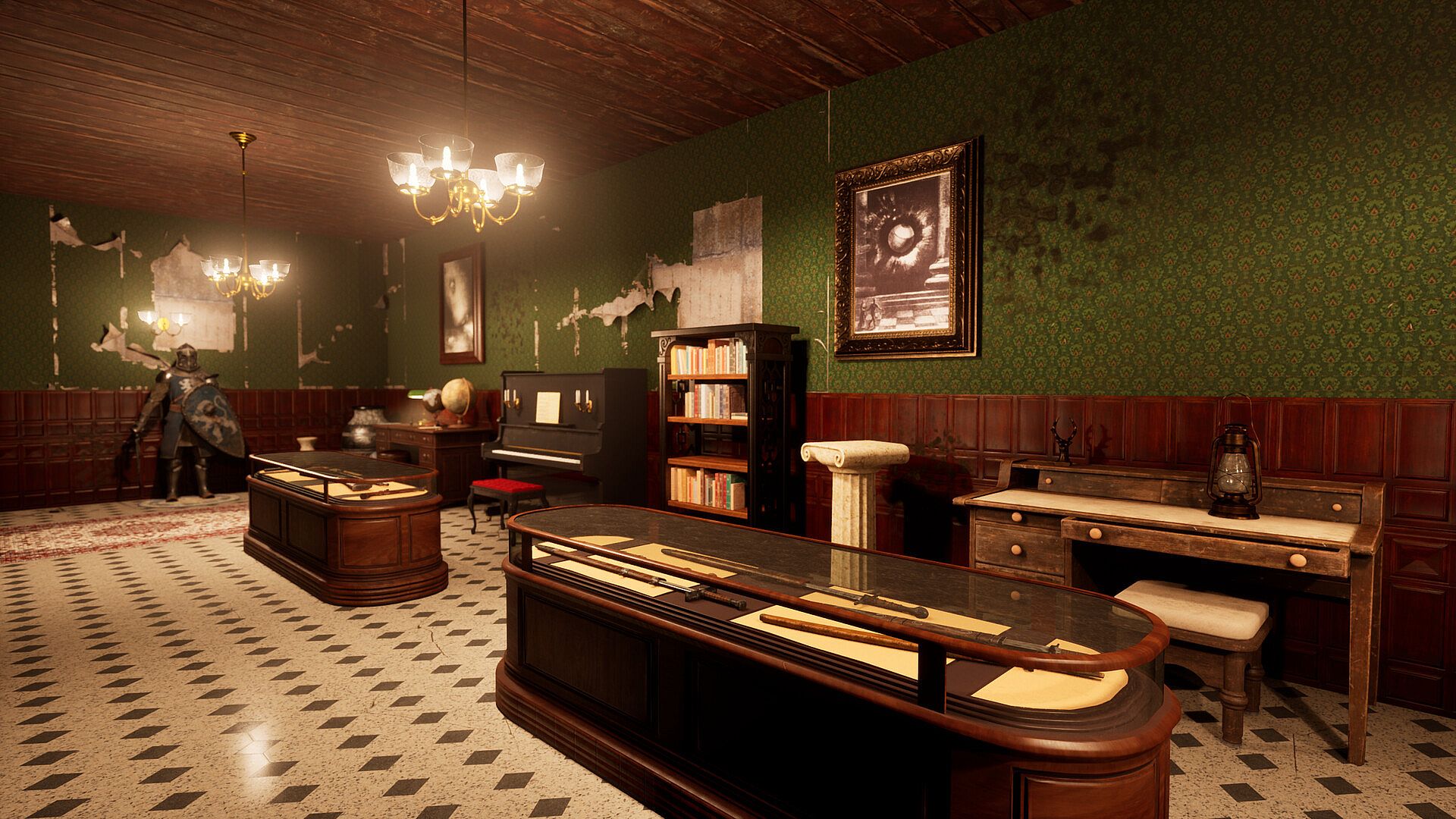

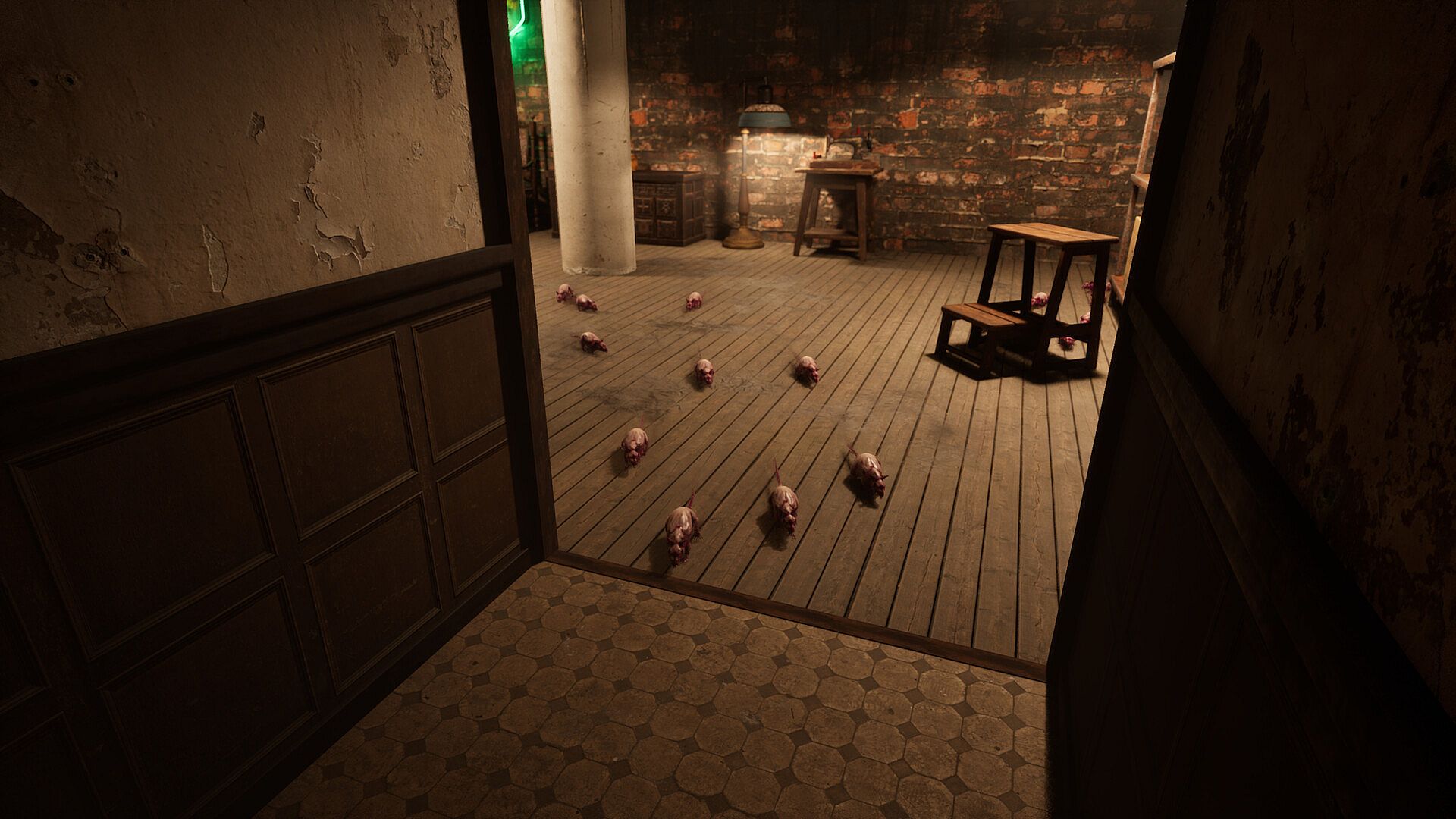
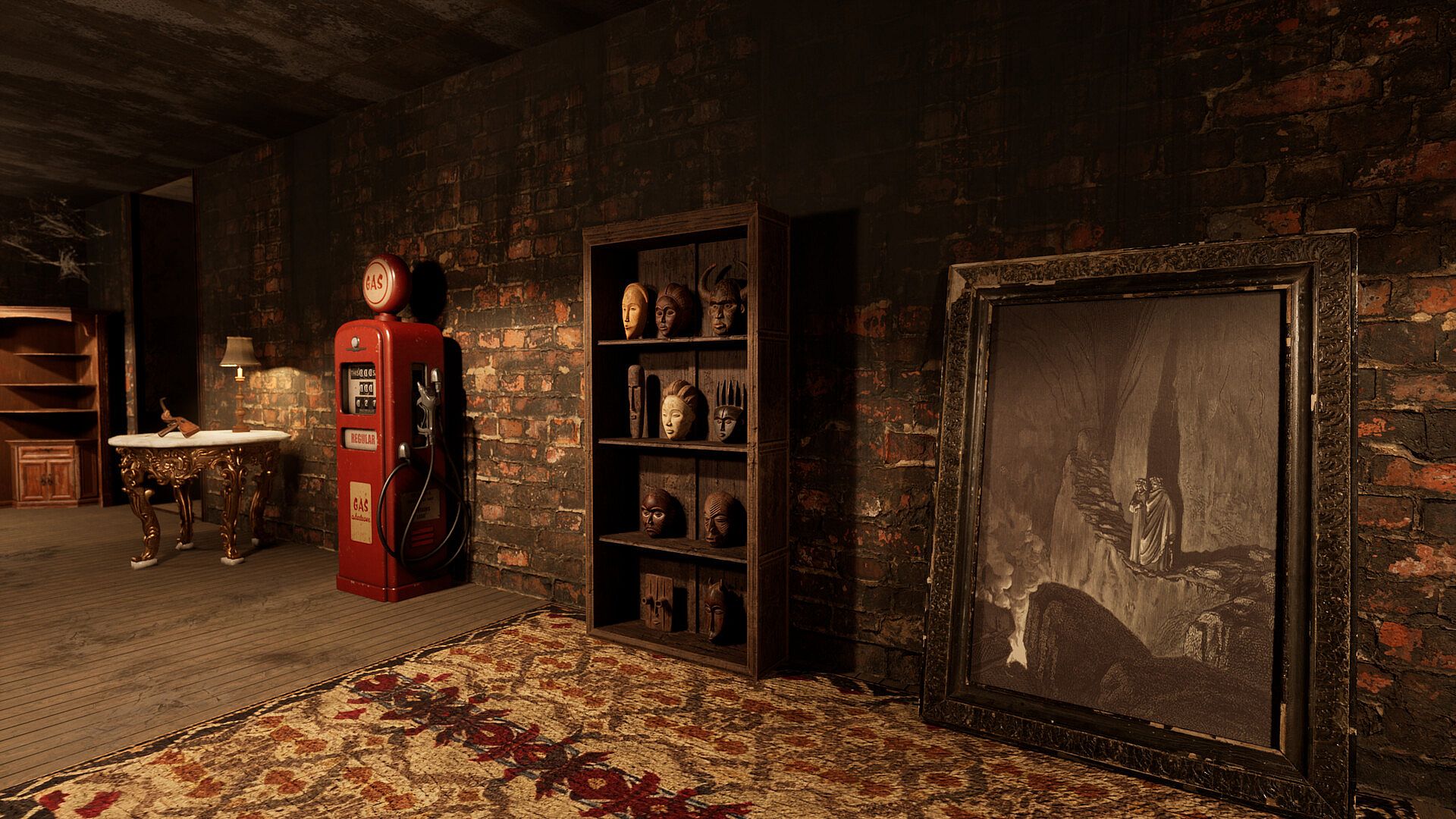
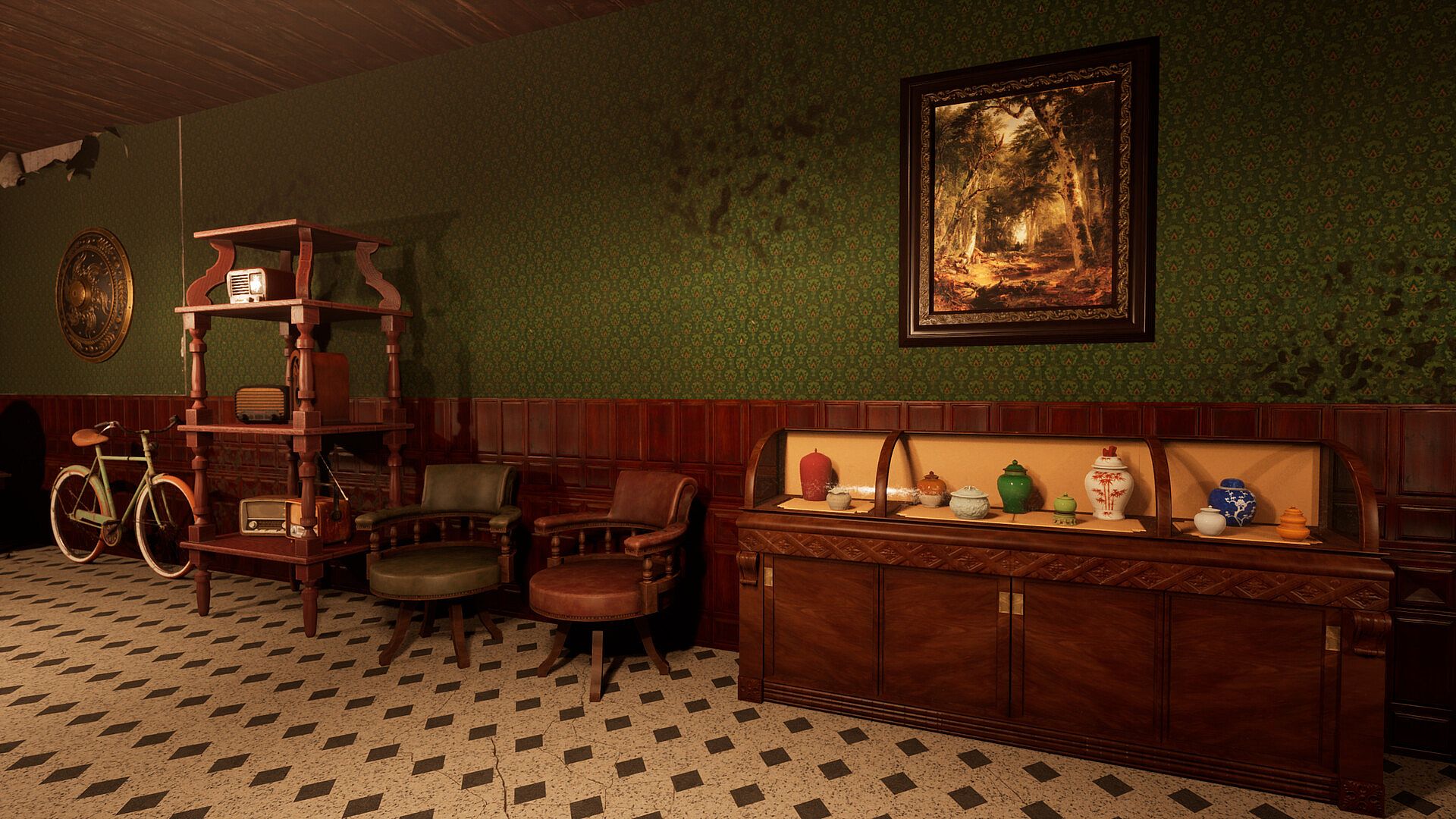


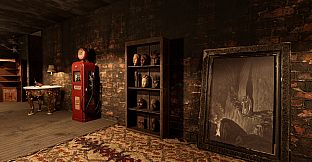


Escapement is a single-player indie simulation adventure game set on PC in which players navigate repeating antique shop environments while spotting subtle anomalies to progress. The core loop revolves around careful observation of surroundings, correct decisions that advance an old corridor clock by one hour, and incorrect calls that reset progress back to twelve. With over one hundred anomalies distributed across two distinct locations, the experience emphasizes attention to detail in a horror-tinged setting inspired by similar anomaly detection titles.
Gameplay
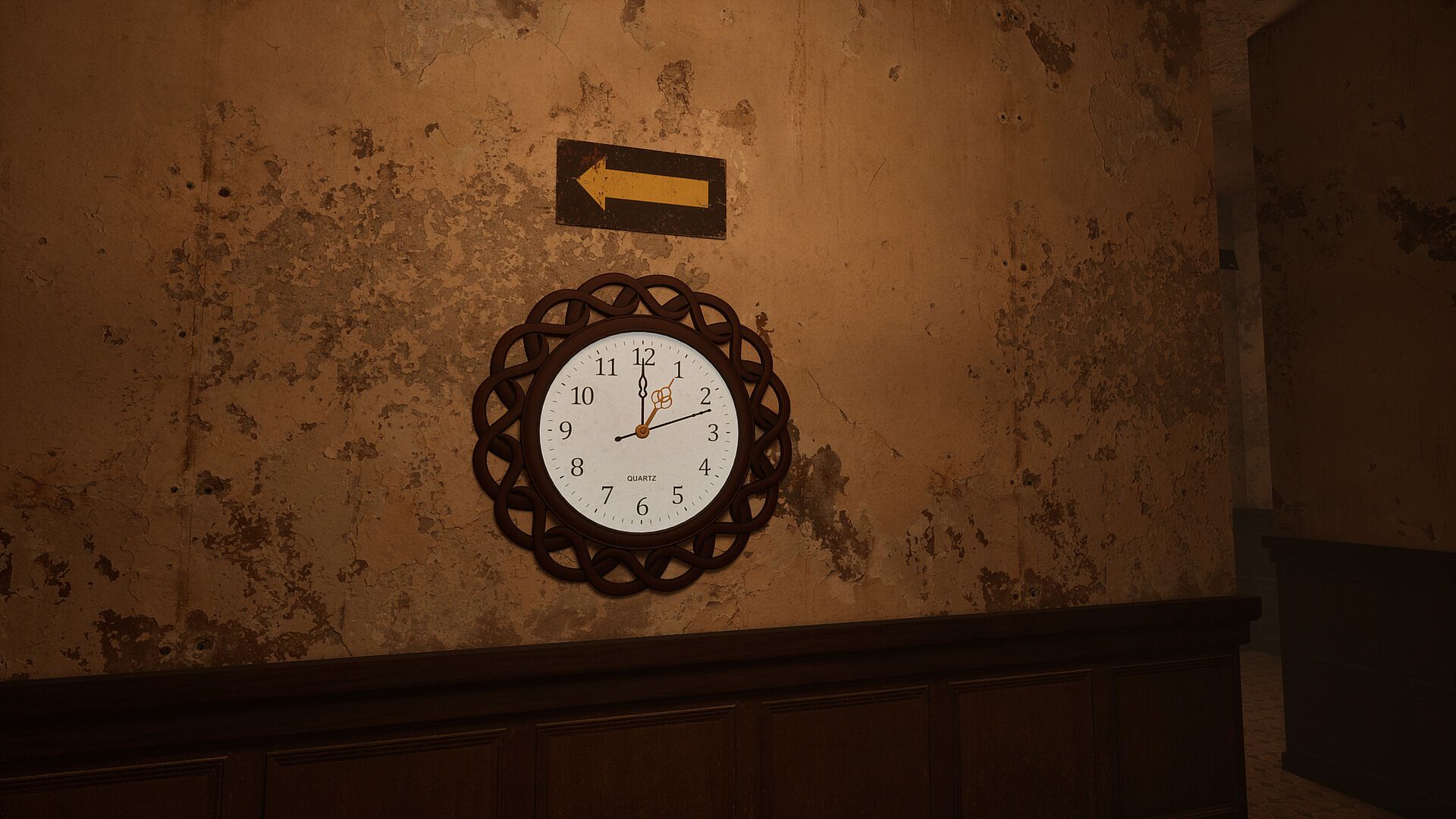
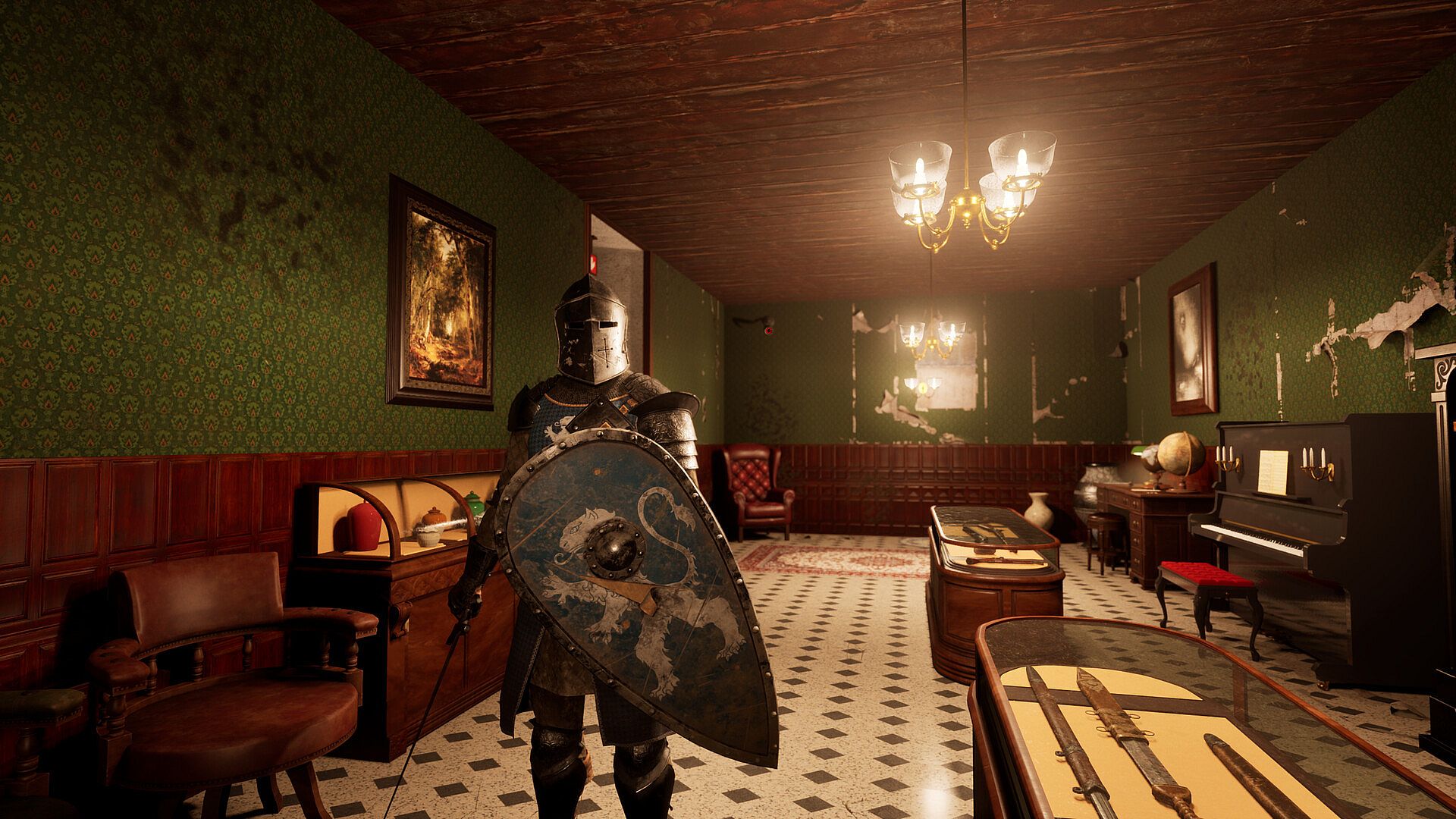
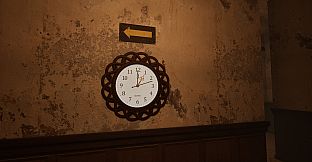
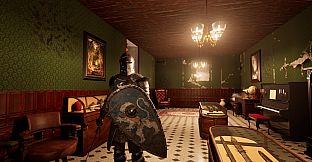
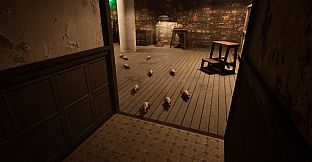
The central mechanic places players inside looping spaces where the environment appears identical on each pass. A clock in the corridor starts at twelve, and every accurate identification of a change sends the hands forward one hour. Missing an anomaly or misjudging the room sends the clock back to the starting position. Reaching a full twelve-hour cycle allows escape from the loop. Anomalies range from minor visual shifts noticeable only on close inspection to more overt threats that pursue the player. Each run randomizes the order of these changes, and anomalies already correctly identified do not reappear in that session while missed ones persist. A hidden pocket watch serves as an earned checkpoint that limits the penalty of a mistake to a return to six o'clock rather than a full reset.
Comfort settings let players adjust field of view, mouse sensitivity, camera shake, motion blur, and the on-screen crosshair to suit individual preferences or disable elements entirely. The two locations provide separate anomaly sets, encouraging repeated playthroughs to encounter everything the game offers. Movement remains deliberate, rewarding slow, methodical scanning of every corner, object, and surface before committing to a direction.
Game Modes
Each location features three progressively unlocked difficulty levels labeled Normal, Hard, and Nightmare. Normal mode introduces the basic rules with a moderate pace of anomalies. Hard mode increases the frequency and subtlety of changes while tightening the margin for error. Nightmare mode further intensifies the challenge with faster resets on mistakes and more aggressive anomalies that actively hunt the player. These modes unlock sequentially, so players must demonstrate competence on lower difficulties before accessing the next tier on the same location. The structure supports both first-time exploration and dedicated attempts to master every anomaly across all difficulties.
Locations and Anomalies
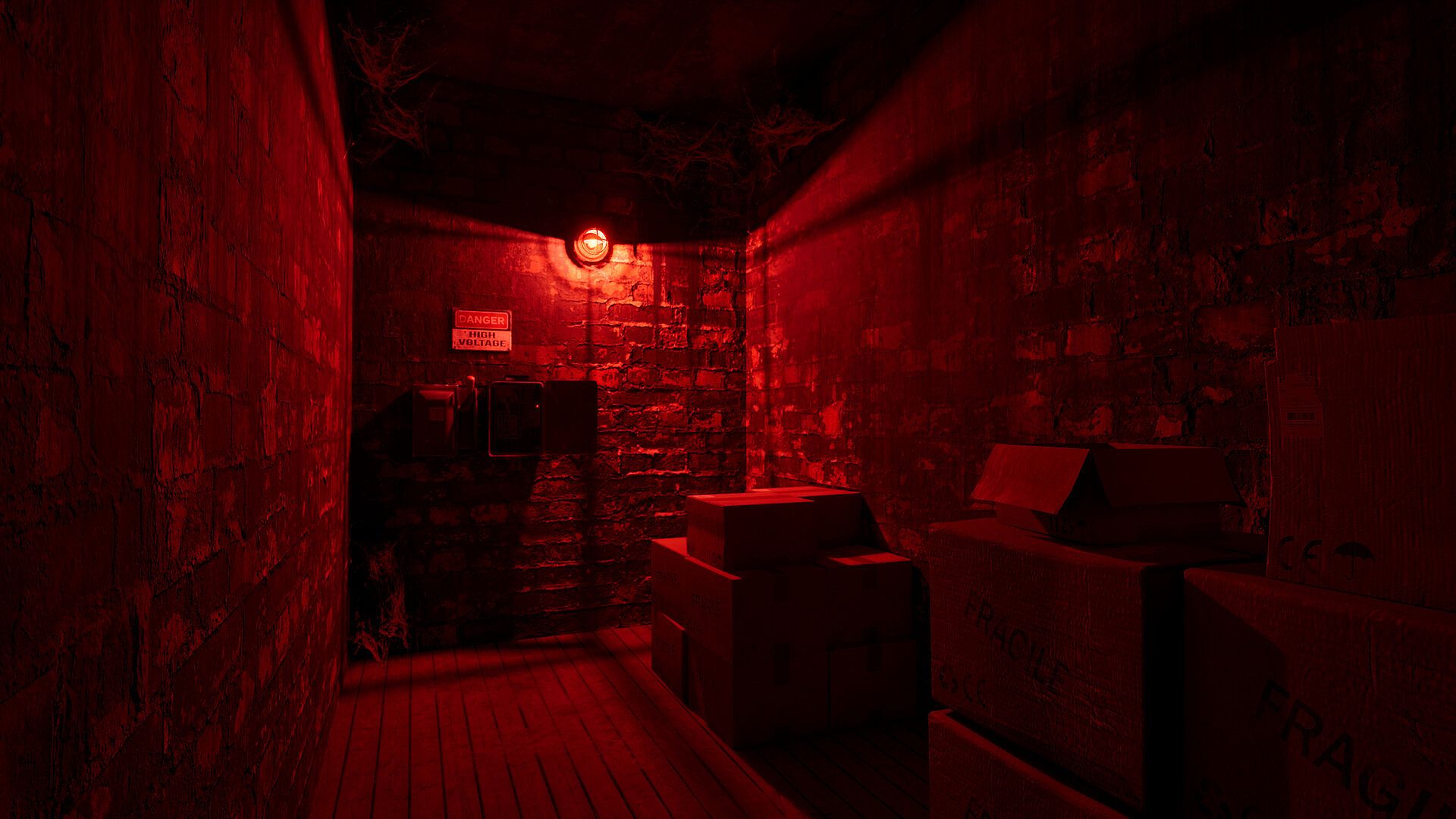
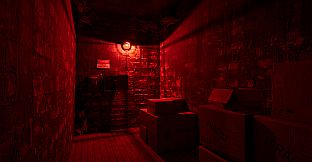
Two separate environments house the full roster of anomalies. One centers on the antique shop described in the premise, while the second introduces a distinct setting with its own collection of over one hundred total changes. Anomalies include small alterations visible only after repeated careful comparison as well as larger events that can chase the player if ignored. Random ordering ensures no two runs follow the same sequence, and the removal of spotted anomalies from future loops in a session adds a sense of incremental mastery. Players who locate the pocket watch gain a safety net that reduces the cost of errors, making longer sessions more approachable without removing the tension of the core loop.
Is It Worth Playing?
Escapement targets players who enjoy deliberate, observation-driven single-player experiences that reward patience and pattern recognition. Its structure of earned checkpoints, multiple difficulty tiers, and randomized anomaly order provides meaningful replay value for those who appreciate titles built around spotting differences in repeating spaces. The horror elements remain focused on tension and pursuit rather than graphic violence, with comfort options available for accessibility. Because the game is still approaching release, no player reviews or long-term update history exist yet. Those drawn to methodical anomaly hunting in compact, self-contained sessions will find the described systems align closely with that preference, while players seeking faster action or multiplayer elements may prefer other genres.












