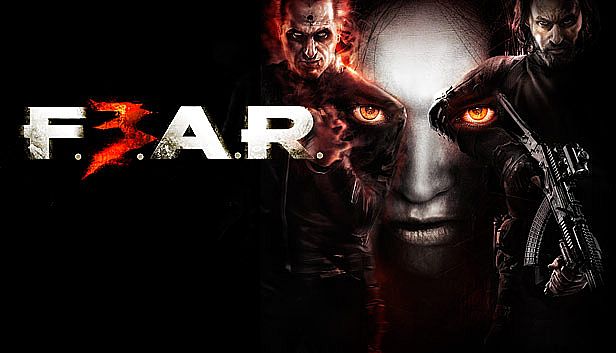


























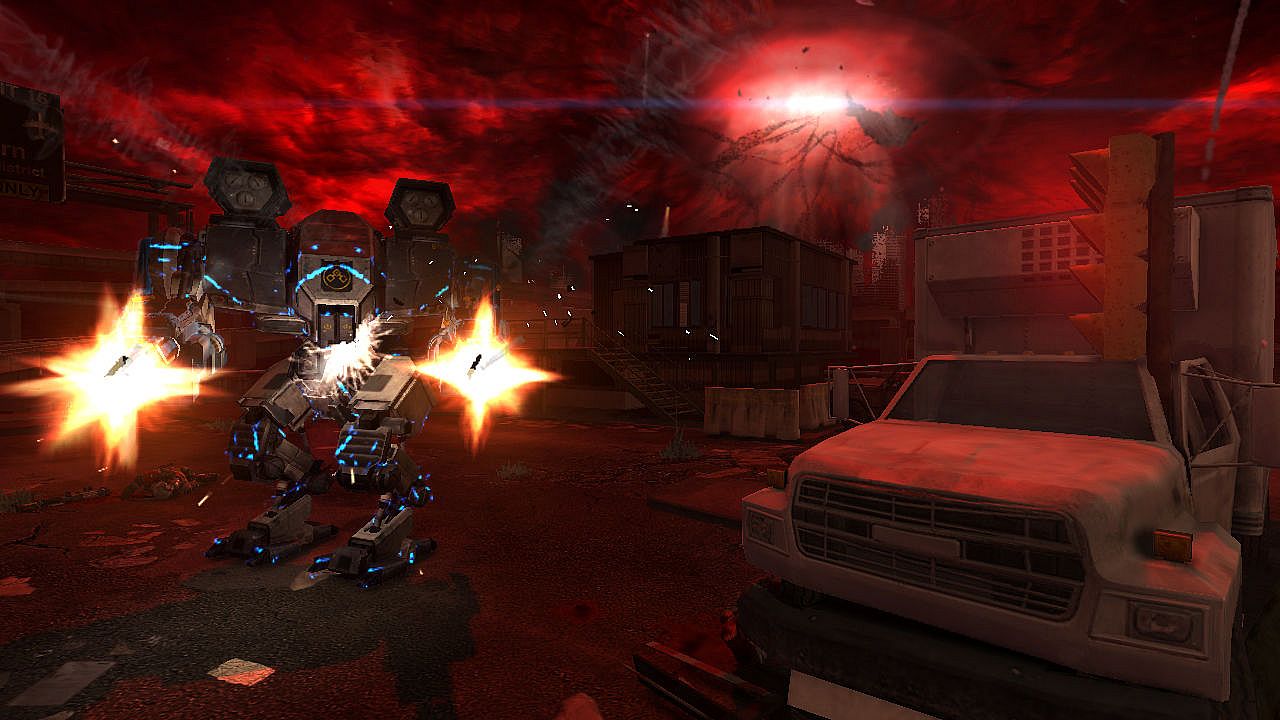
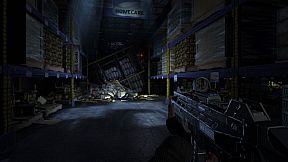
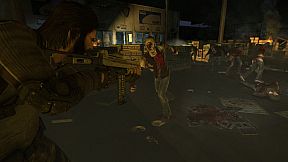
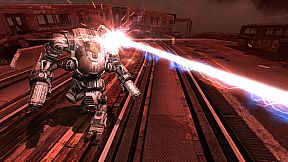
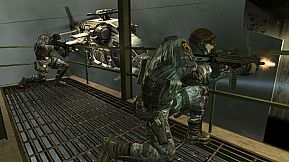
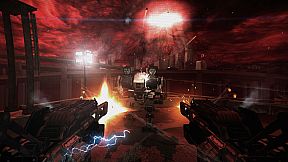
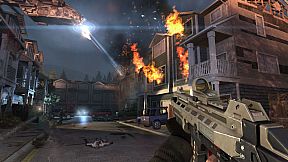
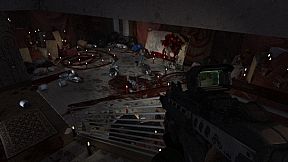
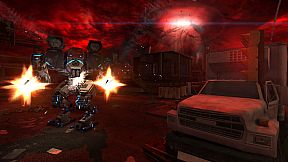
F.E.A.R. 3 stands as a first-person shooter that merges fast-paced gunplay with supernatural horror themes. Players step into the roles of two brothers navigating a nightmarish world shaped by their mother's psychic influence. The experience centers on survival against both human soldiers and otherworldly threats while uncovering family secrets through a linear campaign that supports solo play or paired cooperation.
Gameplay
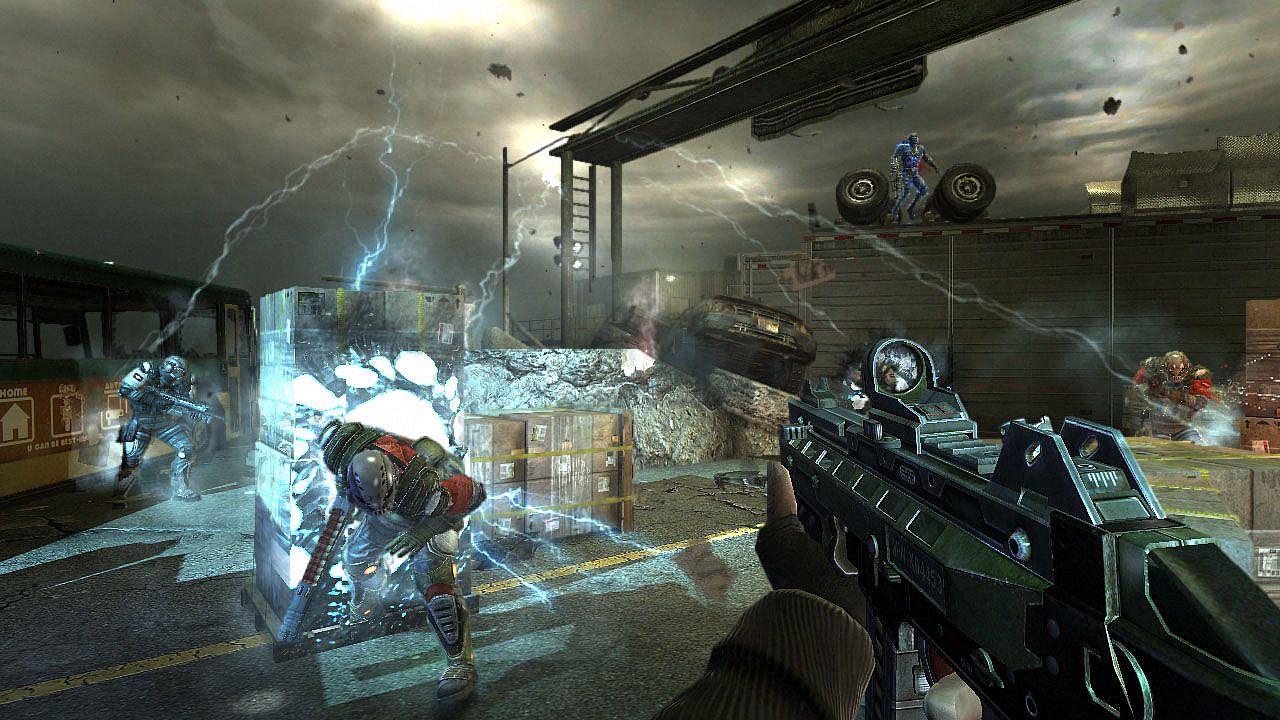
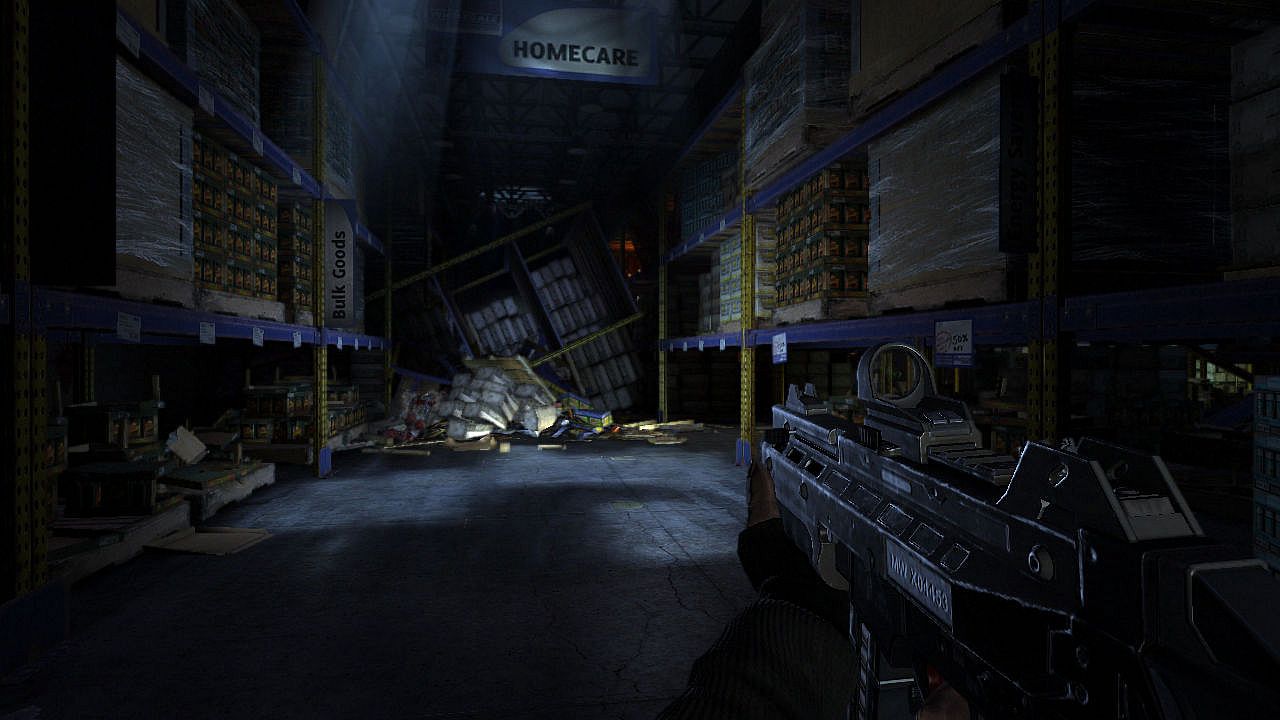
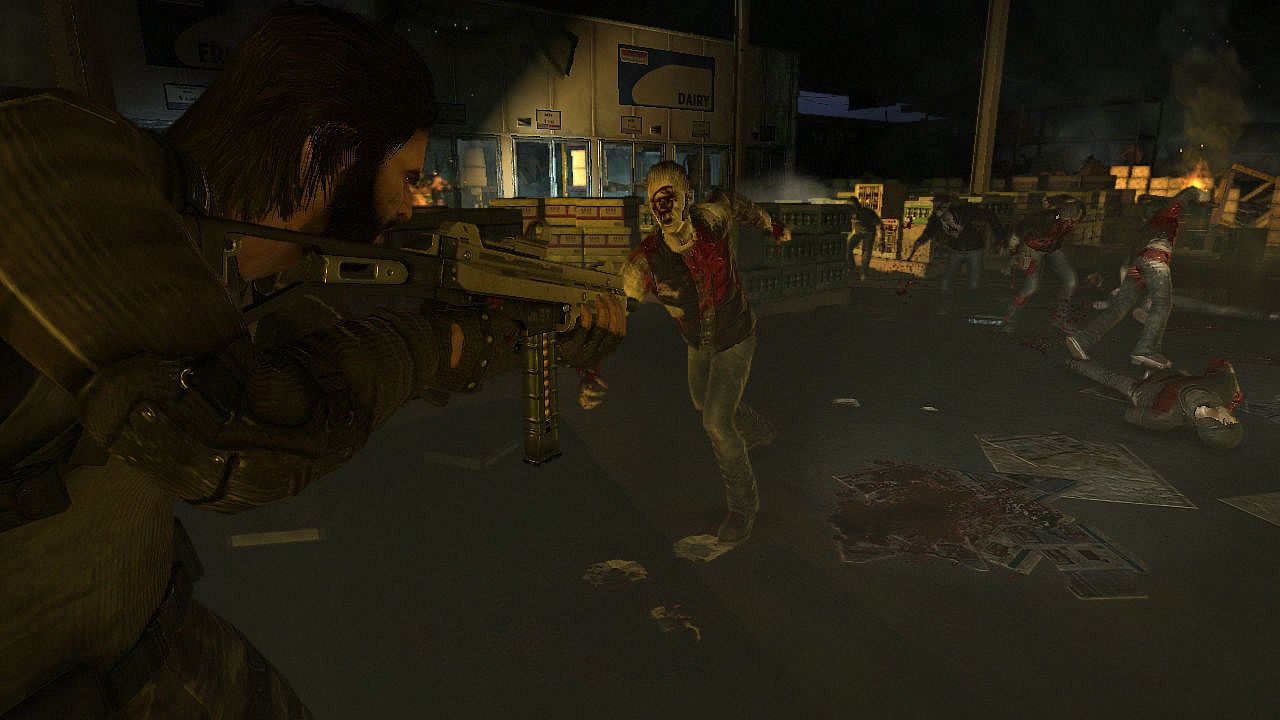
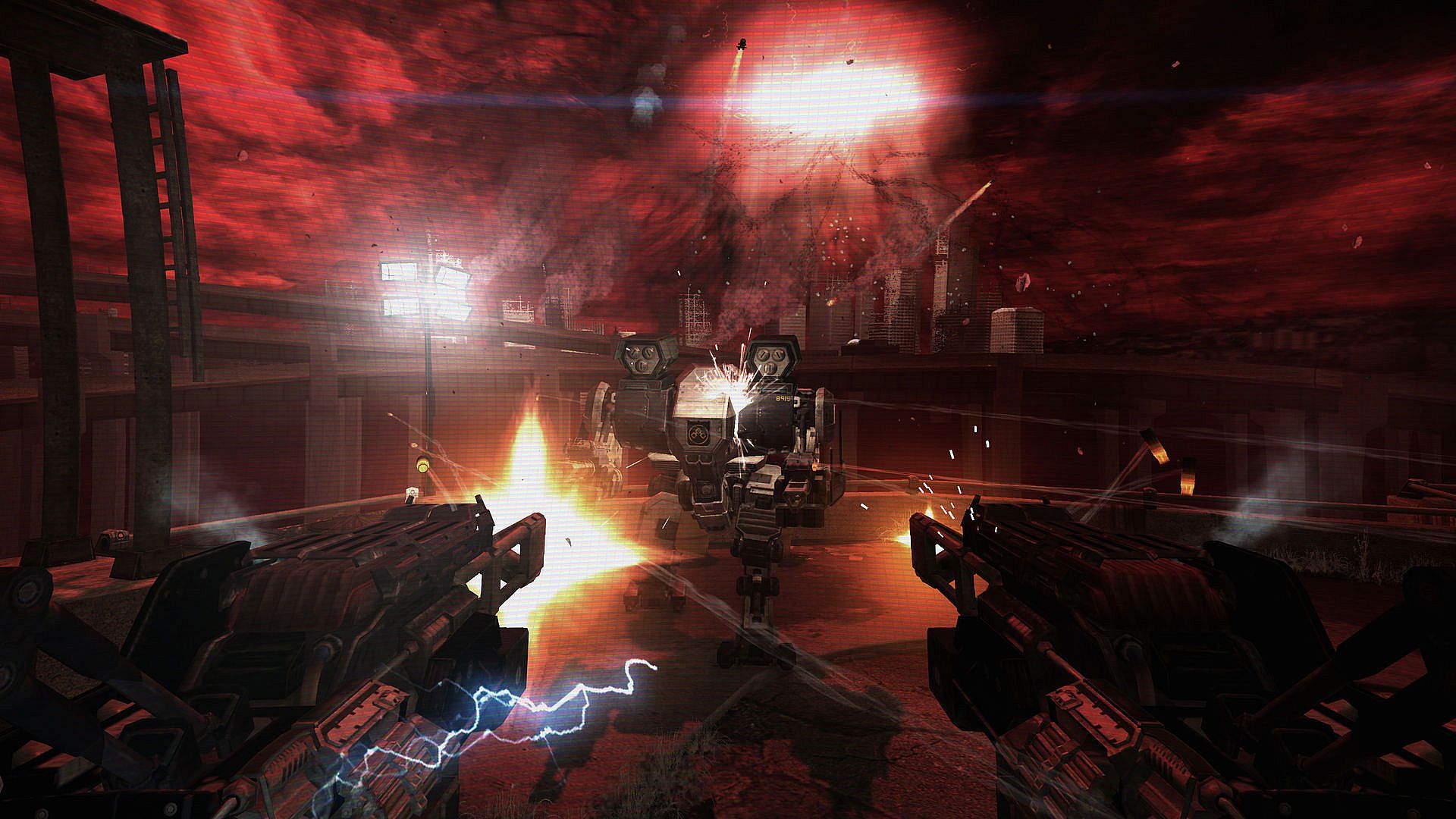
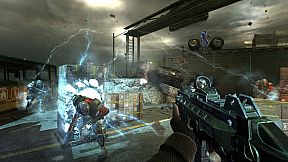
The core loop revolves around shooting encounters punctuated by moments of slow-motion reflex time when controlling the genetically enhanced Point Man. This ability lets players dodge bullets and line up precise shots while the world around them crawls. Point Man carries a limited selection of firearms at once, including pistols, rifles, shotguns, and specialized options like nail guns or arc weapons, along with throwable grenades of different types. Close-quarters options include a knife for stealth takedowns and various melee strikes.
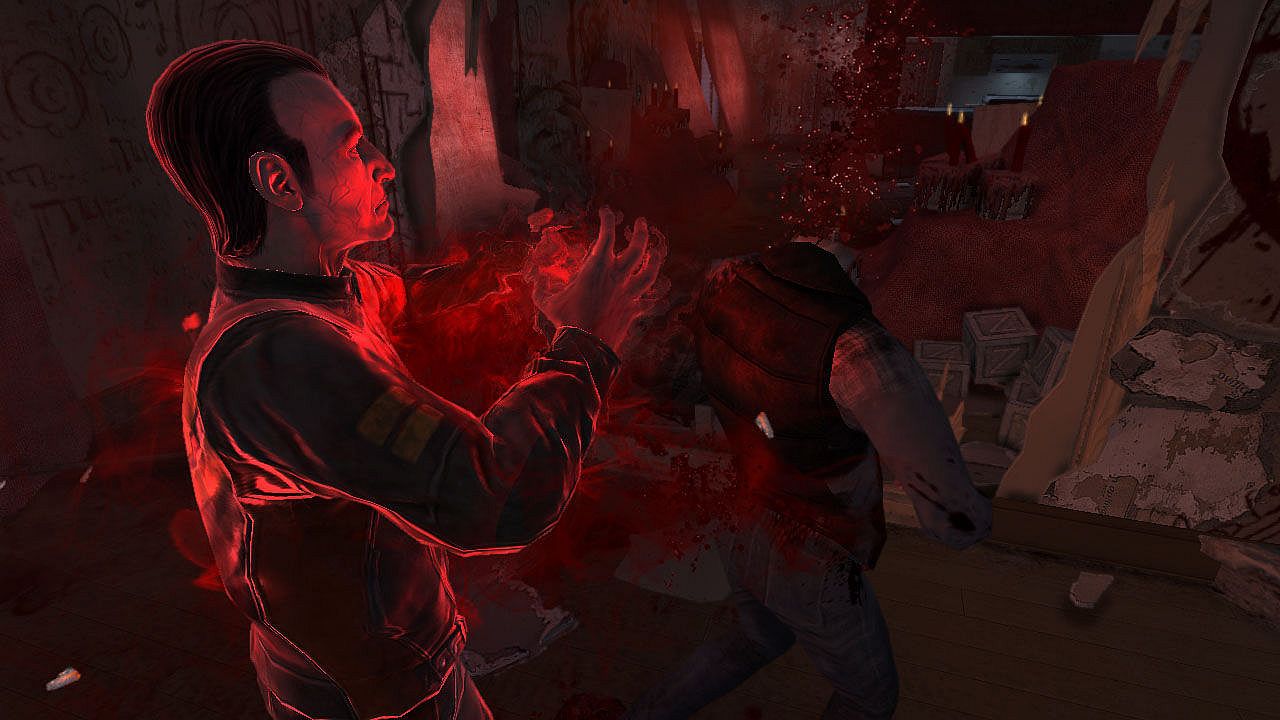
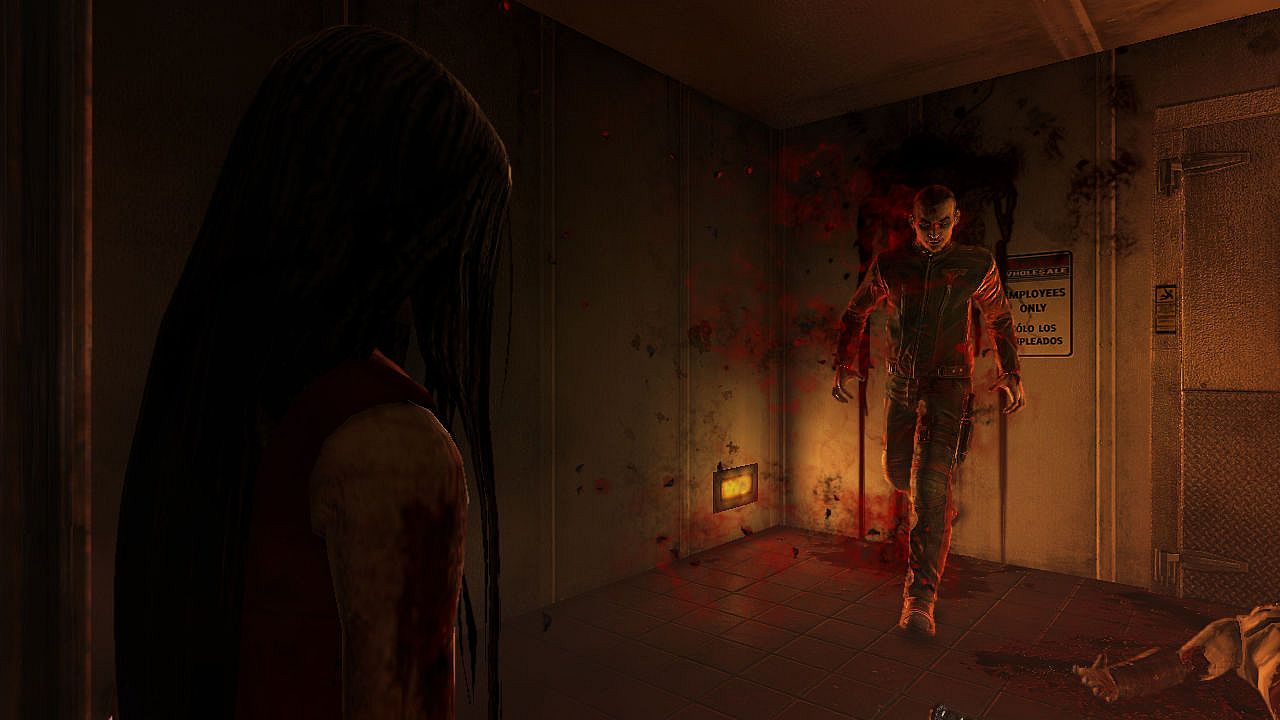
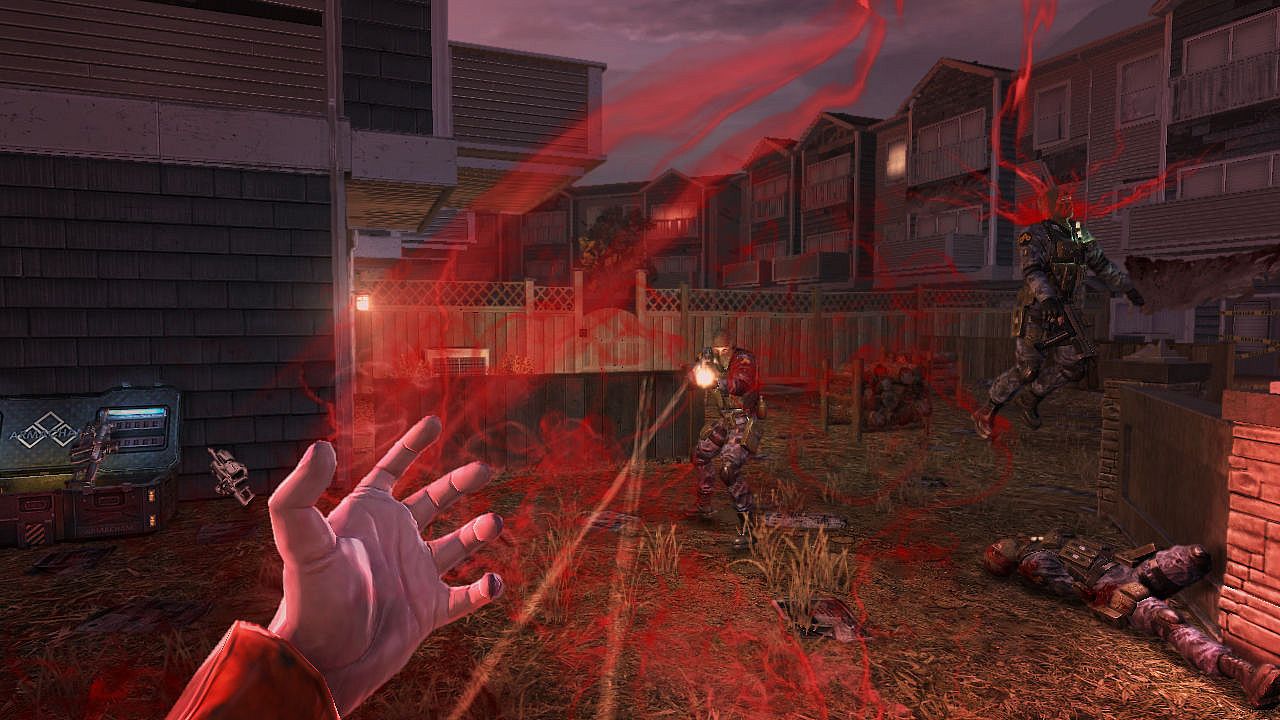
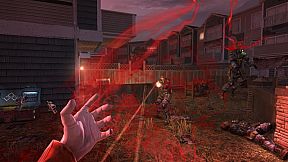
Switching to Paxton Fettel shifts the approach entirely. As an undead psychic entity, Fettel relies on energy bolts, telekinesis to hurl objects or suspend foes, and a possession mechanic that temporarily takes control of enemies to use their weapons and abilities. The possession meter drains over time but recharges through kills or natural recovery. These contrasting styles create asymmetric cooperation where one player's actions directly influence the other's options and survival chances during joint sessions.
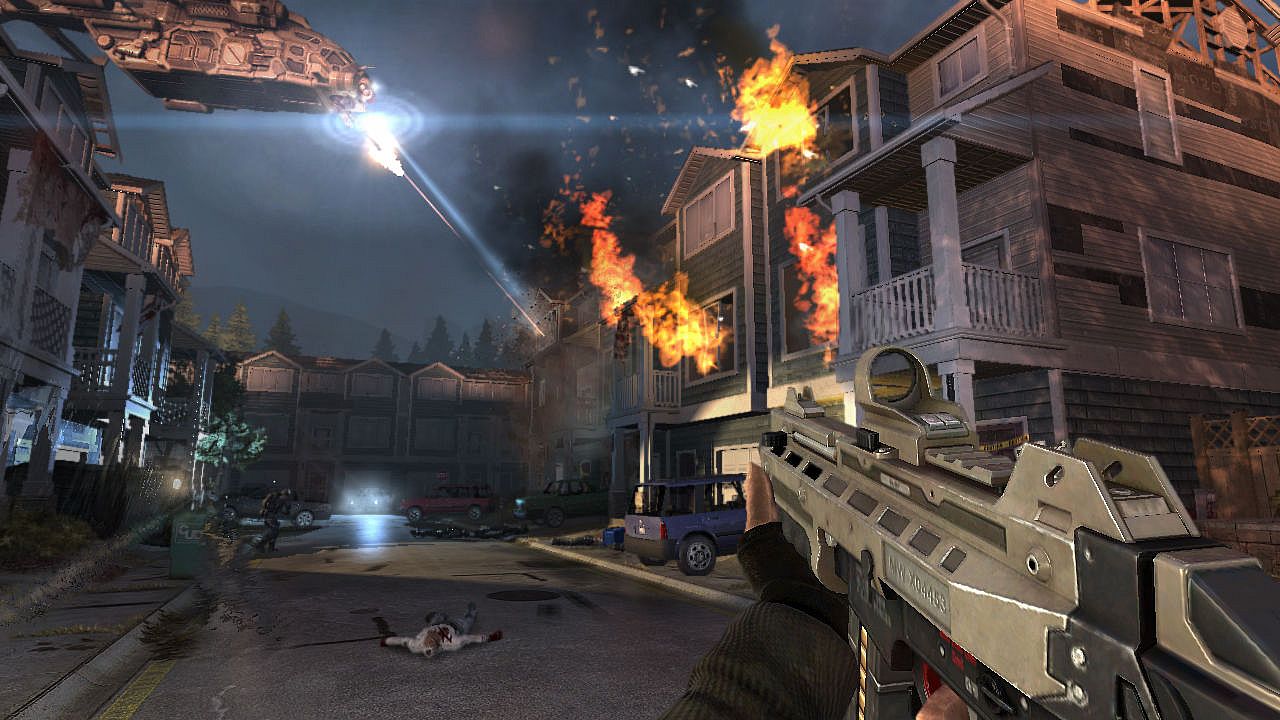
Combat incorporates an active cover system that encourages movement between positions while facing threats from all angles. A generative system introduces random enemy placements and events on each run, heightening tension through unpredictability. The game world incorporates elements of the Almaverse, an alternate dimension that spawns distorted creatures and environmental effects tied to Alma's presence. Upgrades and scoring systems reward aggressive play and efficient clears.
Game Modes
The campaign serves as the primary single-player or two-player cooperative experience. It follows a structured sequence of intervals where the brothers advance toward a confrontation with their mother, blending story beats with combat set pieces. Co-op sessions allow each participant to select a distinct role, leading to varied strategies and shared challenges.
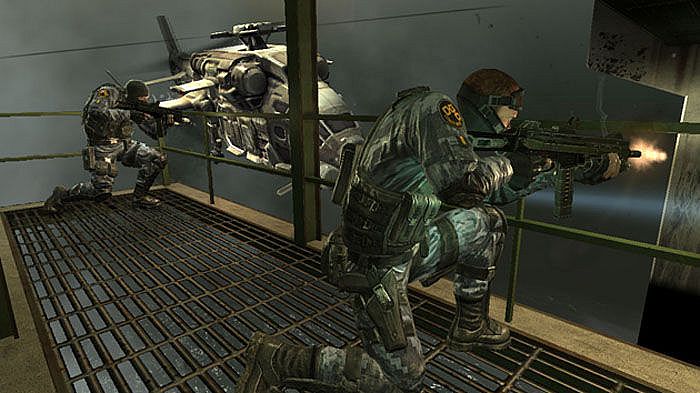
Multiplayer expands the options with four distinct modes designed for two to four participants, playable online or via split-screen. Fucking Run! requires teams to push forward through enemy lines while evading a pursuing wall of death that forces constant movement toward extraction points. Contractions places players in defensive stands against escalating waves of enemies, with opportunities to construct barricades, gather supplies, and manage resources as the environment grows more hazardous.
Soul Survivor introduces corruption mechanics where one player turns against the group and attempts to convert others using possessed foes. The last untainted survivor claims victory. Soul King operates as a competitive collection contest in which all participants use possession powers exclusively to gather souls from defeated enemies without access to conventional weapons.
Story and Atmosphere
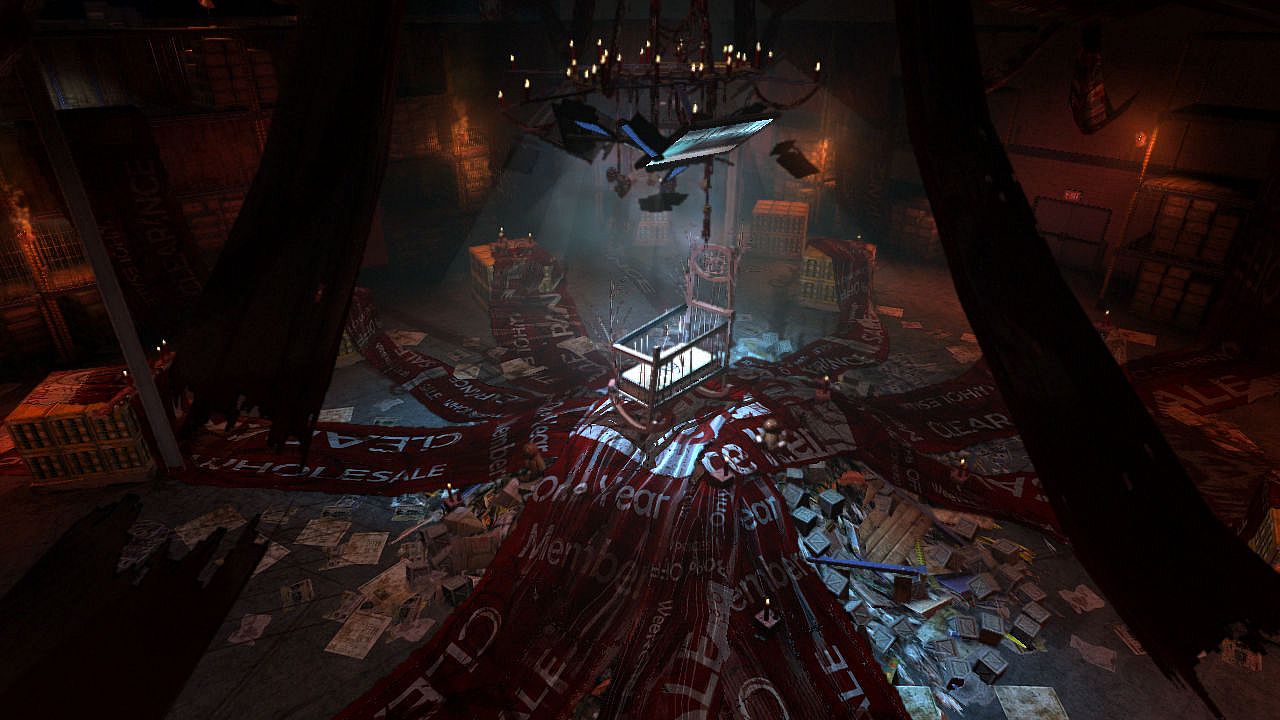
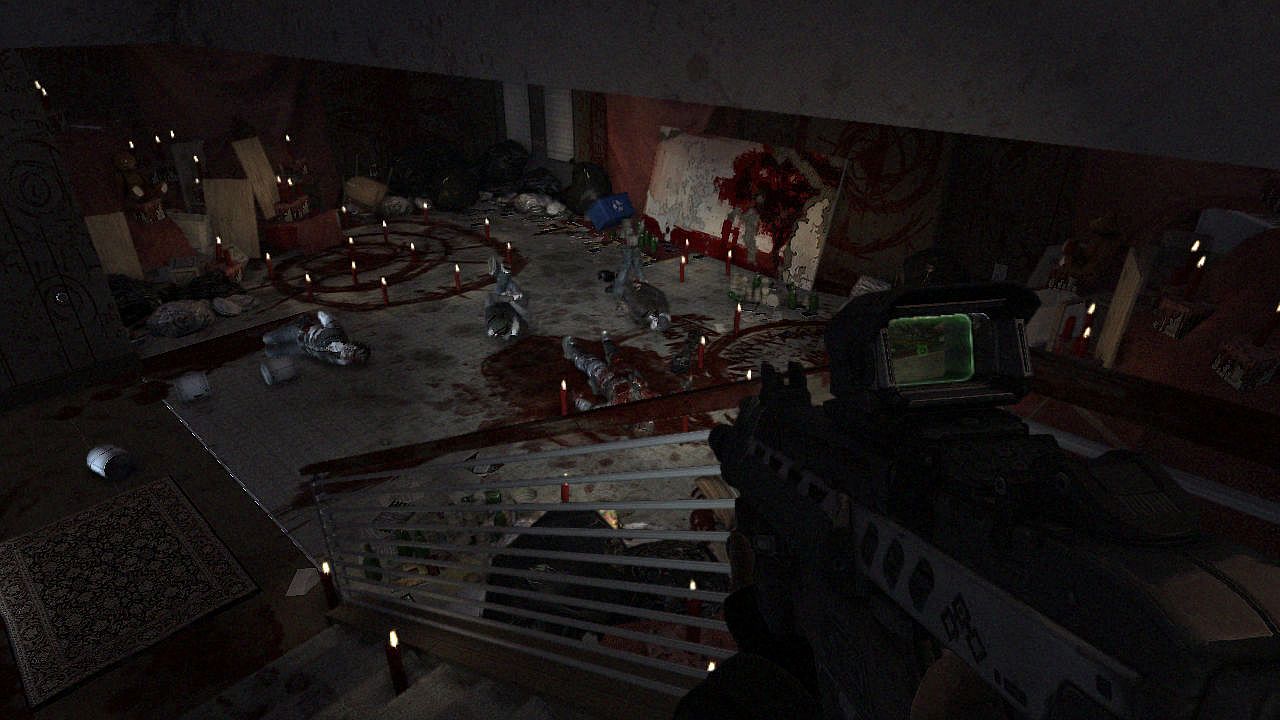
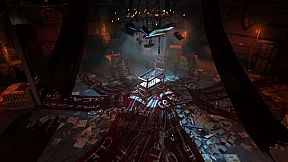
The narrative focuses on the strained relationship between Point Man and Fettel as they confront Alma's expanding influence. Writer Steve Niles shaped the plot around family dynamics and motivations, while director John Carpenter contributed to cinematic sequences aimed at amplifying dread. Environmental storytelling reveals the Almaverse's bleed into reality through twisted architecture and sudden paranormal manifestations.
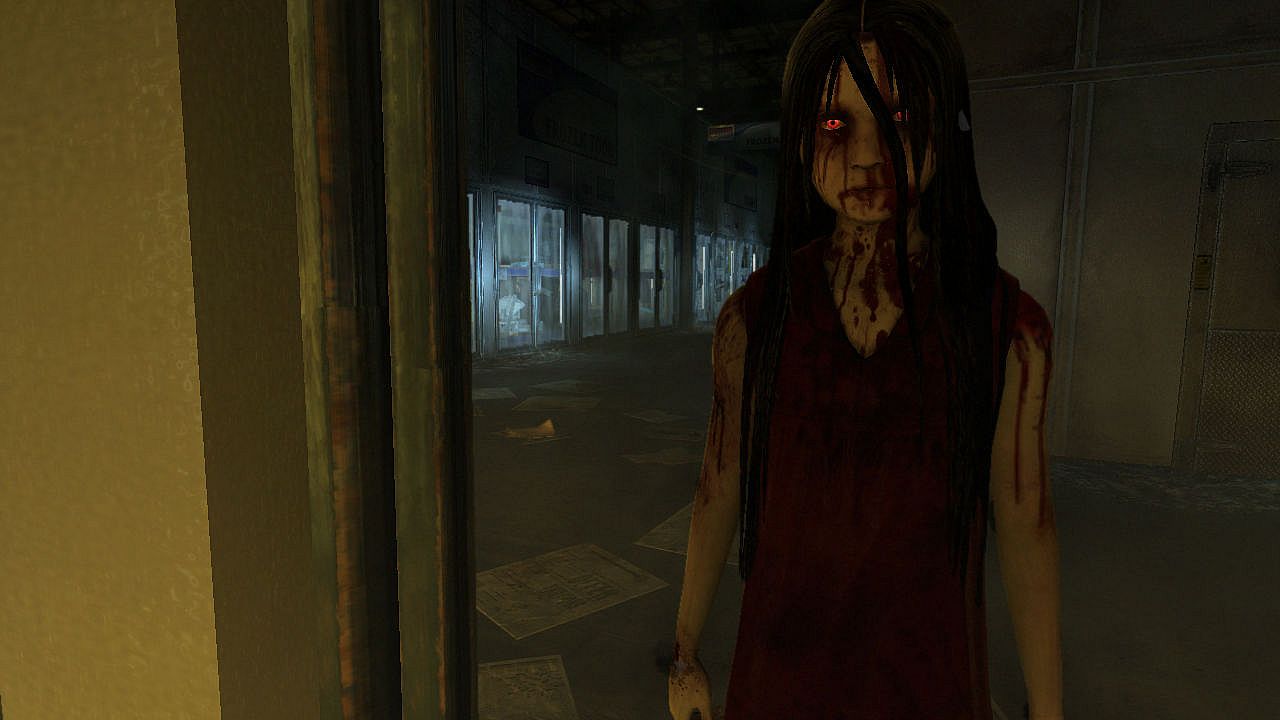
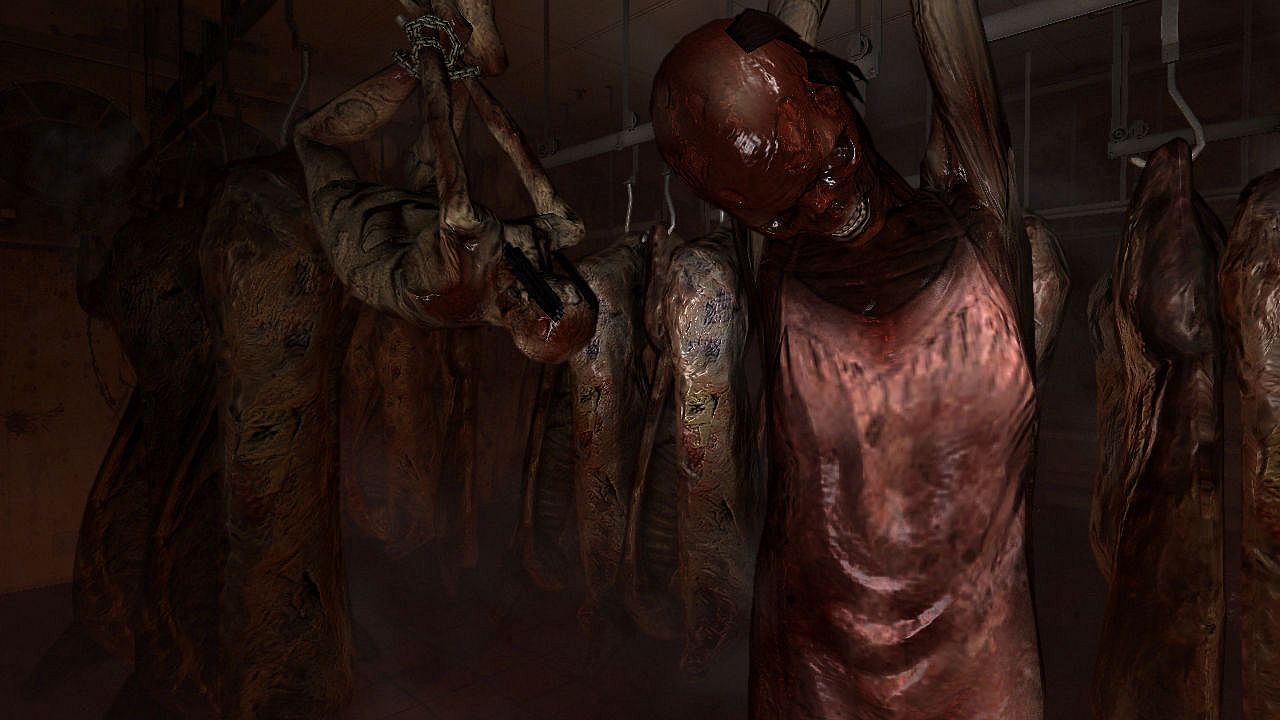
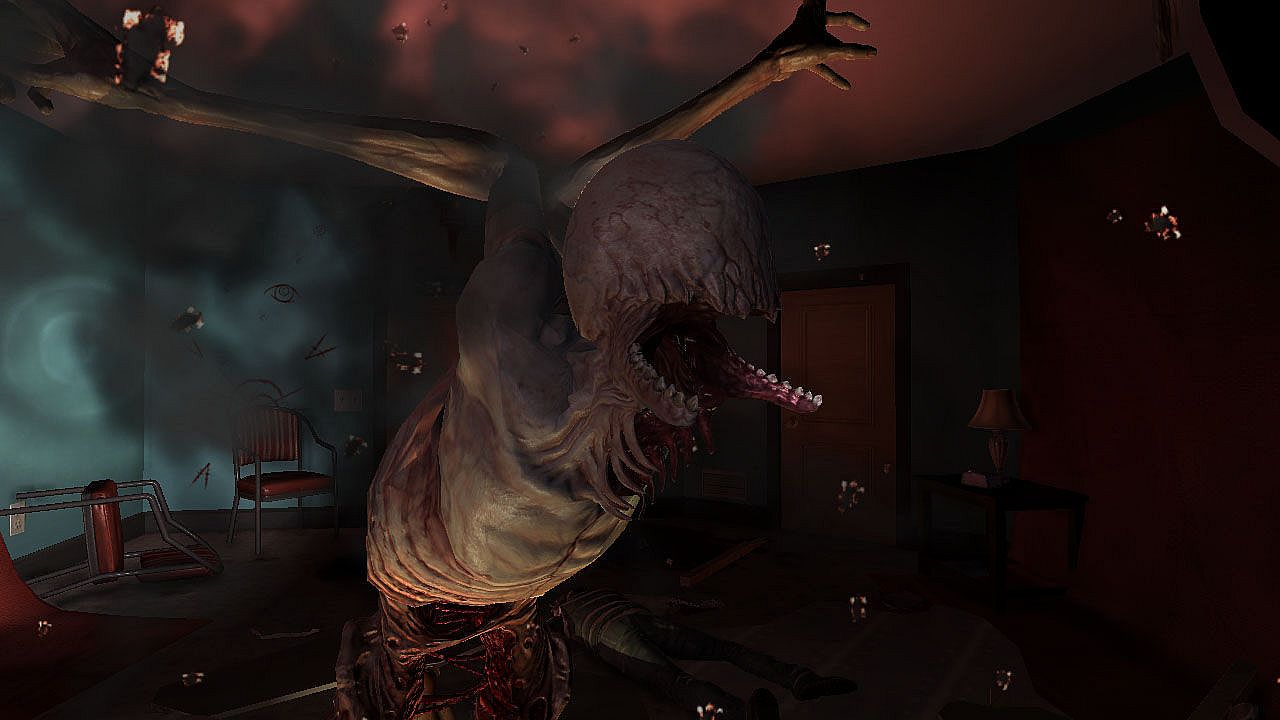
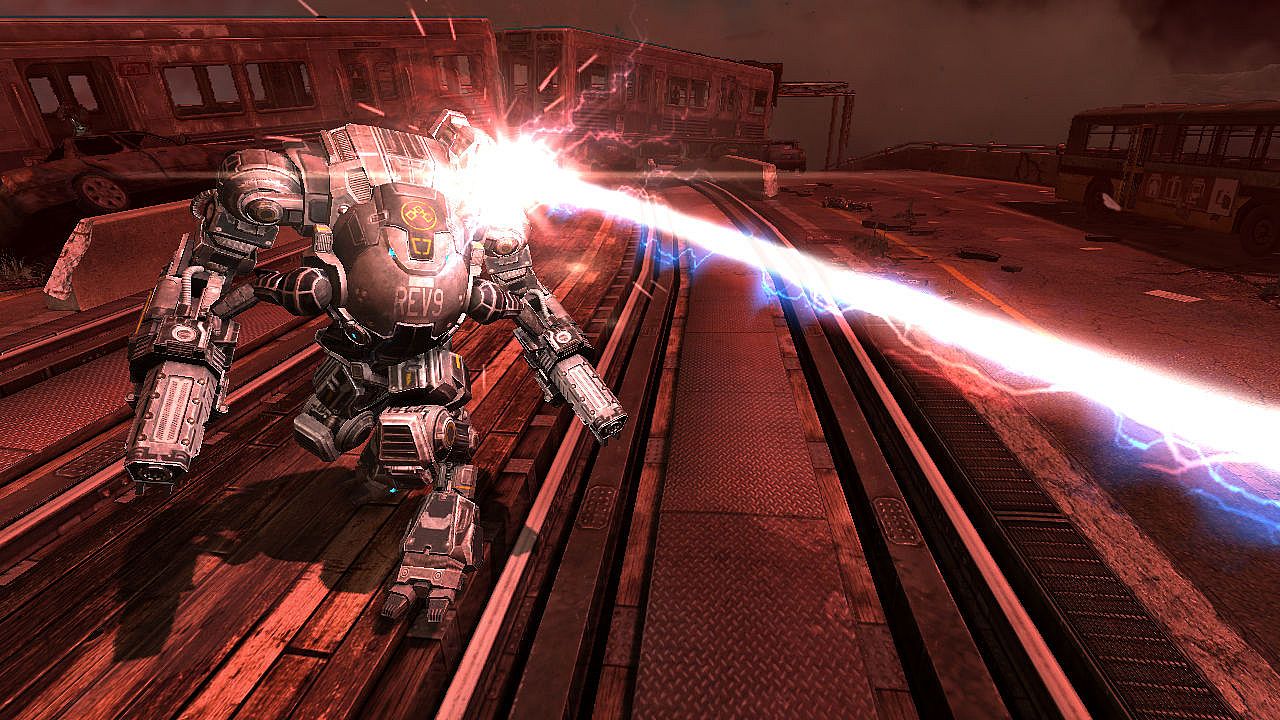
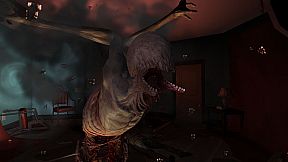
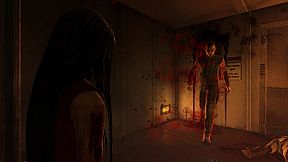
Enemy variety includes standard soldiers alongside creatures born from Alma's psyche, which appear more frequently as the story progresses. Sound design and visual distortions support the horror tone without relying on jump scares alone. The generative elements ensure that isolated playthroughs feel less predictable than standard linear shooters.
Is It Worth Playing?
Recent player feedback on major distribution platforms describes the title as mixed, with praise for its co-op variety and solid shooting foundation alongside criticism for departing from earlier entries in the series. The game remains available on PC with no ongoing seasonal content or major updates since its original release.
Those seeking a short campaign with asymmetric co-op mechanics and occasional horror flourishes may find value in a single playthrough or repeated sessions with a partner. Multiplayer modes offer distinct alternatives to standard deathmatch formats, though the overall experience suits players comfortable with older titles that prioritize direct combat over modern open-world elements. Availability on current hardware through backward compatibility further supports accessibility for interested audiences.