

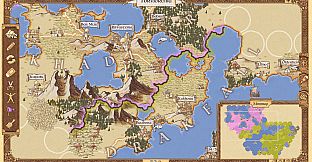
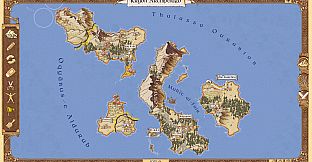
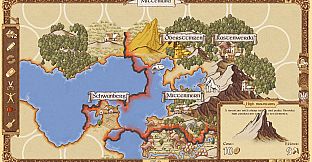
Fantasy Cartographer is a strategy, RPG, and casual game for PC that centers on building detailed fantasy maps through tile placement and freehand drawing. Players receive random terrain tiles to arrange on a hex grid, then expand settlements, manage resources, and shape kingdoms in a single-player experience focused on creative map design and gradual progression.
Gameplay
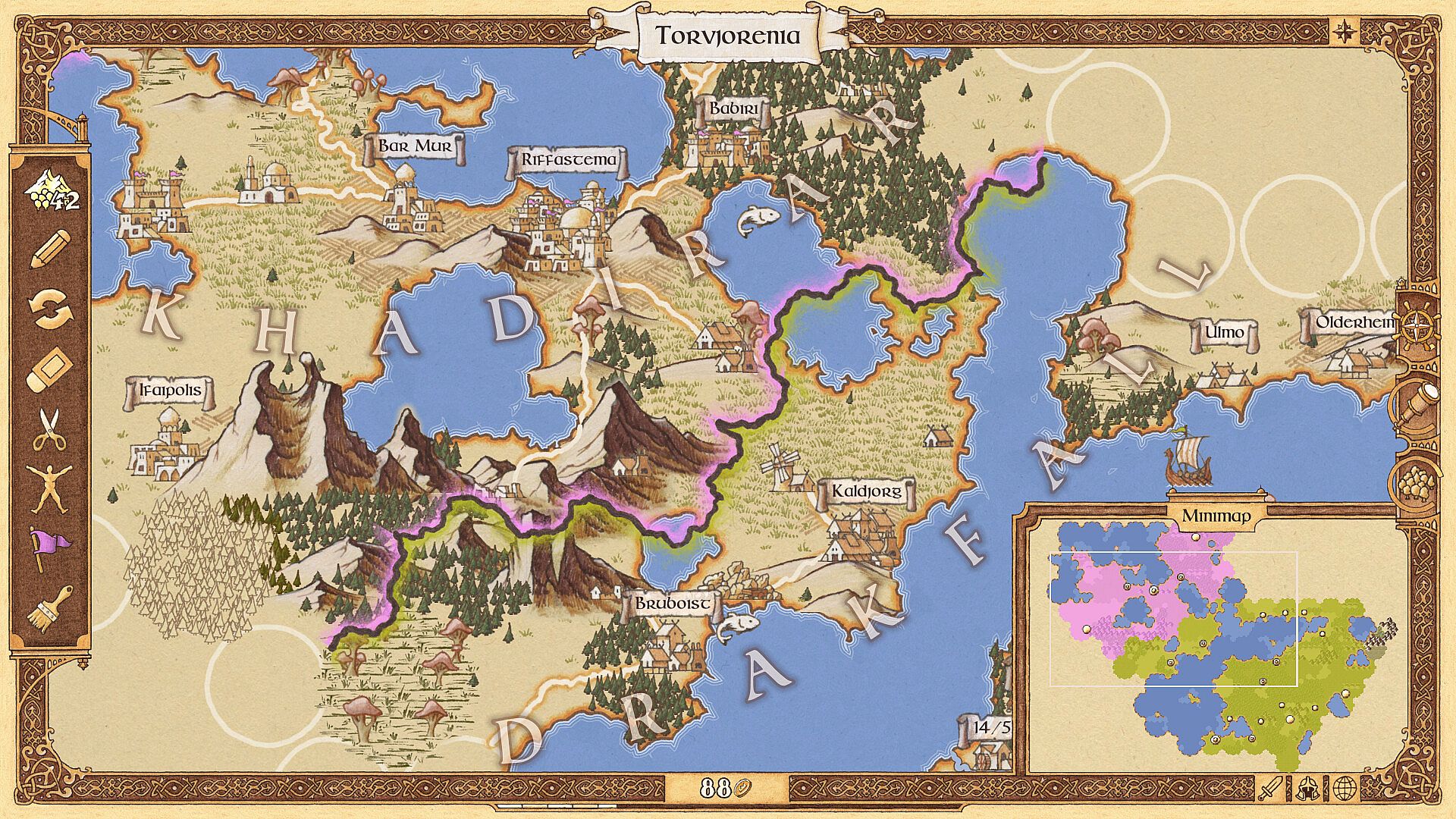
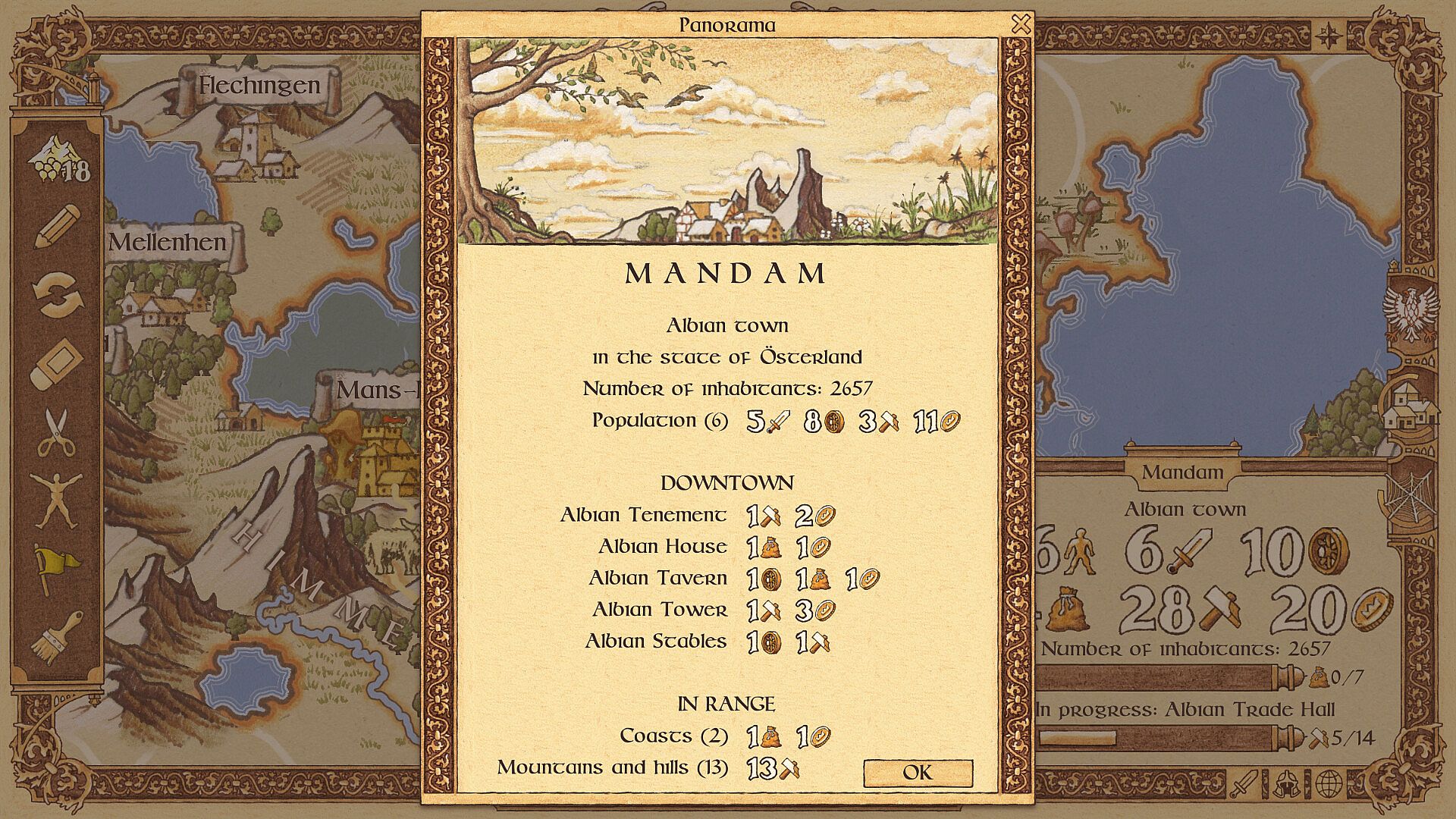
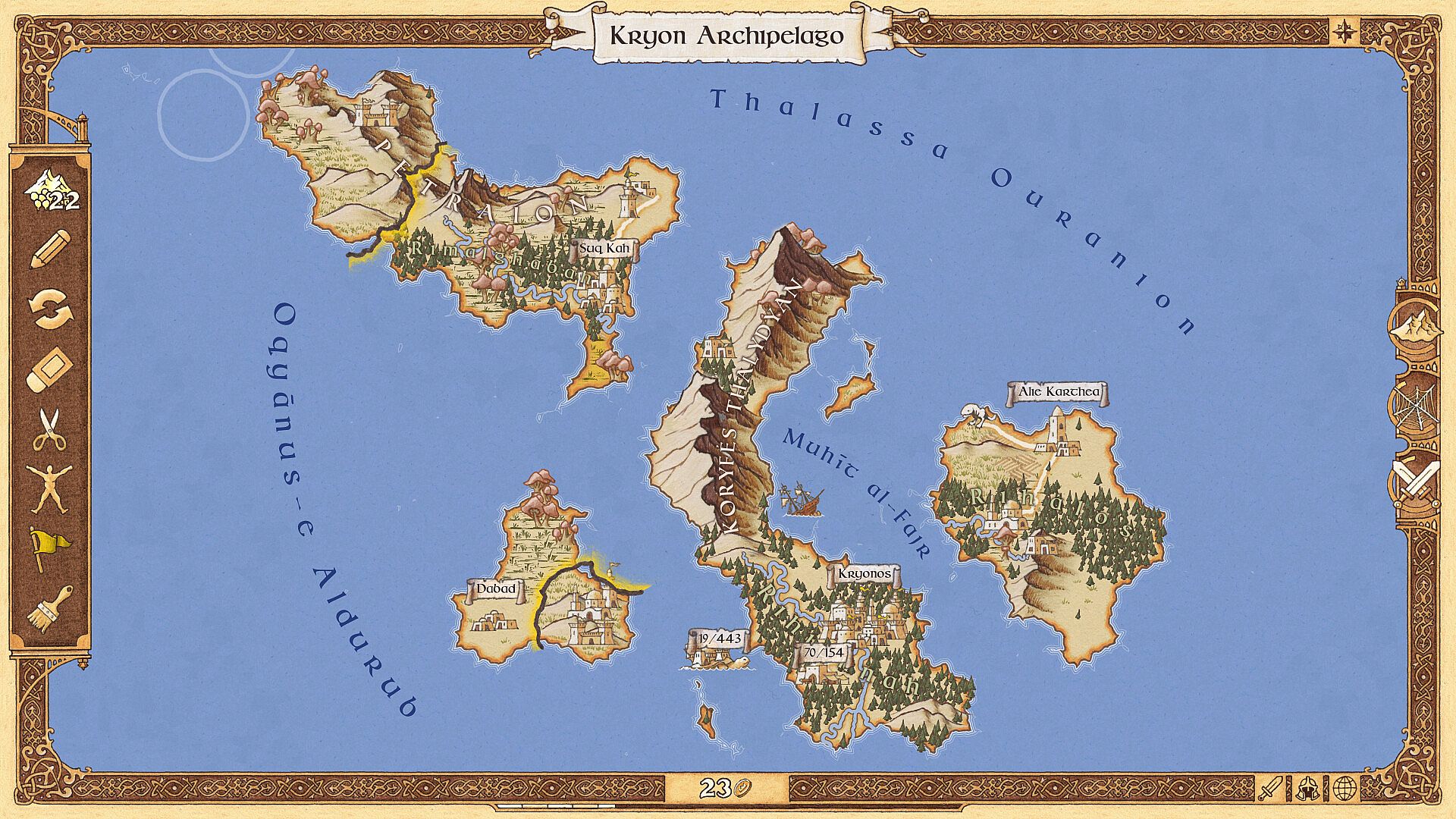
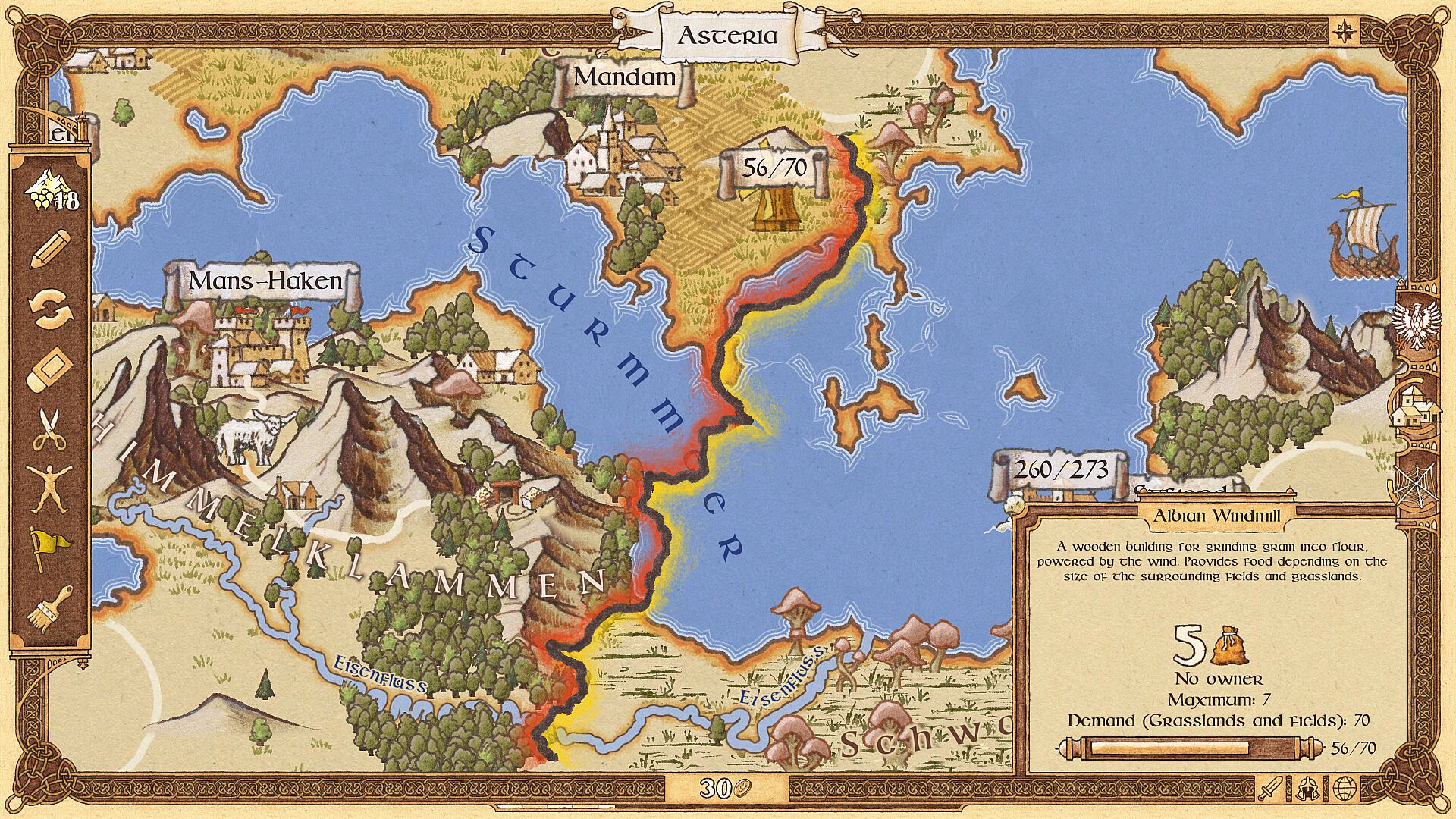
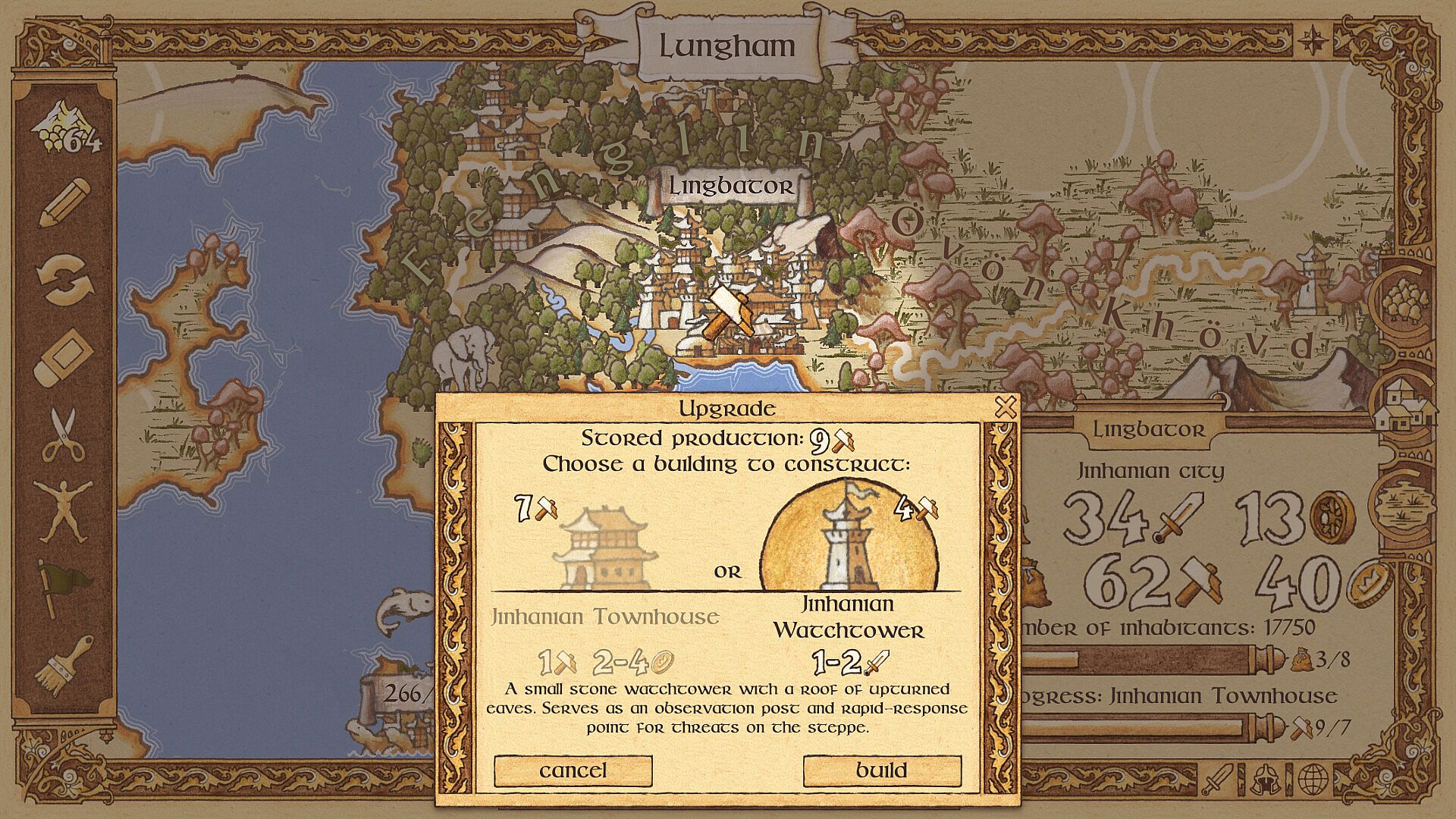
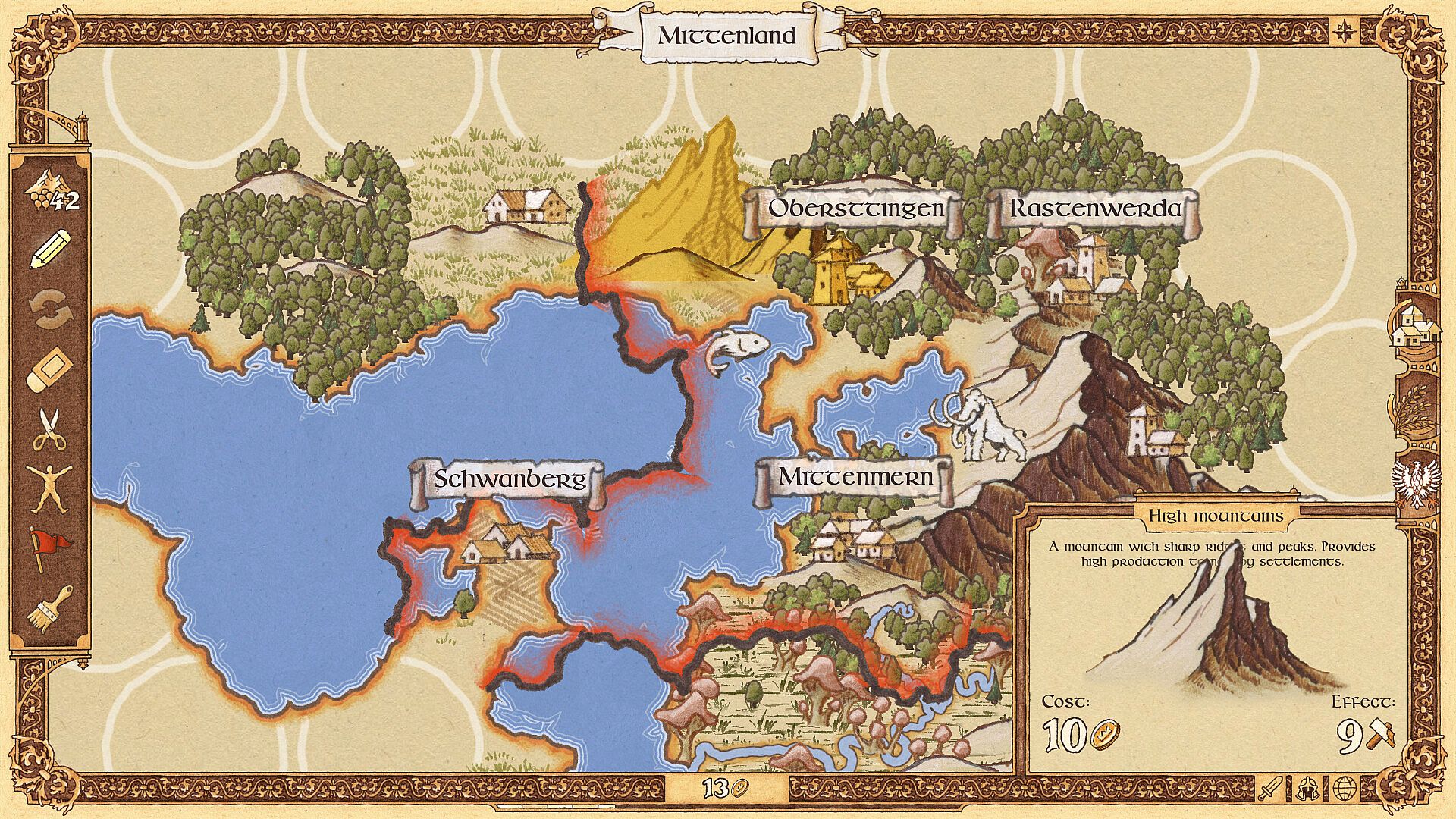
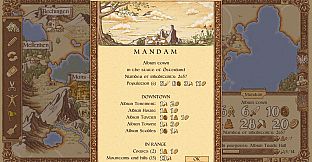
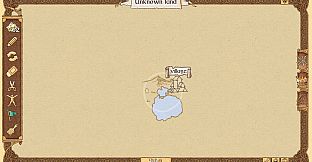
The core loop begins with a pool of random tiles that players rotate and position on an empty board. Each tile features combinations of mountains, forests, meadows, swamps, water, buildings, or settlements. Settlements draw food from fields, production from mountains, and both food and gold from water. Connected buildings, animals, and ships add further resources through roads, rivers, and coastlines. Food drives settlement growth with new buildings, while production supports upgrades. Gold serves as a shared pool for additional drawings.
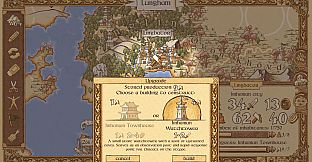
Beyond tiles, players draw individual elements anywhere on the map, including mountains, trees, animals, roads, rivers, and labels. Each drawing costs gold, and most elements animate in real time to simulate hand-drawn creation. Settlements have influence ranges that expand with development, and different buildings carry unique costs and outputs. Growth and upgrades run automatically in the base version, allowing focus on layout and artistic choices.
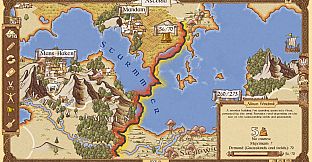
States can be placed in any color and may include multiple folks within their borders. Settlements generate strength through structures like castles, which affects borders and enables conquest between states. This layer adds strategic depth to map creation without shifting the emphasis away from visual and resource design.
Game Modes
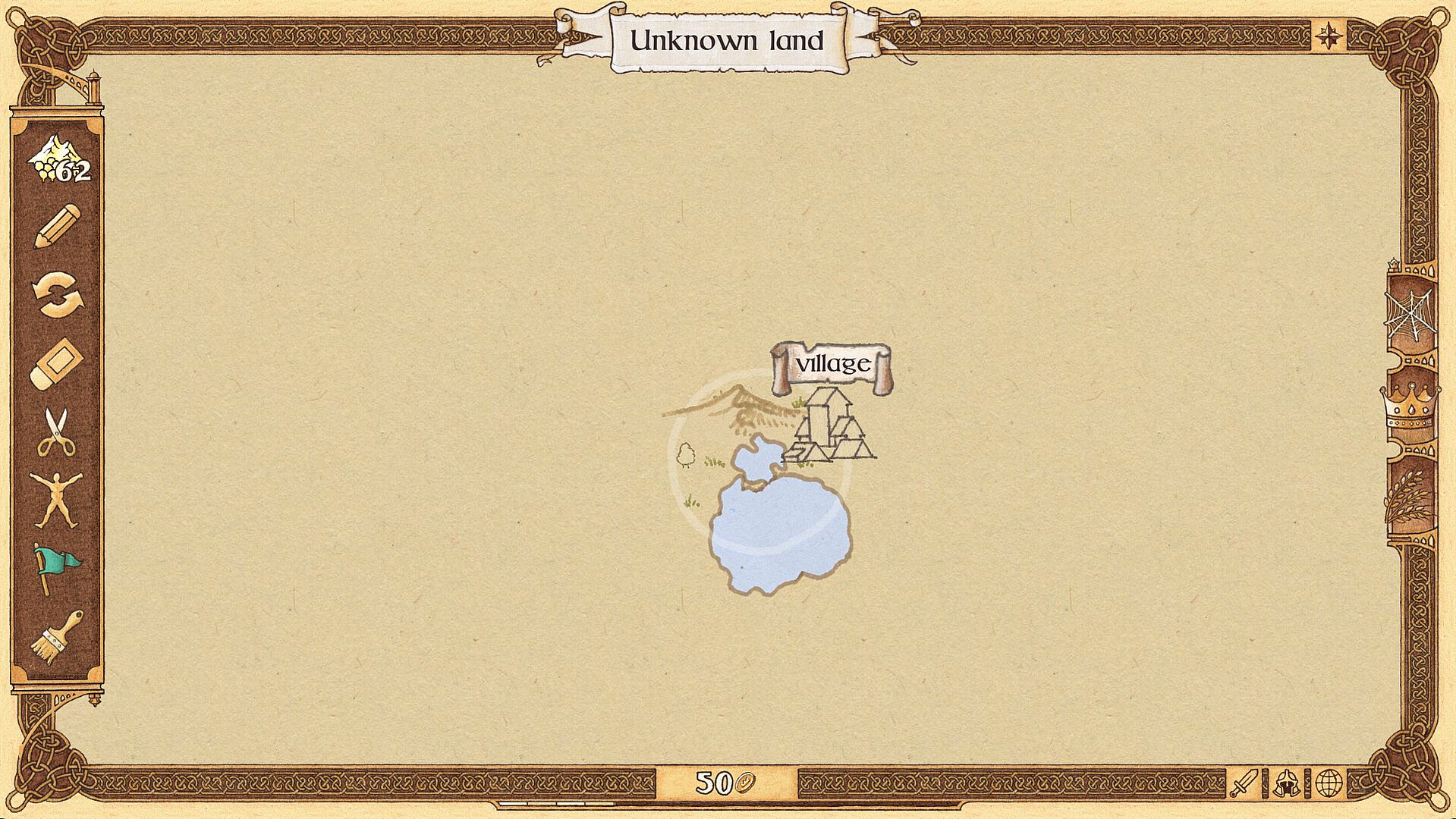
The primary experience revolves around individual map creation sessions where players build from blank boards using tiles and drawings. Tasks integrated into each session guide progress, such as creating a forest of a set size or a settlement reaching a target population. Completing a map yields experience, while fulfilling tasks during creation provides additional rewards like extra tiles or drawings.
Progression ties directly to these sessions. Higher-level tasks offer greater challenges and better rewards, unlocking new folks, drawings, and features over time. The basic version starts with limited options, expanding as players complete maps and tasks. Additional modes remain in development, with the current focus on refining the core map-building and task systems.
Progression and Unlocks
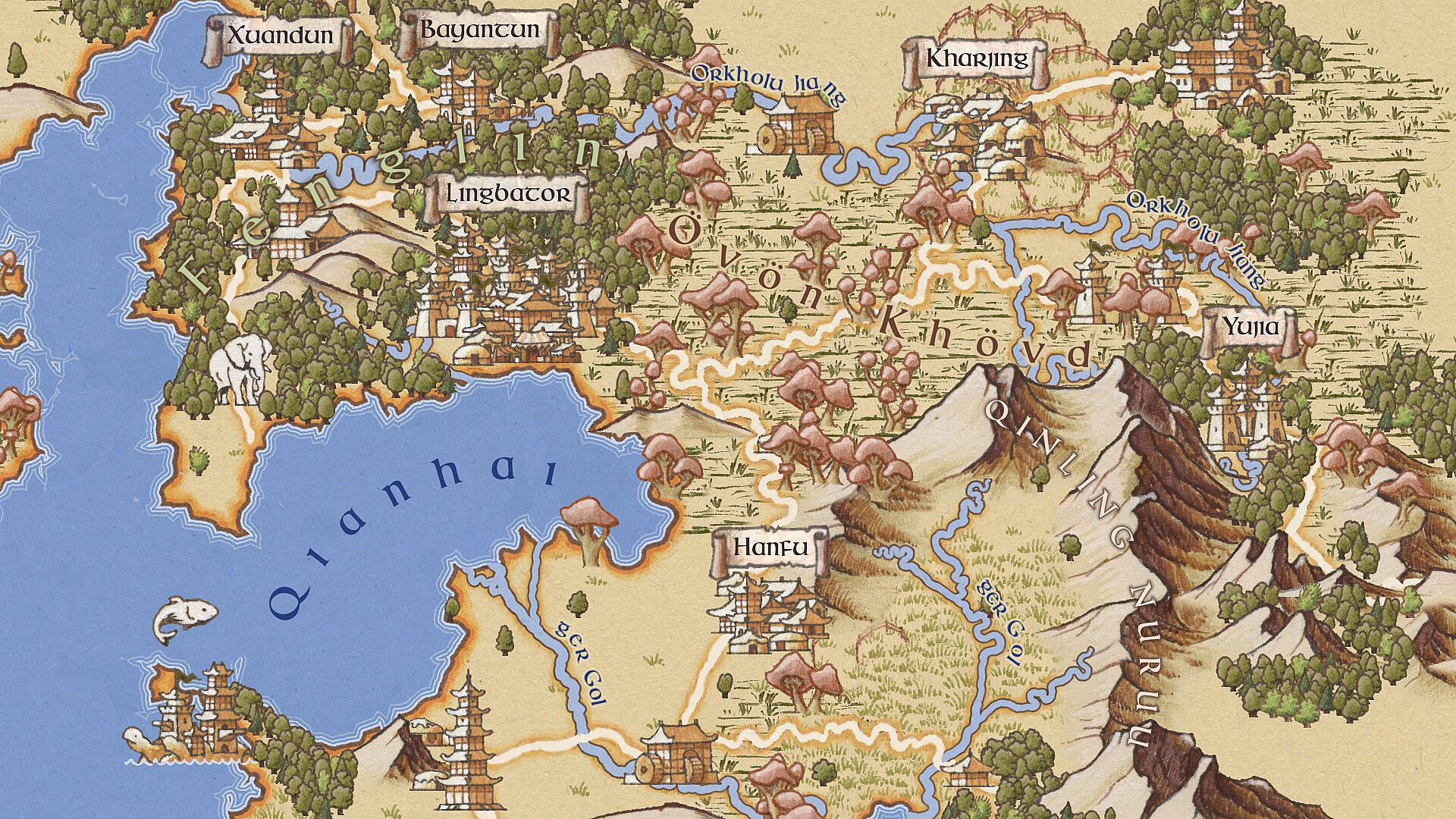
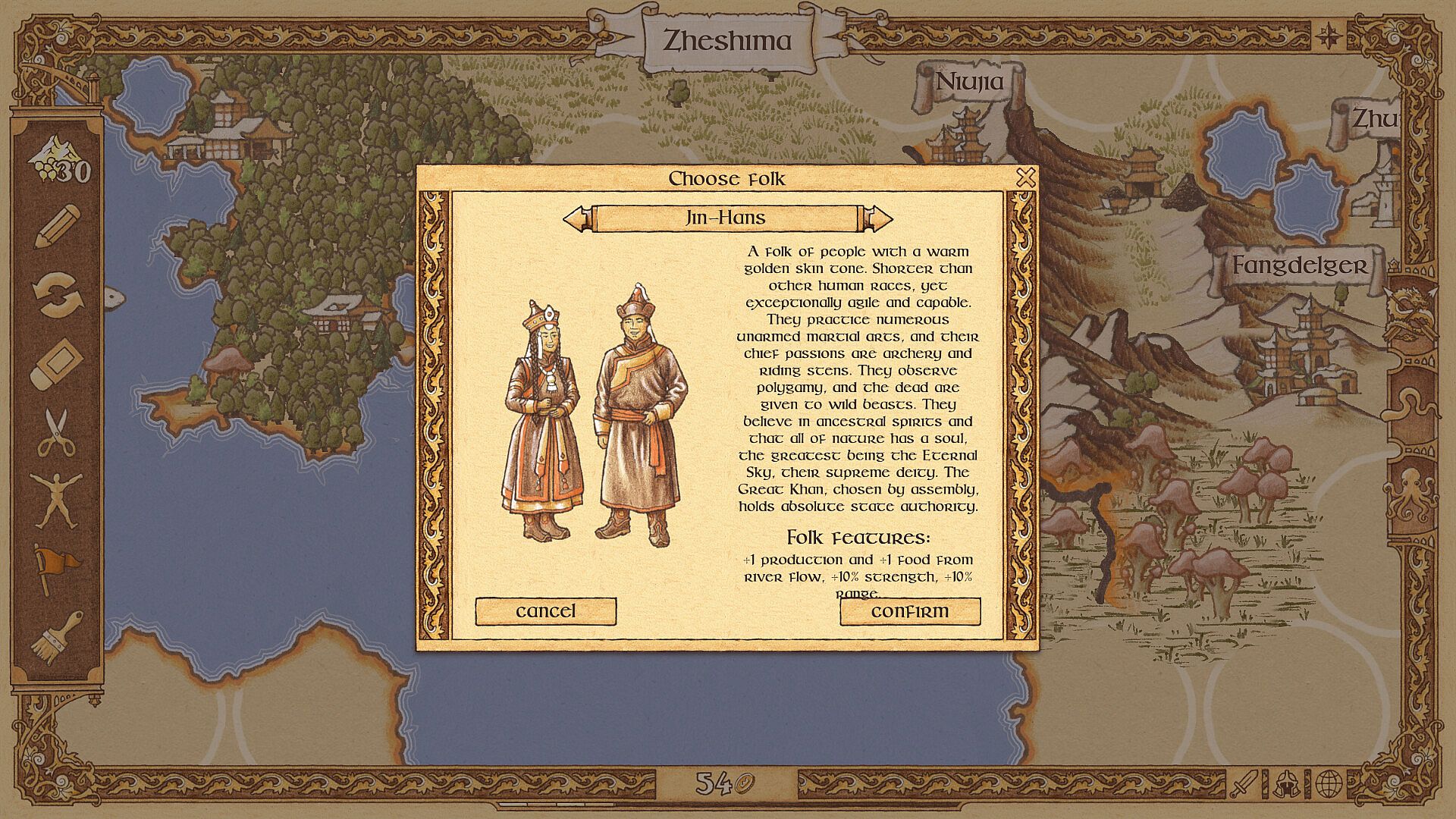
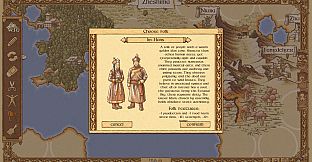
Experience accumulates from map completion and task fulfillment, leading to levels and ranks. Rewards unlock new content gradually, starting from one folk and basic drawings. New folks arrive as high-level rewards, each with unique building graphics, special traits, and name generators. Five folks are currently available: Albins inspired by medieval Europe, Erabs drawing from Greek, Persian, and Arabian influences, Barbarians with Norse and Scottish roots, Jin-Hans reflecting Mongolian, Chinese, and Japanese elements, and Enuits based on Inuit culture.
A planned climate system will influence forest and field appearance and resource yields. The developer intends to release the first playable version once 10 to 12 folks are ready, with the remaining folks added as free updates. No microtransactions are planned.
Folks and Customization
Each of the 23 planned folks features distinct map frames, emblems, and building visuals. Special buildings provide unique resources or functions, and traits alter resource gathering, such as extra gold from mountains for certain groups. States support mixed populations, allowing ethnic variety within settlements. Drawing tools extend customization further, letting players add labels and details at a gold cost to personalize every map.
Is It Worth Playing?
Fantasy Cartographer suits players who enjoy relaxed creative strategy and map-making on PC. The automated growth systems reduce micromanagement while resource connections and state interactions provide meaningful choices during layout. With five folks ready and more in development, the game offers a solid foundation for those interested in building evolving fantasy worlds through tiles and drawings. The single-player focus and task-based progression deliver steady advancement without requiring multiplayer or competitive elements. Those drawn to casual strategy with RPG-style unlocks will find the current build engaging, especially as additional content arrives through free updates.