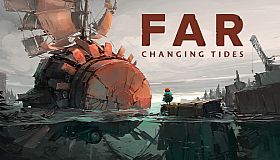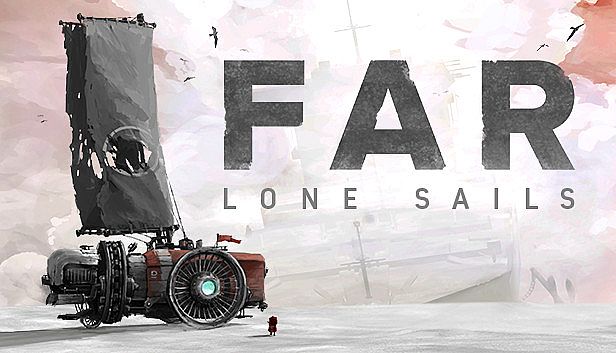















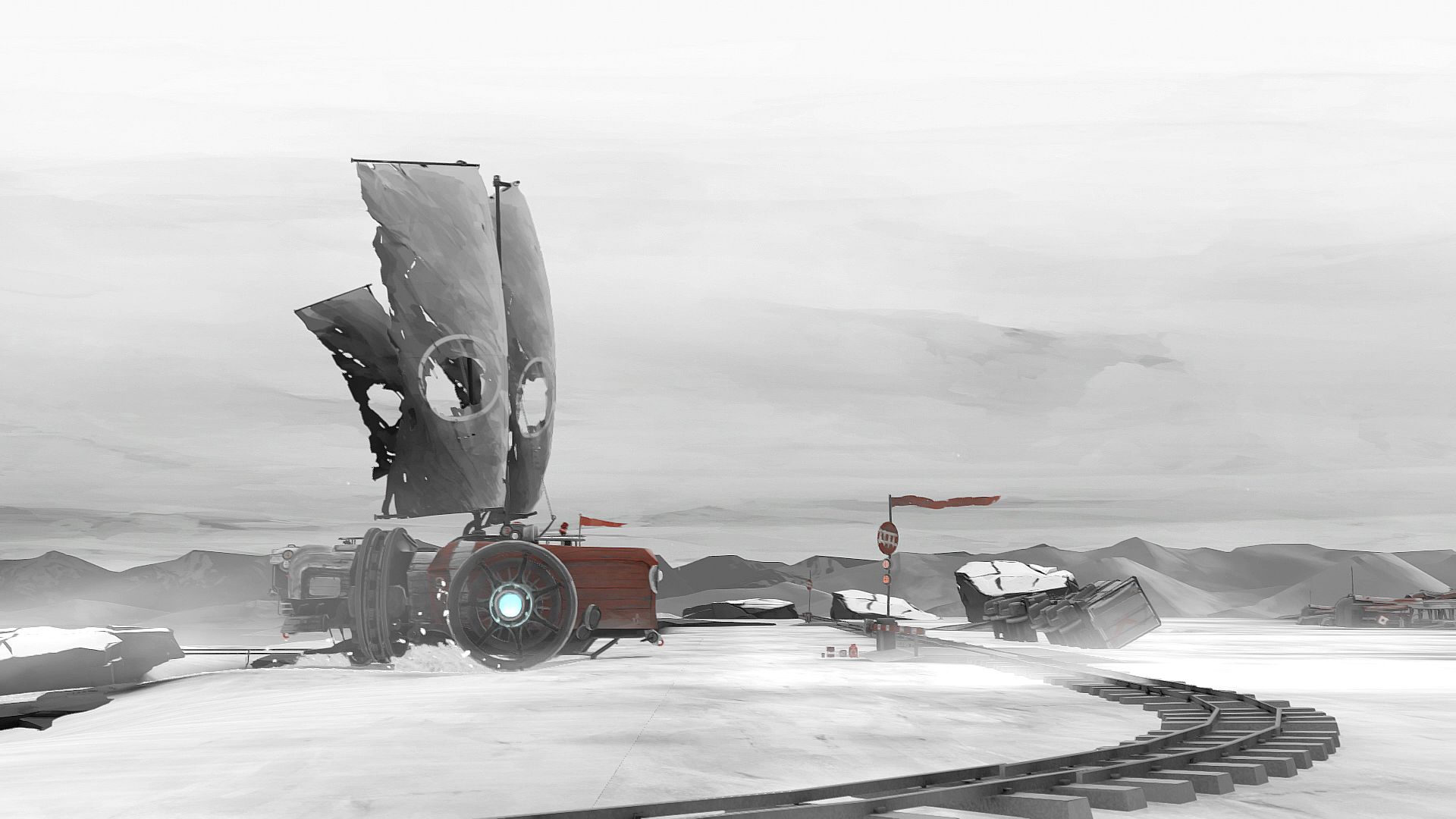

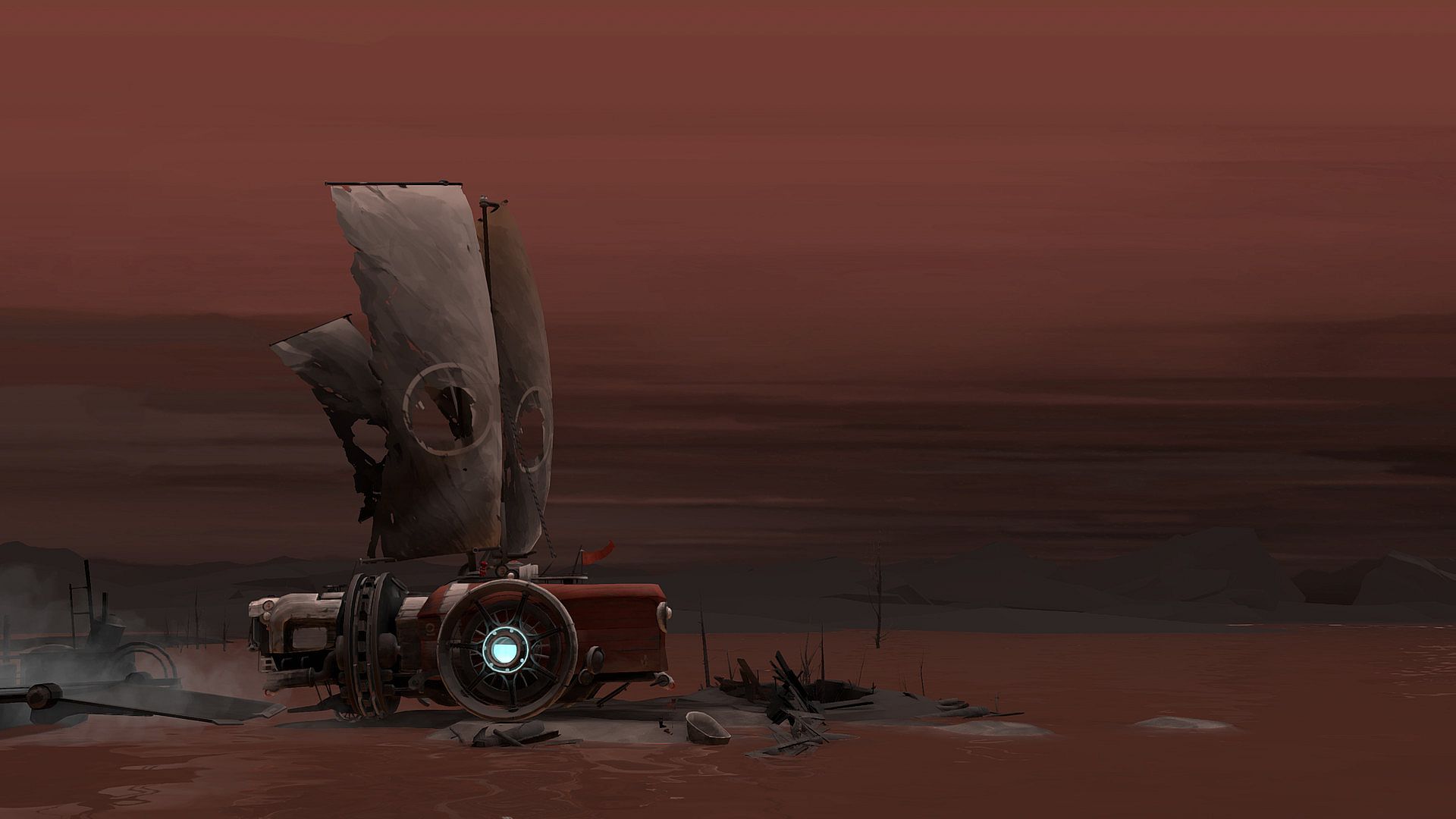
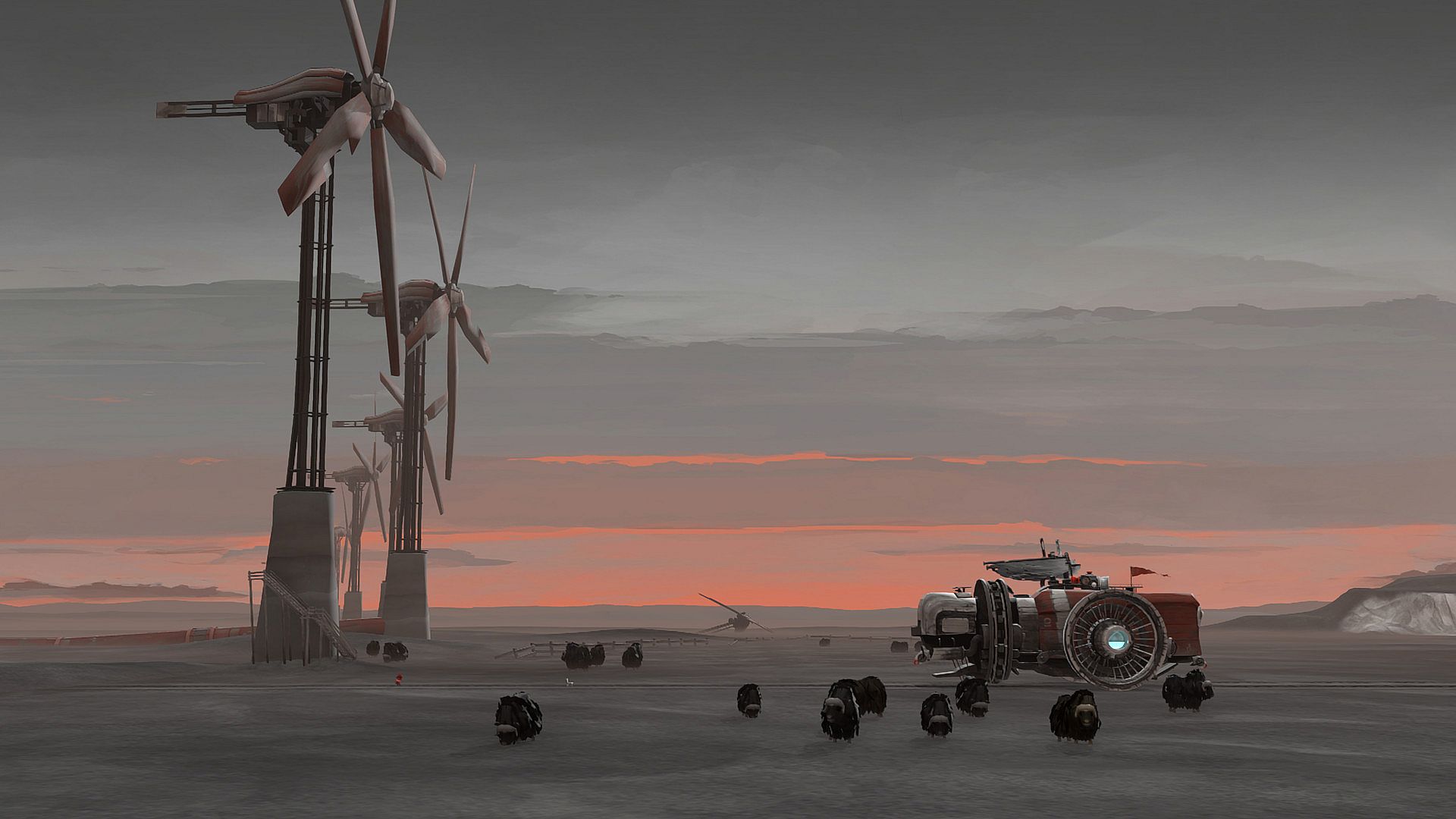
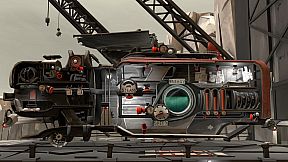
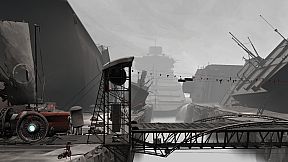




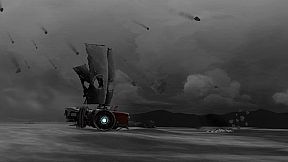
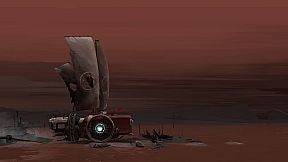

FAR: Lone Sails stands out as a vehicle adventure game that blends action, indie creativity, and exploration in a post-apocalyptic setting. Released for PC, this single-player title puts you in control of a makeshift vessel traversing a vast, dried-out seabed. Without any combat or multiplayer elements, it focuses on a solitary journey through a world left barren by some unspoken catastrophe. The core appeal lies in managing your machine while uncovering remnants of a lost civilization, making it a thoughtful choice for fans of atmospheric indie adventures.
Gameplay
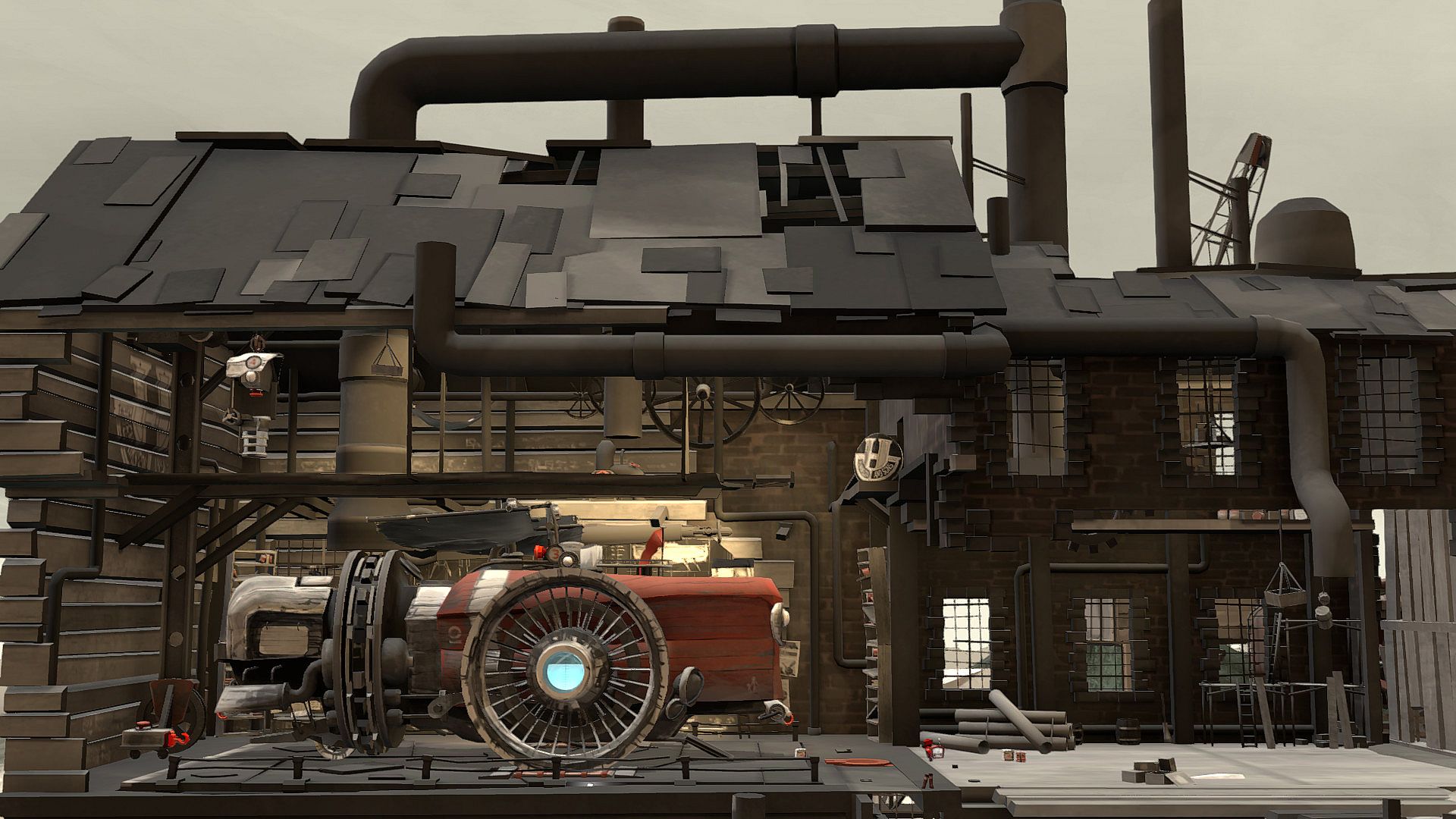
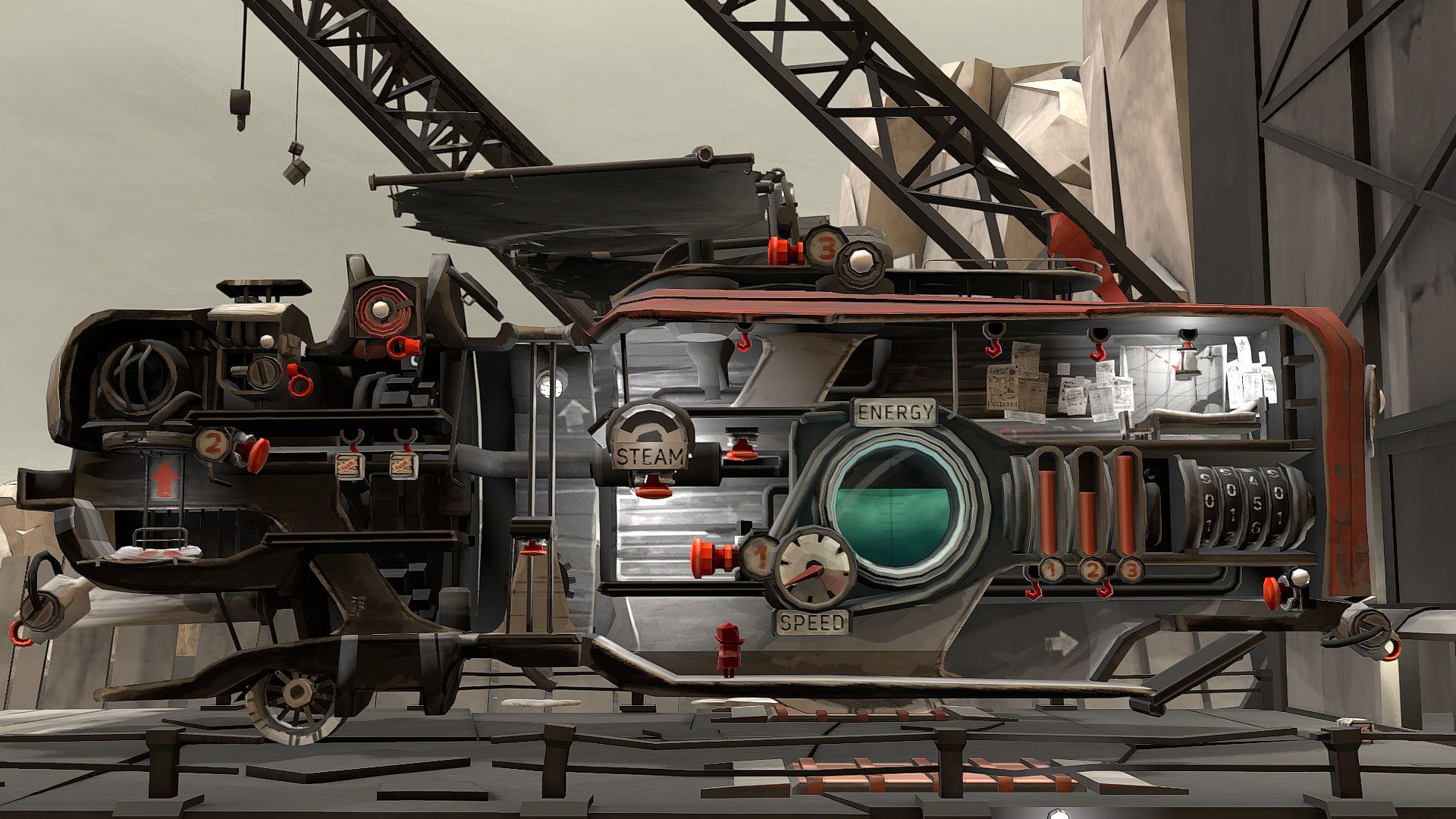
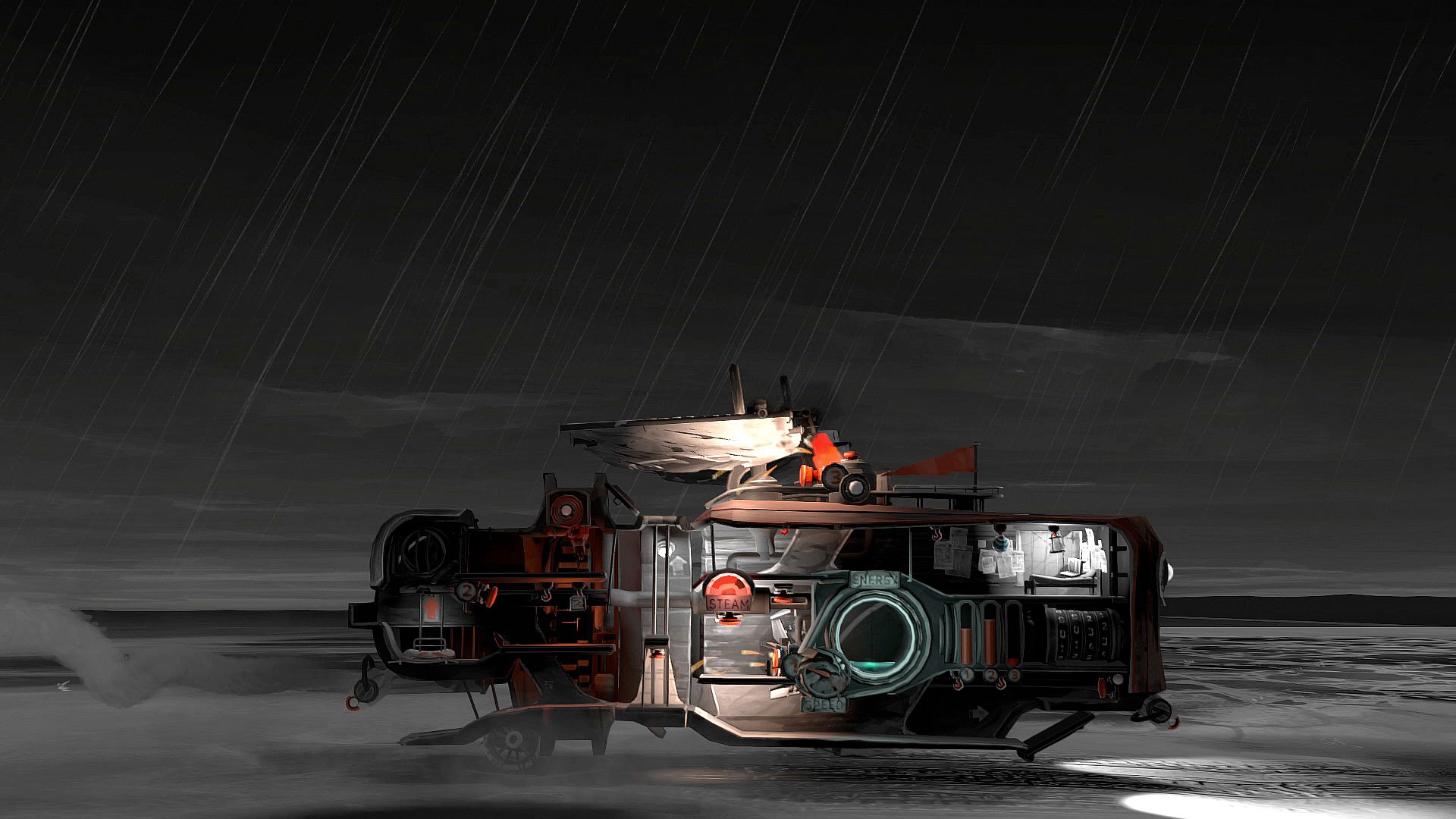
In FAR: Lone Sails, the gameplay revolves around piloting and maintaining a large, wheeled vehicle that serves as both your transport and home. You gather resources like fuel and parts to keep it running, dealing with mechanics such as repairing damage from storms or clearing blockages. Upgrades come into play as you progress, allowing modifications that help navigate tougher terrain or weather conditions. Puzzles often involve manipulating the vehicle's systems, like adjusting sails for wind propulsion or activating mechanisms to overcome environmental obstacles. The experience emphasizes resource management and problem-solving in a side-scrolling format, with moments of tension from hazards that demand quick thinking to avoid breakdowns.
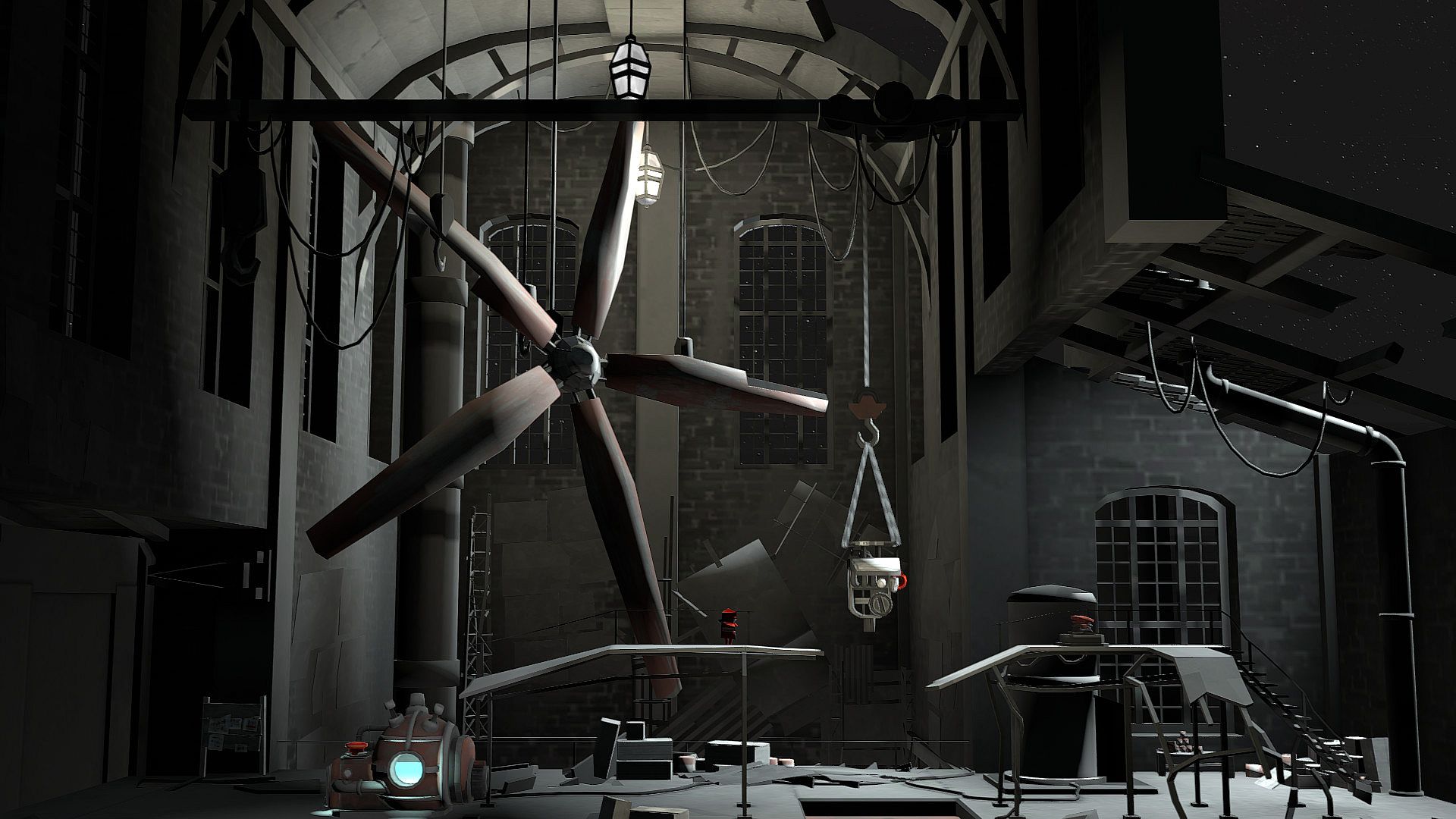
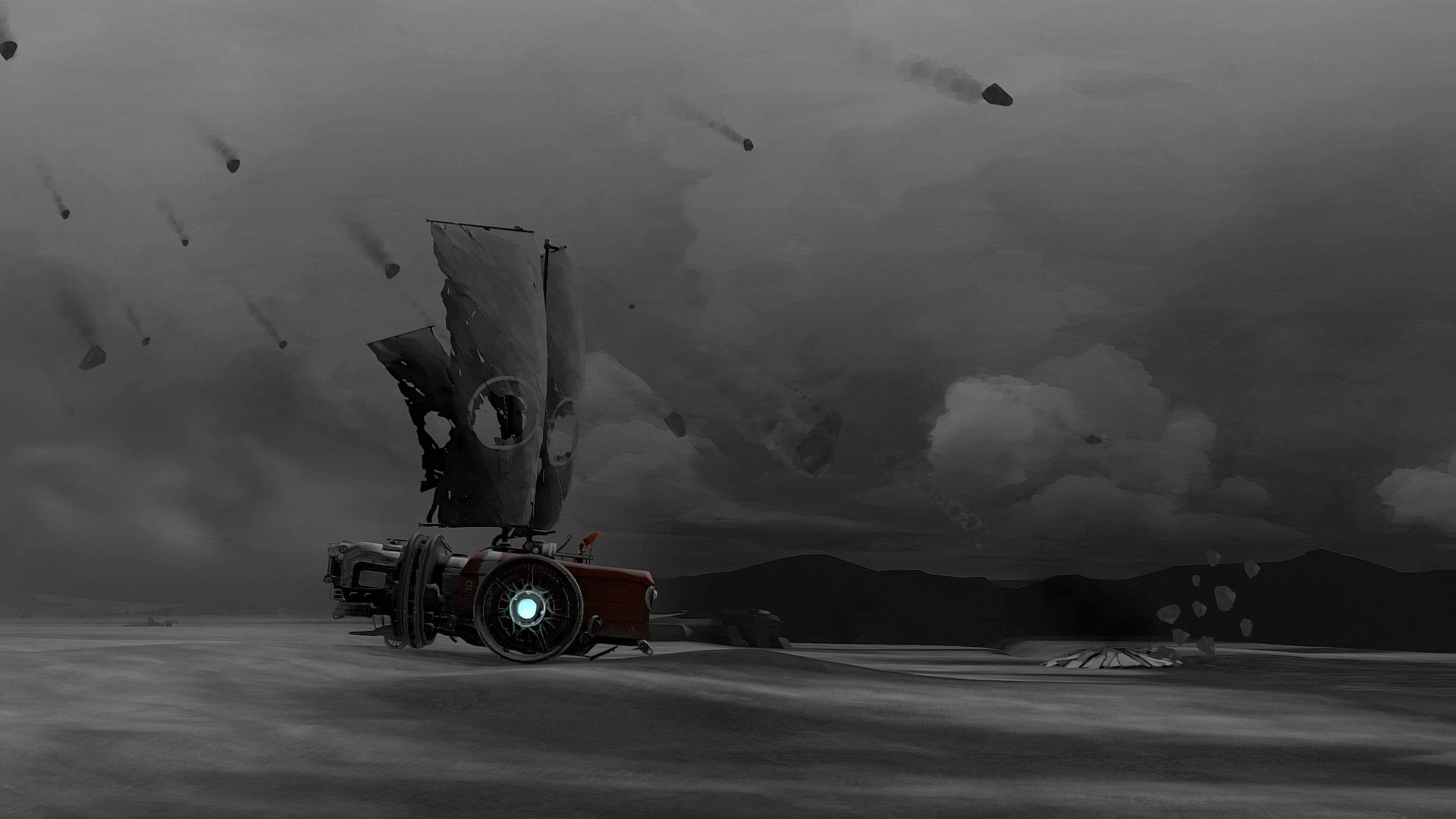
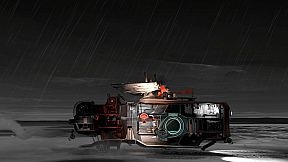
Exploration forms a key part, as you stop to investigate abandoned structures and collect items that reveal more about the world's history. The controls are straightforward, letting you focus on the rhythm of travel rather than complex inputs. Weather plays a significant role, with clouds and wind affecting your speed and strategy, adding a layer of unpredictability to the otherwise linear path.
Game Modes
FAR: Lone Sails features a single-player campaign that guides you through its entire narrative in one cohesive mode. There are no separate competitive or cooperative options, keeping the focus on a solo experience. This mode unfolds as a continuous journey, with progression tied to advancing your vehicle across the landscape and resolving challenges along the way.
Exploring the World and Atmosphere
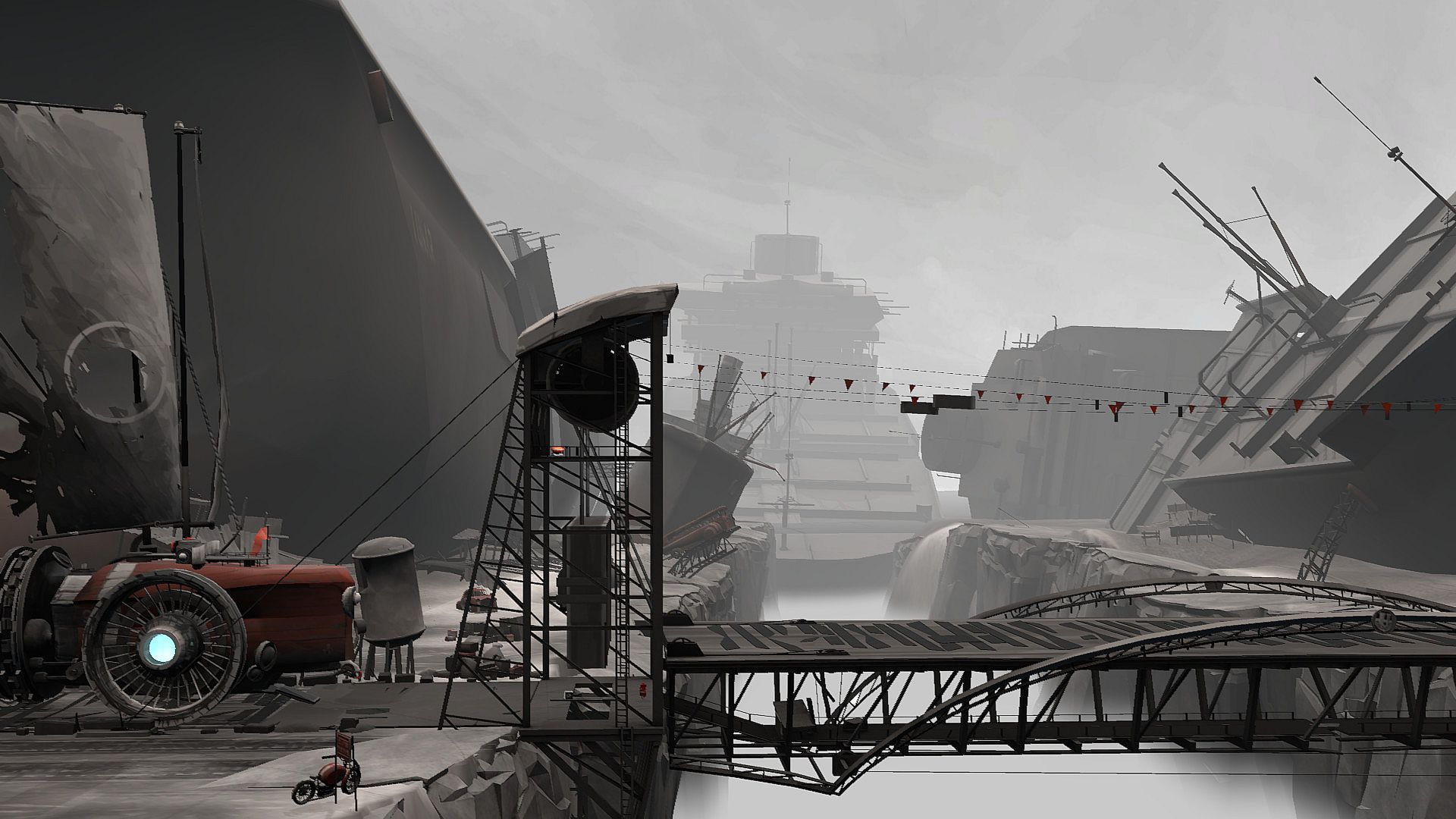
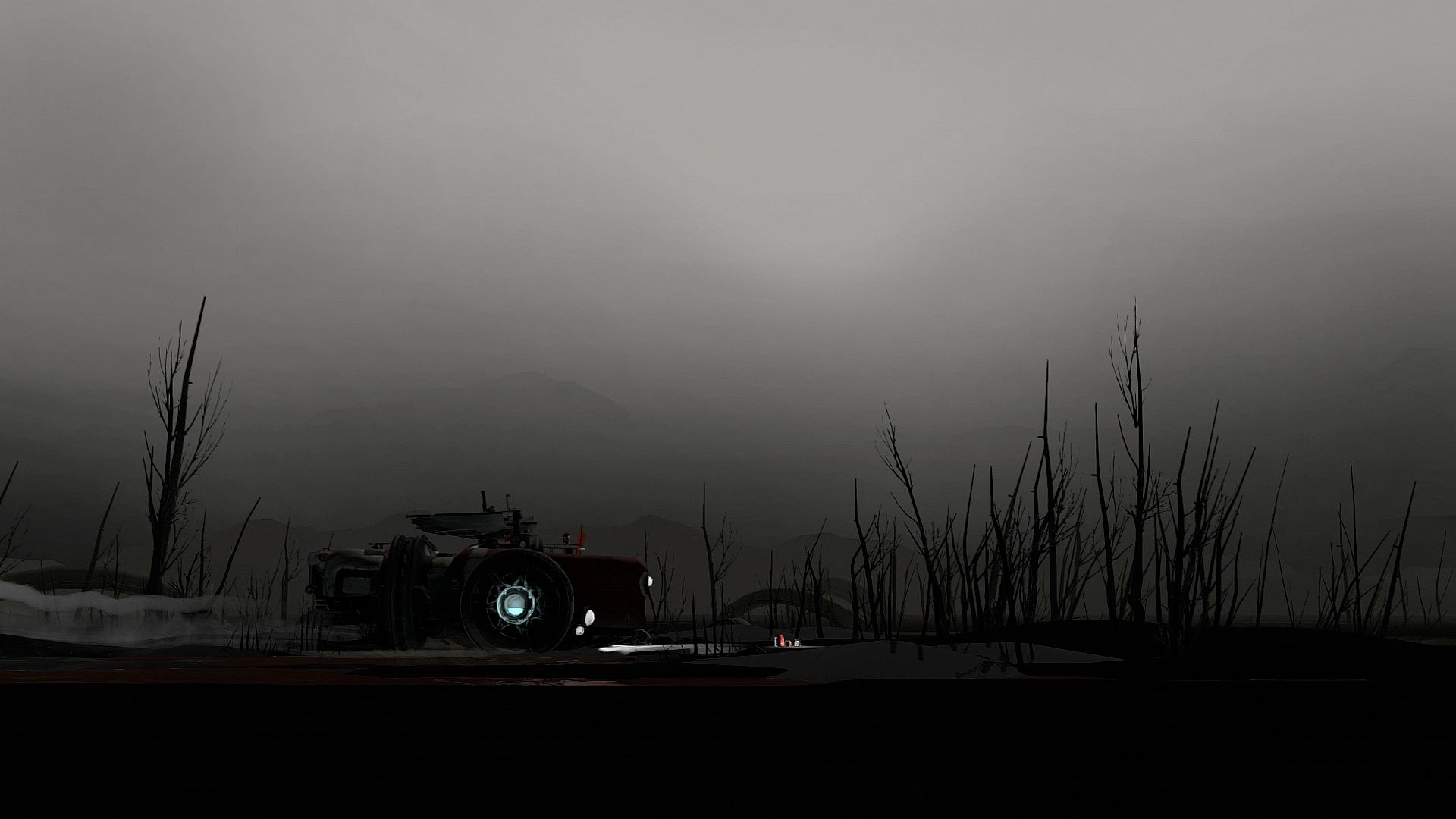
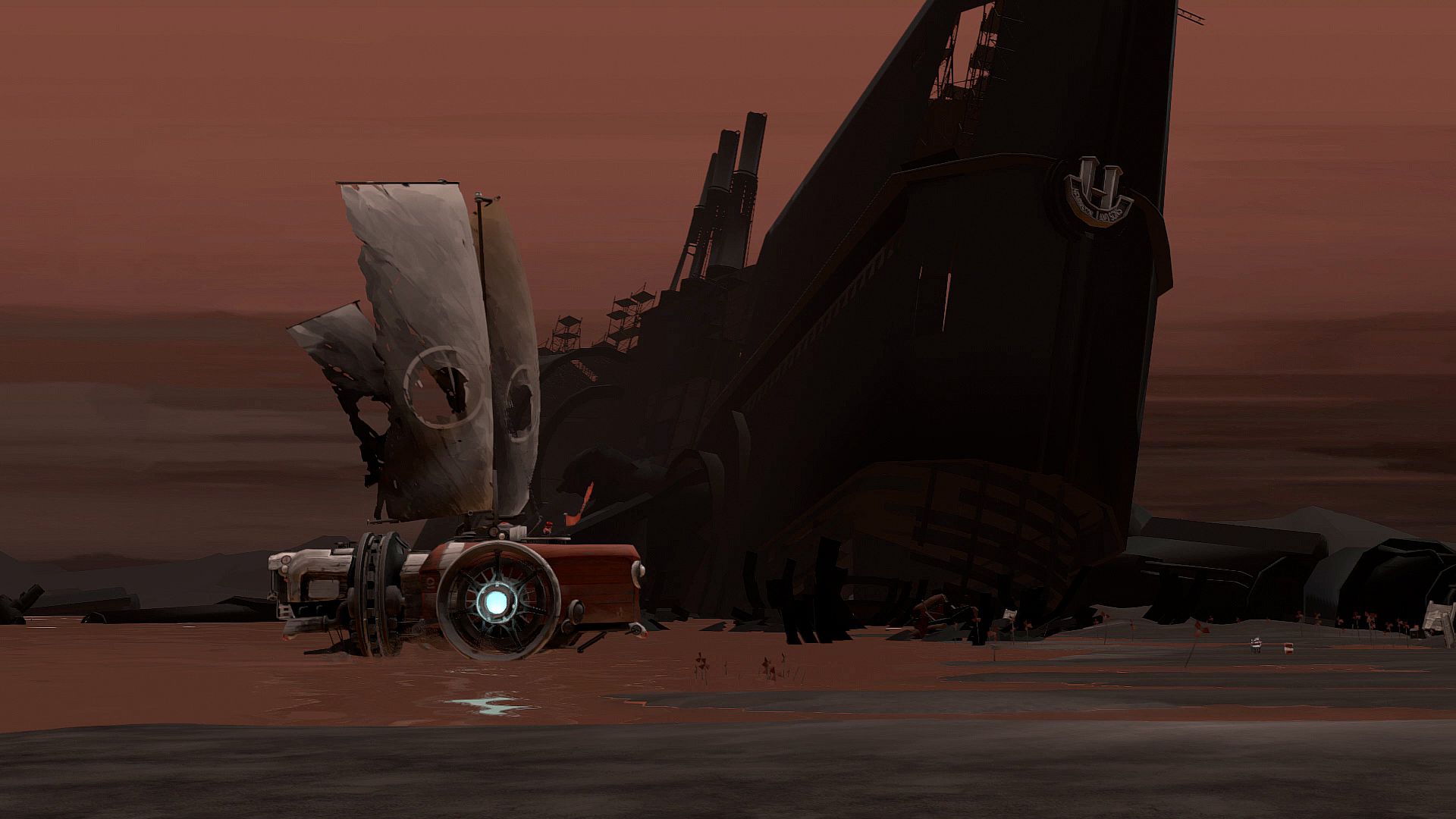
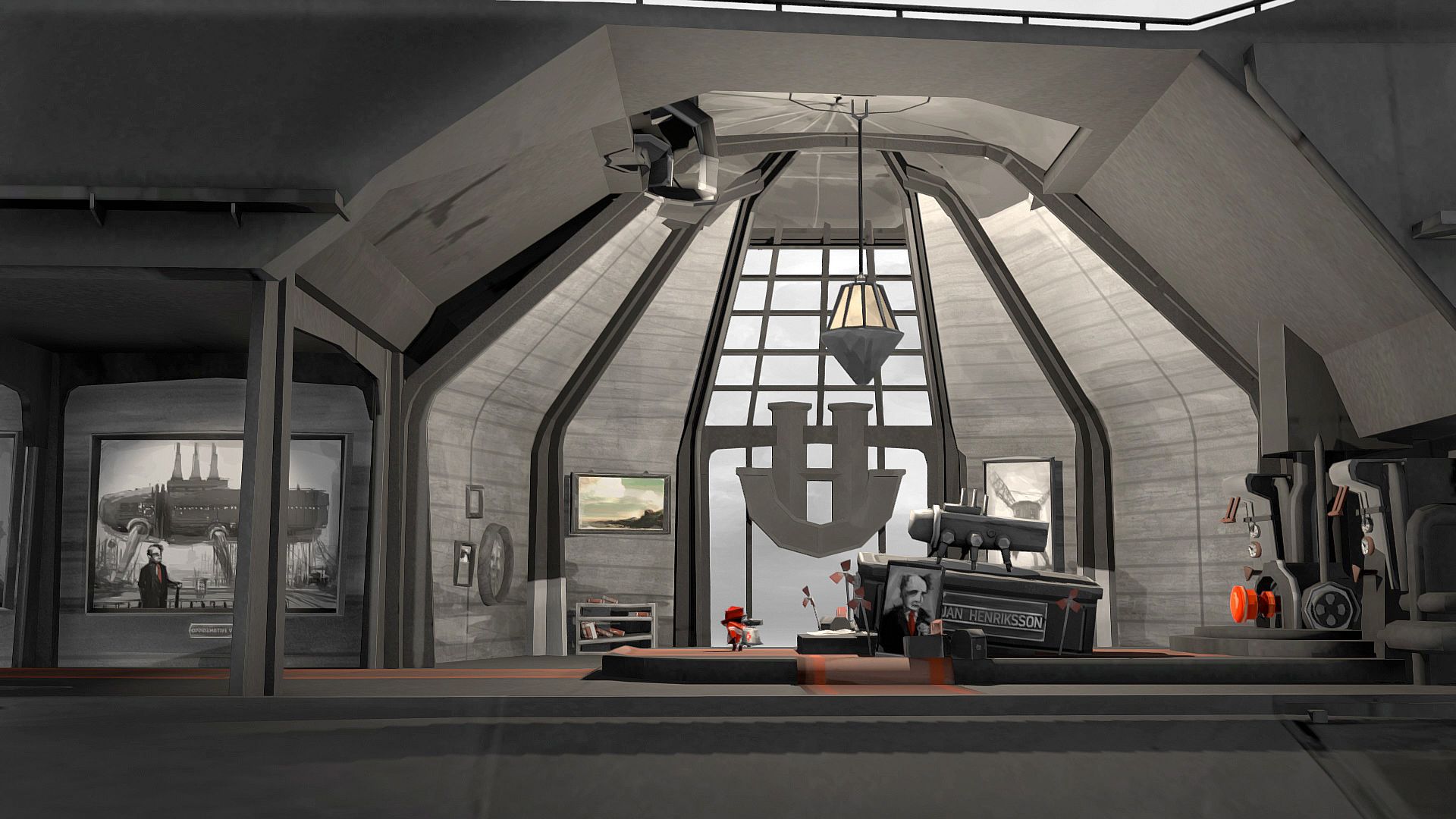
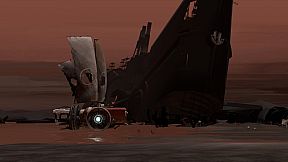
The game's world is a desolate expanse of what was once an ocean, now filled with relics of a fallen society. As you travel, you encounter ruined buildings and artifacts that hint at the story without explicit dialogue. The atmosphere builds through visual storytelling and a haunting soundtrack, creating a sense of isolation and wonder. Skies filled with passing clouds and shifting weather contribute to the mood, while the absence of threats like enemies shifts attention to survival through ingenuity.
Mechanics encourage a methodical pace, with opportunities to pause and absorb the scenery. This setup suits players who appreciate narrative depth delivered through environment rather than text or cutscenes.
Is It Worth Playing?
For those drawn to short, introspective indie adventures, FAR: Lone Sails remains a compelling option even years after its release. Its positive reception highlights the strong soundtrack and memorable journey, appealing to gamers who enjoy puzzle-solving and exploration without high-stakes action. The game has seen no major updates or ongoing seasons, but its core content holds up well for a playthrough that lasts a few hours. If you prefer atmospheric single-player experiences over multiplayer chaos, this title offers a unique, serene take on post-apocalyptic survival that's worth your time.