


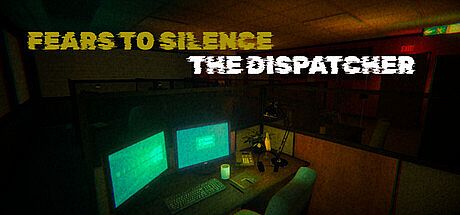



Fears to Silence: The Dispatcher places players in the role of a night-shift 911 emergency operator in a first-person psychological thriller and narrative-driven simulation adventure. The experience unfolds entirely on PC as an indie title that blends tense call handling with personal survival elements inside an isolated station.
Gameplay
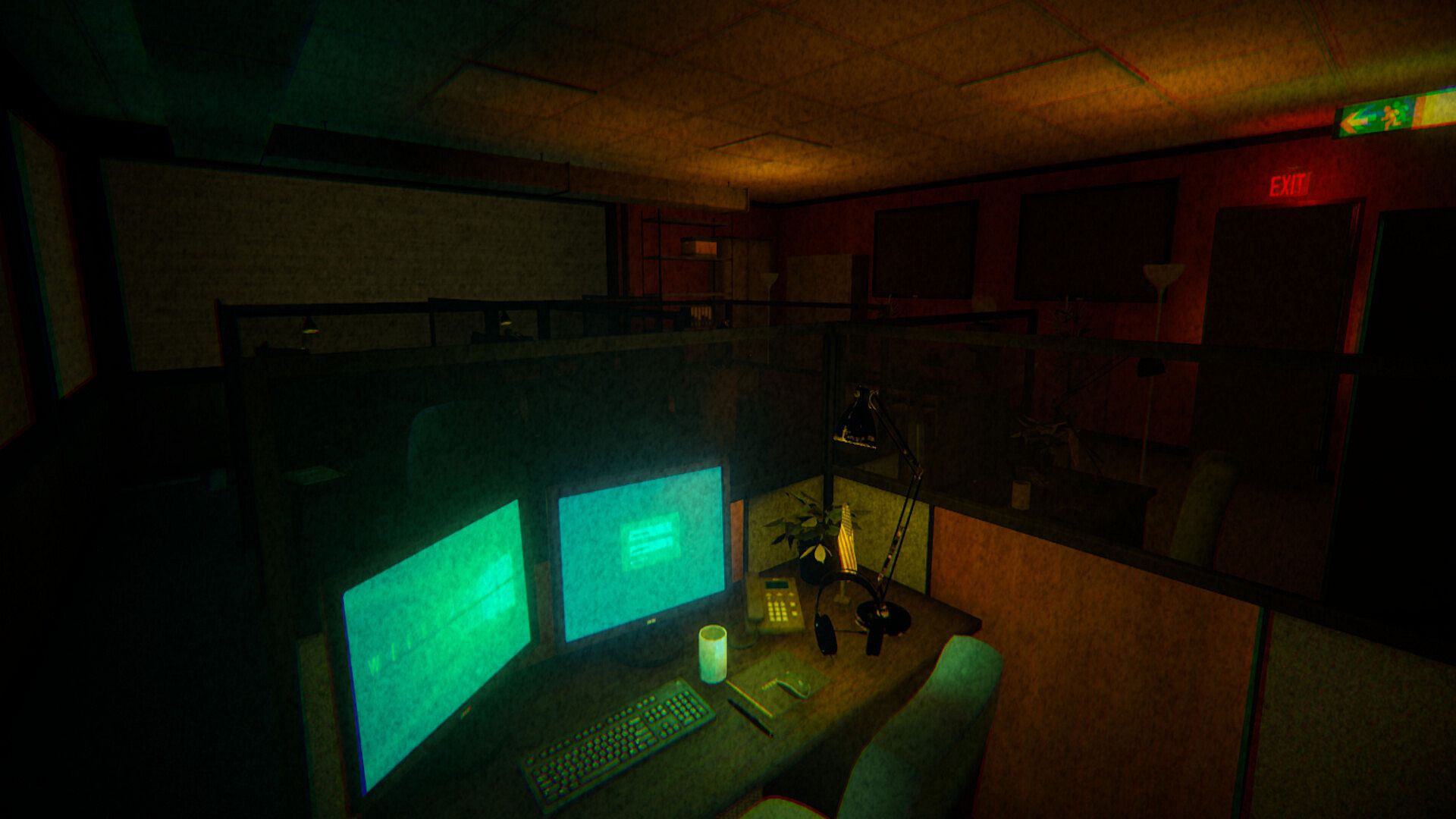
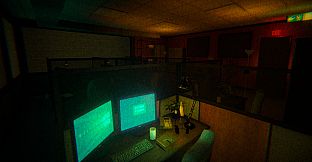
The core loop centers on sitting at a dispatch terminal and fielding incoming calls from people in distress. Dialogue choices during these conversations directly influence how events resolve, whether guiding a caller through immediate dangers or facing consequences when guidance falls short. Limited police, fire, and medical units require careful prioritization, as sending the wrong resource or delaying a response can alter the course of multiple situations across the night.
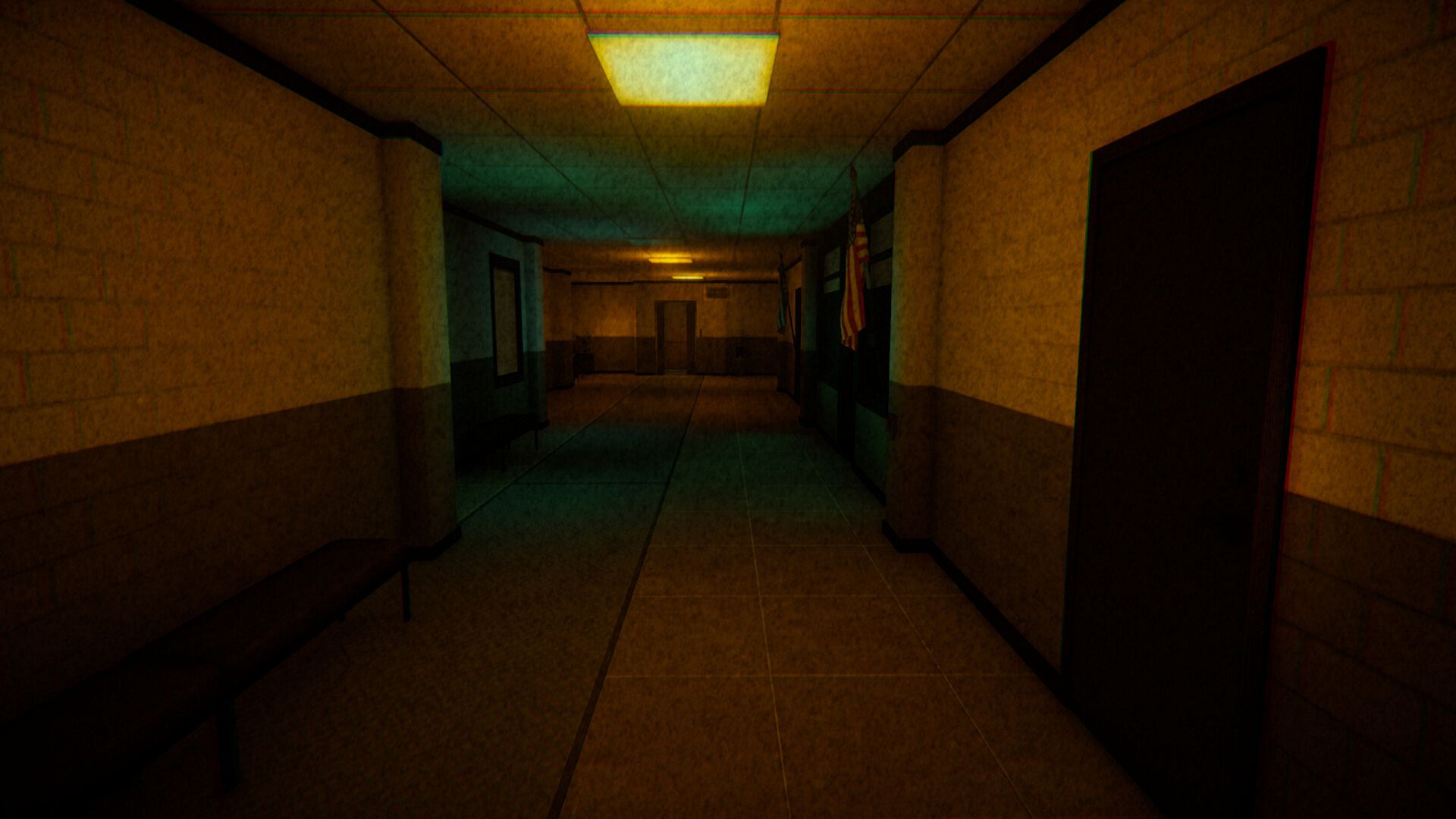
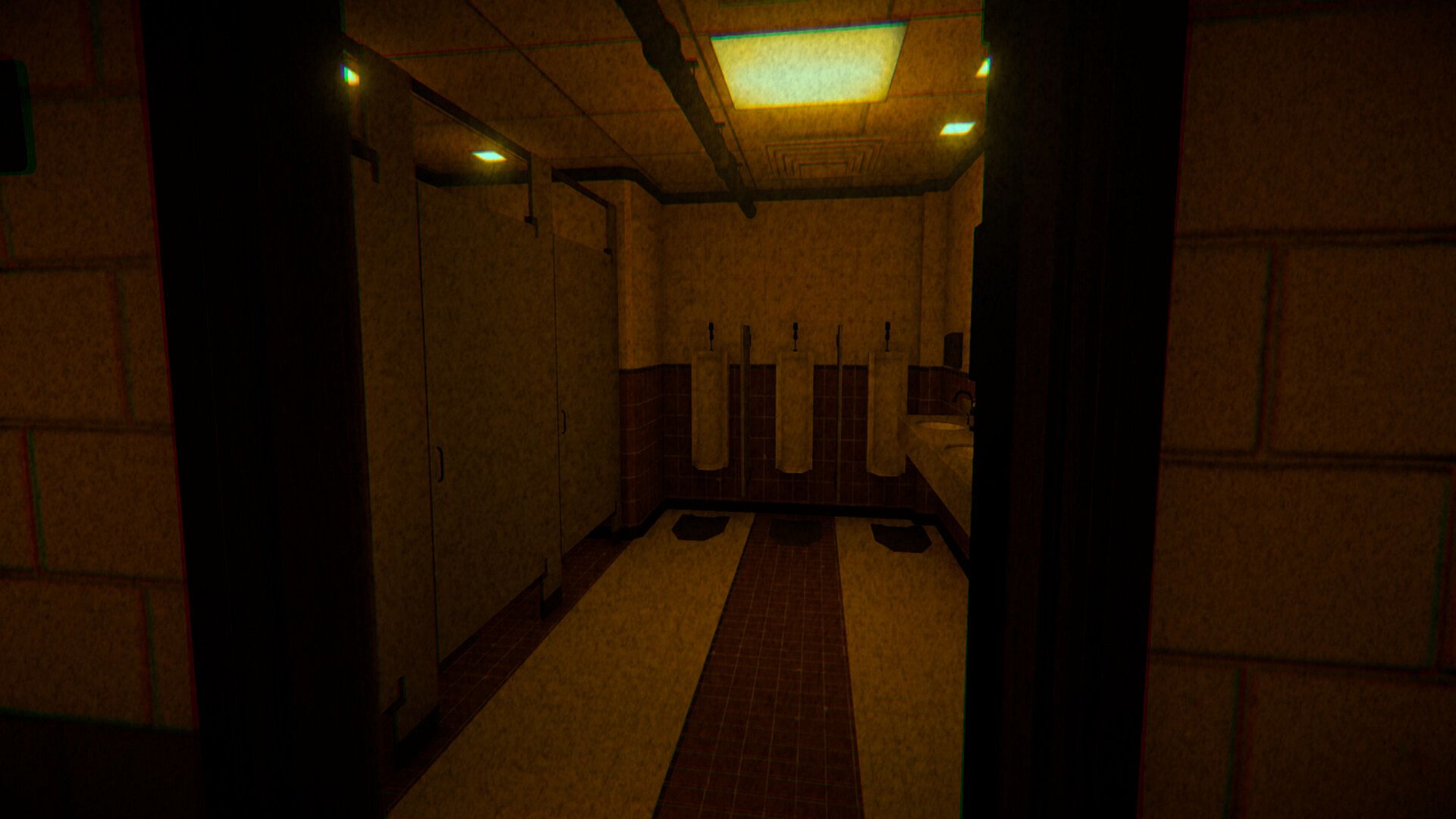
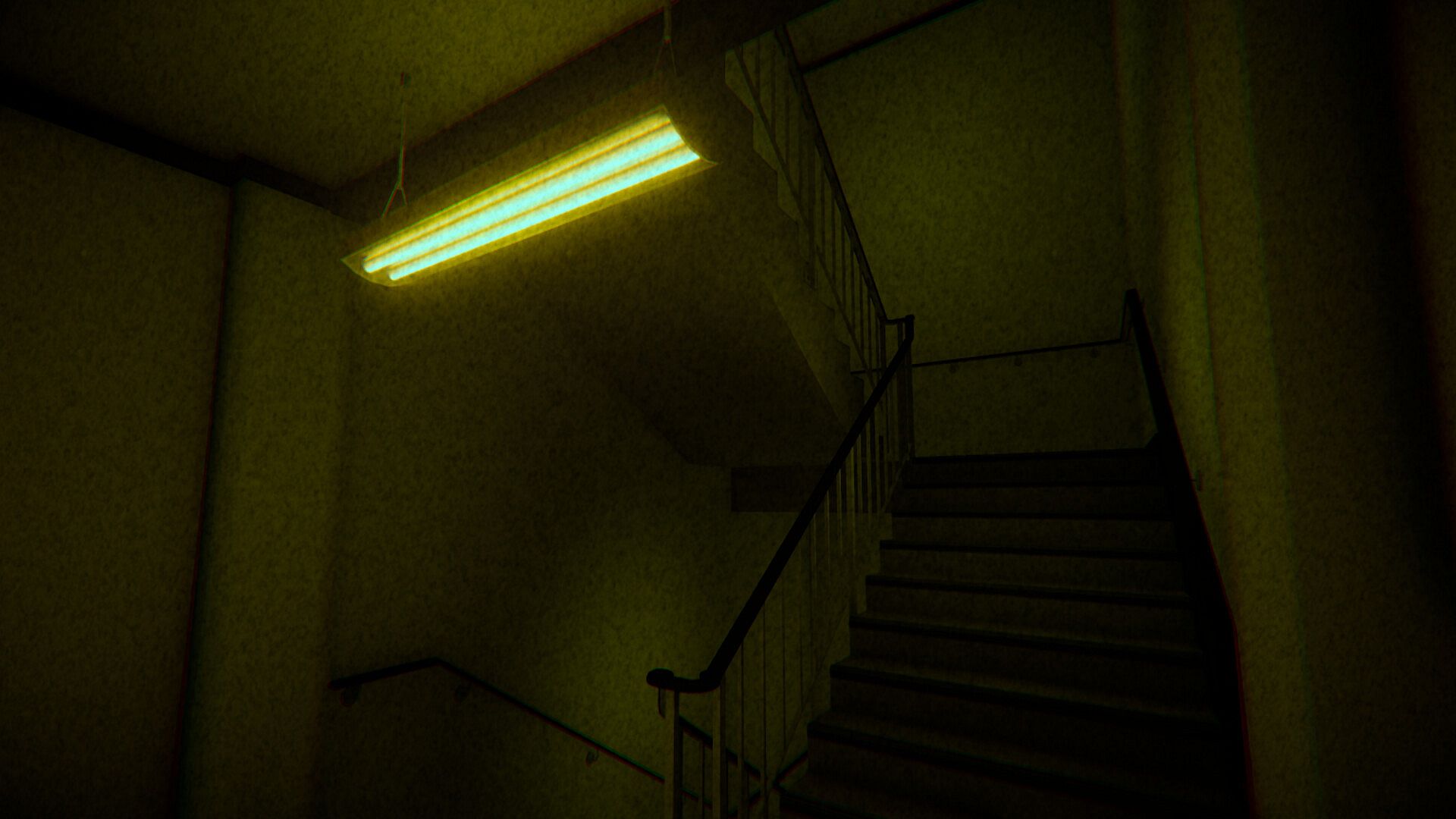
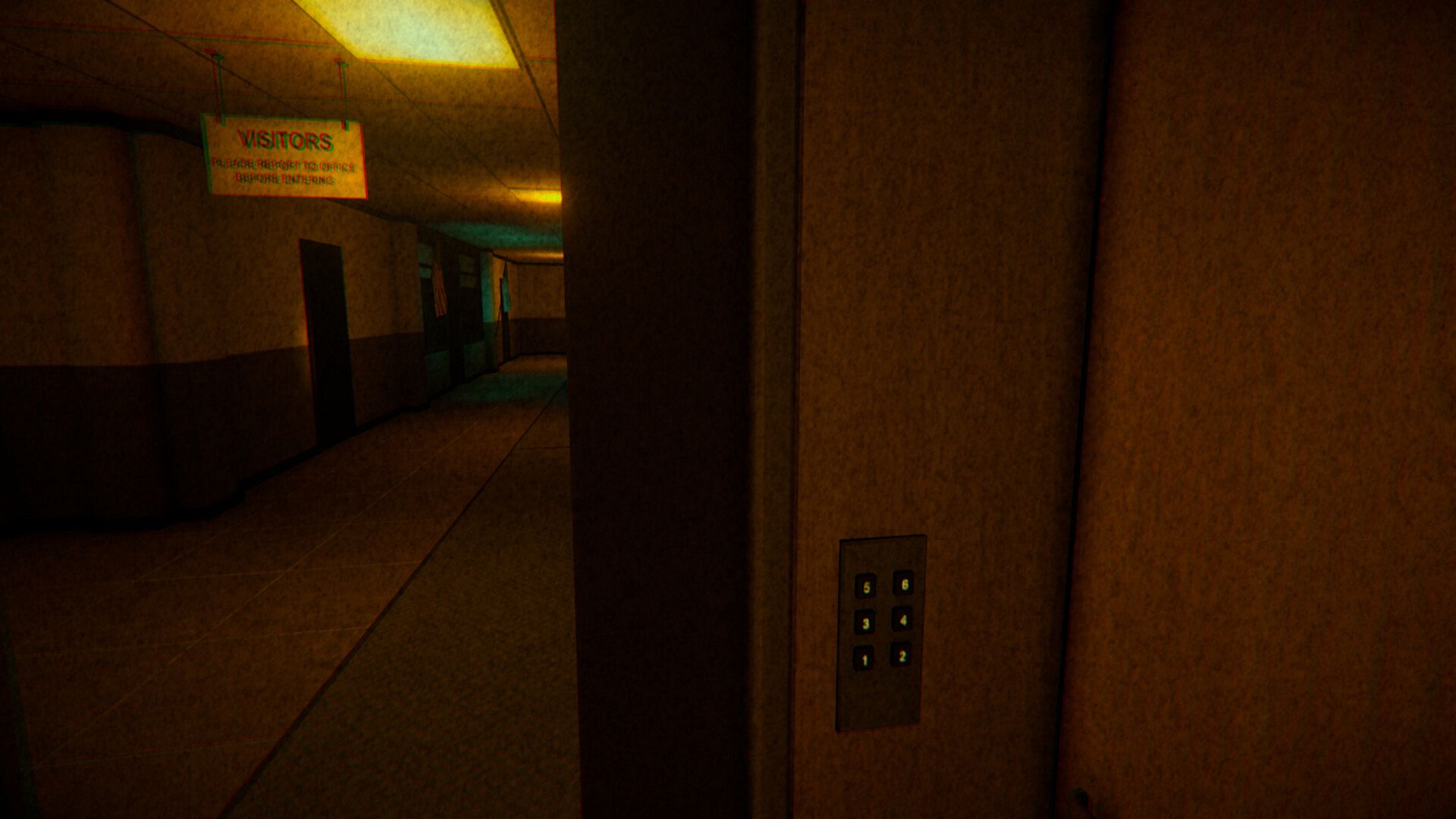
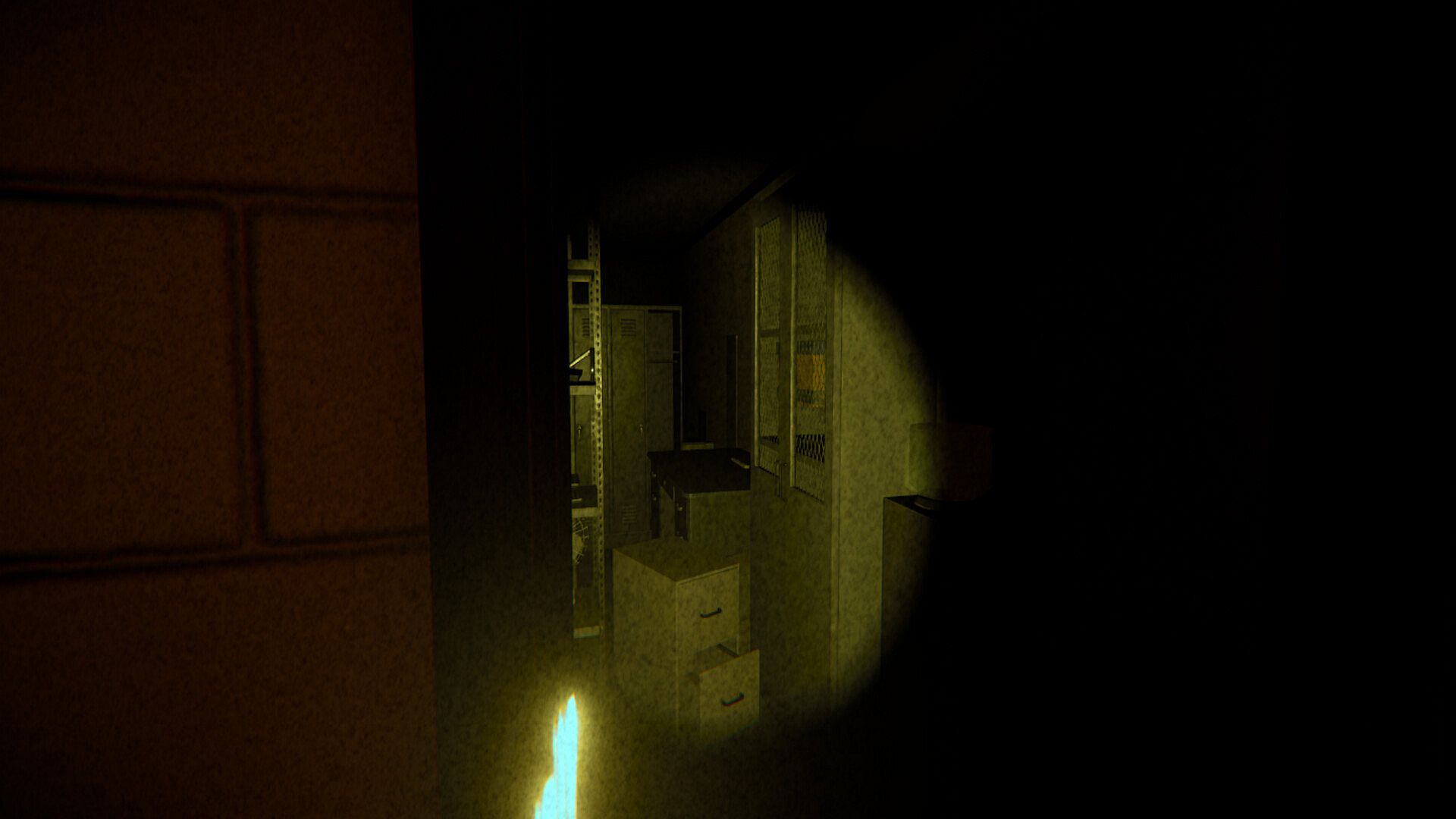
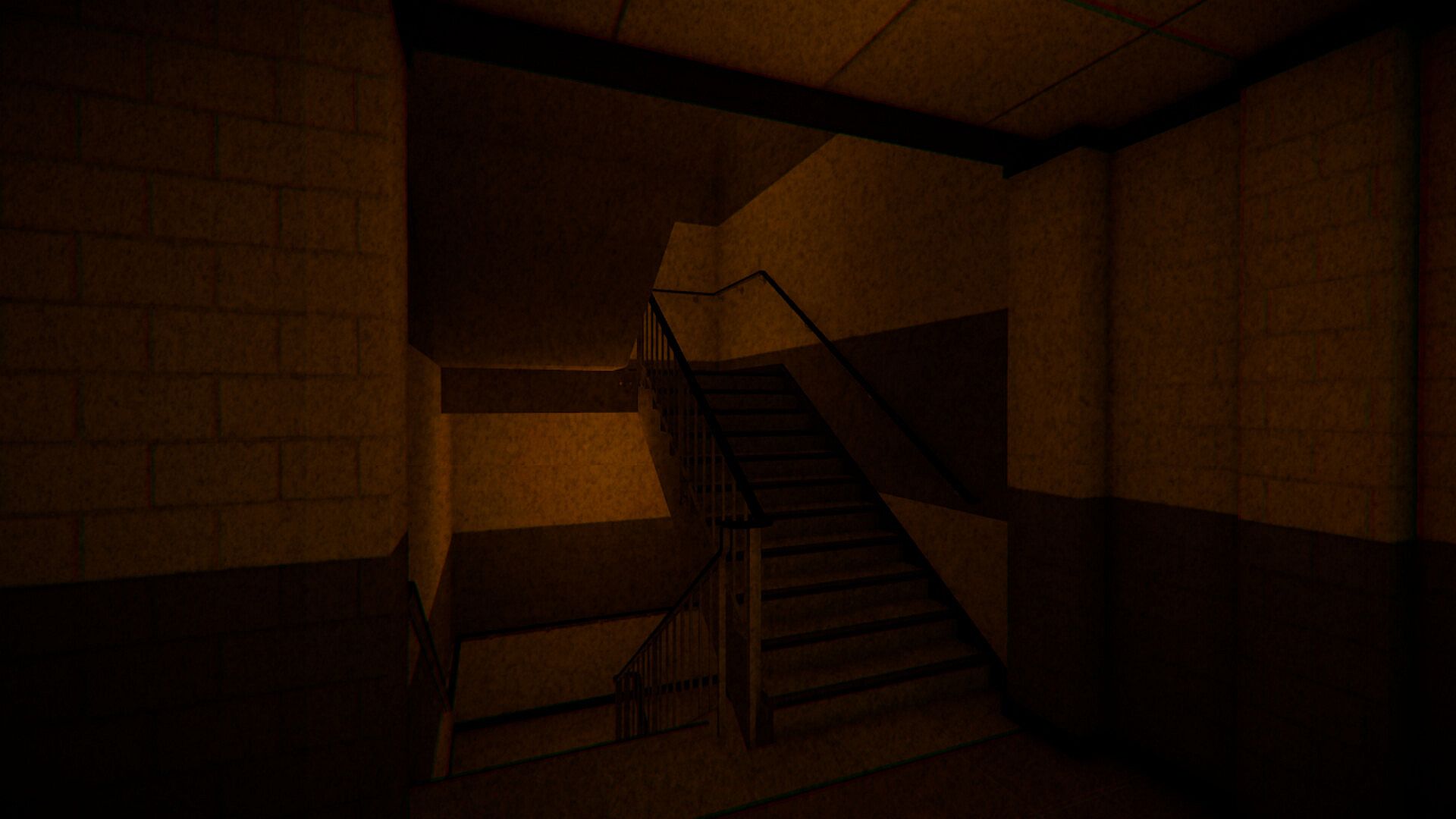
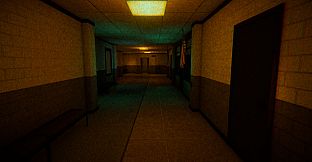
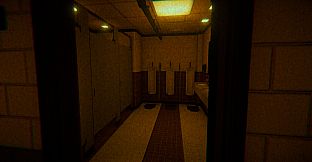
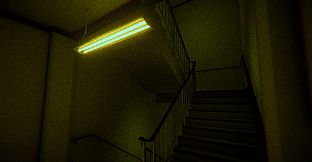
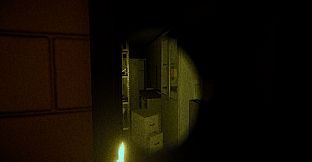
Players are not confined to the desk. Power outages force movement through the station with a flashlight to reach and restart the basement generator. Exploration reveals unsettling figures and environmental details that heighten the sense of isolation. When threats reach the station itself, the game monitors input from a real microphone, requiring players to remain silent to avoid detection.
Resource management and critical timing create constant pressure. Retro computer interfaces and authentic audio design reinforce the claustrophobic atmosphere of the graveyard shift, turning routine procedures into moments of mounting dread.
Game Modes
The game operates as a single continuous narrative experience without separate multiplayer or competitive modes. Branching call narratives form the primary structure, where player decisions determine caller outcomes and broader story developments. Resource allocation and station-based tasks integrate directly into this flow rather than existing as standalone modes.
Exploration segments and power management sequences appear as the night progresses, shifting focus from the terminal to physical movement within the station. The microphone detection system activates during specific high-tension moments, adding a layer of real-world interaction that ties into the overall single-player thriller structure.
Atmosphere and Setting
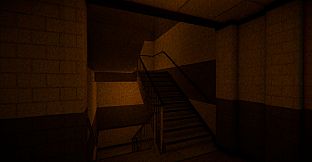
Retro computer systems and detailed sound design establish a heavy sense of isolation. The station itself becomes an active part of the experience, with power failures and mysterious occurrences interrupting dispatch duties. This combination keeps the focus on both external emergencies and the operator's immediate surroundings.
Callers range from those trapped in dark woods to individuals losing their grip on reality, each presenting unique challenges that test quick thinking and resource decisions. The overall tone emphasizes psychological tension over action, building dread through limited information and the weight of choices.
Is It Worth Playing?
Fears to Silence: The Dispatcher suits players who enjoy narrative-driven simulations with strong atmospheric tension and meaningful decision-making. The blend of call management, unit prioritization, and station exploration creates a focused single-player experience that rewards careful attention to dialogue and resource use.
Those drawn to psychological thrillers and realistic emergency operator mechanics will find the core systems engaging, particularly the integration of real microphone input during critical sequences. The indie scope keeps the emphasis on story branches and personal survival rather than expansive content or frequent updates.
Availability is limited to PC, and the title stands alone without confirmed additional seasons or major expansions at this time. It appeals most to fans of deliberate, choice-heavy adventures that prioritize immersion and consequence over fast-paced action.











