





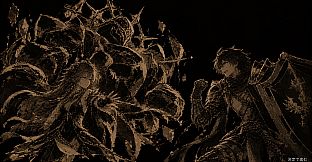
FIVEFOLD is a turn-based strategy indie RPG roguelite built around constructing and refining a party of five characters on PC. The experience centers on tactical combat and build experimentation rather than open-world traversal or resource collection, placing emphasis on how jobs, skills, and positioning interact across repeated runs.
Gameplay
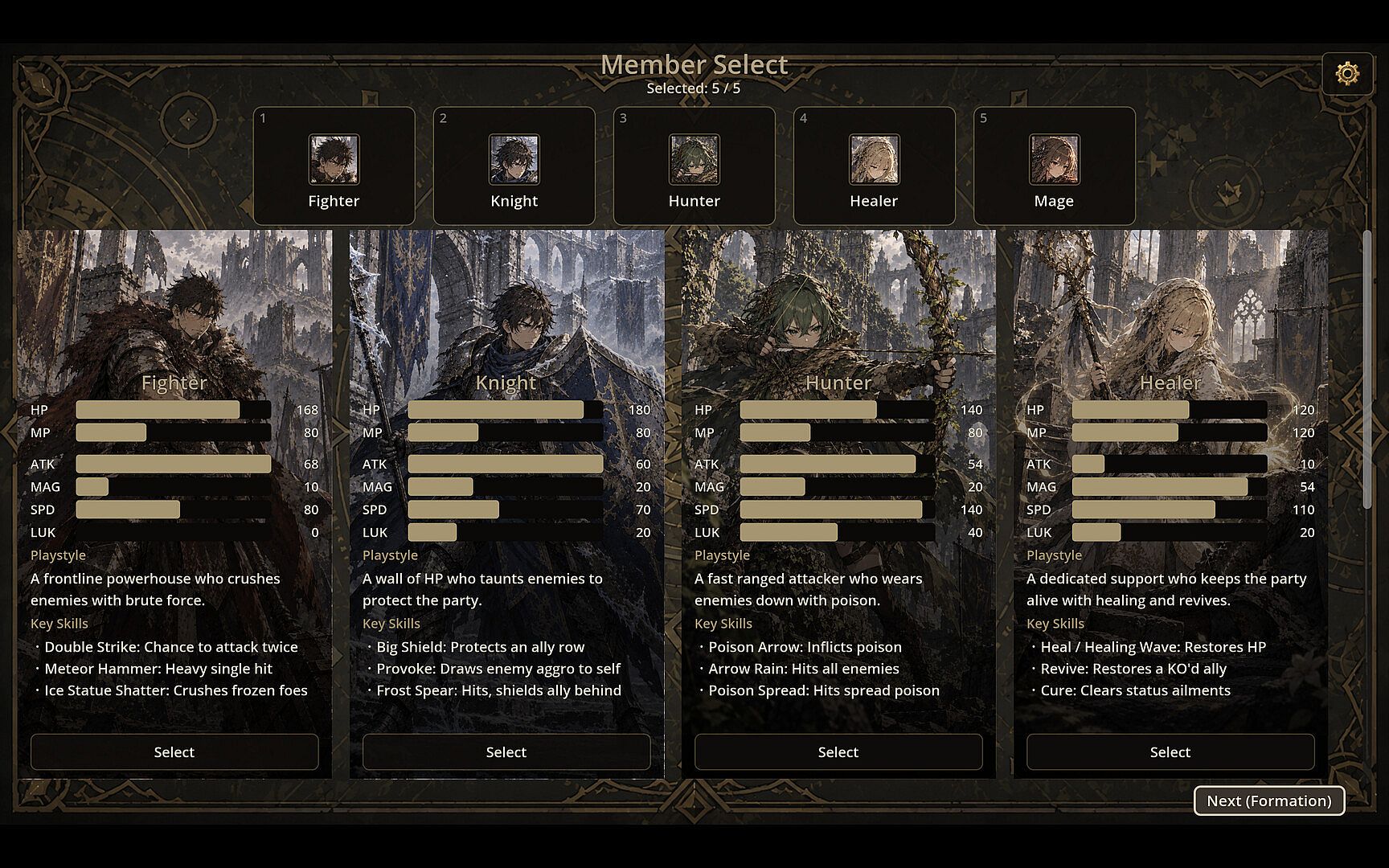
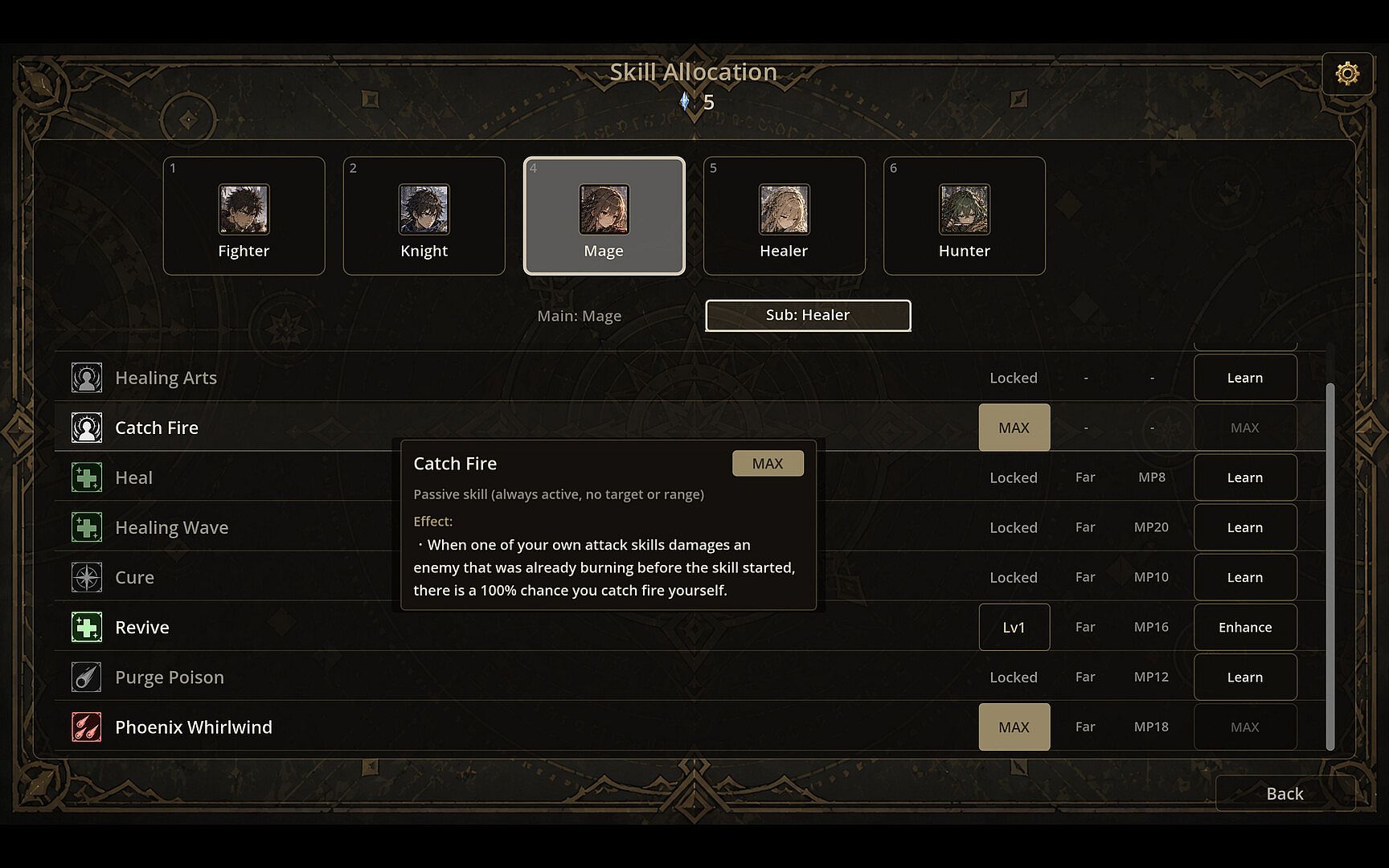
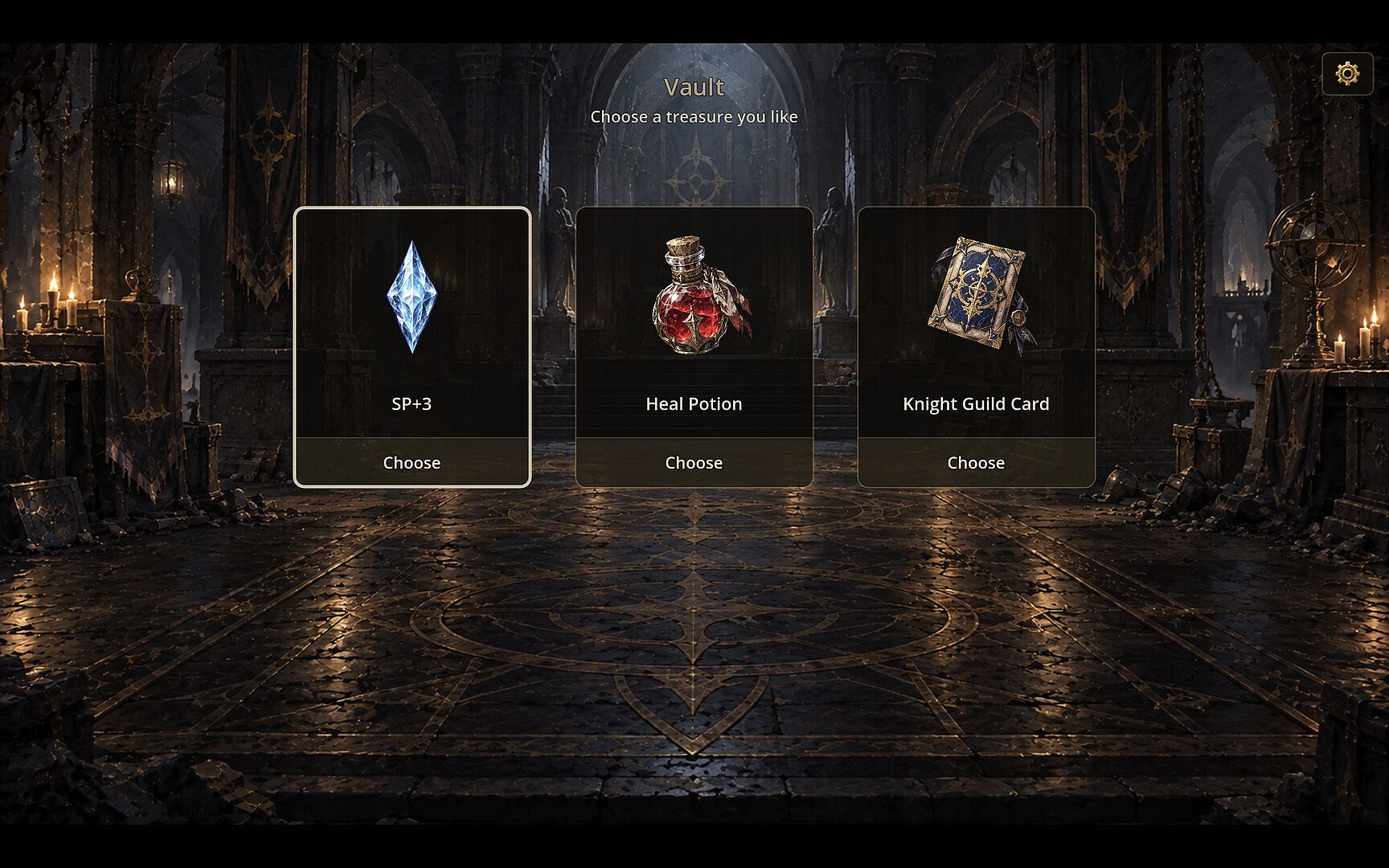
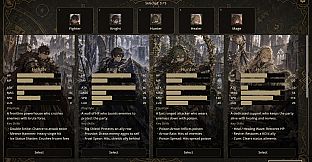
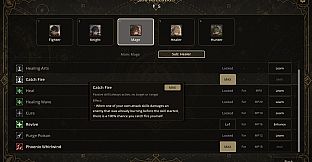
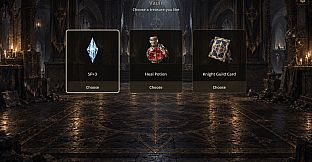
Players select five characters, each tied to a job that defines its core role in battle. These roles support different strategies, such as prioritizing damage output, bolstering defenses, applying status effects, or preparing specific counters. Limited SP restricts skill acquisition and upgrades, forcing choices that account for the entire party rather than isolated character development. Sub jobs become available through Guild Cards encountered during runs, introducing variable combinations that change with each attempt.
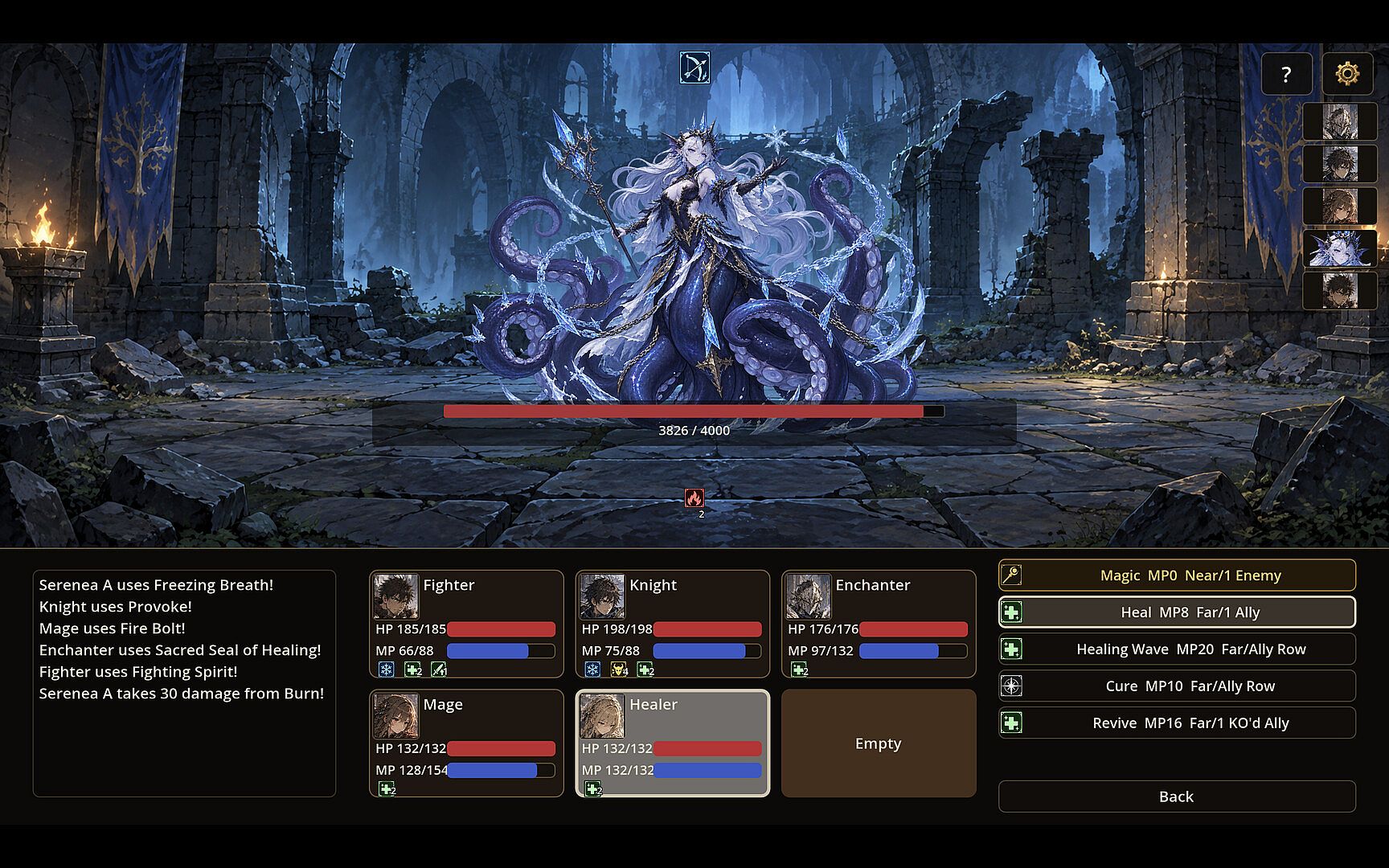
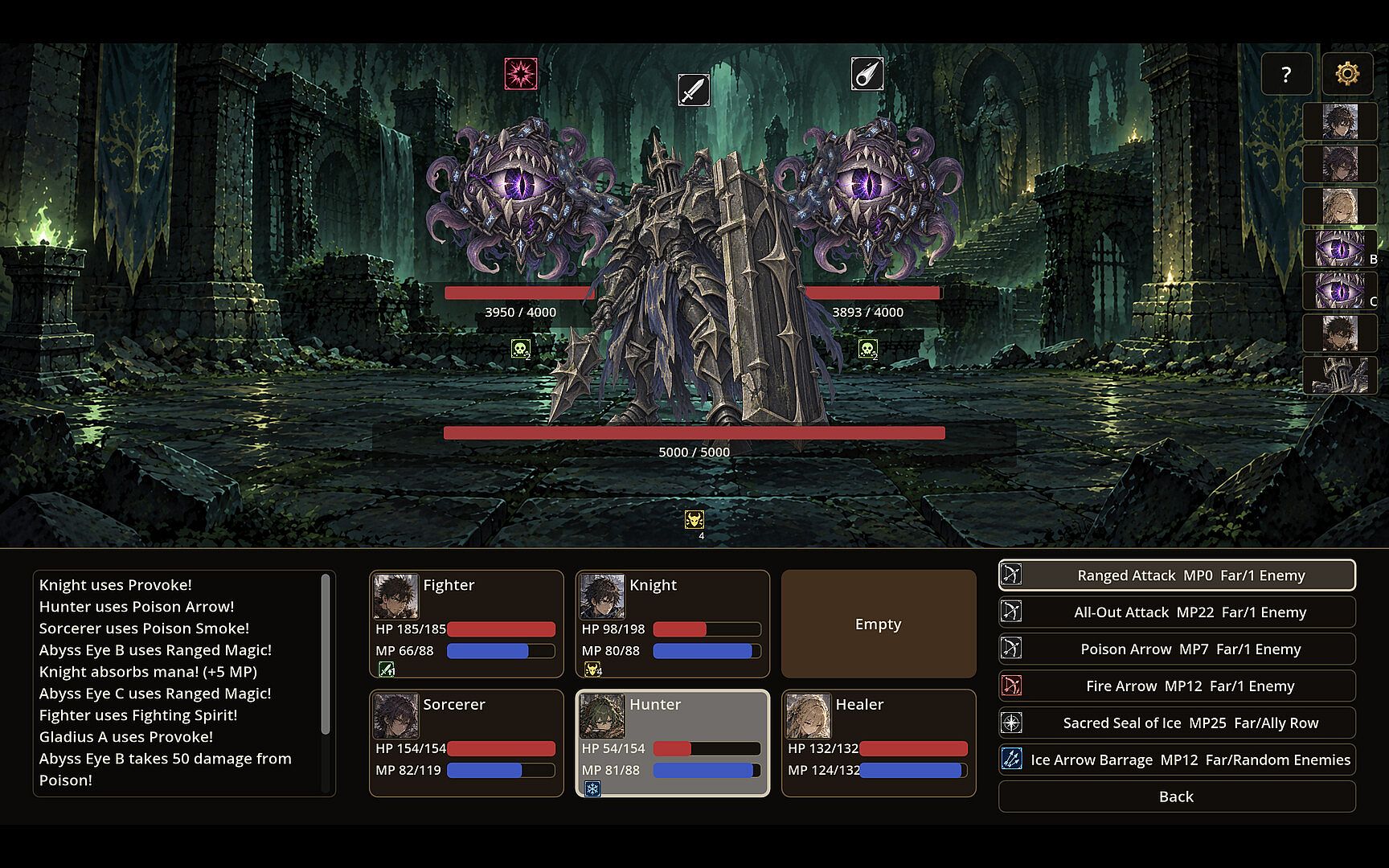
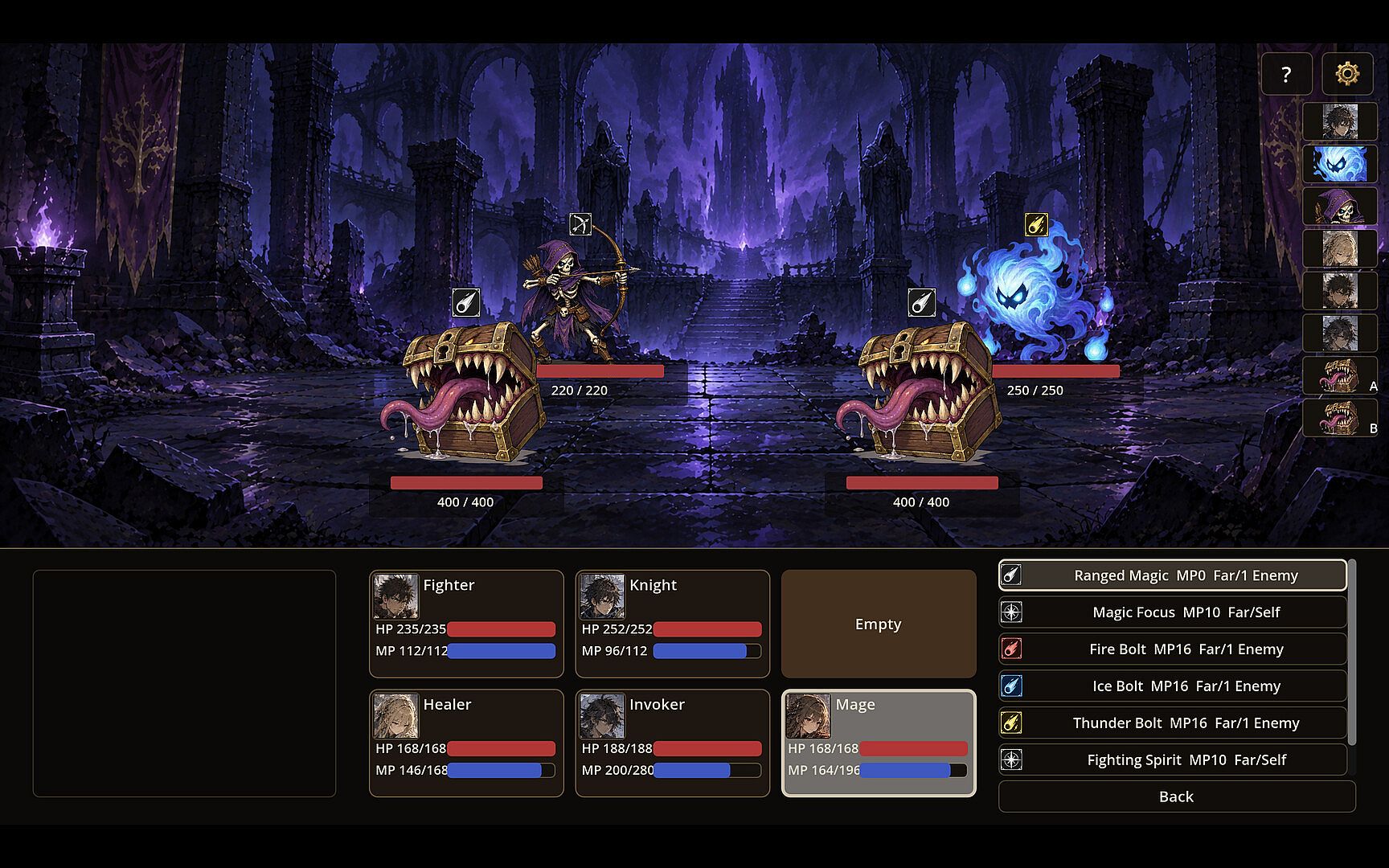
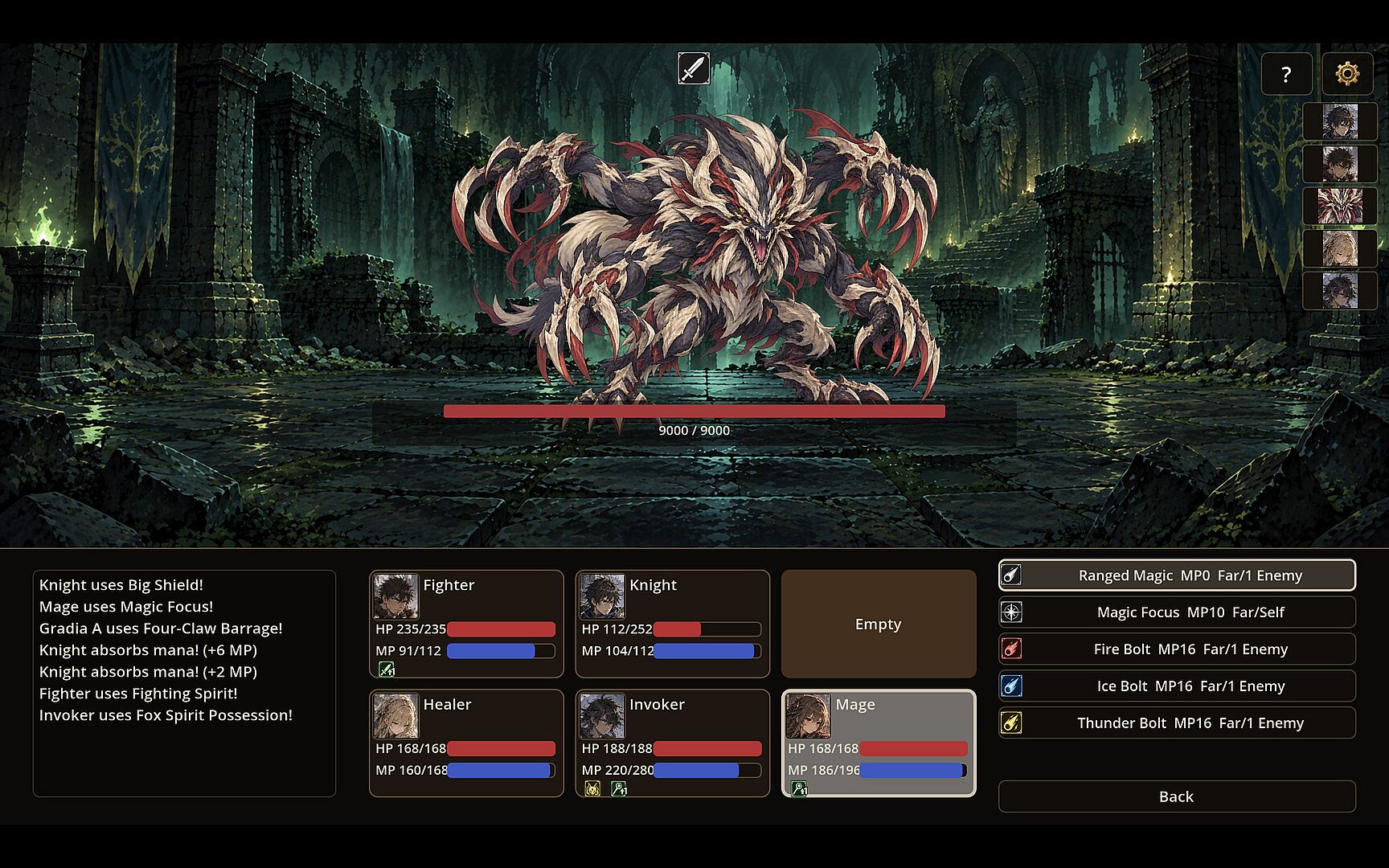
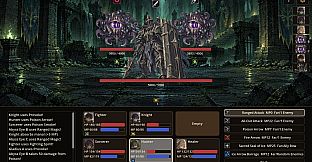
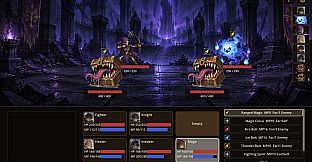
Positioning adds another layer. Characters occupy front or back rows, and this arrangement influences skill ranges, enemy targeting, and interactions between allies. Formations must adapt to the distinct mechanics of opposing forces, which employ physical attacks, elemental damage, status conditions, and formation disruption. Combat resolves through simple rules that reward thoughtful combinations of effects over complex resource management.
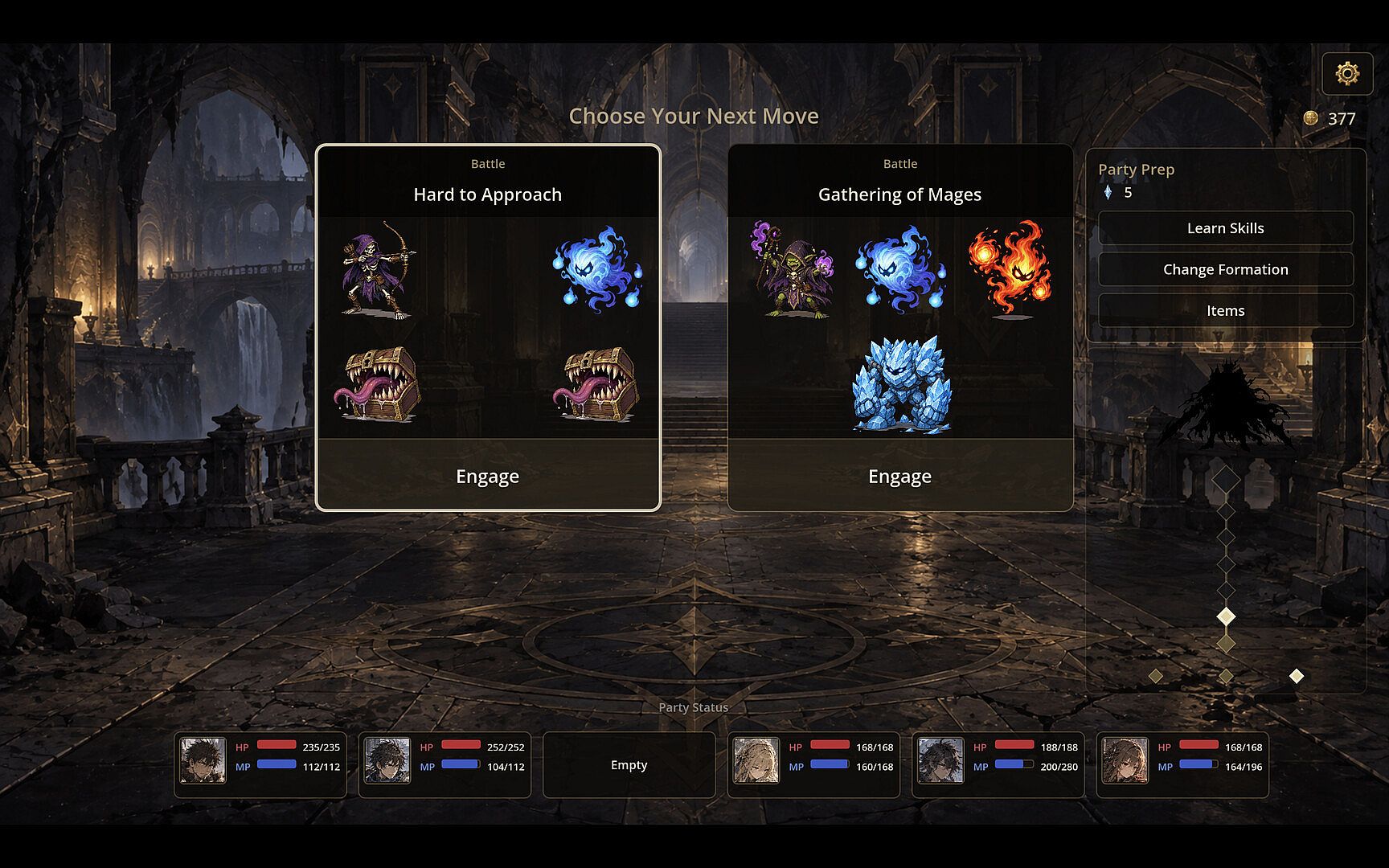
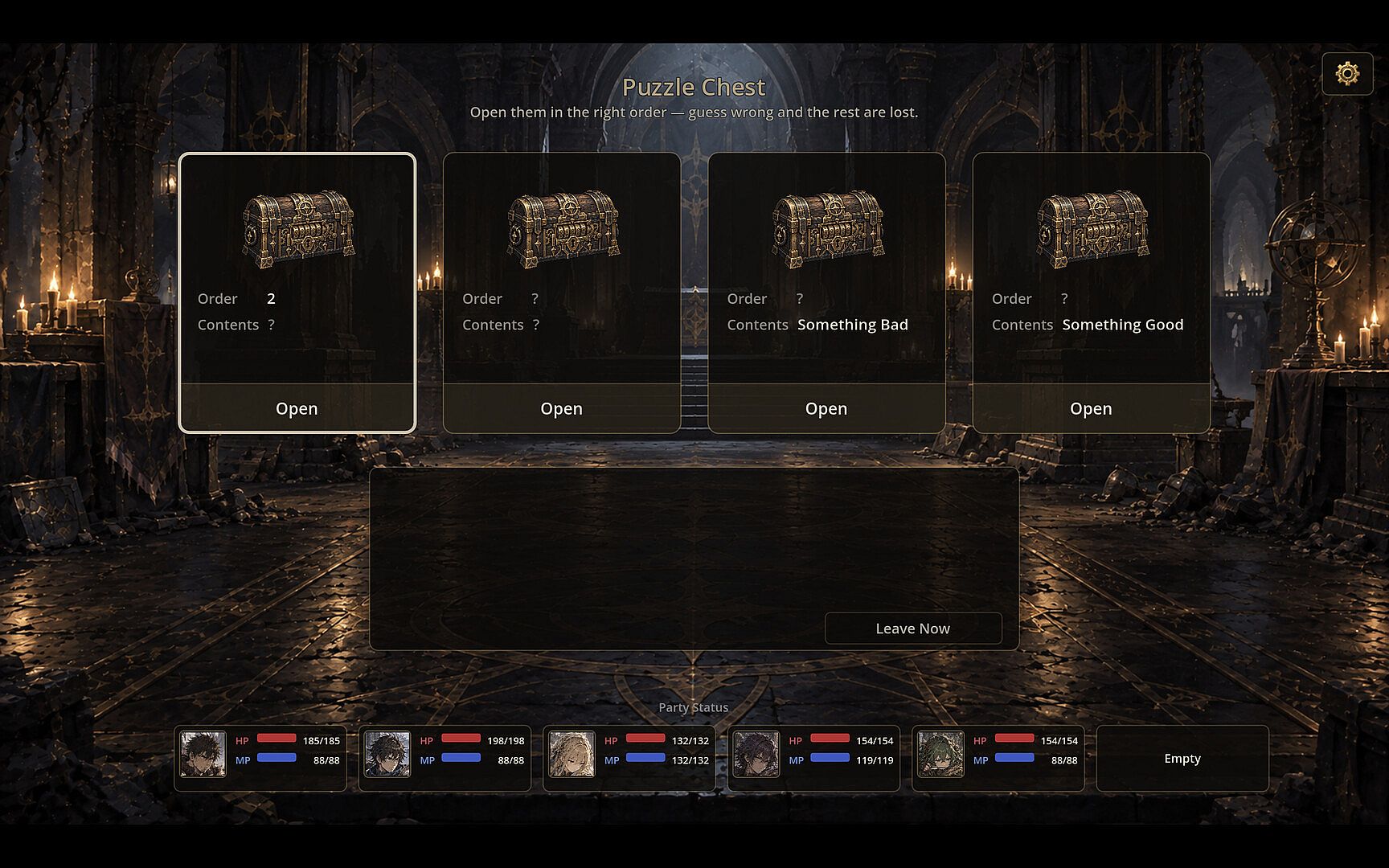
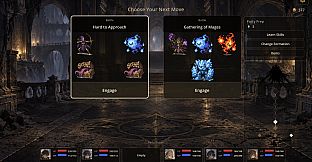
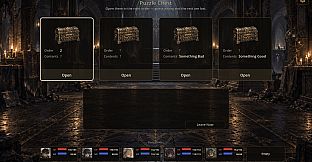
Progression occurs via a sequence of decisions instead of mapped exploration. Runs present options including battles, treasure chests, and shops that gradually shape the party's capabilities. The absence of traditional grinding or dungeon navigation keeps focus on iterative build refinement and adaptation to enemy patterns.
Game Modes
The core structure revolves around individual runs where players assemble parties, allocate skills, and navigate choice-driven encounters. Each run tests different job synergies and sub job options provided by Guild Cards. No separate named modes appear in the design; the single-player loop of party construction, skill shaping, and turn-based confrontation serves as the primary experience. Runs emphasize adaptation over repetition of fixed content, with enemy variety demanding fresh responses in formations and skill selections.
Party Building and Combat Systems
Job selection establishes baseline capabilities, while skill investment and sub job integration create layered builds. The five-character limit encourages holistic planning, as strengths in one area often require complementary coverage elsewhere. Front- and back-row mechanics interact with skill ranges and enemy behaviors, turning positioning into a strategic variable rather than a static choice. Status effects and counters operate under consistent rules, allowing players to anticipate and combine outcomes across multiple turns.
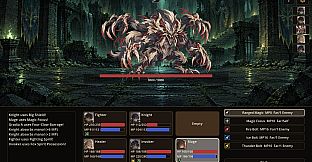
Enemy encounters highlight mechanical differences. Some foes focus on direct damage, others on disrupting arrangements or inflicting conditions that alter combat flow. Learning these patterns informs adjustments to party composition and formation before each confrontation, reinforcing the roguelite emphasis on preparation through prior run knowledge.
Progression and Run Structure
Without exploration or material gathering, advancement stems from cumulative choices across battles and events. Shops and chests offer targeted upgrades that influence skill availability and party roles. The roguelite format means each run resets the build process, yet accumulated understanding of enemy mechanics and effective combinations carries forward. This design prioritizes repeated cycles of experimentation over linear story or collection goals.
Is It Worth Playing?
FIVEFOLD suits players who enjoy deliberate turn-based strategy and party synergy in a roguelite framework. The focus on job combinations, limited skill points, and formation tactics delivers depth for those who prefer planning over action or narrative elements. Absence of exploration keeps sessions centered on combat and build decisions, appealing to fans of compact, replayable strategy experiences. Those seeking expansive worlds or real-time elements may find the structure too narrow, while enthusiasts of tactical party management will find consistent engagement in adapting to distinct enemy mechanics across runs.













