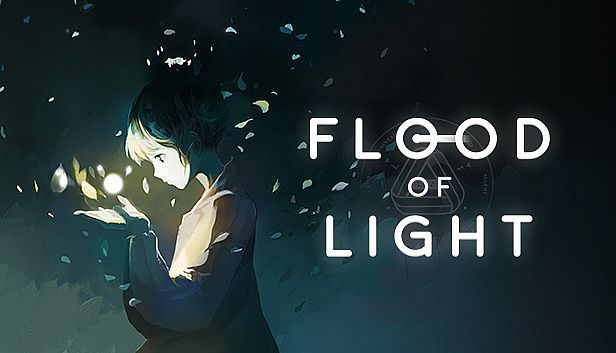













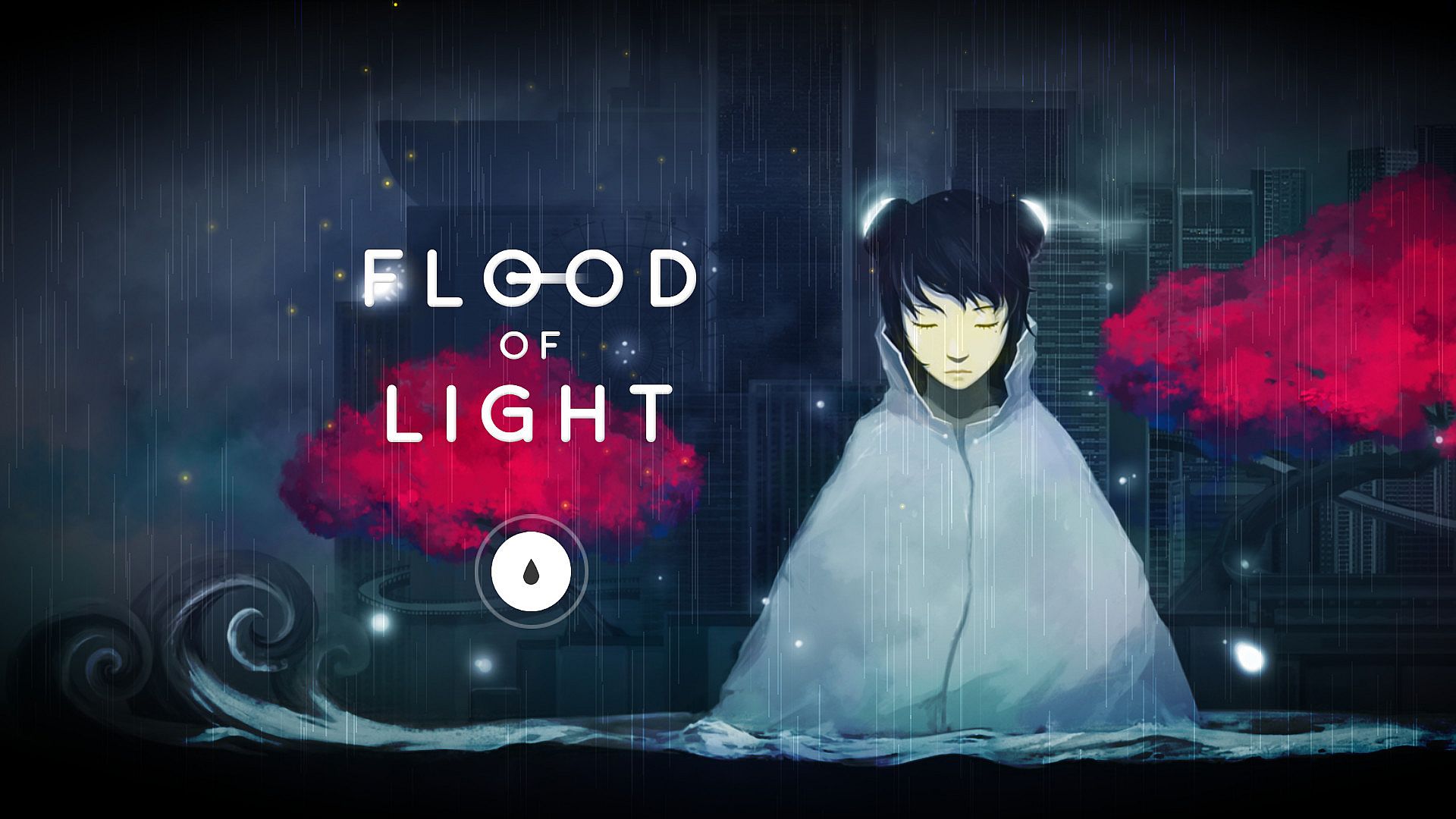
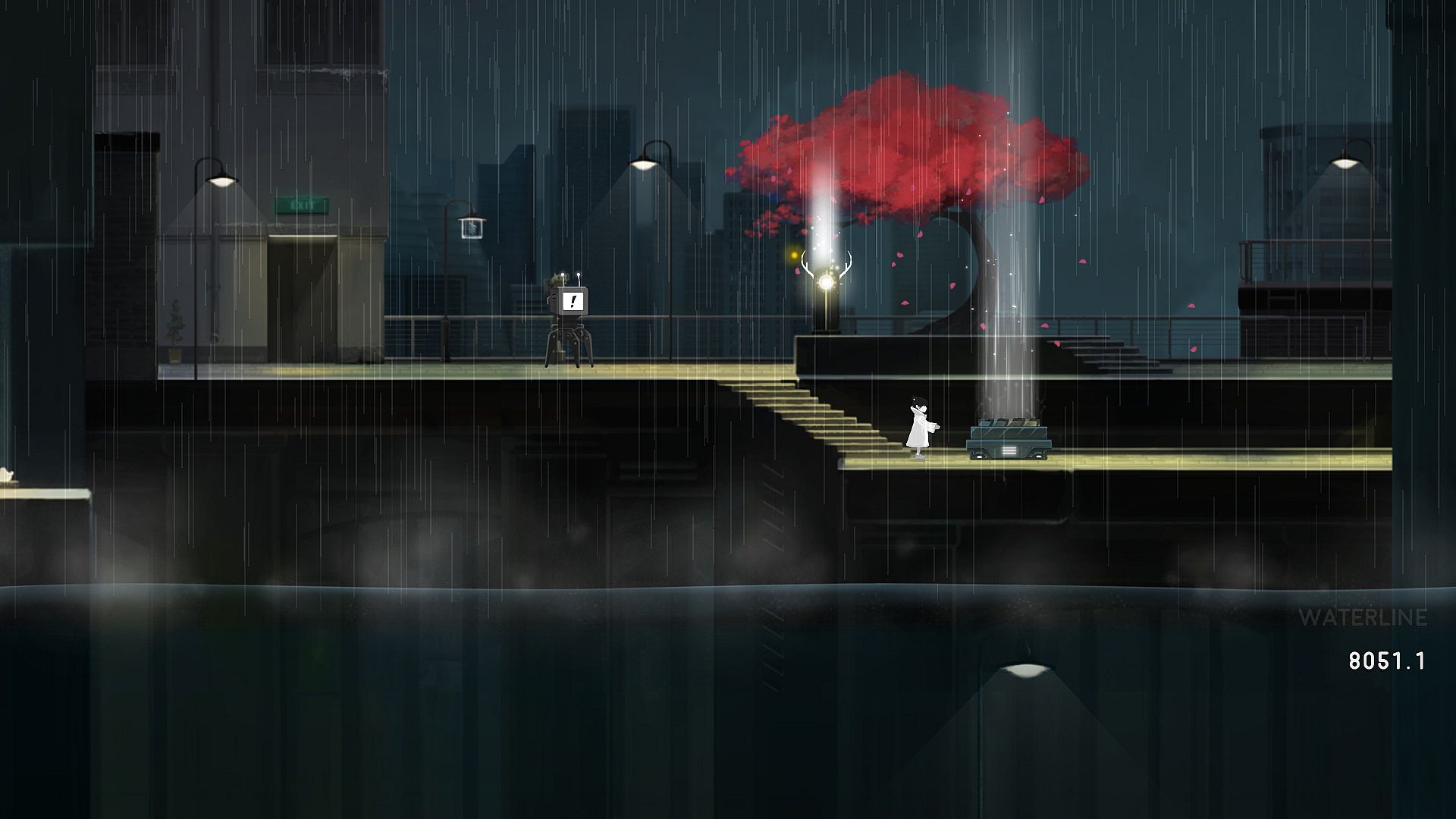
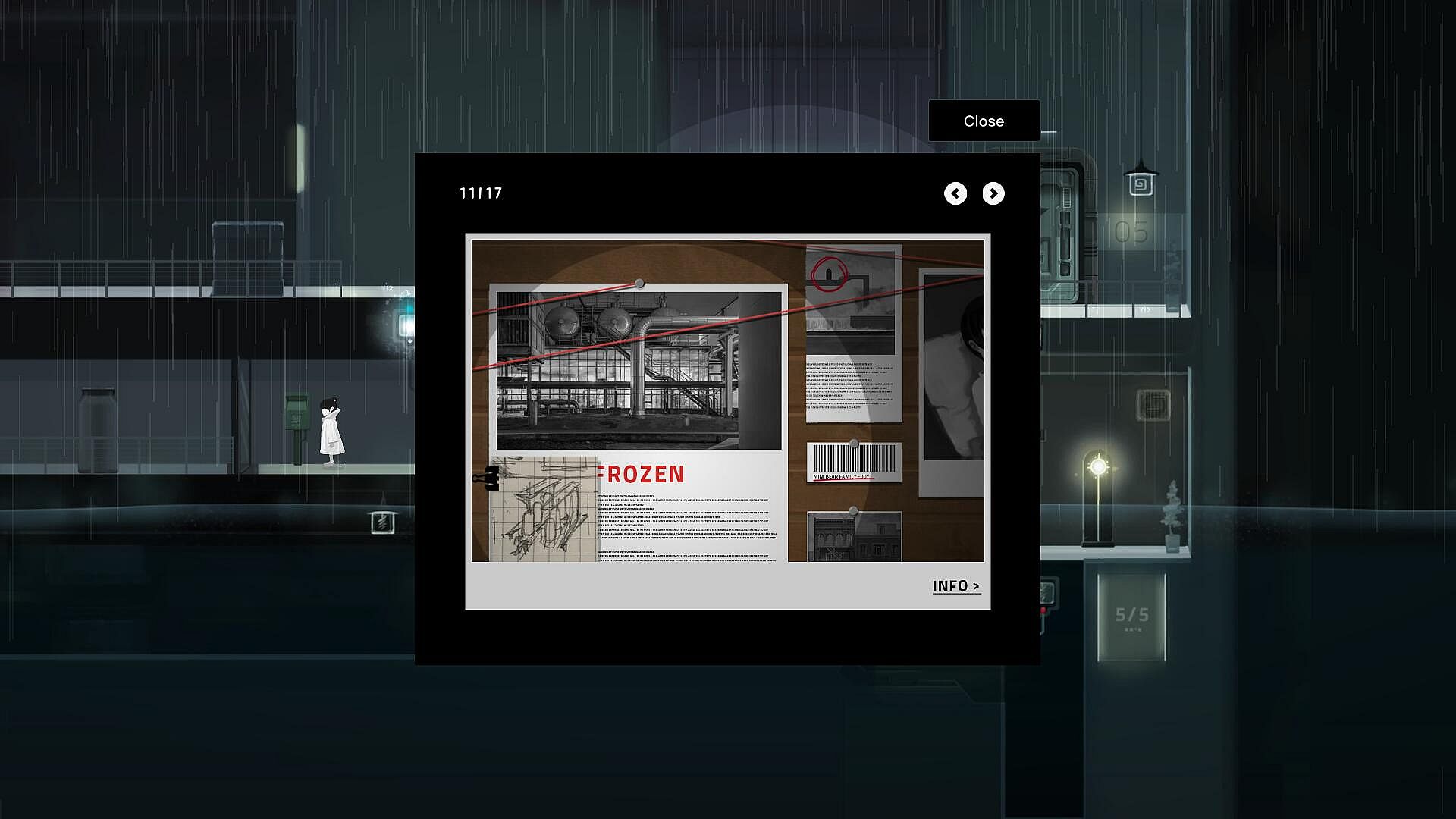
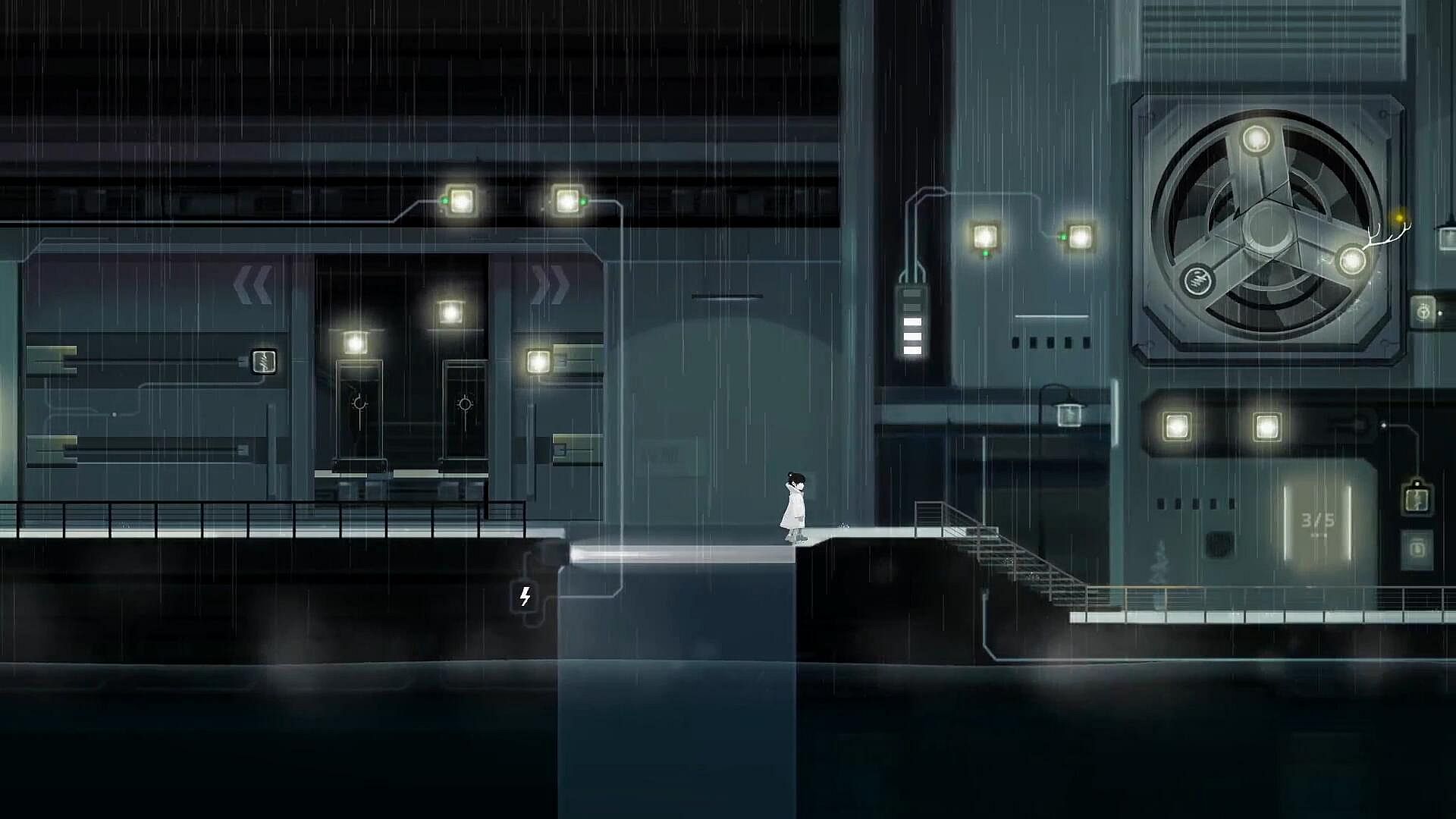
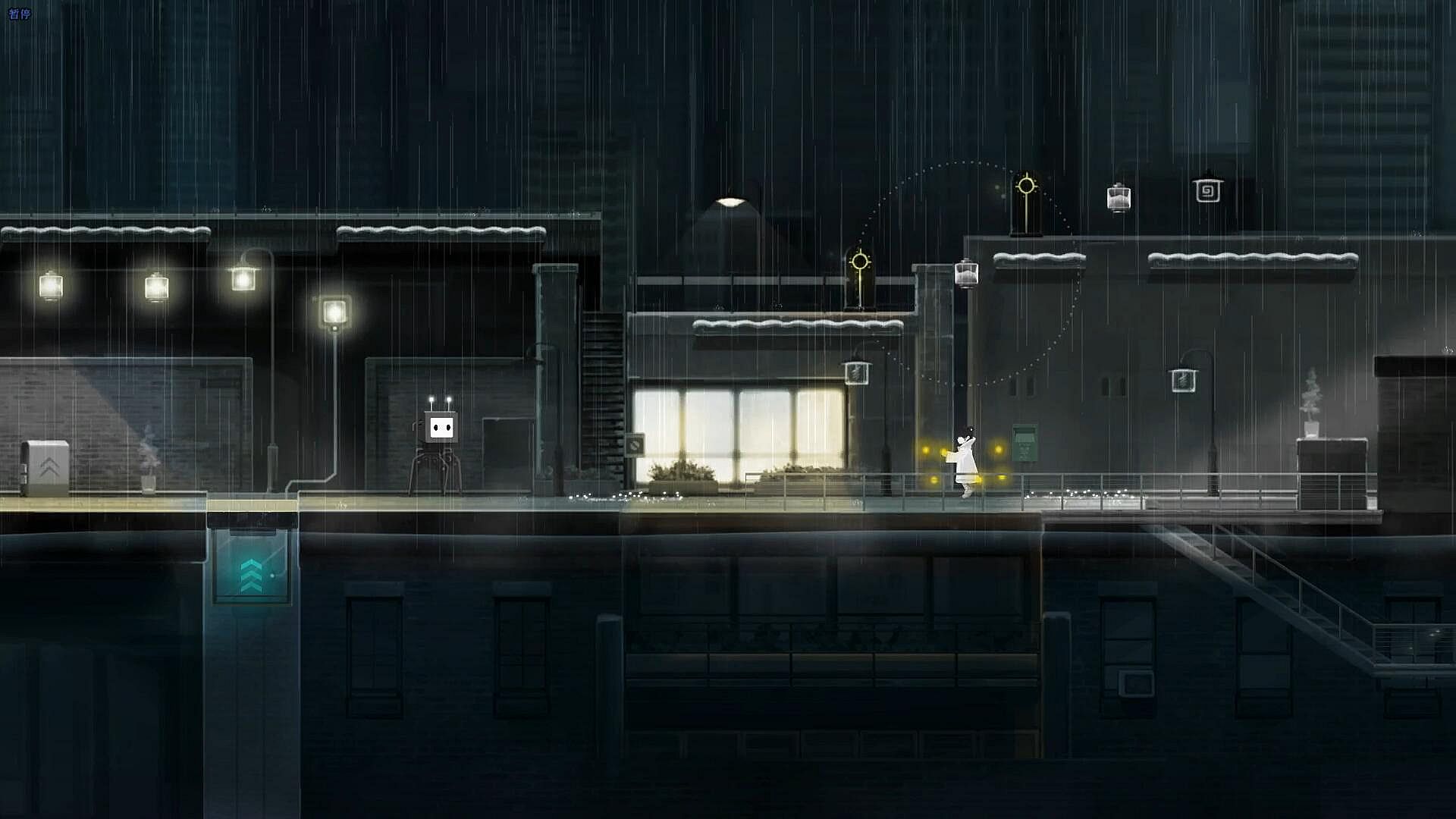
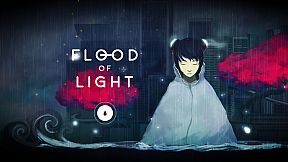
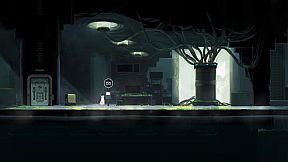
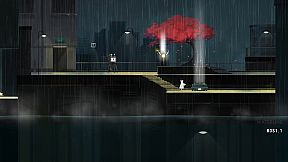
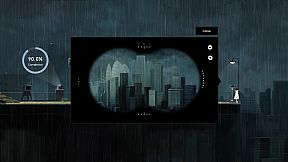
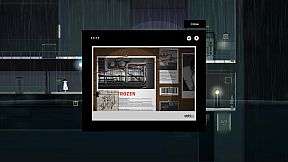
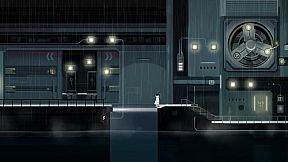
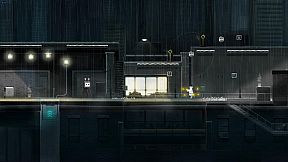
Flood of Light is an indie puzzle adventure game that blends light RPG elements with casual exploration in a single-player experience on PC. Players take control of a mysterious girl wearing a raincoat who arrives in a city overwhelmed by endless rain. The core loop revolves around using a small handheld light to illuminate lamps and stone posts, gradually clearing the floodwaters while uncovering the protagonist's true identity.
Gameplay
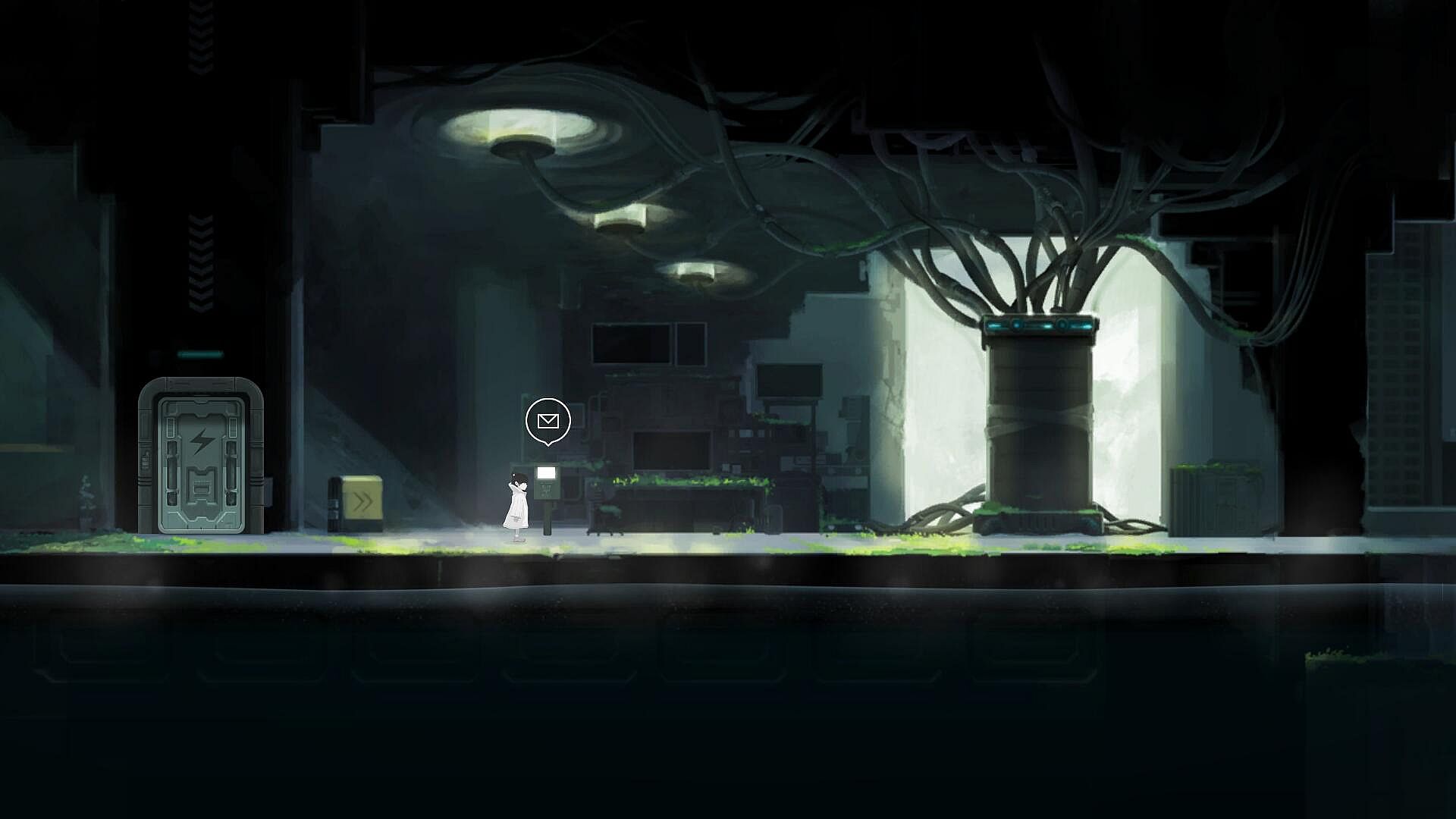
The gameplay centers on deliberate puzzle solving in confined spaces. The girl manipulates orbs of light by collecting them from sources and redistributing them to activate mechanisms. This process involves precise sequences because carrying capacity limits how many orbs can be held at once, forcing players to plan movements carefully without any timing or reflex demands.
Puzzles evolve as progress continues. Solving earlier challenges unlocks new light-based abilities that expand options for later sections. Over 20 unique mechanics appear across the game, keeping the challenges fresh through variations in how light interacts with the environment, doors, lifts, and other elements. Hand-drawn 2D artwork connects every level into a cohesive view of the city that reveals more detail as the rain recedes.
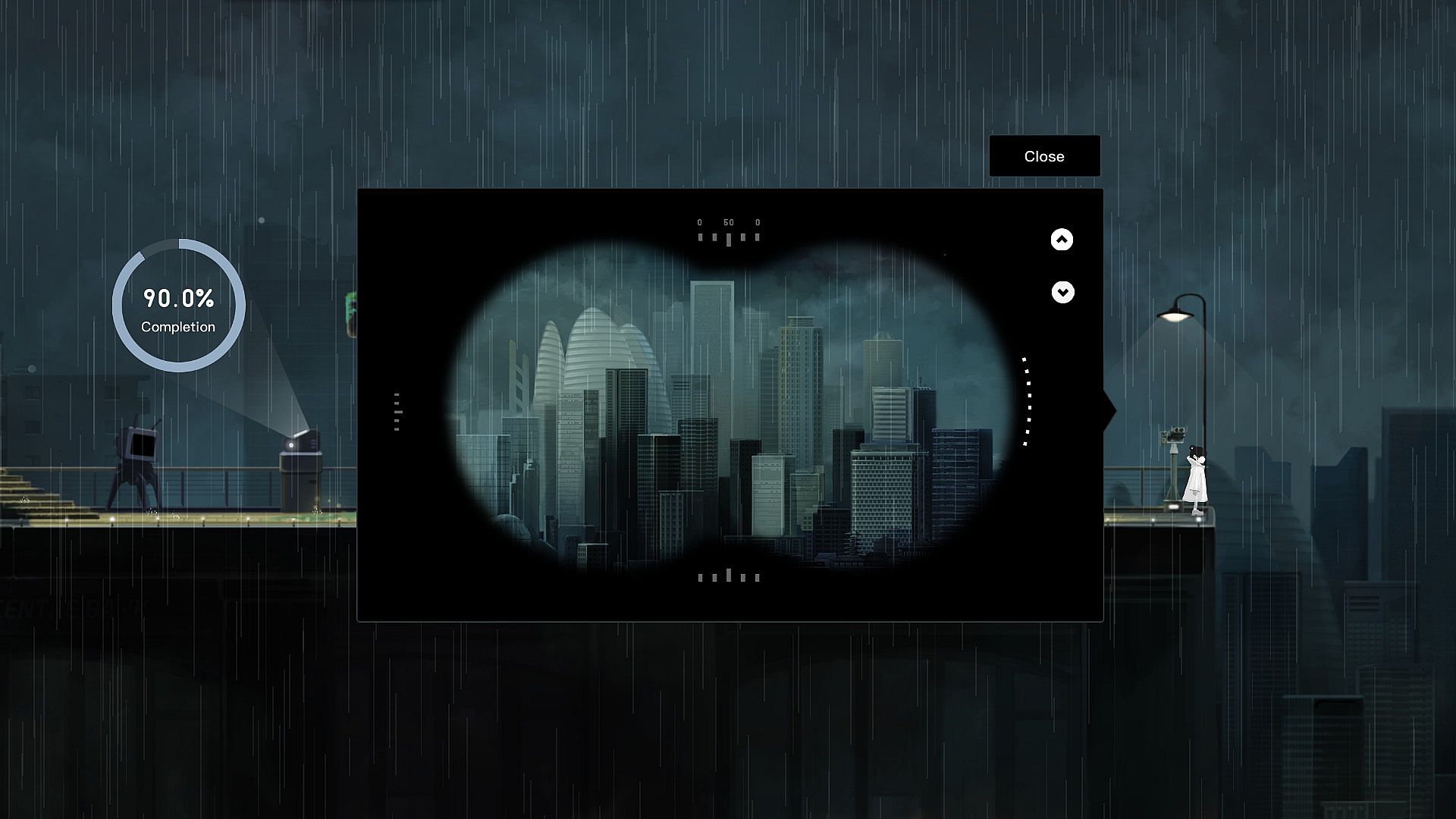
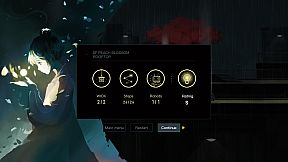
Exploration rewards attention to detail. Hidden collectibles called Wicks appear in many scenes, and gathering them all contributes to understanding the city's backstory. Robots scattered throughout can also be activated, adding another layer of completionist objectives that tie into the narrative of revival.
Game Modes
Flood of Light offers only a single-player campaign divided into nine chapters containing more than 60 distinct levels. There are no competitive or cooperative modes, as the entire experience focuses on solitary puzzle progression and atmospheric discovery.
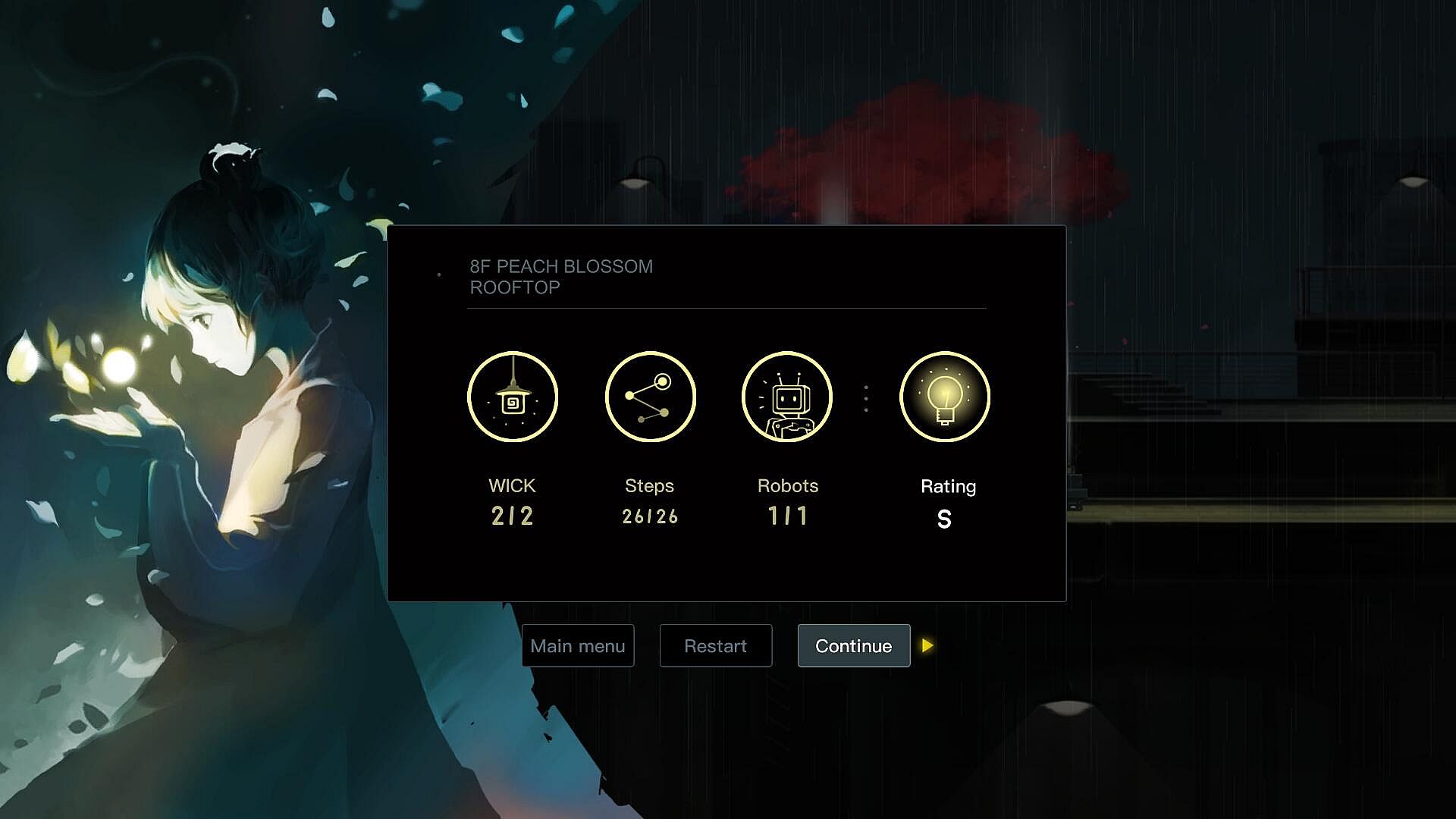
Within the campaign, optional challenges provide additional depth for players seeking mastery. These include collecting every Wick in a given scene, finishing levels using the fewest possible steps, and waking every robot present. Completing three of these objectives in a chapter grants an S-stage rating, encouraging multiple playthroughs of the same content with different priorities.
The structure supports both straightforward completion and deeper engagement. Casual players can advance through the main path while enjoying the hand-drawn visuals and soundtrack, whereas those interested in optimization can revisit sections to refine their approach without altering the core single-player format.
Story and Atmosphere
The narrative unfolds gradually through environmental changes rather than direct exposition. As lamps light up and rain subsides chapter by chapter, the city transforms visually and the girl's background comes into focus. The hand-drawn art style maintains a consistent monochrome tone that shifts subtly with progress, reinforcing the theme of restoration.
Music plays a central role in setting the mood. The score adapts to the quiet, reflective pace of puzzle solving and creates an immersive backdrop that complements the visual progression without overpowering it. This combination makes the game suitable for sessions focused on thoughtful engagement rather than action.
Is It Worth Playing?
Flood of Light received Very Positive reviews from players on its primary distribution platform, with 90 percent approval from over 250 ratings. Reviewers frequently highlight the satisfying progression of light-manipulation puzzles and the cohesive presentation of connected levels that form a larger picture.
The game suits fans of deliberate puzzle adventures who prefer single-player experiences without multiplayer components or live-service elements. Its short-to-medium length and clear mechanical focus make it accessible for casual sessions, while the optional challenges add replay value for completionists. Those who enjoy atmospheric indie titles with evolving puzzle systems will find consistent enjoyment here.
Availability remains straightforward as a complete release from 2017 with no ongoing seasonal content required. The combination of verified puzzle depth, collectible incentives, and positive community feedback supports a recommendation for anyone seeking a focused, self-contained adventure centered on light and restoration themes.