






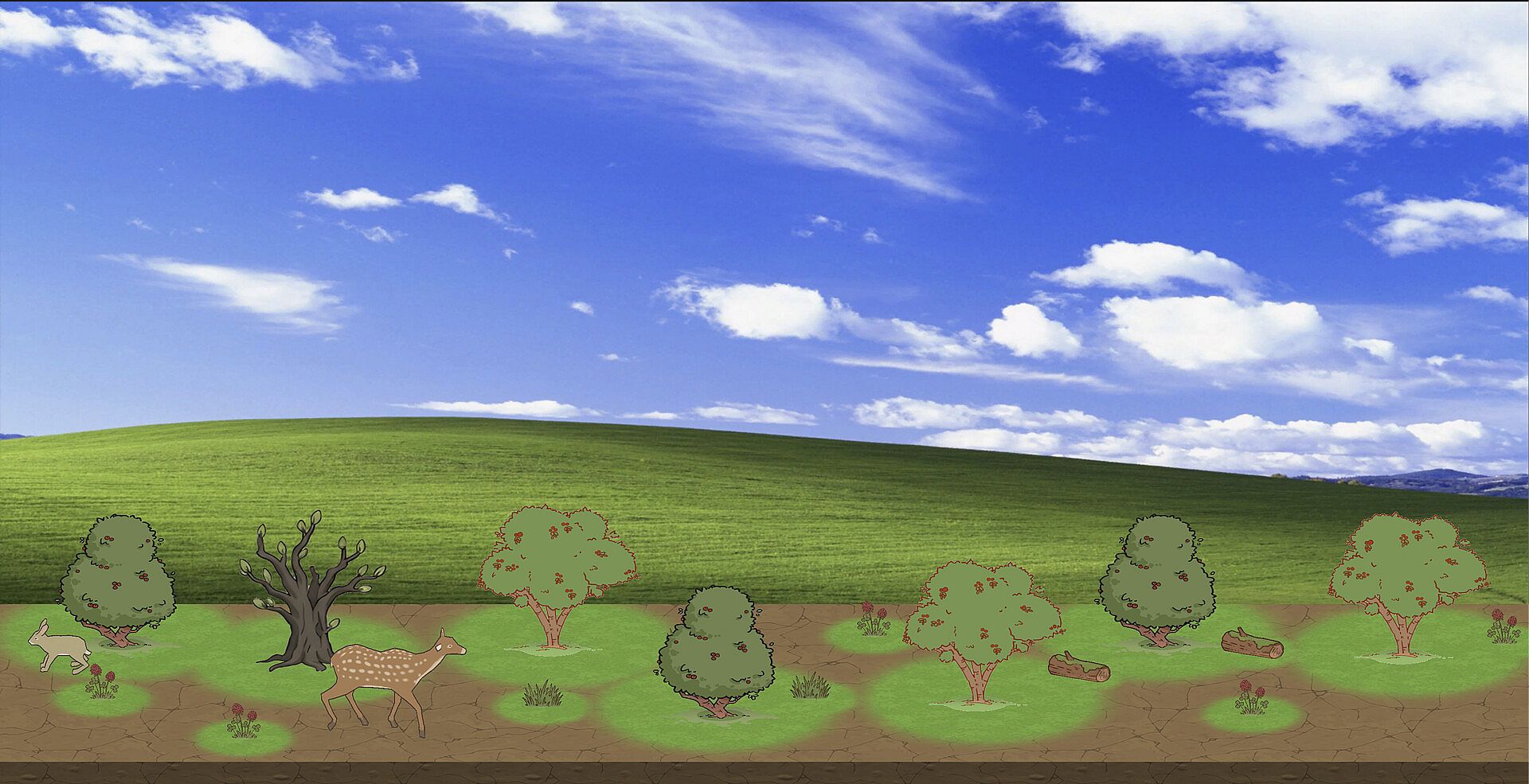
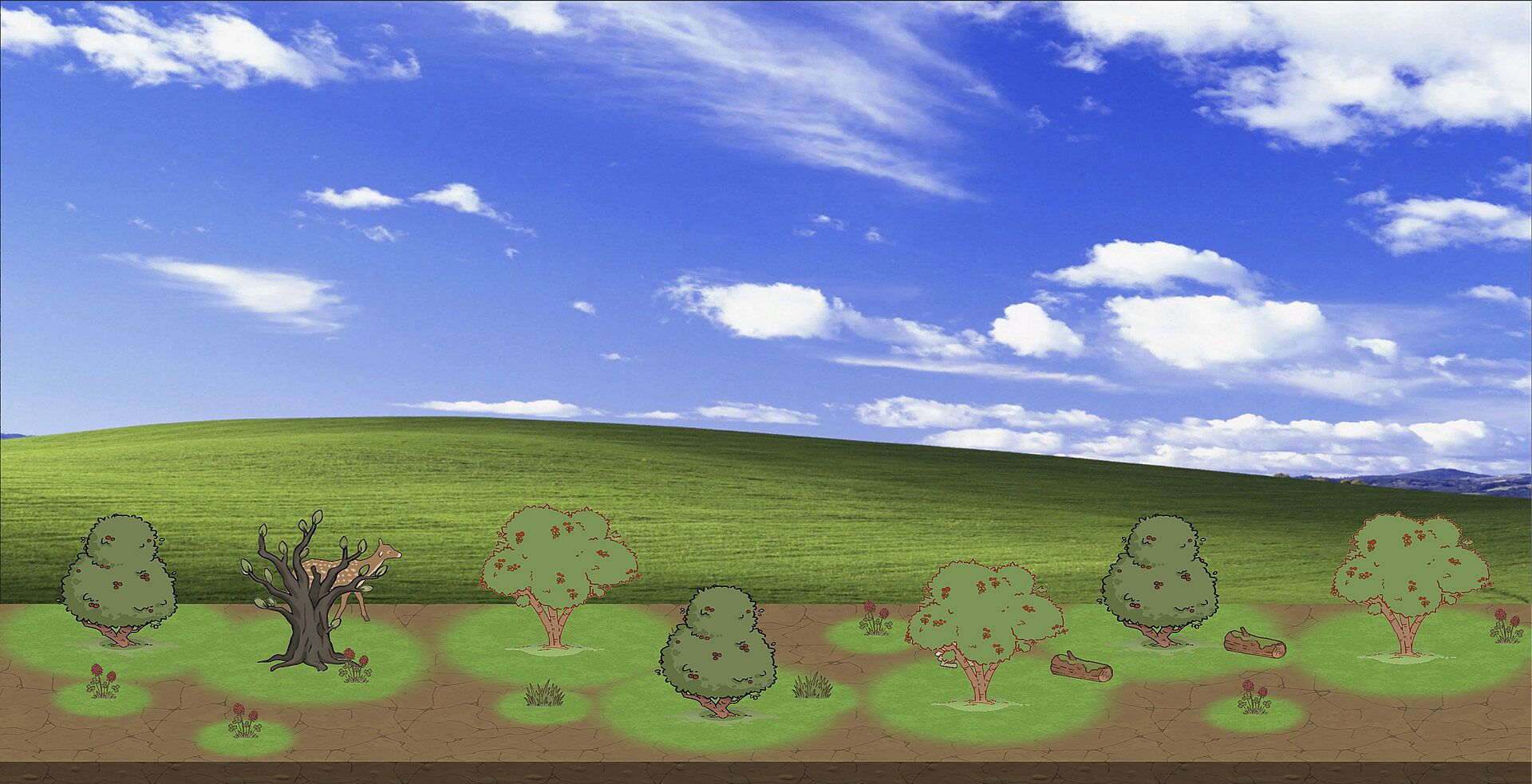
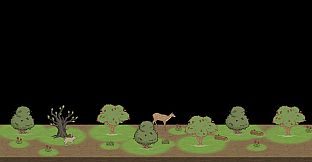
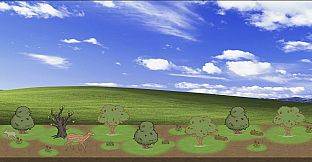
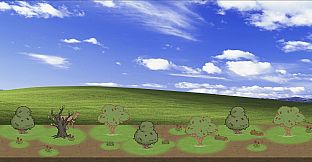
Focus My Deer is an indie casual simulation game developed for PC that blends real-world productivity habits with gentle forest management. Players grow plants and trees by maintaining focus during work sessions, while the expanding environment attracts animals that require care and assistance. A central narrative follows a deer searching for its family, and built-in timers encourage structured work and rest periods. The experience suits anyone seeking a low-pressure way to stay on task while watching a virtual woodland develop over time.
Gameplay
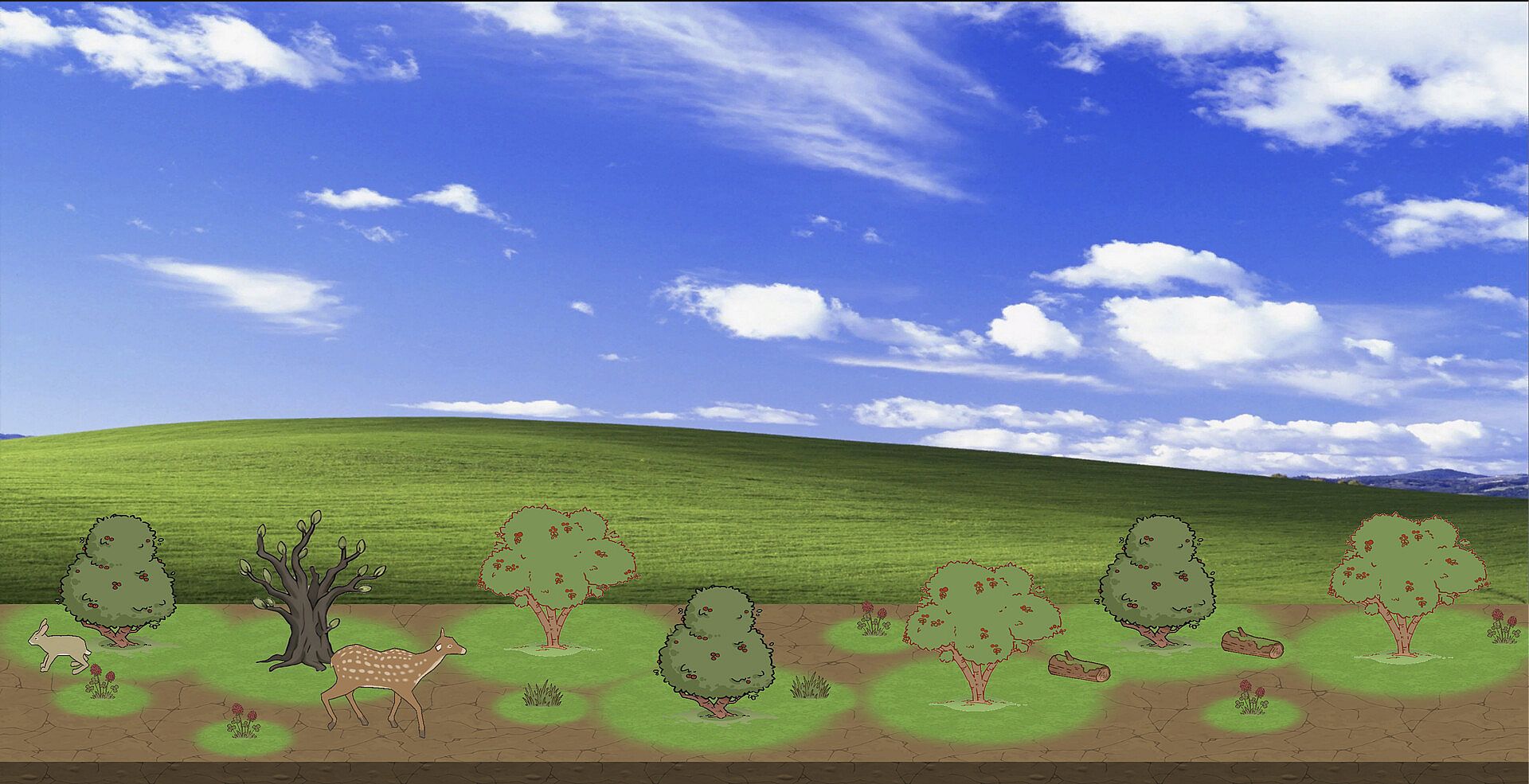
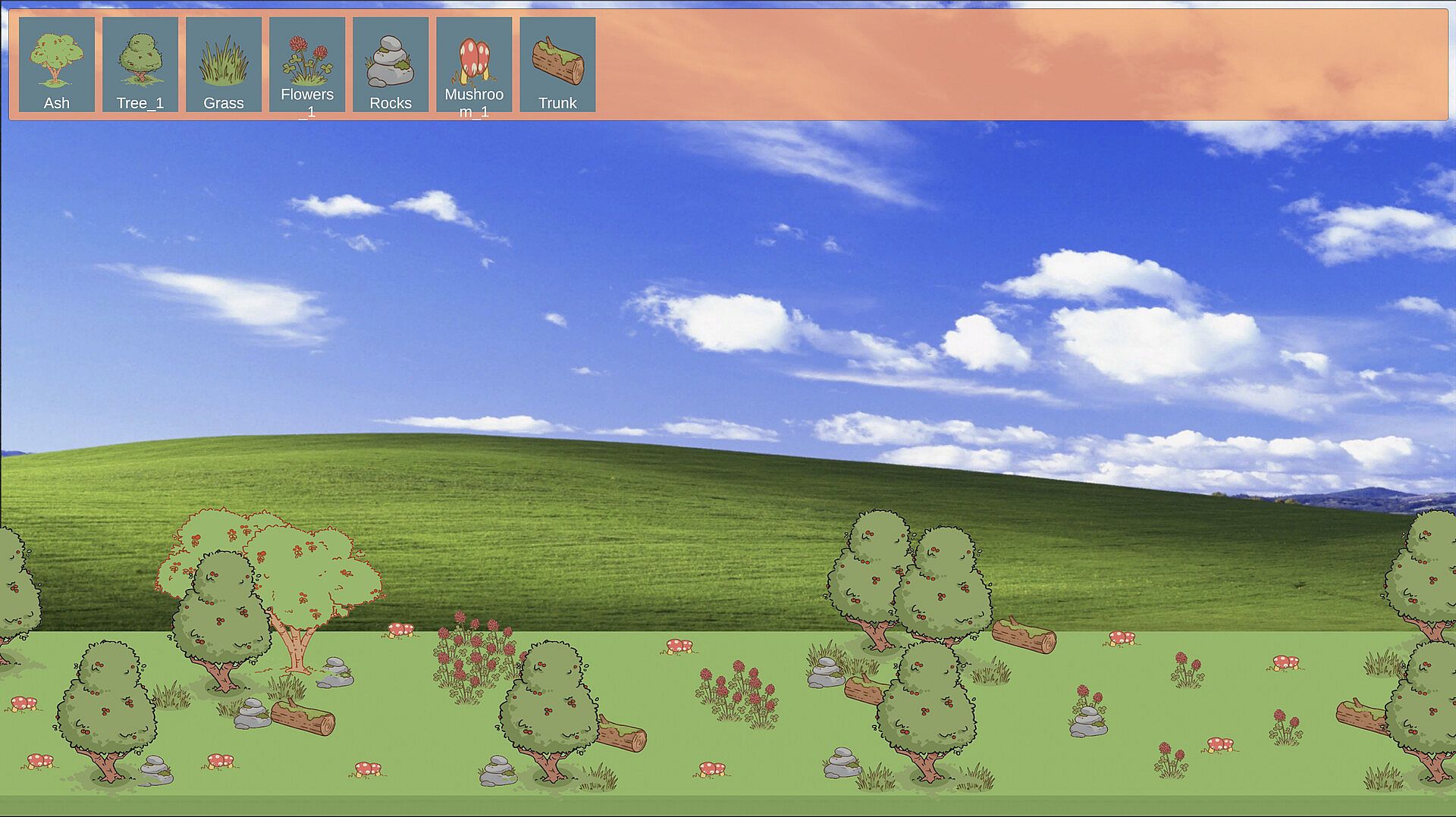
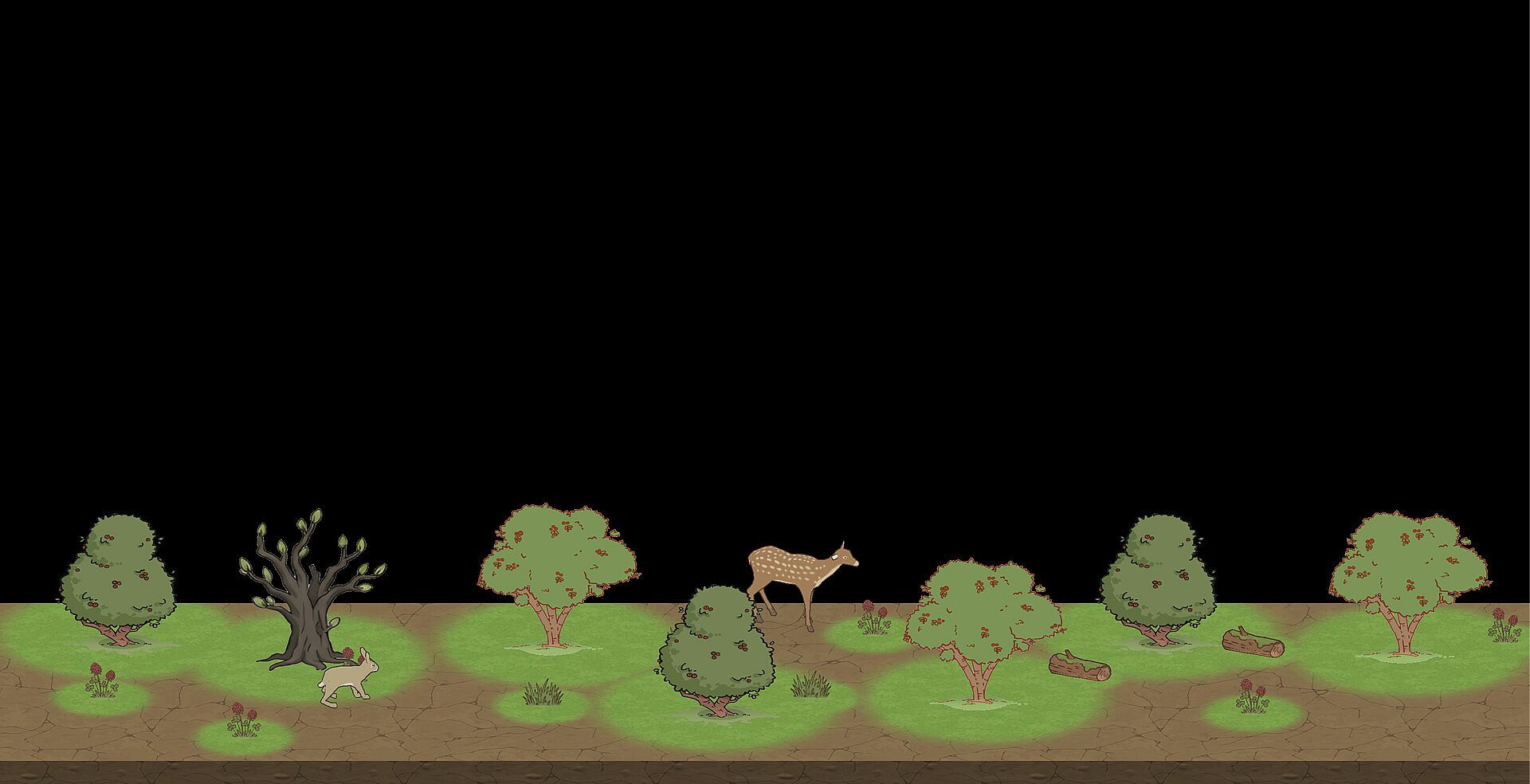
The core loop centers on completing focused work intervals that directly power environmental growth. Energy generated from sustained attention allows players to plant and nurture trees and vegetation across the land. As the forest matures, new wildlife arrives, bringing opportunities to observe and support different species through simple caregiving actions and short quests.
Animal management adds variety without complexity. Each visitor has basic needs that players address by allocating time and resources earned from productivity sessions. Tracking these interactions helps maintain a balanced habitat where creatures thrive and contribute to the overall ecosystem.
The deer storyline provides a gentle narrative thread. Players follow the protagonist's efforts to locate missing family members, with progress tied to forest expansion and animal encounters. This element unfolds gradually alongside daily tasks rather than through separate story chapters.
Productivity tools form an integral part of the simulation. A pomodoro-style timer and break reminders help users structure real-life work, with successful sessions translating into in-game energy. This system rewards consistent habits while keeping the virtual world responsive to actual player routines.
Game Modes
Focus My Deer operates as a single-player experience without separate competitive or multiplayer modes. The entire game revolves around personal progress in forest development and task management, allowing uninterrupted focus on individual goals and the unfolding deer narrative.
Progression remains open-ended. Players advance by completing work sessions, expanding the habitat, and resolving animal quests at their own pace. No time-limited events or alternate scenarios exist to alter the core loop, keeping the emphasis on steady, mindful play.
Core Mechanics and Progression
Forest growth serves as the primary visual feedback for productivity. Each focused interval contributes energy that players direct toward specific plants or areas, creating a tangible record of effort over multiple sessions. Larger forests unlock additional animal types and more involved caregiving options.
Quest assistance for visiting animals encourages regular check-ins. These tasks range from providing food or shelter to helping with minor environmental needs, all resolved through the same energy system that drives plant growth. Completing them deepens the sense of stewardship without introducing complex systems.
The pomodoro and break timer integrate seamlessly into daily use. Players set work durations and rest intervals that align with personal schedules, receiving both real-world structure and in-game rewards. This dual benefit makes the simulation practical for extended use beyond initial play sessions.
Is It Worth Playing?
Focus My Deer appeals most to individuals who enjoy calm simulation games combined with built-in productivity support. Its straightforward mechanics reward consistent real-life habits with visible environmental changes and a light story element, making it suitable for those looking to build or maintain focus routines in an engaging format.
The game remains in development with a planned release in the first quarter of 2027. At this stage, interested players can follow updates through official channels to learn more about final features and any adjustments prior to launch. Those drawn to relaxed indie simulations with practical tools may find the concept promising once it becomes available.
Overall, the title targets a niche audience seeking a productive twist on casual gameplay. Its emphasis on steady progress rather than high-stakes challenges positions it as a potential daily companion for focused work rather than a traditional entertainment experience.











