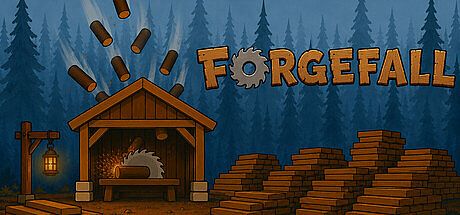


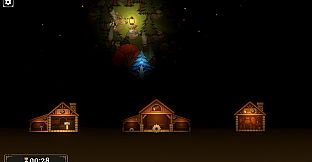
Forgefall is a simulation game built around incremental progression and precise cursor controls. Players guide a lantern through a scrolling forest, breaking objects to gather resources while managing limited fuel. The core loop revolves around directing materials toward processing buildings that refine raw inputs into higher-value outputs, all before the light expires and the run ends.
Gameplay
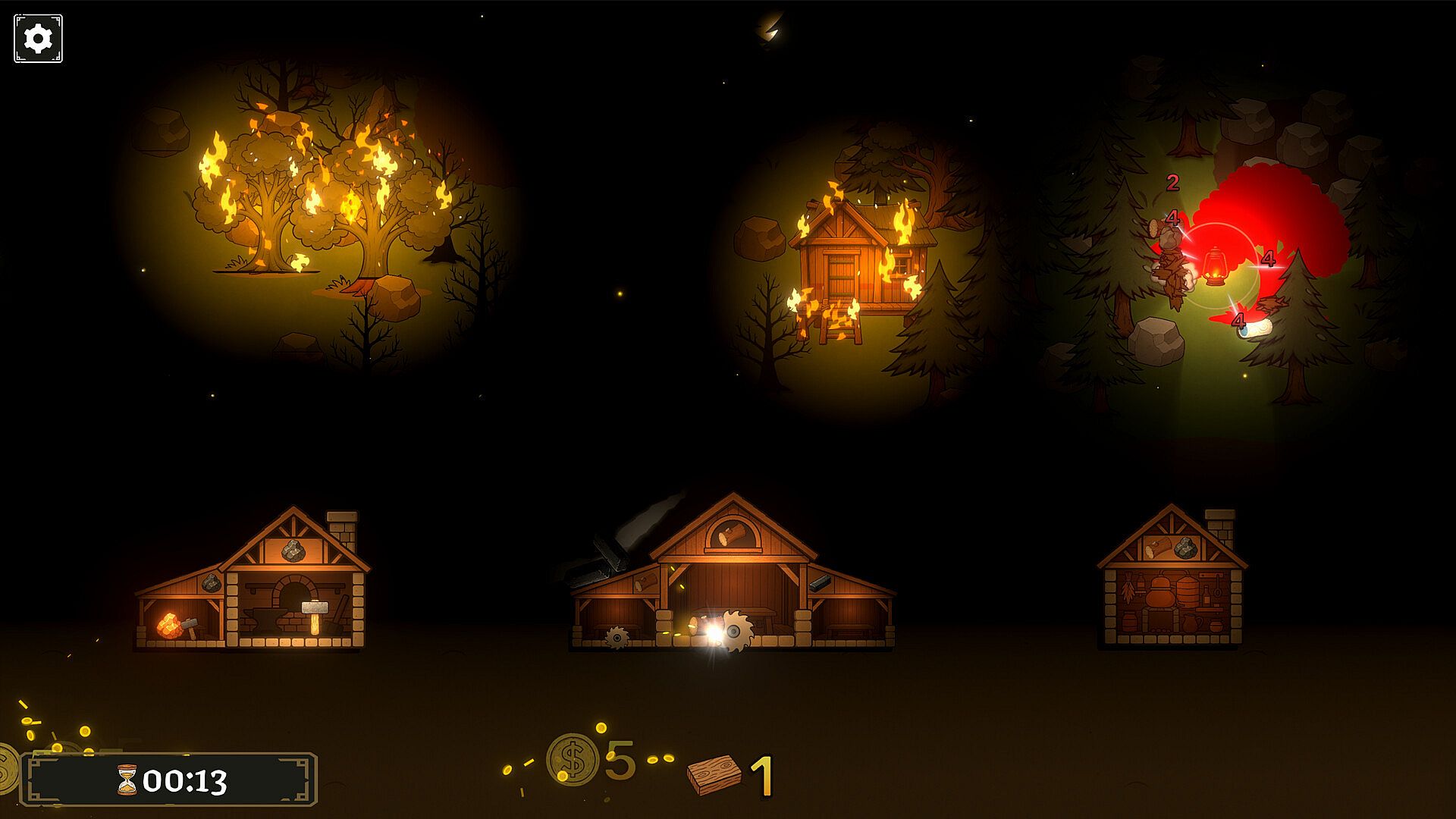
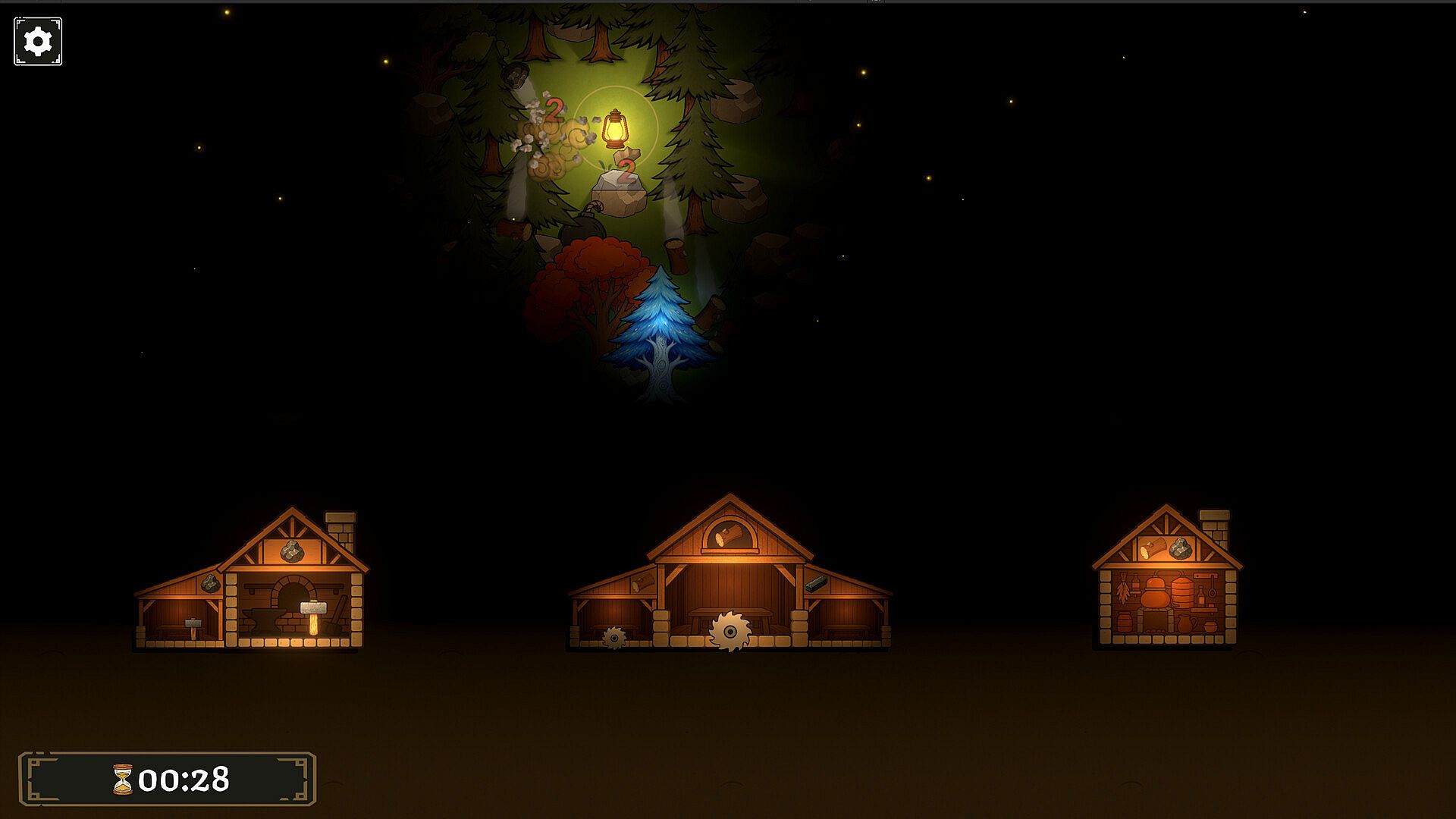
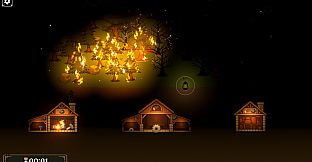
The lantern serves as both a damage source and a directional tool. Positioning it over trees, rocks, goblins, chests, or other breakable elements applies damage within its light radius, but the exact cursor placement influences where collected items fly. Resources move away from the light, so careful placement sends materials toward specific buildings rather than scattering them. This creates a physics-driven flow where players actively shape the path of logs, stones, and other drops.
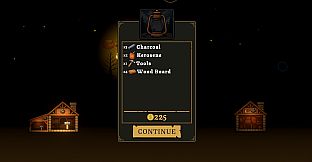
Raw materials feed into specialized processors that convert them into advanced goods. Players decide which buildings receive which resources, expanding options over time and prioritizing upgrades that match collected items. The system rewards planning, as sending everything to one location wastes potential while balanced distribution unlocks new production chains and forest sections.
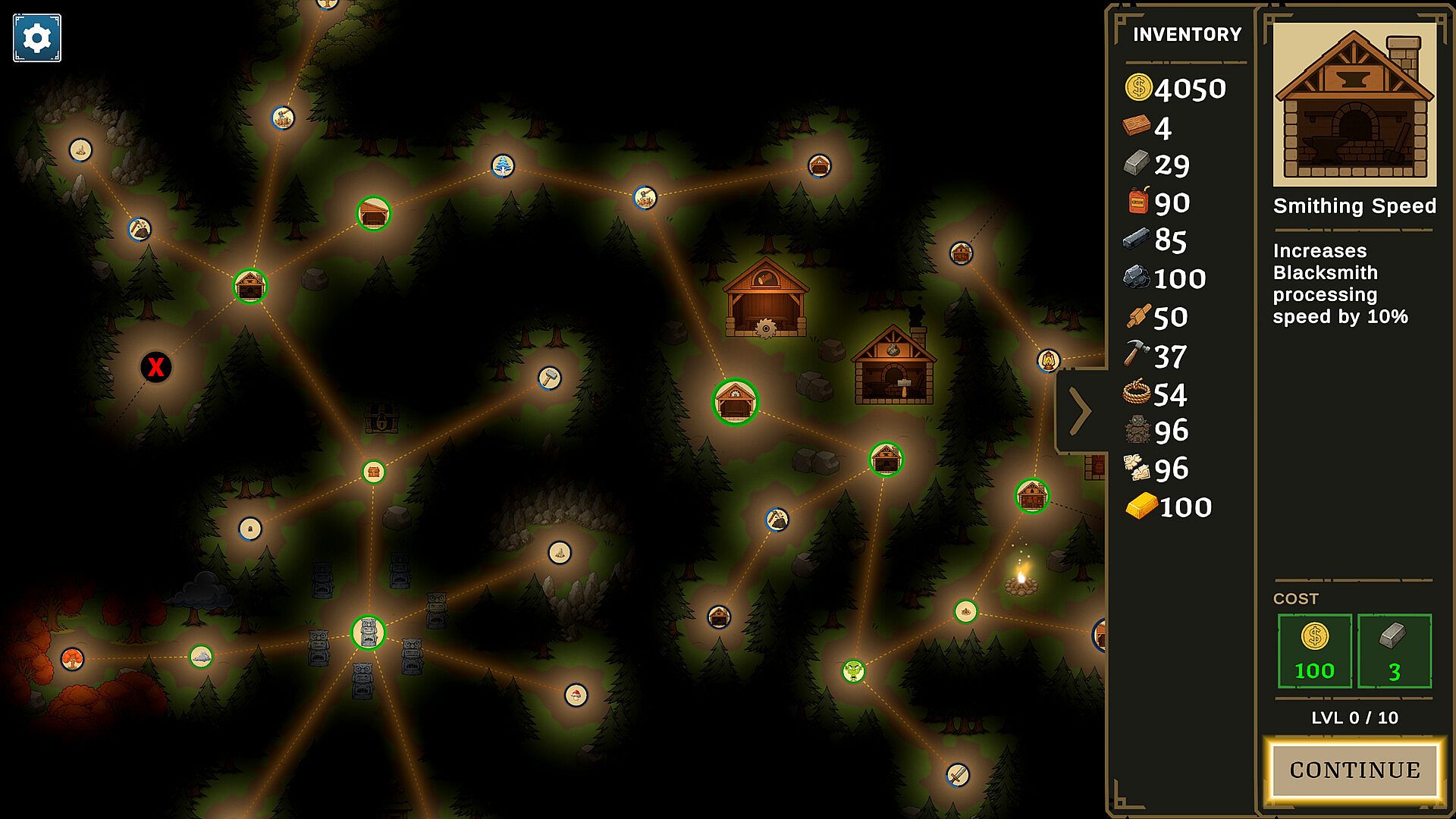
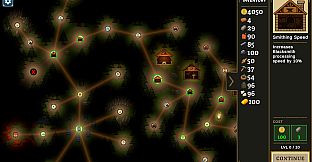
Between runs, collected resources purchase permanent upgrades. These improve damage output, lantern radius, fuel duration, processor efficiency, and access to new resources or forest areas. Each upgrade compounds progress, allowing longer runs and more complex operations in subsequent attempts.
Game Modes
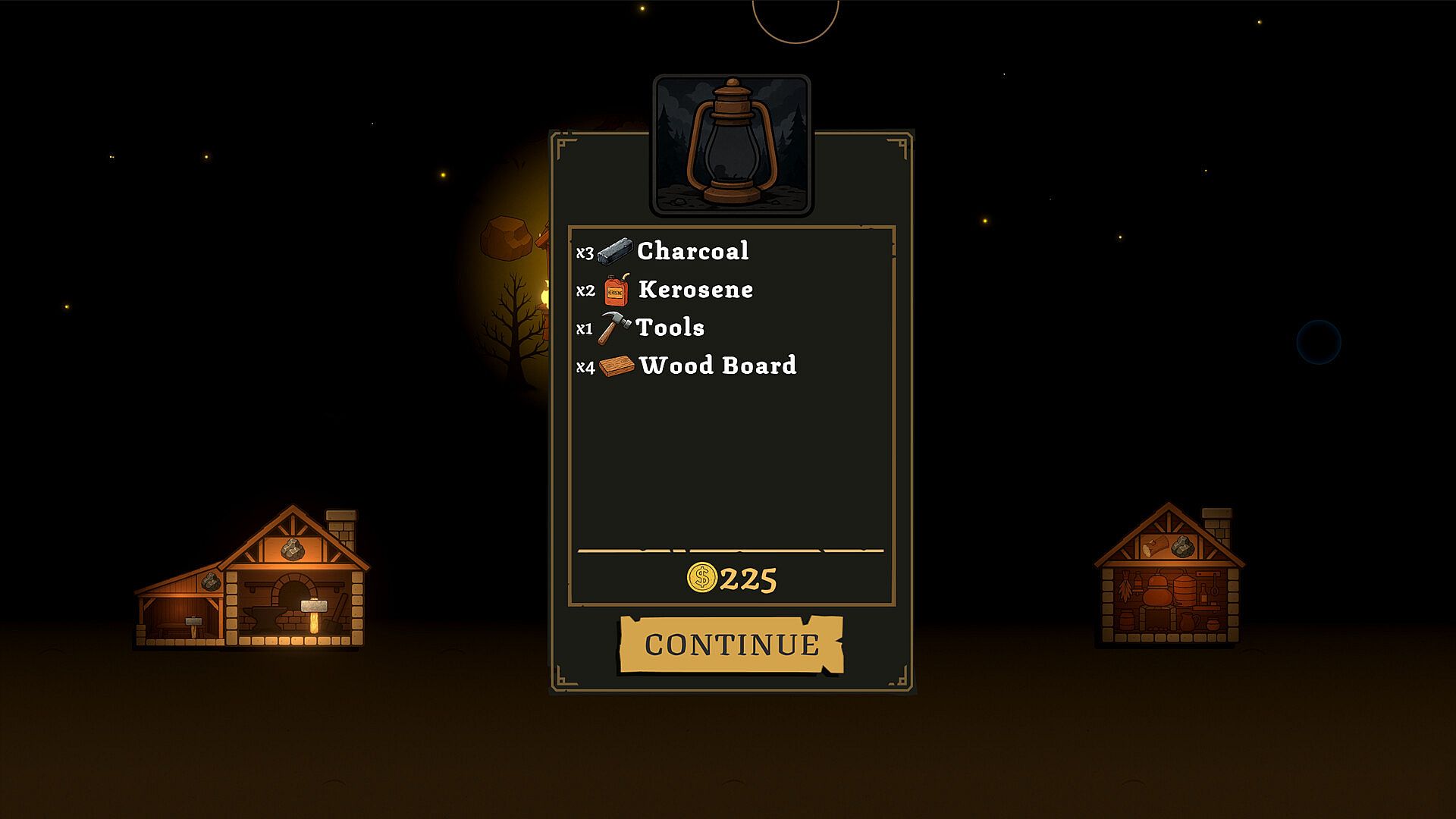
Forgefall focuses on repeatable short runs that emphasize active management within a single continuous session type. Each attempt begins with a fresh lantern and limited fuel, challenging players to maximize harvest before the light fades. Success carries forward through upgrades that alter future runs, creating a loop of experimentation and optimization without separate multiplayer or competitive formats.
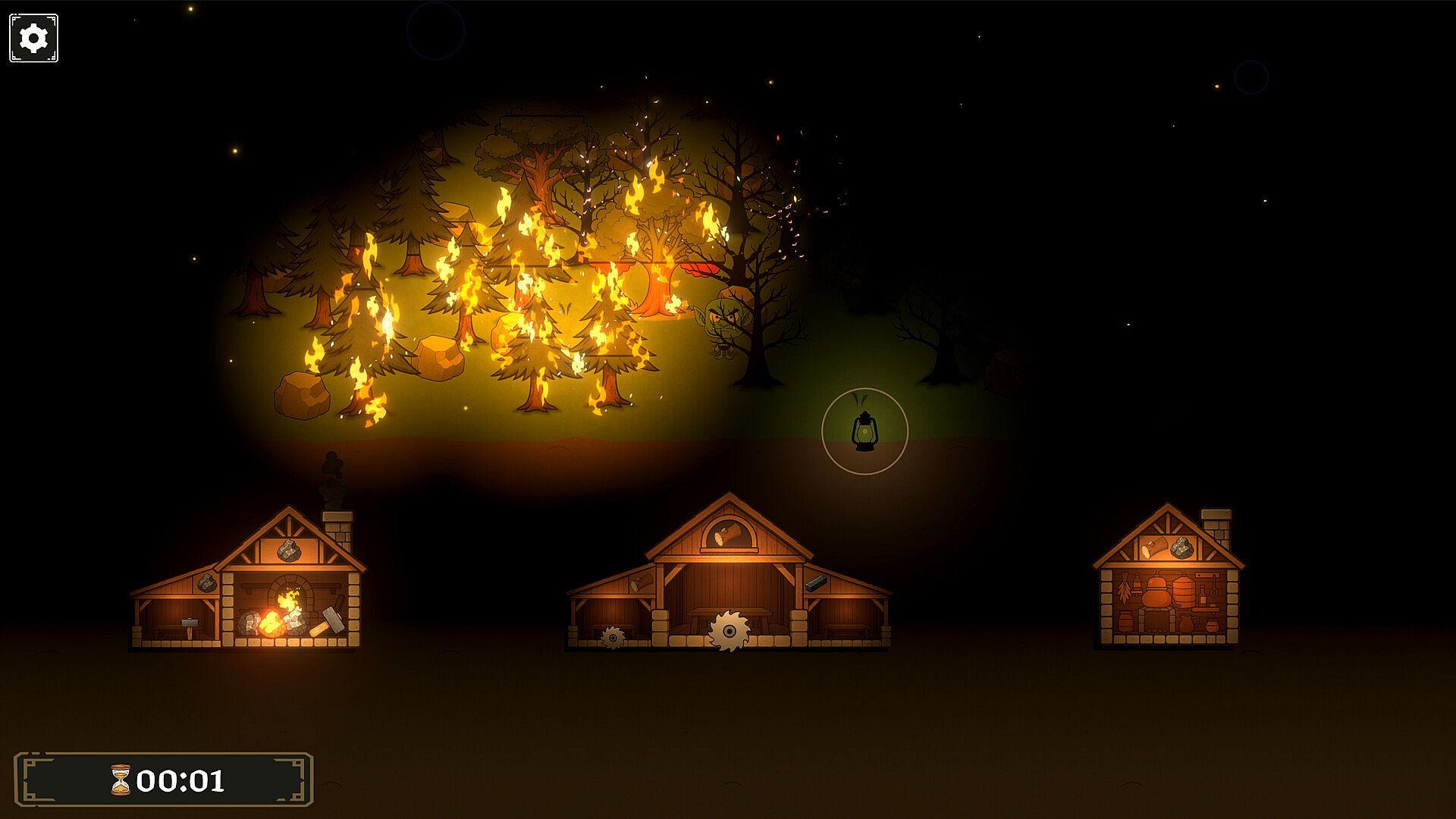
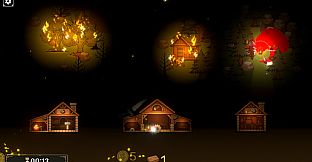
The structure encourages repeated playthroughs of the same core harvesting sequence, with environmental events adding variety. Fires spread through trees, lightning strikes random areas, bombs clear clusters, and goblins disrupt paths. These elements interact with the lantern's light and resource movement, turning potential obstacles into opportunities for larger hauls when positioned correctly.
Permanent Progression and Upgrades
Upgrades form a branching system that permanently alters capabilities. Increasing damage lets the lantern break tougher objects faster, while wider light coverage and extended fuel allow deeper forest exploration. Processor improvements speed up refinement and unlock new building types, expanding what raw materials can become. New resources and forest regions open as players invest in the tree, shifting focus from basic harvesting to managing complex production networks.
Resource direction remains central across all upgrades. Players learn to route materials efficiently, avoiding waste and aligning outputs with the buildings that provide the best returns for current goals. This decision-making layer grows more intricate as options multiply.
Environmental Interactions
The forest introduces dynamic events that players can leverage. Spreading fires consume trees and alter terrain, lightning targets areas under storm clouds, and bombs explode in dense clusters. Goblins move unpredictably and can interfere with or assist resource flow depending on timing. These systems reward observation and quick cursor adjustments, turning chaos into additional collection opportunities beyond what the lantern alone achieves.
Productivity increases deeper into the forest, but so does the frequency and intensity of disruptive events. Balancing aggressive harvesting with controlled responses to these interactions defines longer successful runs.
Is It Worth Playing?
Forgefall suits players who enjoy active incremental games that combine short sessions with meaningful long-term growth. The cursor-driven resource direction and building management add a hands-on layer absent from many passive idle titles, while the upgrade tree provides clear goals across multiple runs. Environmental events keep each attempt distinct without requiring complex strategy layers.
Reception on available platforms shows moderate scores from a small number of players, reflecting its niche appeal within the simulation and incremental genres. Those drawn to physics-influenced harvesting loops and town-building progression through repeated attempts will find consistent depth. The game remains in active development with recent additions like expanded events and processing options, supporting ongoing refinement of its core systems.
- Short runs encourage frequent play without large time commitments.
- Upgrade choices directly impact resource efficiency and run length.
- Event interactions reward precise positioning over passive collection.