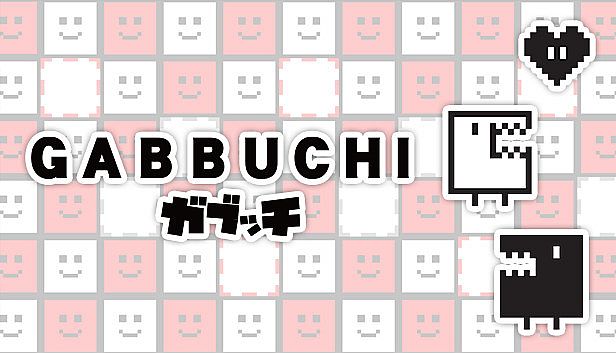










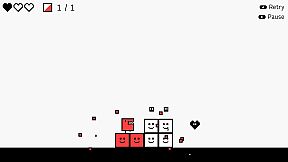
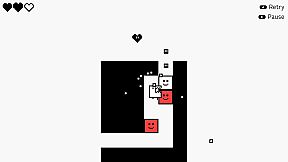
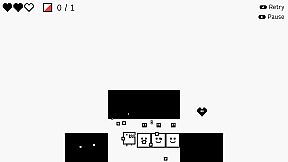
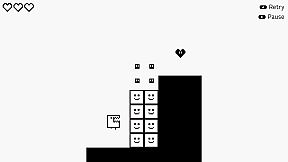
Gabbuchi is an action puzzle game available on PC that combines simple platforming with thoughtful block-eating mechanics. Players guide a small cube-shaped character through single-screen stages by selecting which colored blocks to consume in order to create paths and reach the goal.
Gameplay
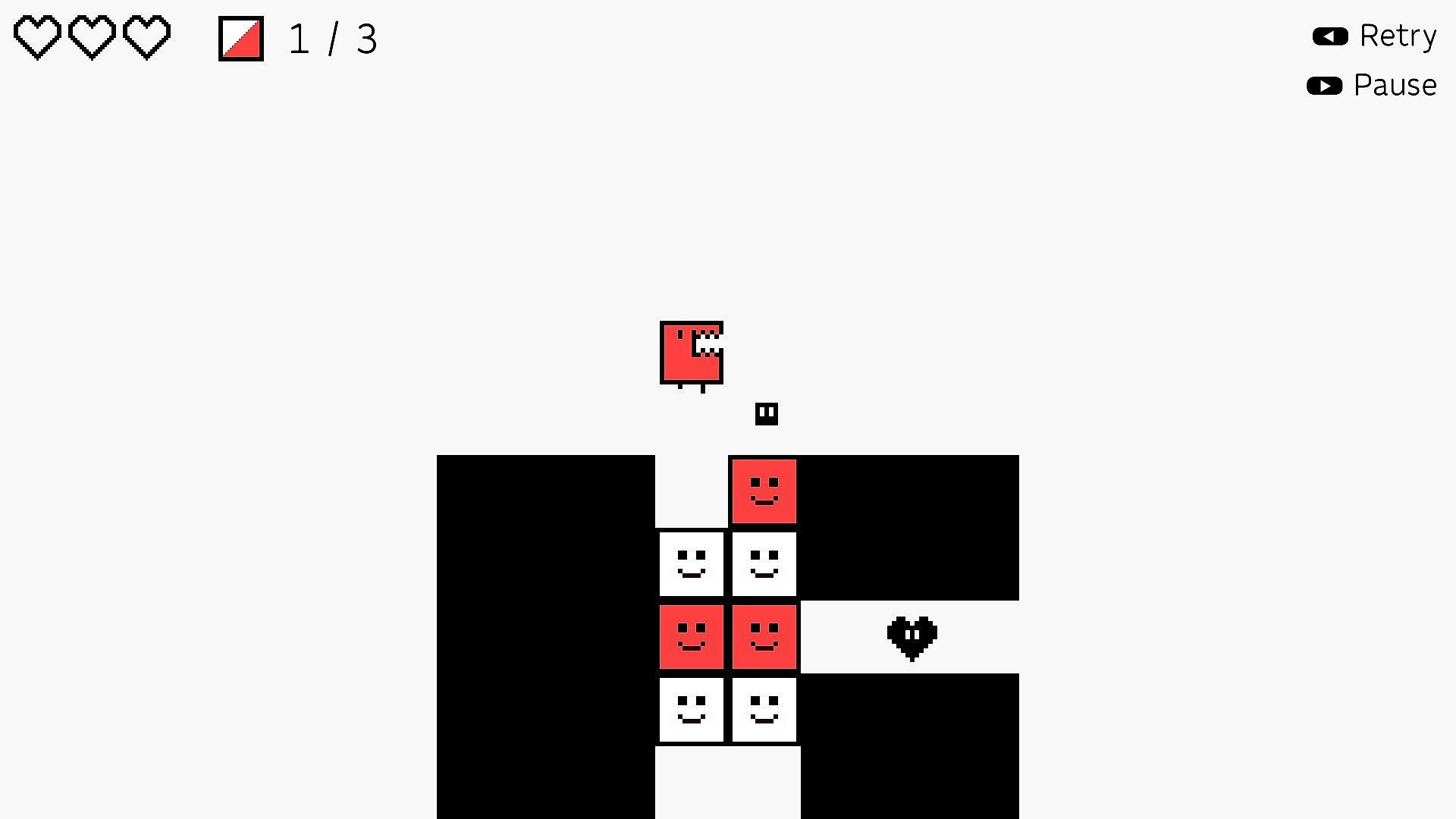
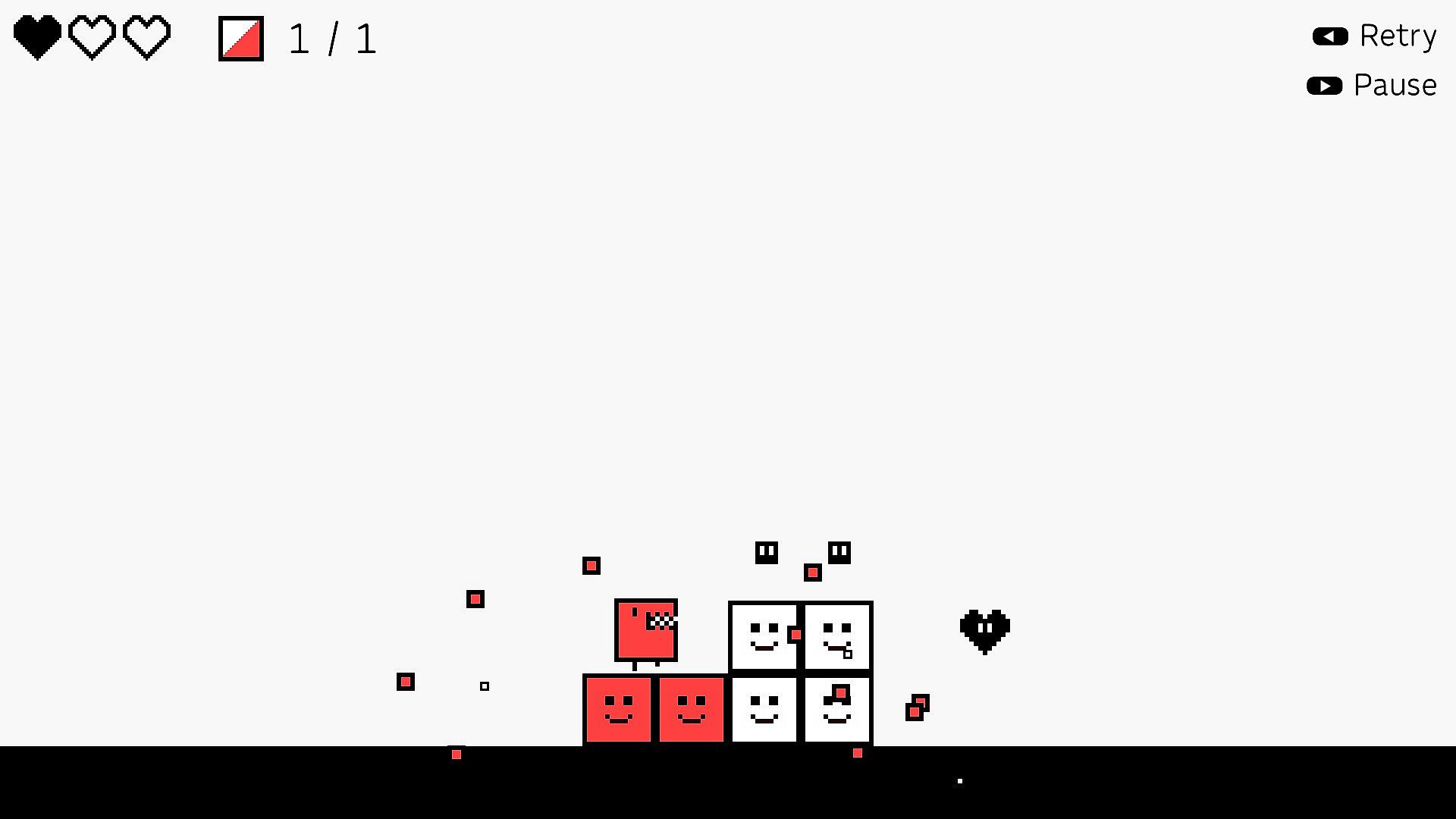
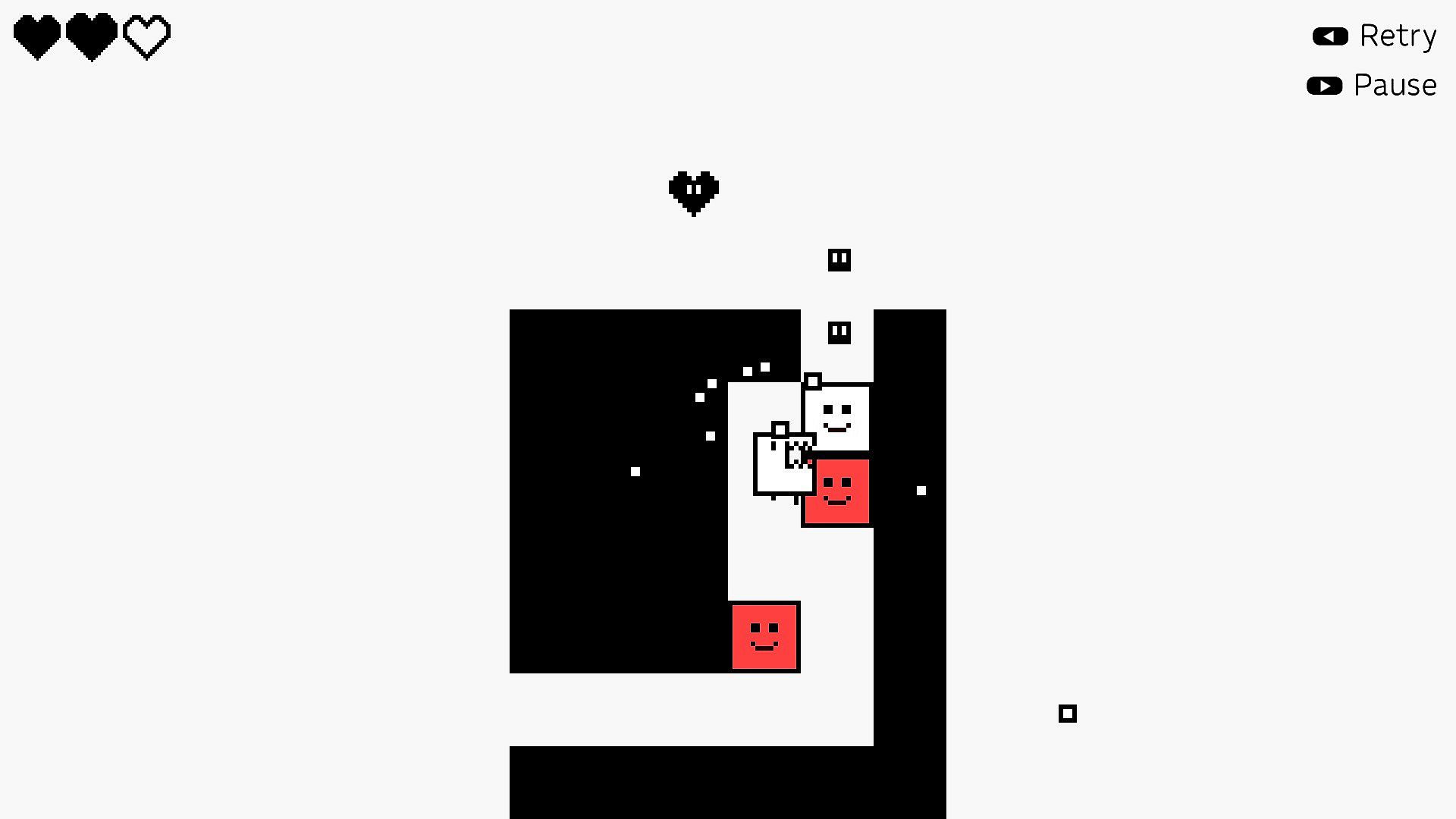
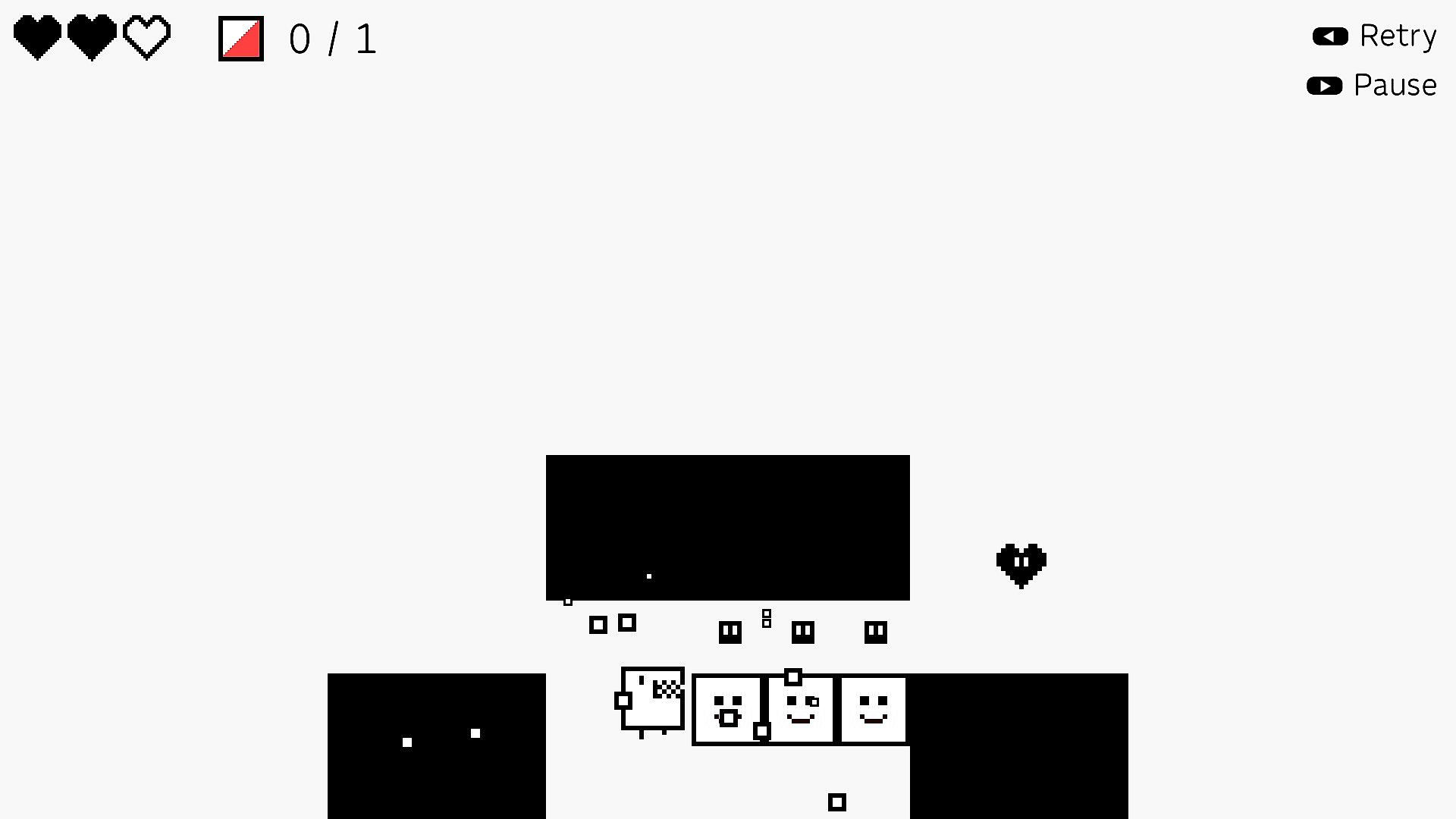
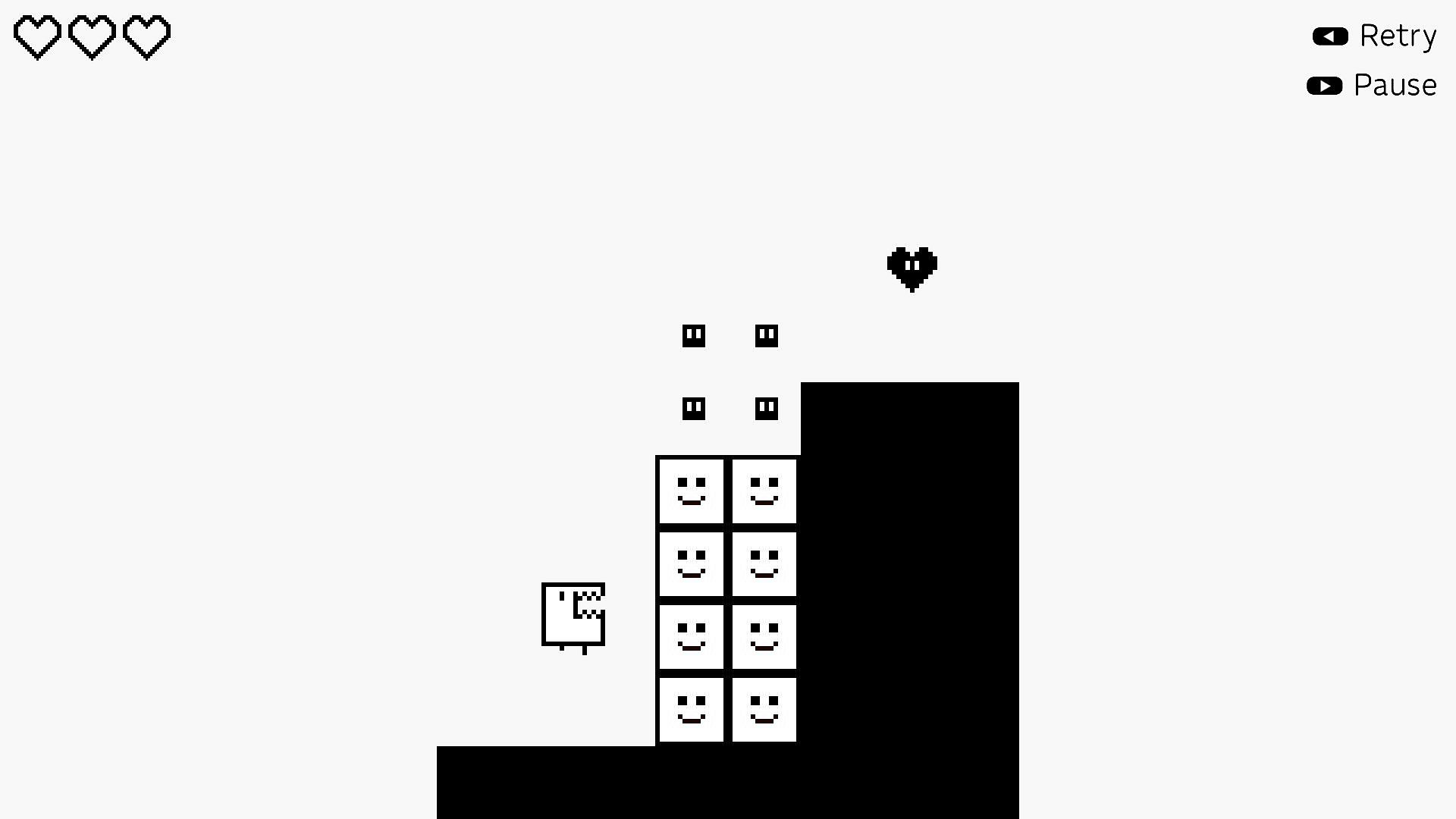
The core loop revolves around color matching and precise movement. Gabbuchi starts each stage with a specific color and can switch hues to match surrounding cubes. Only blocks that match the current color can be eaten, which removes them from the environment and opens new routes or drops the character to lower levels. Jumping forms a key part of navigation, allowing the character to float across gaps or land on remaining platforms. The objective in every stage remains consistent: clear a safe path while avoiding dead ends and reach the heart-shaped cookie at the end.
Stages emphasize planning over speed. Eating the wrong blocks early can trap the character or leave no way forward, forcing a restart. The floaty jump arc requires careful timing, as the hitbox and movement feel deliberate rather than precise. Color changes happen instantly, letting players experiment with different sequences without penalty until a mistake locks progress. This setup creates short, repeatable puzzles that reward observation of the full layout before committing to any eats.
Game Modes
The game focuses on a single-player campaign built around its collection of stages. There are no separate competitive or cooperative modes, keeping the experience centered on solo puzzle solving. Progression moves through increasingly complex arrangements that introduce new spatial challenges while maintaining the same color and eating rules.
Alongside the main stages sits the level editor. This tool lets players build custom puzzles using the same block, color, and jump mechanics. Created stages can be played immediately or shared, extending the game's life beyond the included content without altering the fundamental systems.
Stages and Design
The full set contains 180 stages that scale in difficulty from straightforward introductions to intricate arrangements requiring multiple color switches and exact jump sequences. Early levels teach the basics of matching and eating, while later ones layer in tighter spaces and more interdependent blocks. The design stays minimalist, with clean visuals that highlight the colored cubes and the goal cookie against simple backgrounds.
Players can skip difficult stages without losing overall progress, which keeps frustration low even when a particular layout proves stubborn. The structure encourages steady advancement through the worlds rather than requiring perfect completion of every screen before moving on.
Is It Worth Playing?
Gabbuchi suits players who enjoy deliberate puzzle-platformers that reward careful planning and color-based logic over reflexes. Its short stages make it easy to pick up for brief sessions, while the level editor provides ongoing creative outlets for those who finish the campaign. Reception highlights the satisfying puzzle solutions and lighthearted presentation, though some note the jump physics can feel imprecise on trickier screens. The game remains available as a complete package with no ongoing seasonal content or required updates, delivering a self-contained experience focused on its core mechanics. Those seeking approachable yet mentally engaging single-player puzzles on PC will find it aligns well with that preference.