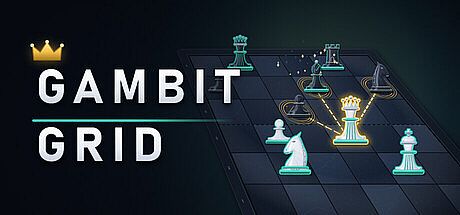


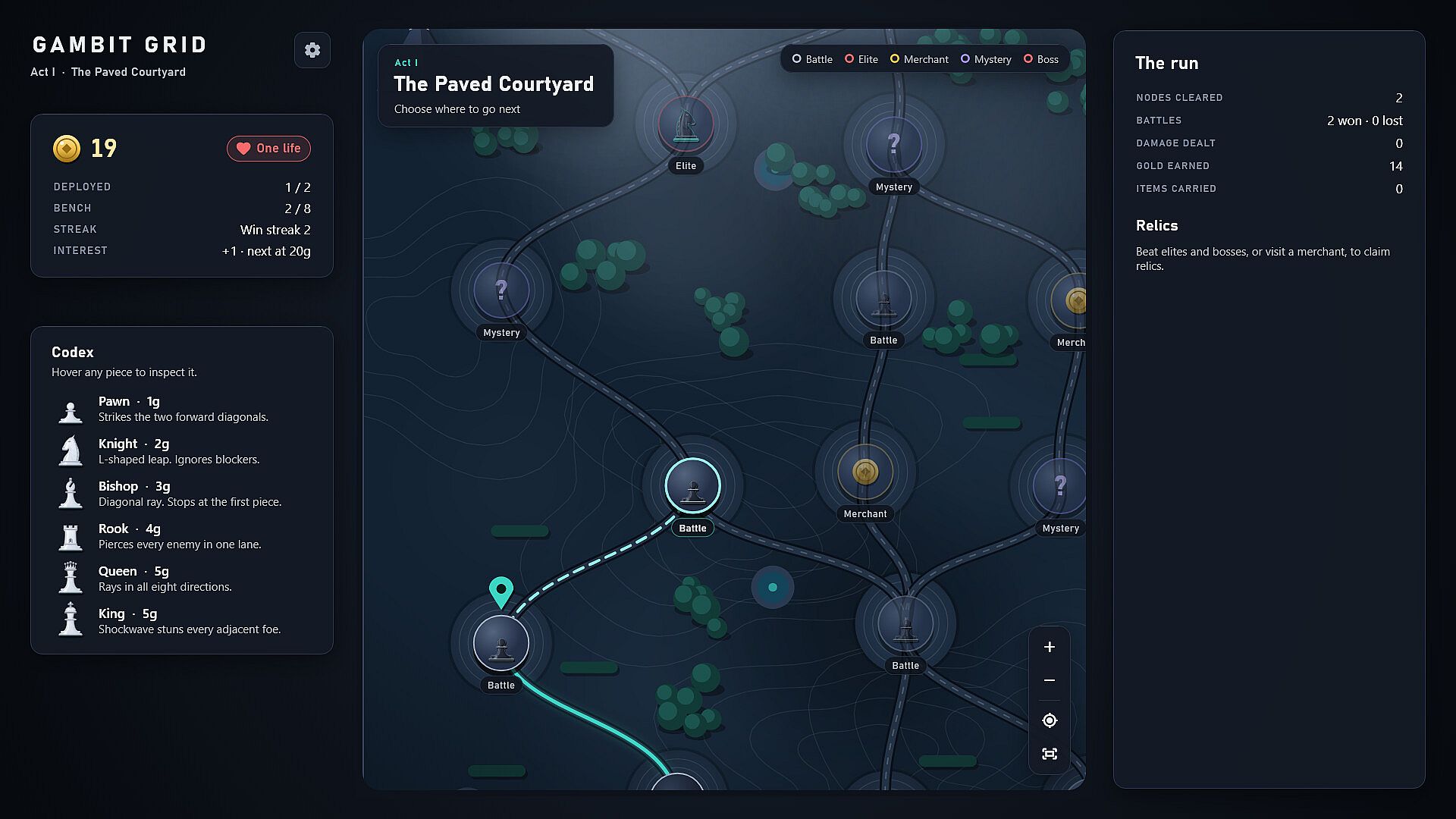
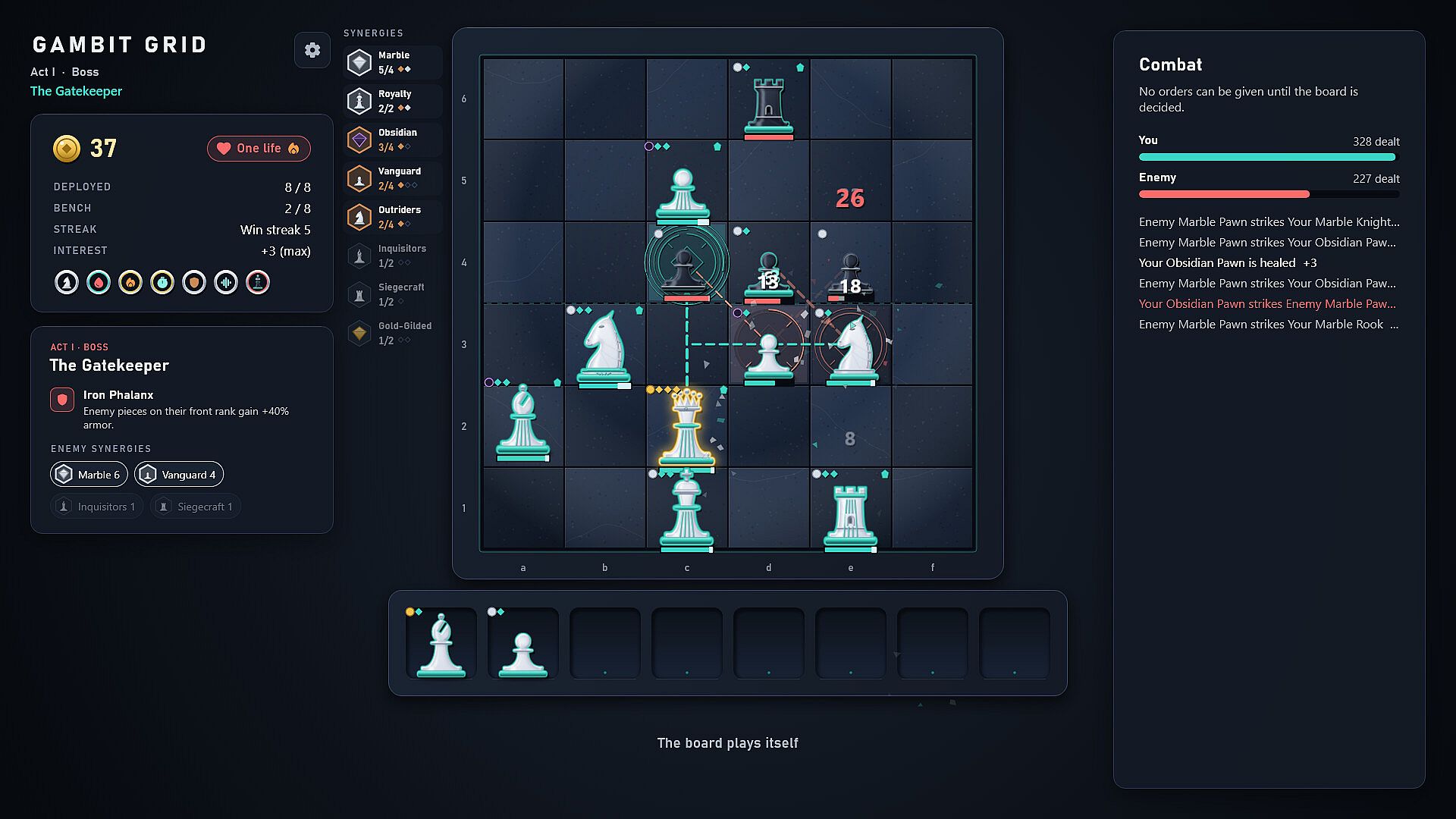
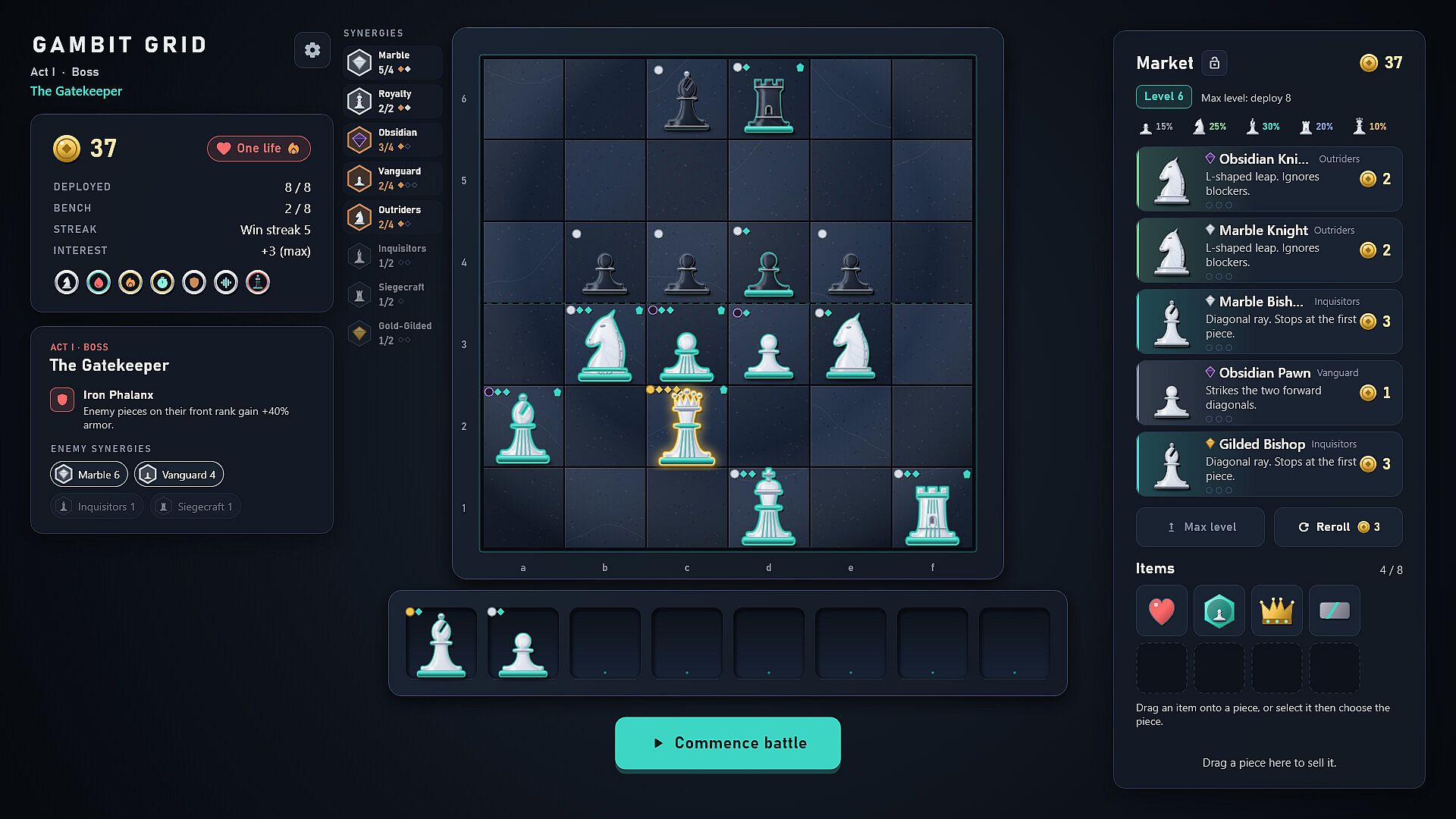
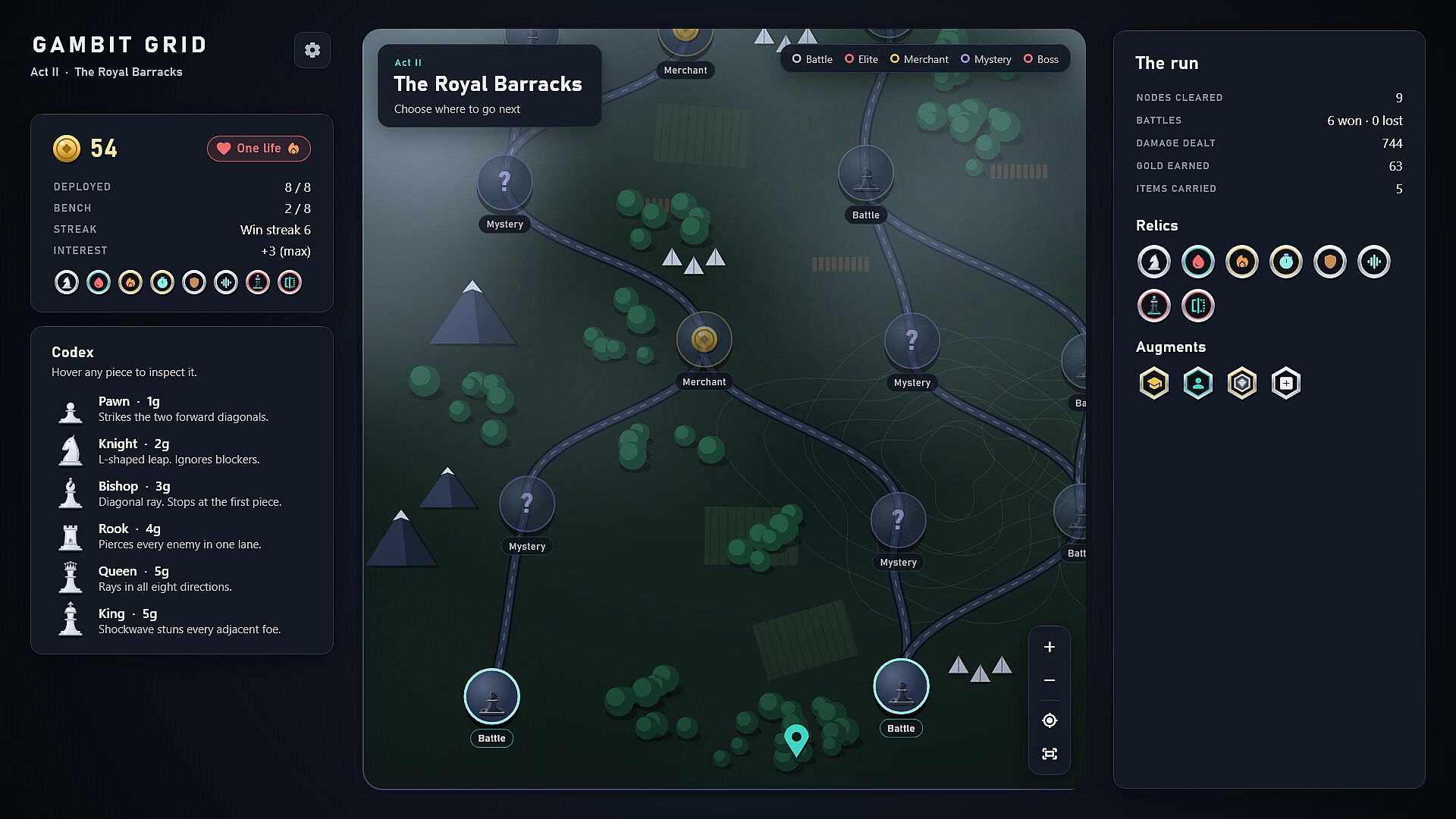
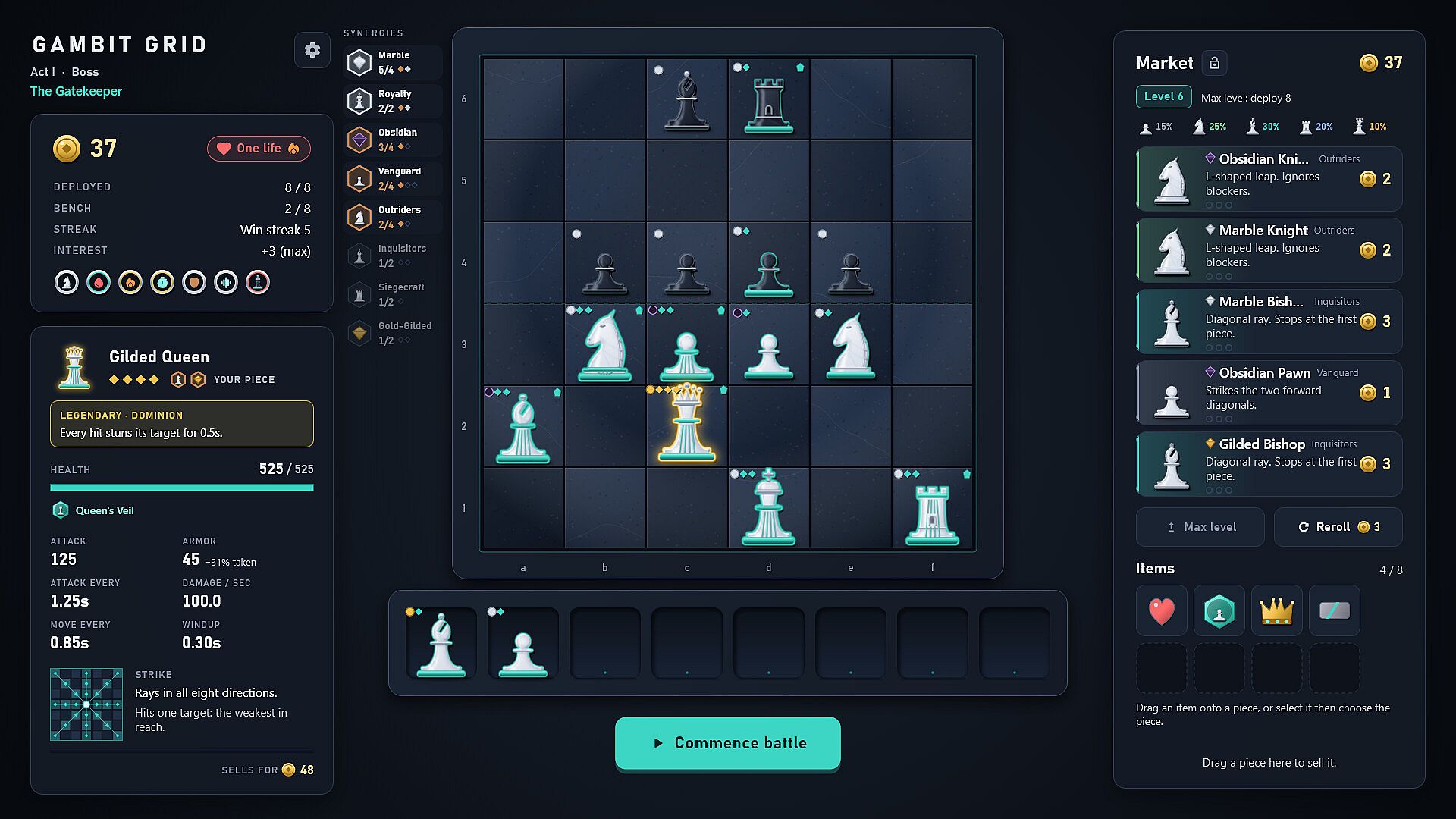
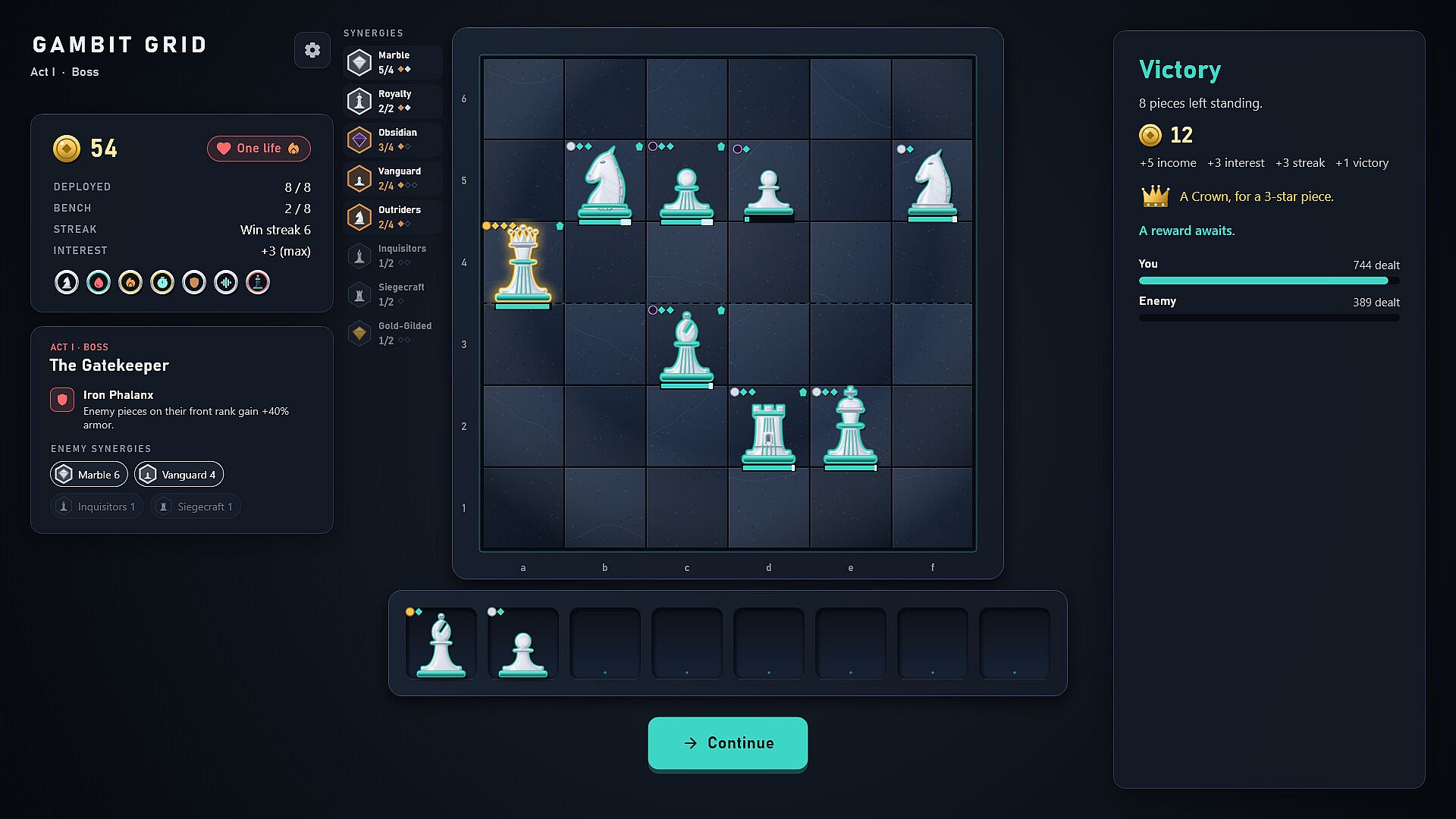



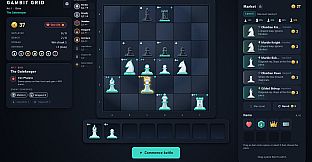
Gambit Grid is an indie casual roguelite autobattler for PC that places players on a 6x6 chessboard where every unit moves according to authentic chess rules. Knights leap over obstacles, bishops control diagonals, rooks dominate ranks and files, and queens sweep in every direction. The core loop centers on drafting pieces, positioning them carefully, and then stepping back as the battle resolves automatically with no further input allowed.
Gameplay
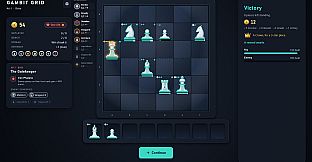
Each run demands precise planning because the game enforces a strict one-life rule. A single defeat ends the attempt regardless of whether it occurs against regular enemies or bosses. Players draft an army, arrange it on the grid, and issue the command to begin combat. After that point the pieces execute their programmed attacks without interruption.
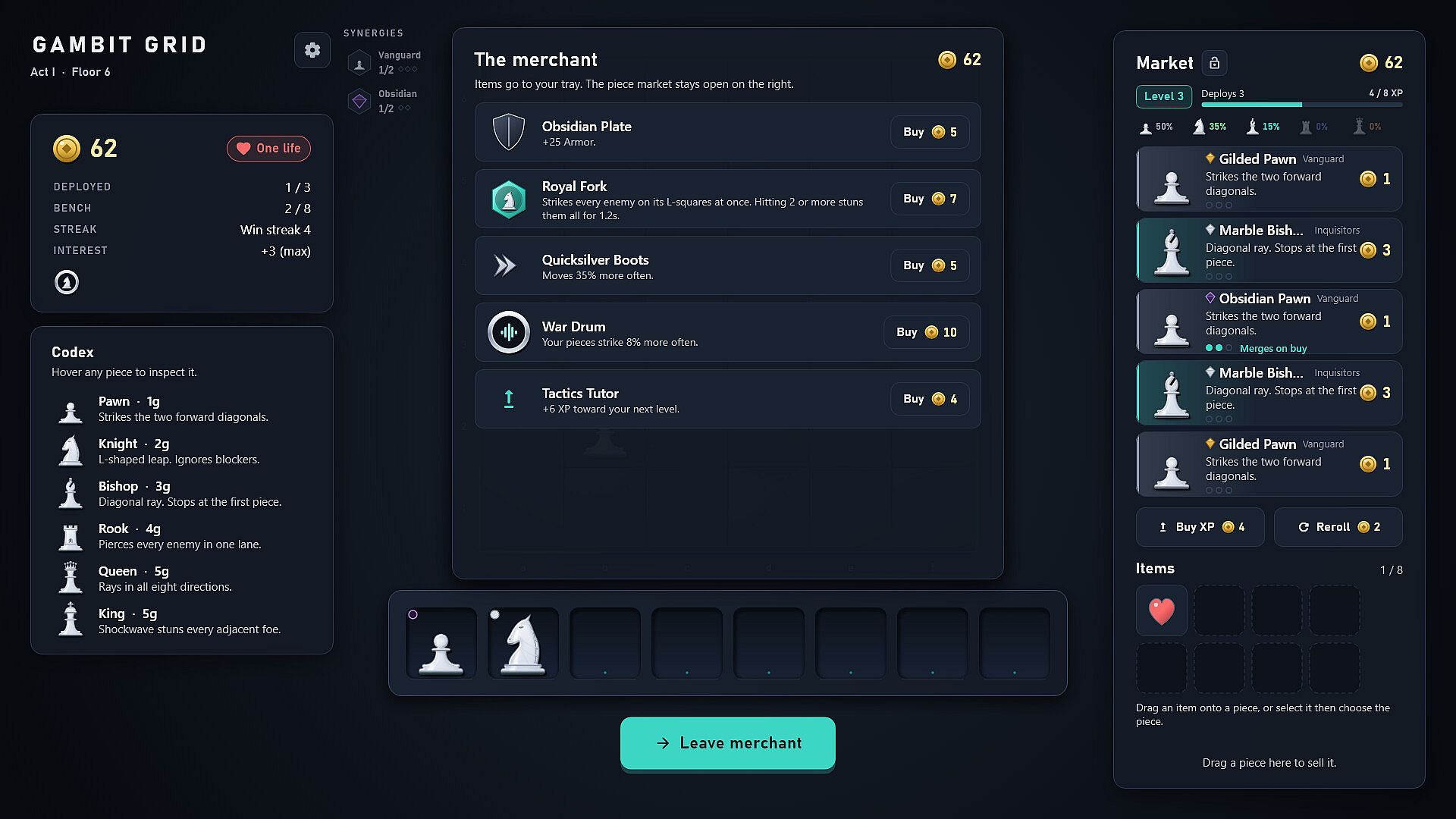
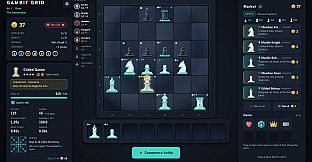
Merging forms the backbone of army development. Three identical pieces combine into a 2-star version, and another three of those create a 3-star piece. Crowning a 3-star unit turns it legendary and grants a unique ability such as the Pawn's Iron Will or the Knight's Rampage. Five roles including Vanguard, Outriders, Inquisitors, Siegecraft, and Royalty combine with three materials Obsidian, Marble, and Gold-Gilded to produce effects like shields, reflects, executions, and stuns.
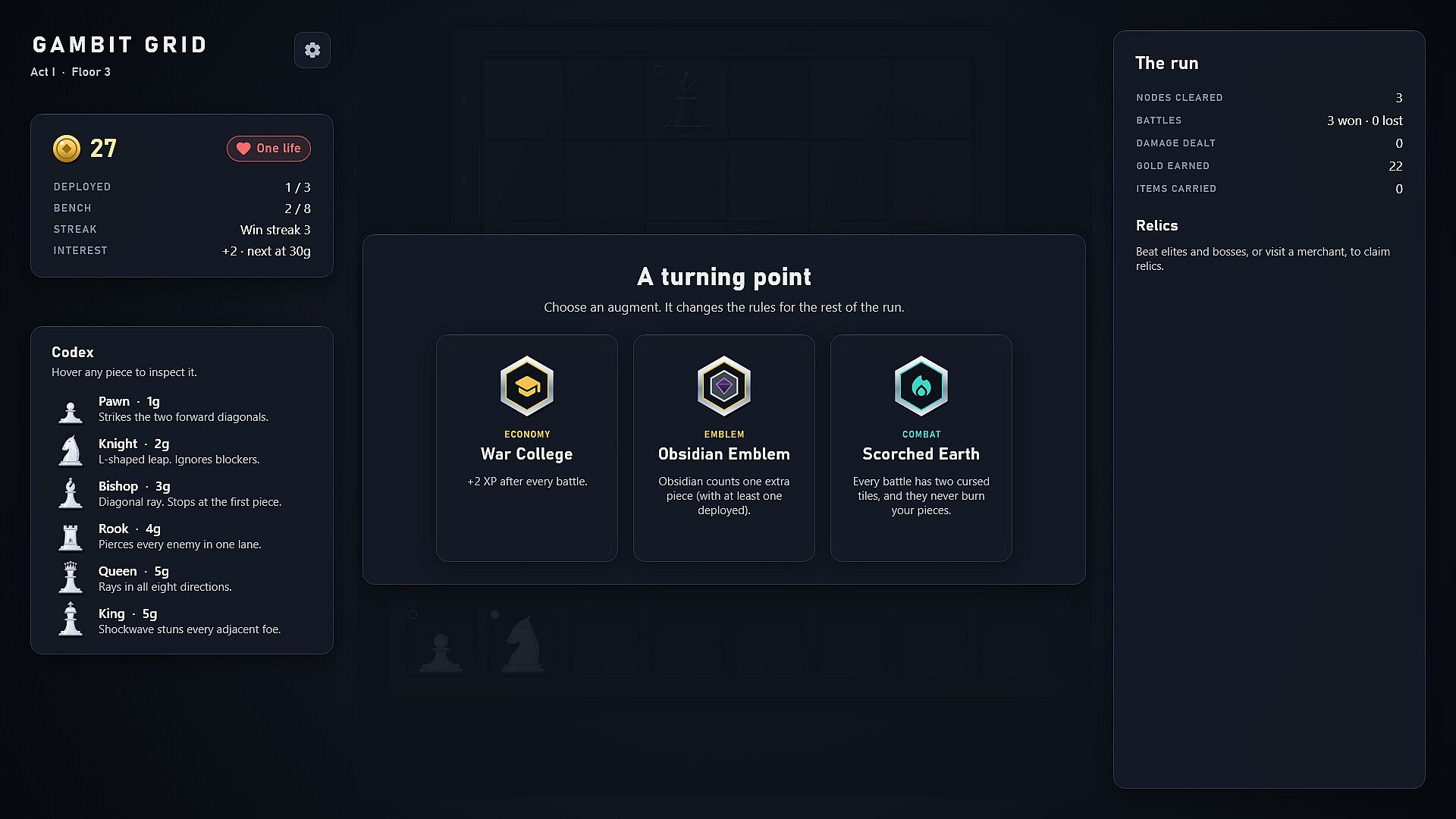
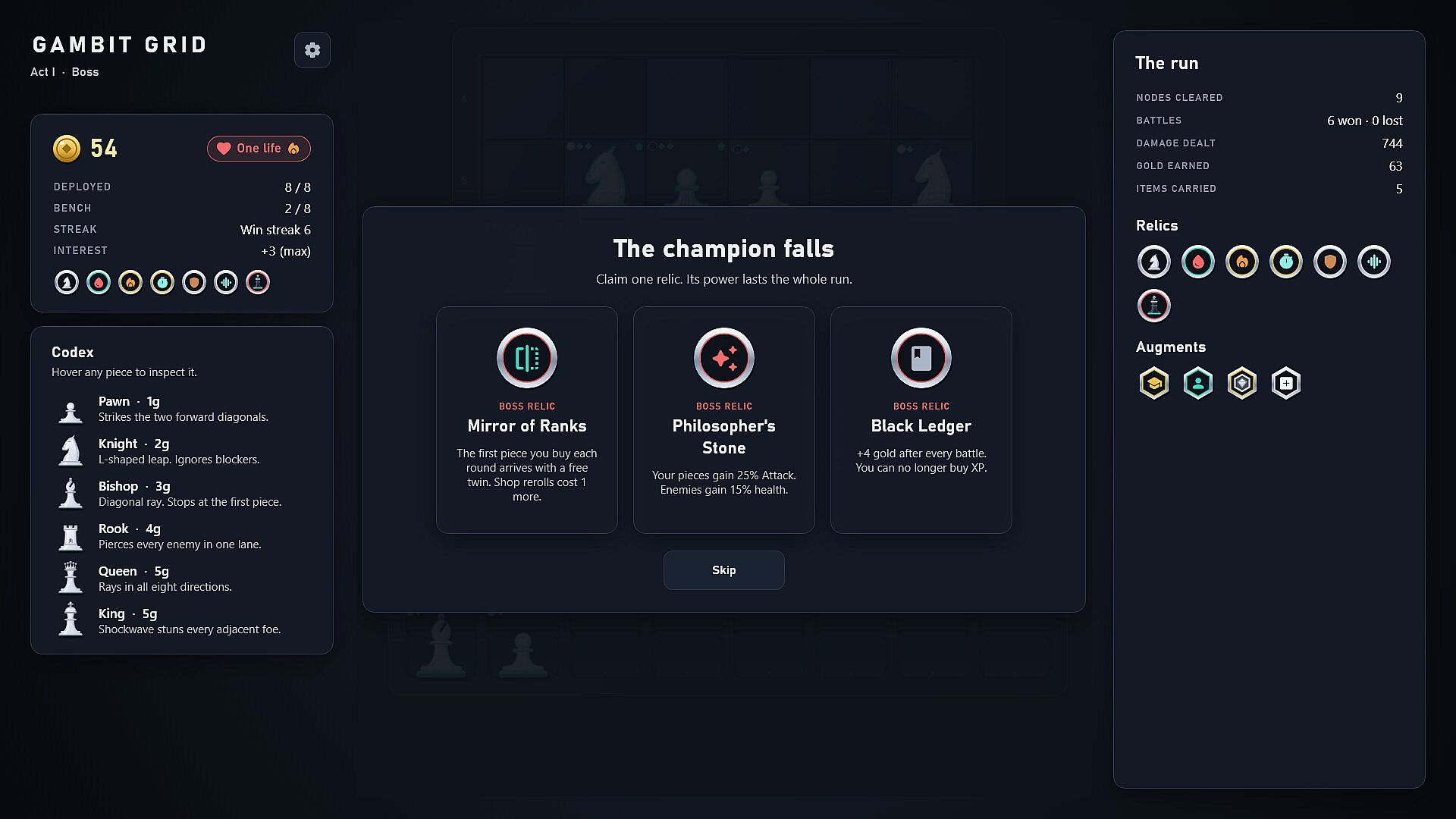
Gambit Stones modify attack patterns to create forks that stun, spires that pierce, or batters that shove enemies. Relics appear in four rarities and can alter run dynamics, while augments unlocked after specific floors bend core rules. Encounter affixes further vary each battle through conditions like Iron Phalanx or Cursed Tiles. Between runs, Ivory Dust spent in the Sanctum unlocks permanent perks, adds stones to the drop pool, and expands the Compendium of discovered items.
Game Modes
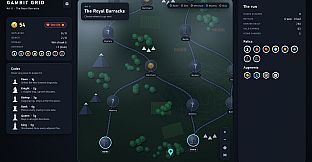
The game operates entirely in single-player roguelite format. Runs unfold across three acts, each containing eight floors presented as a branching map of battles, elite encounters, merchants, and mysteries. Every act concludes with a signature boss fight. Ten Ascension levels become available after the first victory, increasing difficulty for repeat attempts.
No separate multiplayer or versus modes exist. All progression and experimentation occurs through repeated single-player runs that emphasize different army compositions and relic combinations. The Sanctum serves as the persistent hub where players invest resources to improve future attempts without altering the core one-life structure of each expedition.
Core Mechanics and Progression
Positioning on the chessboard determines how pieces interact during automatic resolution. Players must account for line of sight, movement patterns, and potential overlaps when placing units. Synergies between roles and materials create layered defensive and offensive layers that only activate once combat begins.
Relics and augments introduce run-specific twists. Some relics carry drawbacks when obtained from bosses, while augments can enable strategies such as Pawn Promotion or Last Stand. The branching map structure encourages exploration of different paths, each leading to varied combinations of merchants and elite fights that shape the final army.
Is It Worth Playing?
Gambit Grid suits players who enjoy high-stakes strategic planning in autobattler formats and appreciate chess-derived movement systems. The one-life mechanic creates tension where every draft choice and placement decision carries permanent consequences for that run. Permanent progression through the Sanctum and Compendium rewards repeated attempts by expanding options over time.
The game remains in a pre-release state with a demo available that carries Sanctum progress into the full version. No player review scores or extensive update history exist yet. Those drawn to roguelite systems with merge mechanics, legendary upgrades, and automatic combat resolution will find the chessboard foundation and synergy layers distinctive. Players seeking relaxed casual experiences may prefer titles with more forgiving failure states.