




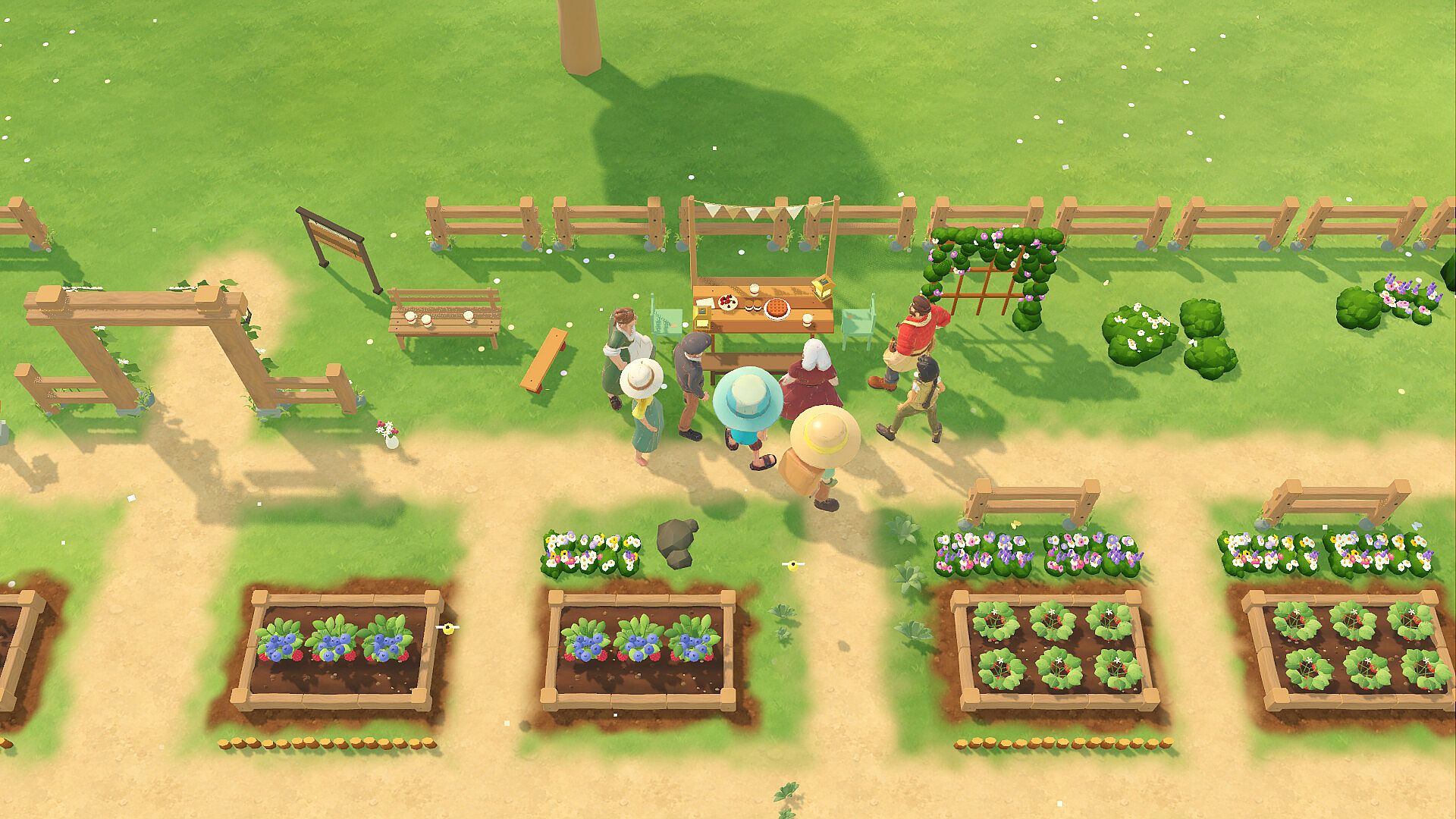
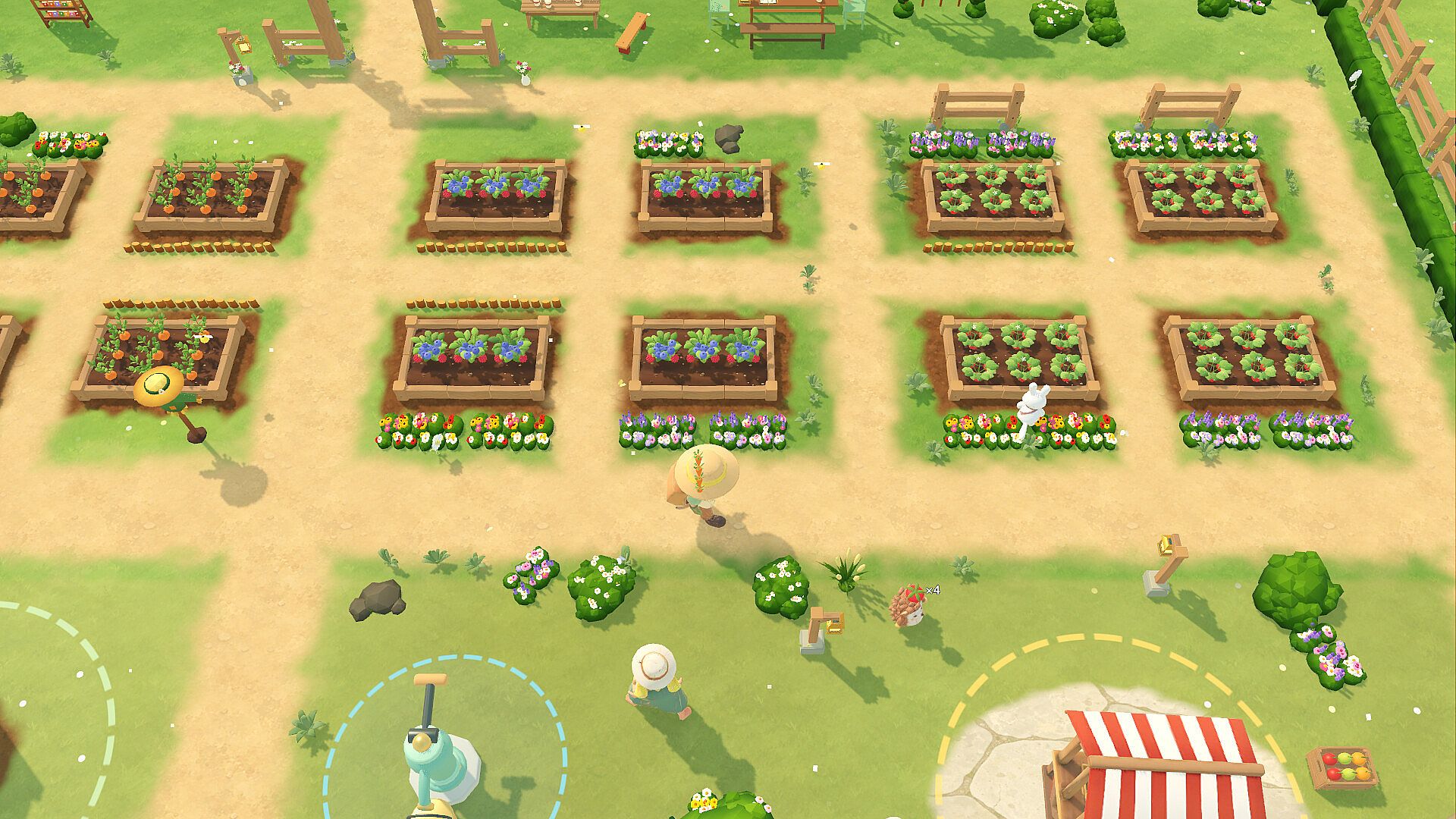
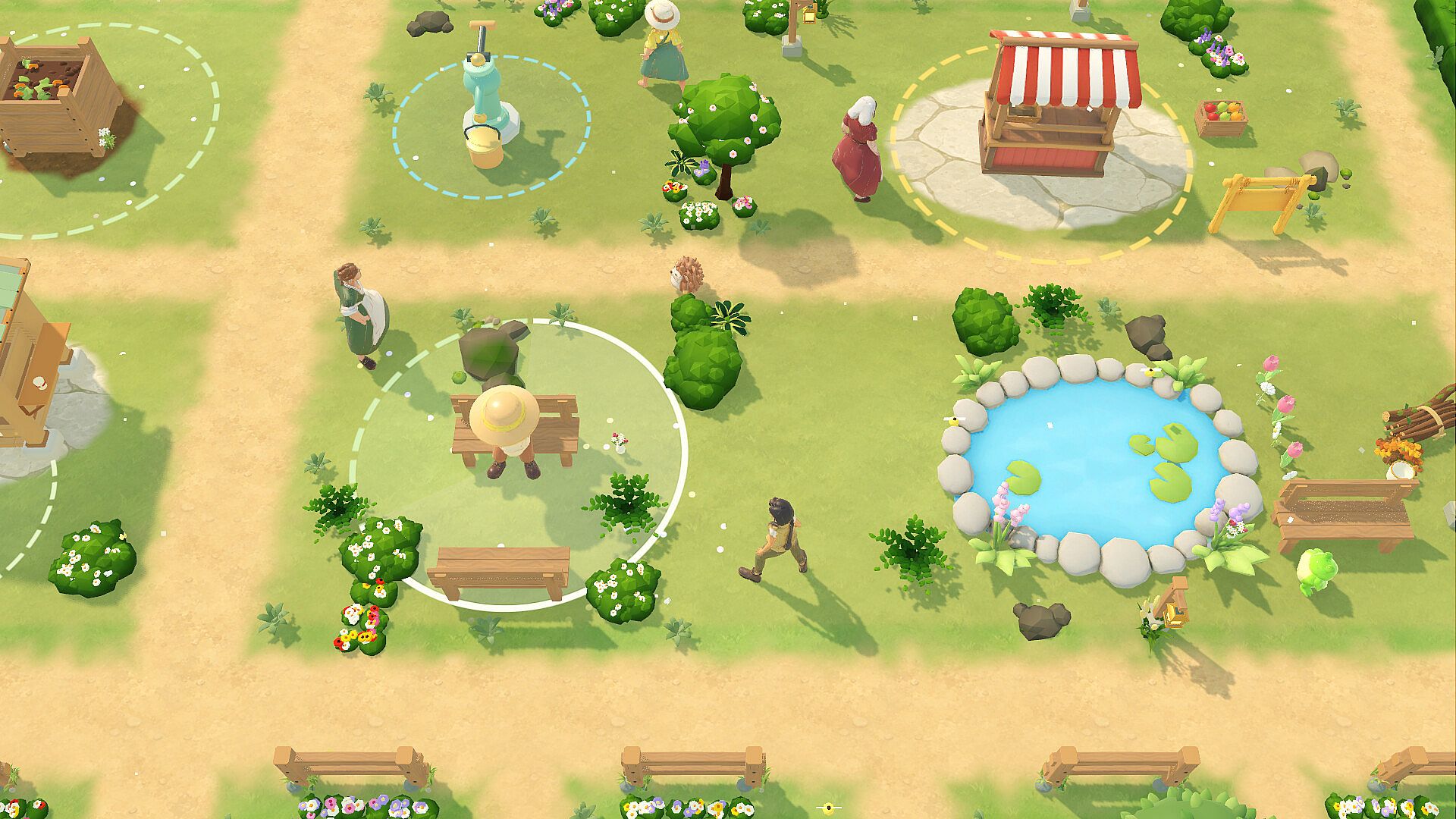
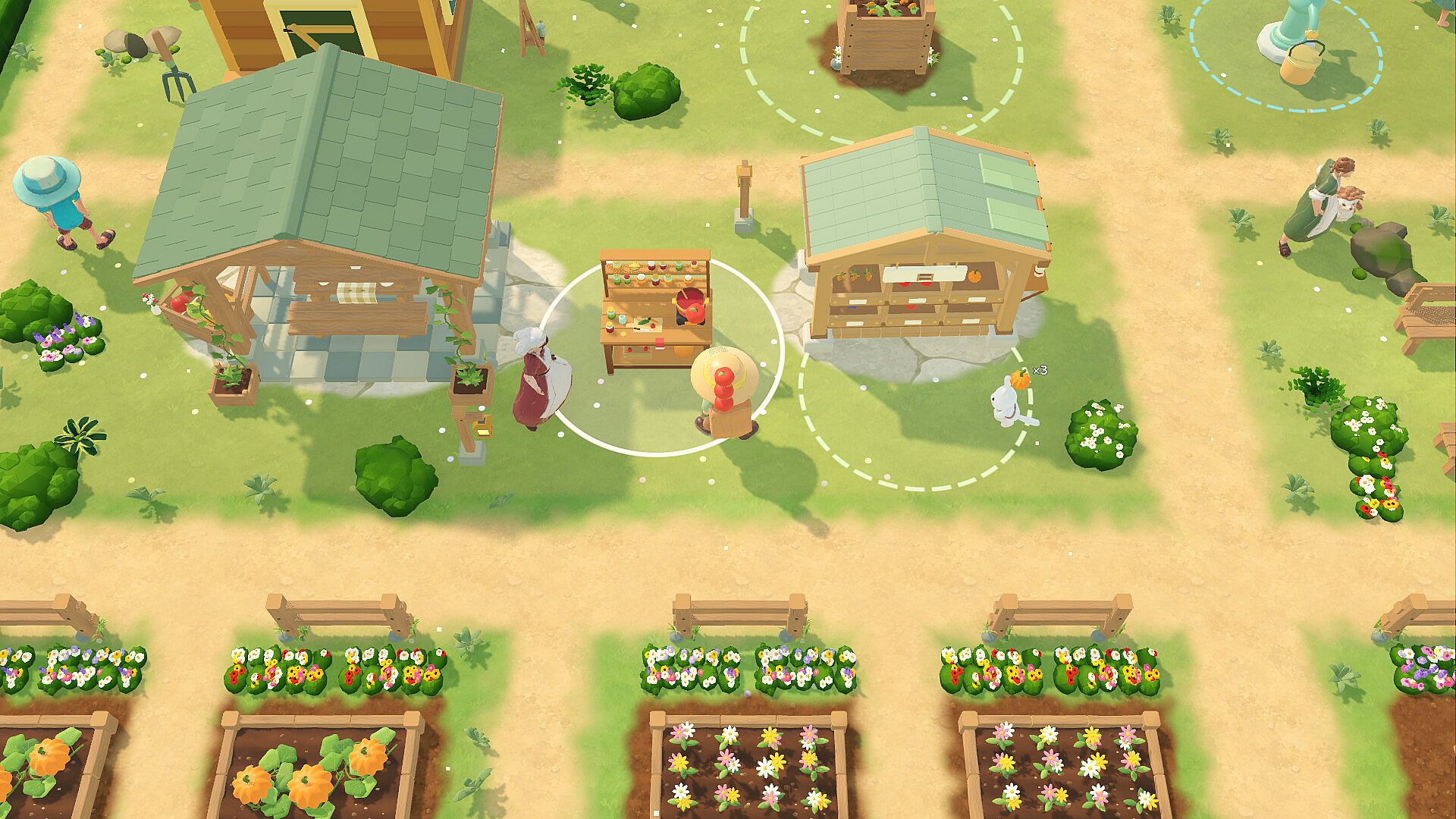
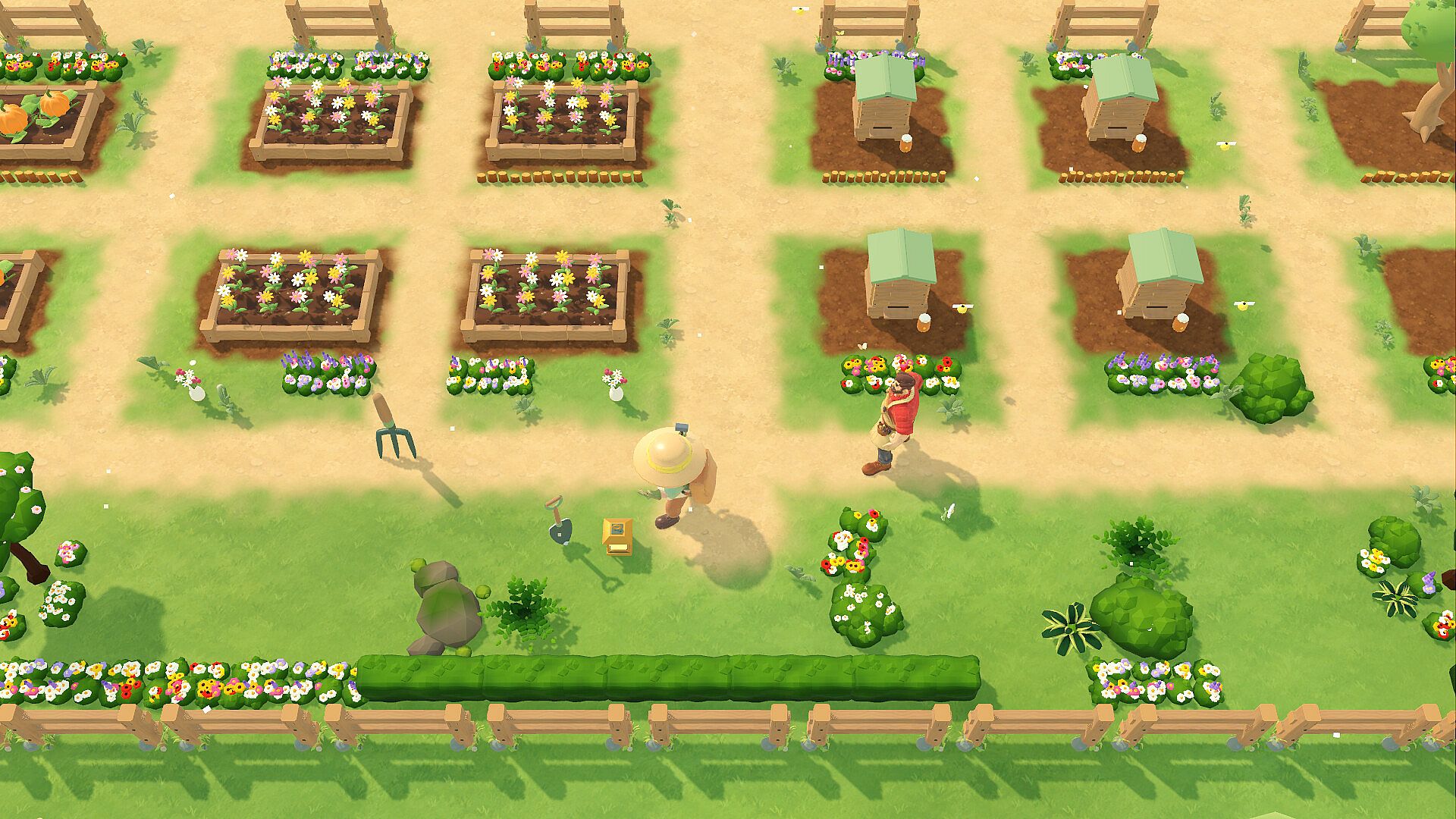
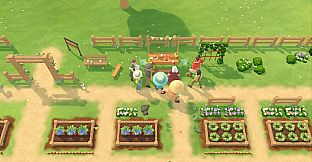
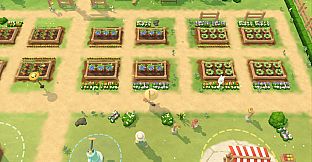
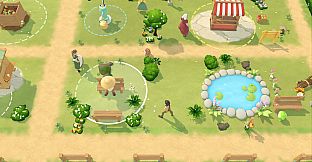
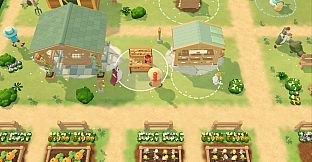
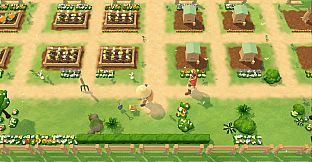
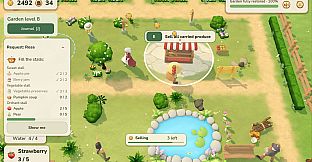
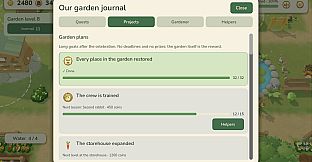
Gardenkin is an indie casual simulation game for PC that centers on restoring a neglected community garden through hands-on tasks and gradual community involvement. Players begin by clearing weeds, hauling debris to a composter, repairing a dry pump, and preparing empty beds for planting. The core loop involves tending crops such as carrots, tomatoes, berries, strawberries, flowers, pumpkins, apples, and pears while integrating animal assistance and neighbor interactions once the garden revives.
Gameplay
The restoration process unfolds at a measured pace without timers or resource depletion. Clearing overgrown plots requires manual effort before digging and planting can begin. Once water flows again, neighbors return sequentially, each contributing requests that tie into garden expansion. Mira, the keeper, reappears first, followed by Theo the carpenter, June the botanist, Rosa the baker, Eli the young gardener, Basil with his orchard background, and Nora the naturalist. These characters introduce small projects like building lanterns, grafting a pear tree, creating a bird corner, assembling a scarecrow, or installing a seed shelf.
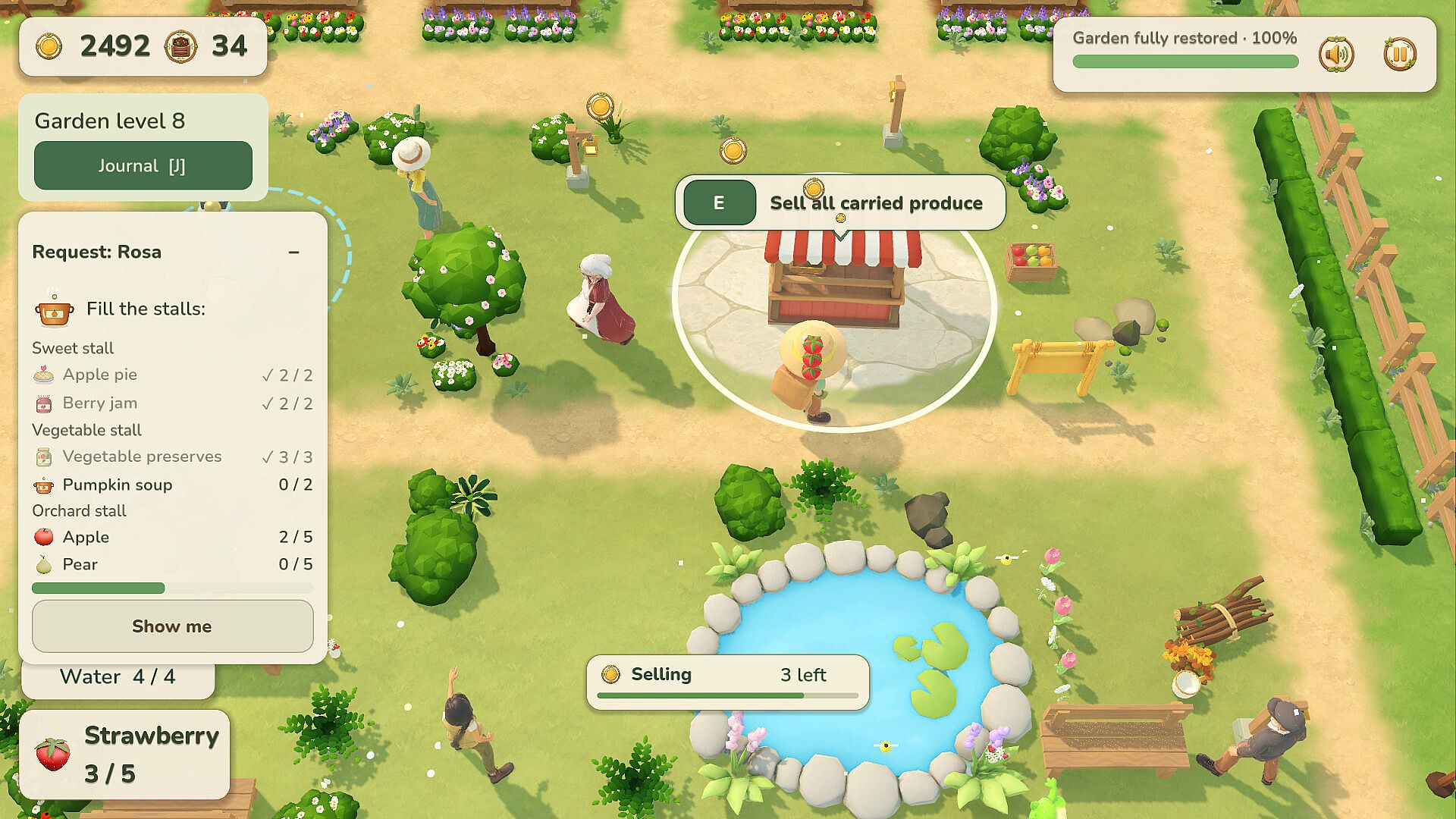
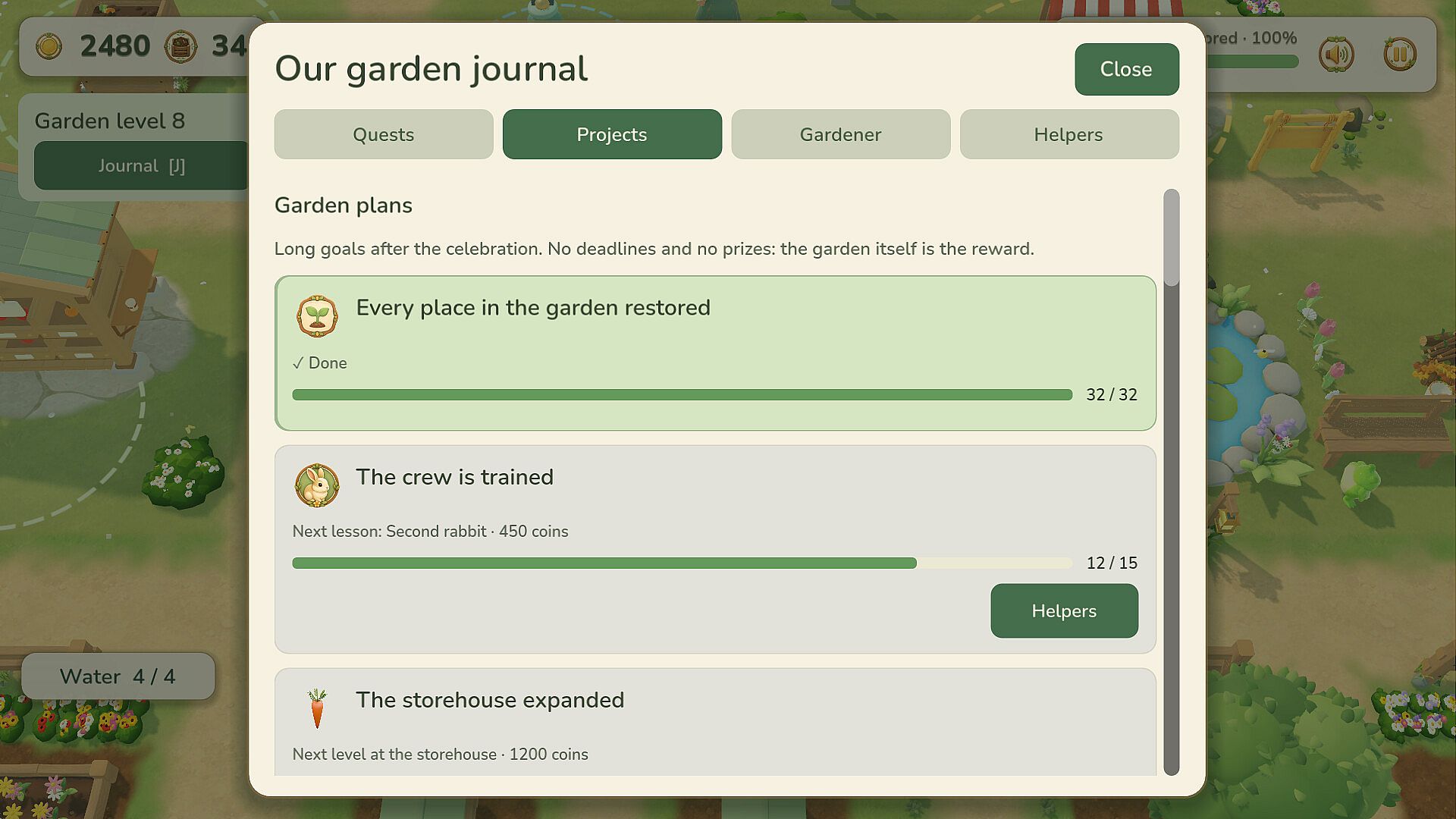
Crop management includes harvesting and processing at the preserves station. Recipes for jam, pickles, pumpkin soup, apple pies, and honey pears demand precise steps such as peeling, cutting, pouring to exact levels, and stirring. Accurate execution yields bonus output. Flowers attract bees for honey production, which feeds into certain preserves. A rabbit collects ripe produce while a hedgehog transports surplus to market, and both animals can be trained as the garden scales. Storage by crop type supports order fulfillment through direct deliveries to neighbors.
Construction covers repairing the fence, pump, and garden arch alongside new builds like a bench, workshop, and common table. Placement decisions affect Eli's welcome corner and the table's position. Weeding occurs midway through growth cycles, with an optional close-up mini-game to remove weeds and aphids while sparing ladybugs, or a quicker alternative for faster progress. The garden continues developing during absences, and overripe harvests simply compost back into the soil without loss of progress or purchased items.
Game Modes
Gardenkin operates as a single continuous single-player experience centered on progressive garden revival and neighbor integration. There are no separate competitive, survival, or multiplayer modes. All activities feed into the same restoration narrative, where completing personal projects for each neighbor and hosting harvest fairs at the common table mark milestones. The structure emphasizes open-ended progression rather than distinct phases or branches, allowing players to interleave planting, crafting, building, and deliveries according to their preferences.
Community and Neighbors
Seven distinct neighbors drive much of the content through individualized requests that expand garden functionality. Their involvement brings variety to daily tasks, from carpentry assistance to botanical knowledge and baking applications. Interactions remain optional and low-pressure, with each character adding layers to the shared space without requiring immediate completion. Harvest fairs provide opportunities to showcase grown produce and preserves around the common table, reinforcing the sense of a living community space.
Building and Customization
Players shape the garden through repairs, new constructions, and layout choices. Basic infrastructure like the fence and pump supports further development, while additions such as the workshop and table enable expanded crafting and gathering. Decisions on feature placement influence how the garden feels and functions. Animal helpers integrate into the workflow as the space grows, and seasonal elements like blooming flowers unlock beekeeping without rigid schedules.
Is It Worth Playing?
Gardenkin suits players who enjoy relaxed simulation experiences with no failure states or mandatory pacing. The absence of energy systems or crop loss allows sessions of any length, and the garden's independent growth during breaks supports intermittent play. Recent development updates demonstrate ongoing refinements to mechanics like weeding and cooking sequences, indicating continued support ahead of release. Those drawn to cozy indie titles focused on restoration, crafting, and light community storytelling will find a consistent match in its deliberate, forgiving design. The game remains in active development with a wishlist available on its platform page.












