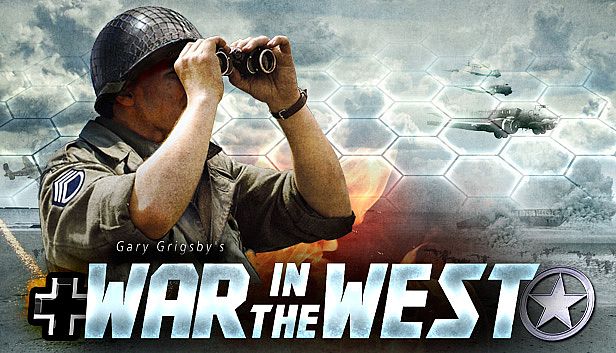











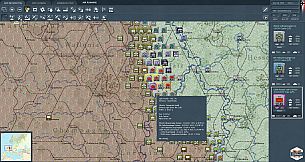
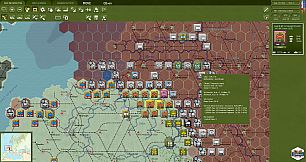
Gary Grigsby's War in the West stands as a deep simulation wargame that captures the complexities of World War II's Western Front through turn-based strategy.
Gameplay
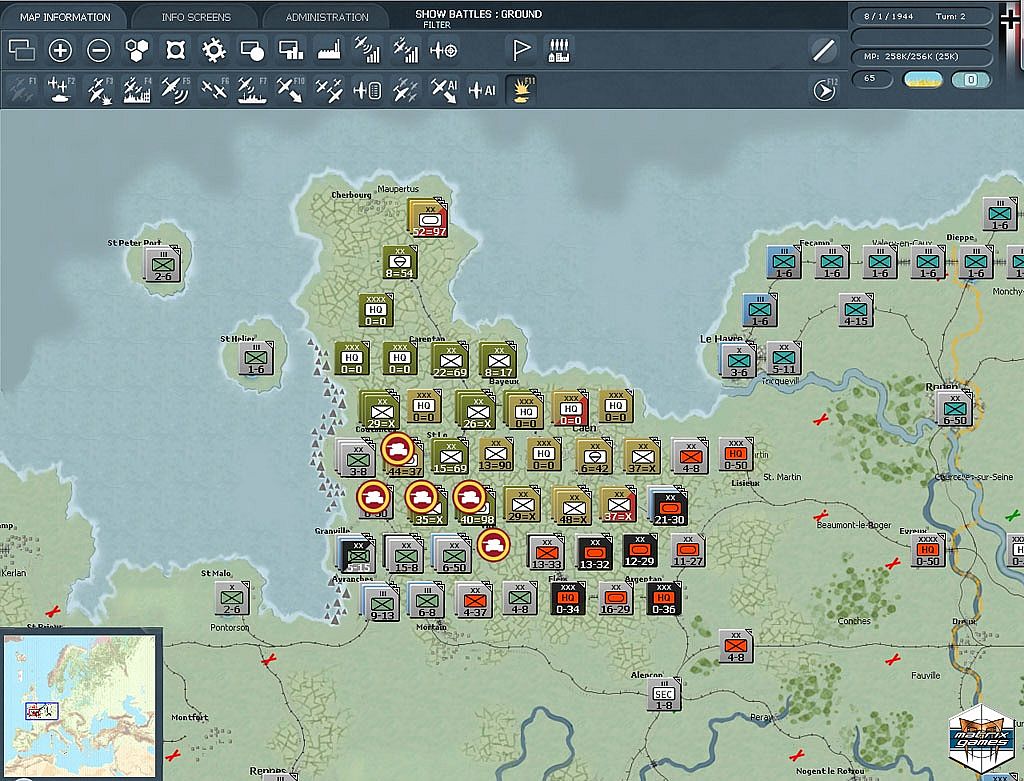
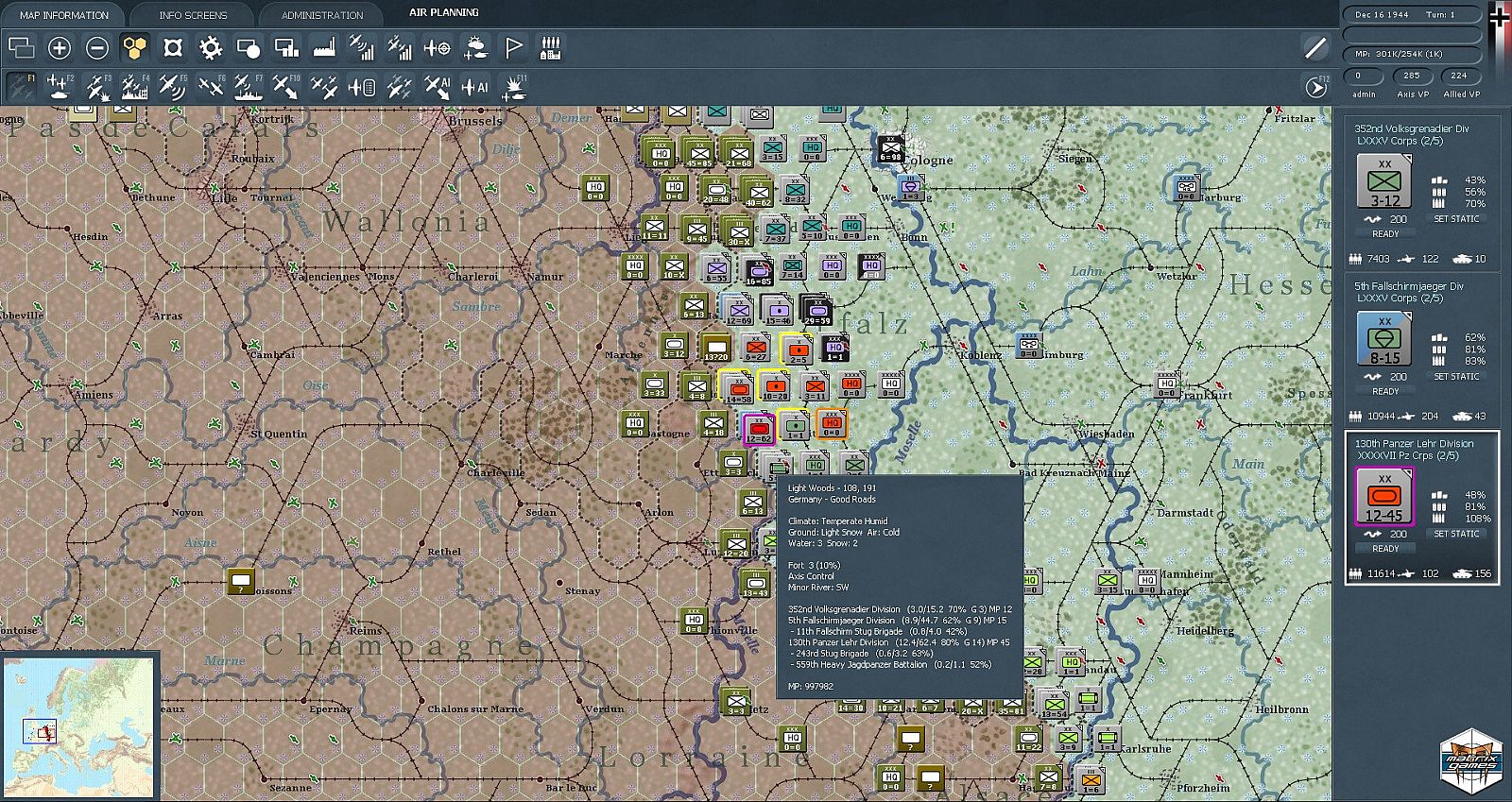
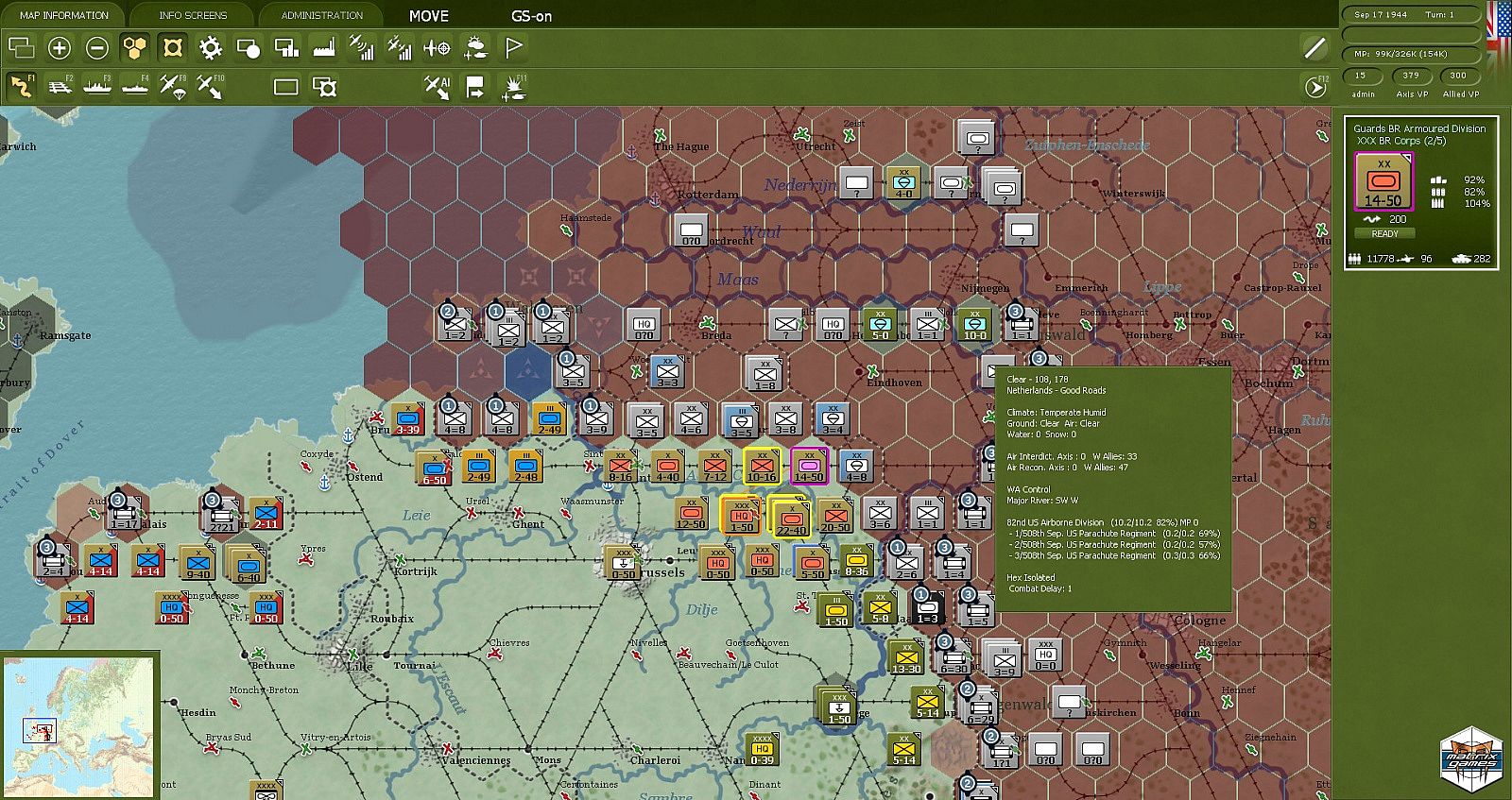
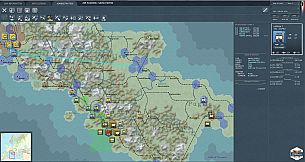
In this title, you take command of Allied or Axis forces starting from the 1943 invasions of Sicily and Italy, pushing through France and into Germany. The core loop revolves around strategic planning on a massive map with over 36,000 hexes, where terrain types like bocage and desert influence movement and combat. You manage an intricate order of battle, tracking every squad, vehicle, and plane, while a realistic logistics system handles rail usage, depots, trucks, and ports. Interdiction plays a key role, as airpower can disrupt supply lines and damage infrastructure.
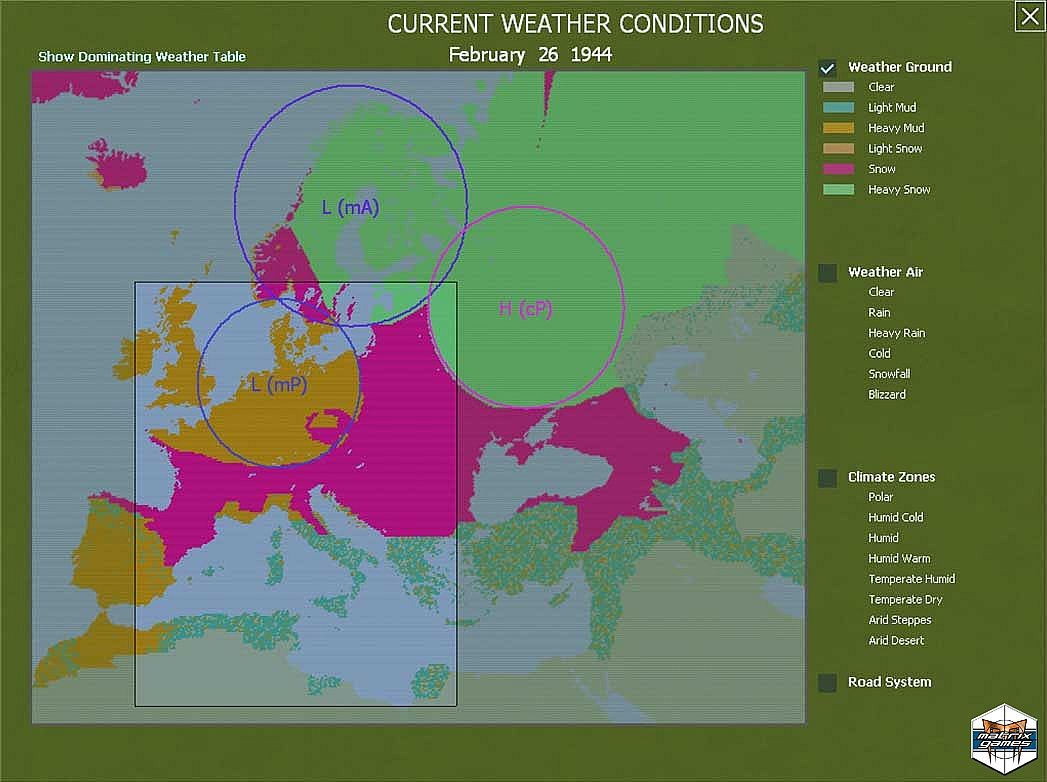
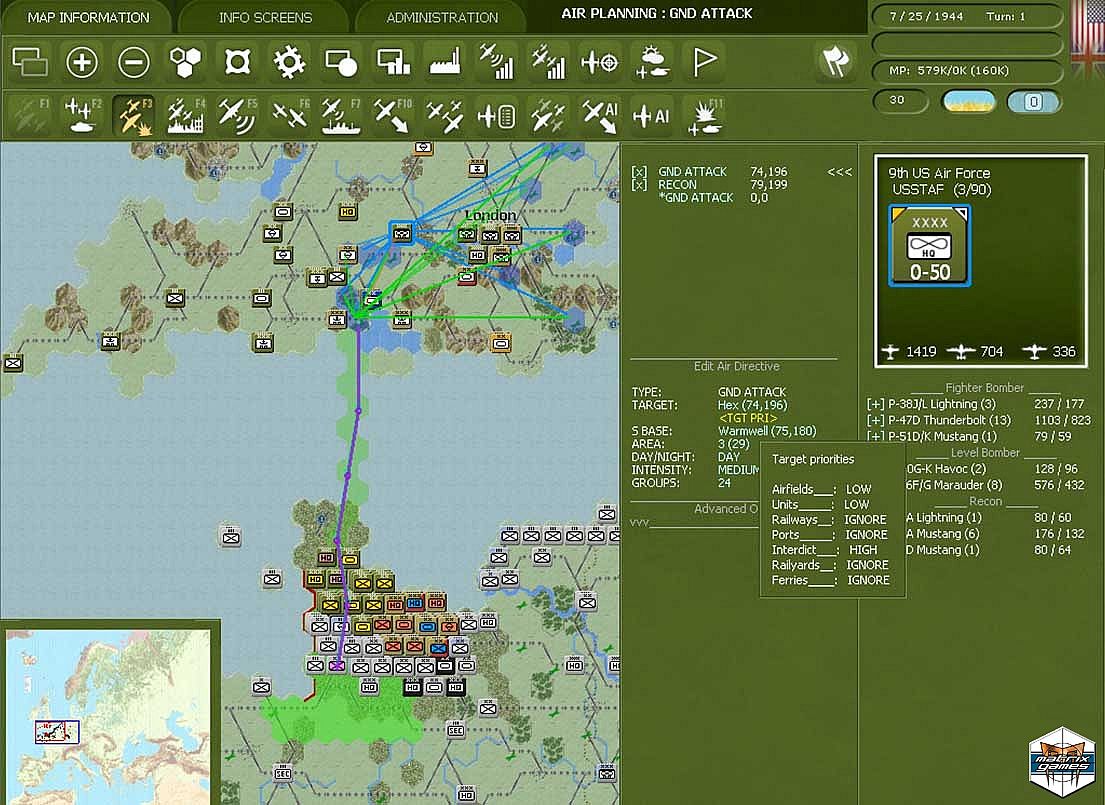
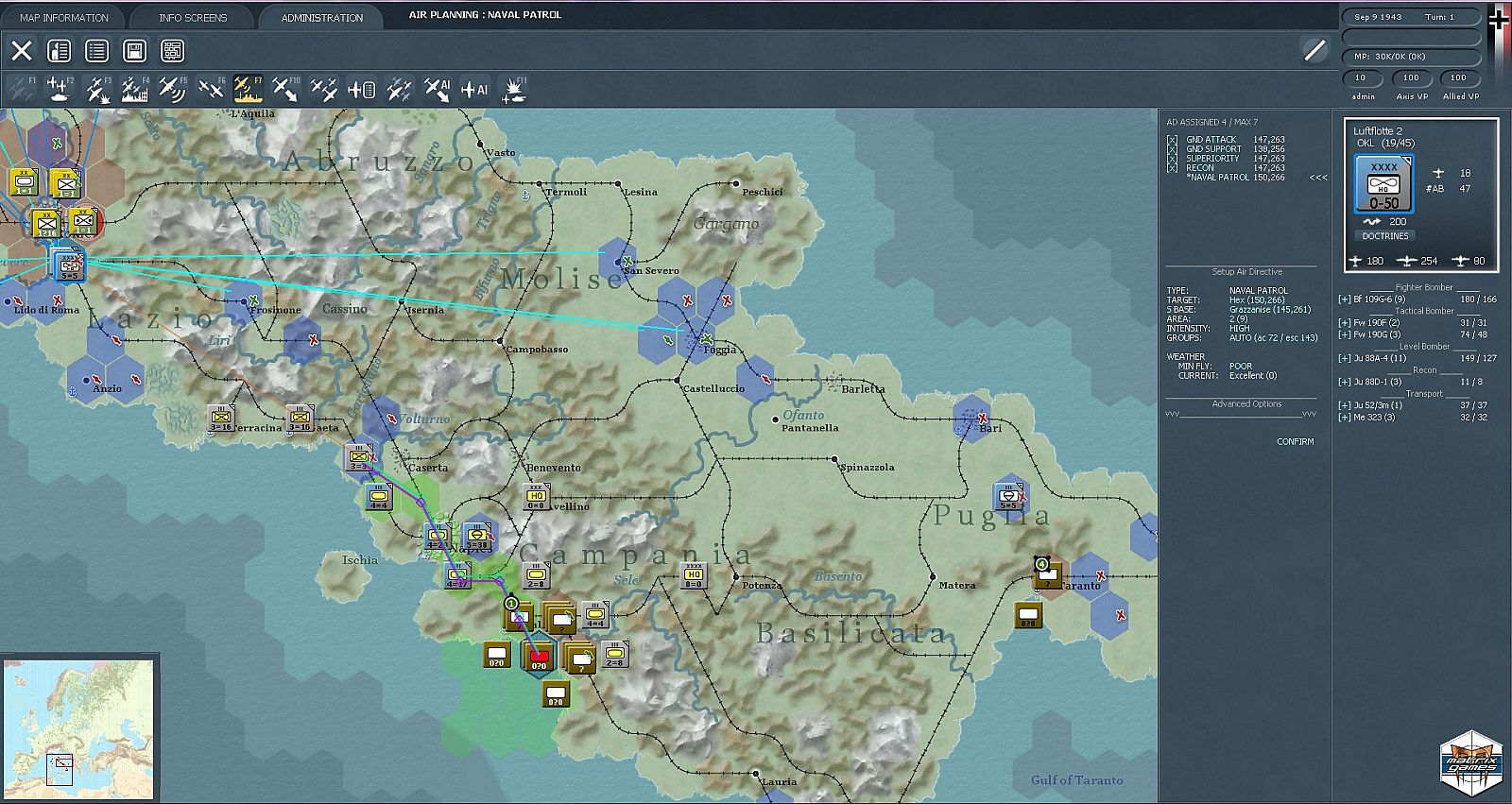
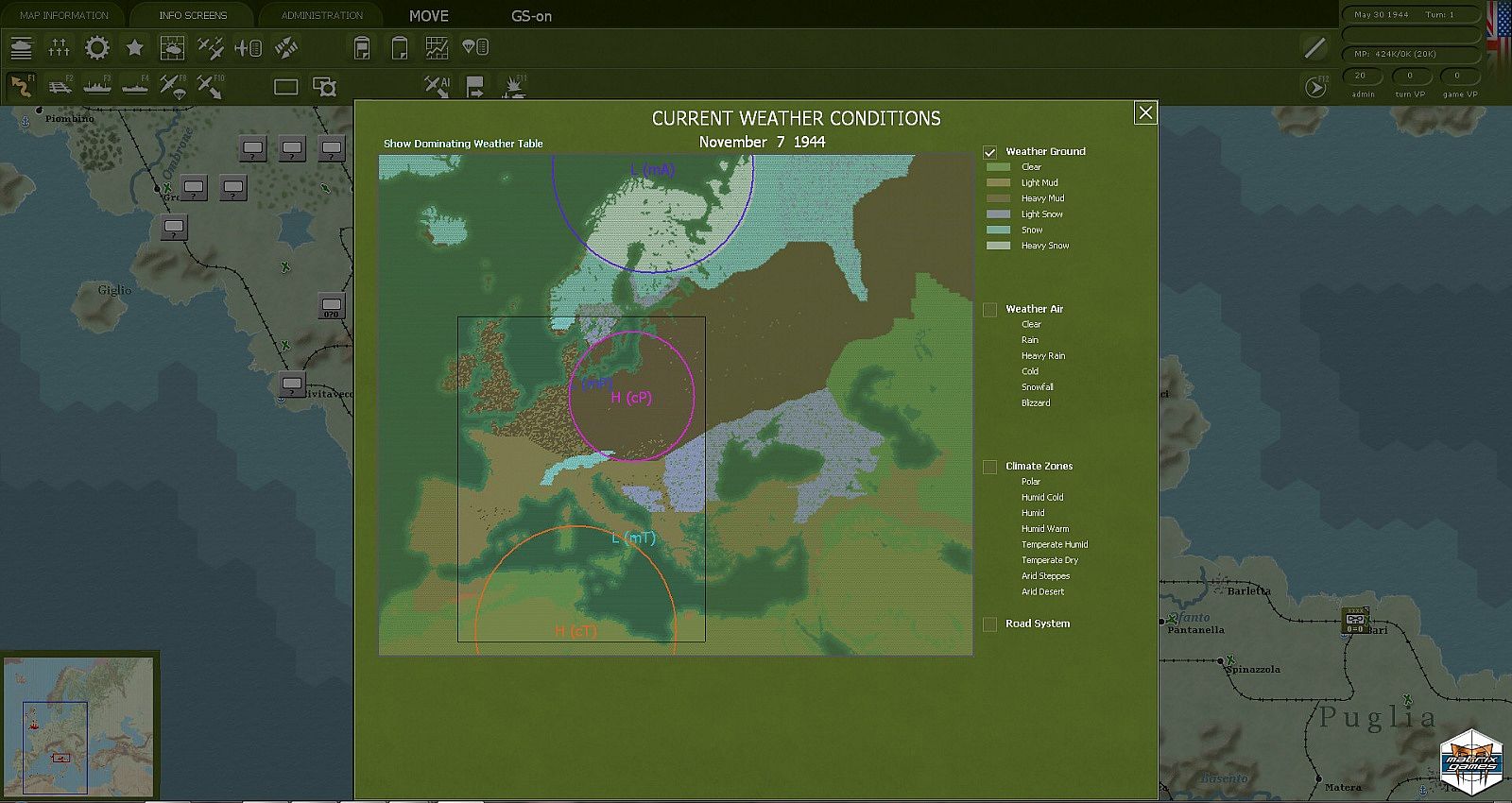
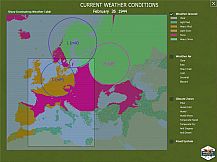
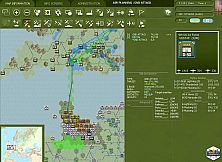
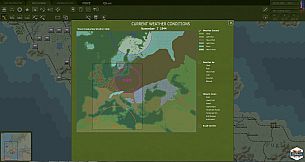
The air war unfolds in a separate resolution phase, with air directives guiding missions such as ground support, strategic bombing, air superiority, and naval patrol. You prioritize targets like railyards, ports, and airfields, adjusting doctrines for pilot training and mission profiles. Weather adds another layer, with eight zones and moving fronts affecting ground conditions, air operations, and even river ice levels. Amphibious and airborne operations require preparation points, supported by temporary ports and specialized units like rangers and commandos.
For Axis players, garrison requirements in regions and cities prevent partisan activity, while the East Front Control option lets you balance forces between fronts, monitoring Soviet advances. Victory hinges on controlling cities, minimizing bombing damage, managing casualties, and achieving key invasions.
Game Modes
The game offers full campaigns covering the Western Front from 1943 to 1945, with options to end in May 1945 or extend to August if using the East Front Control. Shorter scenarios focus on specific operations, like the invasions of Sicily, Italy, or France, allowing alternative strategies.
Multiplayer comes through an updated PBEM++ system, where you handle strategic decisions against human opponents. An AI assists in air directive creation and can manage tactical choices, making it accessible for solo play while supporting deeper involvement.
Key Features
A standout element is the detailed modeling of strategic bombing, with 14 target types to prioritize. The supply system tracks rail congestion and depot stockpiles, forcing careful resource allocation. Multi-role units can split into battalions for support roles, enhancing flexibility in landings and offensives.
The AI handles not just battles but also invasion strategies, providing a challenging opponent. Players appreciate the historical accuracy in unit compositions and weather impacts, which dynamically alter the battlefield.
Is It Worth Playing?
This wargame suits enthusiasts of intricate strategy simulations who enjoy micromanaging WWII campaigns. Reviews highlight its depth and replayability, praising the balance of land, air, and logistics mechanics. With ongoing community support through forums, it remains engaging for those seeking authentic historical warfare. If you prefer fast-paced action over detailed planning, it might feel overwhelming, but for strategy fans, it delivers a rewarding experience.