




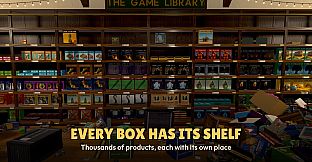
Get Your Cards in a Row is a first-person physics simulation game in the indie casual and simulation genres. Players restore an inherited game shop by sorting thousands of physical items back onto their proper shelves using realistic interactions and a growing set of tools.
Gameplay
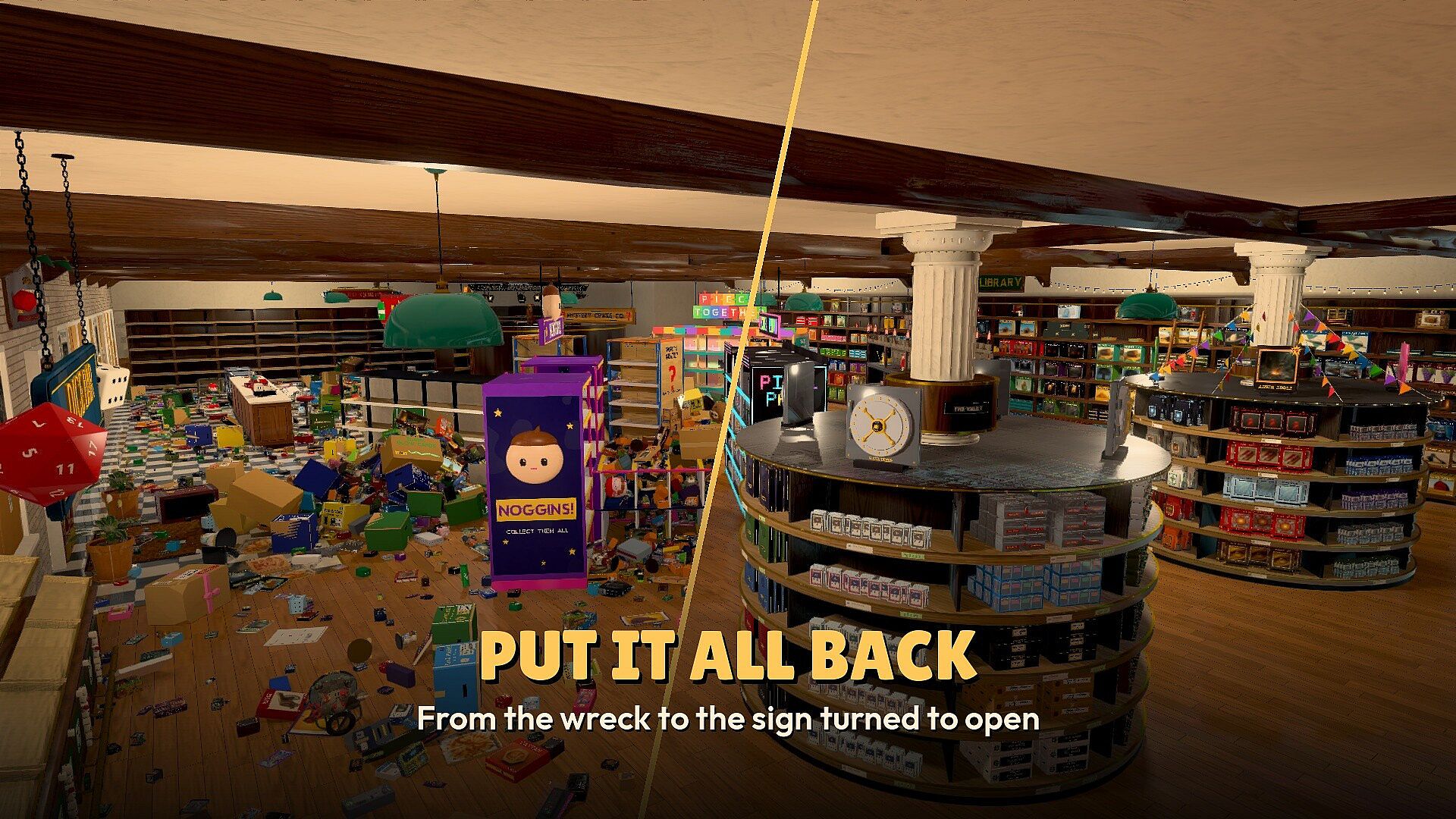
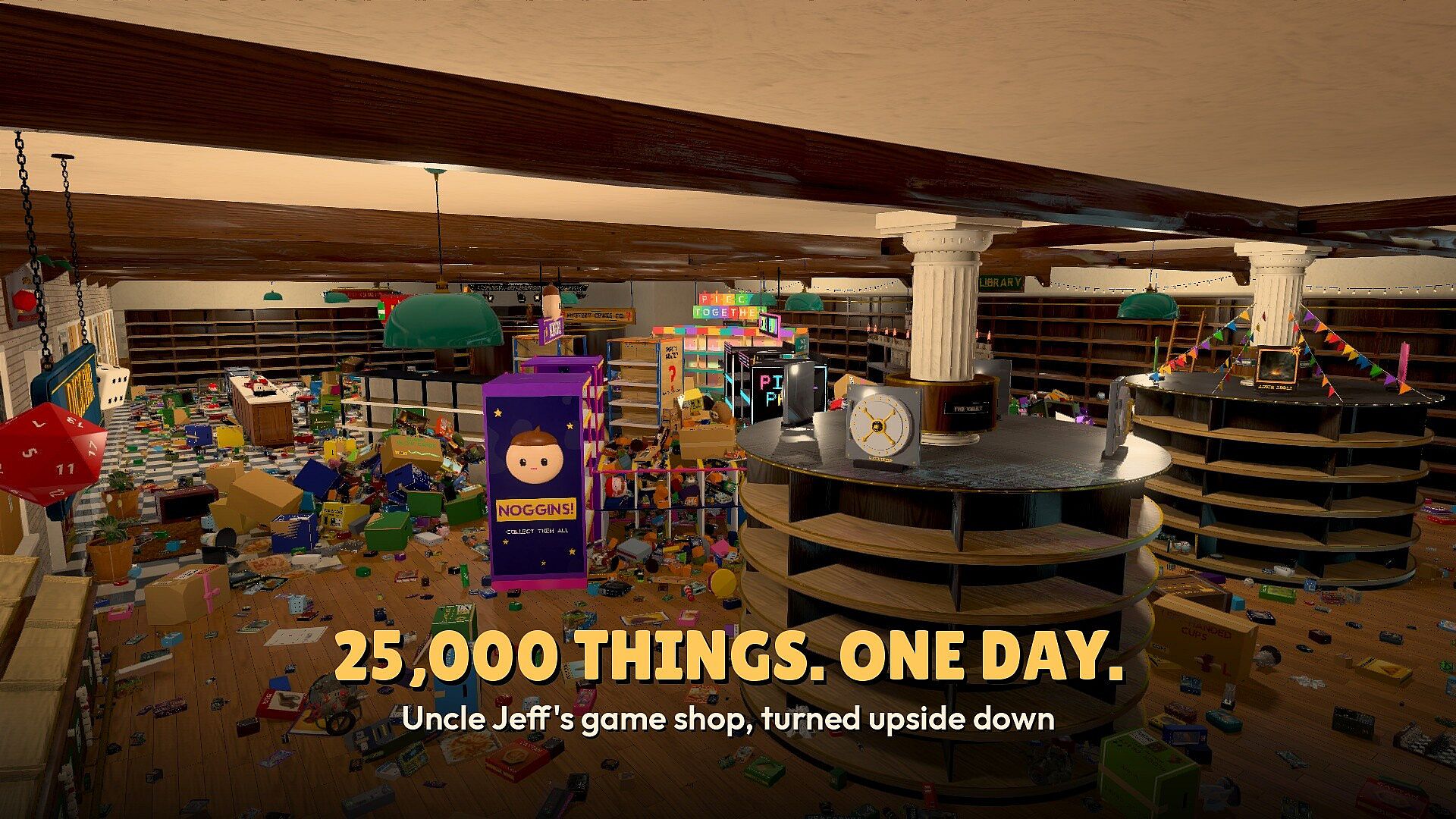
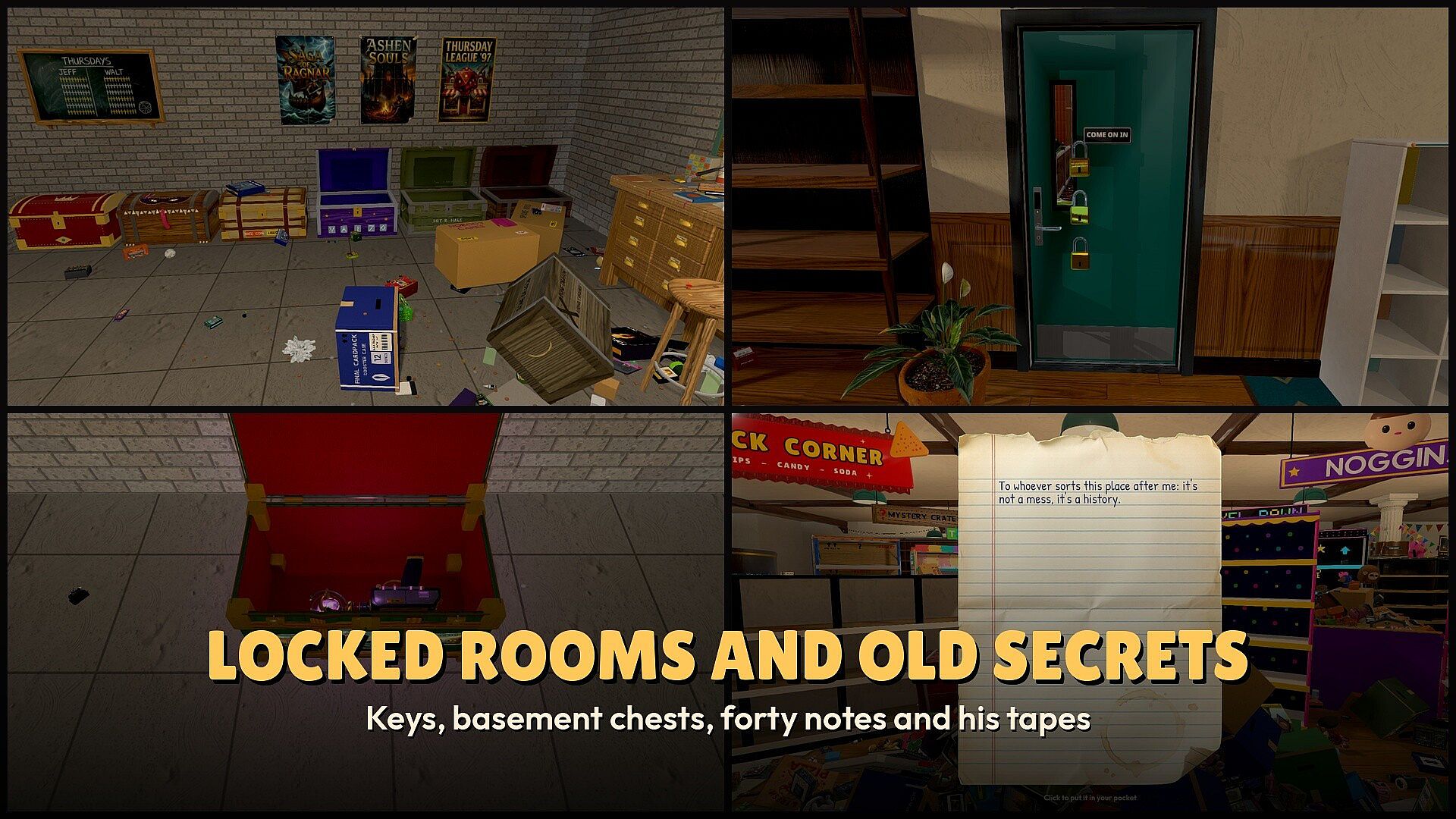
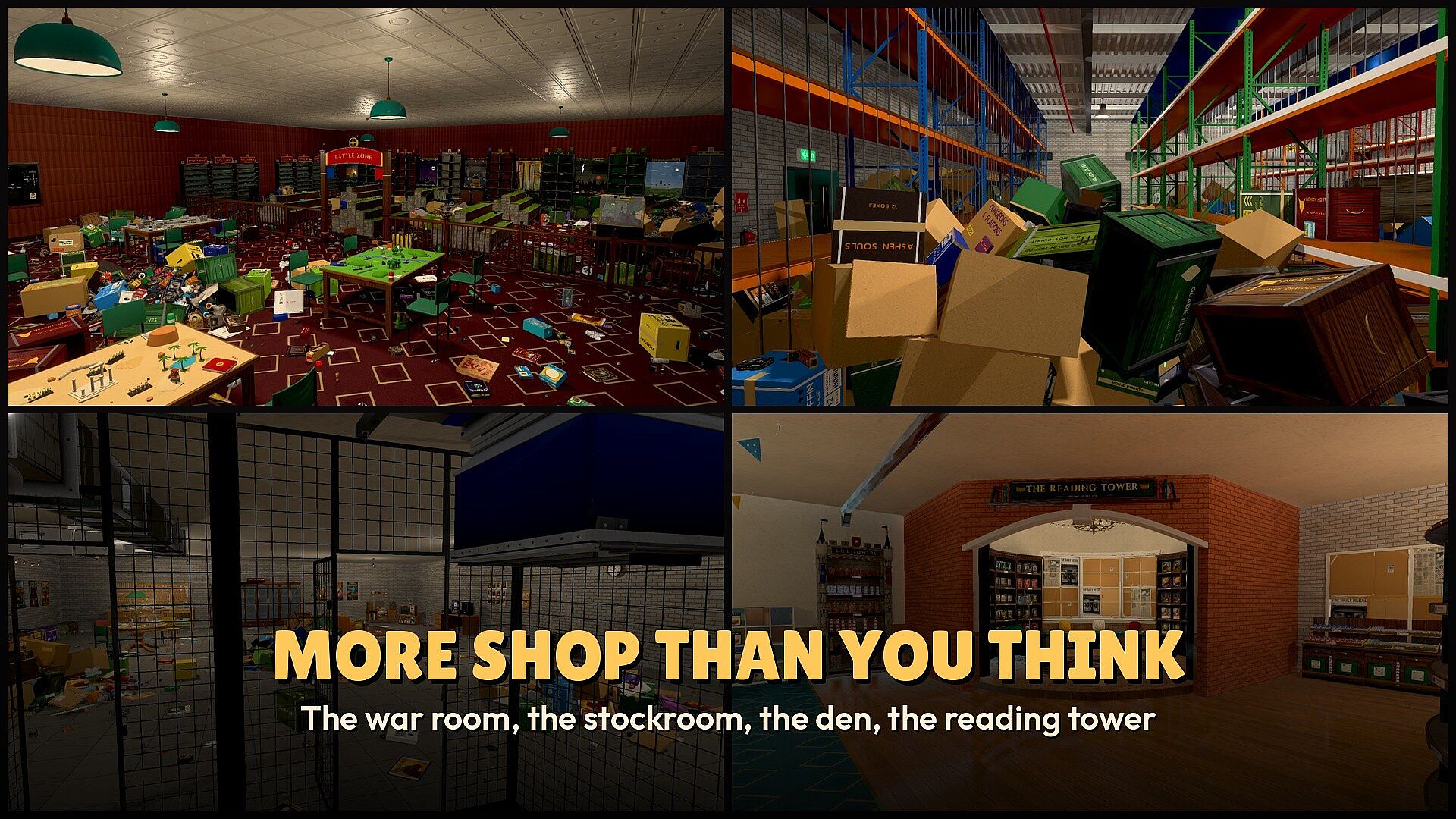
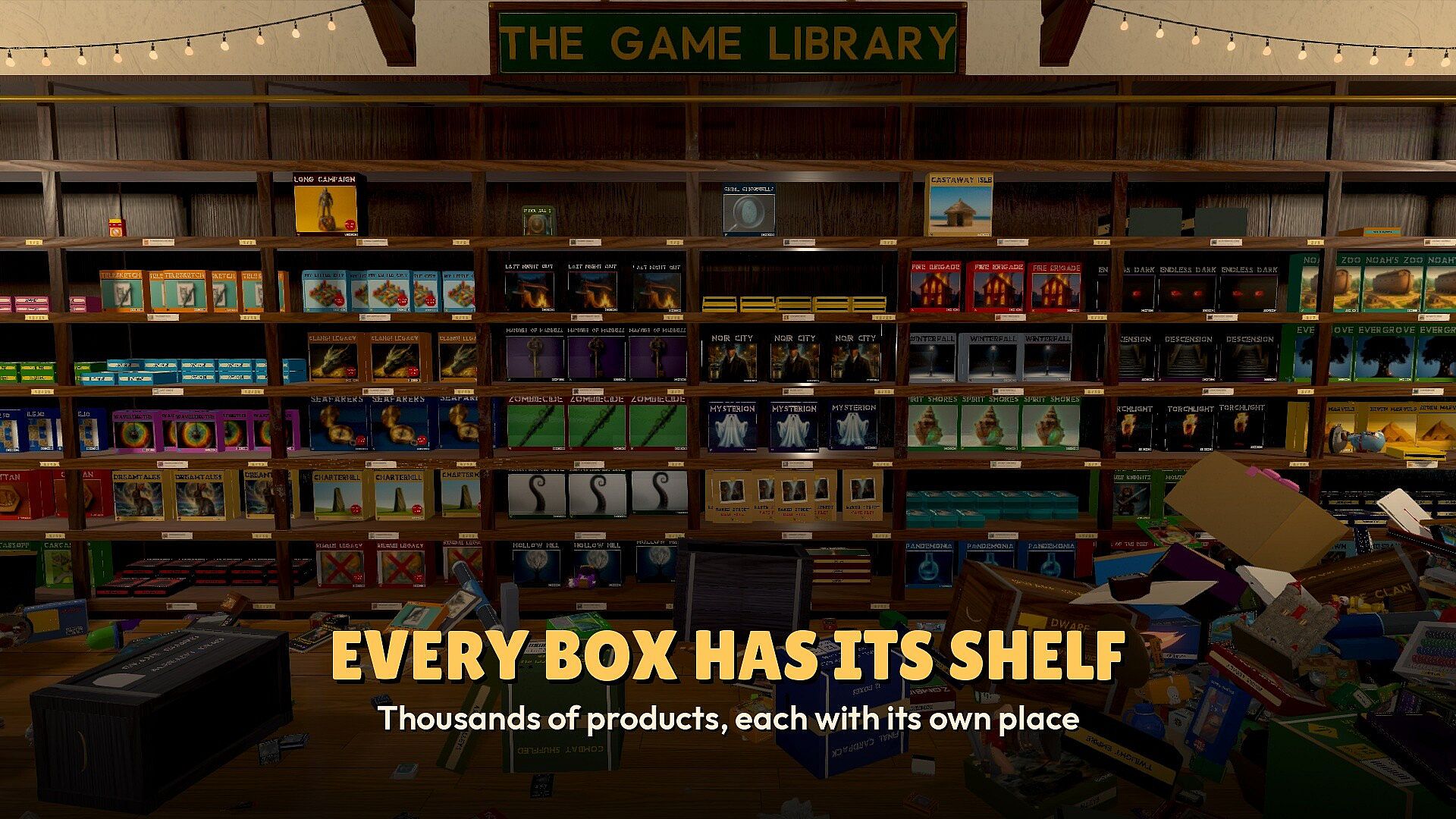
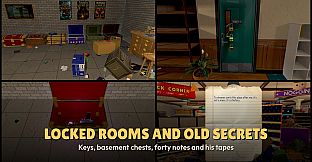
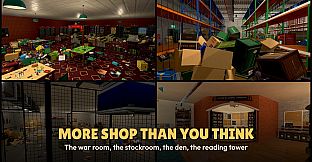
The core loop centers on exploring a cluttered shop filled with over 25,000 games, toys, cards, and miscellaneous objects scattered across floors, aisles, and locked rooms. Players pick up items by hand, examine labels to identify correct sections, and carry them to matching shelves. Filling shelves gradually revives the space, while trash gets binned and damaged stock cleared. Keys unlock new areas as progress continues. Every shelved box grants experience points, and completing sections advances the overall restoration.
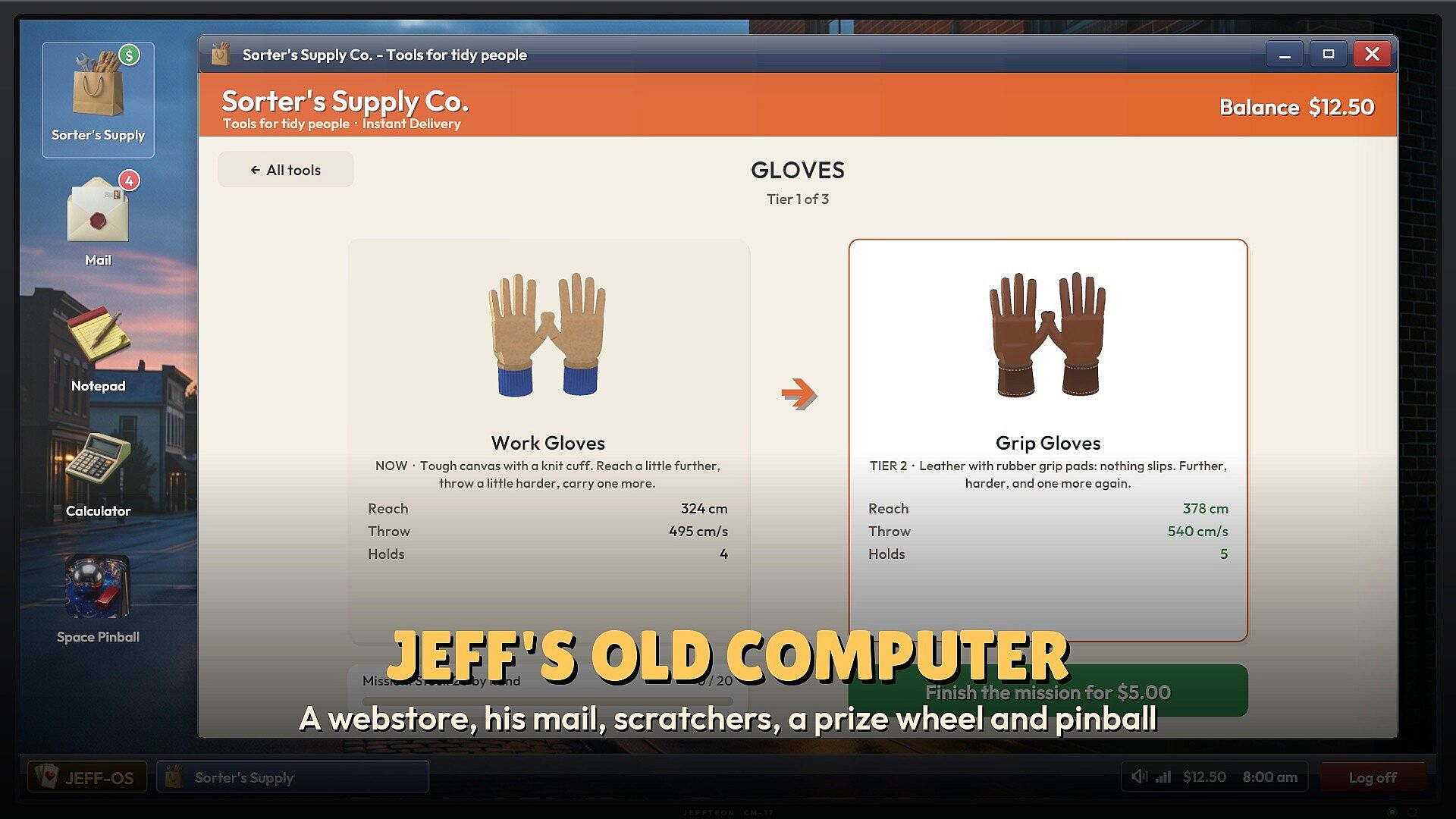
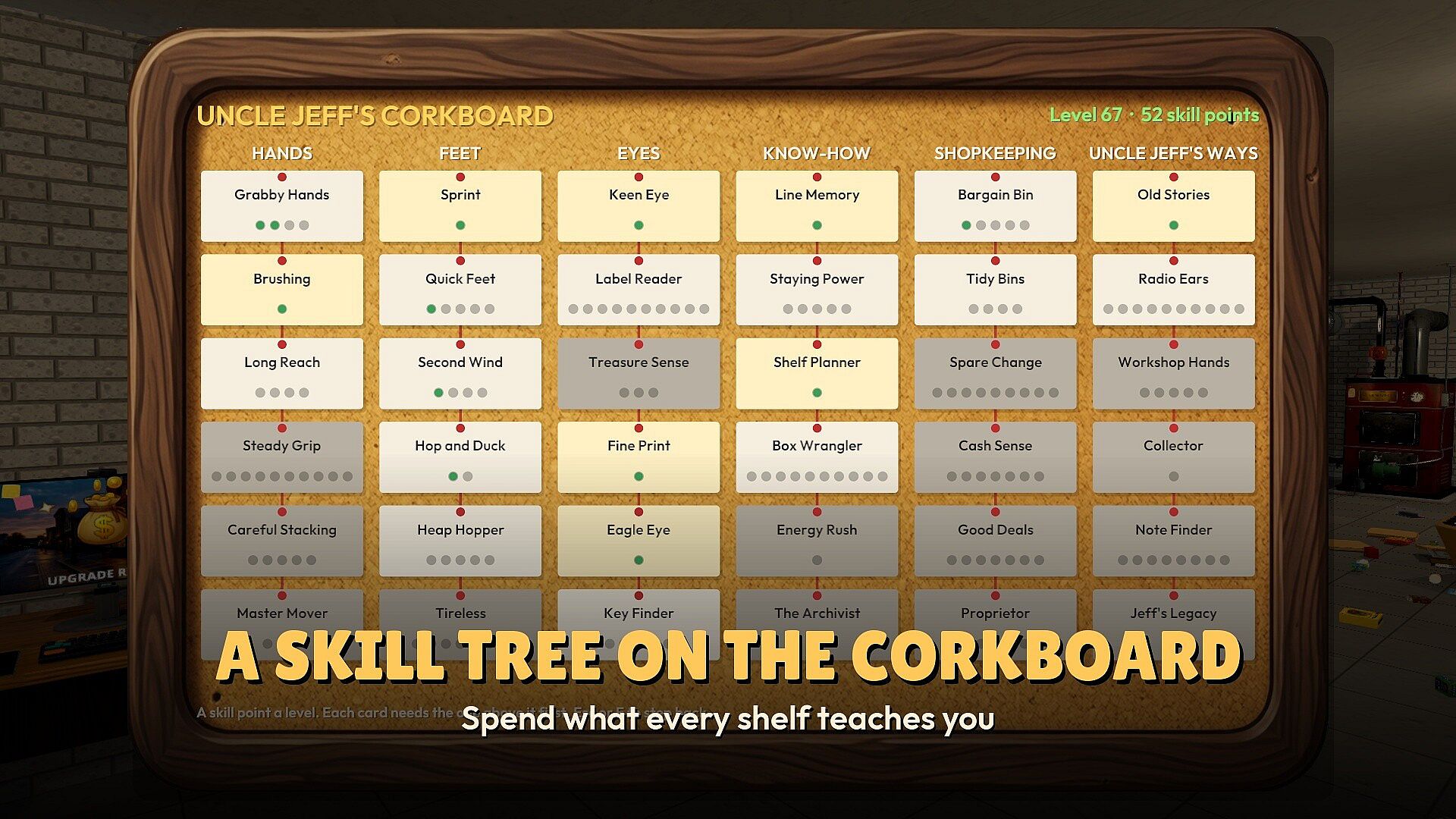
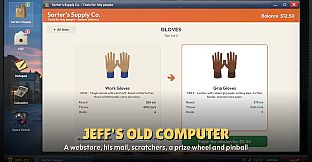
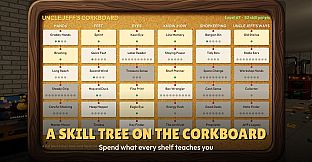
Hands alone prove limiting for larger heaps, so players purchase and upgrade tools from earnings. The basket allows carrying multiple items at once. A metal detector locates buried coins. The tube gun sucks objects and fires them directly onto shelves. Drones transport pointed items to their destinations. The broom sweeps debris into piles or clears space for dumping. Additional tools and secrets unlock over time. Skill points spent on Uncle Jeff's corkboard improve movement speed, reach, item recognition, shop deals, and path lighting. An old computer terminal handles tool orders from Sorter's Supply Co., mail reading, and other discoveries left behind.
Game Modes
Three distinct modes shape the experience. Relaxed Casual mode emphasizes steady progress without strict pressure. A fully Stocked shop mode presents a complete starting inventory for immediate sorting challenges. The Iron Stocker challenge introduces specific objectives that test efficiency and decision-making under tighter constraints.
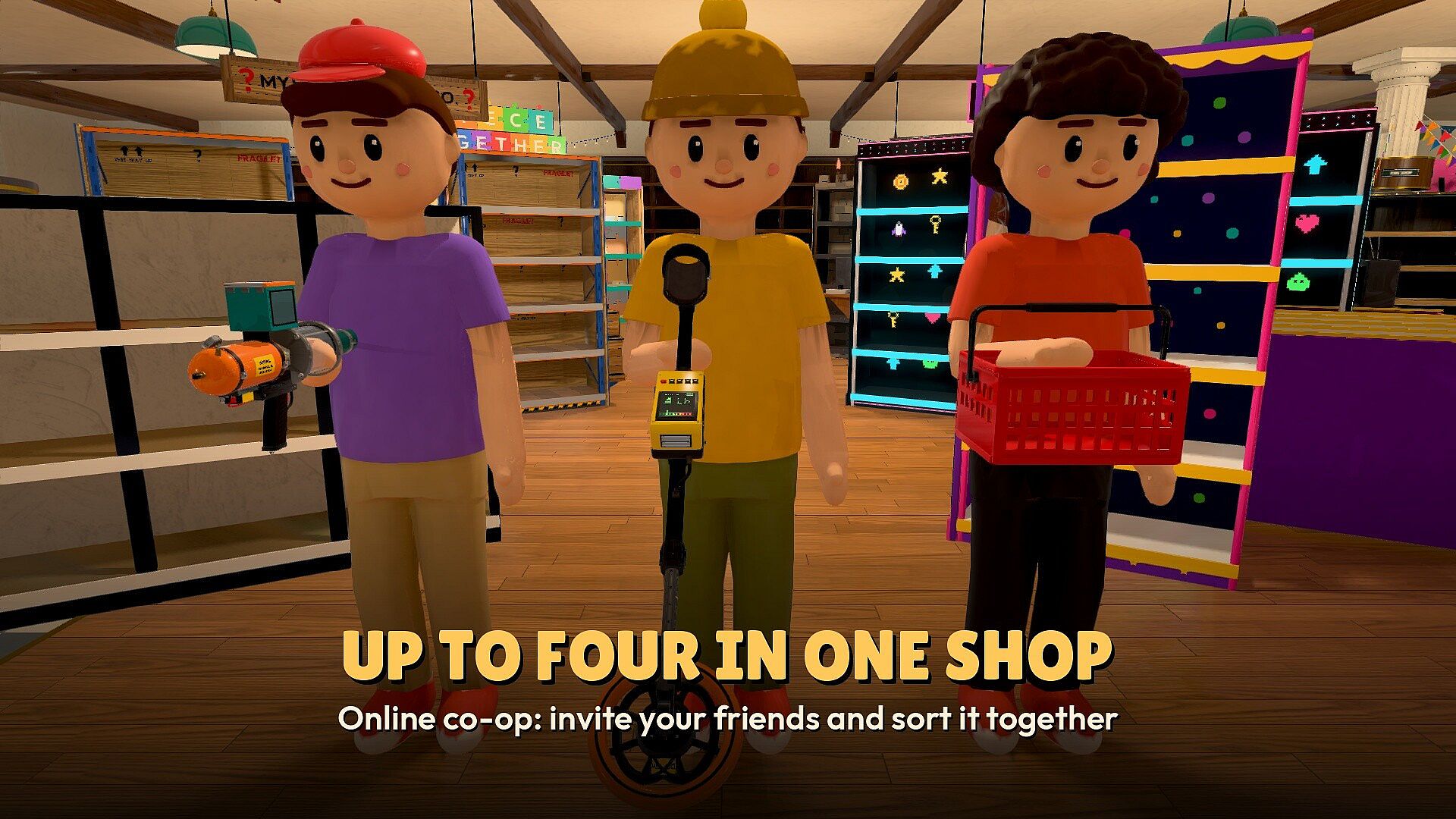
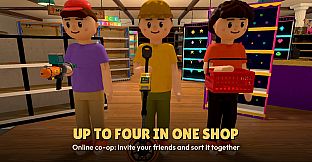
Single-player sessions focus on methodical restoration and personal upgrades. Online co-op supports up to four players, allowing friends to join directly, divide labor, share earnings and experience, and customize their shop worker appearances.
Story and Exploration
Beyond physical sorting, the game weaves in narrative elements through Uncle Jeff's will, scattered notes, old tapes playable in the basement den, and interactions with people who knew him. A Space Pinball machine offers a high-score side activity. Hidden details throughout the shop reveal more about Jeff's life and the events that led to the mess.
Realistic physics governs every action, from digging through piles and throwing objects to sweeping and blasting heaps apart. The shop evolves visibly as sections fill and order returns.
Is It Worth Playing?
This title suits players who enjoy deliberate, hands-on simulation tasks combined with light progression systems and optional cooperative play. The physics-driven sorting creates satisfying feedback as the environment transforms, while tool upgrades and the skill tree add meaningful customization to the workflow. Co-op sessions let groups tackle the scale of 25,000 items together, sharing the workload and discoveries. Those drawn to casual management sims or physics-based organization games will find a focused loop here, with modes that adjust the pace and goals to match different preferences. The blend of restoration work, tool experimentation, and subtle story elements provides steady engagement without requiring constant action.











