


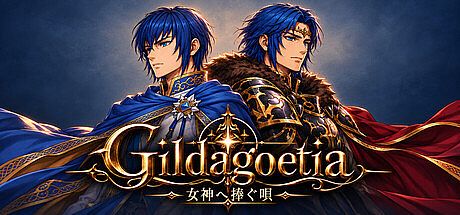


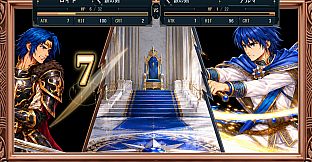
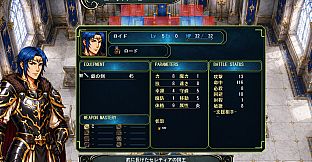
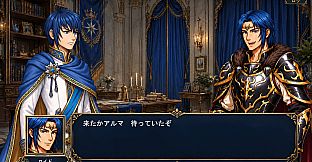
Gildagoetia is a turn-based strategy RPG set on PC that follows the same era through the eyes of two protagonists, Alma and Lloyd. The narrative explores a conflict centered on the Sacred Stones, mysterious objects linked to the goddess Rula, as nations and individuals pursue their own agendas. Players experience the story from both perspectives, with each character pursuing distinct goals that eventually converge on the truth behind the stones.
Gameplay
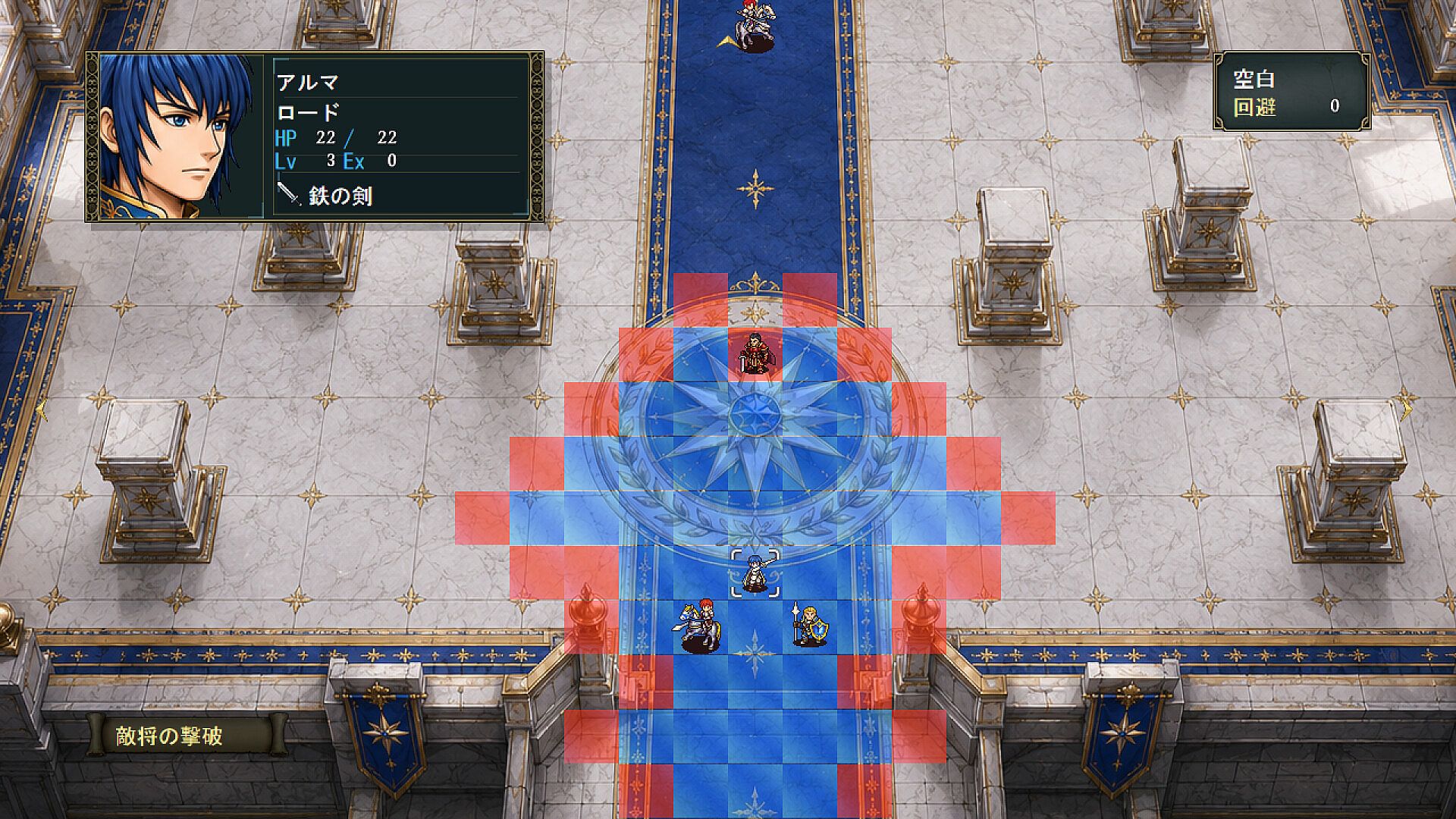
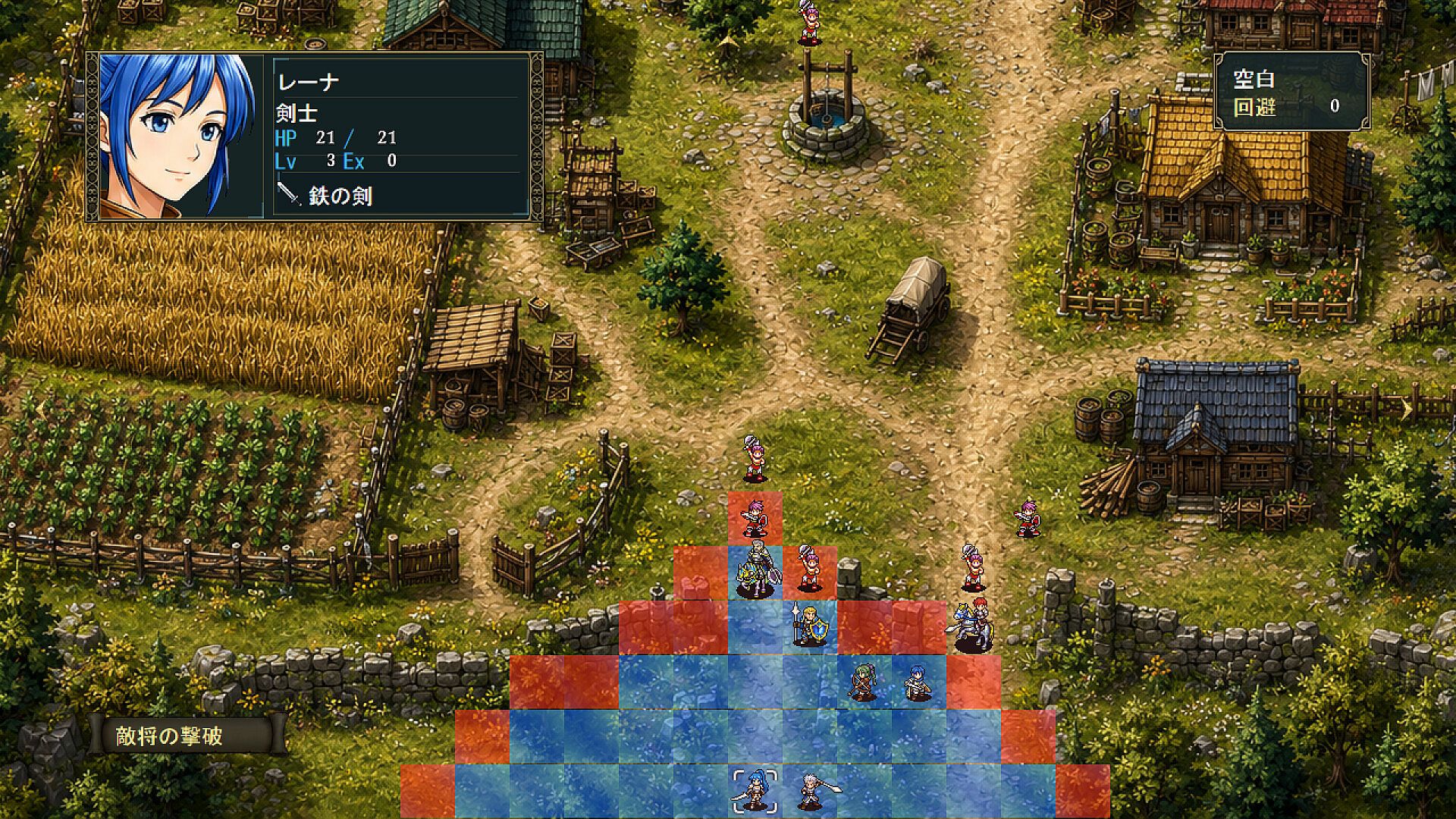
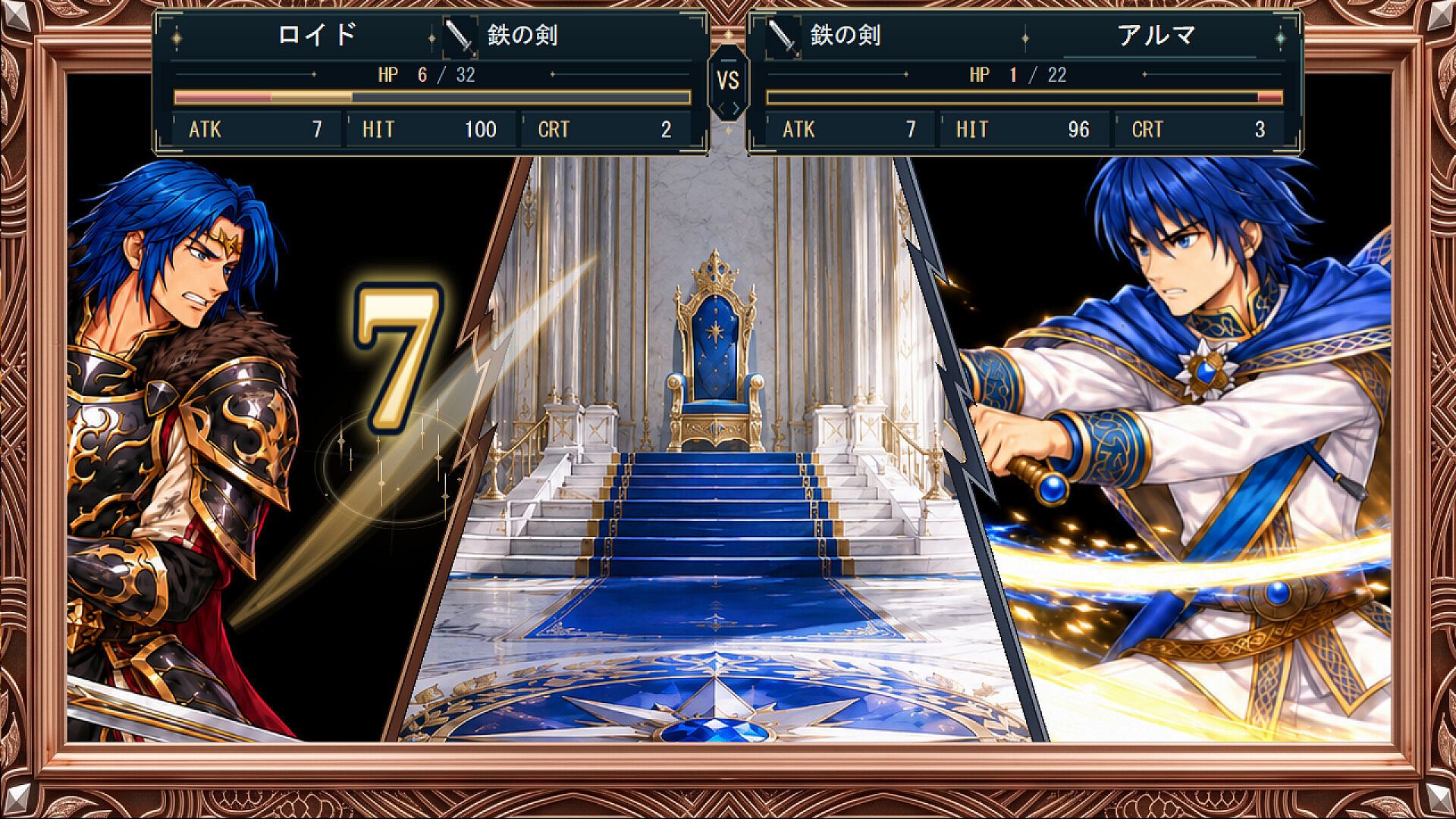
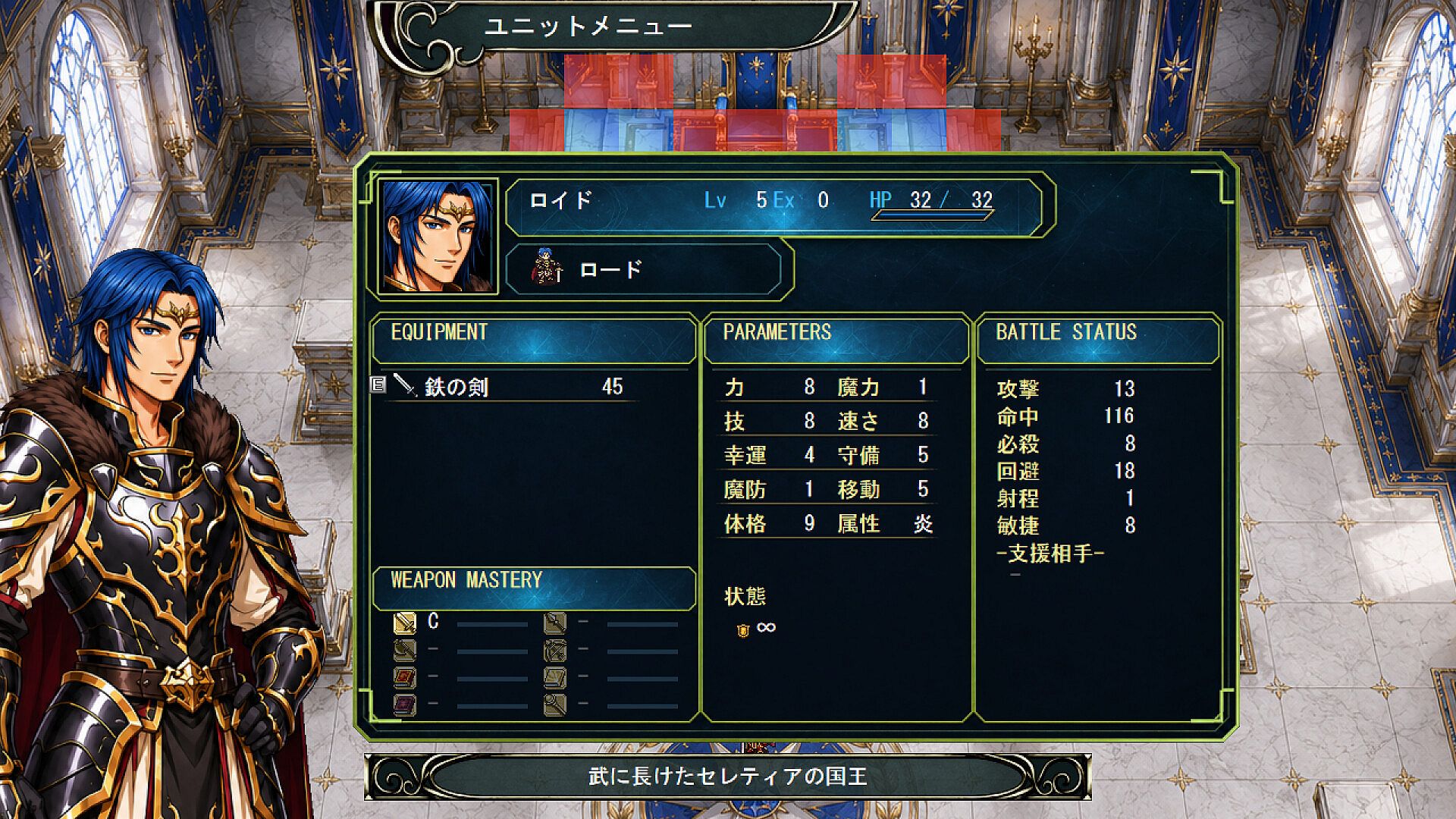
Combat takes place on battlefields where players lead a group of allies. Success depends on using terrain features, enemy positions, and the individual strengths of each unit. Between fights, players train allies by managing their classes and equipment to strengthen the overall force for upcoming challenges. Every ally carries a personal history, and interactions during downtime reveal more about their backgrounds and motivations.
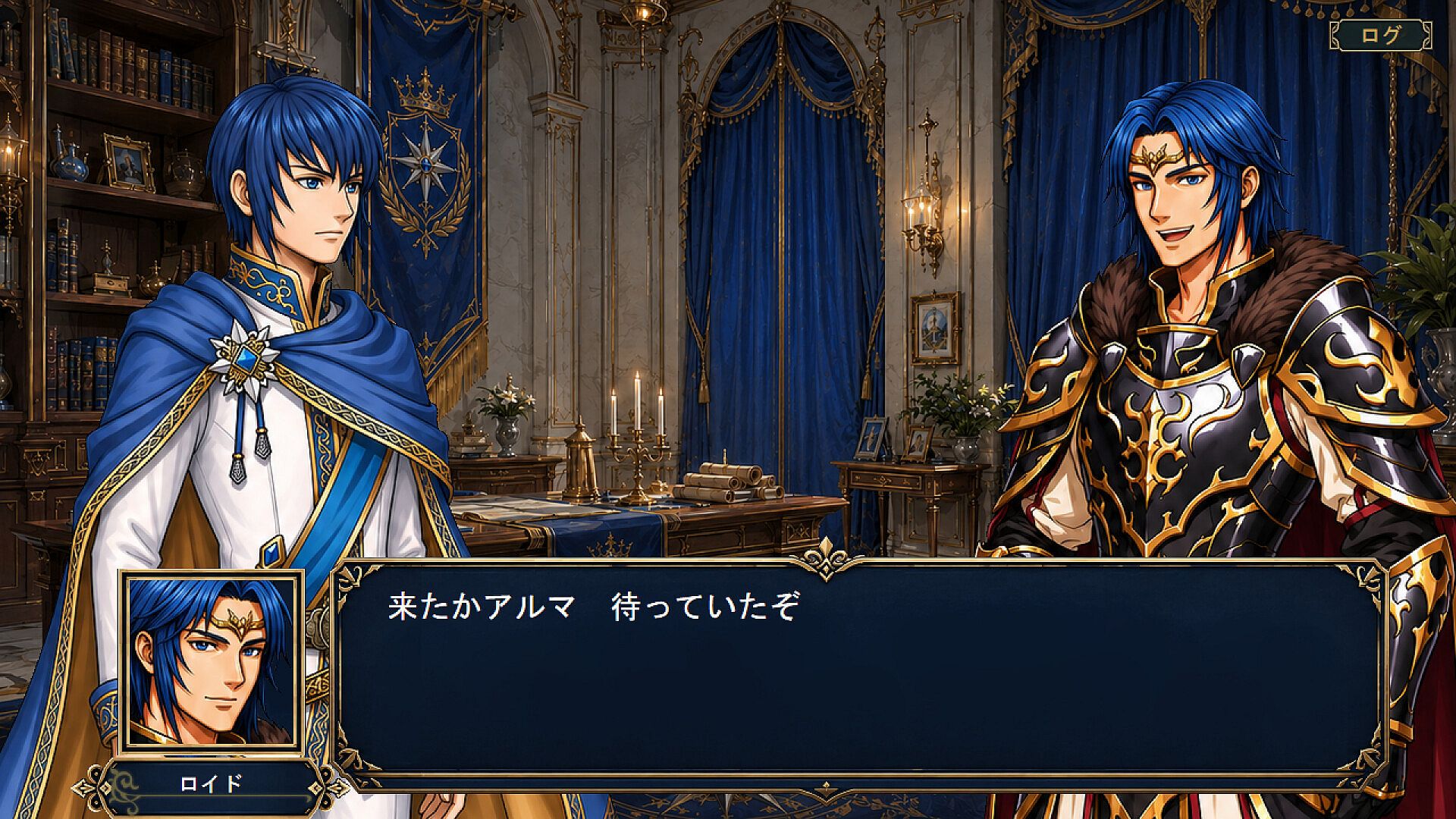
Support conversations and base discussions shape relationships. Outcomes in these exchanges influence later dialogue and can determine the fate of certain characters. The dual-protagonist structure means choices and survivals in one story line can carry implications into the other, creating a layered view of the same events.
Game Modes
The core experience centers on a single-player campaign divided between the two protagonists. Players progress through a series of battlefields while managing unit development and exploring character backstories. No separate competitive or cooperative modes appear in the available details, keeping the focus on the intertwined narrative paths of Alma and Lloyd.
Story and Themes
The Sacred Stones serve as the central mystery, drawing in the ambitions of multiple factions and individuals. Alma and Lloyd each navigate this world according to their personal objectives, encountering allies and adversaries along the way. The story examines questions of right and wrong without offering simple resolutions, reflecting a setting where perspectives clash and outcomes depend on who survives and forms bonds.
Character development extends beyond combat statistics. Conversations at base camps provide context for the larger conflict and highlight how individual circumstances intersect with the broader struggle over the stones. This approach ties mechanical decisions, such as unit management, directly to narrative consequences.
Is It Worth Playing?
Players who enjoy turn-based strategy RPGs that combine tactical combat with character-driven storytelling will find the dual-protagonist format and relationship mechanics engaging. The emphasis on terrain use, unit customization, and branching conversations through support systems offers depth for those who value preparation and long-term consequences over fast action. Availability is limited to PC, and the game remains in a state where its full scope depends on how the intertwined stories resolve. Those drawn to narratives that explore moral ambiguity through multiple viewpoints may appreciate the structure, while players seeking extensive multiplayer options or frequent updates will encounter fewer options in those areas.












