


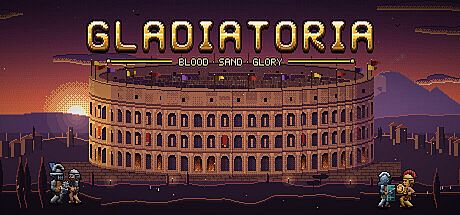


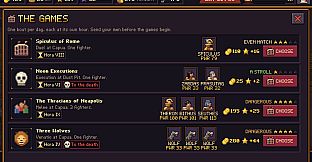
Gladiatoria: Blood · Sand · Glory is a strategy game that places players in charge of a gladiator school in ancient Rome. Set in Capua in 79 AD, the experience centers on managing fighters, resources, and rival pressures over a 60-day period leading to the Grand Games in the Flavian Amphitheatre. As a young lanista inheriting a ludus, the core challenge involves turning limited assets into a competitive stable while meeting obligations to a demanding senator.
Gameplay
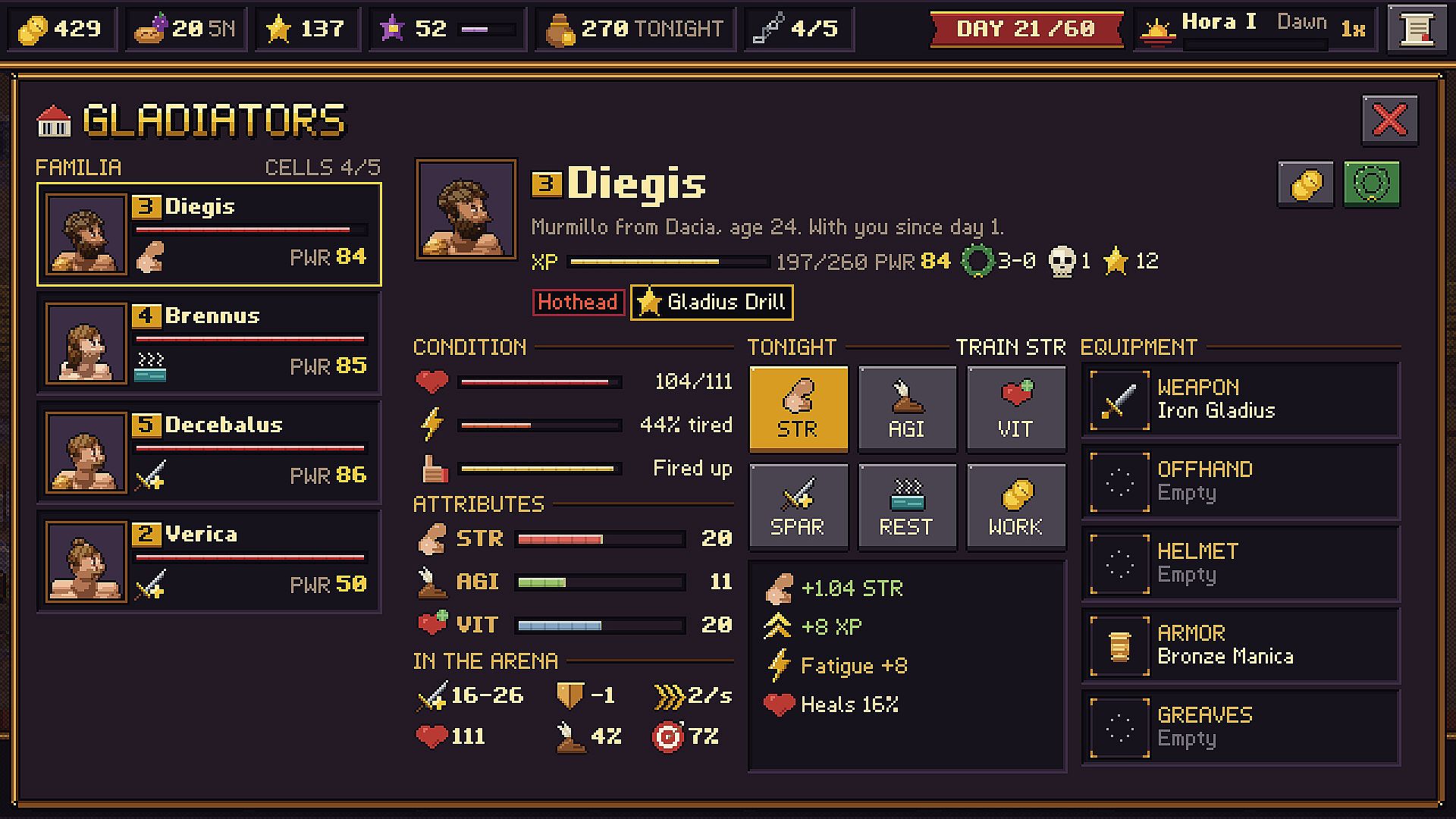
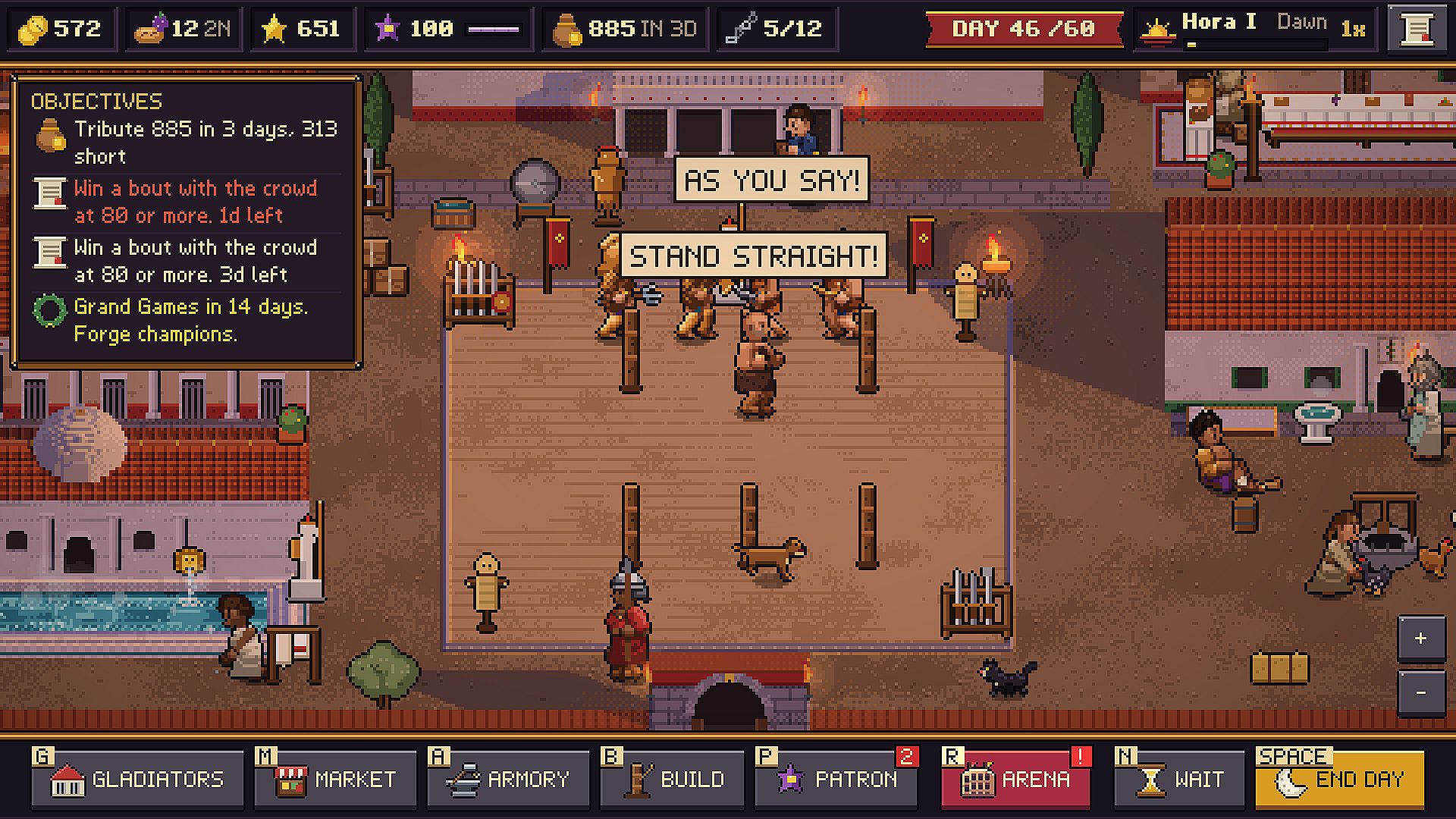
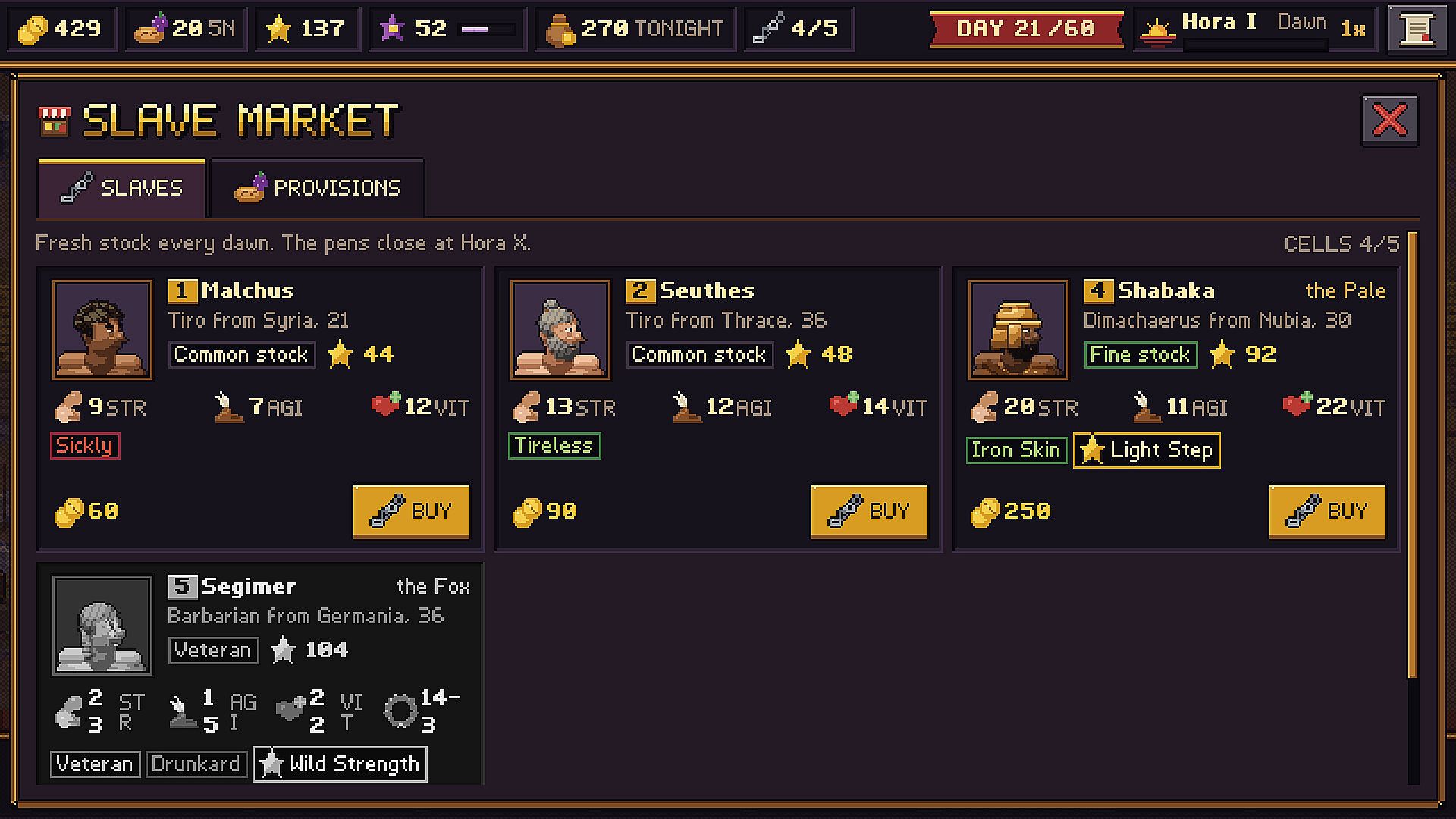
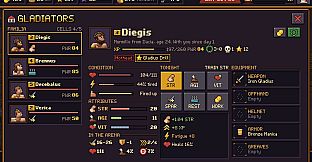
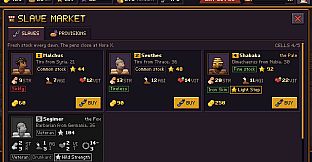
The gameplay loop revolves around daily ludus operations and periodic arena appearances. Players recruit gladiators who each carry unique names, origins, and traits. These fighters can be shaped through training across ten fighting styles, with options to sell promising recruits or accept permanent losses when death occurs in combat. Resource management requires balancing food supplies, morale levels, and coin reserves while upgrading buildings and handling weekly tribute payments.
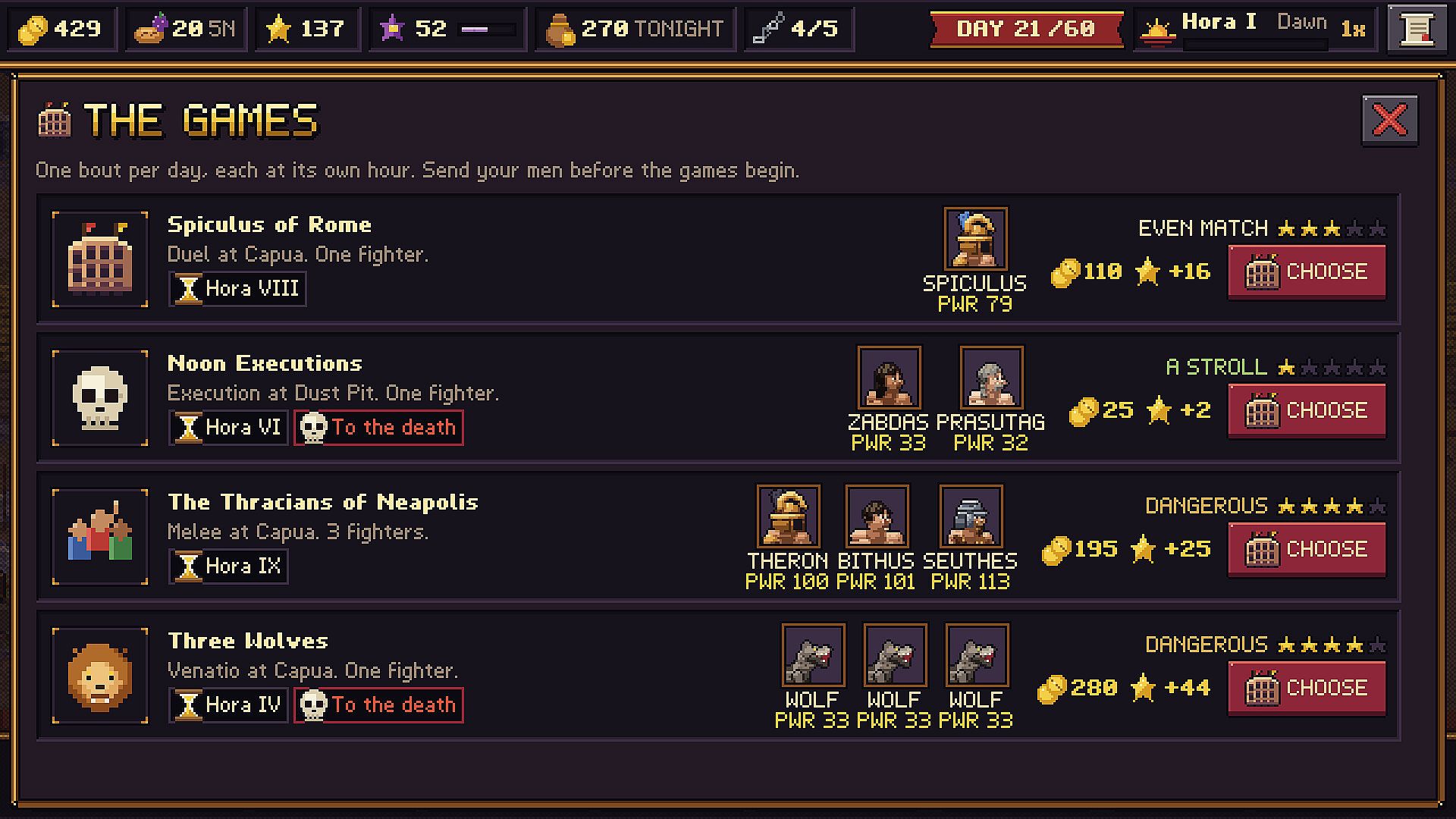
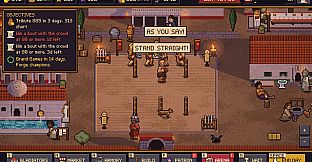
Each night brings decisions on how to allocate time for every gladiator, including training, sparring, resting, or working. Fatigue, injuries, and morale must be monitored closely to keep the stable functional. A scheming rival and around forty events introduce complications that test choices between short-term gains and long-term stability. The system emphasizes permadeath, meaning fallen fighters cannot return, which adds weight to every deployment decision.
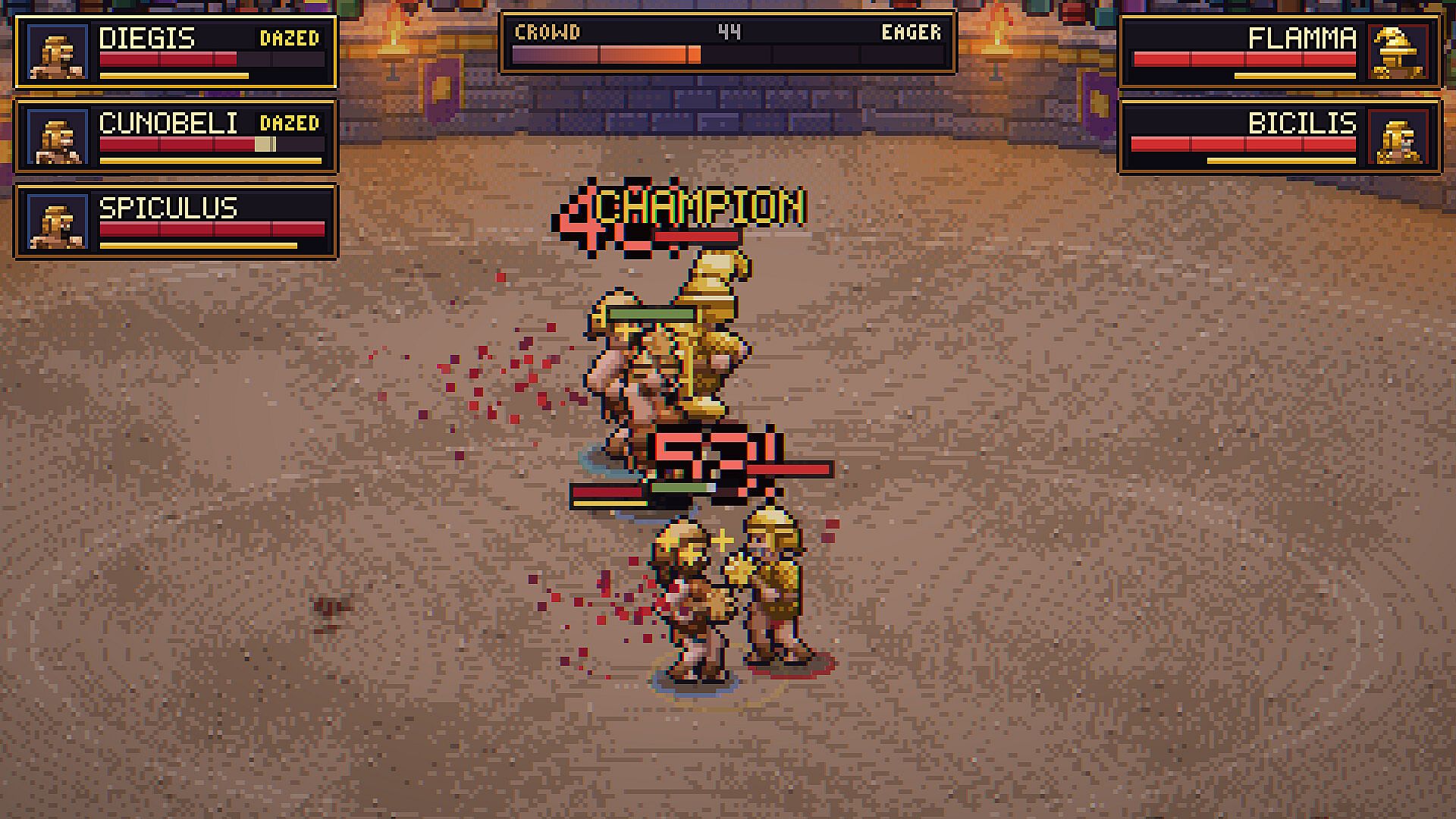
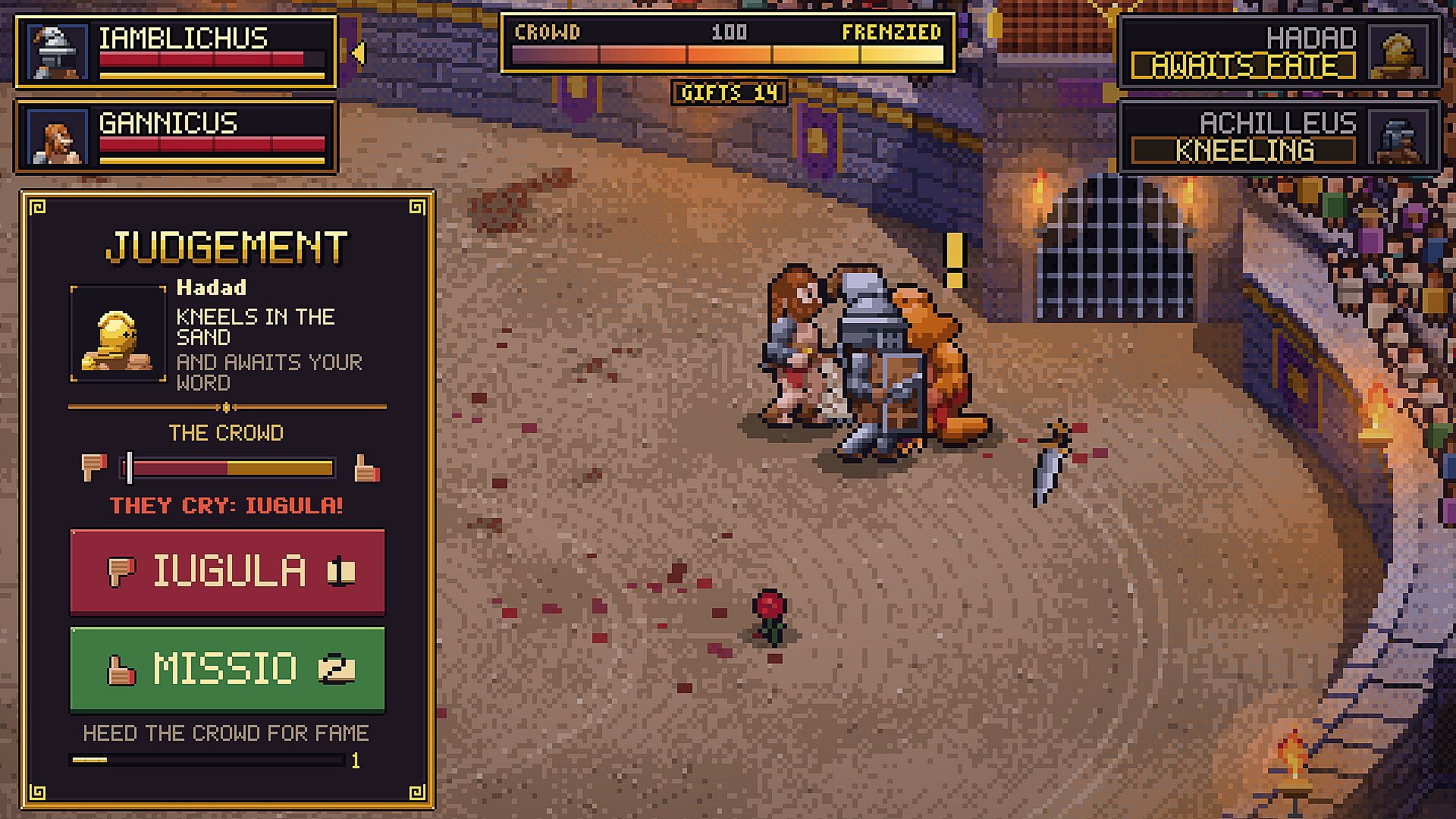
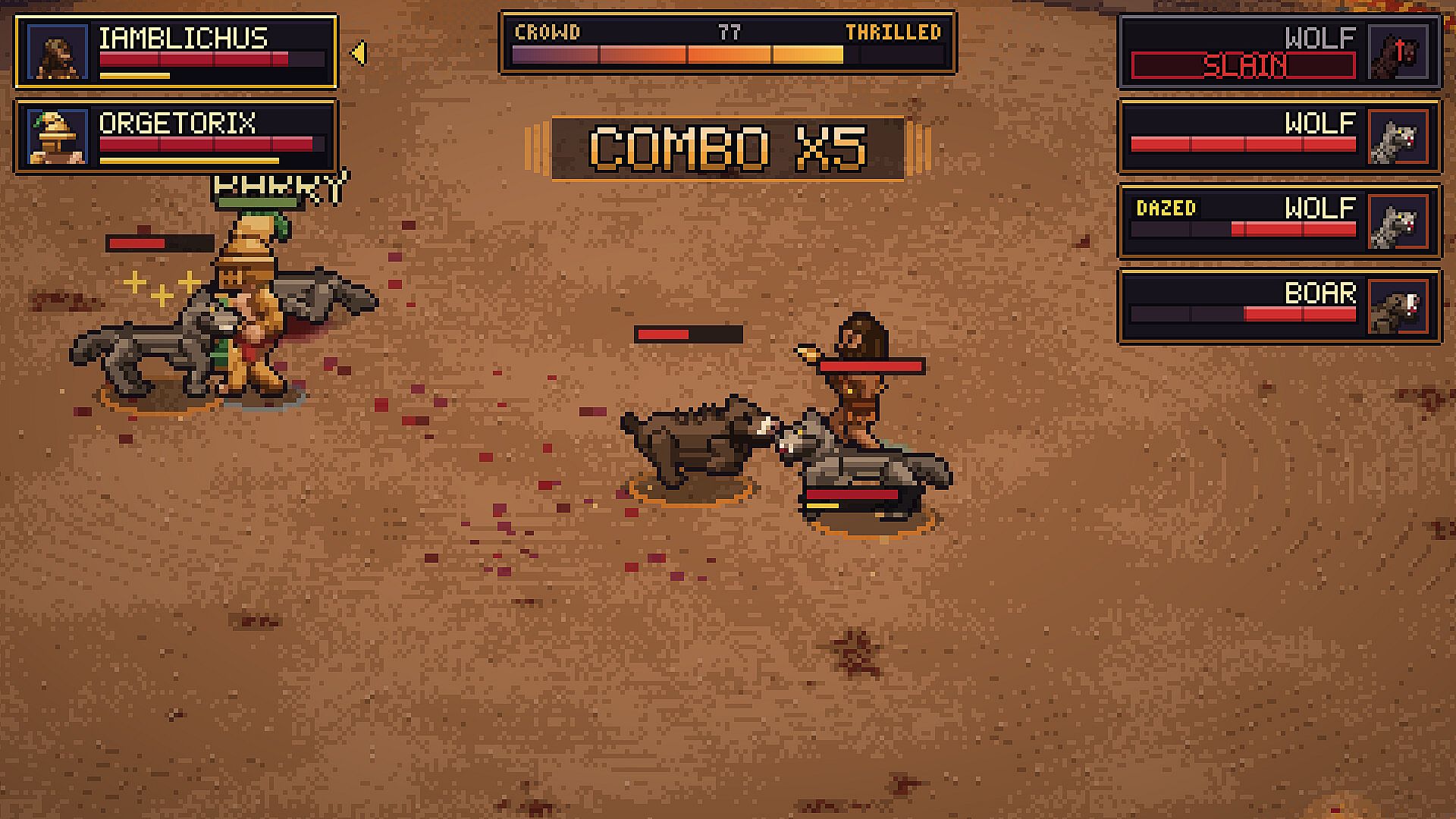
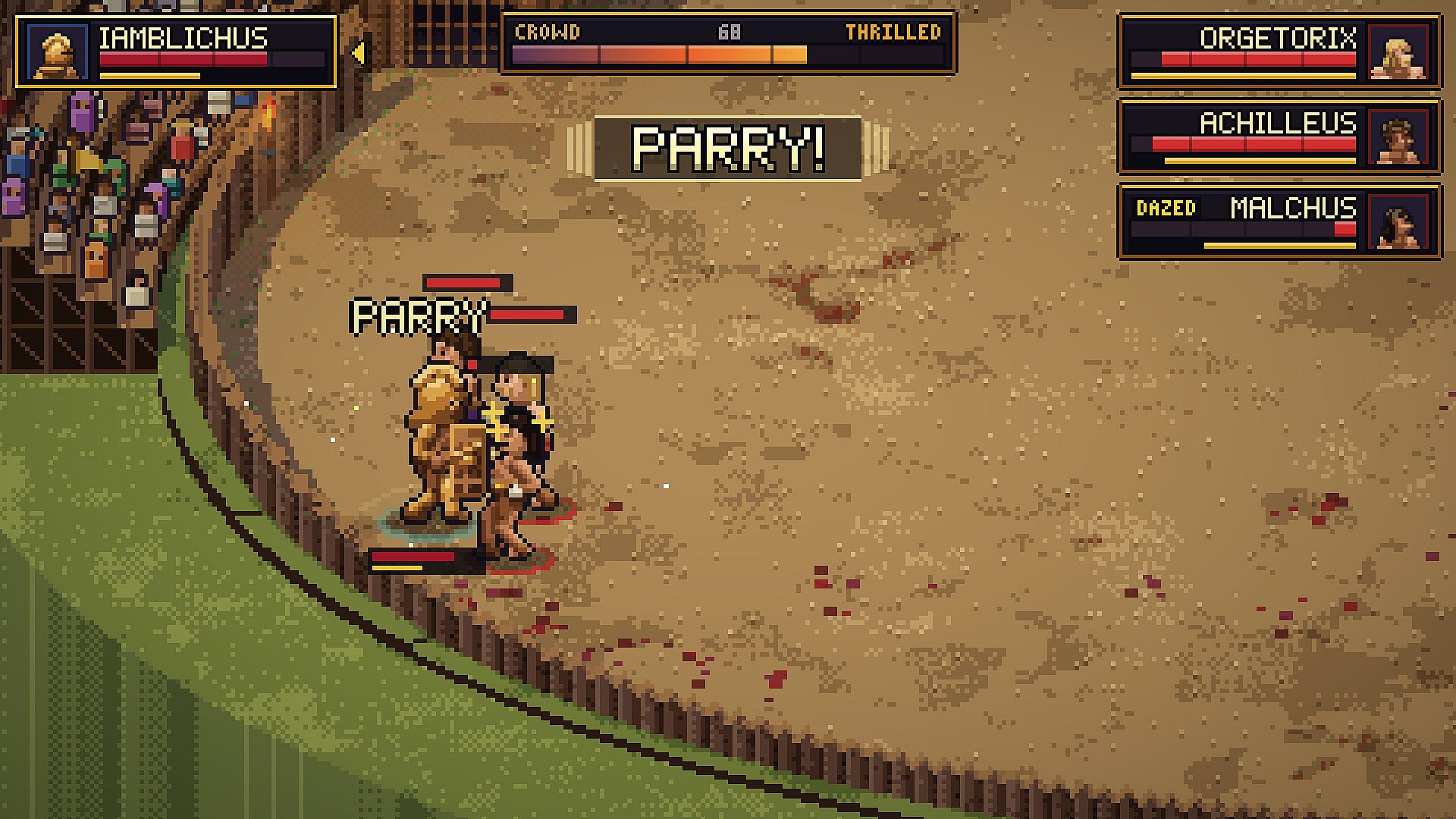
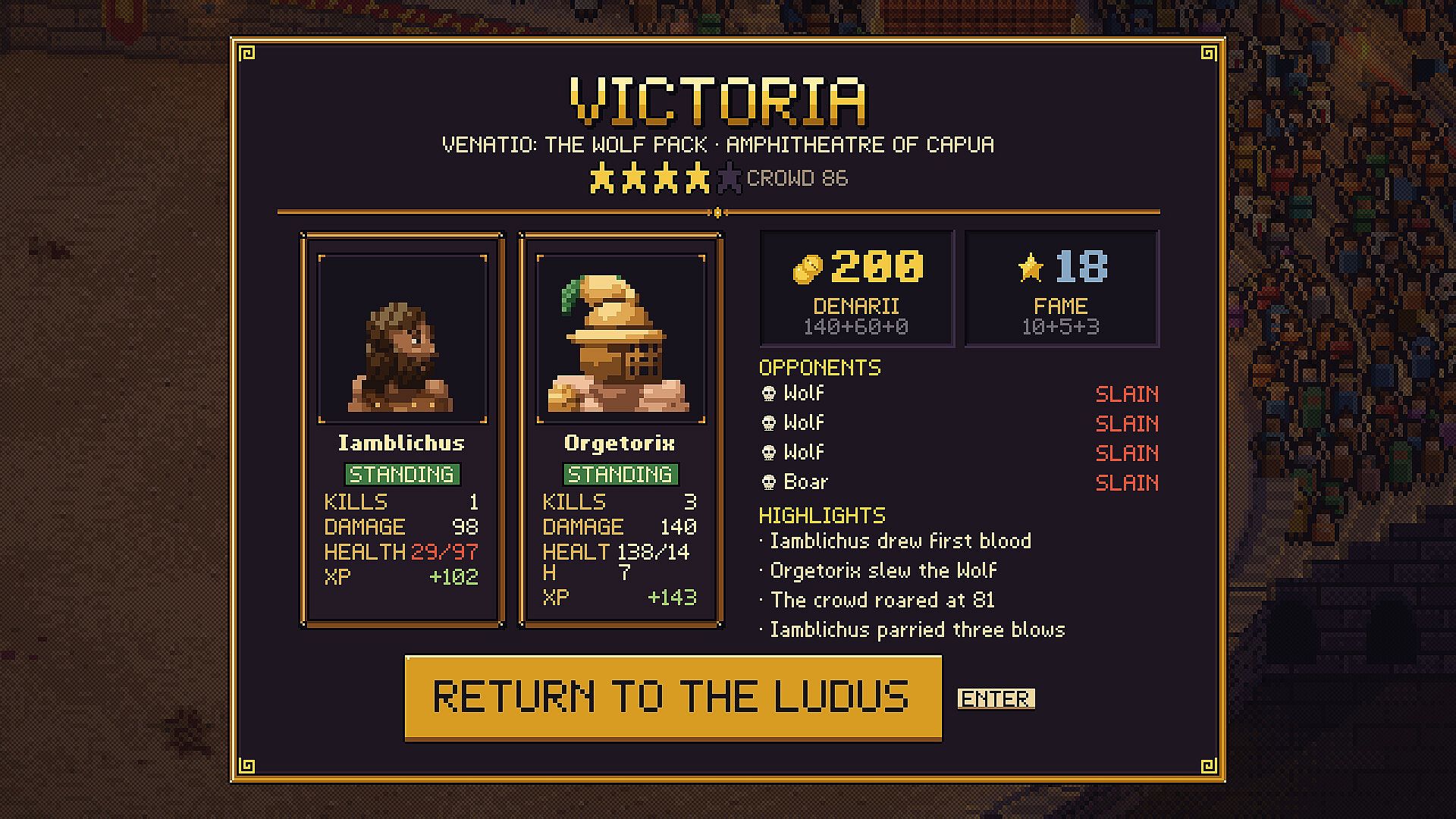
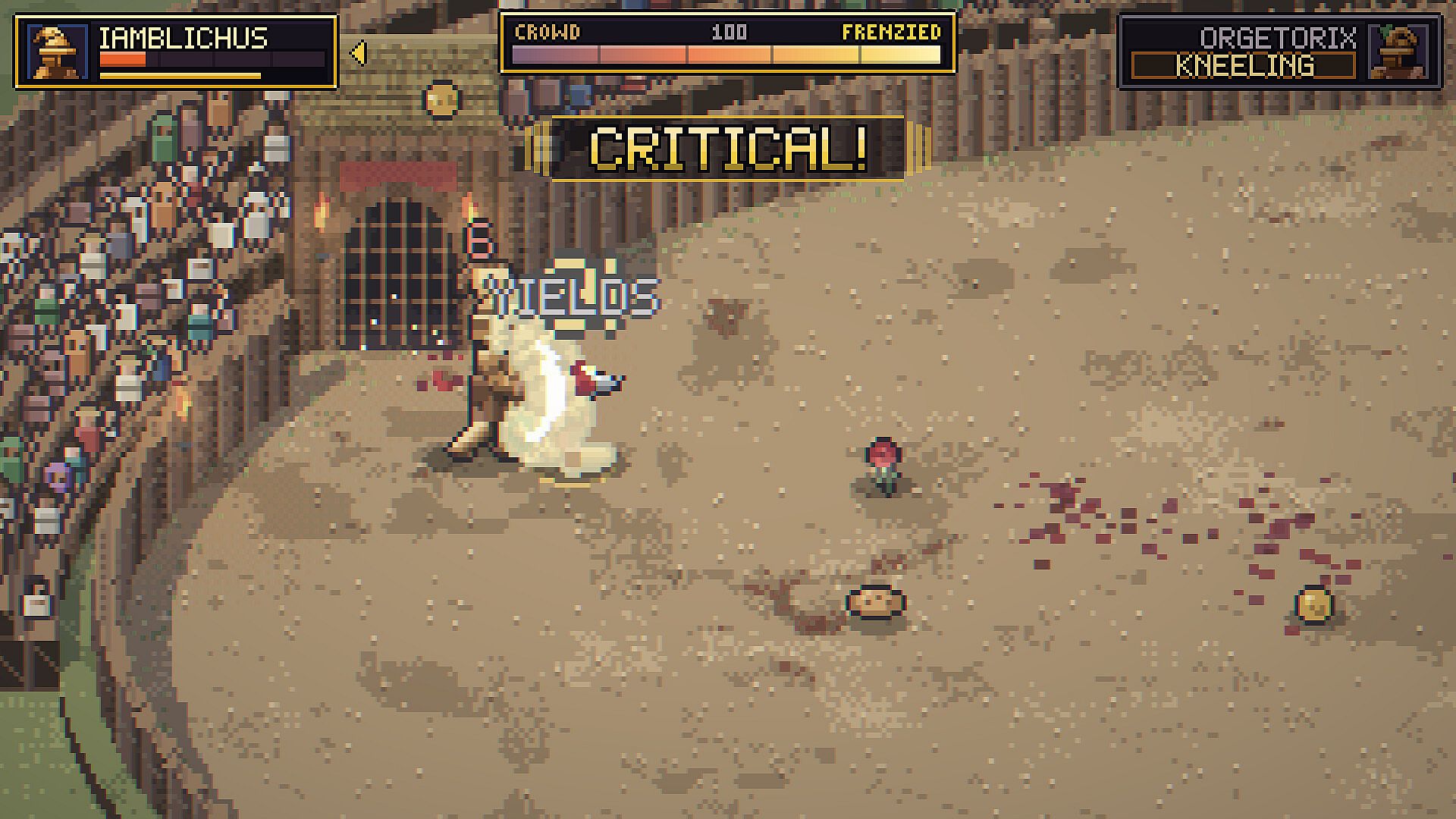
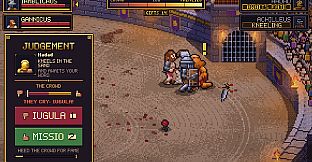
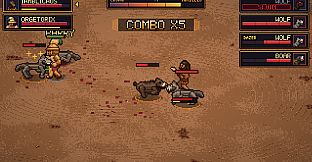
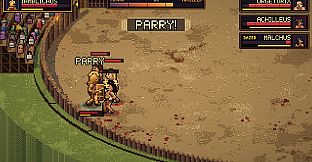
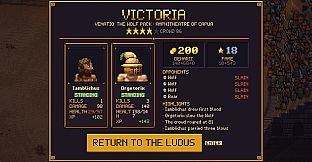
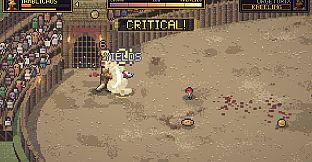
Arena segments shift to real-time control or automated resolution based on prior training. Combat features combos, parries, rolls, and actions such as throwing sand, nets, or spears. Encounters include duels, team fights, and beast hunts across three arenas. Success depends on pleasing the crowd for fame and gifts, followed by decisions on granting mercy to defeated opponents.
Game Modes
The primary structure follows a single-player campaign spanning 60 days. Players progress through regular training cycles and arena events that escalate in scale. Combat options allow direct intervention in battles or reliance on the results of preparation and training. Team-based fights and beast encounters provide variety within the arena framework, while survival-style waves test endurance in extended sequences.
Event variety arises from rival schemes and random occurrences that force resource reallocations or moral trade-offs. The campaign builds toward the Grand Games, where the accumulated strength of the ludus determines overall success or failure. No separate multiplayer components appear in the current design, keeping focus on the solitary management and combat loop.
Key Mechanics and Features
Gladiator development includes ten origins and ten fighting styles supported by twenty-four traits and individual perk trees. This depth allows specialization or broad adaptation depending on available coin and time. Building upgrades expand capacity for housing, training, and storage, directly influencing how many fighters can be sustained and how effectively they prepare.
Combat fluidity comes from responsive controls that reward timing and positioning. Players can chain attacks or defend strategically, with crowd reactions influencing post-fight outcomes. The integration of management and combat means decisions made in the ludus carry direct consequences into the sand, creating a tight feedback loop between preparation and performance.
Is It Worth Playing?
Gladiatoria: Blood · Sand · Glory targets players who enjoy blending resource management with hands-on combat in a historical setting. The permadeath system and rival pressures create meaningful stakes across the 60-day campaign, which typically requires several hours per playthrough with replay value from different recruitment and training paths. As an upcoming title planned for Early Access, it offers a focused single-player experience without established player reviews or long-term update history at this stage. Those drawn to gladiator themes, strategic balancing of multiple systems, and real-time arena action will find the most alignment with its design. The combination of permanent consequences and crowd-driven decisions provides a distinct loop suited to fans of management simulators with tactical combat elements.











