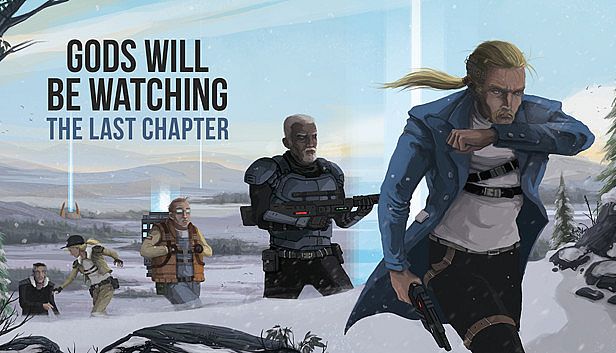














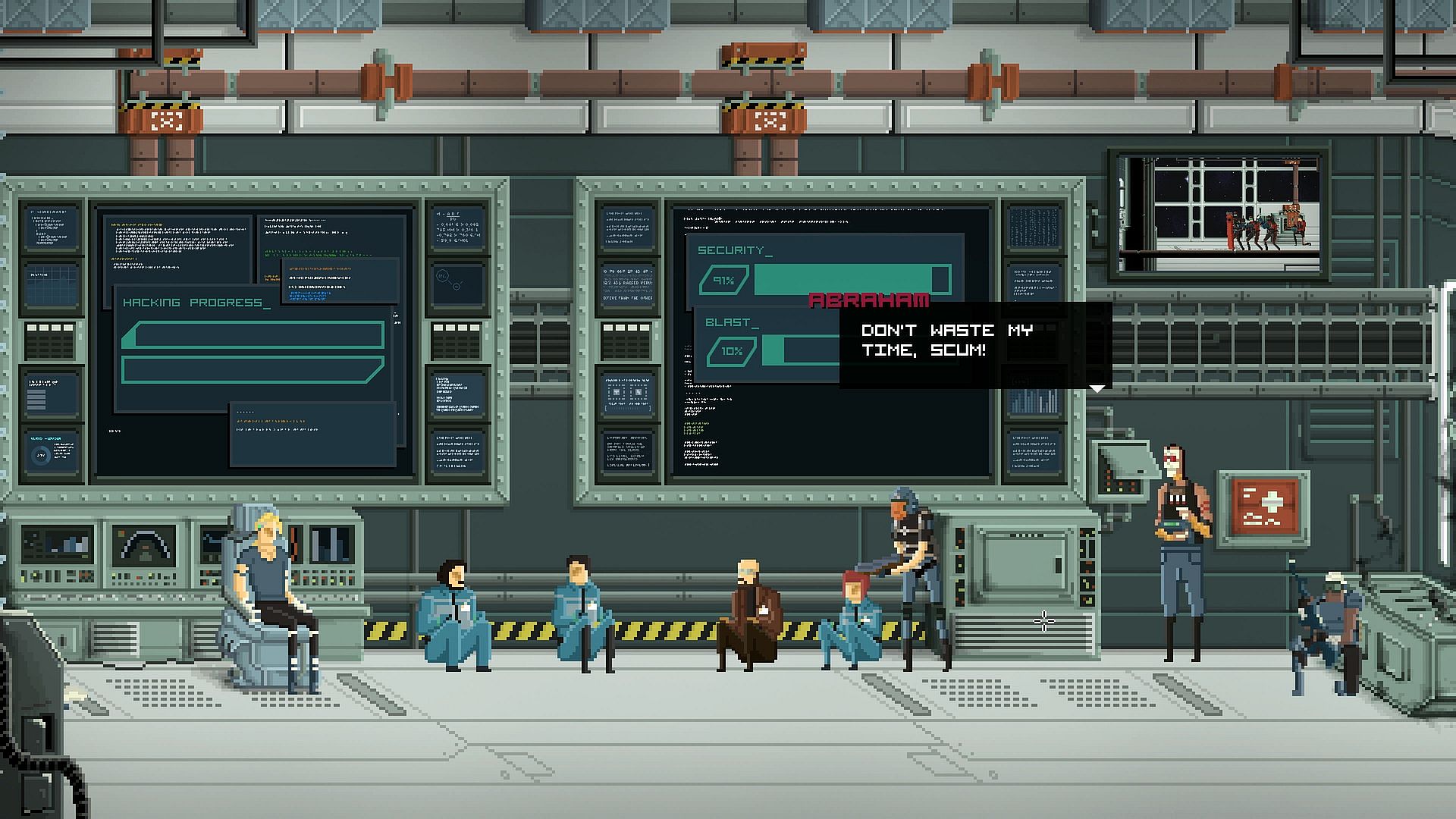
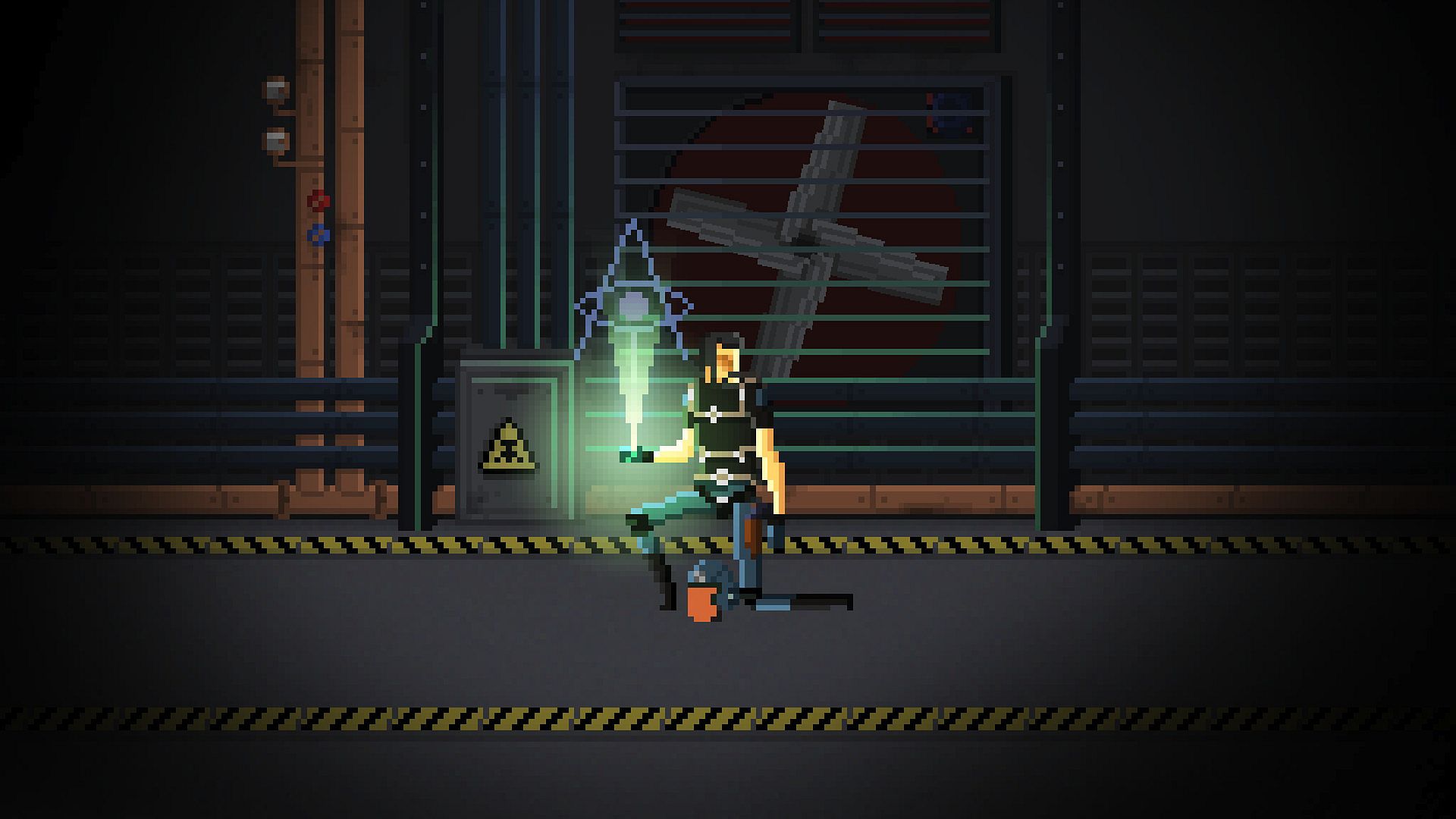



Gods Will Be Watching stands as an indie adventure title built around point-and-click mechanics and a focus on difficult choices. Players step into the shoes of Sgt. Burden, guiding a small crew through an interstellar conflict where every action carries lasting weight. The experience centers on narrative puzzles that test judgment rather than reflexes, placing emphasis on commitment and sacrifice across a connected story of espionage and survival.
Gameplay
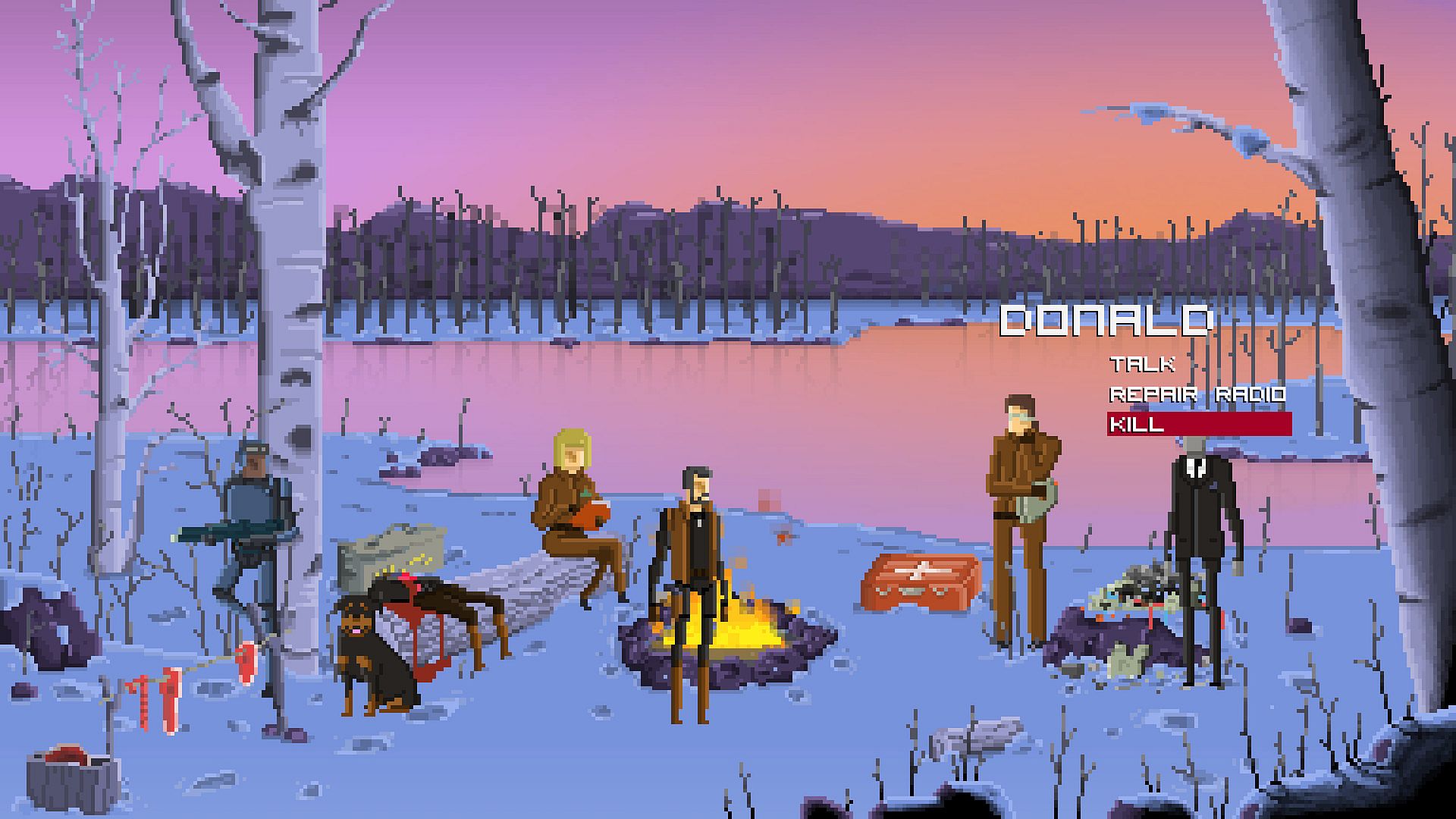
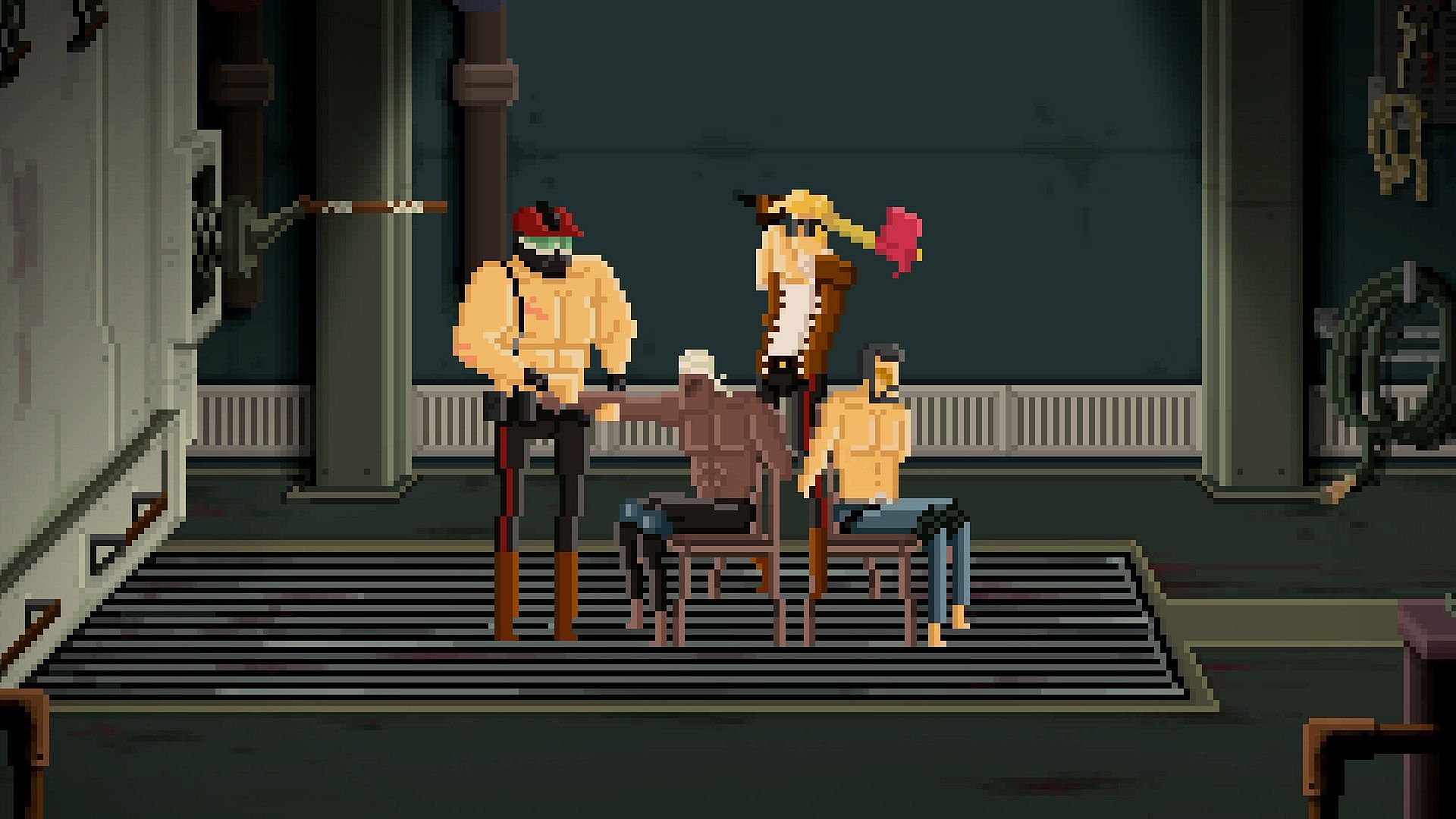
The core loop revolves around examining scenes, interacting with objects and characters, and selecting responses during tense encounters. Progress comes from solving puzzles that advance the plot while balancing the needs of the team against larger objectives. Decisions often force trade-offs, such as whether to intimidate or comfort hostages to keep control, or whether to remove a weaker member from the group to conserve limited resources during extended periods without supplies.
Failure leads to direct judgment from the gods, after which players can review how their choices compare against others who faced the same scenarios. The system avoids binary good-versus-evil framing, instead presenting situations where multiple paths exist and consequences ripple through the crew and the mission. This structure encourages repeated playthroughs to explore different outcomes without relying on traditional scoring or checkpoints.
Game Modes
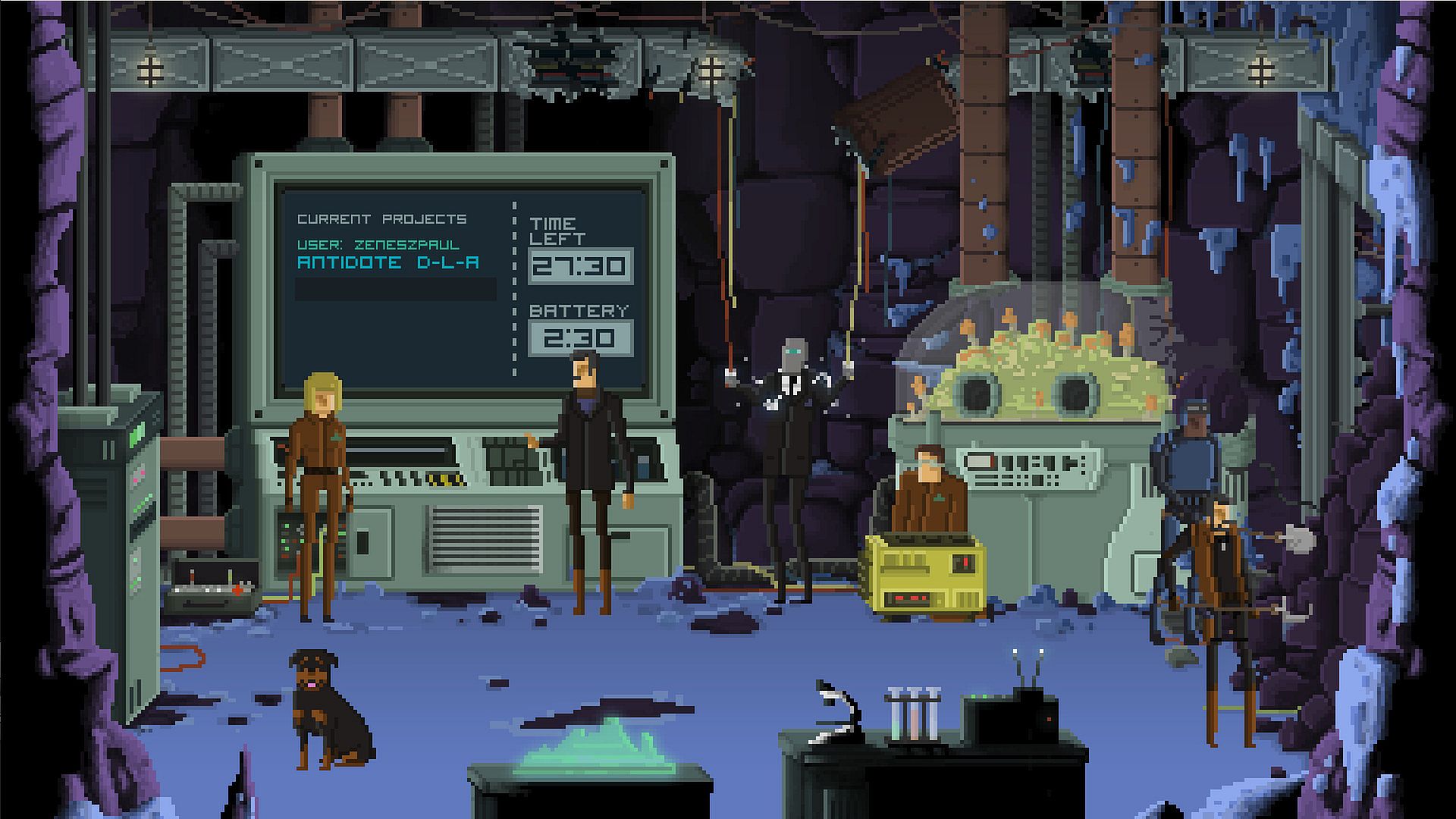
The game presents its content through six distinct chapters, each functioning as a self-contained scenario tied into an overarching narrative. These chapters shift between hostage negotiations, wilderness survival, efforts to prevent the deployment of biological weapons, and prolonged interrogation sequences. No separate competitive or cooperative modes exist; the entire experience remains single-player and linear in structure while allowing branching results based on player input.
Each chapter maintains an intimate scale, limiting the number of characters and locations to heighten pressure. Progression requires managing resources and relationships within the team, with the ultimate goal of completing the mission even when that requires difficult personal sacrifices. The absence of additional modes keeps attention fixed on the moral weight of every selection.
Narrative Structure
An interstellar struggle forms the backdrop, following Sgt. Burden and his crew as they move from one crisis to the next. The story links the six scenarios through themes of espionage and protection, where the crew must safeguard both their own members and a larger population threatened by genocide. Choices determine who survives and what information or advantages are gained, creating a web of cause and effect that players must navigate without external guidance.
The narrative avoids clear heroes or villains, instead highlighting the gray areas where protecting the team might endanger the mission or vice versa. This approach keeps the focus on individual responsibility and the long-term results of short-term decisions across the full sequence of events.
Visuals and Audio
More than 1,500 sprites bring the characters and environments to life against 15 distinct backgrounds. The art style remains minimalistic yet detailed enough to convey emotion and setting during extended scenes. An orchestral soundtrack accompanies the action, shifting tone to match the rising tension in each chapter.
These elements work together to support the point-and-click interface without overwhelming the screen. The limited color palette and static compositions reinforce the sense of isolation and pressure that defines the scenarios.
Is It Worth Playing?
Gods Will Be Watching suits players who value narrative-driven experiences built on moral dilemmas and resource management. Those interested in point-and-click adventures that prioritize consequence over action will find the six-chapter structure rewarding, particularly when exploring how different decisions alter crew dynamics and mission outcomes. The game offers no ongoing updates or additional content beyond the original release, so expectations should center on the complete single-player campaign as presented.
Its appeal lies in the freedom to test personal limits through repeated attempts at the same scenarios. Players who enjoy weighing short-term survival against long-term goals without hand-holding will likely appreciate the direct feedback on their choices. Those seeking fast-paced action or multiplayer options may find the deliberate pace and focus on introspection less engaging. Overall, the title delivers a focused examination of sacrifice within a compact, self-contained package.