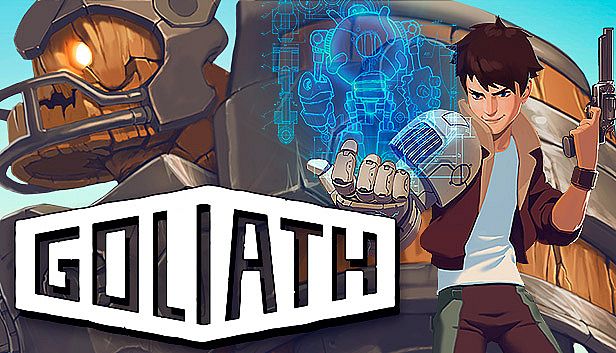














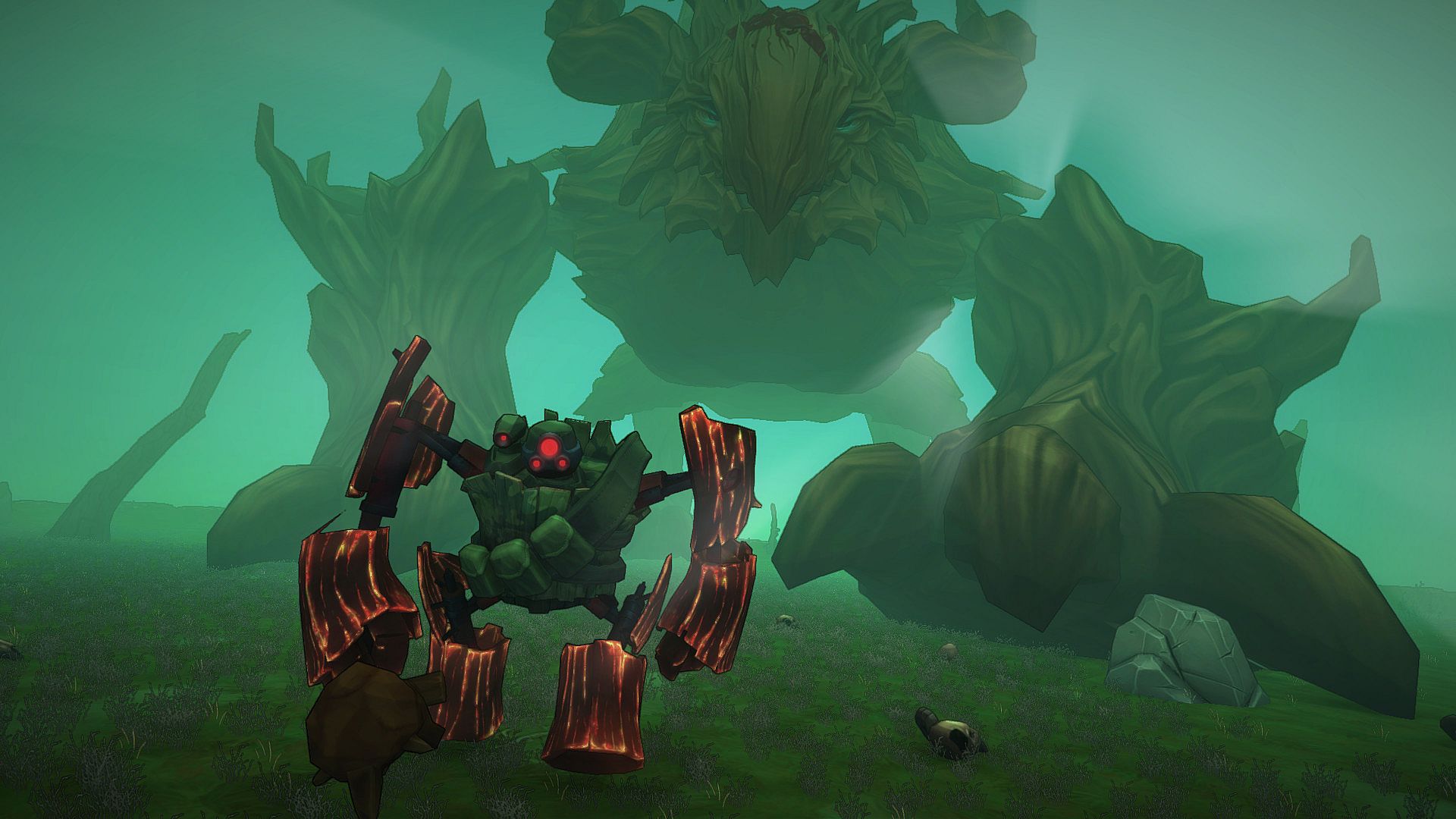
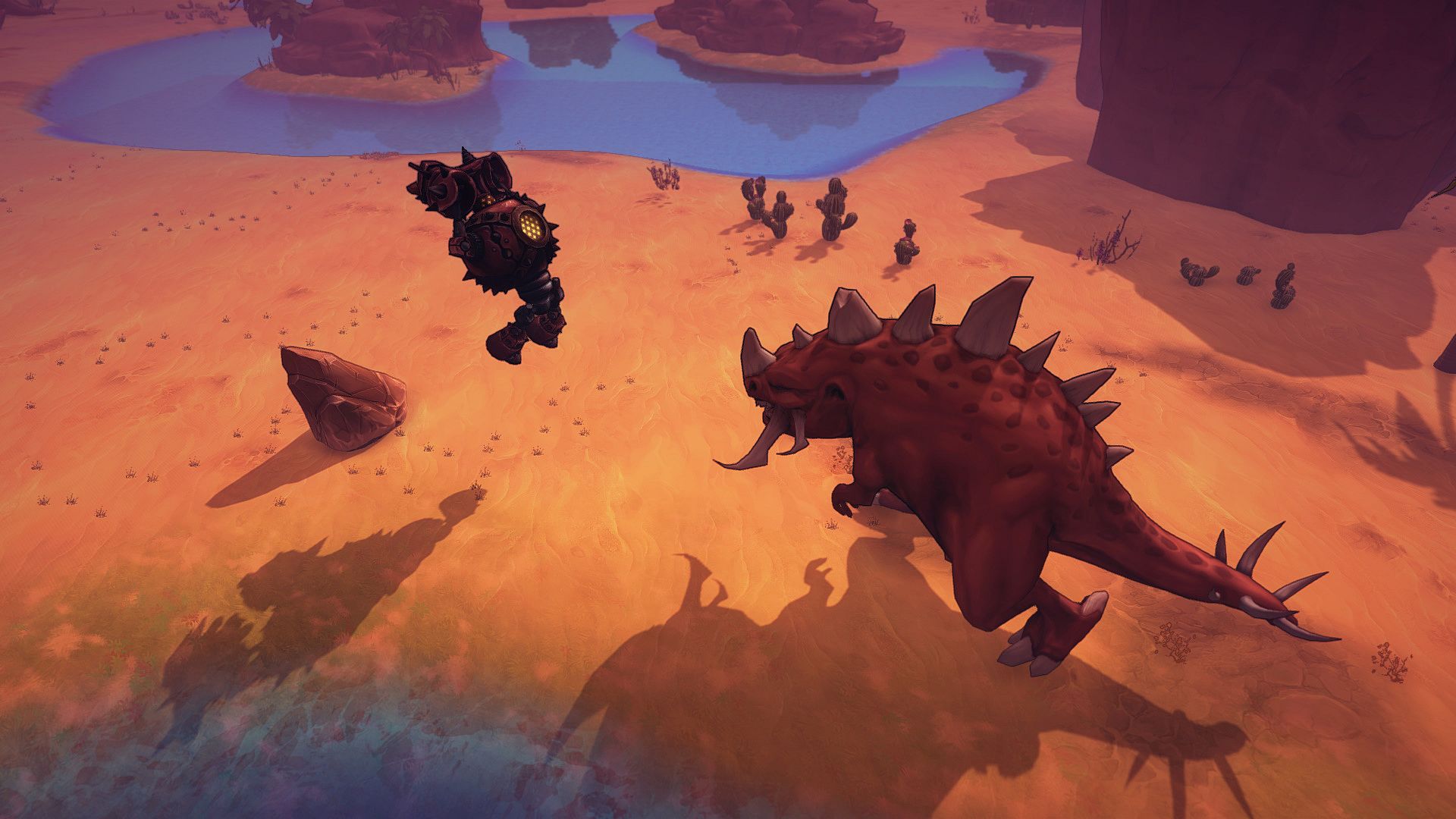
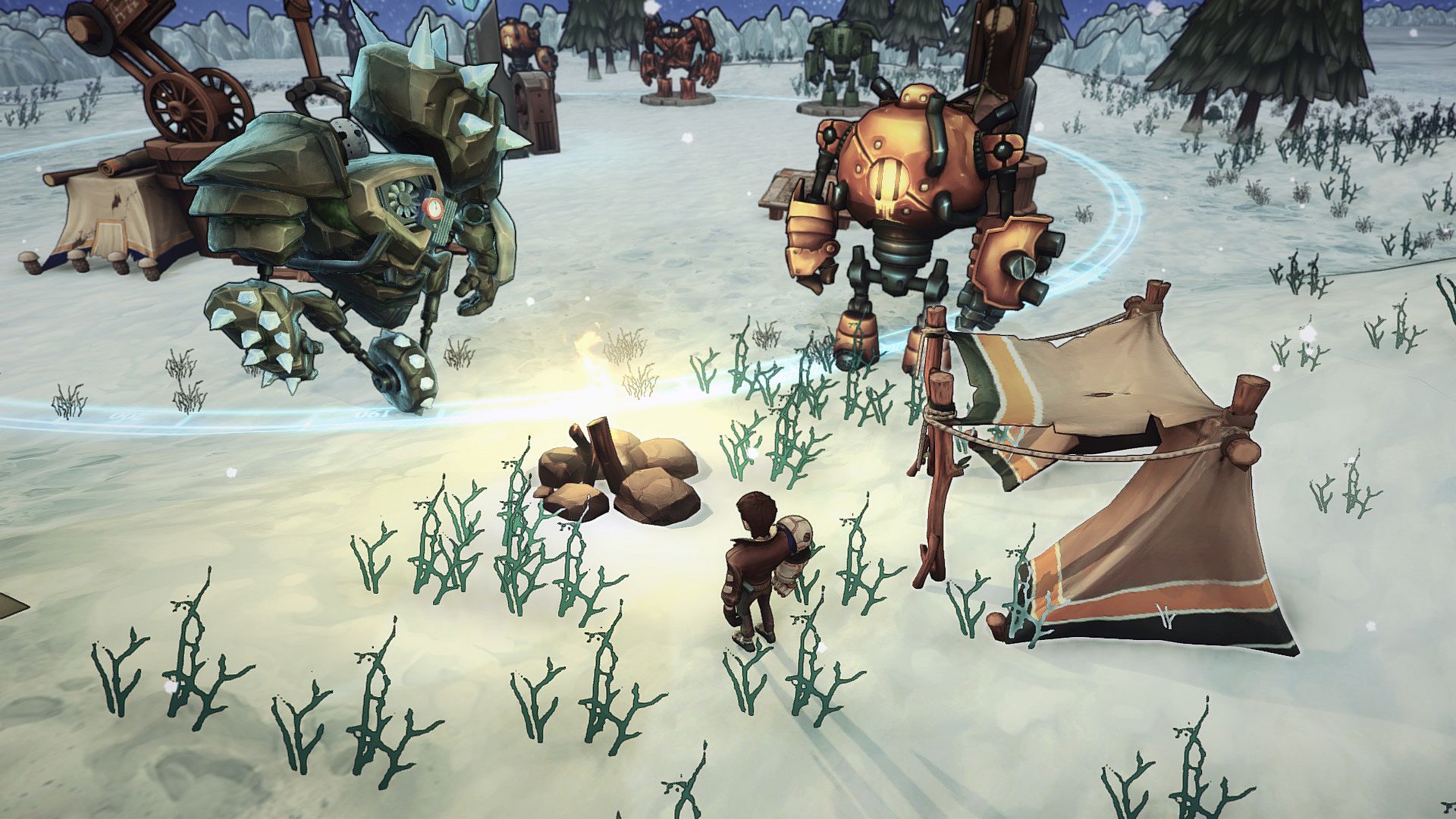
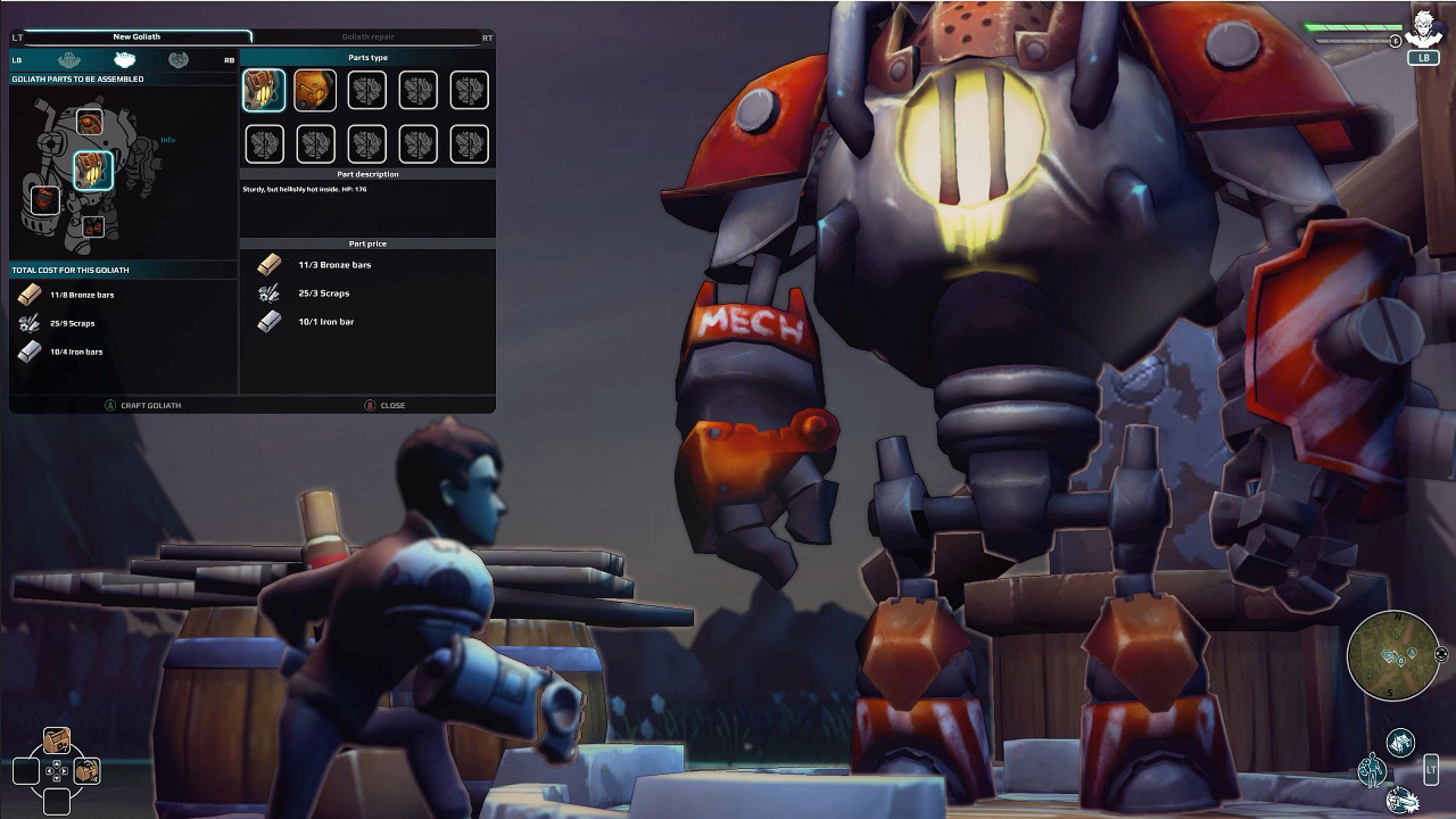
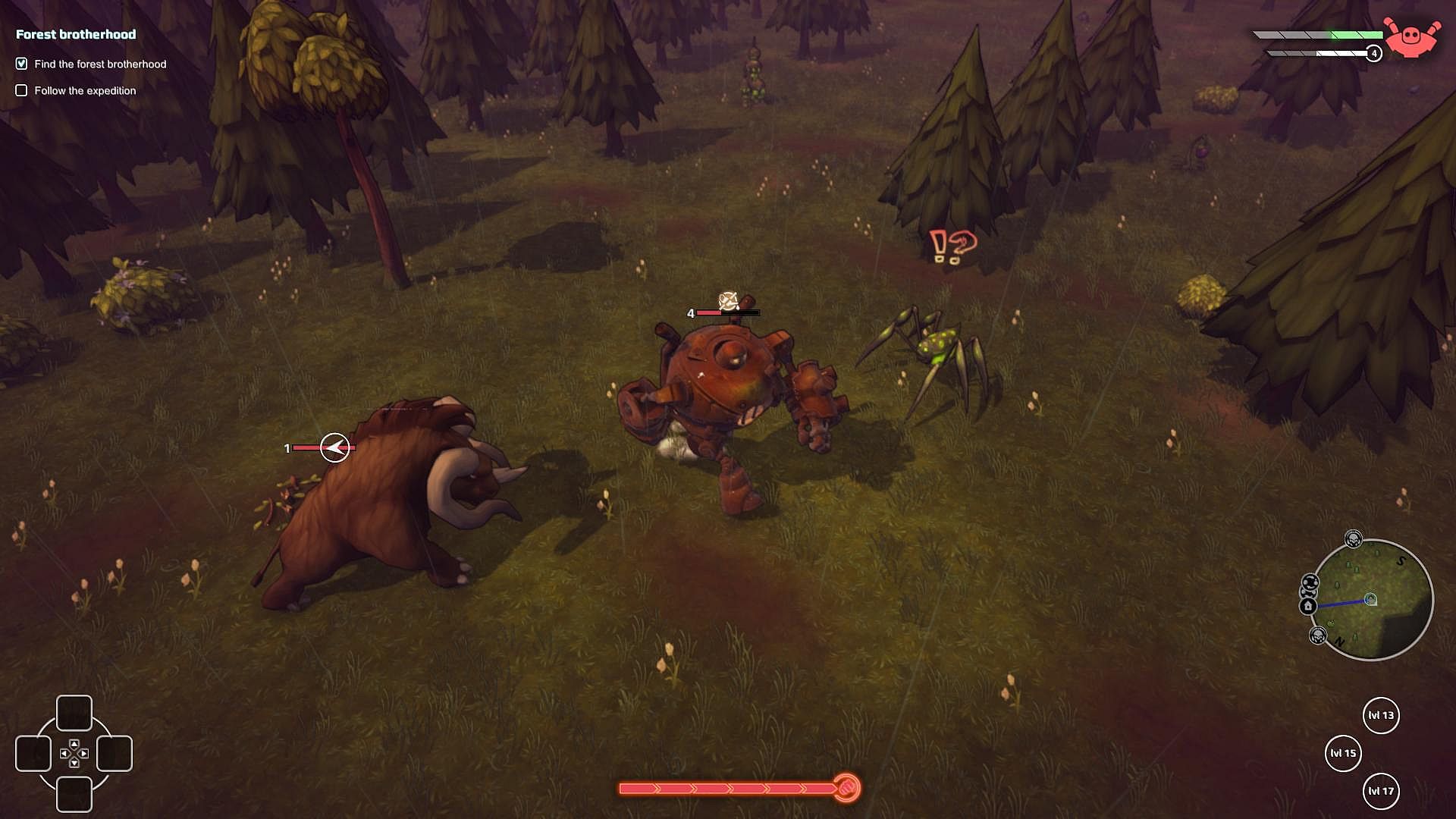
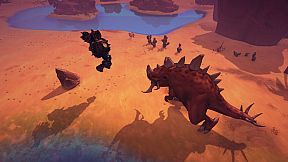
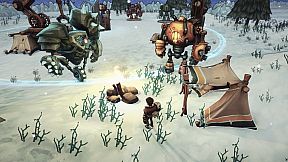
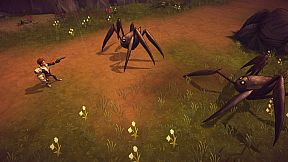
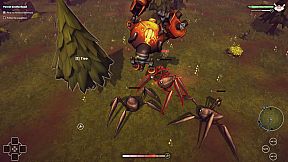
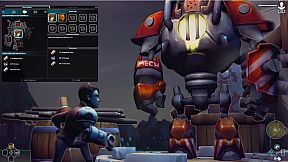
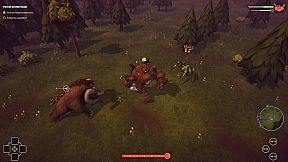
Goliath is an action, indie, RPG, and adventure title for PC that centers on scavenging resources to craft and pilot giant robotic suits against massive creatures in a fragmented world. Players explore a landscape pieced together from remnants of past civilizations, where ruined structures from different eras stand alongside one another. The core loop involves gathering materials, building tools and shelters, and constructing customizable Goliaths to handle combat and survival challenges in this dangerous environment.
Gameplay
The experience revolves around resource collection and robot construction. Players start with basic wooden Goliaths and progress to more advanced versions using stone, metal, and rarer materials scattered across the world. Each suit can be modified with different weapons and attachments that provide specific abilities suited to particular threats or terrain conditions. Scavenging supports not only robot building but also the creation of everyday survival items such as healing salves and defensive structures.
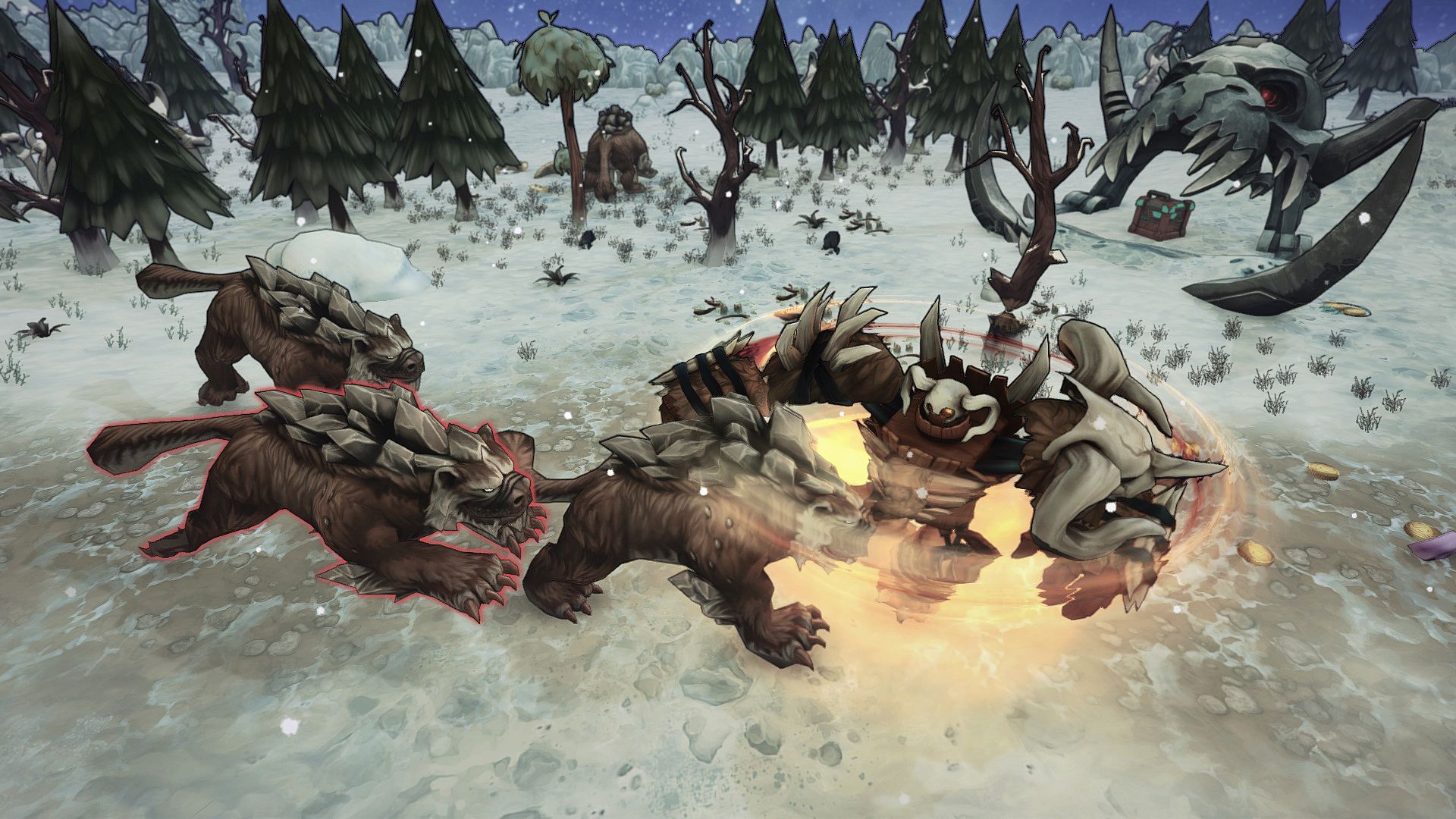
Exploration takes place across varied biomes including prairies, forests, swamps, and tundras. A day and night cycle combined with changing weather influences how different Goliath types perform, requiring players to select or adapt their machines accordingly. Factions active in the world offer distinct benefits through unique blueprints and plans, encouraging alignment choices that can shift the balance of ongoing conflicts or lead toward negotiated truces.
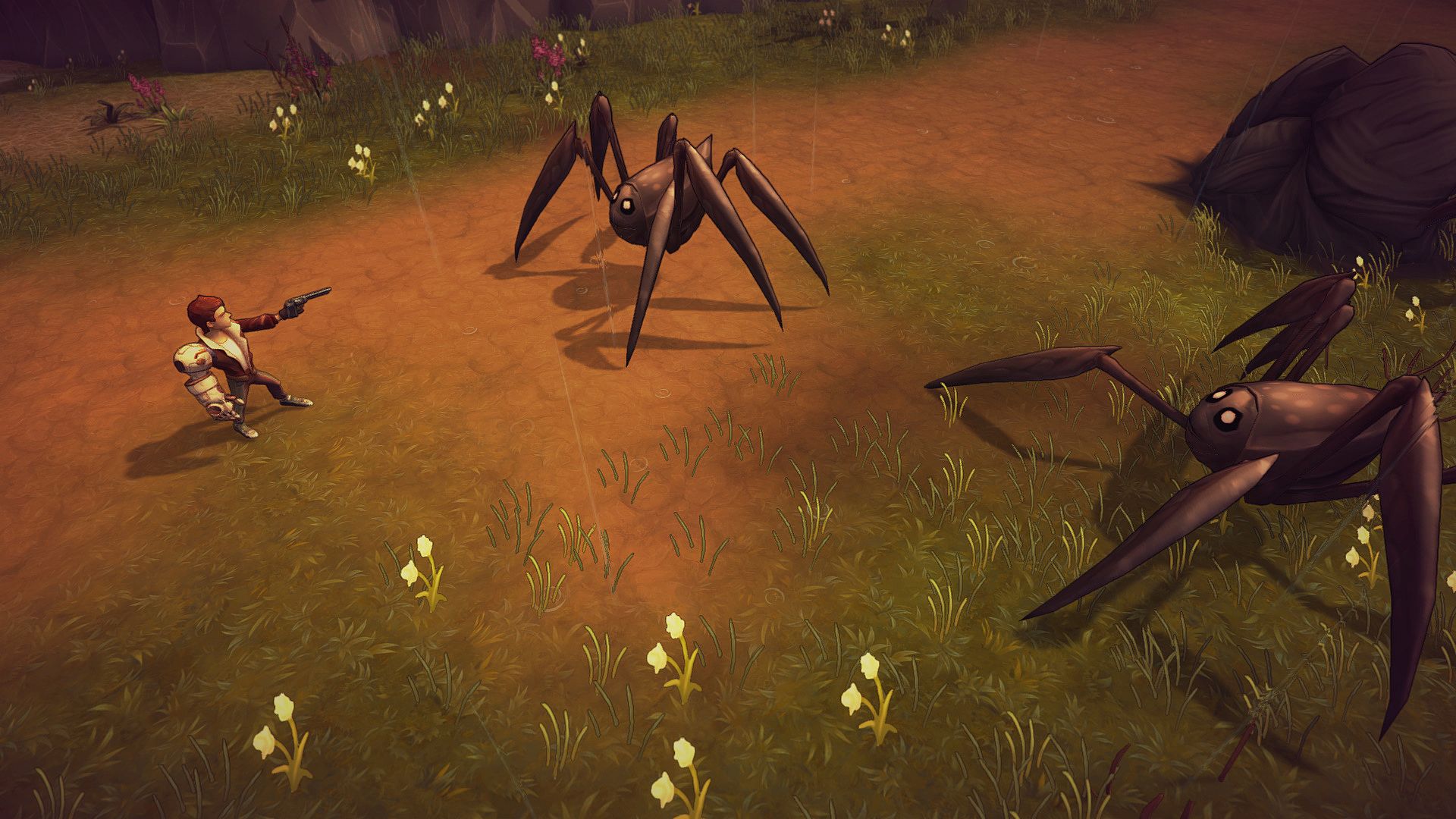
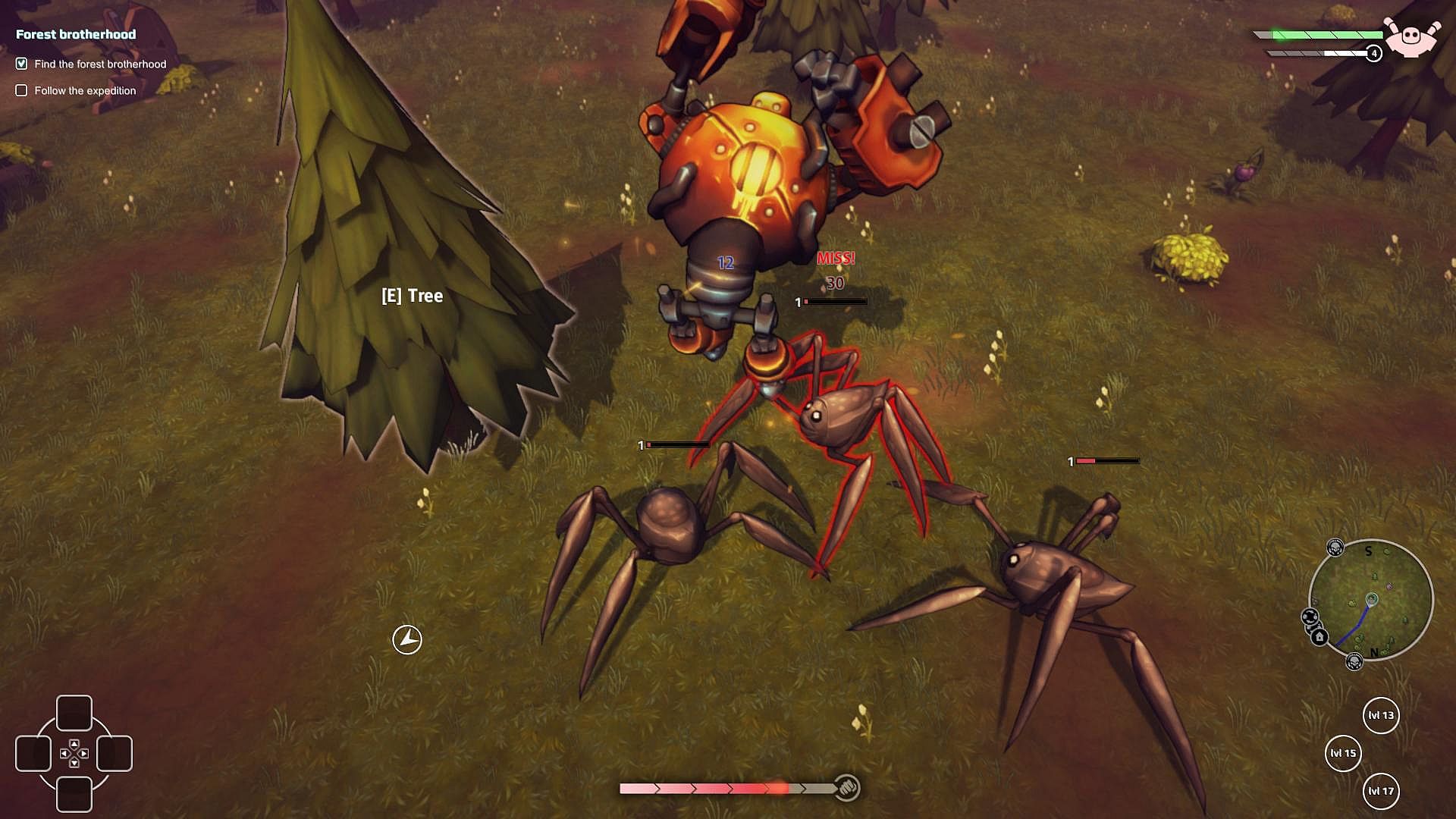
Procedural generation shapes both the environment and available quests, ensuring repeated playthroughs present new layouts and objectives. Combat focuses on direct confrontation with oversized monsters, where the size and capabilities of the player's Goliath determine success in close-range engagements.
Game Modes
The game operates as a single-player experience built around open-ended survival and progression. Players manage their own pace through resource gathering, base building, and faction interactions while tackling procedurally generated tasks. There are no separate competitive or cooperative modes; instead, the structure emphasizes personal customization of Goliaths and strategic decisions about which groups to support in the larger territorial struggles.
Progression occurs through recipe discovery and material upgrades rather than discrete levels or ranked systems. The emphasis remains on adapting to the world's dangers by refining robot designs and expanding personal fortifications over time.
World and Exploration
The setting consists of jumbled fragments from numerous collapsed societies, creating an eclectic mix of architecture and technology. This broken land hosts giant creatures that dominate the landscape, forcing reliance on constructed Goliaths for safe travel and confrontation. Dynamic weather and terrain features add layers to movement and combat effectiveness, making preparation with the right equipment essential for longer expeditions.
Faction presence adds another dimension, as each group controls different areas and provides specialized resources or designs. Aligning with one side can unlock advantages in specific regions while potentially drawing conflict from rivals, shaping how players navigate and expand their influence.
Is It Worth Playing?
Goliath suits players interested in crafting-focused adventures where building and piloting large mechanical suits forms the central activity. The combination of resource management, robot customization, and faction-based choices creates a self-directed experience that rewards experimentation with different materials and loadouts. Those who enjoy indie titles blending survival elements with RPG progression in a unique setting will find the mechanics engaging over multiple sessions.
Reception highlights the satisfying feel of combat once a suitable Goliath is assembled, along with the visual variety of the mixed-world environments. The game remains available for PC and continues to appeal to those seeking a niche title centered on giant robot construction rather than fast-paced action or large-scale multiplayer systems. Its procedural elements support replayability for players who like discovering new layouts and refining their builds without external pressure from seasons or live events.