


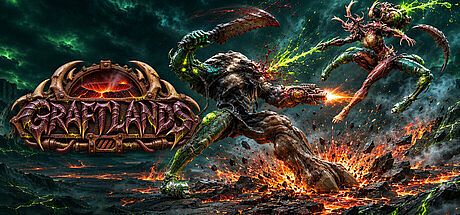


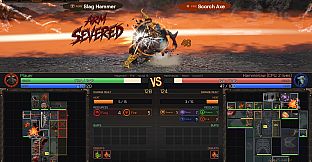
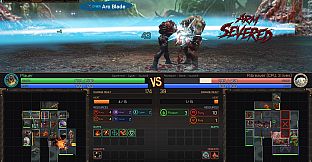
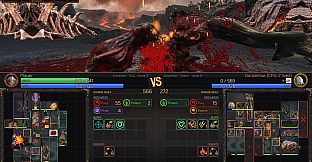
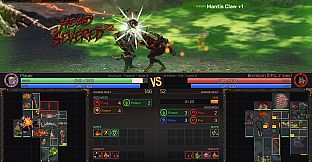
Graftlands is a strategy indie game in early access on PC that centers on building and battling custom mutants in an auto-battler format. Players construct creatures by grafting parts onto a body grid, then watch real-time fights unfold as the Rot Bloom drives mutants toward the Convergence to determine the Apex.
Gameplay
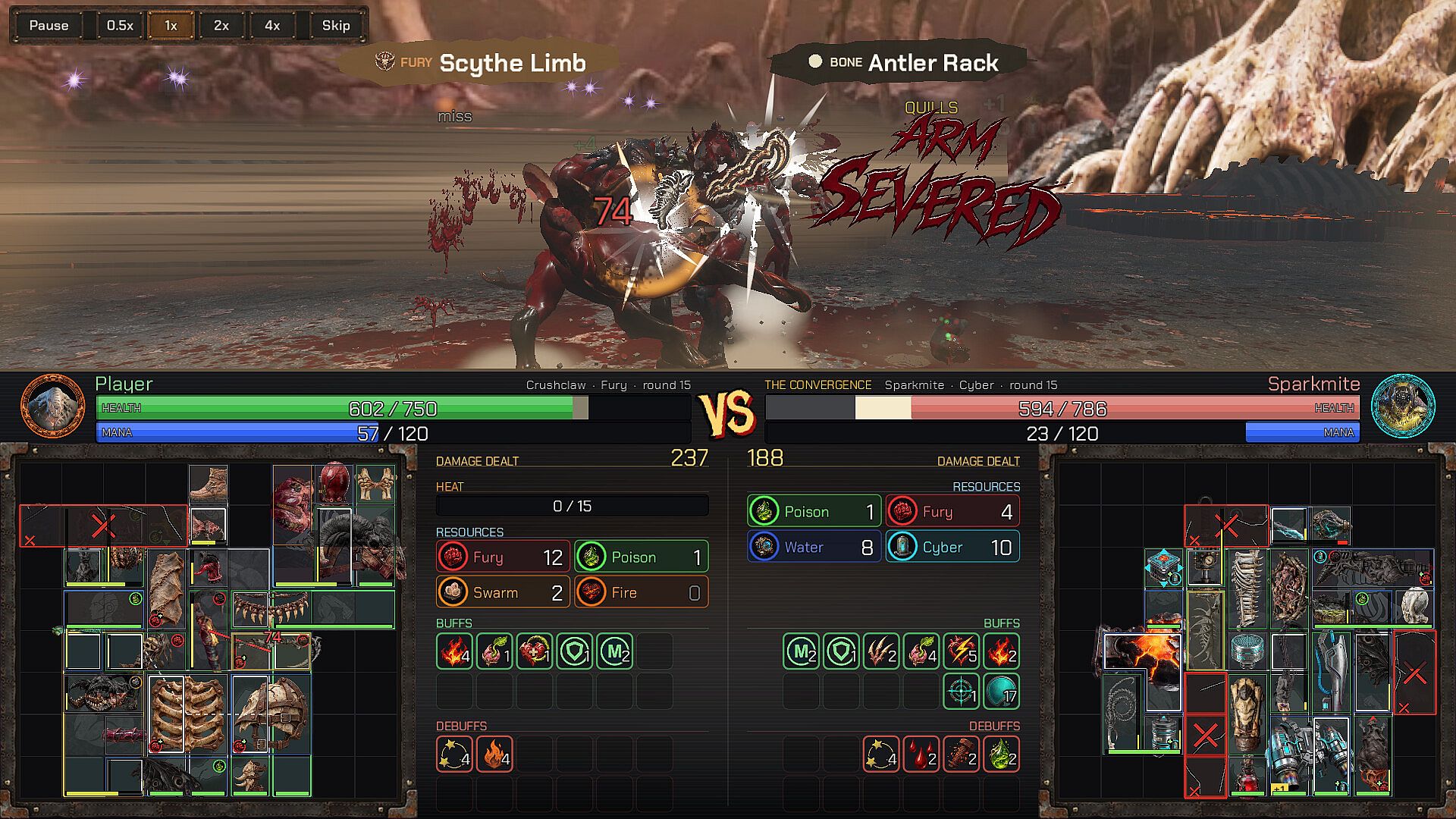
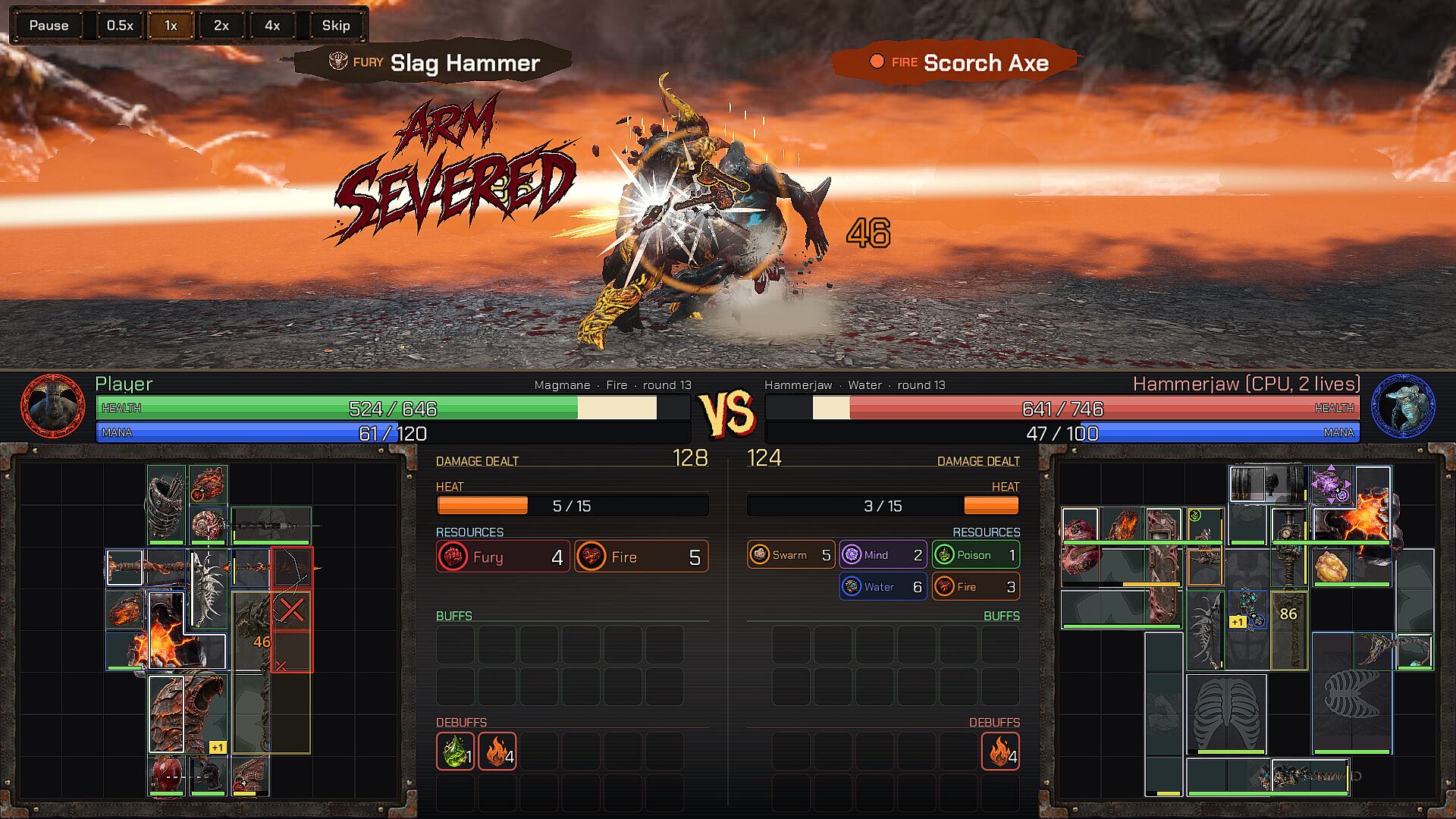
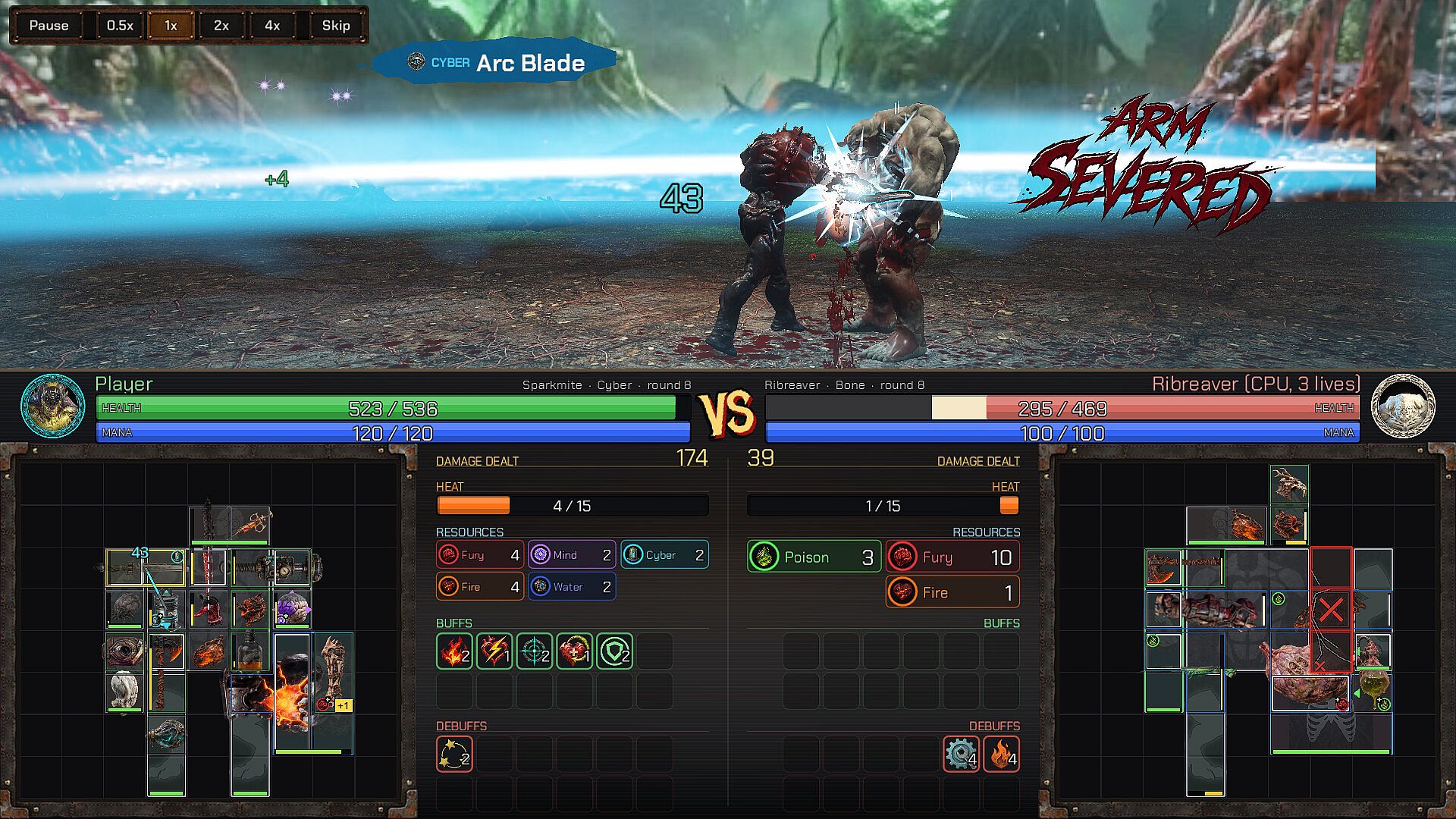
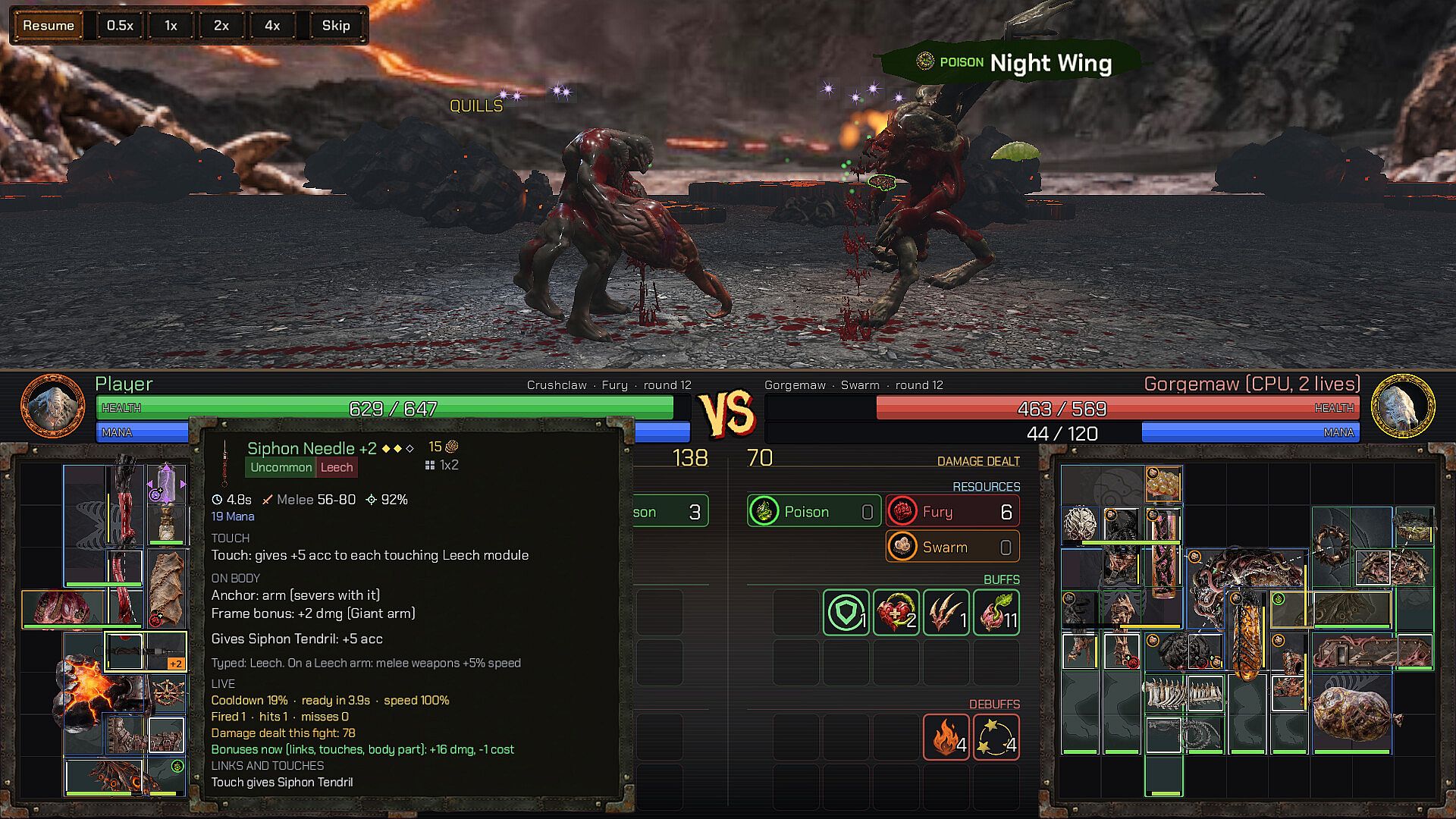
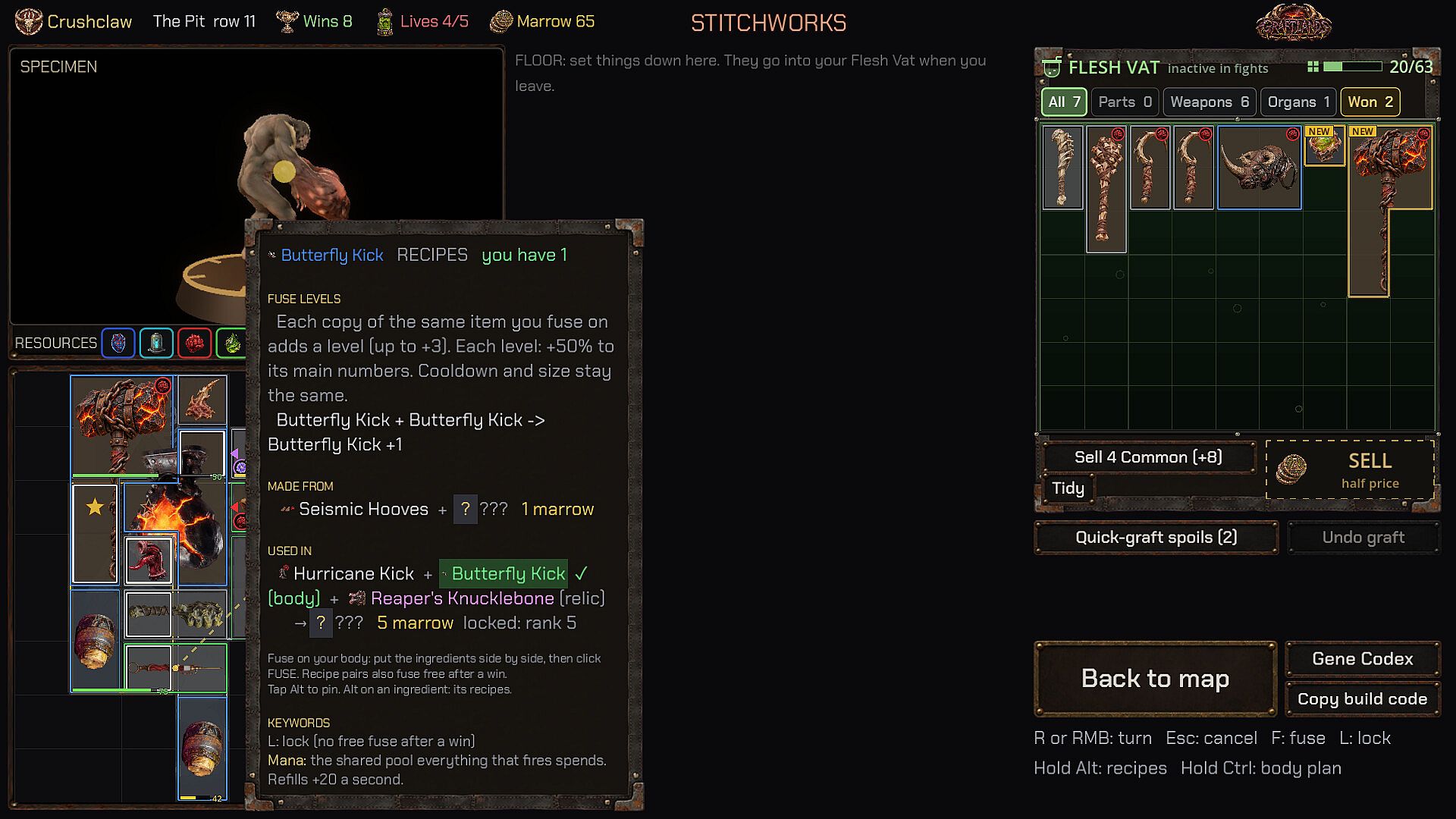
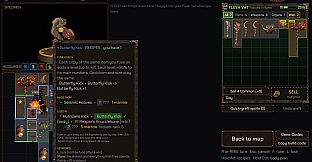
The core loop revolves around assembling a mutant whose body serves as the inventory grid. Each limb, organ, jaw, spine, or weapon occupies a specific slot, and adjacent parts interact to create powered combos, stacked status effects, ammo, or mana. Over 400 distinct parts exist, including claws, stingers, cyber implants, and various weapons, allowing extensive customization across different builds.
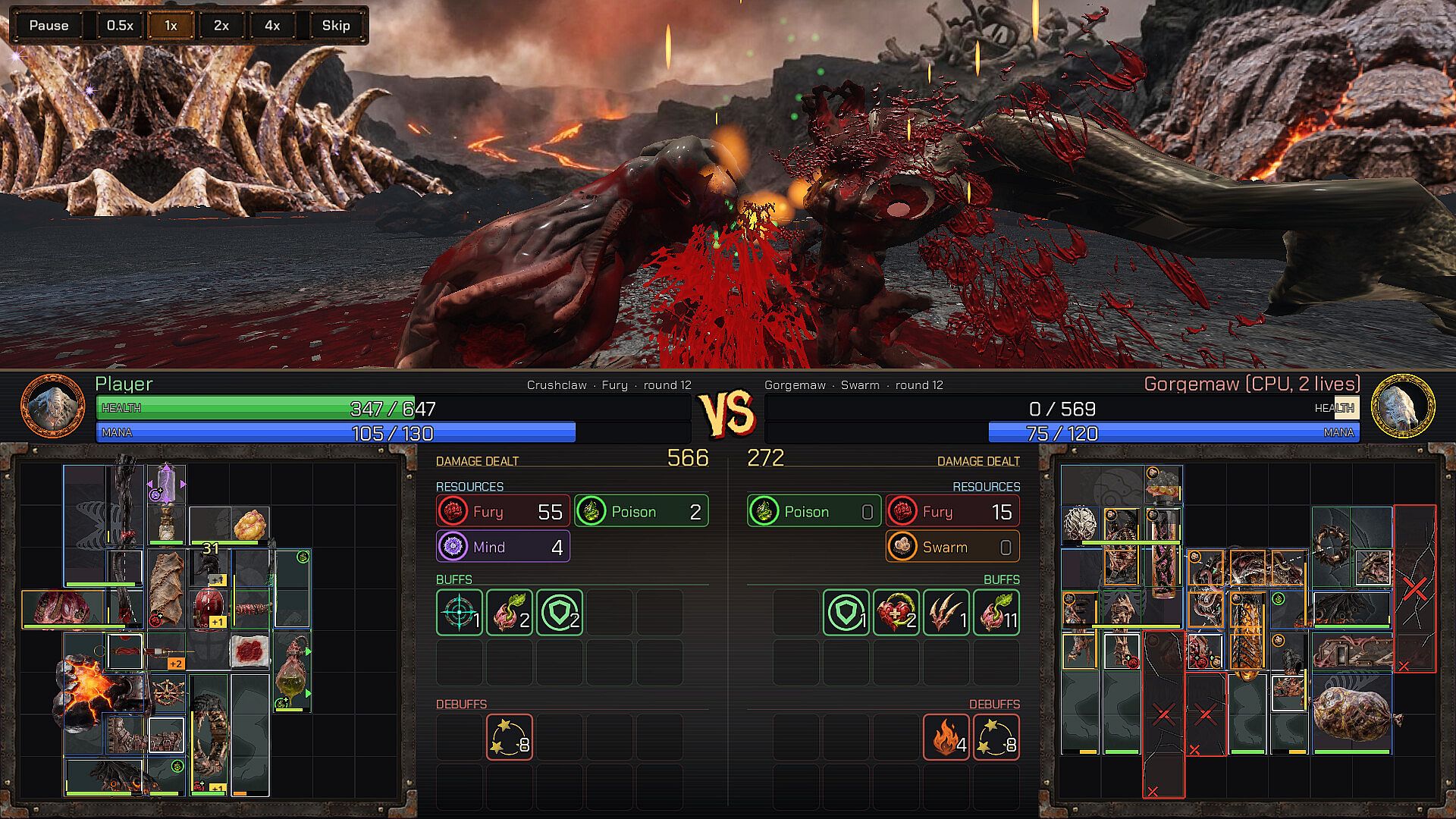
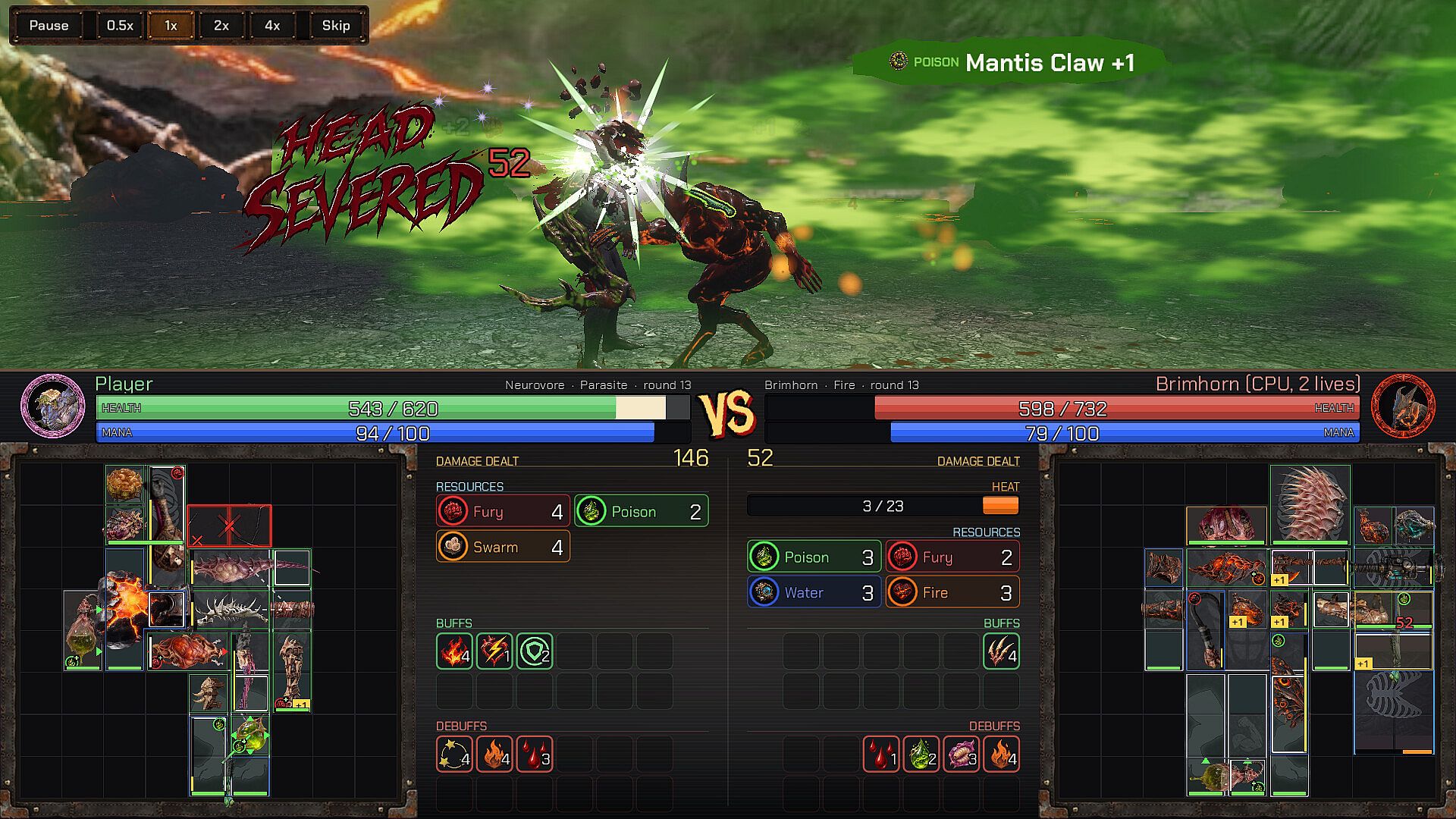
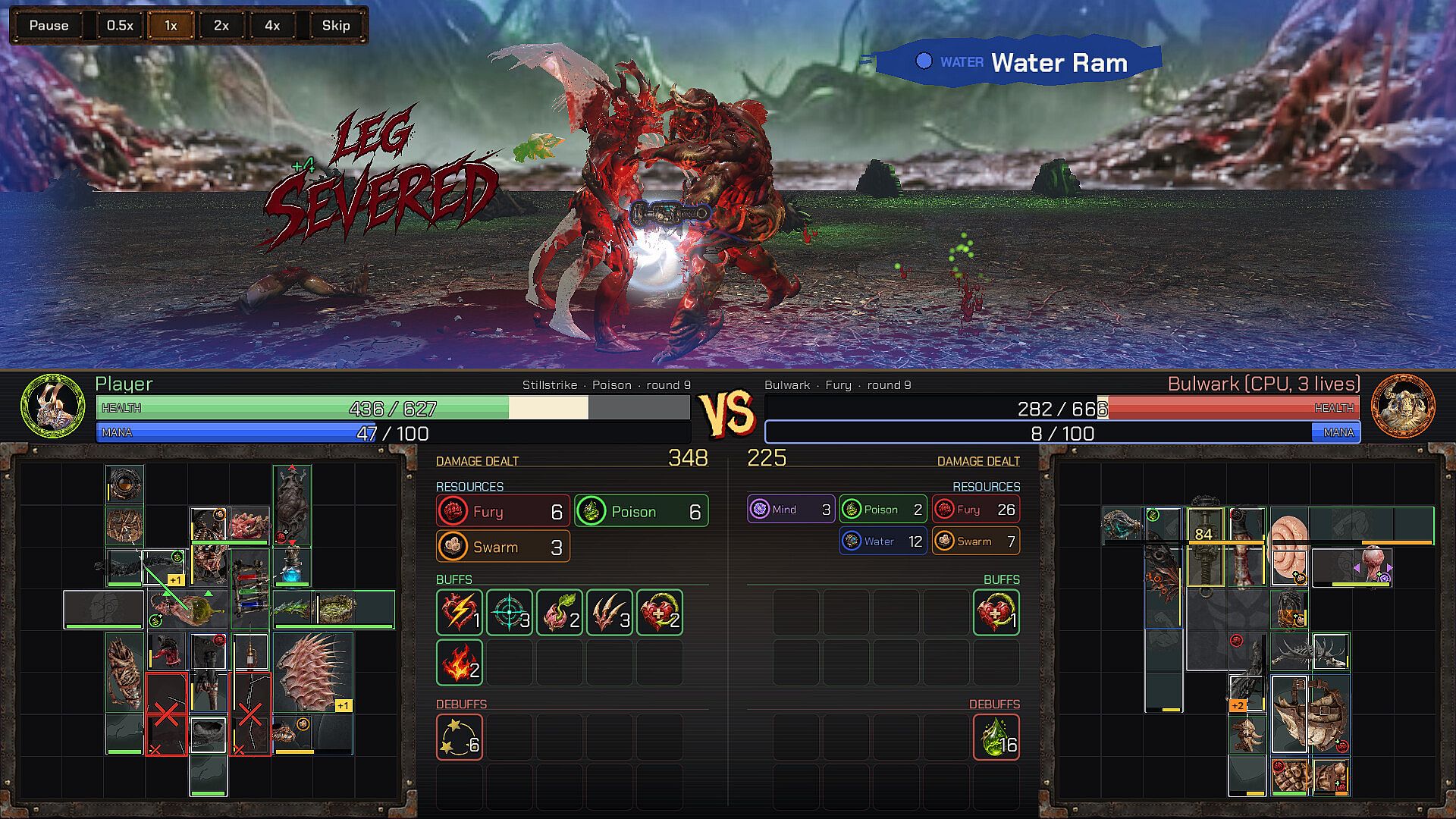
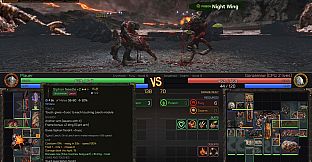
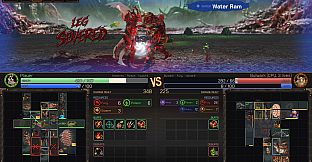
Combat takes place in real-time 3D auto-battles featuring physical actions such as bites, kicks, grabs, throws, charges, and headbutts. Limbs can be severed during fights, leading to bleeding, while certain builds enable regrowth, reattachment, or mid-fight reconstruction. Status effects like burn, poison, bleed, and corrode apply pressure, with armor absorbing damage and shields protecting covered parts. Prolonged fights trigger the Rot Bloom to rise and force a conclusion.
Progression involves selecting from 22 starting mutants spread across 11 types: Fury, Poison, Mind, Bone, Fire, Spore, Water, Cyber, Swarm, Leech, and Parasite. Each type offers two strains with unique bodies and starting kits. Six additional mutants unlock through play, including two playable bosses. The Gene Codex tracks every discovered part, strain, and status for collection and reference.
Game Modes
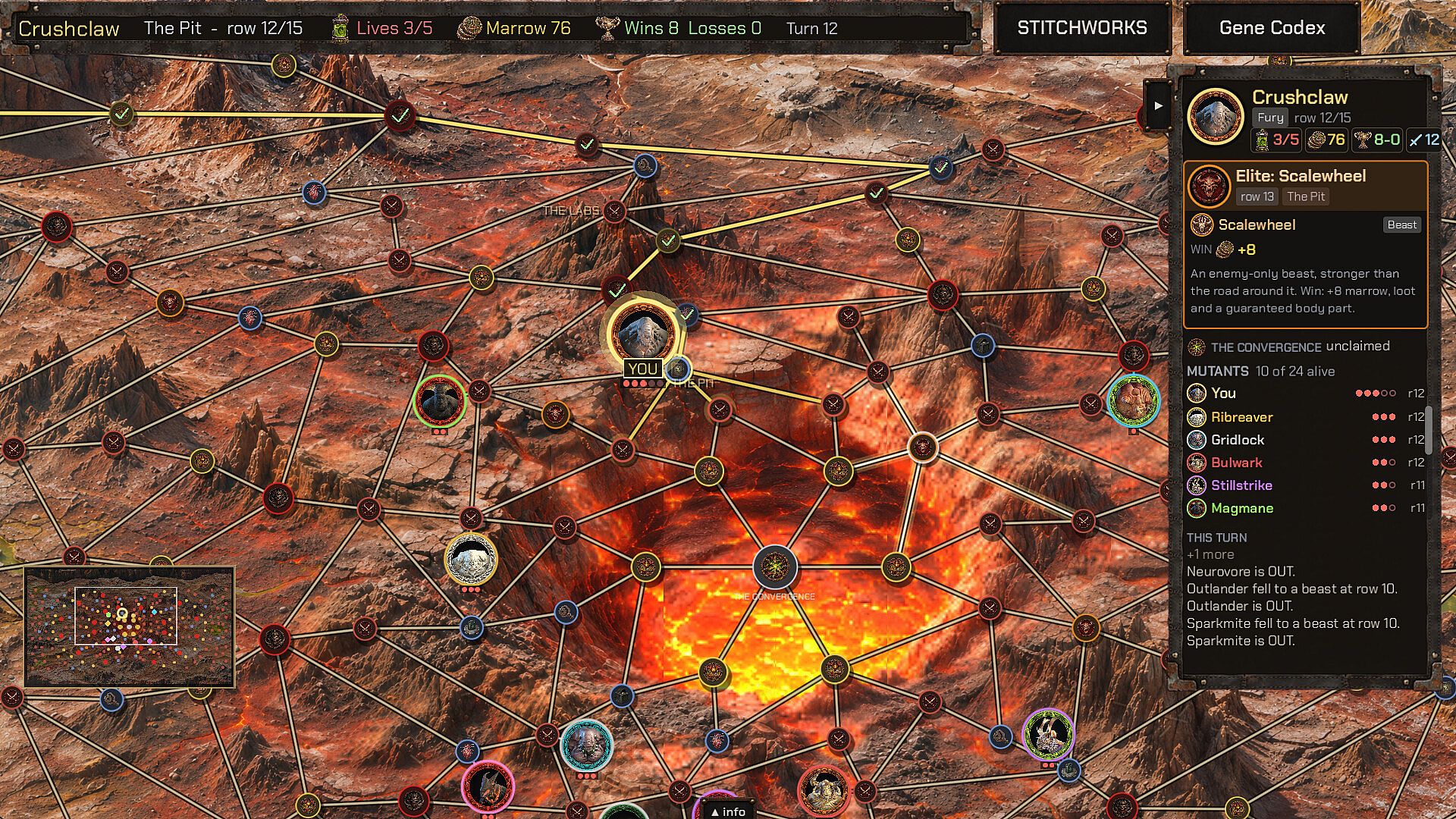
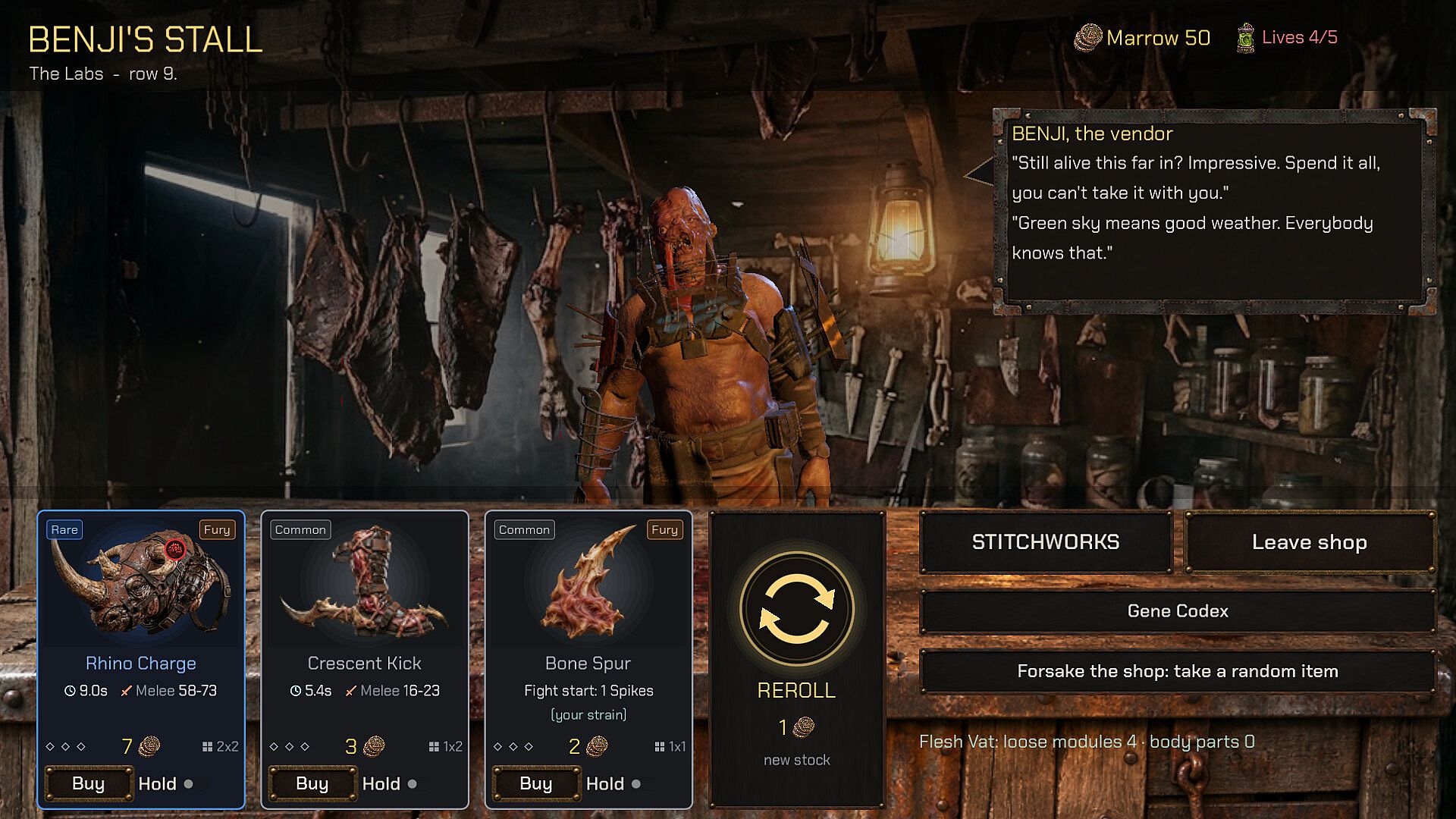
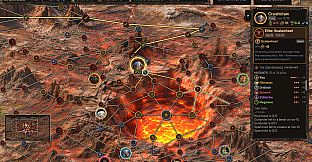
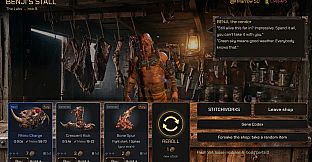
Map runs form the primary single-player experience. Players choose routes through scavenge, specialist, and shop nodes while battling rival strains and beasts. Marrow earned along the way can be spent at Benji's butcher shop to acquire new parts. Every map run uploads the resulting build, so subsequent encounters may pit the player against other users' mutants under their Steam names.
Versus mode lets players share build codes to directly challenge friends' creations. The hall of fame collects top-performing builds from completed runs, where users can filter by type and issue challenges or accept random opponents. Ghost Gallery provides another layer by allowing confrontations against saved ghosts of past champions.
These modes emphasize both solo progression through the Convergence and competitive elements where player-created mutants continue fighting independently once uploaded.
Mutant Building and Progression
Building focuses on grid placement rather than simple stat stacking. Parts touching on the grid generate synergies that amplify damage, apply multiple effects, or enable complex chains. This system rewards experimentation with different strains and part combinations to counter specific threats or optimize for longer runs.
Unlocking new mutants and parts expands options over time. The two strains per type provide immediate variety, while later unlocks introduce boss-level designs with distinct playstyles. Collection in the Gene Codex encourages repeated runs to fill out the roster and uncover hidden interactions.
Is It Worth Playing?
Graftlands suits players who enjoy deep strategy in auto-battler formats and iterative build crafting. The body-grid grafting creates tangible differences between runs, with physical combat visuals and status interactions adding layers beyond abstract card or unit placement. Early access status means the experience centers on core systems like map exploration, versus challenges, and mutant customization without additional seasonal content confirmed at this stage.
Those drawn to mutant-themed strategy games with real-time battle resolution and player-driven content will find the mechanics engaging for repeated sessions. The blend of solo map runs and competitive build sharing supports both solitary experimentation and direct competition against others' creations.










