






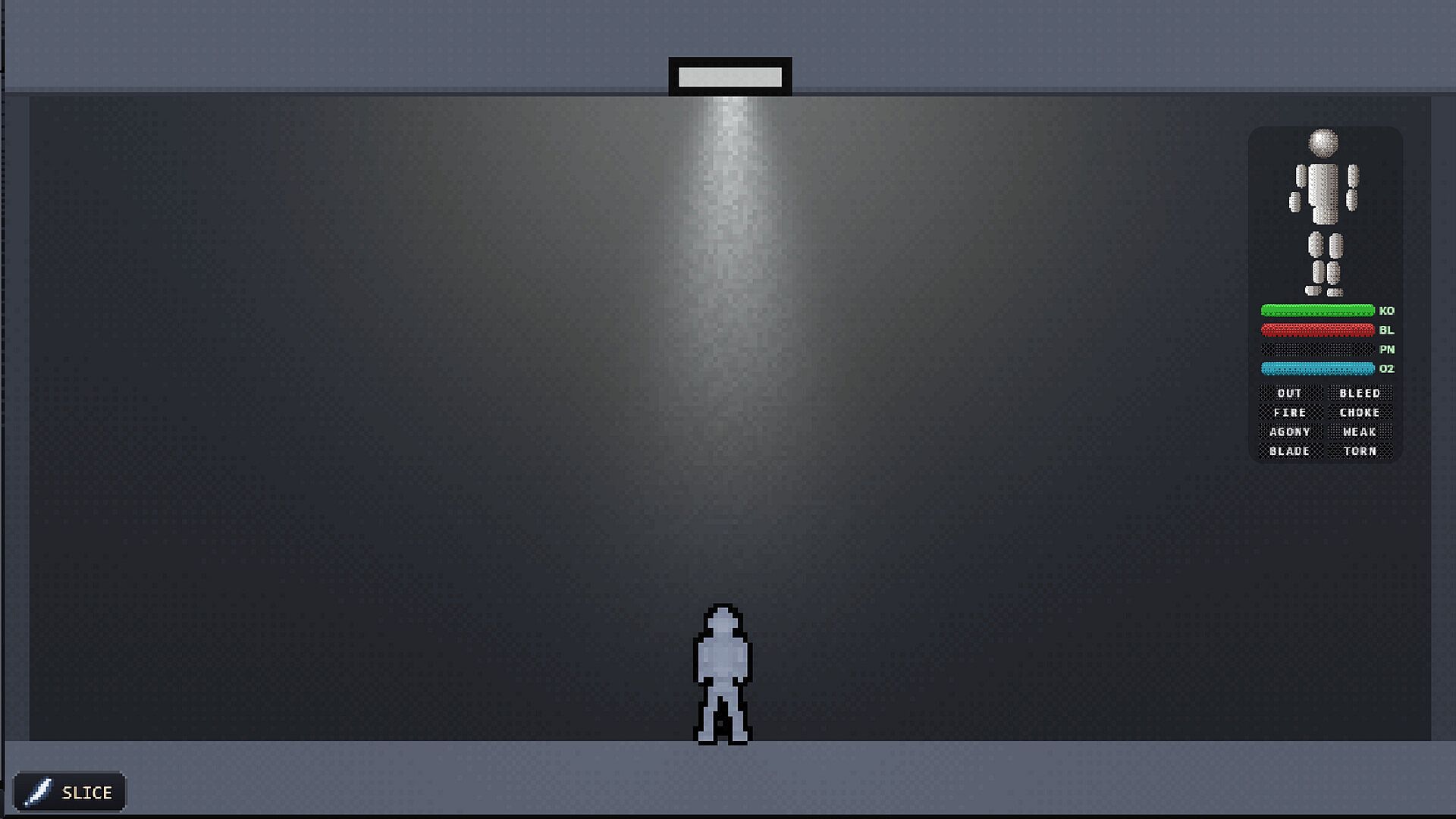
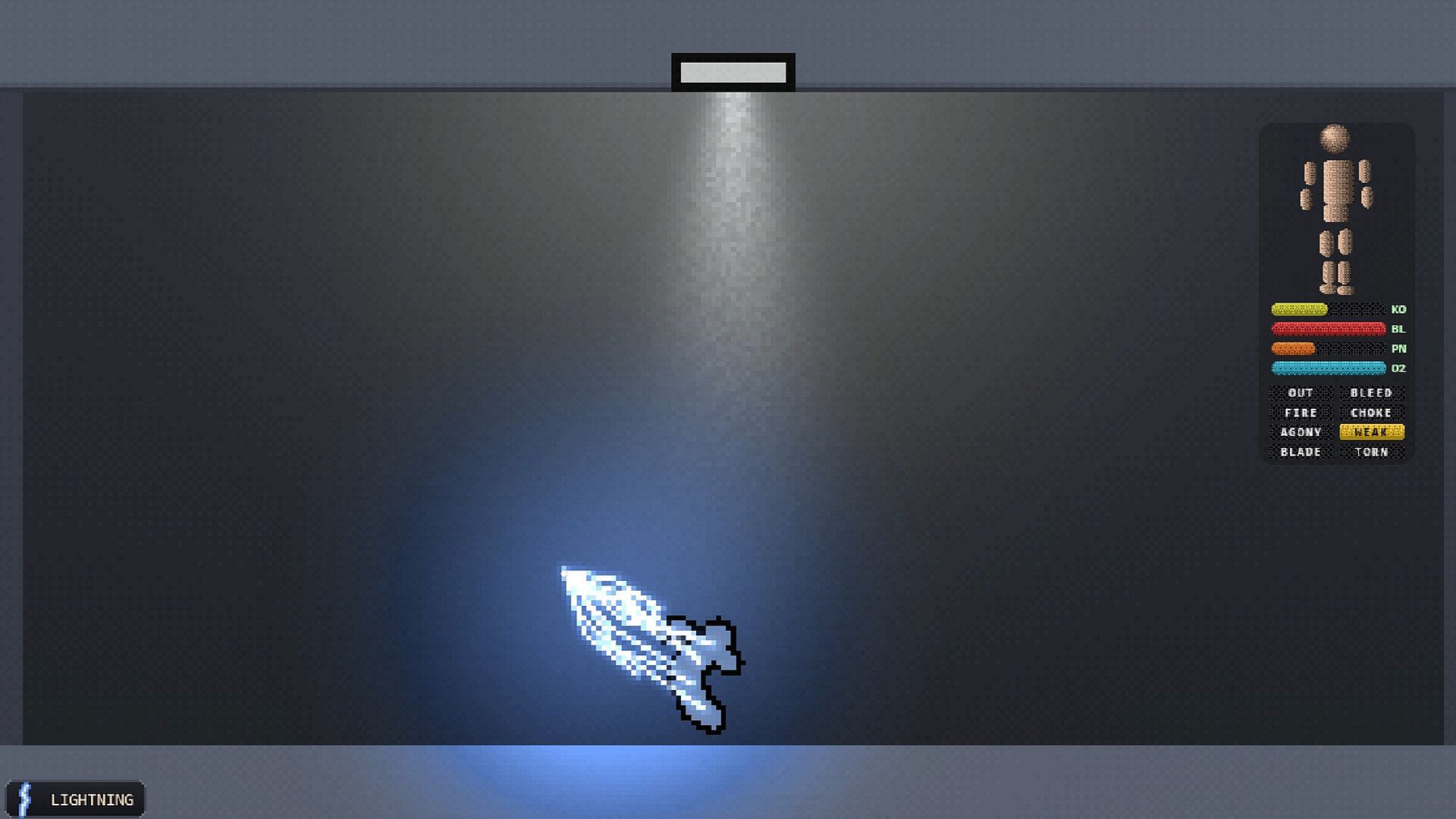
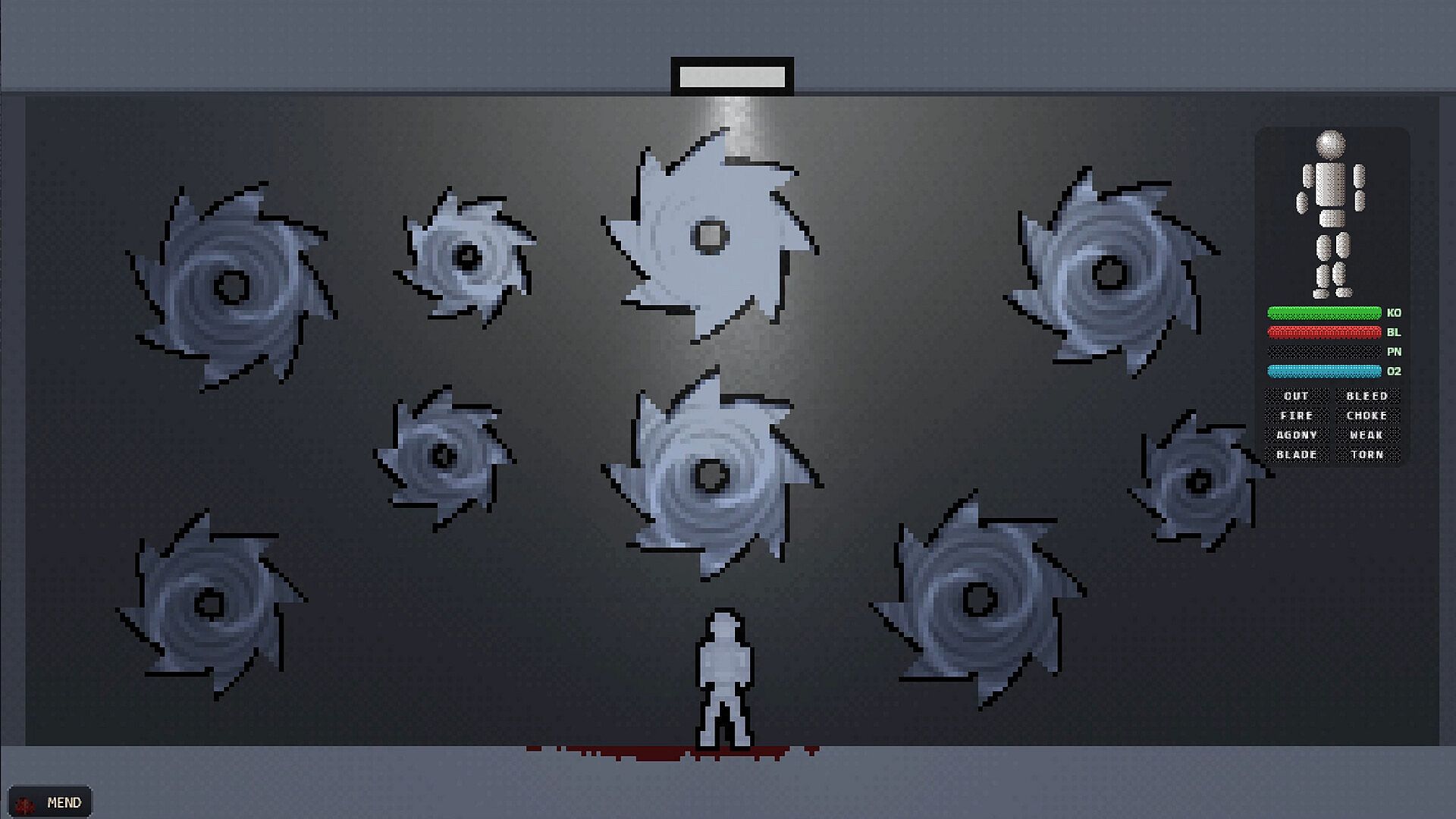
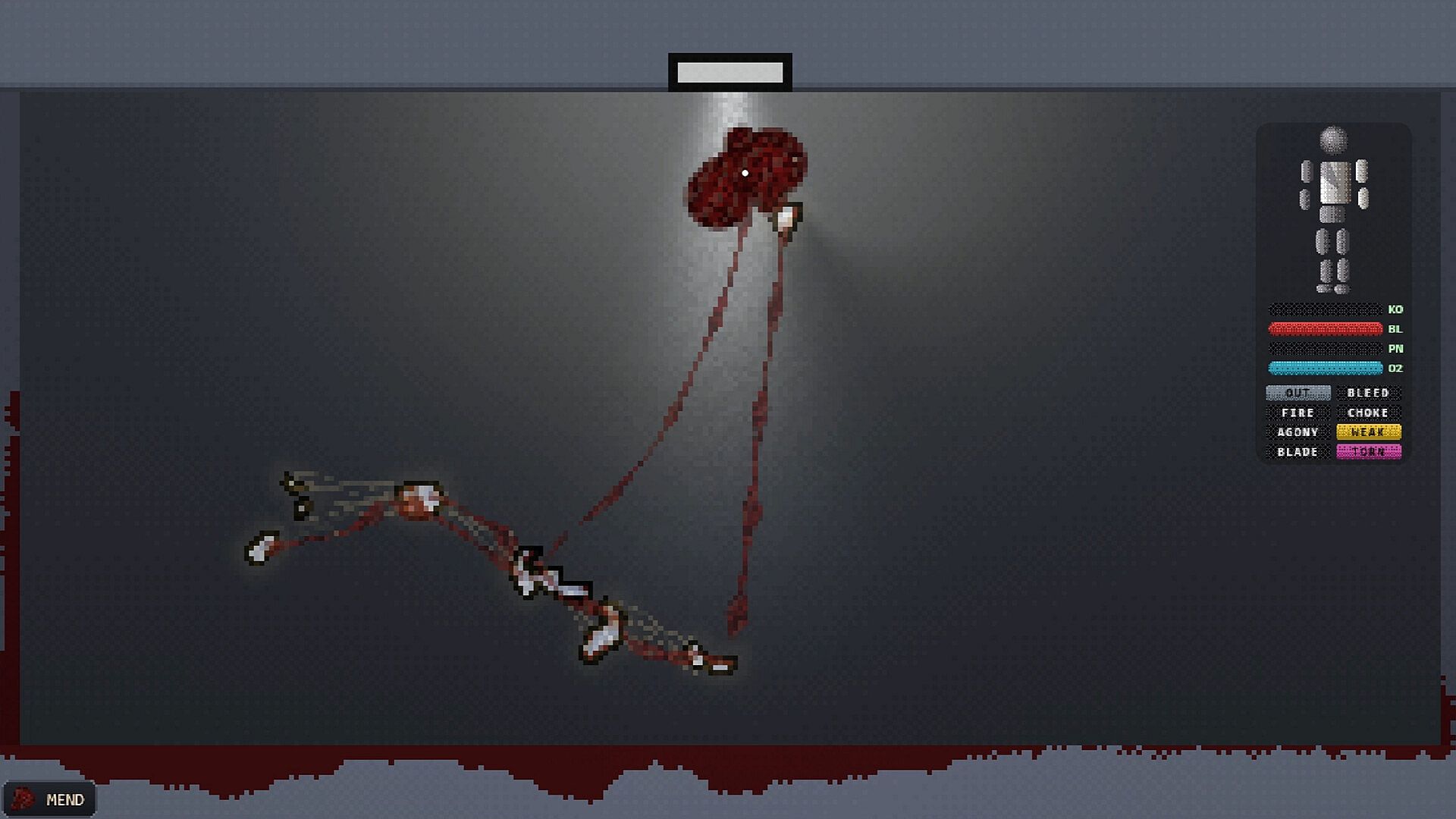
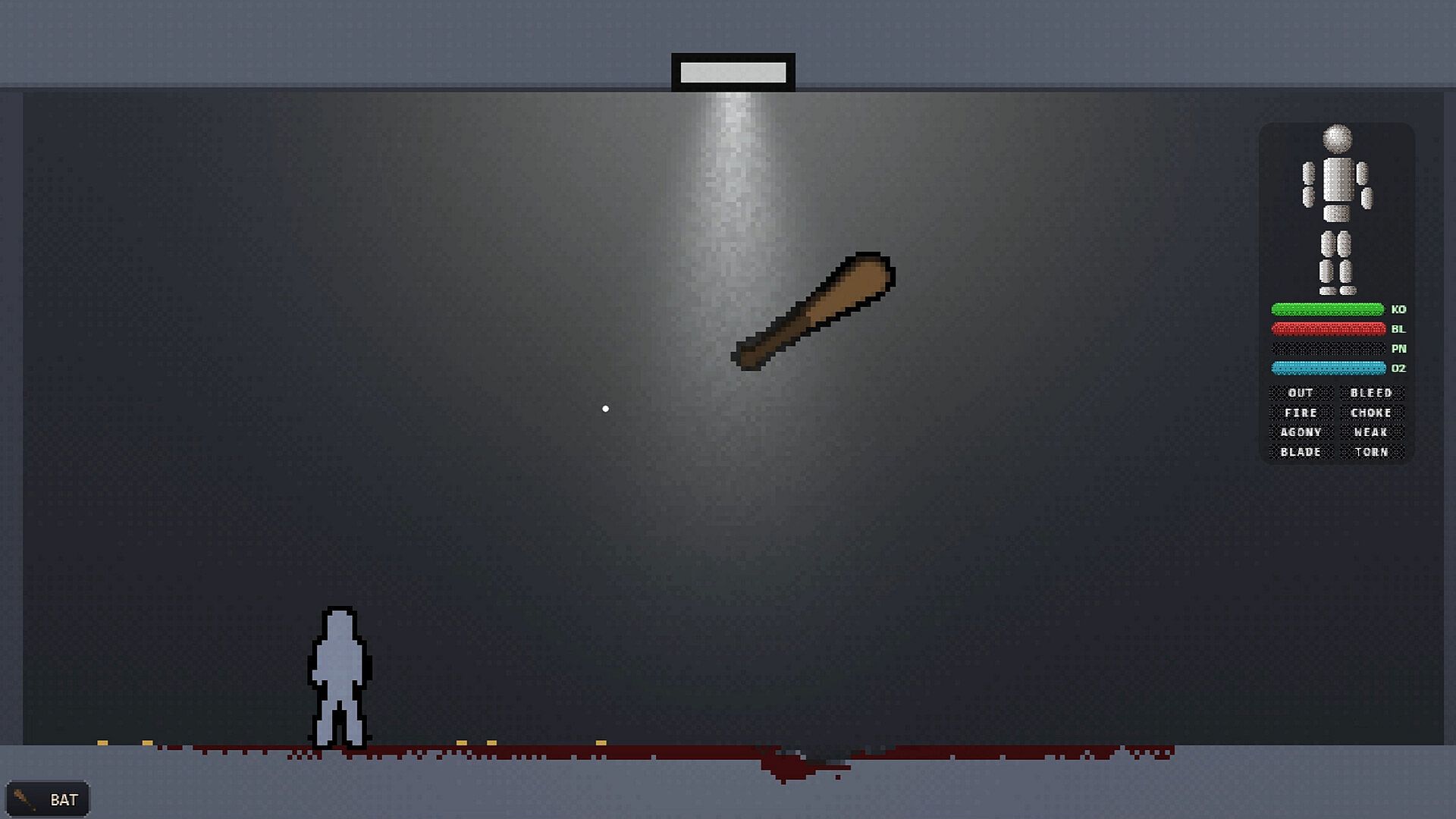
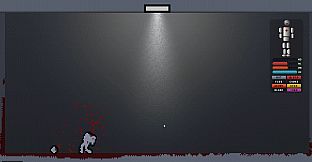
Granule stands out as an action indie simulation title built as a physics sandbox on PC. Players interact with a persistent ragdoll character named Murray in a dimension called The Granule, where the focus rests on creative and destructive experimentation with his form and surroundings.
Gameplay
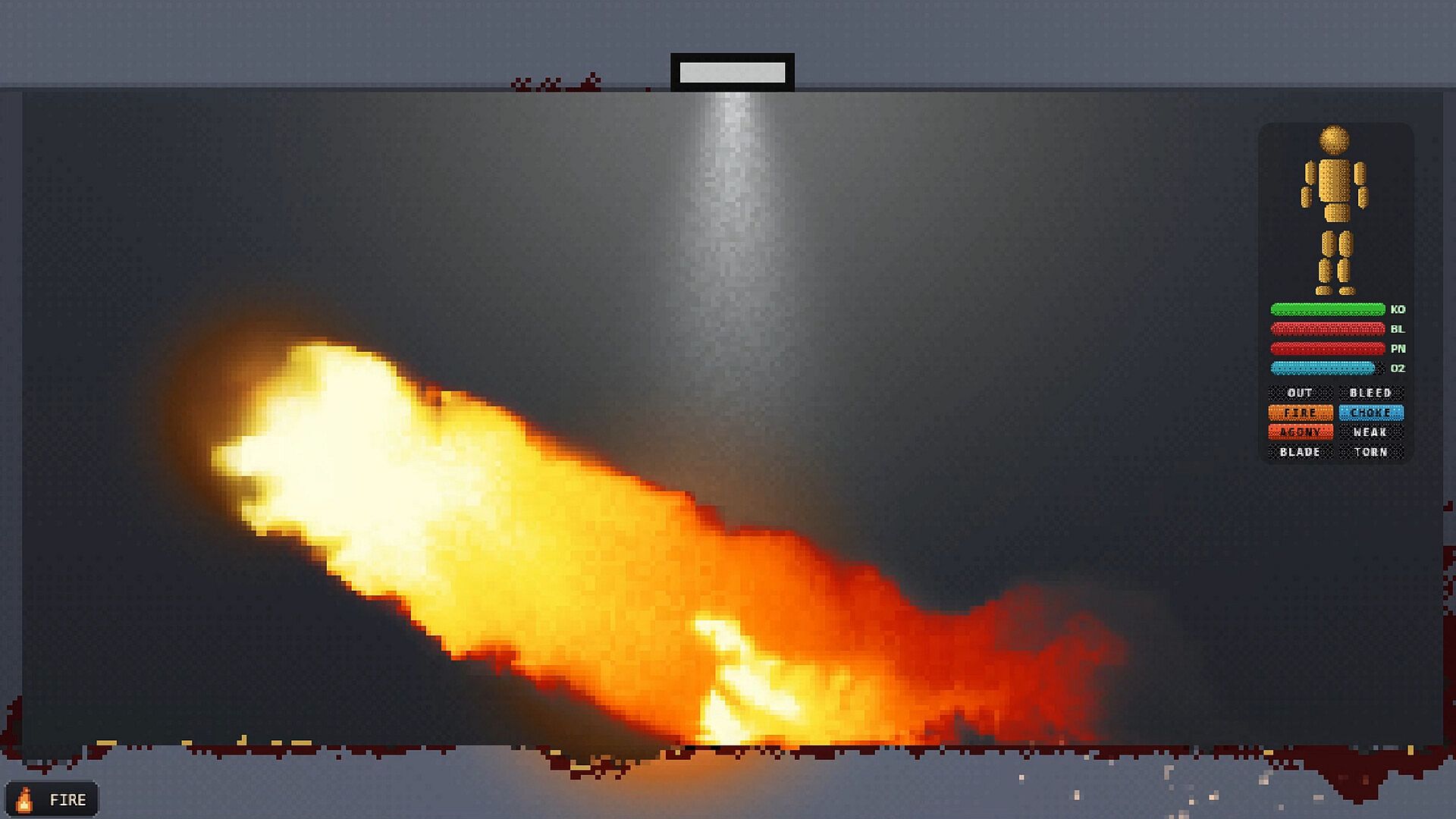
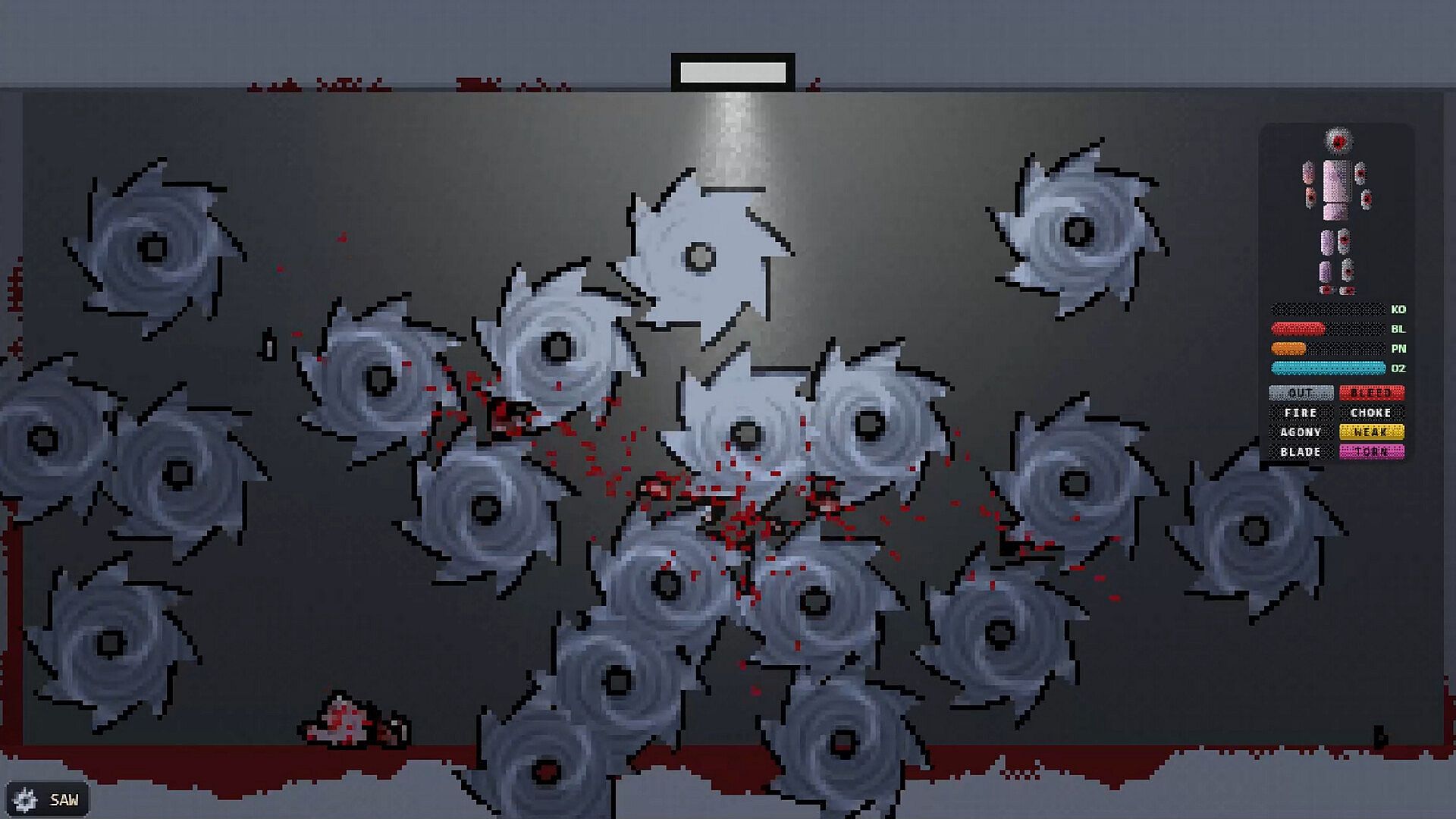
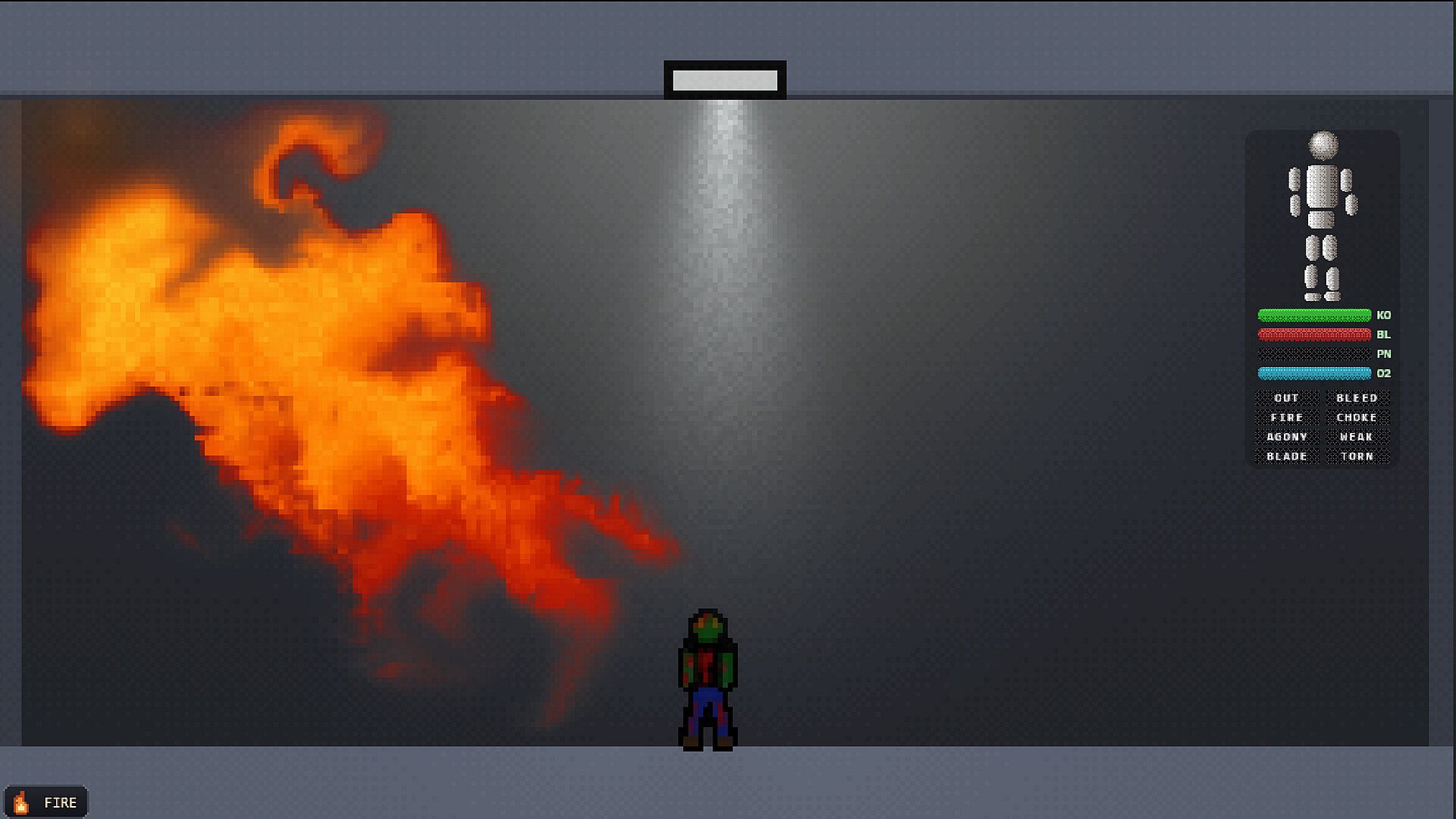
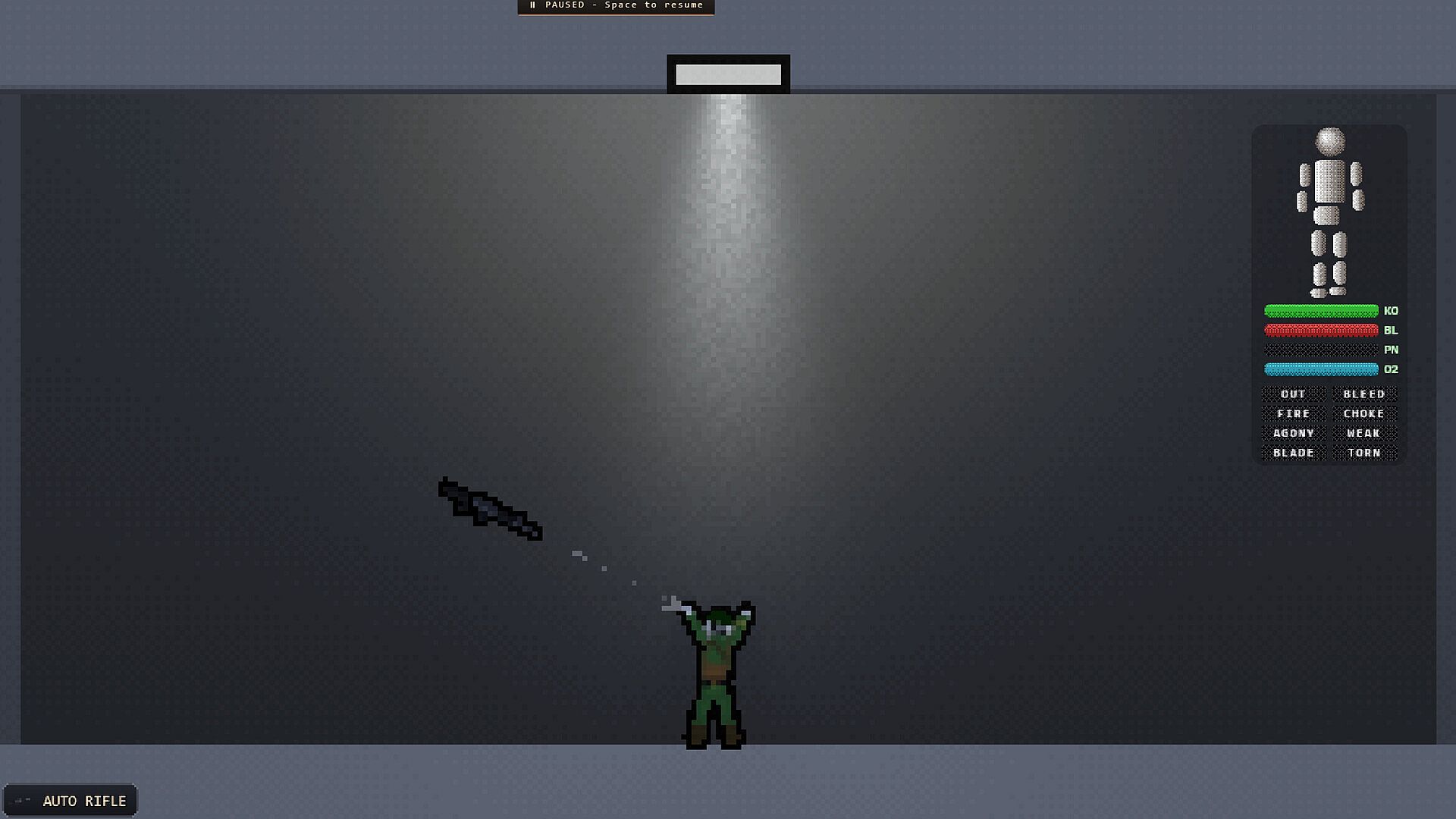
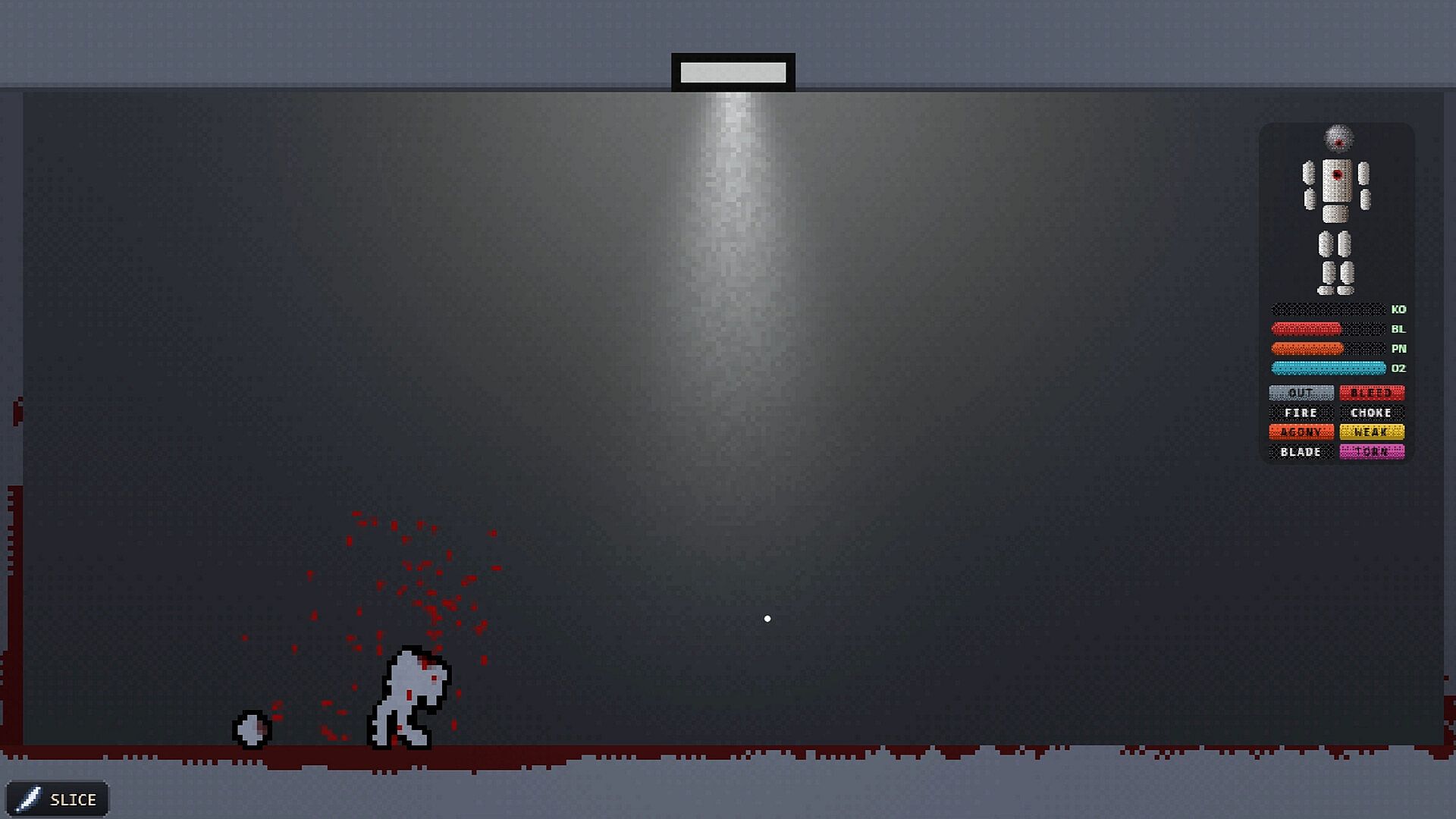
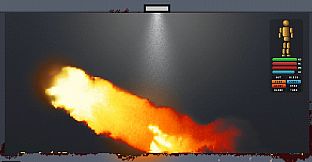
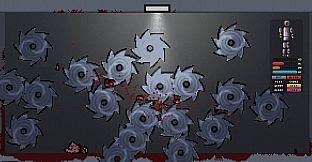
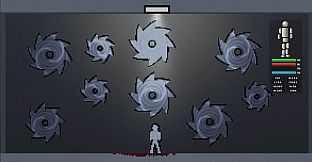
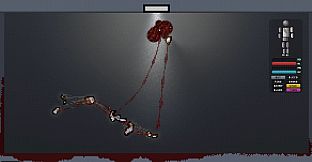
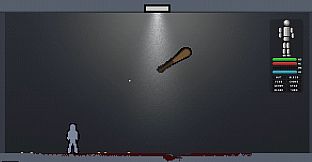
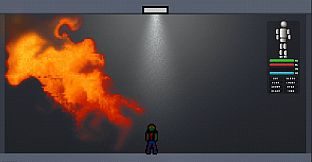
The core loop centers on Murray, who remains conscious and responsive no matter the damage inflicted. His body reacts realistically to impacts, with bleeding, burning, and dismemberment occurring based on the tools or forces applied. Players select from an expanding collection of items that explode, stab, sever, or mend, allowing sequences of events to unfold without scripted outcomes. When the session reaches a natural end, Murray can be restored to start fresh experiments. The physics system governs every movement and reaction, so Murray attempts to stand or stay alert until external forces intervene. Older and more powerful elements scattered in the environment respond only to direct player input, adding layers of unpredictable interaction beyond basic tools.
Game Modes
Granule operates as a single continuous sandbox experience without separate named modes. All activity takes place within The Granule itself, where the emphasis stays on freeform manipulation of Murray and the available objects. The setup encourages repeated sessions of observation and alteration rather than structured challenges or competitive elements. Future additions mentioned in development notes include options to construct custom versions of Murray and new environments, but current play revolves around the base ragdoll interactions and the growing set of powers and items.
The Setting and Backstory
The narrative places Murray in The Granule after an encounter with a witch who cursed him following a highway incident. This dimension exists beyond ordinary death yet permits ongoing torment. An unseen presence already occupies the space, granting the player control over Murray from the outset. The witch and Murray remain unaware of this entity or the ancient forces present. The environment contains both ordinary hazards and potent artifacts that operate independently of the initial curse, creating a backdrop where experimentation feels organic and unguided.
Tools, Powers, and Progression
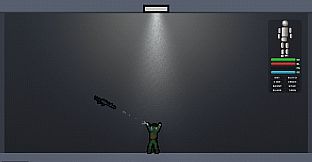
Interaction begins with basic implements capable of breaking or burning, then expands to include abilities that produce more complex results. Murray's responses remain consistent with real-world physics expectations, including attempts to recover or stay upright. Restoration happens through patching mechanics that reset the state for additional trials. The system supports ongoing discovery as new items and powers become available, with hints of player-driven creation tools on the horizon. Nothing occurs according to predetermined sequences, so each session produces unique sequences of events driven by the chosen actions.
Is It Worth Playing?
Granule appeals directly to players who enjoy physics-based sandboxes and open-ended creative destruction in an indie simulation context. The persistent ragdoll and responsive environment deliver consistent feedback on every action, rewarding careful observation and repeated testing. With no reviews available and a release date still to be announced, the experience remains in development, yet the core concept already demonstrates a clear focus on unscripted interaction. Those drawn to titles that prioritize mechanical freedom over narrative progression or multiplayer competition will find the current build aligns with that preference. The absence of fixed goals allows sessions to last as long as interest holds, making it suitable for short bursts or extended exploration of the available systems.











