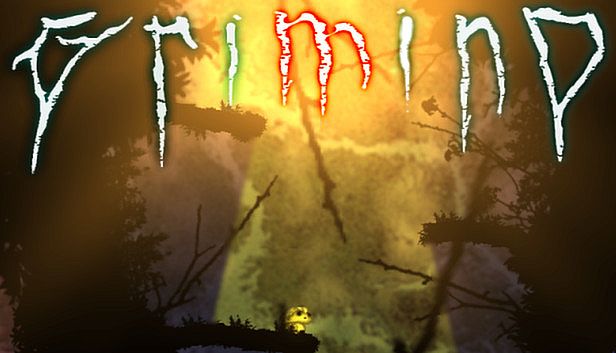















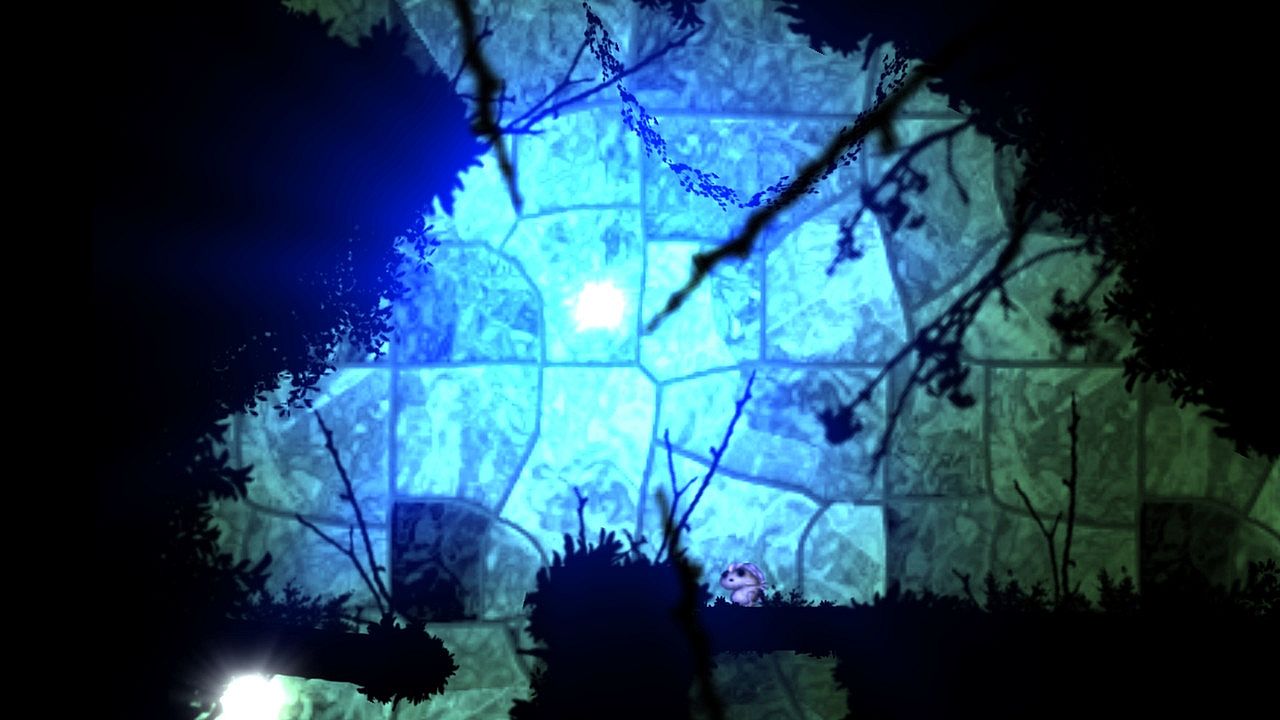
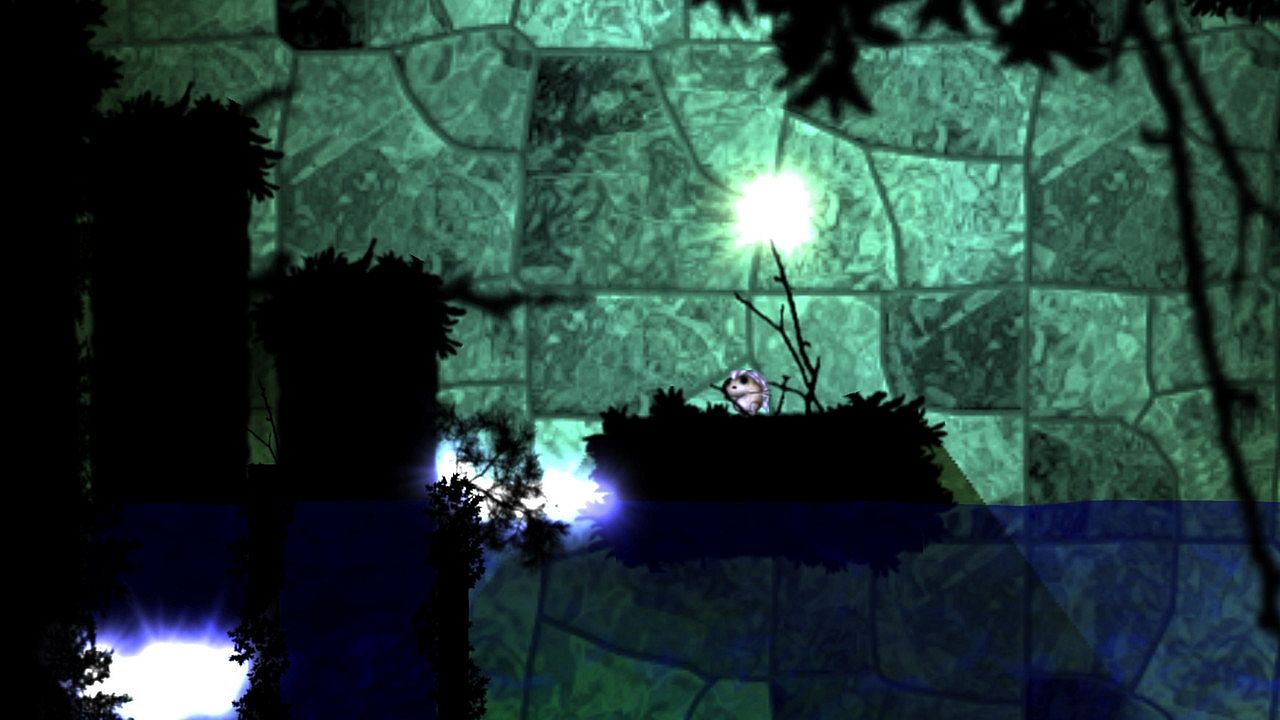
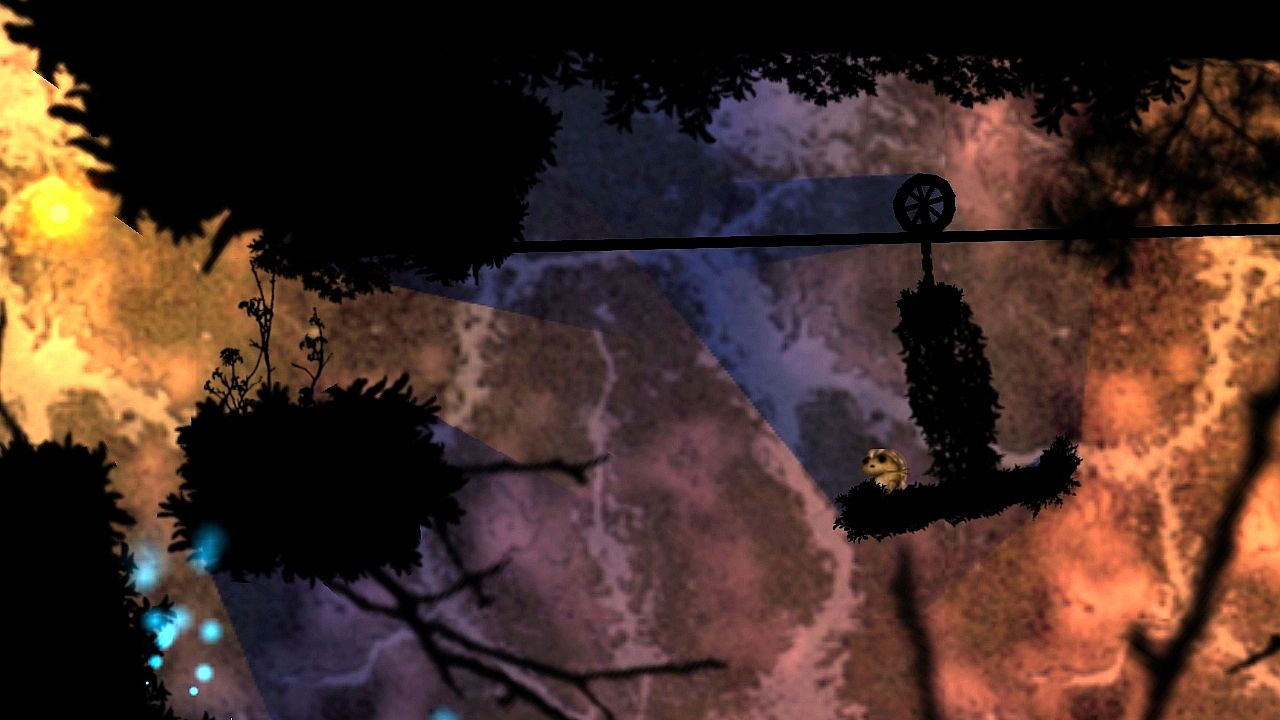
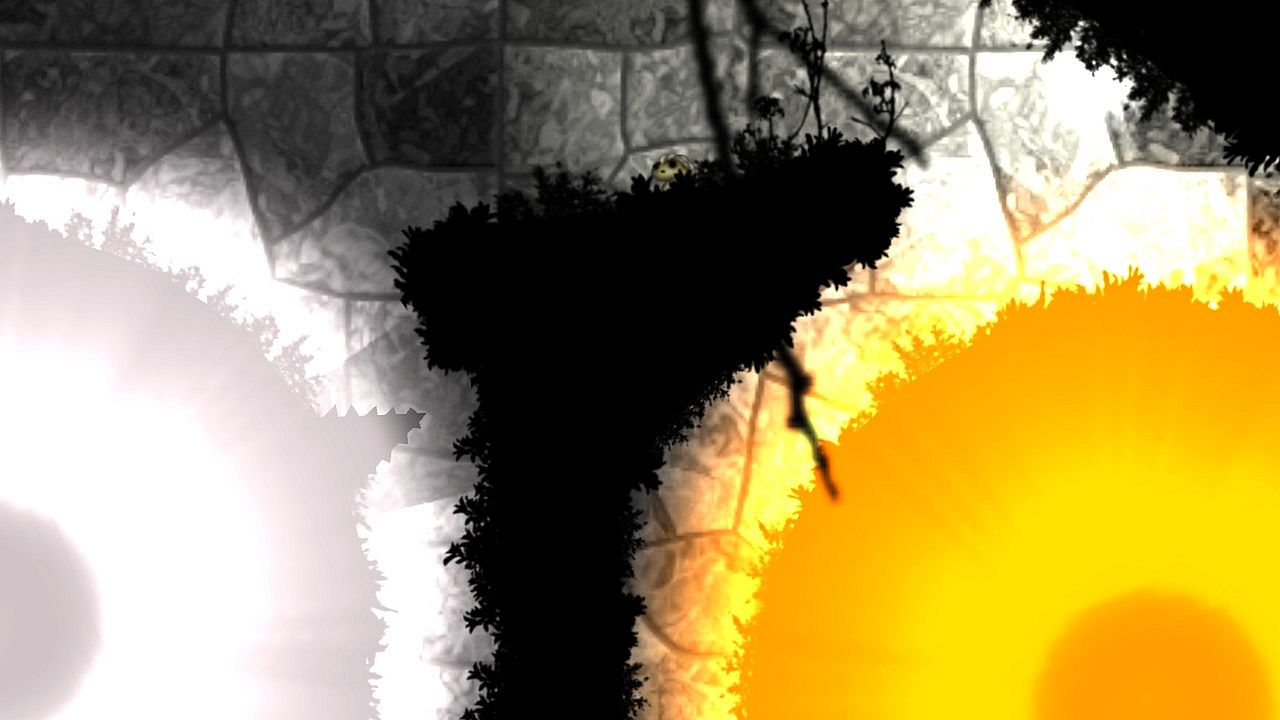

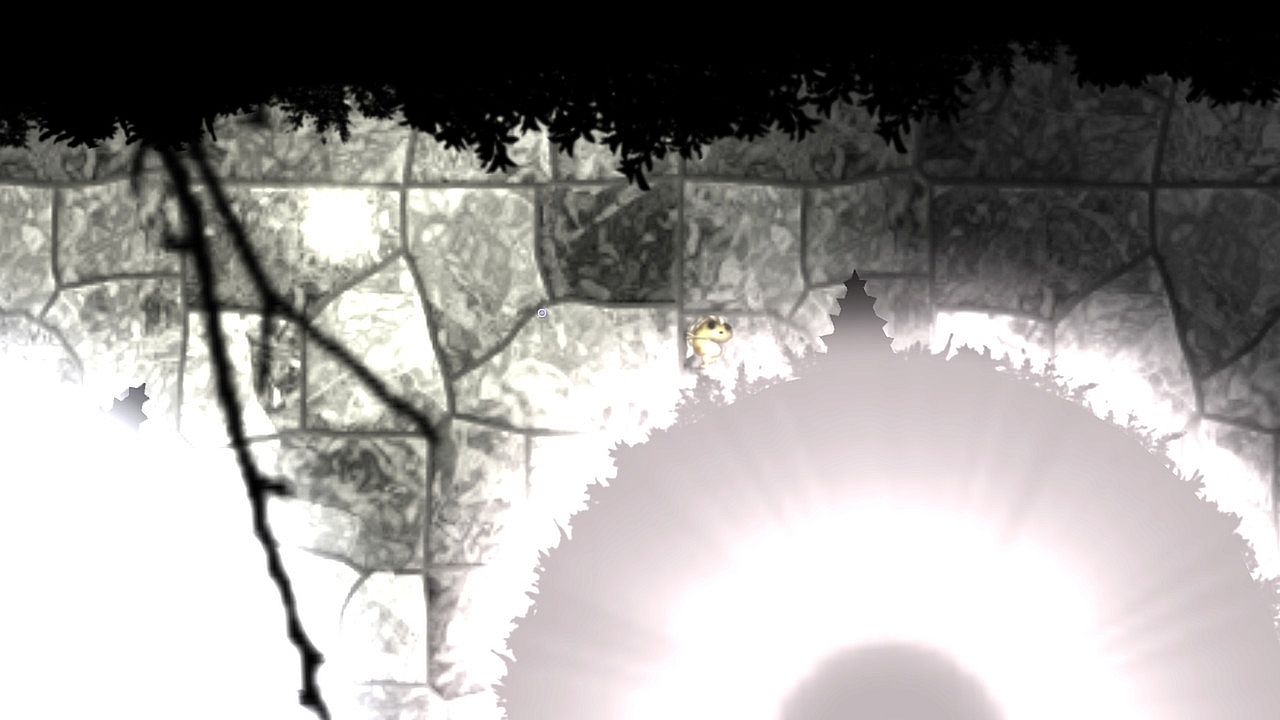
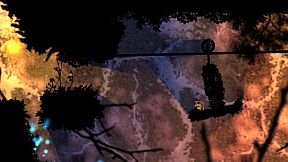

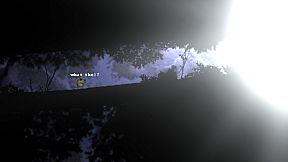
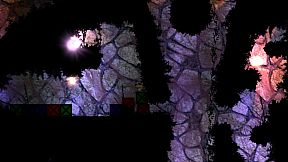

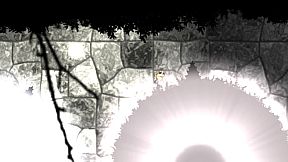
Grimind is a 2D physics-based adventure platformer with a horror theme available on PC. Players take control of an amnesiac character who awakens in forgotten caves and ancient crypts, using precise movement and object manipulation to navigate dangerous environments while uncovering fragments of the past.
Gameplay
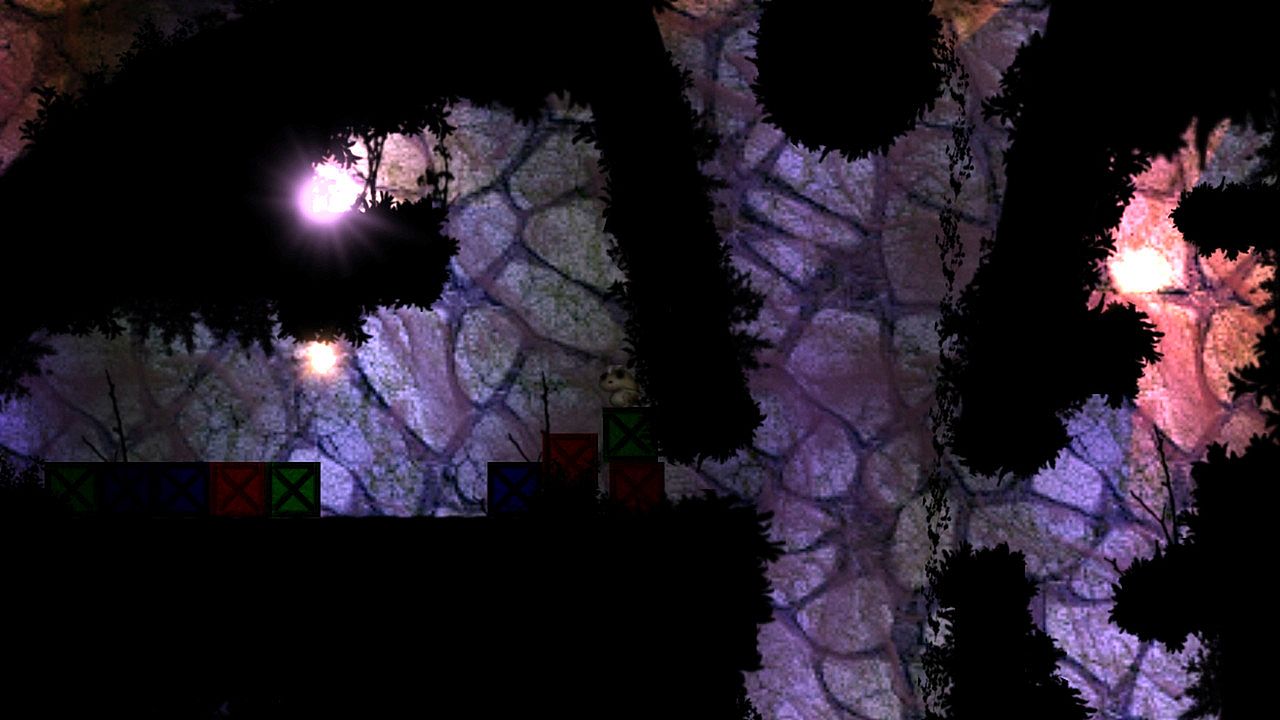
The core loop revolves around platforming combined with interactive physics objects. Every dynamic item in the world can be dragged, carried, or thrown to overcome obstacles or activate mechanisms. This system encourages experimentation, as players must position crates, levers, or debris in specific ways to progress through tight spaces or hazardous sections.
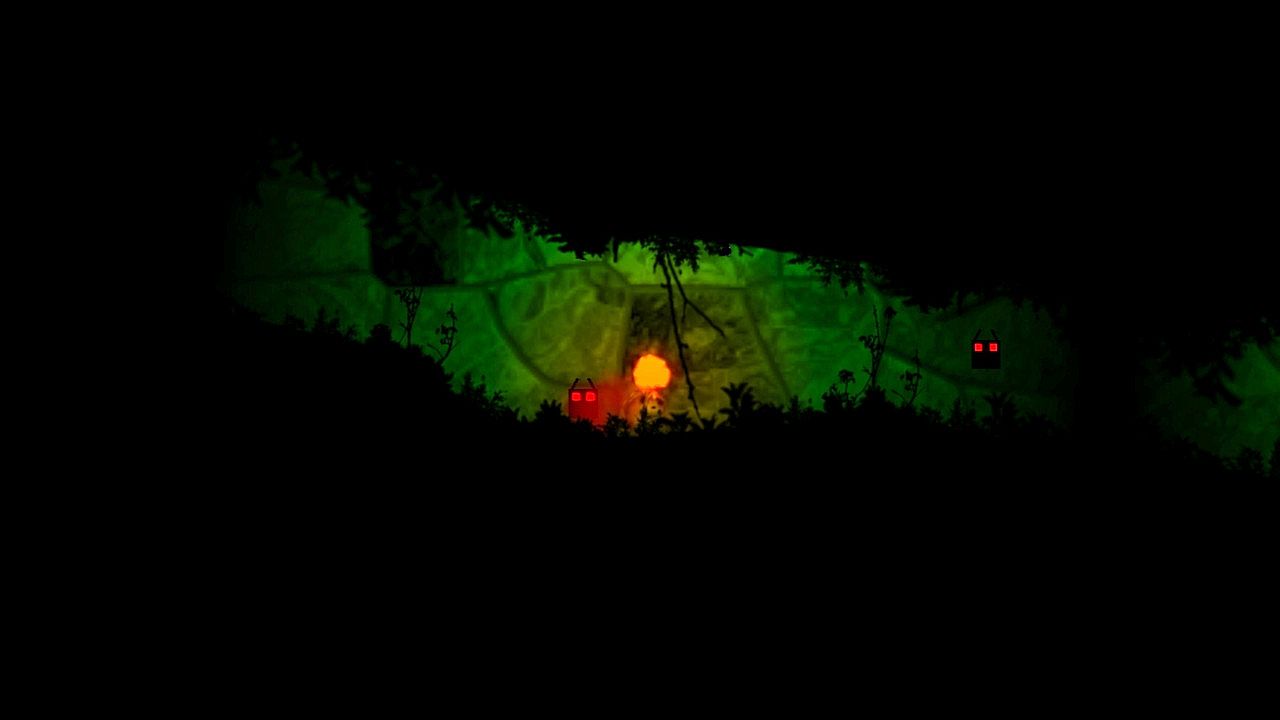
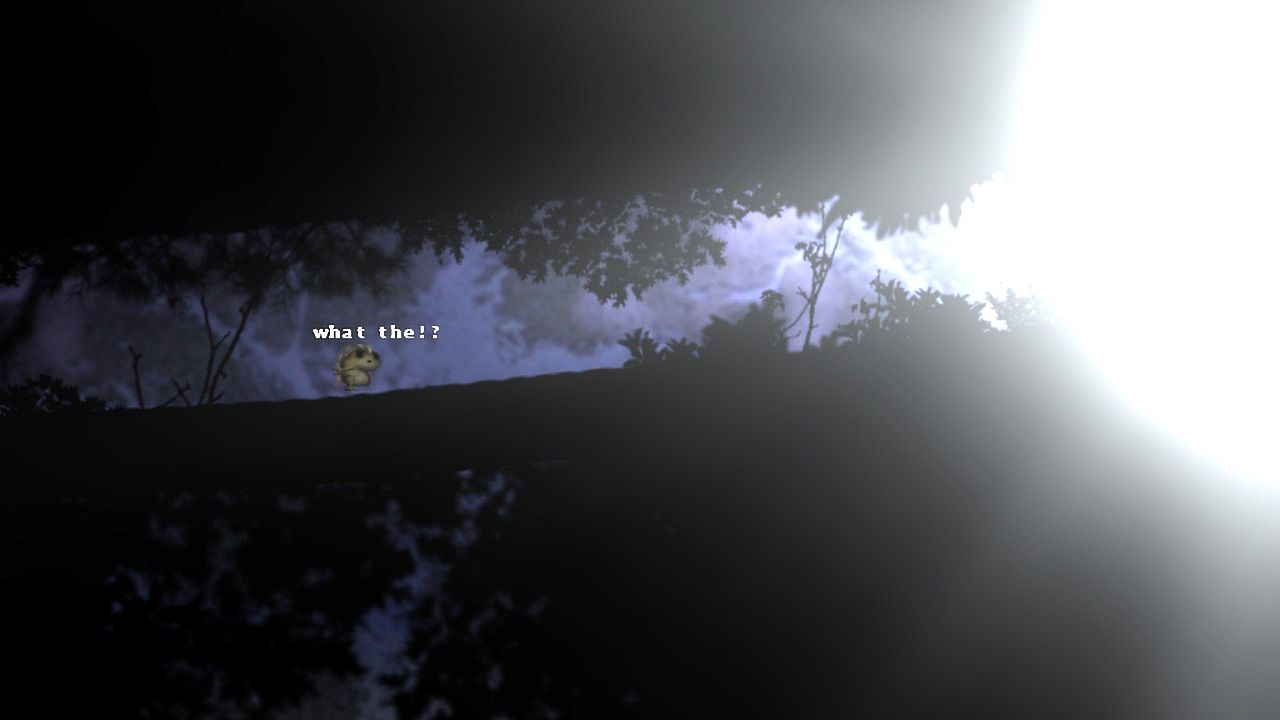
Platforming demands accurate timing for jumps, climbs, and wall interactions, while logic puzzles require careful observation of how objects behave under gravity and momentum. The environment often features dim lighting and sudden threats that force quick reactions alongside deliberate planning. A narration system has the protagonist voice internal thoughts about fear, confusion, or observations, adding context without interrupting control.
Levels build in complexity, testing both dexterity and problem-solving as players advance deeper into the crypts. The physics engine allows multiple solutions to many challenges, rewarding players who explore alternative approaches rather than following a single path.
Game Modes
Grimind offers a single-player experience focused on sequential level progression through its horror-themed environments. There are no separate competitive, cooperative, or multiplayer modes confirmed in available information. The structure remains linear, guiding players through connected areas that emphasize exploration and puzzle resolution within the main campaign.
Atmosphere and Challenges
Visuals and audio establish a consistently unsettling tone through dark corridors, eerie sound design, and occasional startling encounters. The game avoids overt combat in favor of evasion and environmental interaction, heightening tension as players manage limited resources and unpredictable physics outcomes.
Difficulty stems from precise controls and multi-step puzzles that can require repeated attempts. Players must combine platforming precision with creative use of the physics system, which often leads to trial-and-error sessions in more intricate sections. This approach suits those comfortable with older indie platformers that prioritize mechanical challenge over accessibility features.
Is It Worth Playing?
Grimind appeals to fans of physics-driven puzzle platformers who value atmospheric horror and deliberate problem-solving. Its strengths lie in the freedom of object interaction and the cohesive creepy setting that supports the narrative of isolation and discovery. Reception highlights effective tension and creative level design alongside occasional frustration from controls and puzzle pacing.
The game suits players seeking a compact single-player adventure without ongoing updates or additional modes. Those who enjoy titles with similar mechanics will find a focused experience that rewards patience and experimentation. Availability on PC makes it accessible for anyone interested in retro-style indie horror platforming.