


GrindLife is a massively multiplayer life simulation game set on the streets of New York City. Players begin with limited funds and an entry-level position, then navigate taxes, rent, commuting costs, and daily expenses drawn from real public data. The experience blends career progression, financial management, and social interactions in a shared persistent world across five walkable neighborhoods.
Gameplay
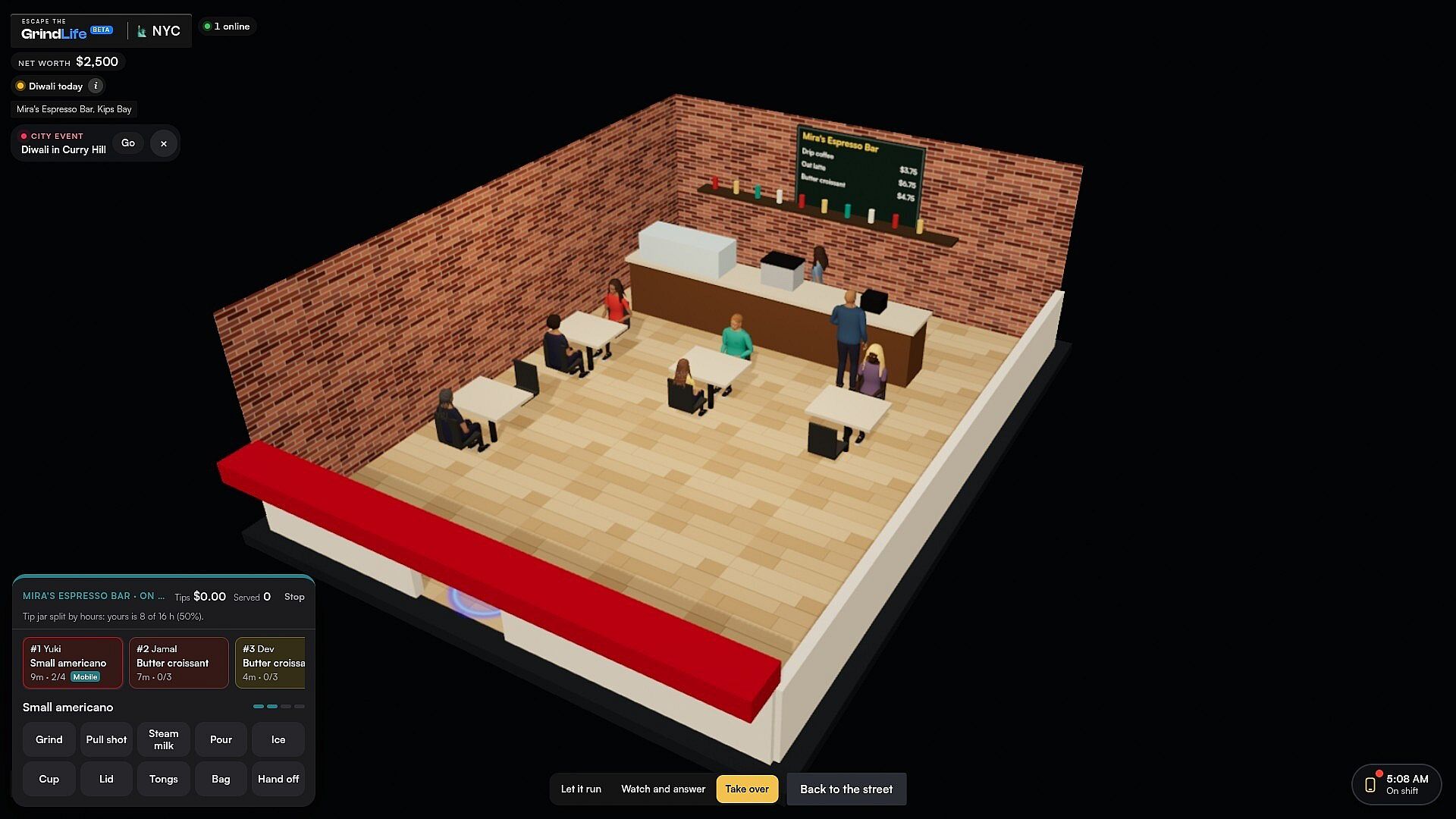
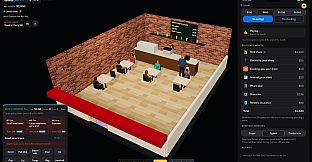
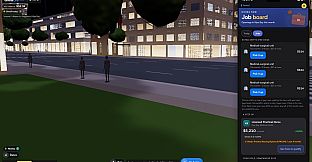
Core gameplay centers on building a sustainable life through work and careful money management. Players select from more than 35 careers that pay New York median wages based on federal data. Nine of those careers feature playable shifts where actions such as pulling espresso shots or processing legal documents directly affect performance and earnings. Shifts that occur offline resolve at average results, allowing progress without constant login.
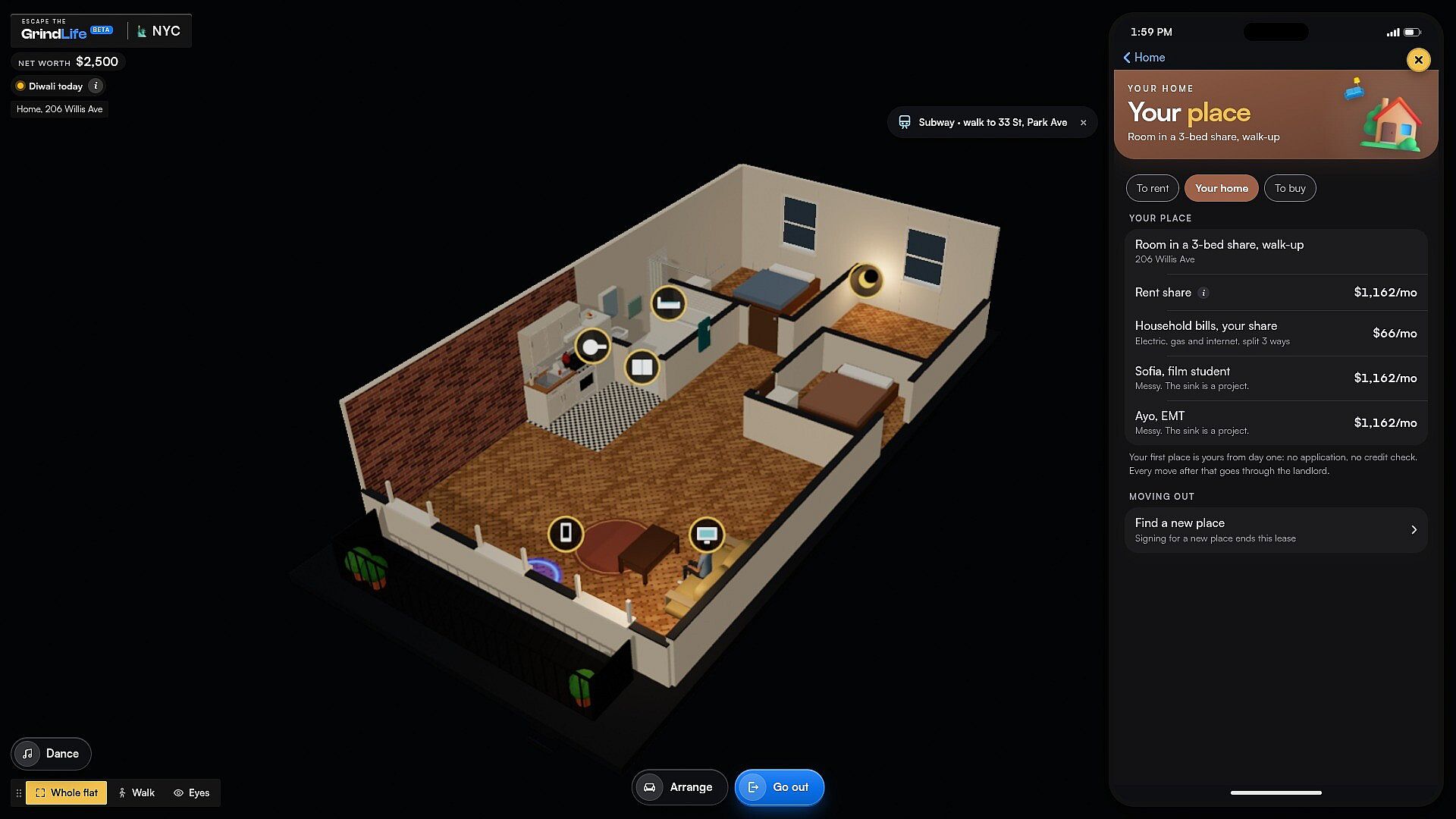
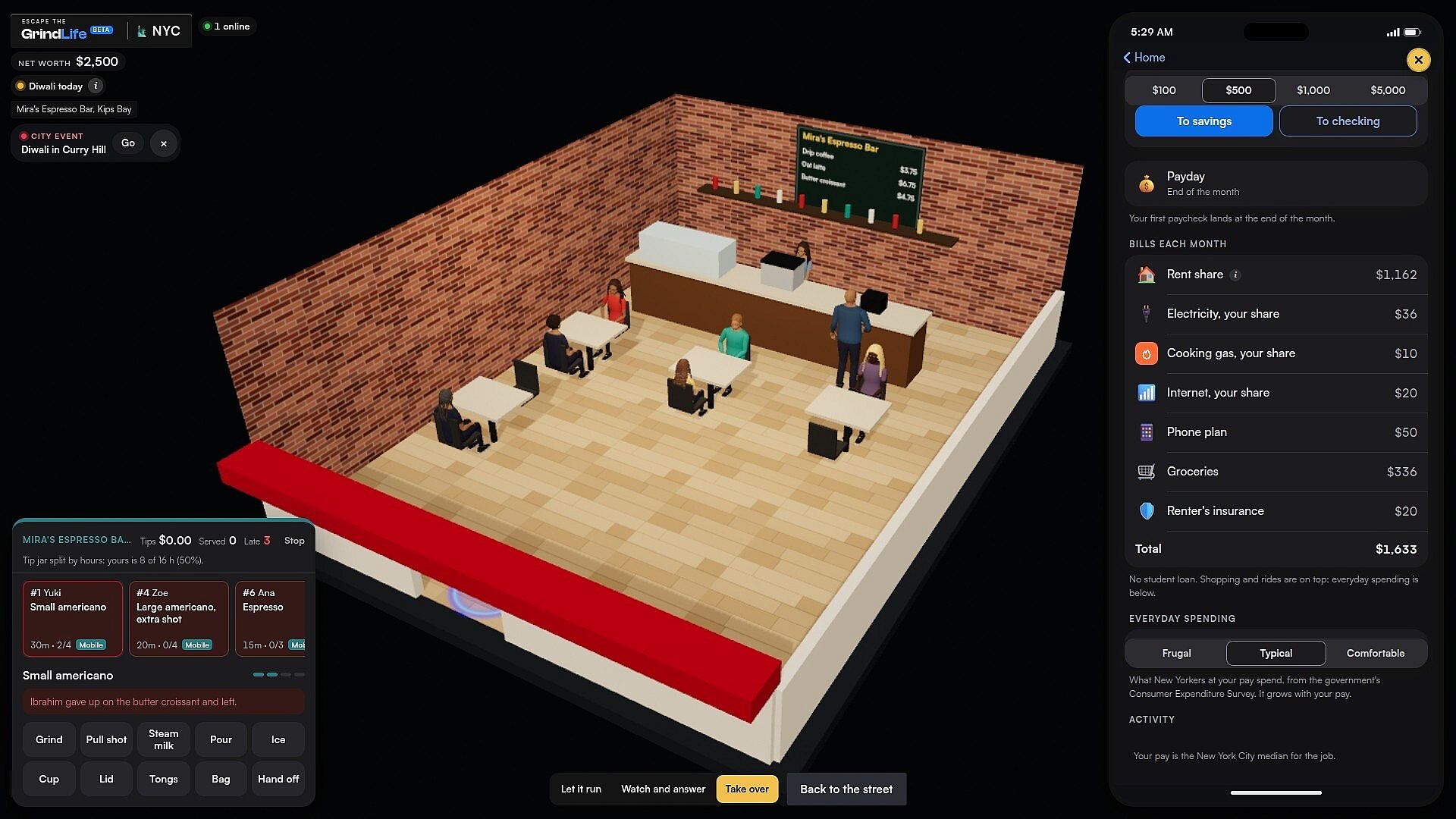
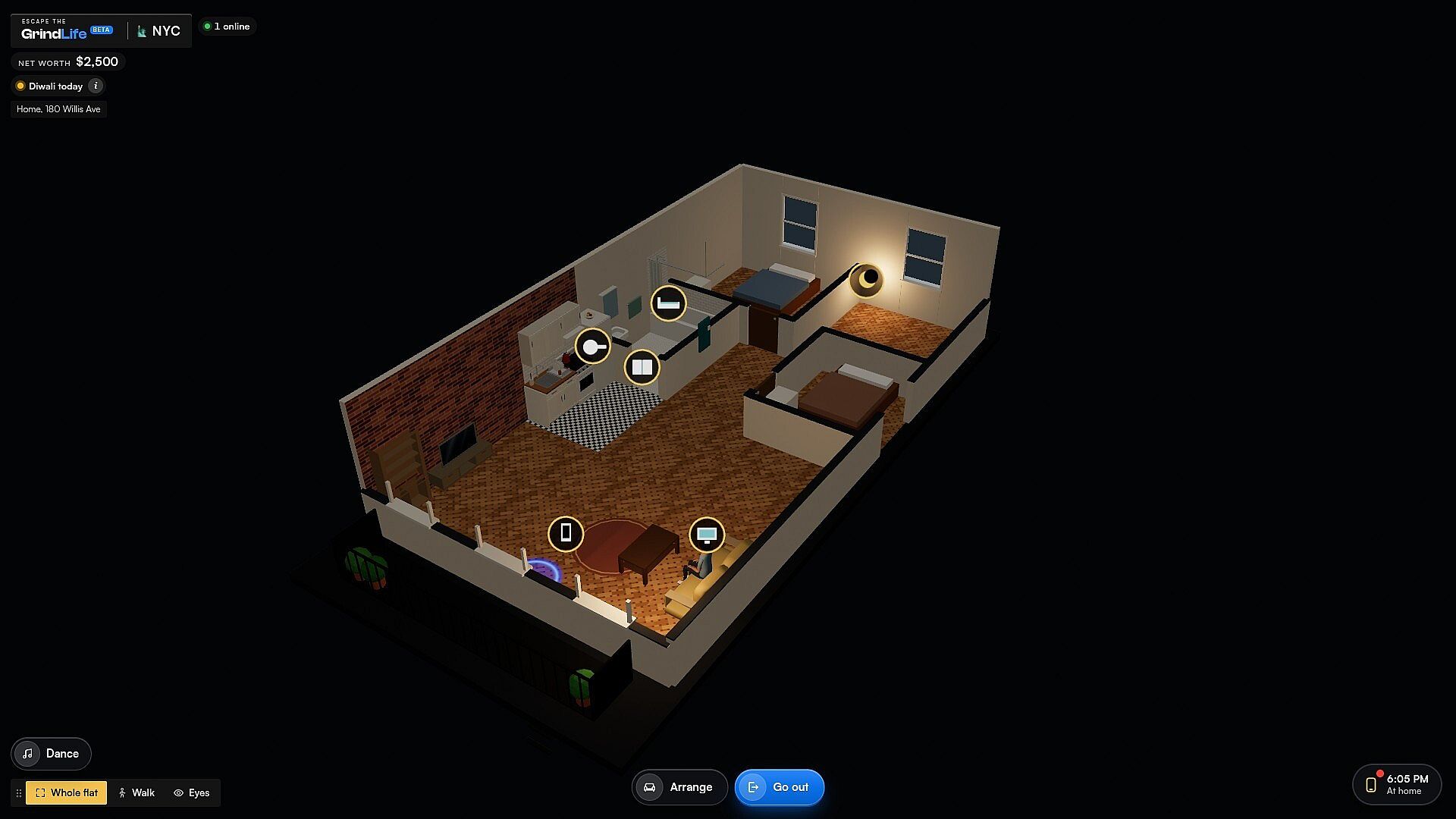
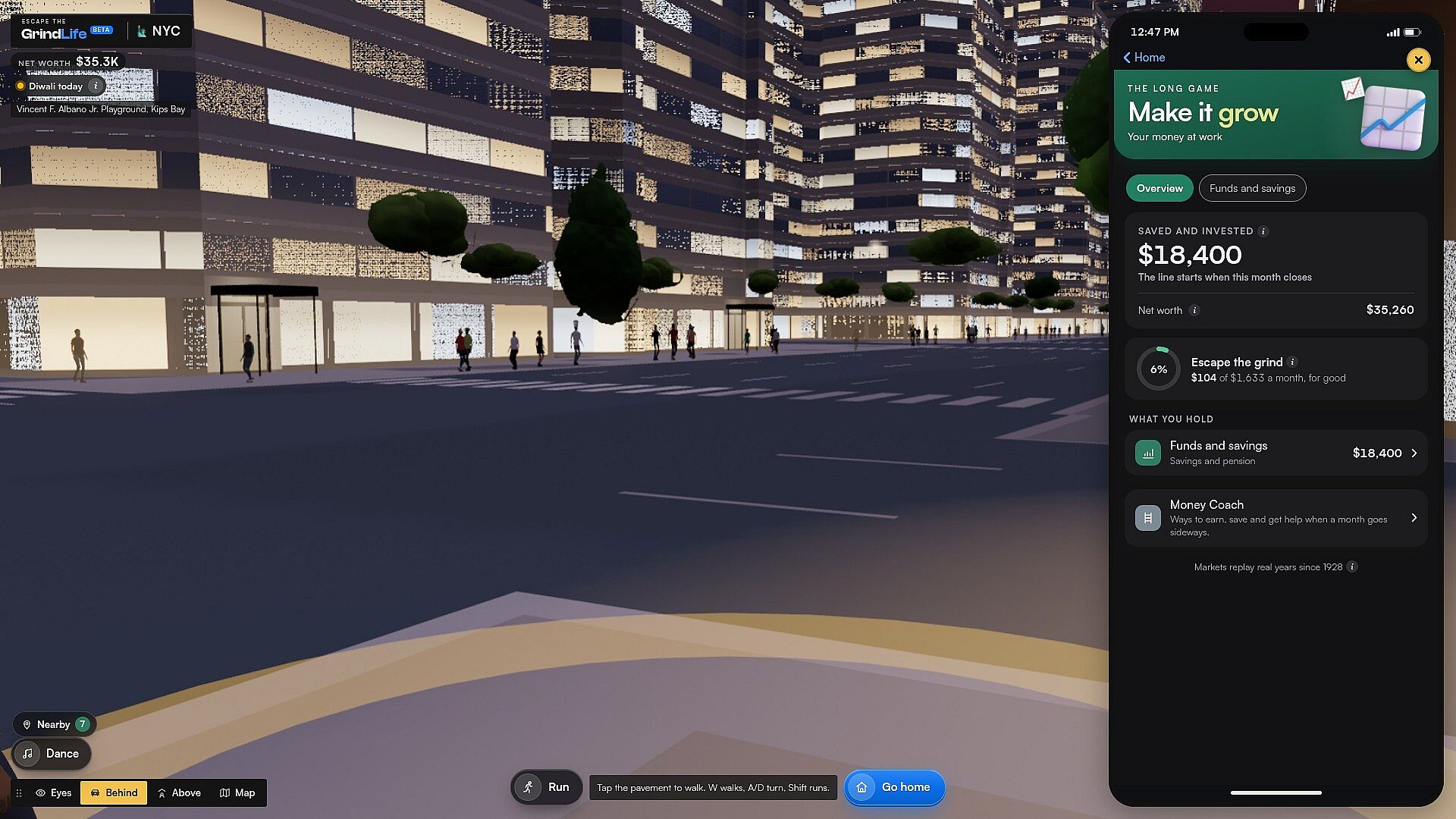
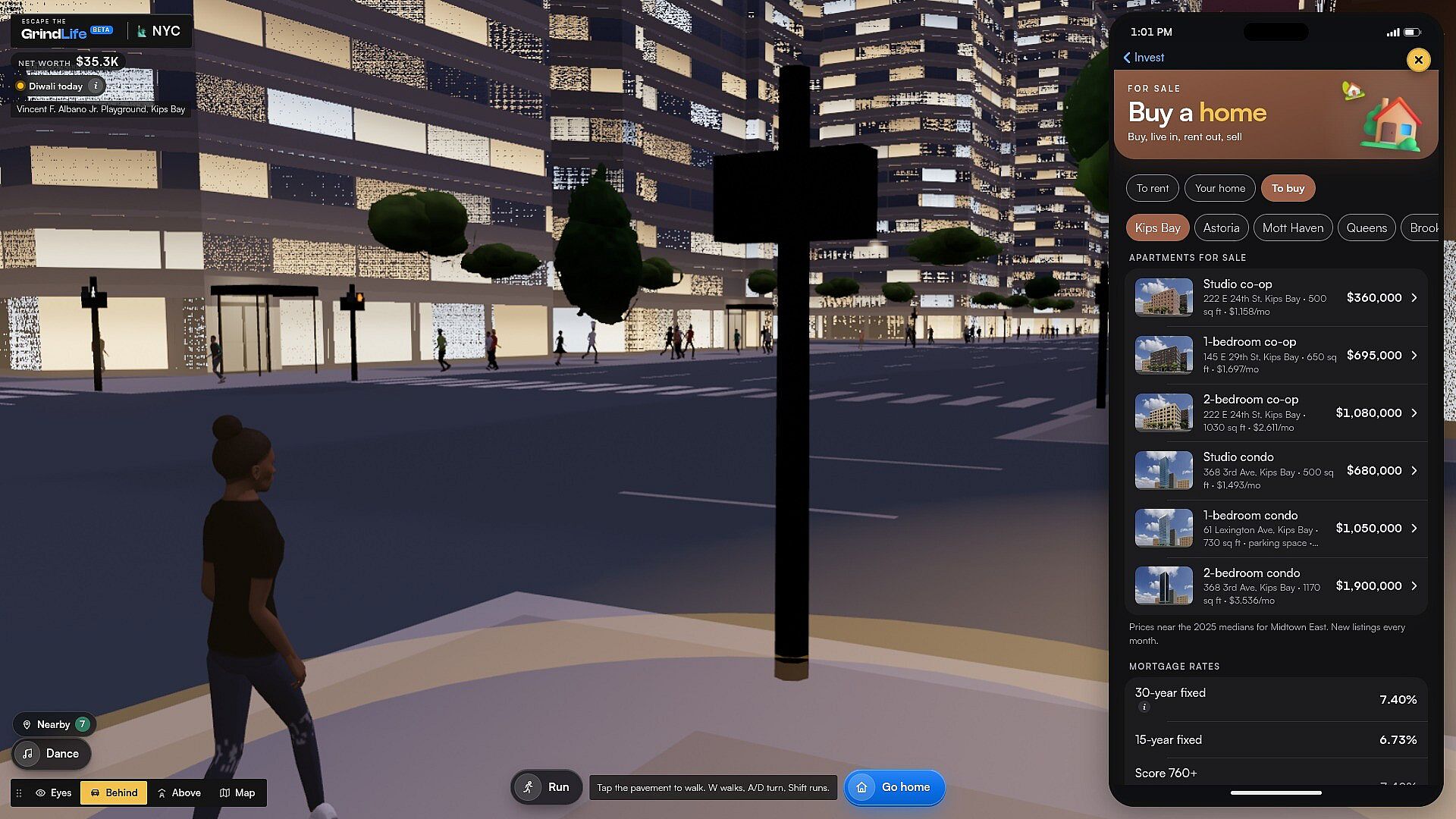
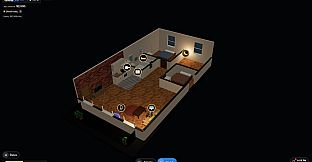
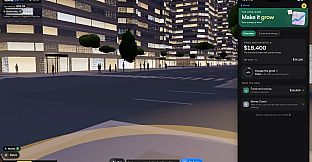
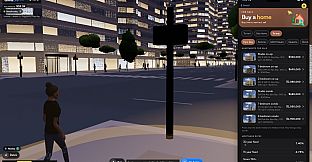
Financial systems track three credit scores, student loans, renter's insurance, groceries, and utility bills. Rent varies by neighborhood and follows a 40x income rule with credit checks. Missed payments lower scores, while successful months open access to better housing or a mortgage. An in-game investment tool replays actual stock market performance from 1928 onward, including downturns. Players can adopt pets, decorate apartments, and move belongings when relocating. Time advances quickly, with one in-game hour passing in roughly six real minutes and a full career month completing in about three real days.
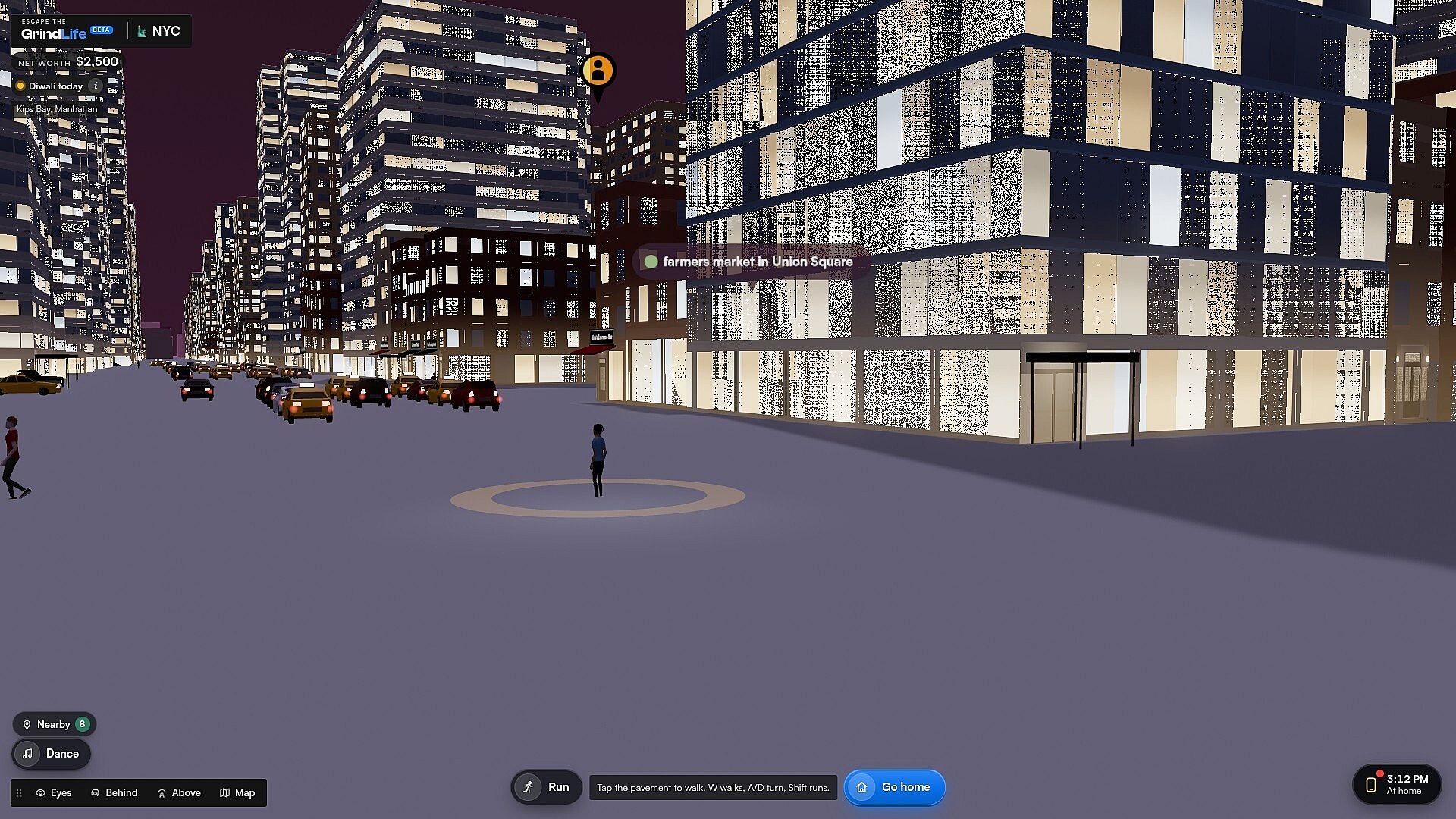
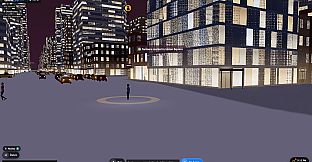
The city includes Kips Bay, Astoria, Mott Haven, Bushwick, and St. George. Subway and ferry connections link the areas, so a job in Manhattan paired with cheaper housing in the Bronx creates a realistic commute. Weather matches Central Park monthly averages, and all players share one synchronized clock for day-night cycles and events.
Game Modes
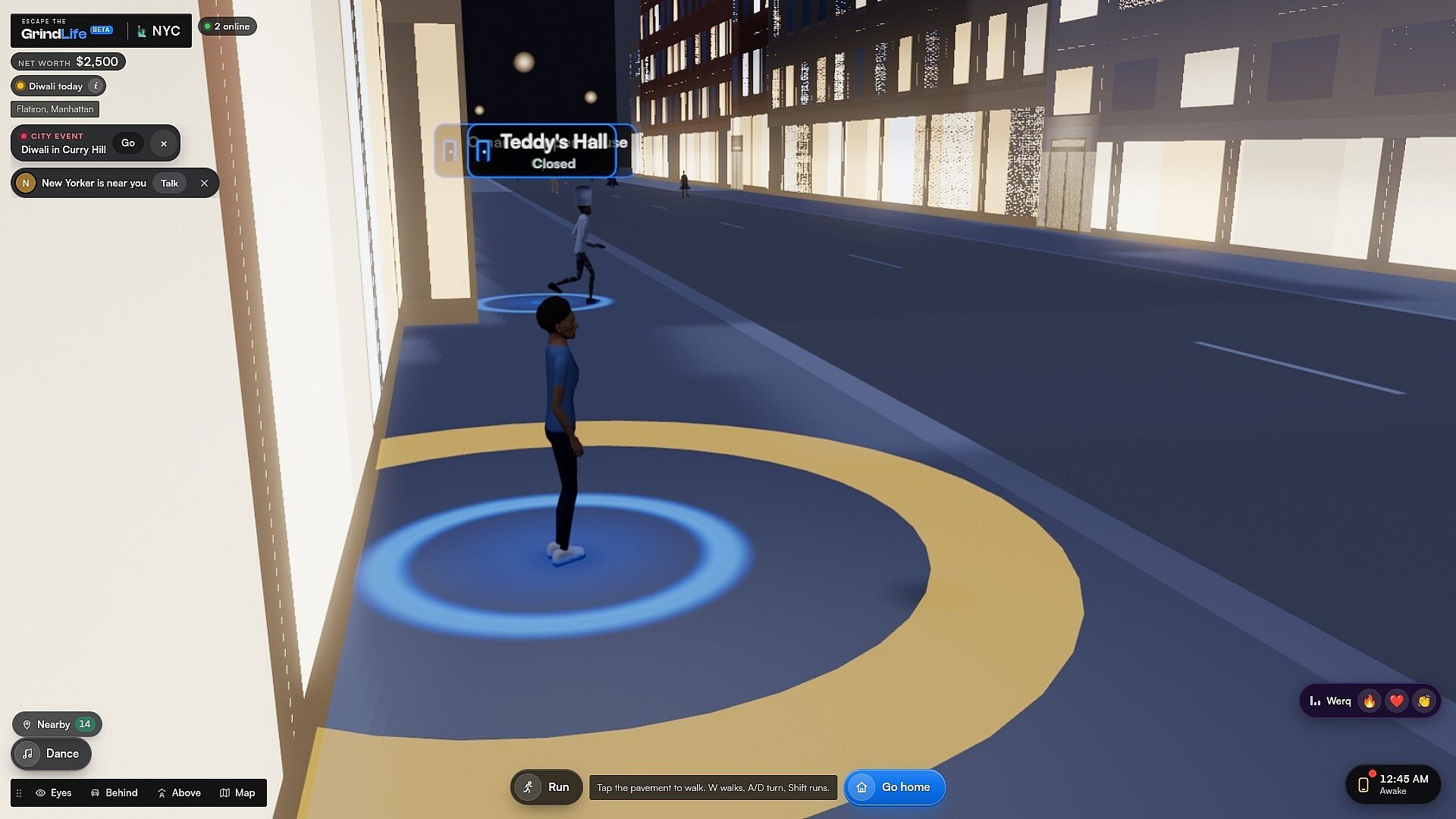
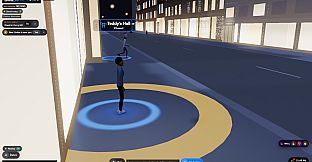
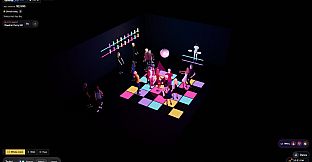
GrindLife operates as a single persistent multiplayer environment rather than separate modes. Every player occupies the same live city blocks, enabling chance encounters on sidewalks, at bars, or during house parties. Social features include nearby chat, private messaging, public posts on the Stoop, and dating options with both player characters and responsive NPCs.
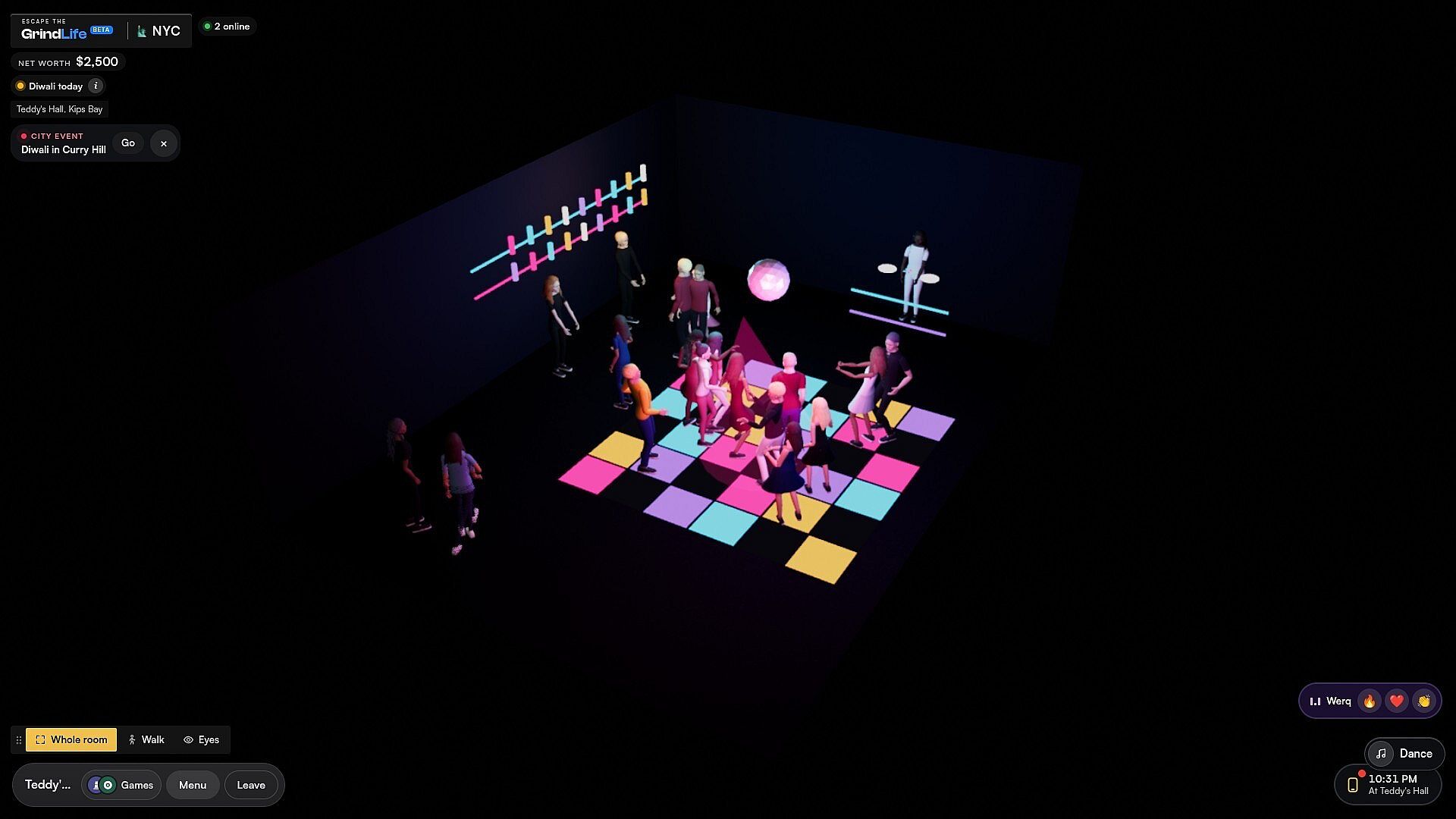
Off-work activities range from club nights and open mics to run clubs along the East River and pickup basketball games. Fifteen phone-based mini-games, chess, pool, spades, dominoes, and a daily crossword provide additional ways to pass time. Players can host game nights or throw parties that others may attend in real time.
Social and Exploration Elements
Real players appear with green indicators, supporting organic meetings and group activities. Neighborhood exploration reveals diners, pubs, cafes, and a cinema screening classic films. The subway and ferry systems encourage travel between areas for work or leisure. Offline progress on shifts and bills keeps the simulation moving, while online sessions focus on social events, shift work, or personal errands.
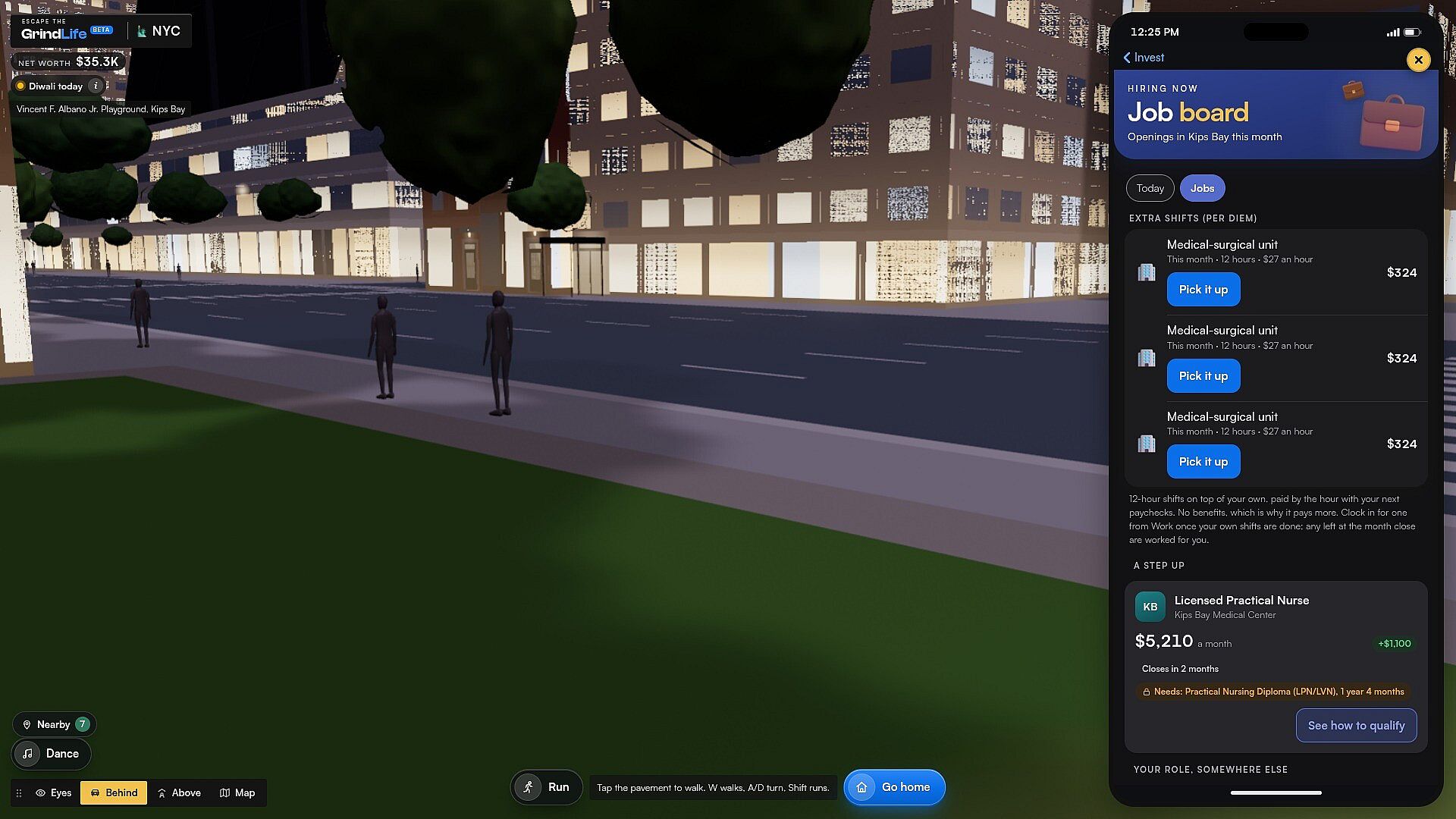
Careers offer advancement ladders that players climb gradually. Examples include barista, yellow cab driver, nurse, paralegal, FDNY firefighter, union plumber, MTA bus operator, and software engineer. Each path ties directly to verified New York pay scales and includes realistic tax deductions for federal, state, and city levels plus Social Security and Medicare.
Is It Worth Playing?
GrindLife suits players who enjoy detailed financial life simulations combined with live multiplayer interactions. The realistic paycheck, tax, rent, and credit mechanics create tangible consequences for decisions, while the shared city supports spontaneous socializing and dating. It is intended for adults 18 and older due to free-form chat, nightlife, and drinking elements. Those drawn to slow-burn career progression and authentic New York cost-of-living challenges will find the systems rewarding. Players seeking faster action or fantasy settings may prefer other genres. The game runs on PC and emphasizes persistent world continuity over traditional single-player campaigns.