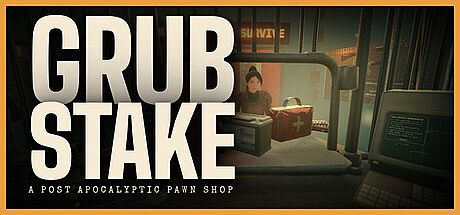


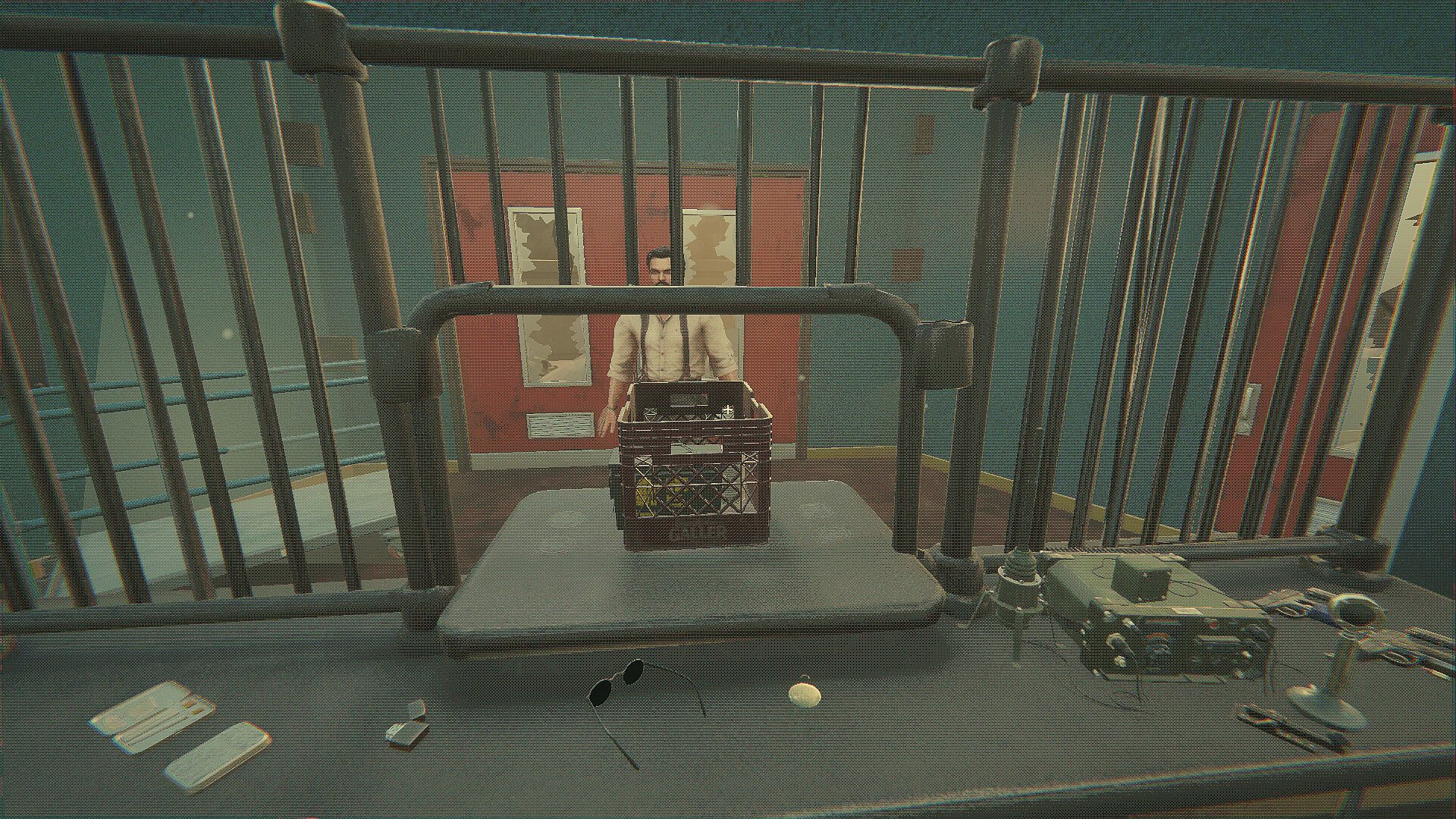
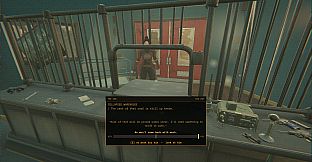
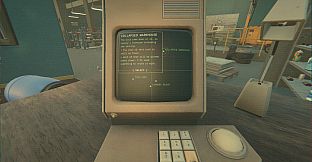
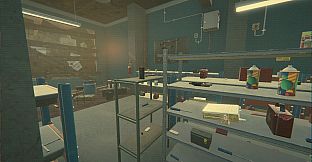
GRUBSTAKE: A Post Apocalyptic Pawn Shop is a single-player simulation game set in a world where survivors trade scavenged goods at a makeshift counter instead of using currency. Players manage a pawn shop by handling barters, organizing physical shelves, disassembling items for parts, and outfitting expeditions through a terminal. The experience emphasizes memory, observation, and calculated risks rather than menus or automated systems.
Gameplay
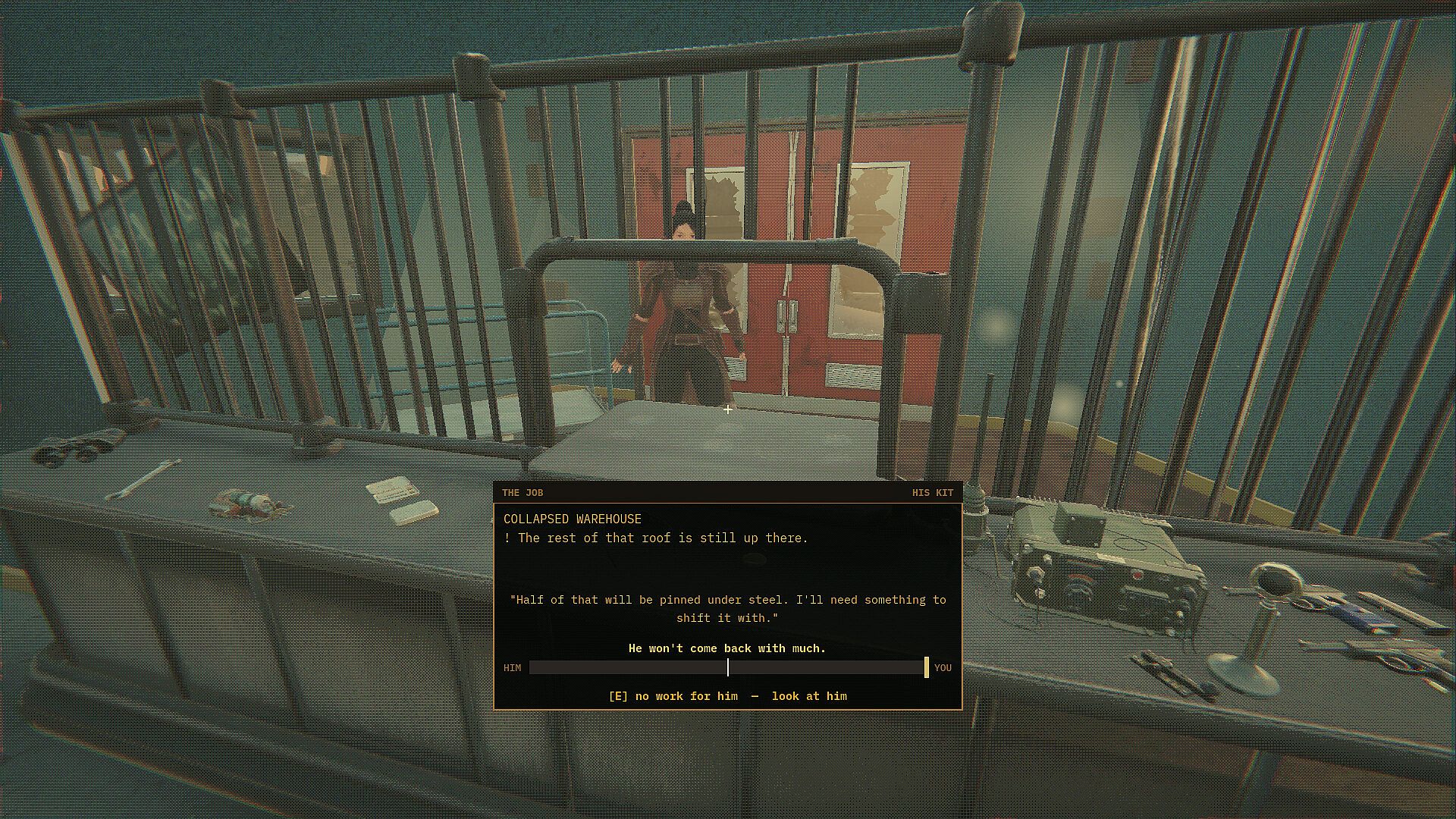
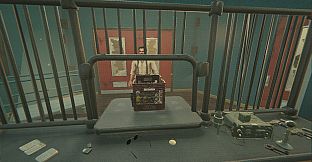
Trading forms the heart of the loop. Customers arrive with scavenged items such as rifles without ammunition, unlabeled cans, or functional watches and state what they want in return. No fixed prices exist, so each deal requires judging the value of the offered goods against the request. Overpaying or underpaying carries consequences that only become clear through repeated interactions and the state of the shop over time.
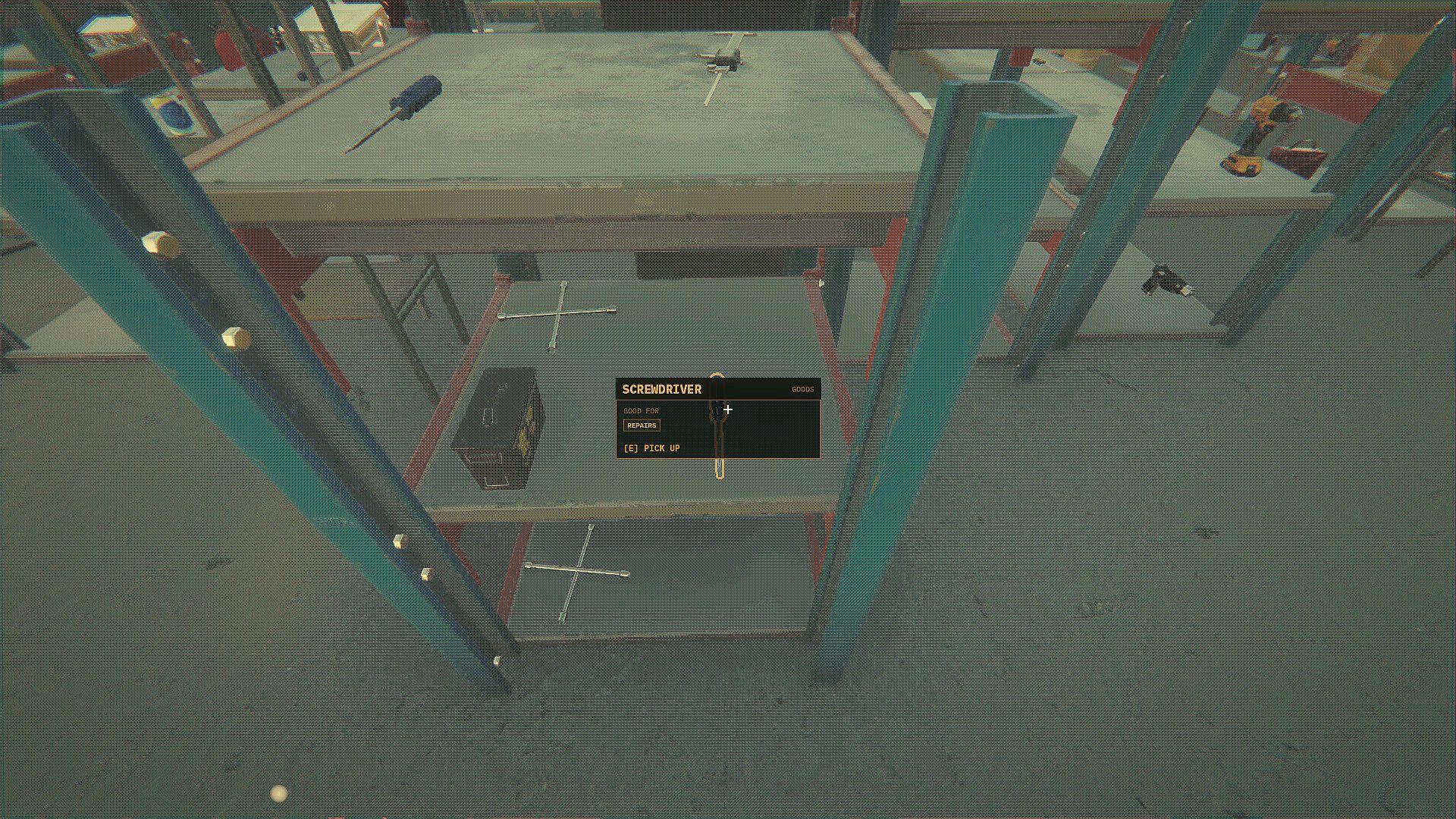
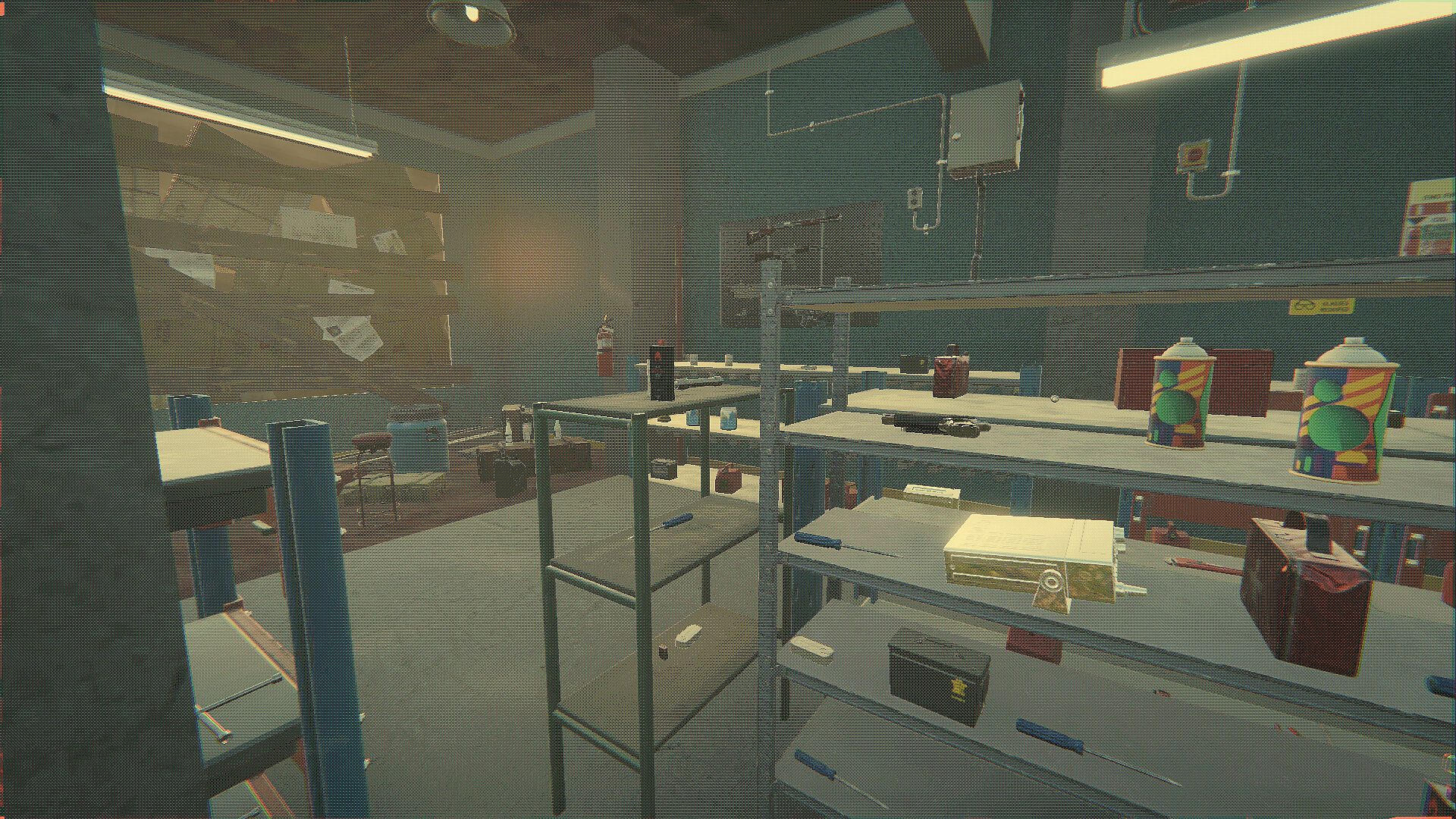
Inventory management relies entirely on physical placement. Players arrange every item on shelves behind the counter, deciding positions, groupings, and distances from the trading area. Locating a specific part, such as a spark plug for a farmer's generator, means walking the shelves and searching visually because no digital list or search function exists. This setup forces players to remember past placements and adapt as new trades alter the layout.
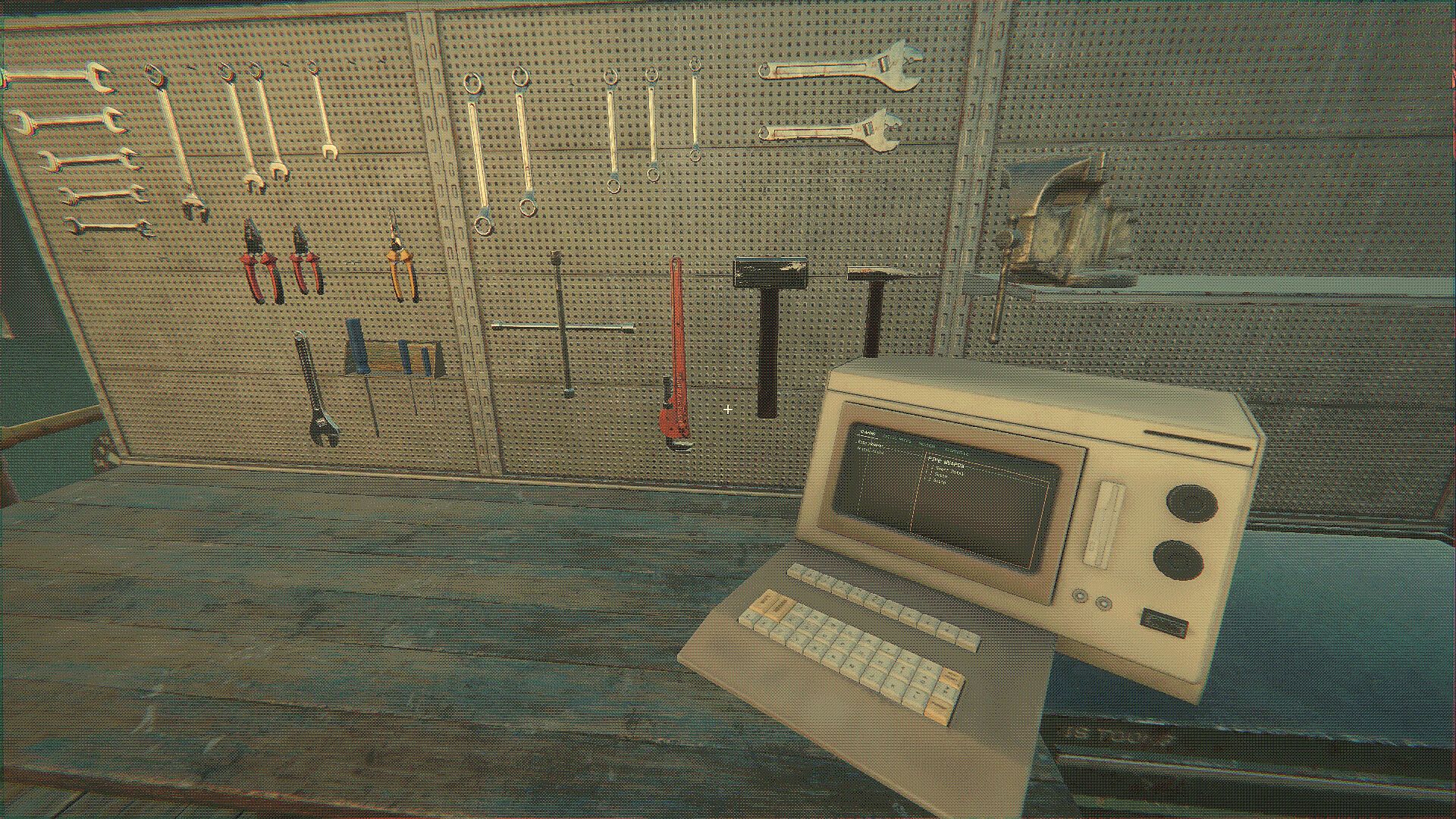
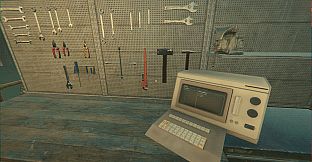
Disassembly happens at a workbench where whole objects are broken down into usable components. A radio that no longer serves a purpose might yield copper, magnets, and screws needed for other requests. Each choice removes one complete item while adding several smaller ones, shaping what remains available for future customers.
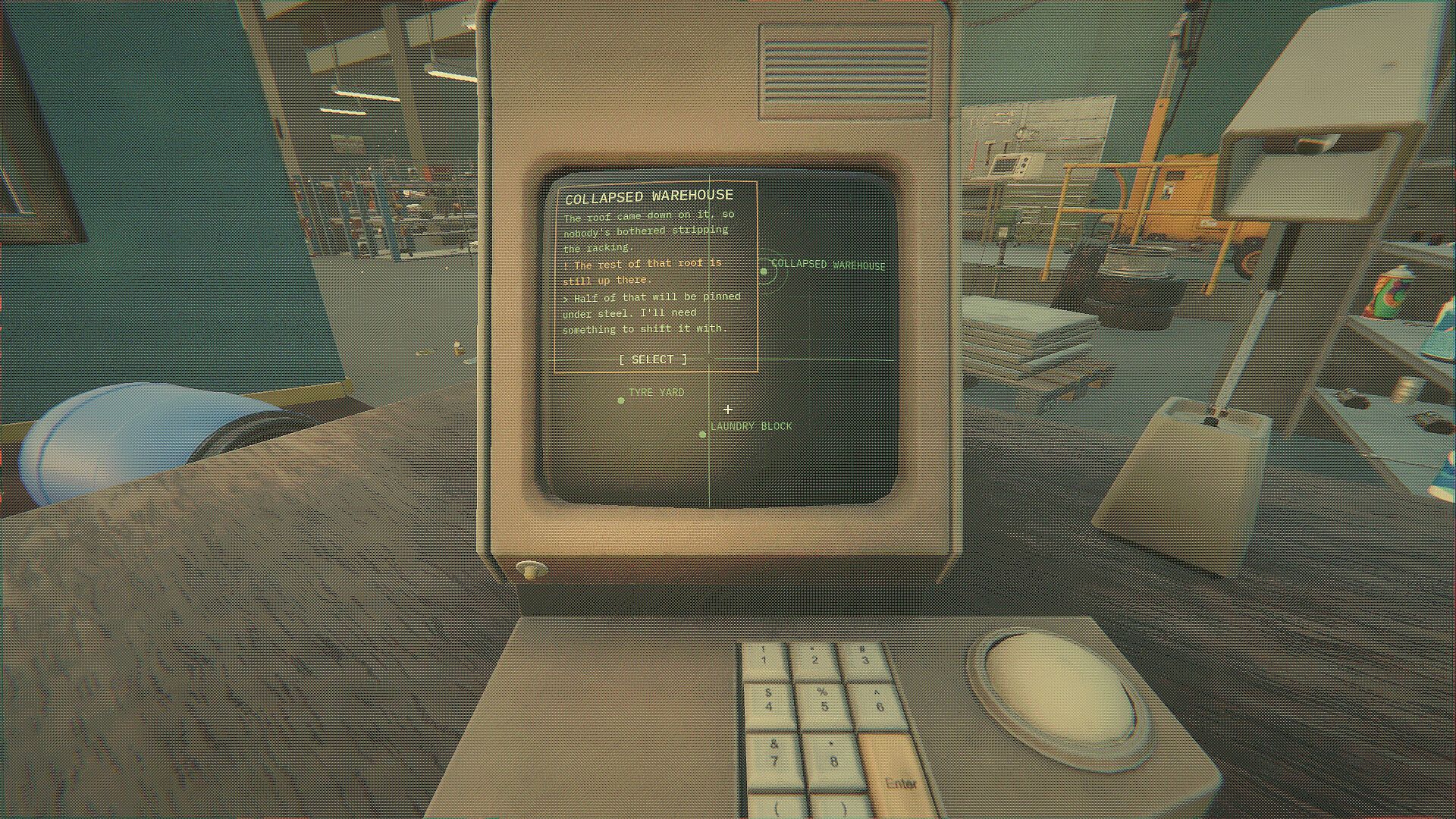
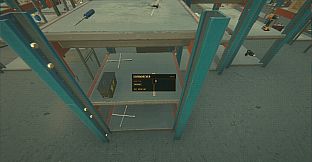
Expeditions extend the shop's reach. Certain trades present opportunities to send scavengers on multi-day trips using gear pulled from the shelves. Supplying too little risks failure and empty returns, while overcommitting resources can make the haul uneconomical. Past dealings with the same individuals help gauge reliability and adjust future preparations accordingly.
Game Modes
The game operates as a continuous single-player simulation without separate named modes or competitive structures. All activity centers on running the pawn shop through the counter, shelves, bench, and terminal systems described in the core loop. Progression emerges from the accumulation of trades, the evolving shop layout, and the outcomes of expeditions rather than distinct game variants or seasonal content.
Core Mechanics and Decision Making
Every interaction tests judgment without on-screen guidance. A customer might offer valuable scrap while requesting minimal clean water, leaving the player to decide whether to meet the stated need or recognize the true worth of the items. The absence of verification tools means outcomes depend on observation and experience accumulated across multiple visits.
Resource scarcity drives long-term planning. Parts gained through disassembly cannot be replaced easily, so breaking down an item eliminates one potential future trade while enabling several others. Players must weigh immediate customer demands against the need to maintain a versatile stock for the town.
Expedition risks introduce external variables. Preparing a scavenger requires selecting food, ammunition, and other supplies from existing shelves, with no external replenishment available. Success or failure feeds back into the shop's inventory and reputation, influencing which customers return and what they bring.
Is It Worth Playing?
GRUBSTAKE suits players who enjoy deliberate, memory-intensive simulation without reliance on traditional interfaces or fast-paced action. The focus on physical organization, barter negotiation, and expedition management creates a grounded post-apocalyptic trading experience that rewards attention to detail and repeated play sessions. As an upcoming title scheduled for release in Q4 2026 with no reviews available yet, its appeal rests on the unique systems outlined in its description. Those drawn to thoughtful single-player management games centered on scarcity and personal judgment will find the mechanics align closely with that preference, while players seeking structured modes, multiplayer elements, or frequent updates should monitor development progress before committing.