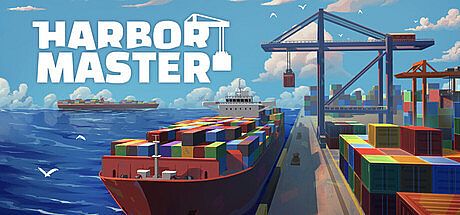


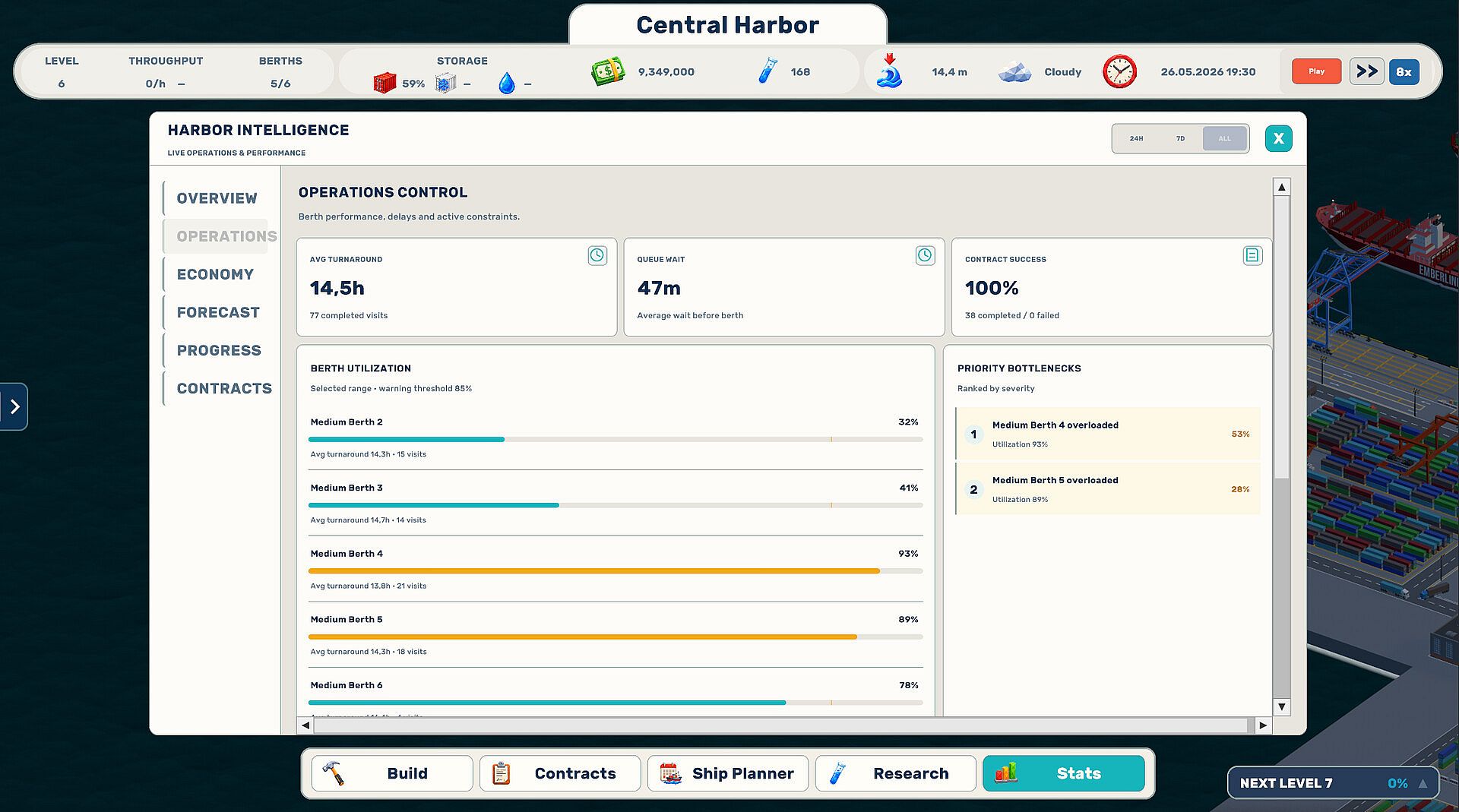
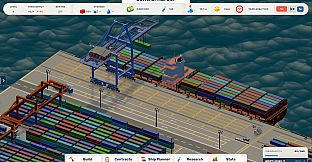
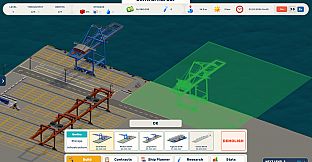
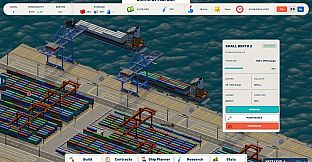
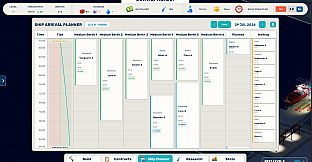
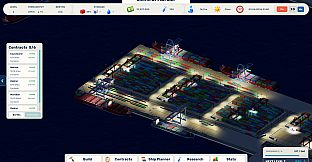
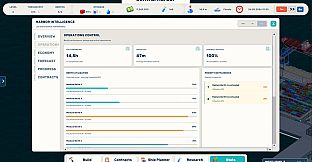
Harbor Master is a simulation game centered on building and managing a harbor through logistics and infrastructure planning. Players construct docks, warehouses, and supporting systems to process cargo and complete shipping contracts on PC. The experience emphasizes steady expansion, efficient operations, and adapting facilities to accommodate larger vessels and varied cargo types over time.
Gameplay
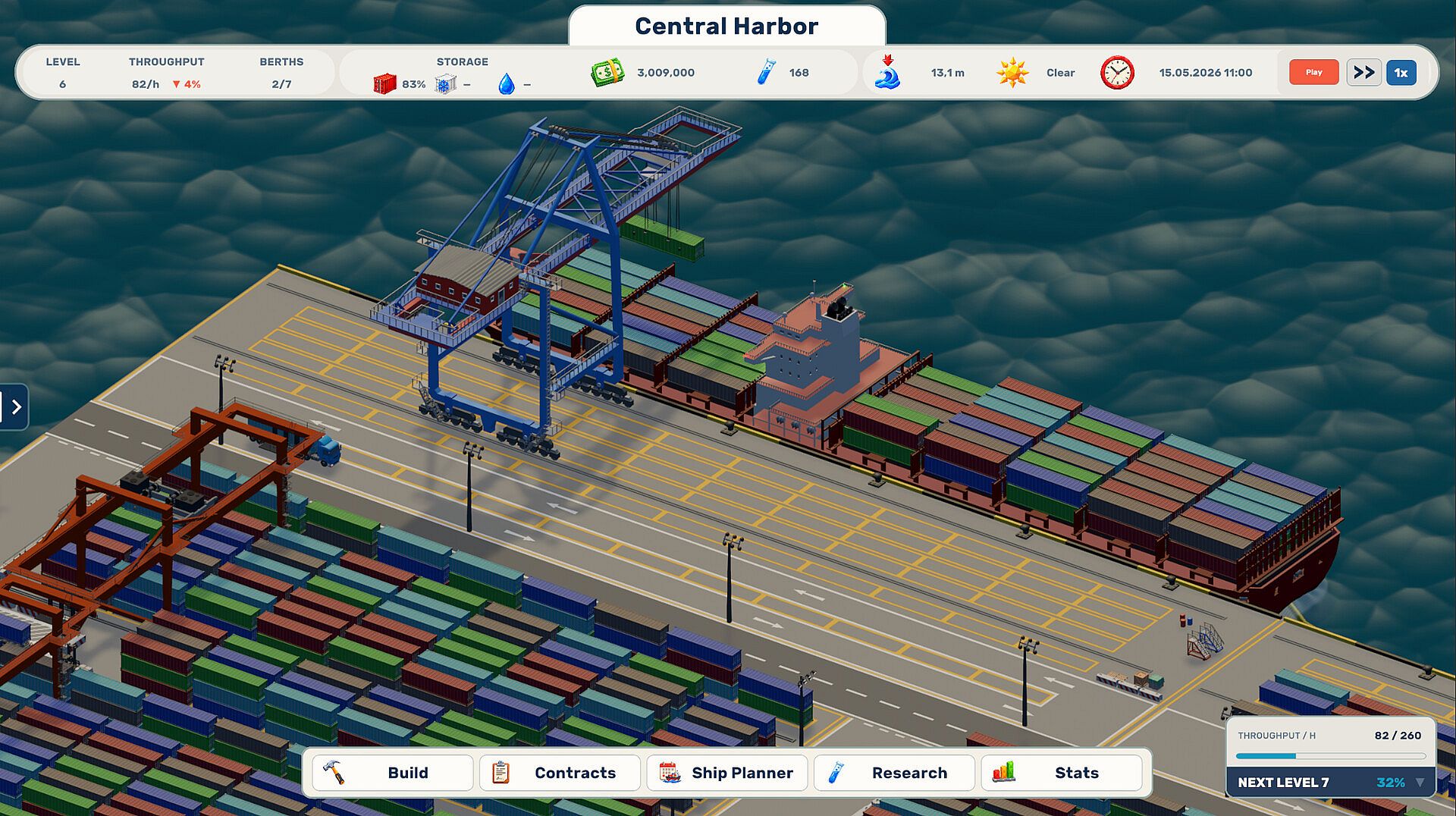
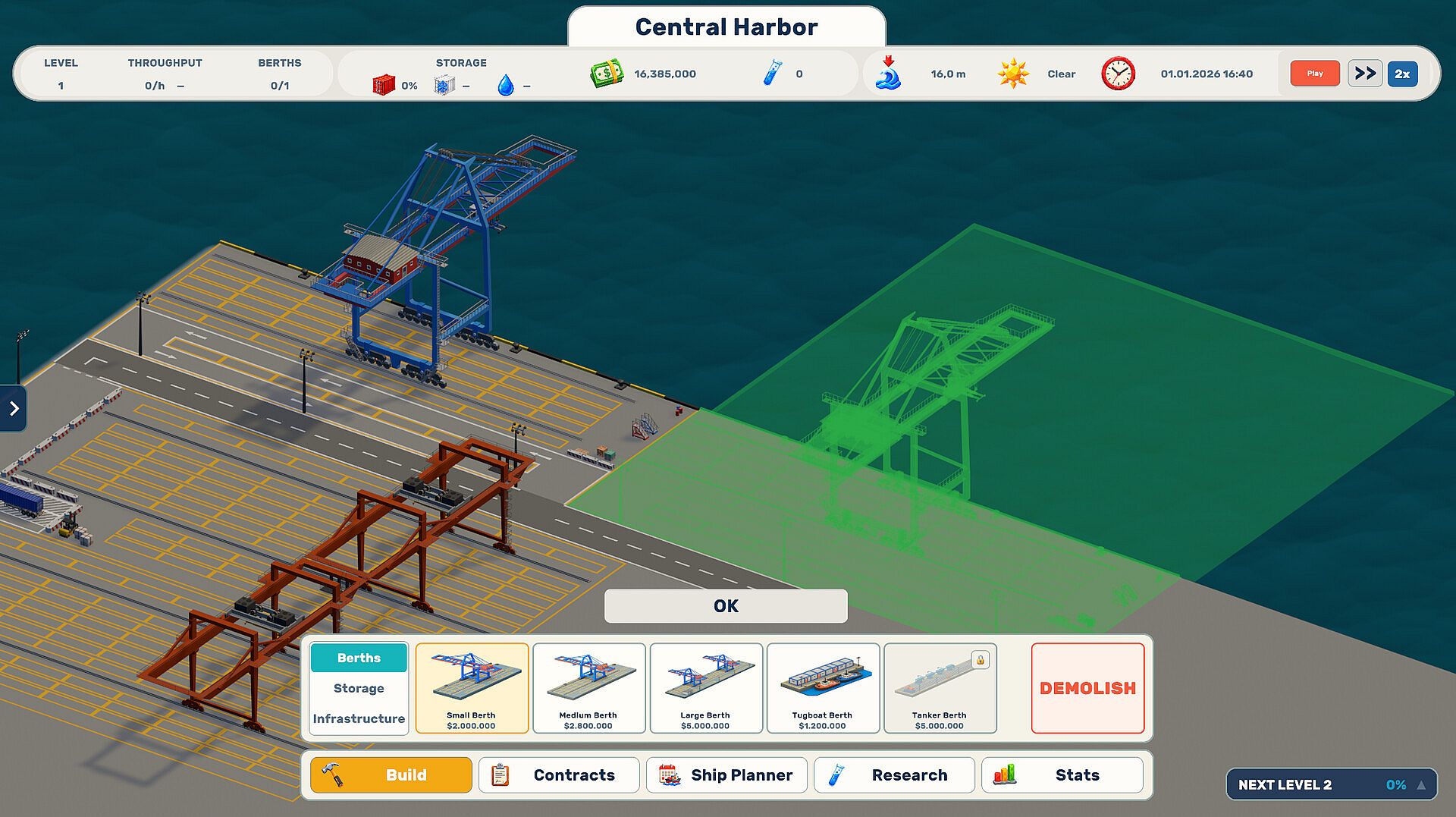
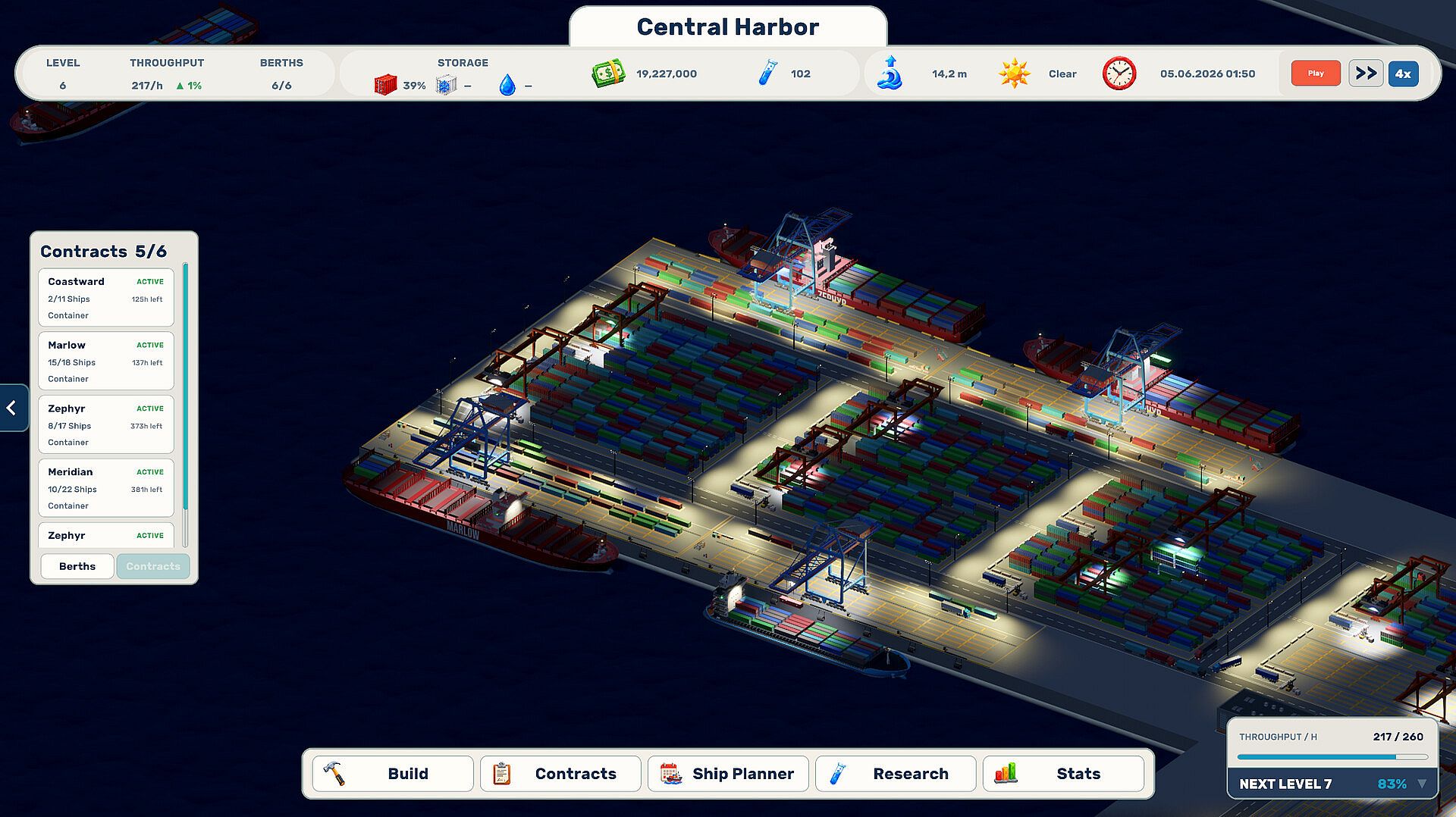
The core loop revolves around designing an efficient harbor layout. Players position berths and warehouses while establishing connections that allow cargo to move smoothly from ship to storage and onward. Choices about placement directly influence operational speed and available space for future growth, requiring careful consideration of traffic flow and bottlenecks.
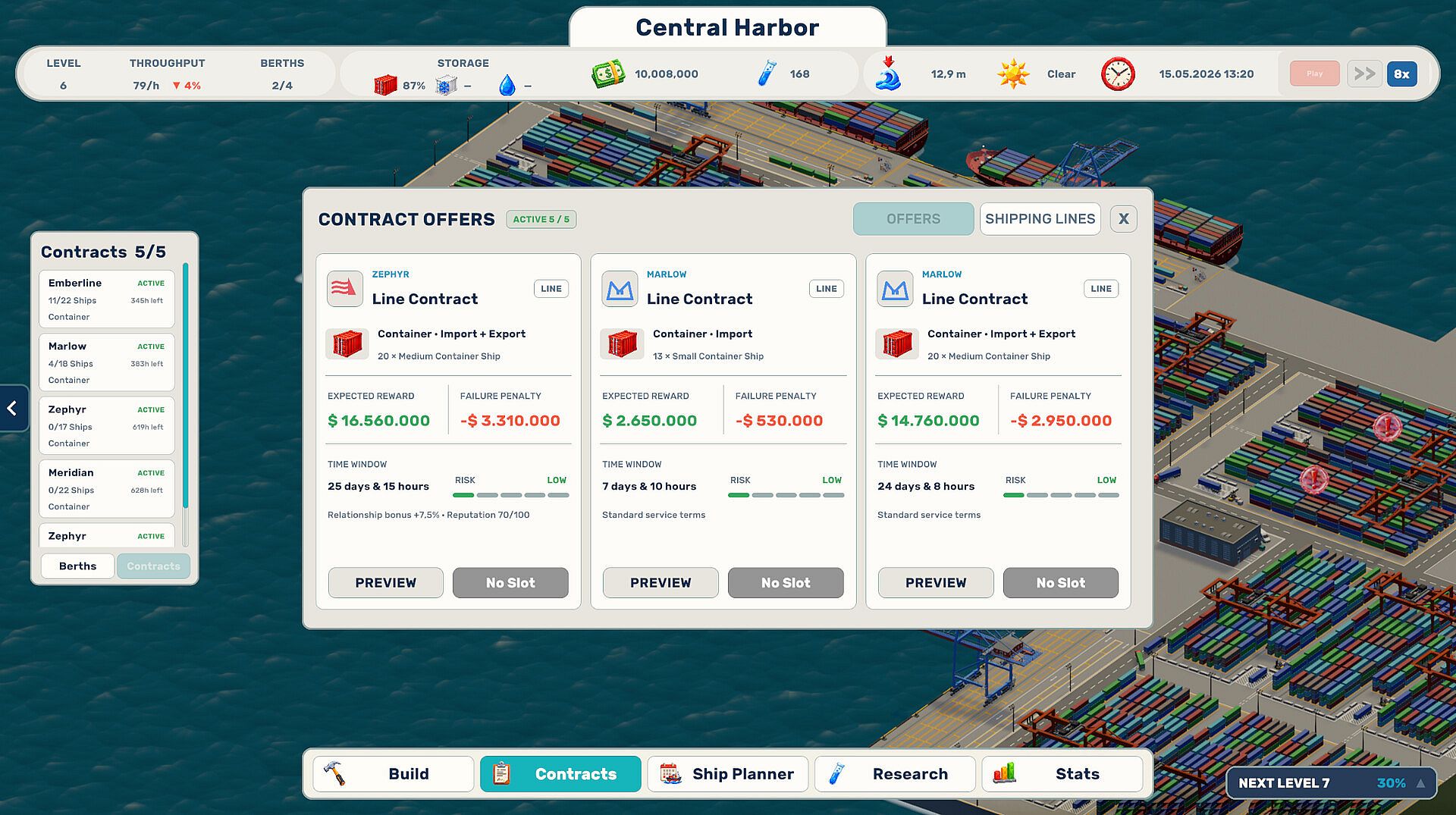
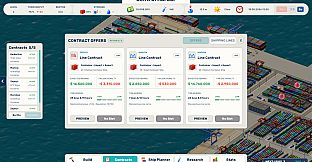
Contracts form a key part of progression. Each one presents specific demands that must align with current harbor capacity. Accepting too many at once risks delays, while selective choices allow steady income that funds further development. Balancing incoming workloads with existing commitments keeps operations viable as the port scales up.
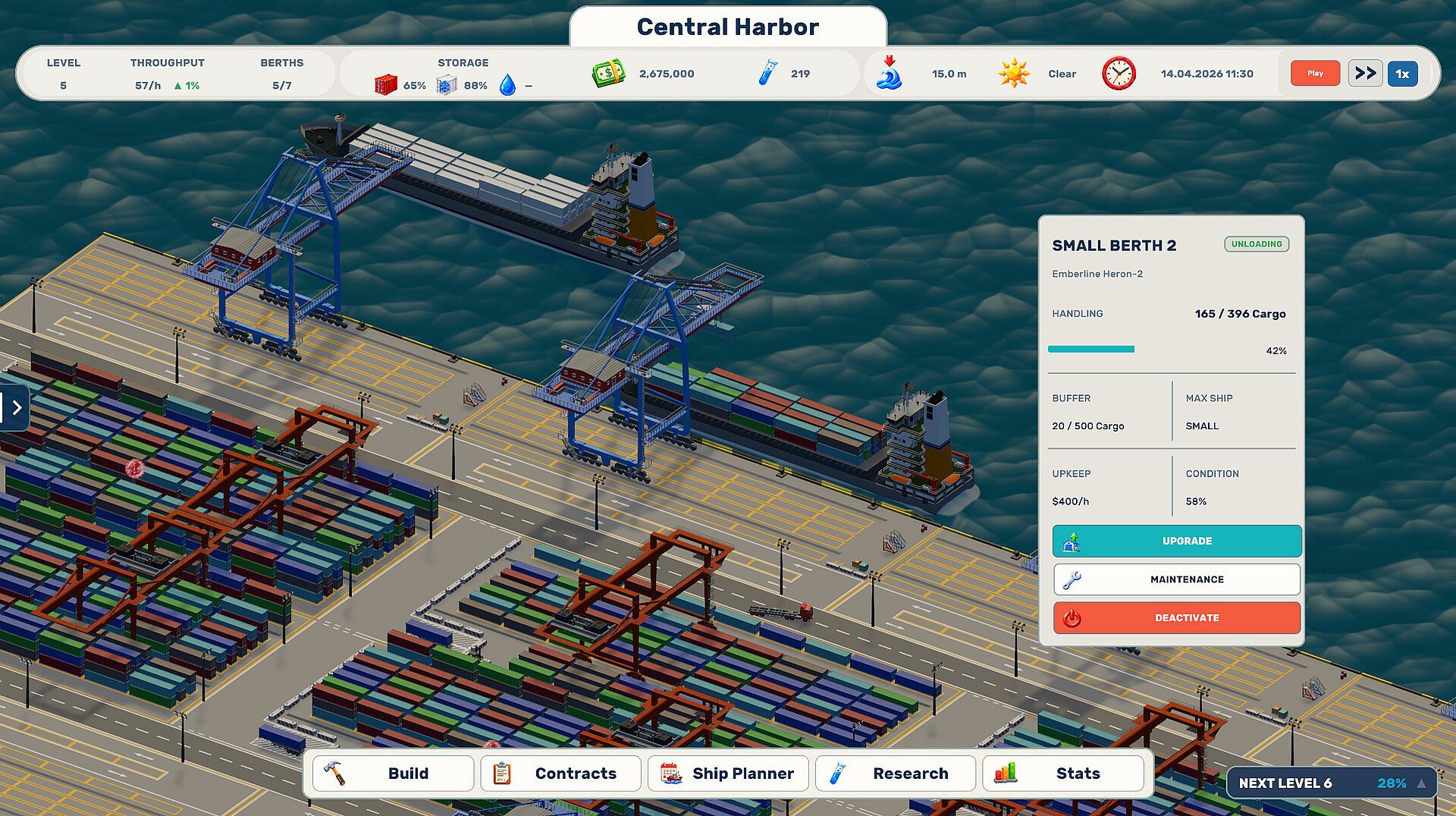
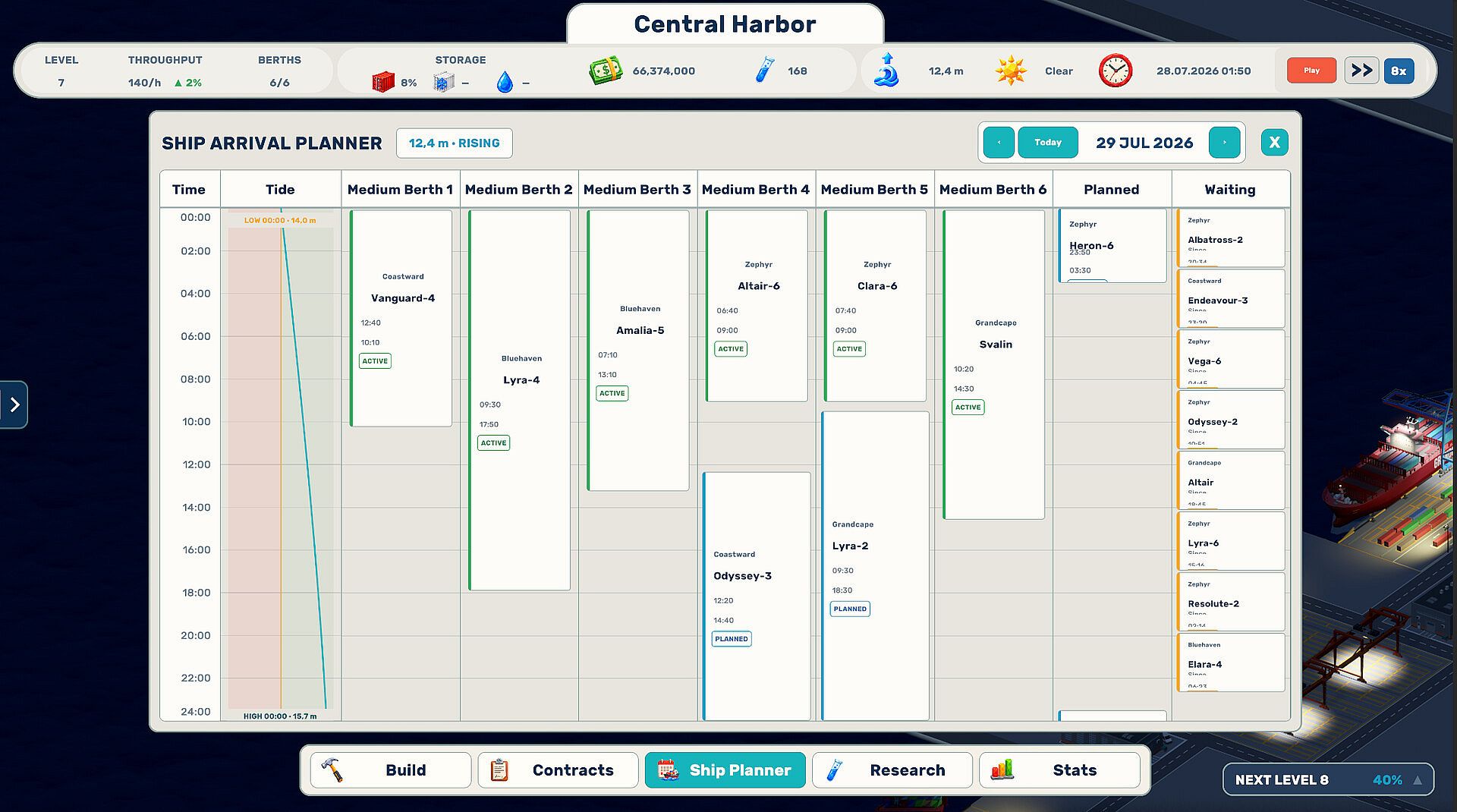
Ship handling involves directing arrivals into available berths, managing cargo unloading, and ensuring vessels depart without disrupting other activity. Monitoring the movement of goods through the facility helps prevent slowdowns that could affect subsequent arrivals. Profits from successful handling support upgrades and additions that increase overall throughput.
Expansion happens through reinvestment of earnings. New facilities, improved infrastructure, and technological advancements enable the port to process bigger ships and additional cargo varieties. Prioritizing upgrades based on immediate needs versus long-term goals shapes how the harbor evolves into a larger trade center.
Game Modes
Harbor Master delivers its experience as a single-player simulation. The structure centers on progressive harbor development, where players start with basic facilities and build toward more complex operations through repeated cycles of planning, construction, and contract fulfillment. No separate competitive or cooperative modes are present, keeping the focus on individual management decisions and incremental growth.
Key Mechanics and Progression
Infrastructure decisions form the foundation of success. Connecting docks to warehouses and optimizing routes reduces idle time for ships and workers alike. Research elements allow access to new technologies that handle increased scale, such as larger berths or specialized storage for different cargo.
Resource management extends beyond simple cargo counts. Players track incoming shipments against available capacity, adjusting layouts or priorities when imbalances appear. This ongoing oversight ensures the harbor remains productive even as contract volume rises.
Long-term growth rewards consistent performance. Early profits enable targeted expansions that unlock higher-value contracts, creating a cycle of improvement. The simulation rewards foresight in layout planning, as poorly connected facilities become harder to correct later in development.
Is It Worth Playing?
Harbor Master suits players who enjoy deliberate management simulations focused on logistics and incremental building. The single-player format supports extended sessions of planning and refinement without external pressures. Those interested in harbor operations, supply chain efficiency, or steady facility expansion will find the core systems align closely with that preference. Since the game remains in a pre-release state with no player reviews available yet, prospective buyers can evaluate the described mechanics against their interest in similar titles. The emphasis on thoughtful layout and contract management provides a clear path for engagement once it becomes available.