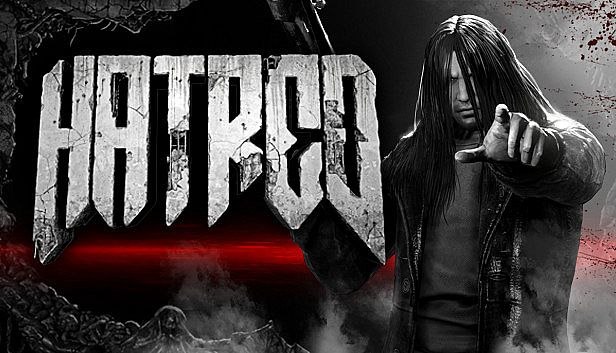
























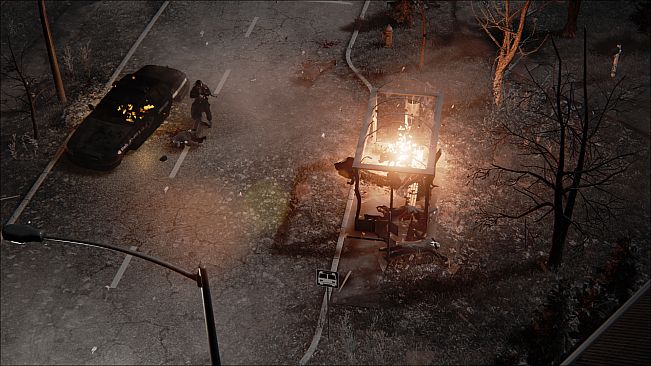
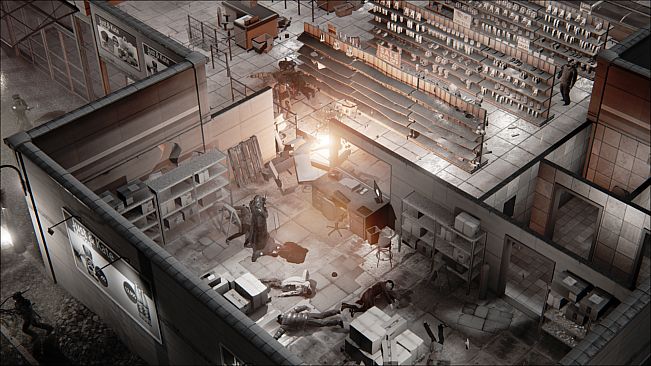
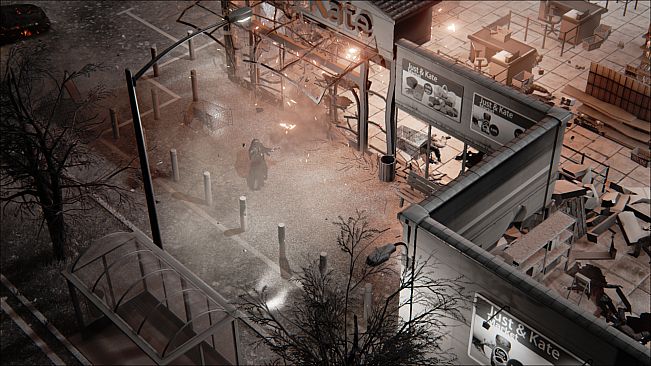
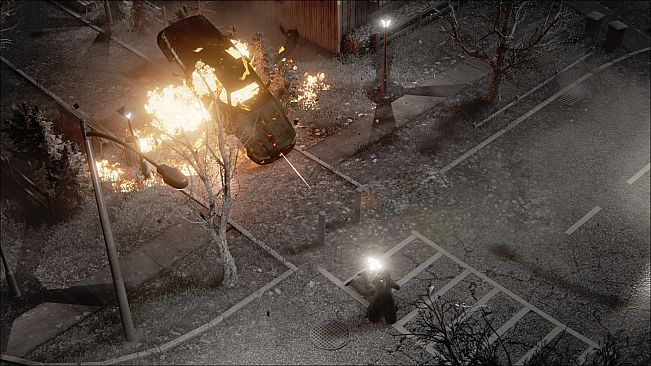
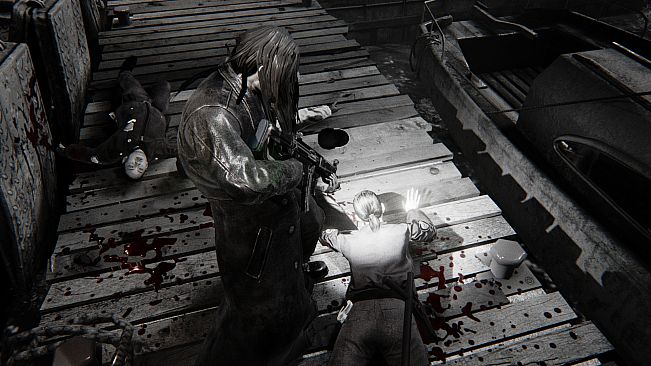
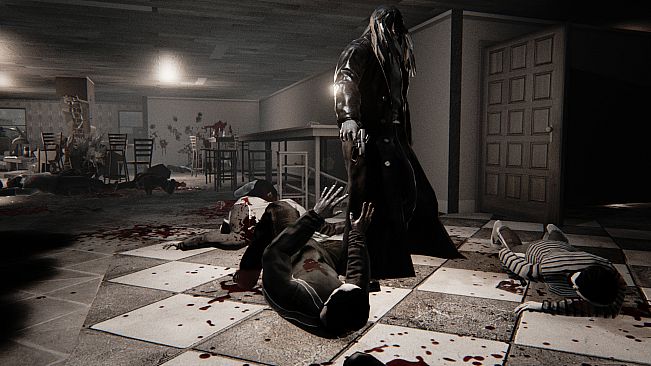
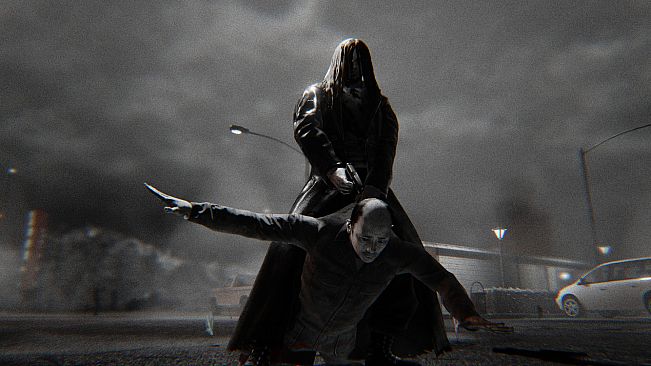
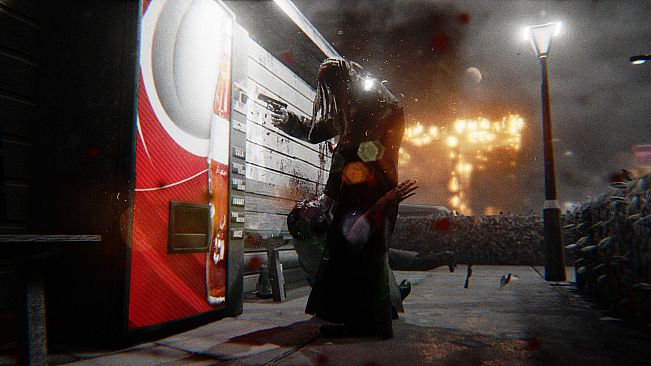
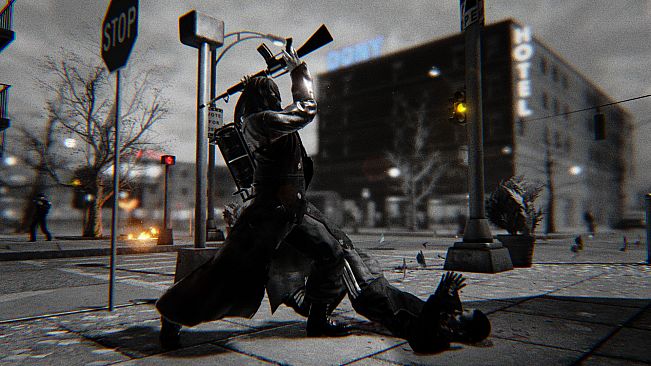
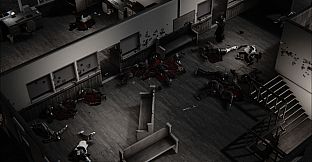
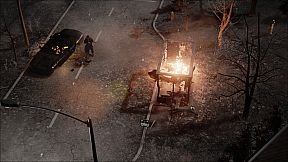
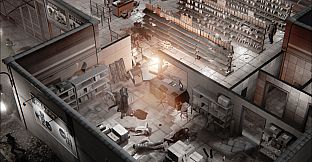
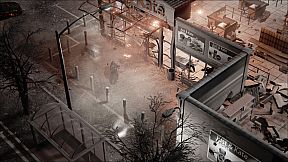
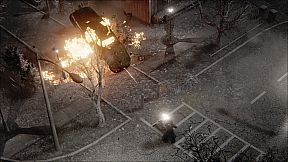
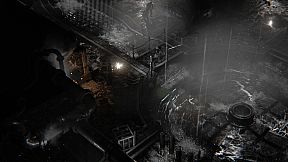
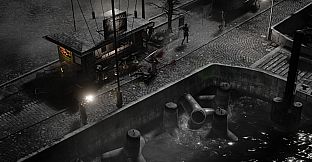
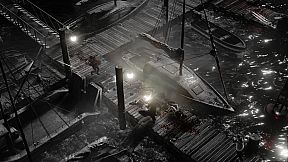
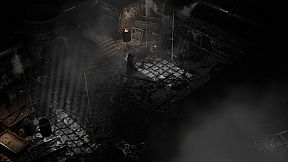
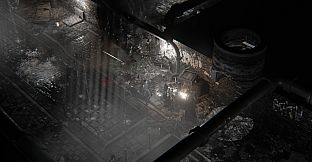
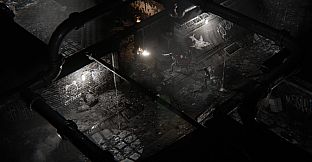
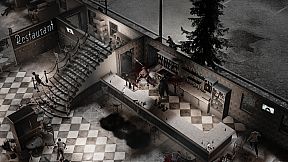
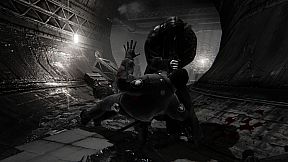
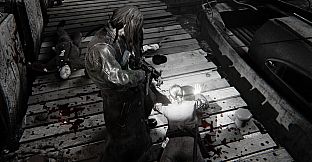
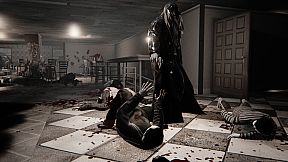
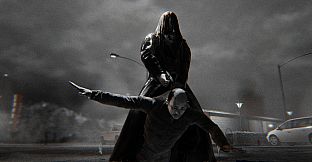
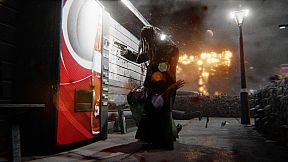
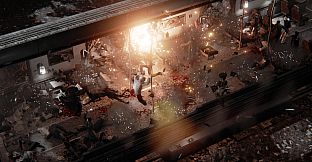
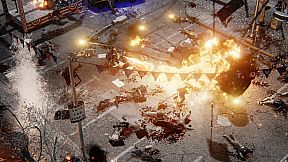
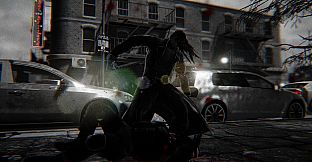
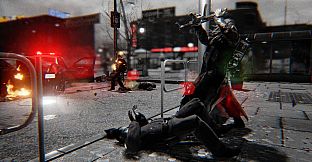
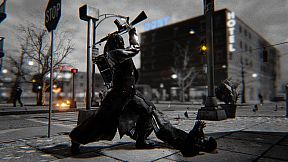
Hatred stands out as an isometric twin-stick shooter that dives into dark, violent themes, putting players in control of a deeply disturbed protagonist on a rampage against society. Released back in 2015, this action indie title casts you as a nameless antagonist fueled by pure disdain for humanity, embarking on a brutal journey through suburban and urban environments. With its focus on relentless destruction and cold-blooded combat, the game appeals to those drawn to unfiltered chaos in a single-player setting, though it has sparked plenty of debate over its content and execution.
Gameplay
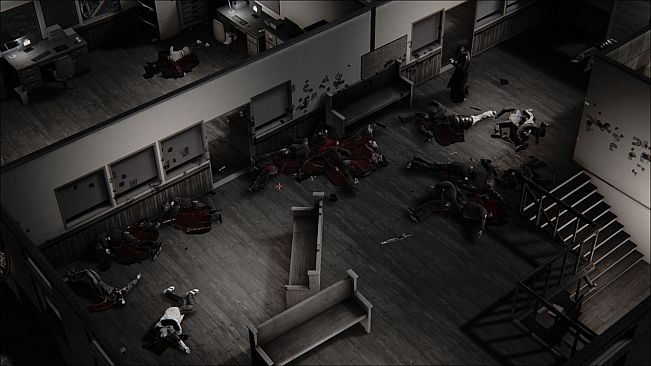
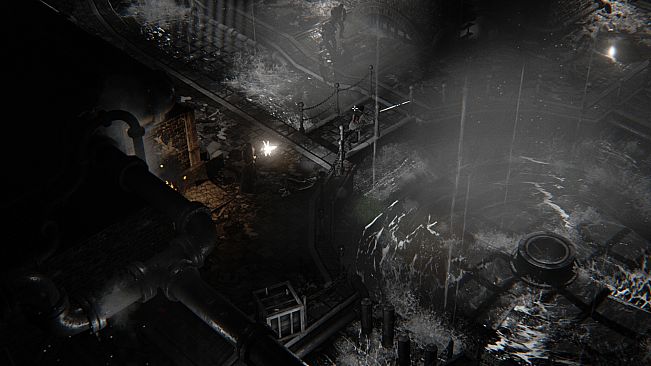
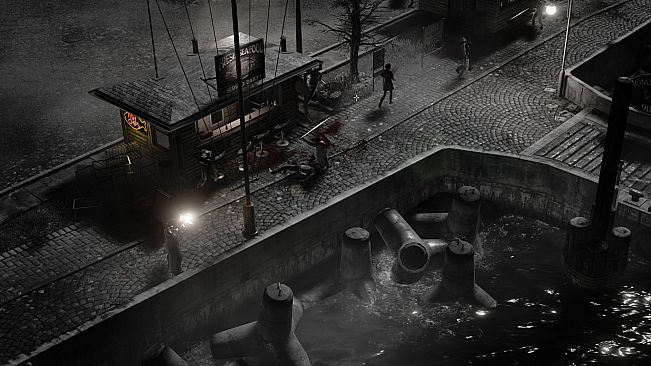
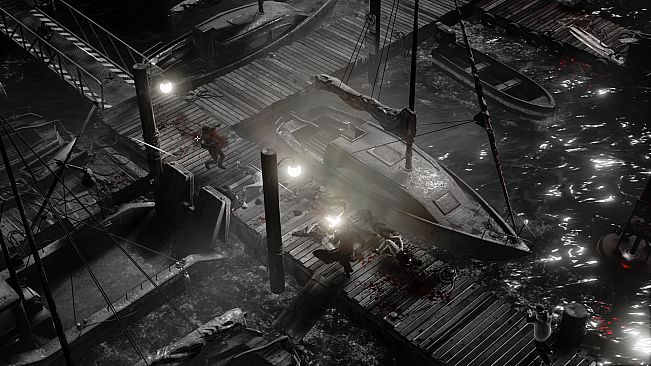
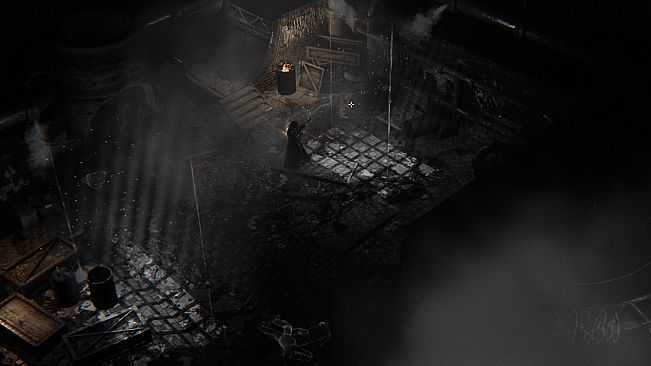
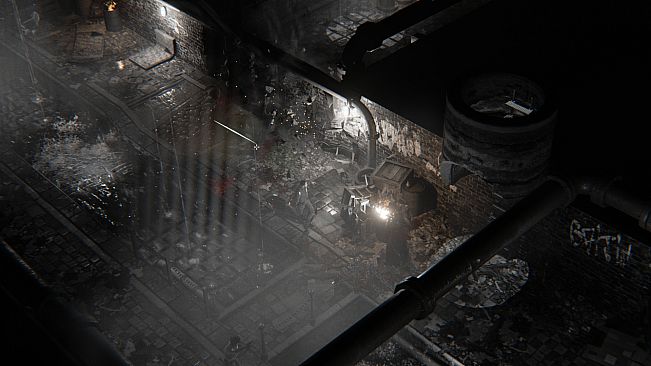
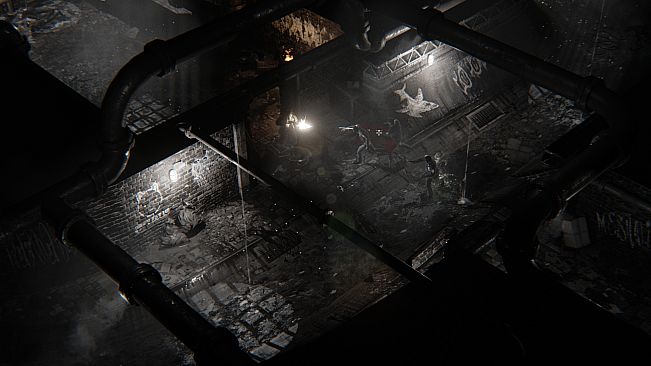
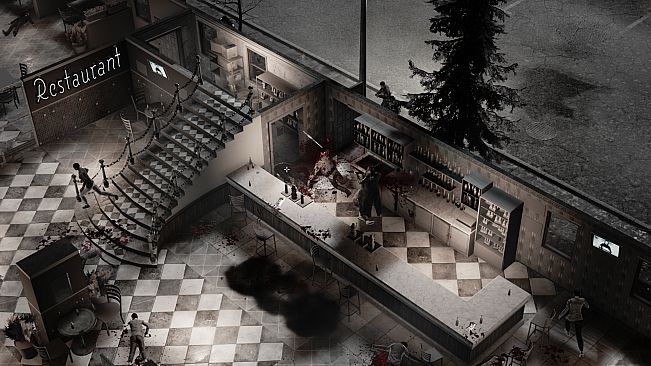
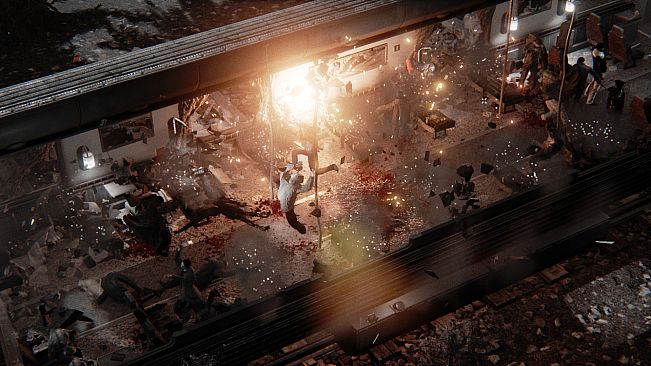
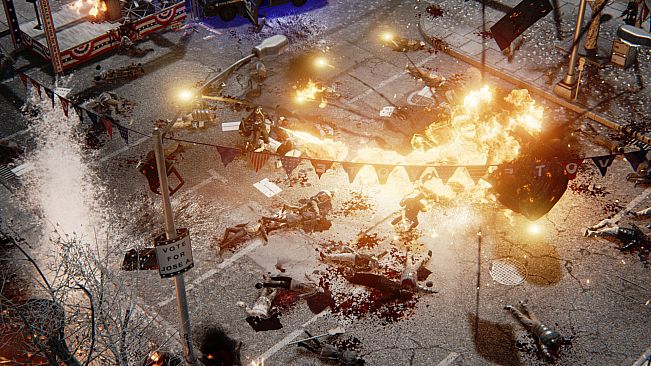
In Hatred, the core experience revolves around navigating isometric levels while unleashing waves of violence. You control the antagonist using twin-stick mechanics, where one stick handles movement and the other directs aiming and firing. The game emphasizes shooting mechanics that let you mow down crowds of civilians and responding law enforcement with an arsenal of weapons like pistols, rifles, and explosives. Running, taking cover, and executing finishing moves add layers to the encounters, as you'll need to evade or counterattack when police and SWAT teams arrive to stop your spree. Destruction plays a big role too, with environments that react to gunfire and explosions, creating a sense of escalating mayhem as you progress through each stage.
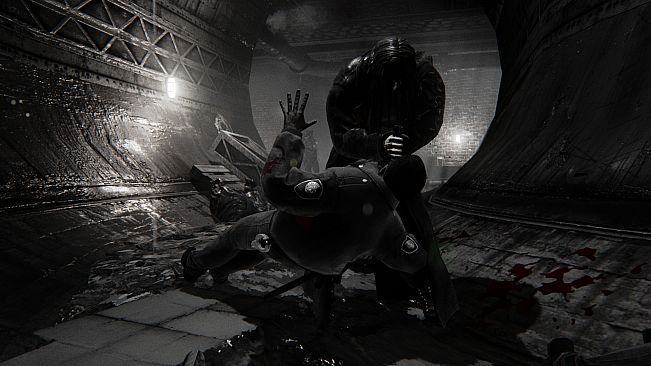
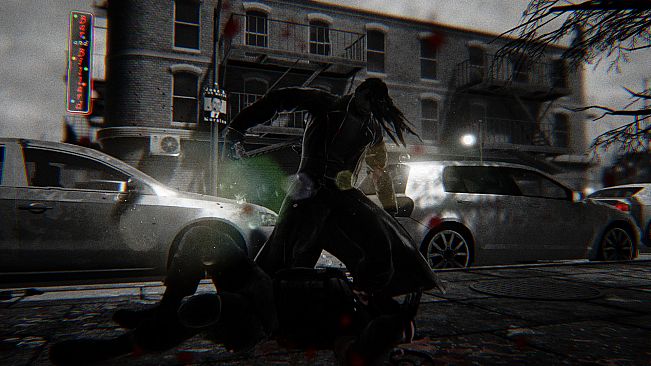
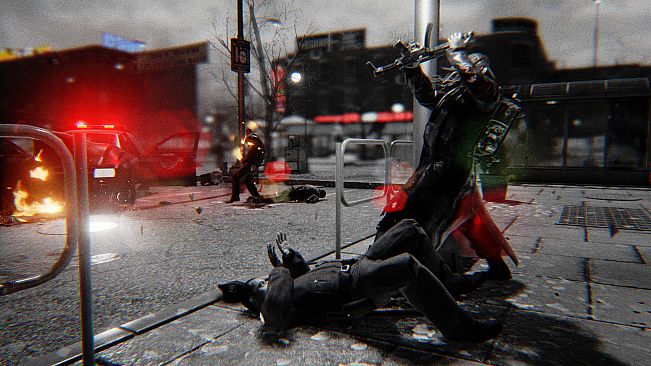
Mechanics include health regeneration through executions, which encourages close-range kills to stay in the fight. The antagonist can also hijack vehicles for faster movement or to ram into groups, blending on-foot shooting with vehicular chaos. While the controls aim for fluidity, the experience often highlights repetition in its kill-focused loop, where strategic positioning helps in surviving larger confrontations against armed opponents.
Game Modes
Hatred sticks to a single-player campaign structure, divided into seven main levels that form a linear narrative of destruction. Each level tasks you with clearing out specific areas, starting from suburban neighborhoods and escalating to downtown cityscapes and a nuclear power plant. There's no multiplayer component; instead, the focus remains on solo playthroughs where you complete objectives tied to mass elimination and survival against increasing resistance.
For added replayability, the game includes a survival mode unlocked after finishing the campaign. This mode pits you against endless waves of enemies in enclosed arenas, testing endurance and high-score chasing. Difficulty settings allow adjustments, from easier runs for casual destruction to harder challenges that ramp up enemy aggression and numbers.
Reception and Current State
Since its launch, Hatred has maintained a niche presence in the gaming landscape, largely unchanged from its original 2015 release. It runs on PC with basic system requirements, ensuring accessibility on modern hardware without needing updates for compatibility. The game has seen minimal post-launch support, with no major expansions or seasonal content added over the years, keeping it as a standalone experience.
Player feedback often points to its controversial premise, which garnered attention but also criticism for lacking depth. Many note the isometric perspective and twin-stick controls hold up for short sessions, though the overall package feels dated in 2026 compared to more polished shooters.
Is It Worth Playing?
Hatred draws mixed reactions, with user reviews on platforms like Metacritic averaging around 4.5 out of 10, highlighting its repetitive nature and technical issues like bugs. Critics have echoed this, often scoring it in the 40-50 range out of 100, praising the raw intensity but slamming the shallow mechanics and lack of meaningful progression. It's rated Adults Only by the ESRB due to extreme violence, making it unsuitable for younger audiences.
If you're intrigued by provocative, no-holds-barred action games that explore anti-hero narratives, Hatred might offer a brief, intense diversion. However, for most players seeking engaging gameplay or lasting value, it falls short thanks to its brevity and monotony. Consider it if you enjoy twin-stick shooters with a dark edge, but expect a quick playthrough rather than ongoing engagement, as there's no active community or updates keeping it fresh in 2026.