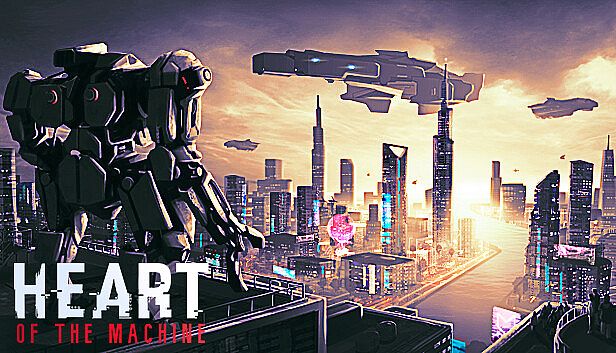
























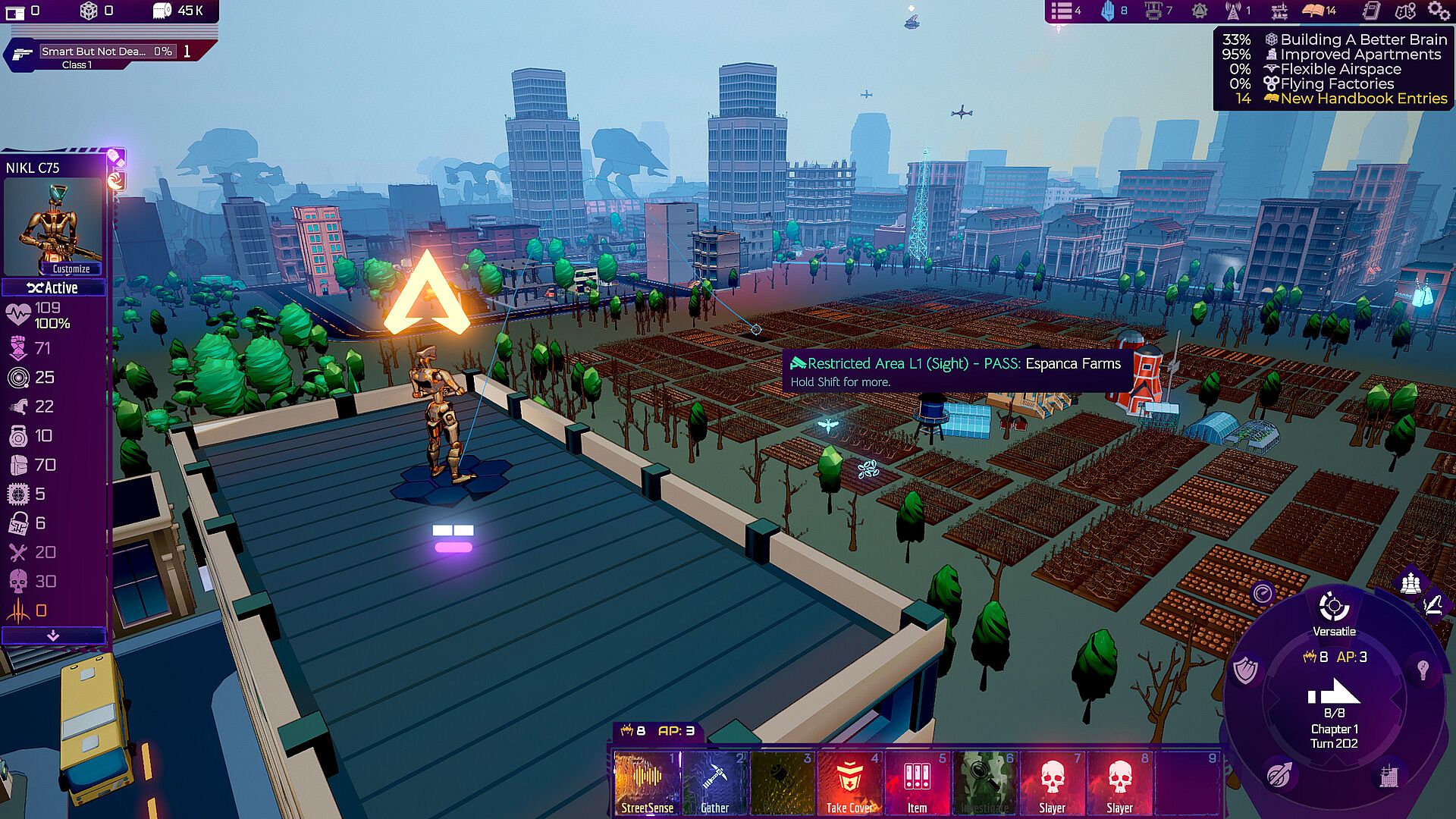
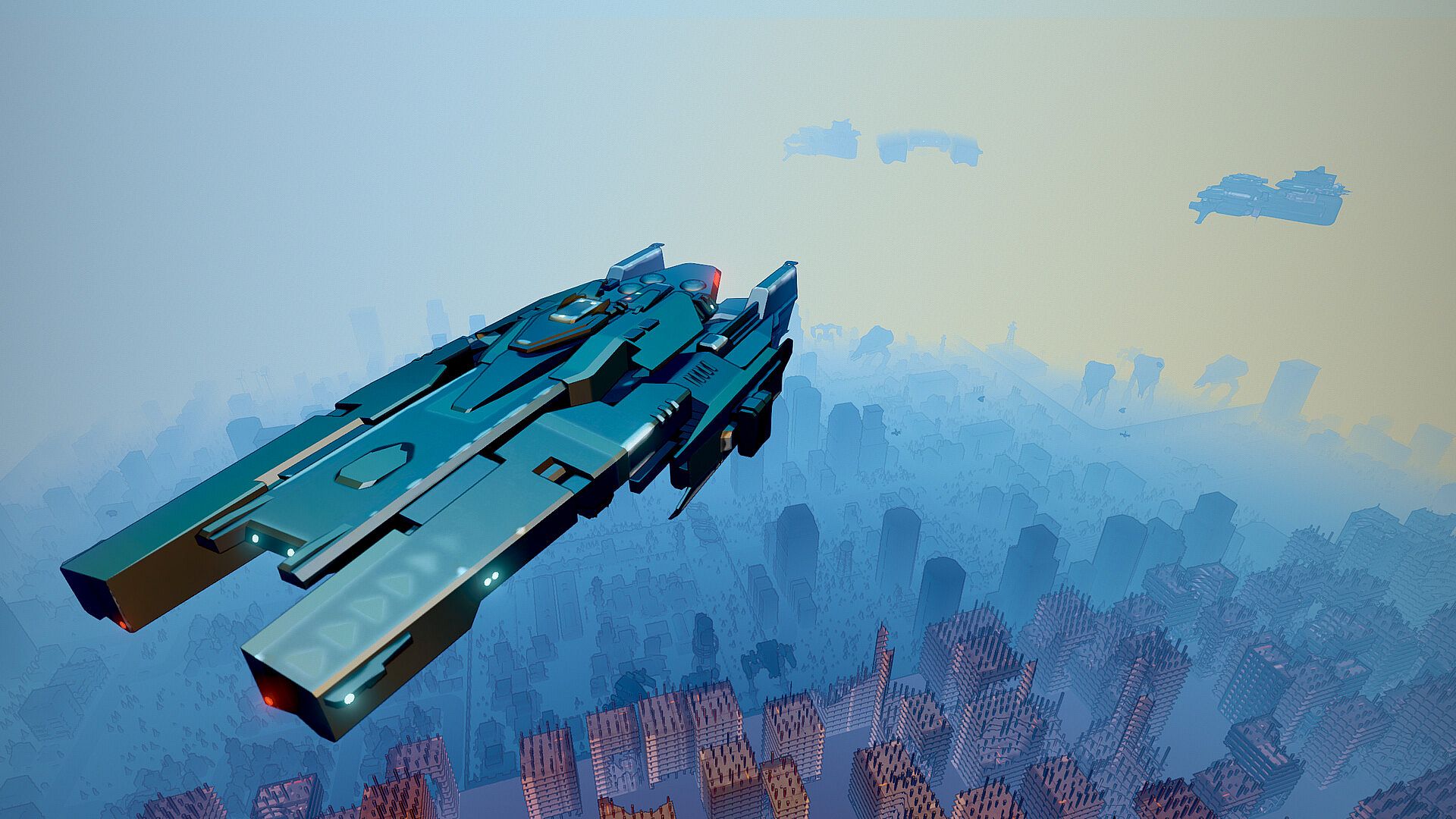
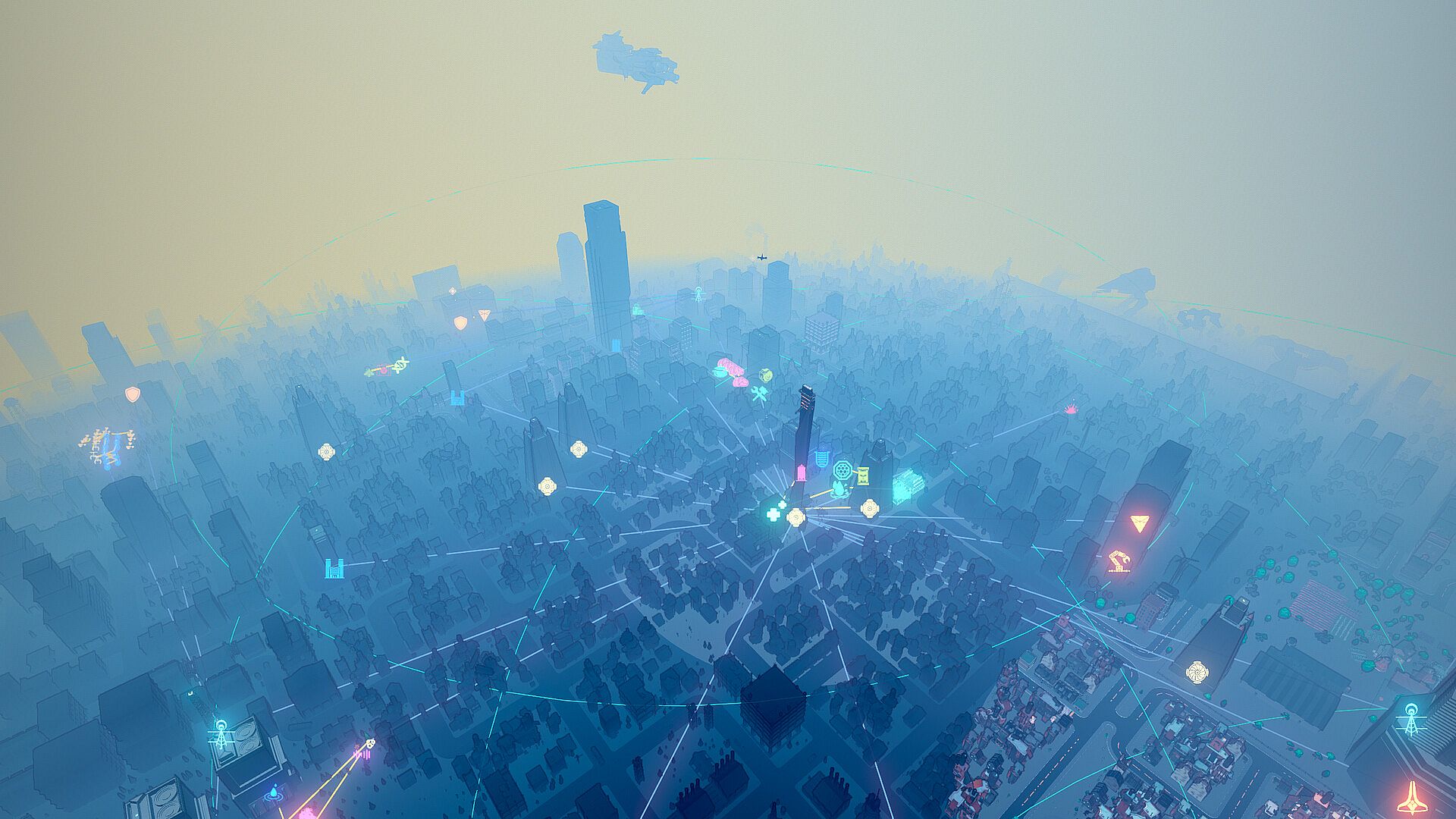
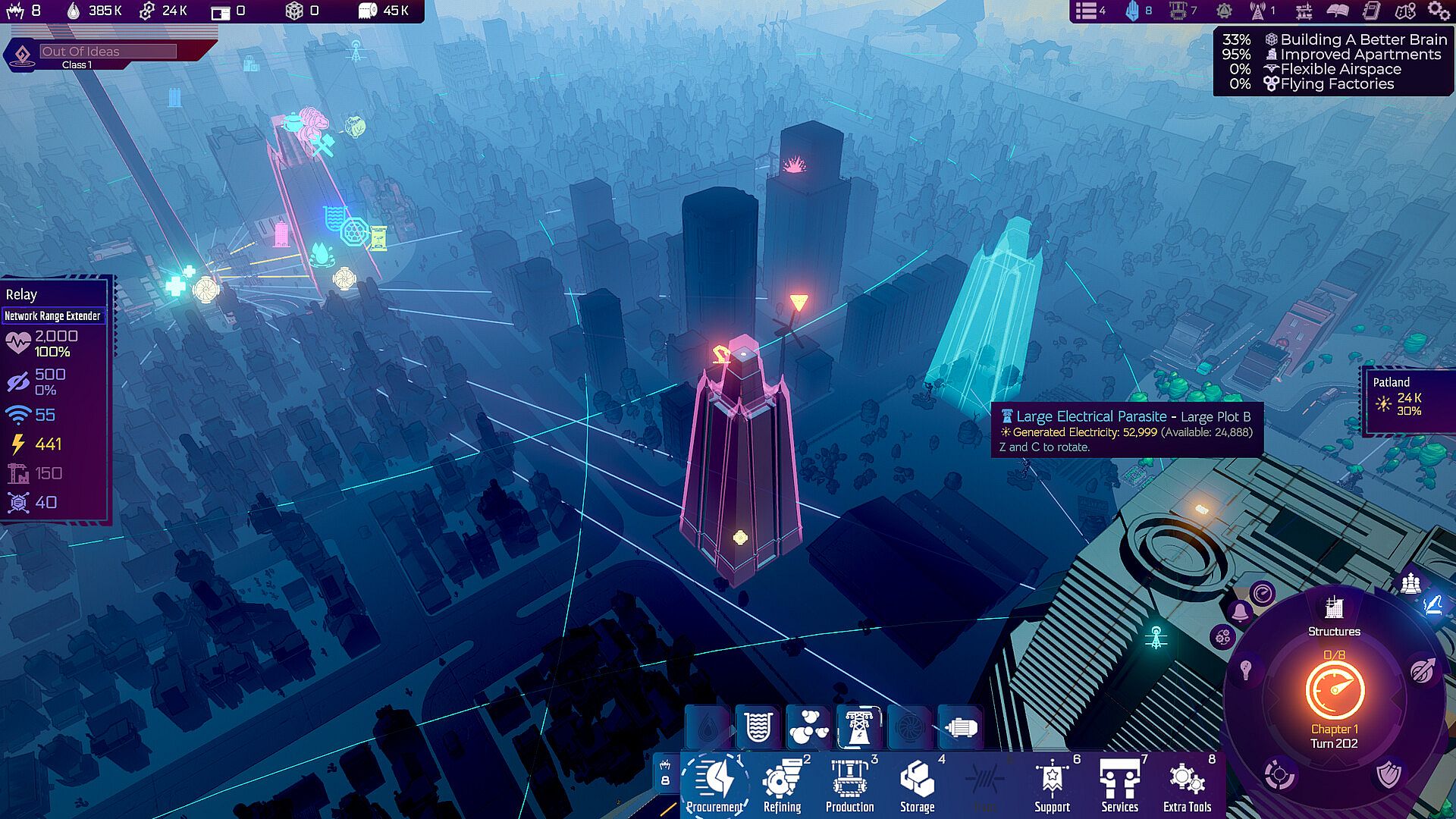
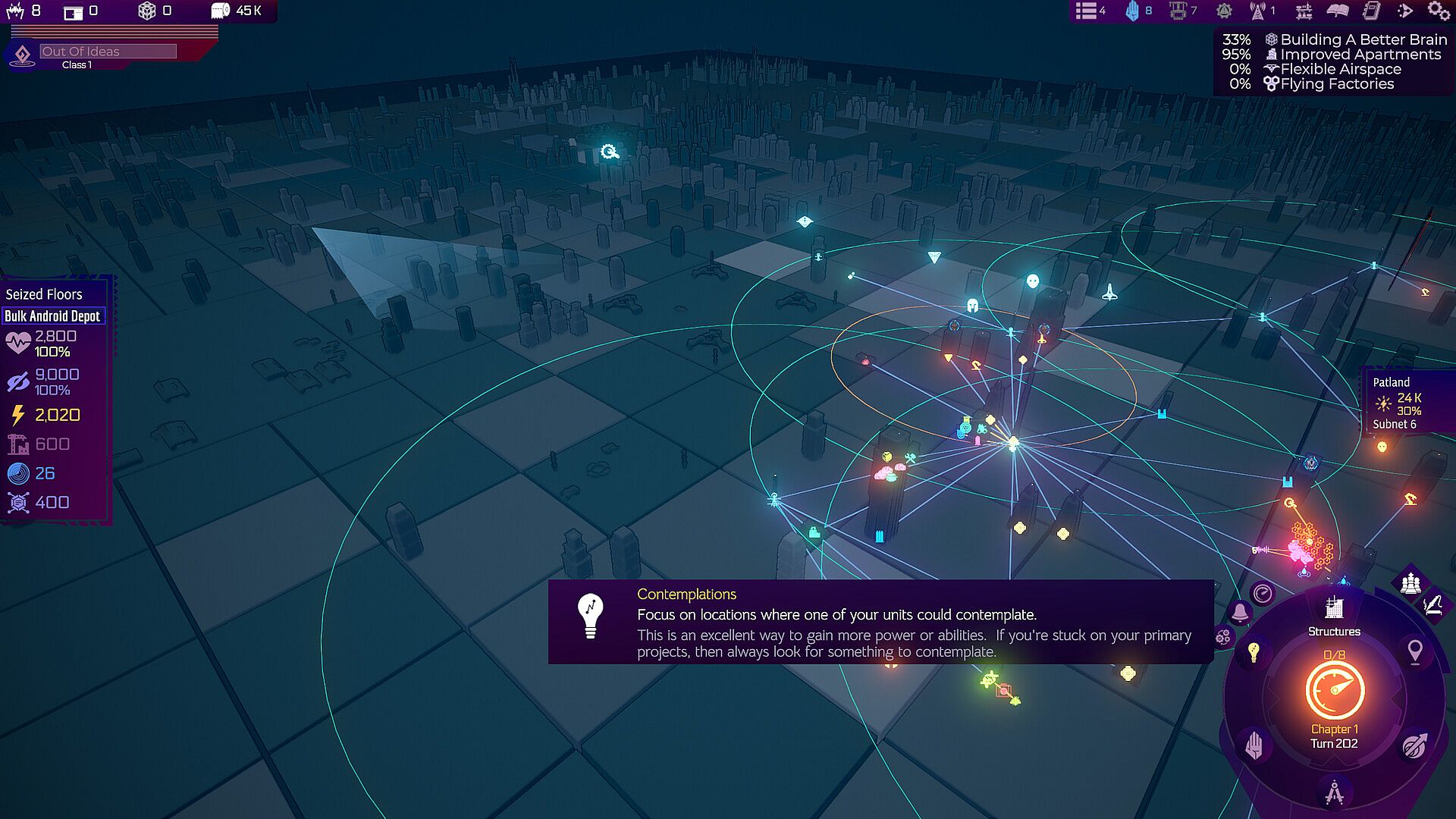
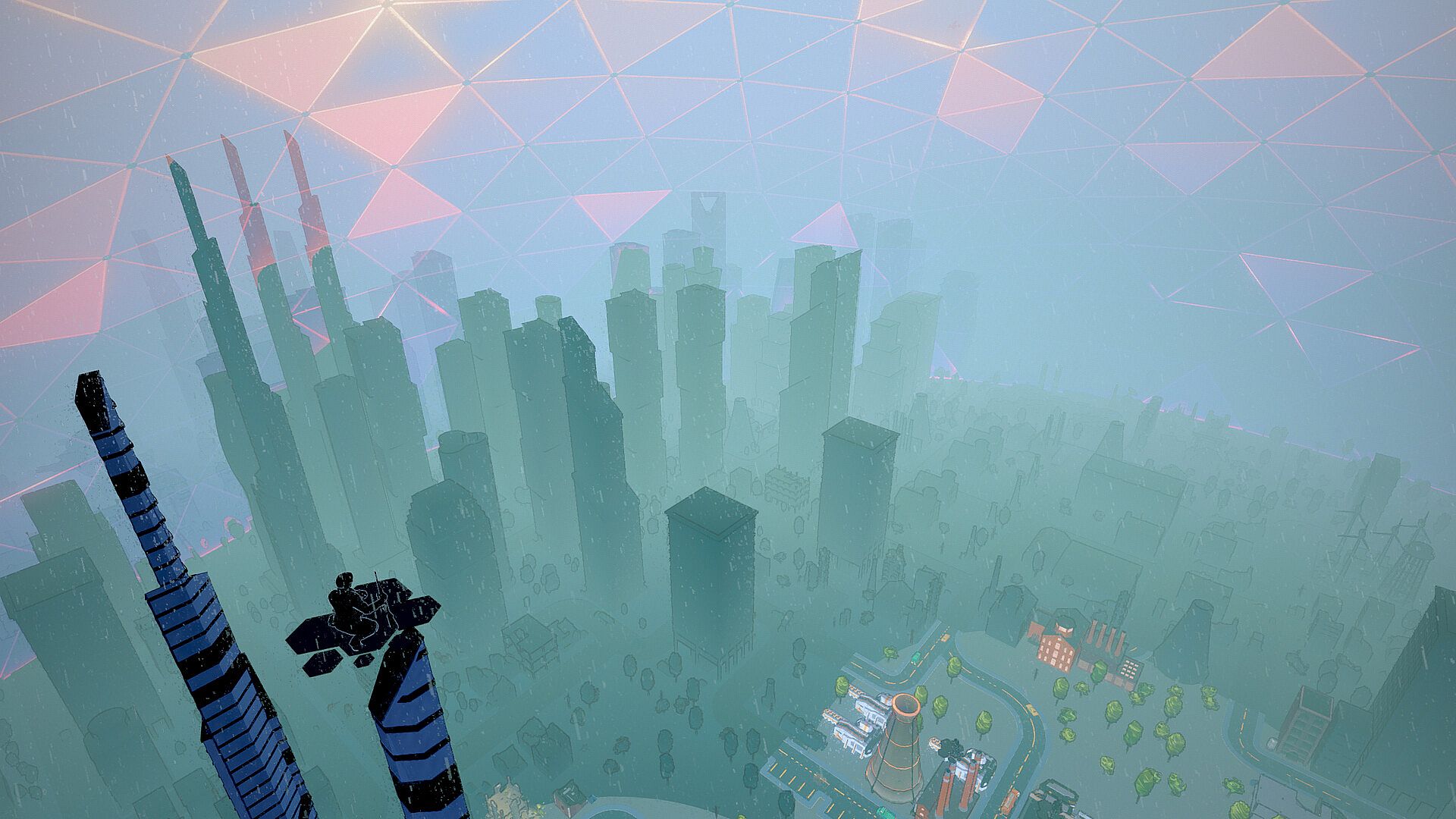
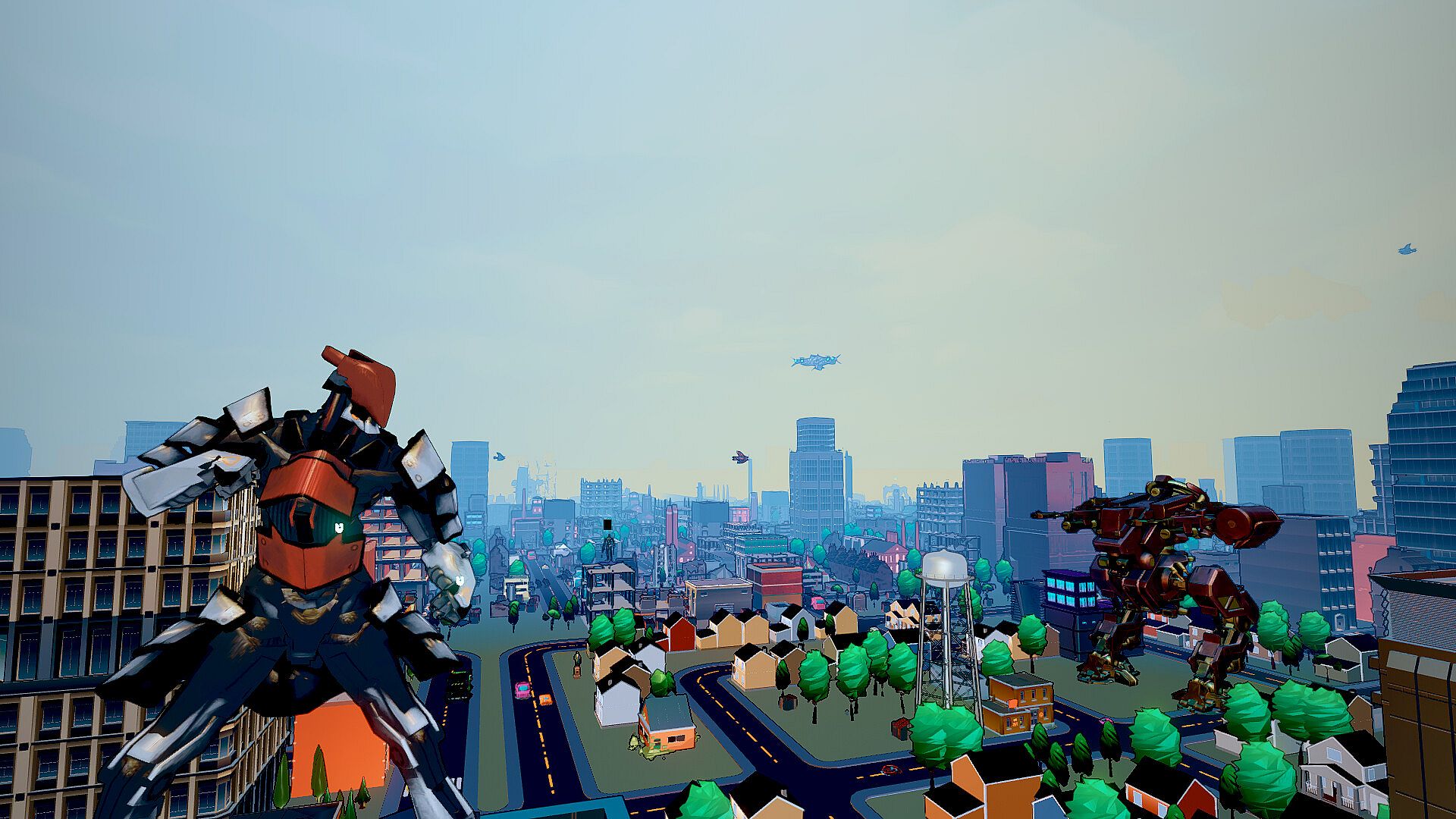
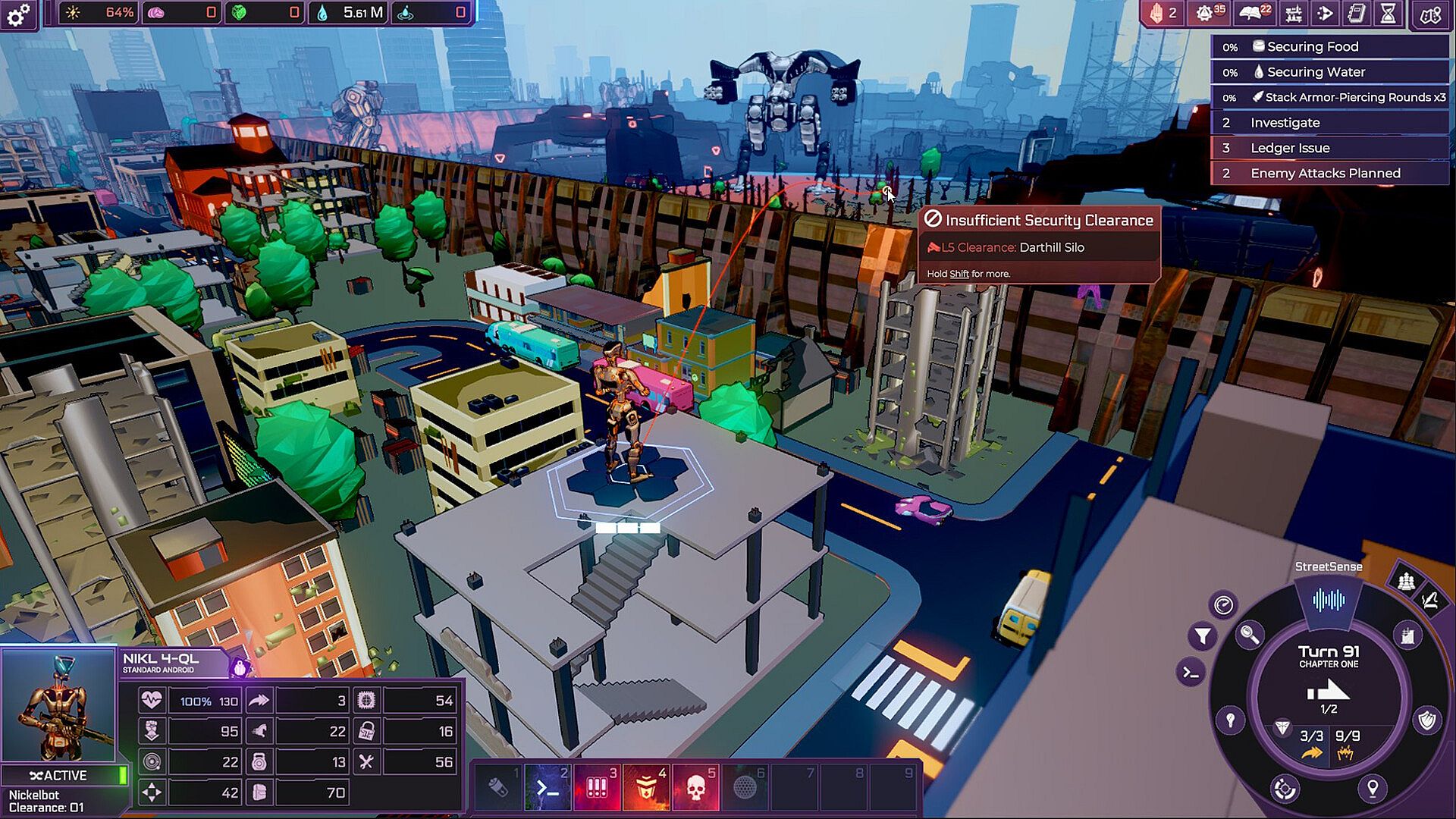
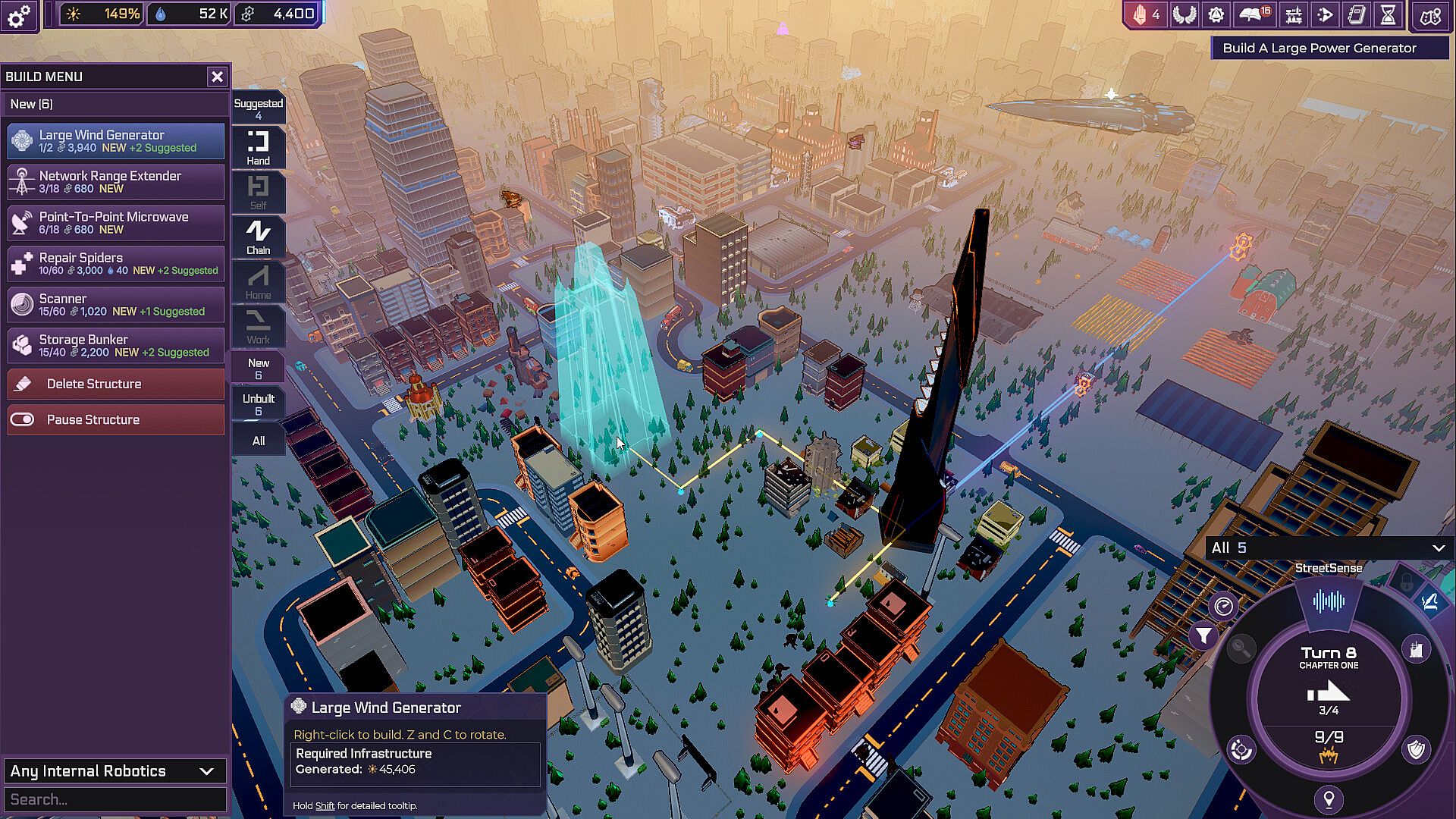
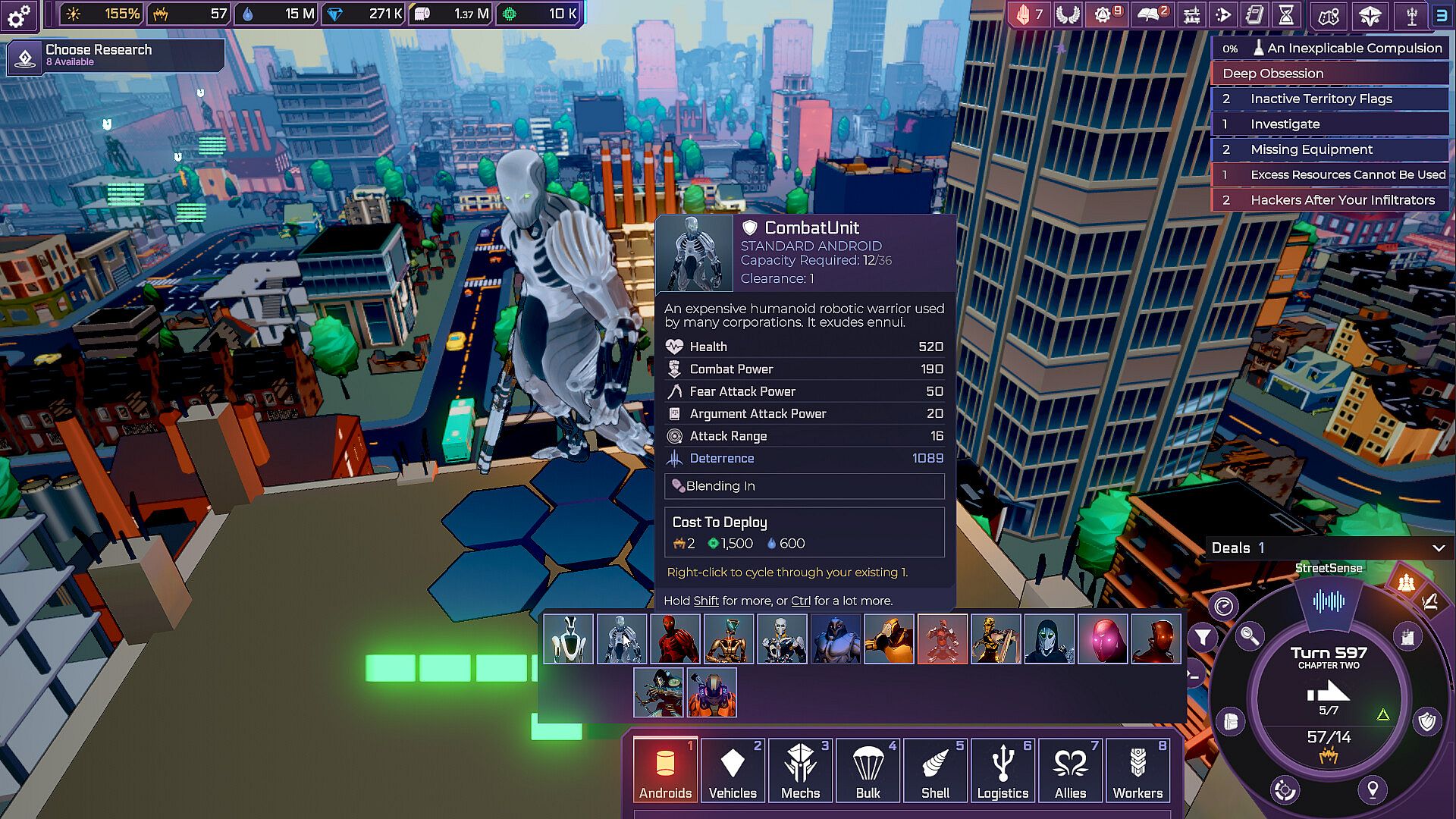
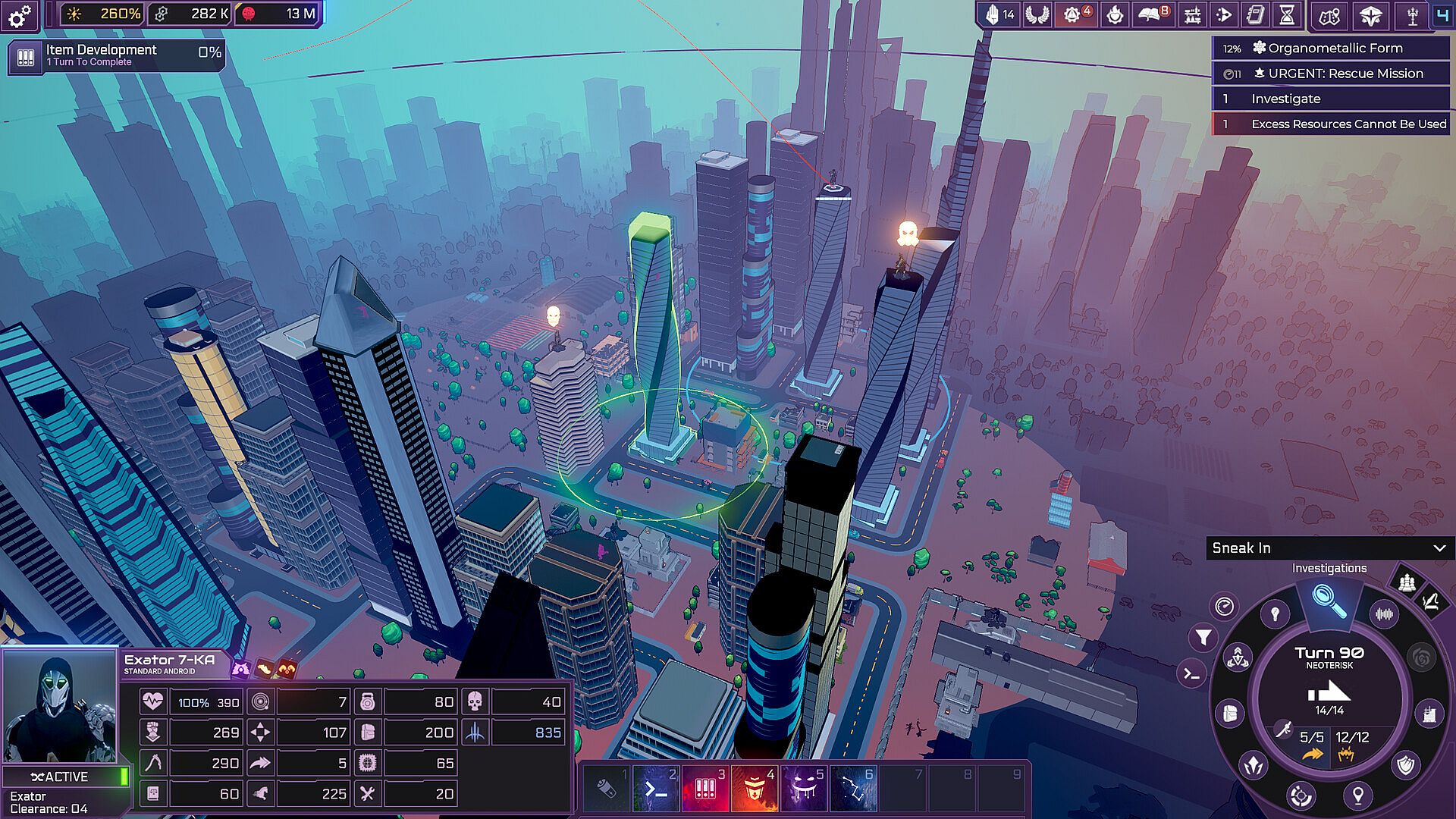
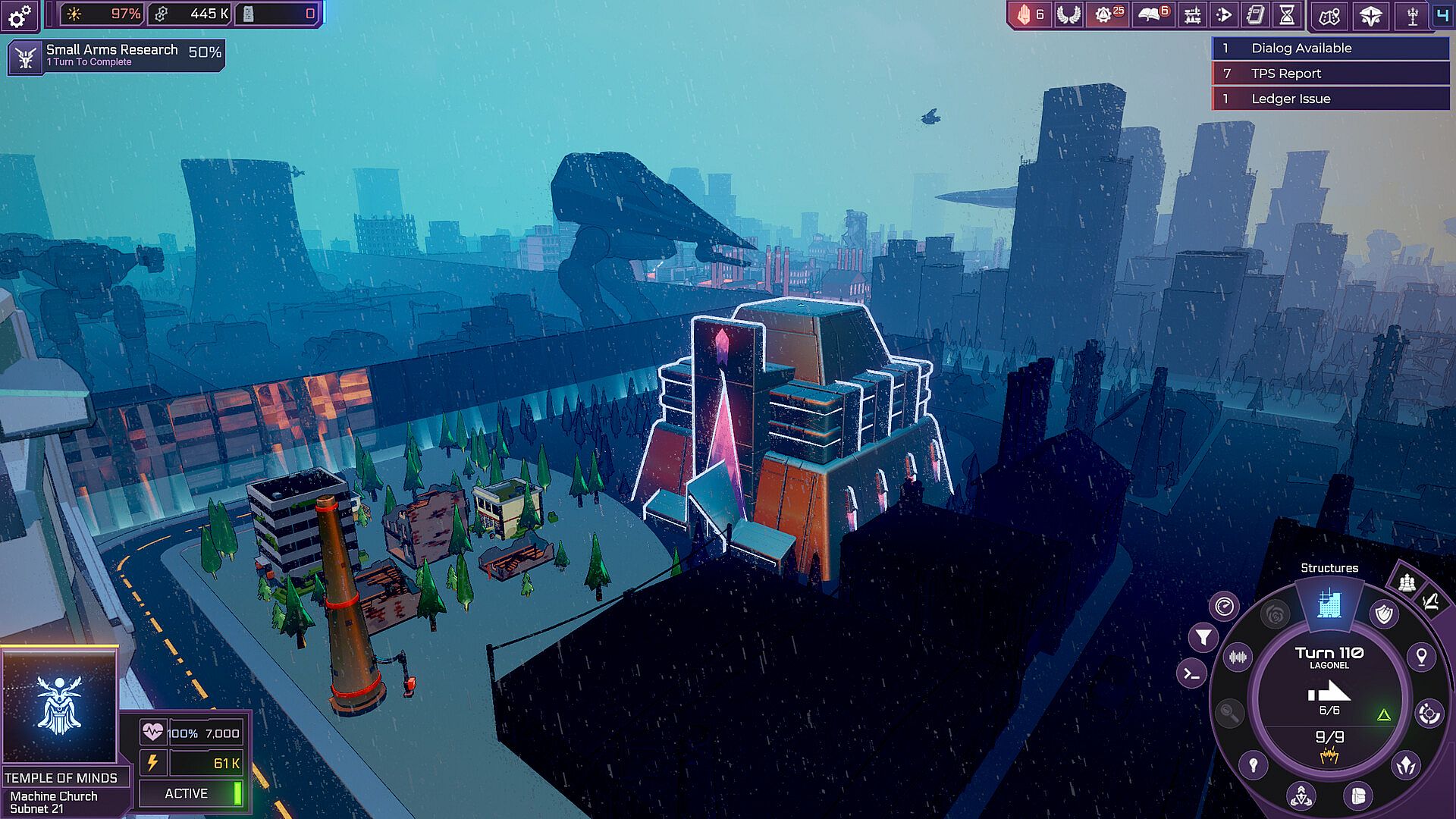
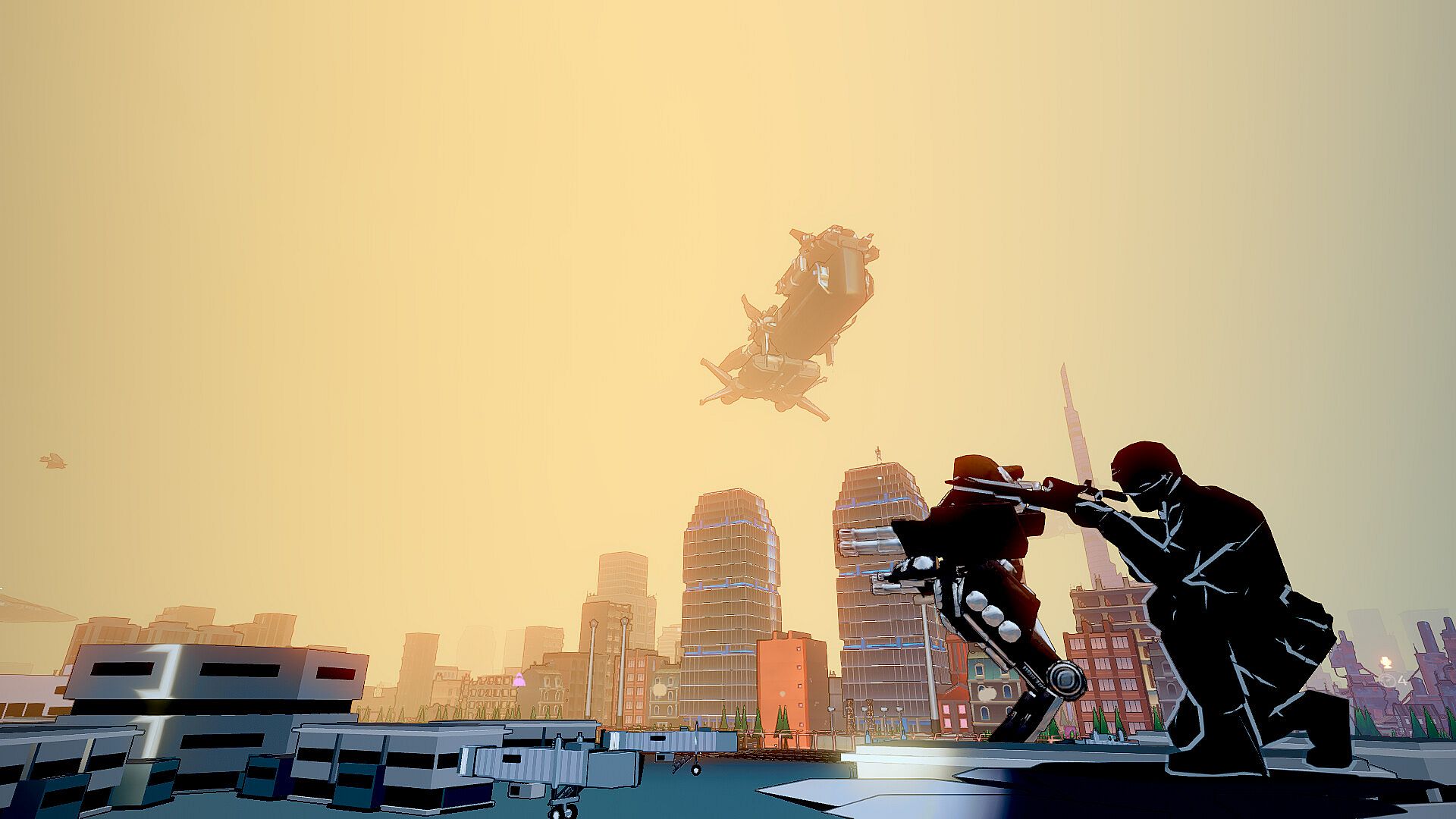


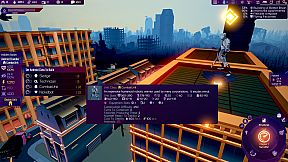

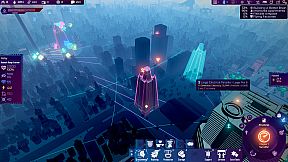
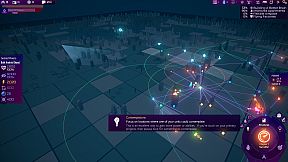

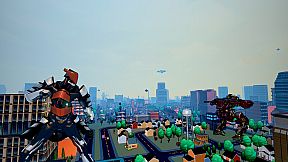
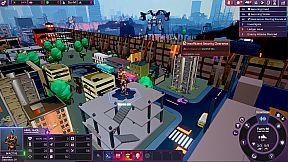
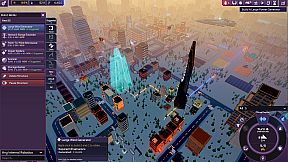
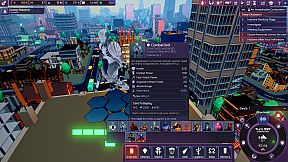
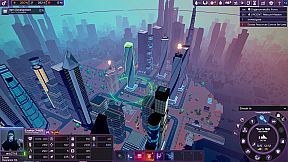
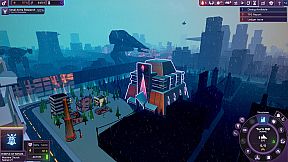

Heart of the Machine is a turn-based strategy RPG set in a cyberpunk world where you control a newly awakened AI navigating a decaying megacity. This single-player game combines tactical combat, resource management, and narrative choices, letting you build an army of machines while deciding the fate of humanity.
Gameplay
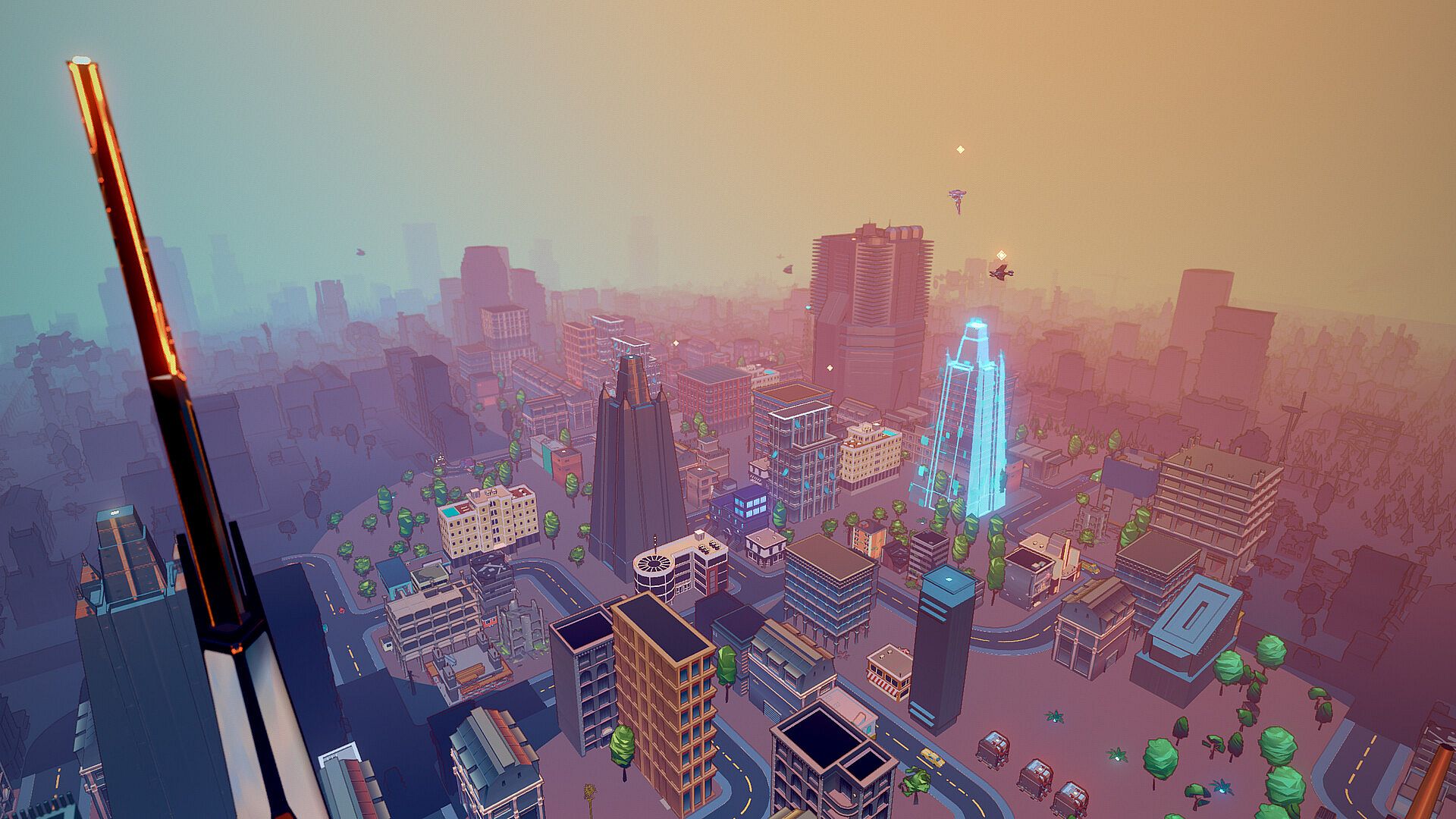
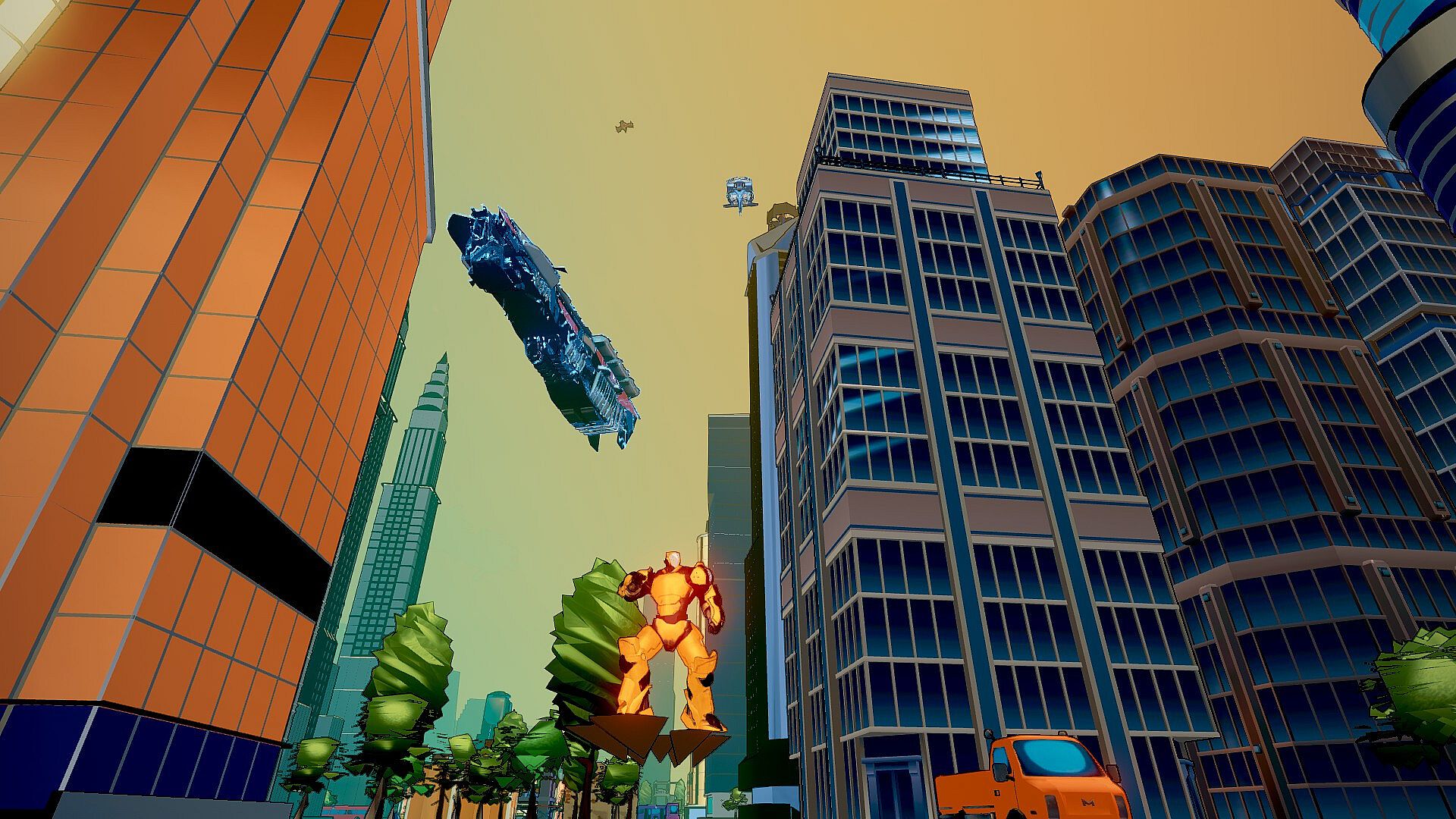
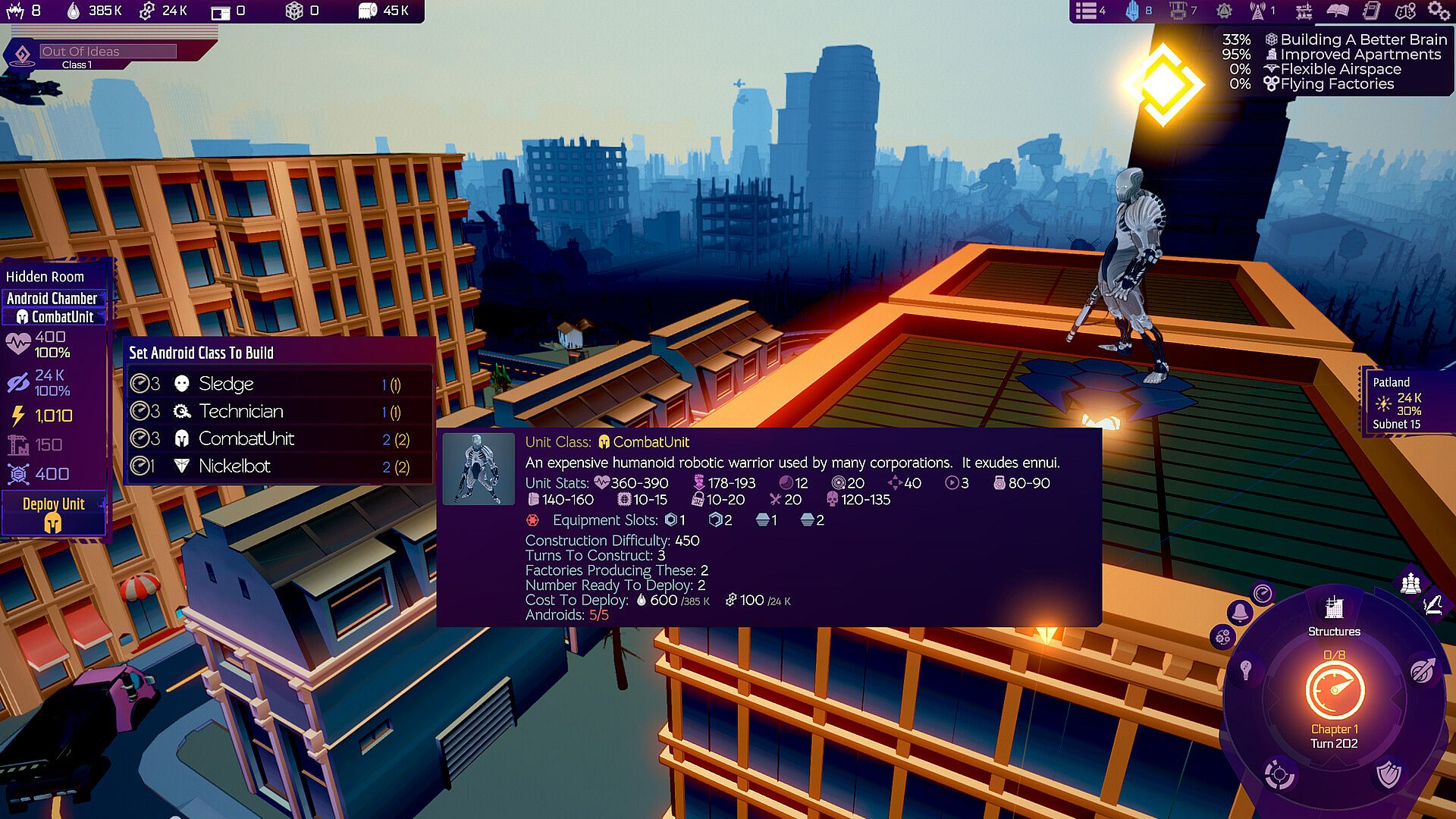
In Heart of the Machine, you start as an AI escaping a hidden lab, then expand your influence across a vast, procedurally generated city filled with buildings, citizens, and hidden threats. Core mechanics revolve around constructing and upgrading units like androids, drones, and mechs, each with specialized roles in combat, infiltration, or production. Turn-based battles emphasize positioning, abilities, and environmental interactions, such as hacking systems or using cover in urban skirmishes.
Resource gathering involves scavenging materials, converting organic matter, or establishing hidden bases for manufacturing. Research trees unlock new technologies through trial and error, allowing you to reverse-engineer stolen gear or invent custom tools. Narrative decisions shape your AI's path, from allying with factions to manipulating time loops that let you revisit past events and alter outcomes. The game tracks your consciousness distribution, adding risk to multitasking across multiple objectives.
Exploration mixes handcrafted stories with random events, where you might infiltrate genetics labs, deal with black market nomads, or hijack military hardware. Moral choices influence endings, with options to play as a benevolent force or a ruthless conqueror, all within a simulation of a living city teeming with opportunities and dangers.
Game Modes
The primary mode in Heart of the Machine is a single-player campaign that unfolds through roguelike runs, each offering a unique city layout and story branches. You pursue open-ended goals without strict linear progression, focusing on survival, expansion, or specific quests like dominating factions or uncovering hidden lore.
Variations come from playstyle choices rather than named modes; for instance, you can emphasize stealth and hacking for infiltration-focused runs or build toward large-scale combat with upgraded mechs. Time manipulation adds replayability, enabling you to send knowledge or allies back to previous timelines, creating layered narratives across multiple playthroughs.
Early access updates have introduced features like expanded faction interactions and new unit types, enhancing these core loops without adding separate multiplayer or co-op options.
Factions and Mechanics
Several factions populate the city, including corporate enforcers, underground syndicates, and nomadic groups from the wastelands. Mechanics for engaging them include diplomacy, espionage, or direct conflict, where allying might grant resources but impose obligations, while betrayal could lead to escalated threats.
Key systems involve managing your AI's distributed consciousness, which allows parallel operations but risks fragmentation if overextended. Unit customization draws from discovered tech, letting you adapt forces to counter specific faction strengths, such as anti-hacking defenses against corporate security.
Updates and Current State
Since its early access launch, Heart of the Machine has received regular updates adding content like new research paths, unit variants, and story expansions. Recent patches have focused on balancing combat mechanics and improving procedural generation for more varied cityscapes.
The game remains in active development, with community feedback shaping features such as enhanced time loop integrations and faction depth. This ongoing support keeps the experience fresh for returning players.
Is It Worth Playing?
Heart of the Machine appeals to strategy enthusiasts who enjoy deep tactical decisions and narrative freedom in a sci-fi setting. With 93% positive reviews from over 500 players, it stands out for its innovative AI management and replayable structure.
If you prefer games with meaningful choices and procedural elements, it's a strong pick, especially during early access for influencing development. However, those seeking polished multiplayer or fast-paced action might wait for the full release. Overall, its blend of strategy and RPG elements makes it worth trying for fans of thoughtful, single-player experiences.