



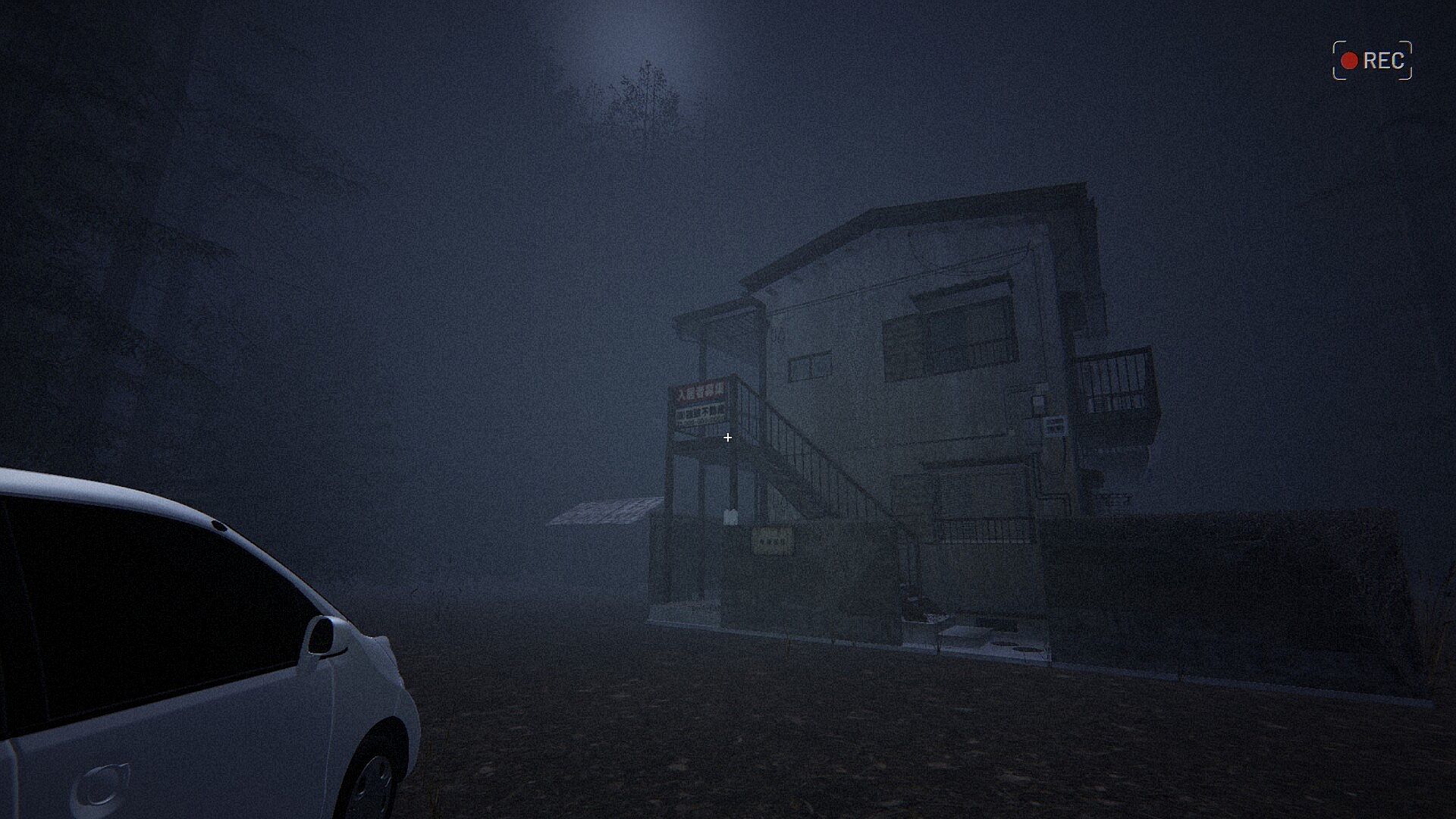
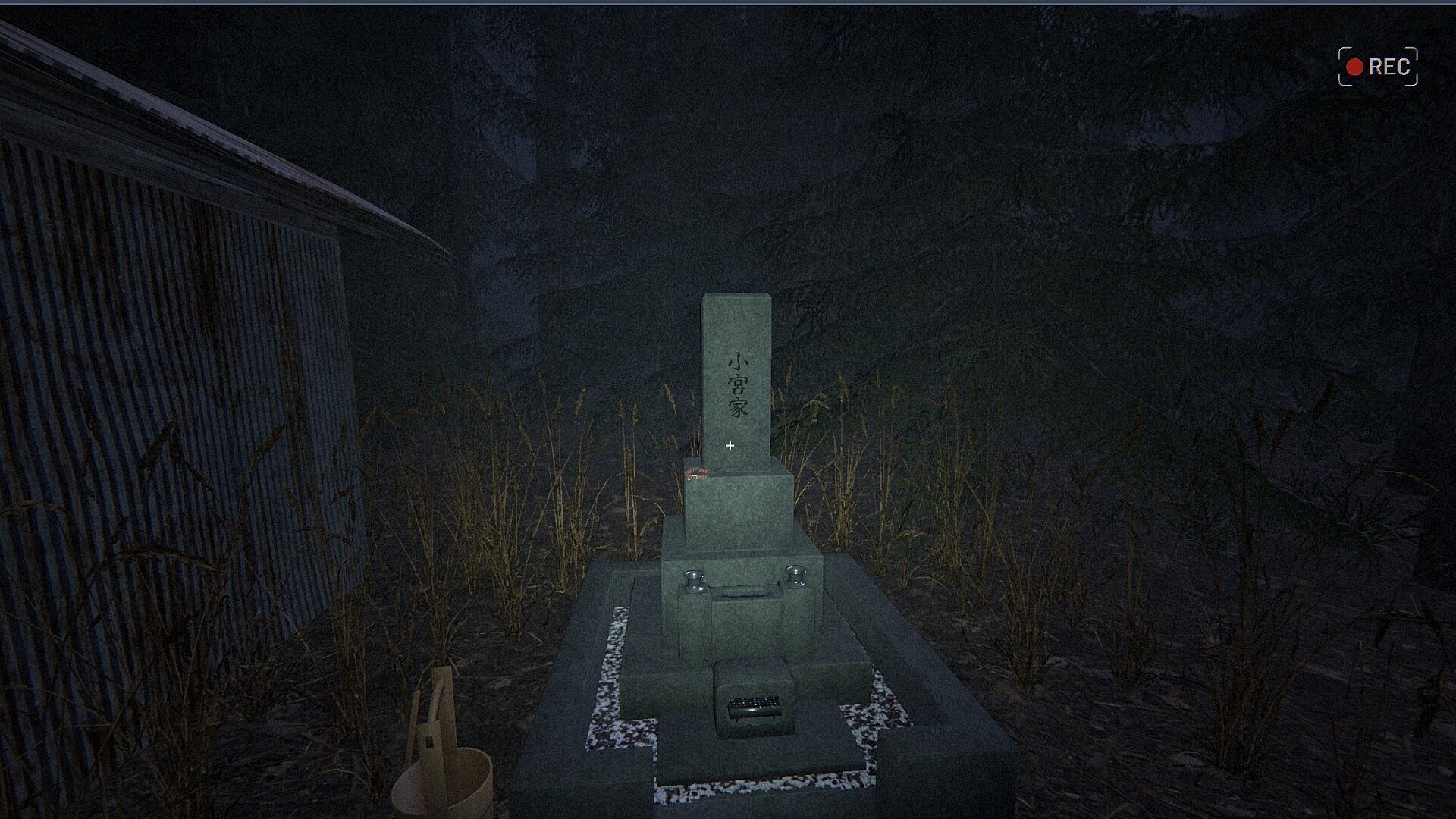
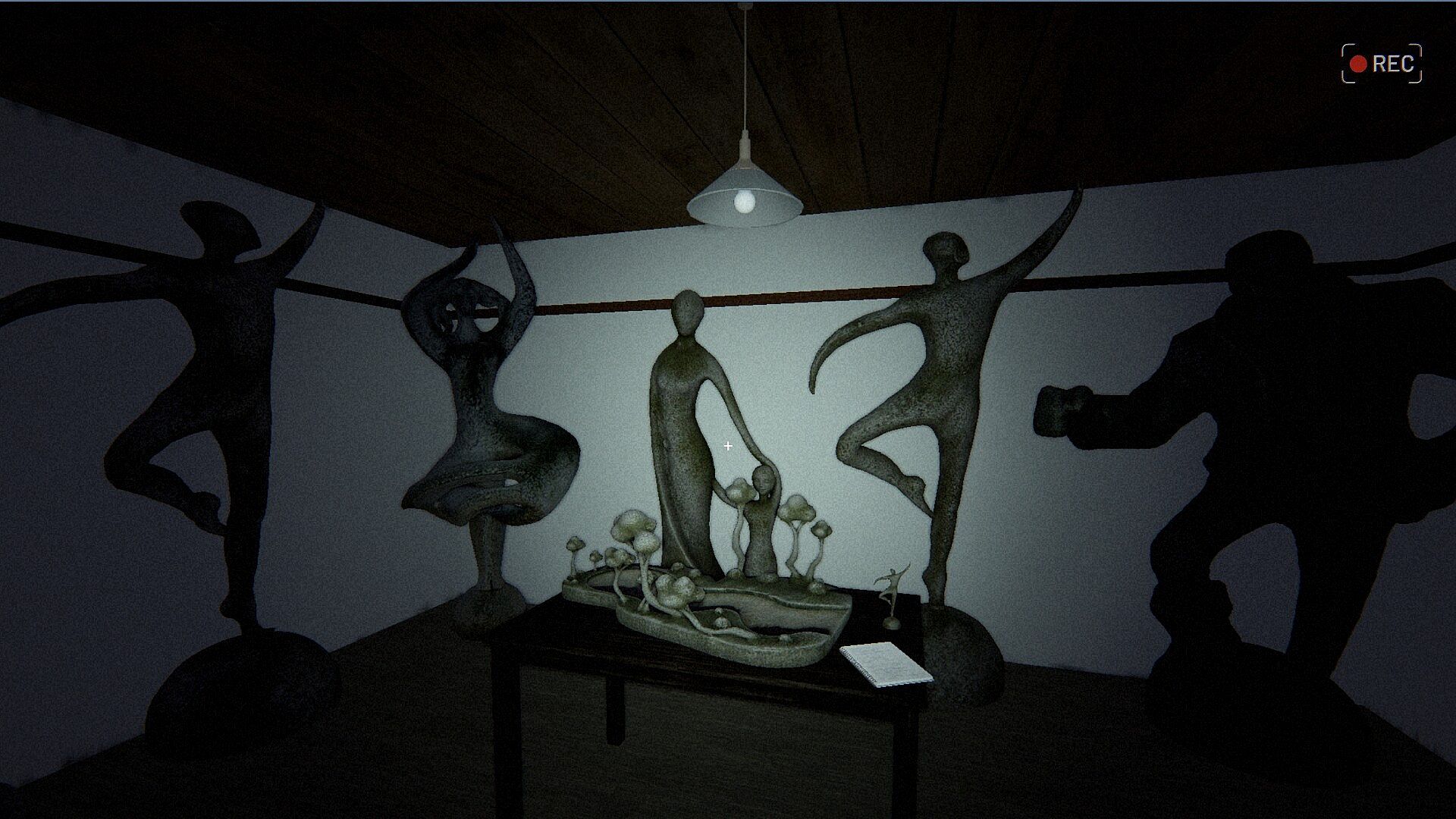
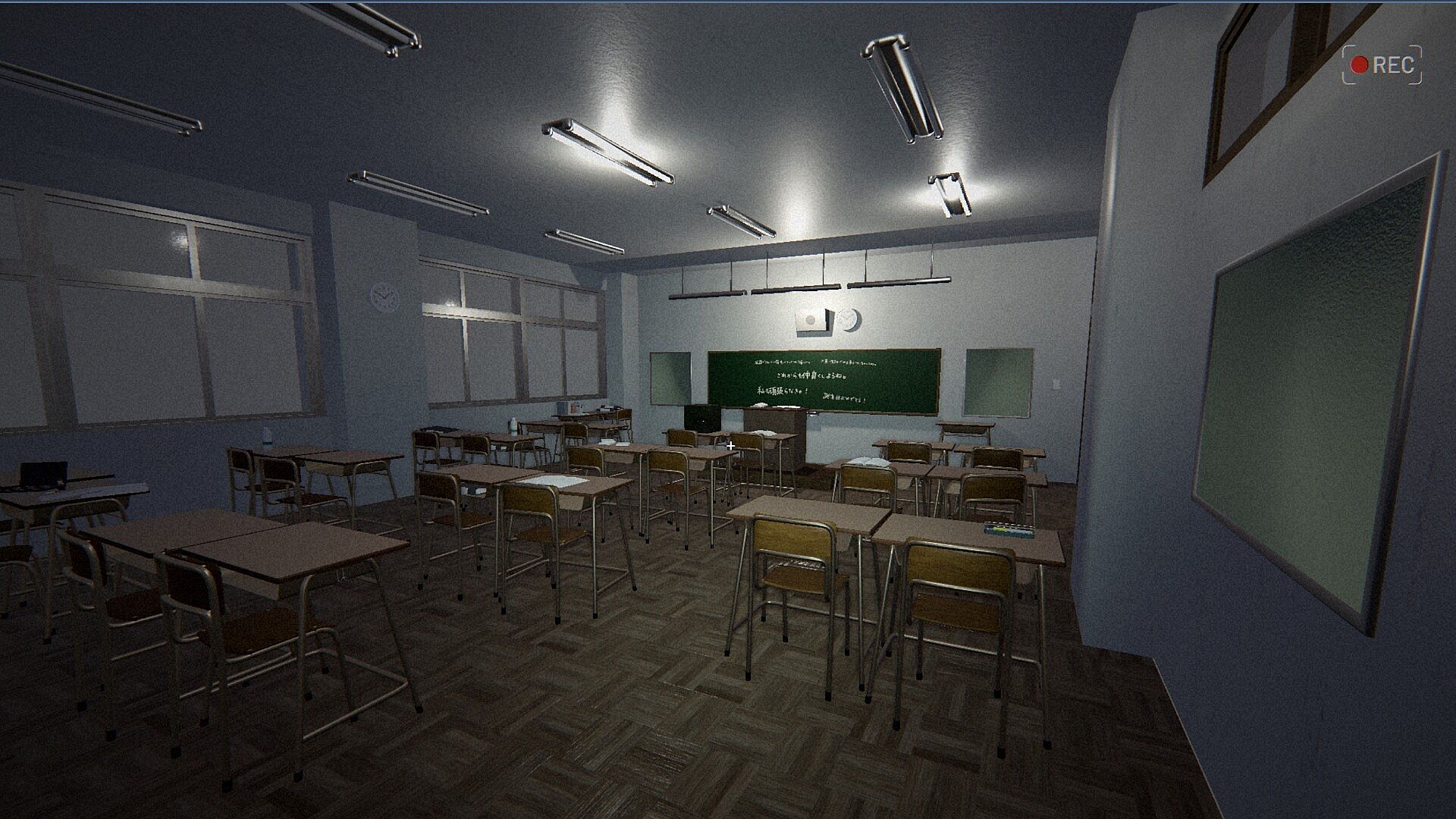
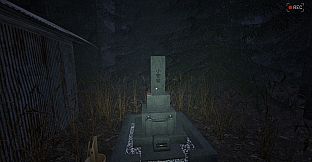

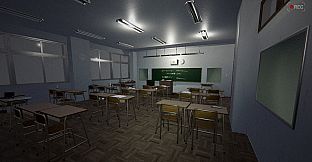
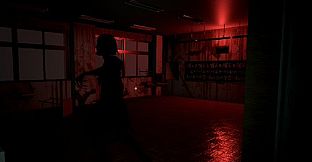
Hell Apartment is a first-person horror puzzle adventure game developed as an indie title for PC. Set in a remote apartment building in the Japanese mountains, the experience centers on exploration and problem-solving within a confined, eerie environment. Players take on the role of Shunya Takahashi, a paranormal streamer investigating reports of a family's disappearance. The narrative unfolds through text descriptions and environmental clues as the character becomes trapped after entering Room 101.
Gameplay
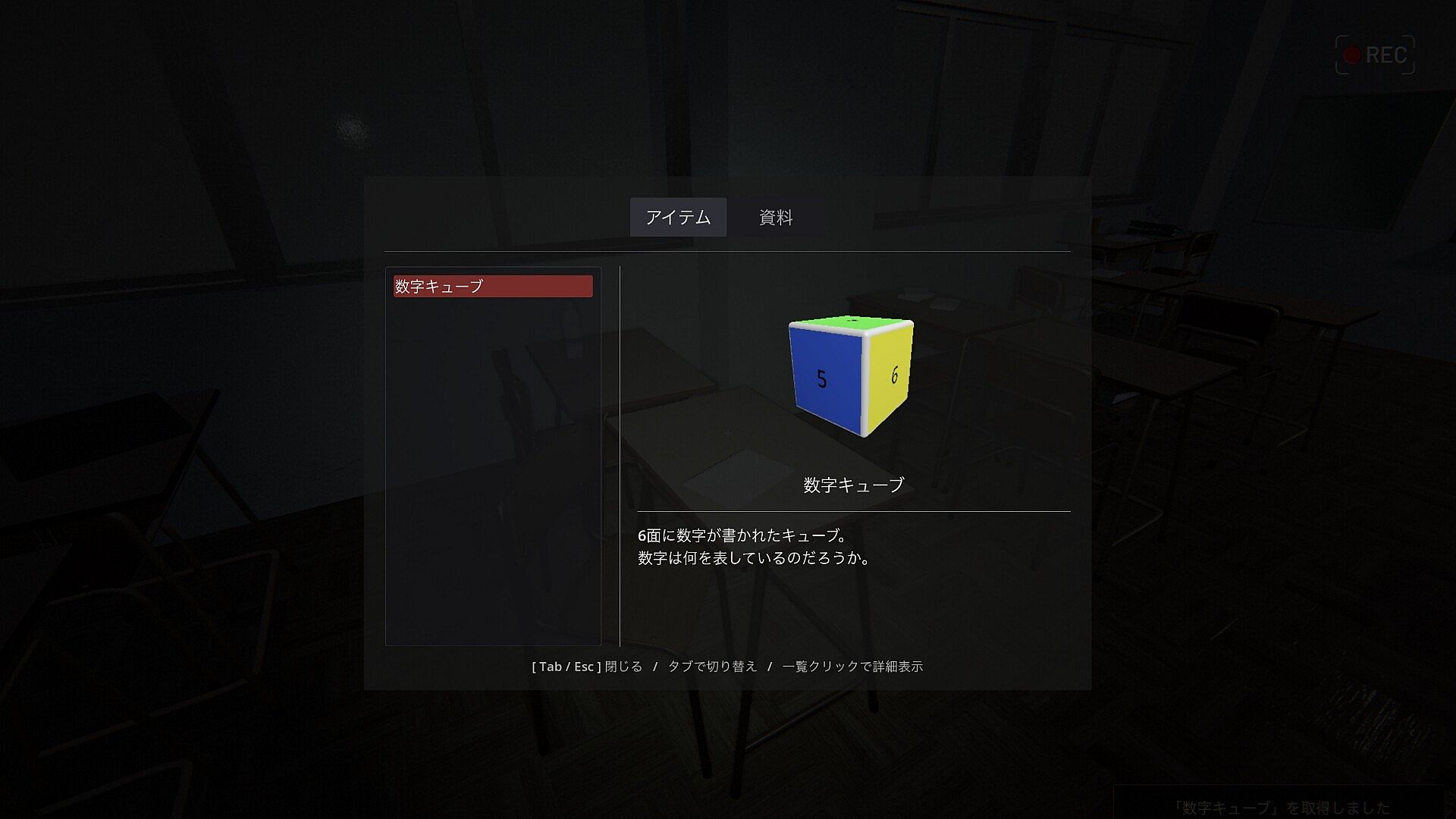
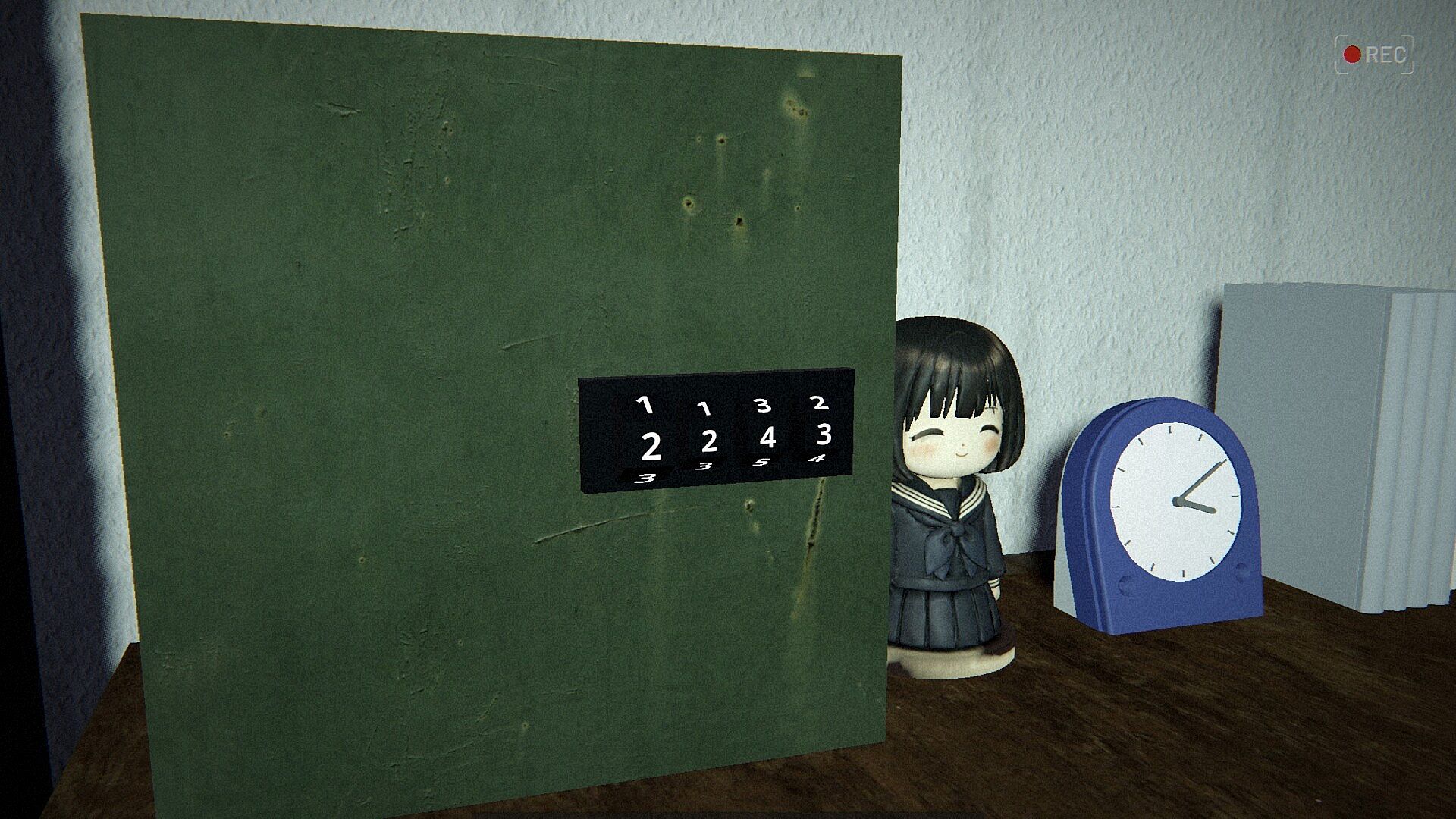
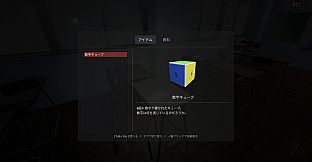
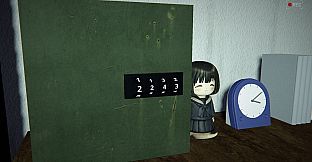
The core loop involves navigating a series of rooms in a linear yet investigative manner. Each space presents riddles and interactive elements that must be resolved to progress. Movement occurs in first-person perspective, with attention focused on examining objects, reading notes, and piecing together the building's history. Puzzle solutions often require careful observation of details scattered across multiple areas, encouraging backtracking within the limited space.
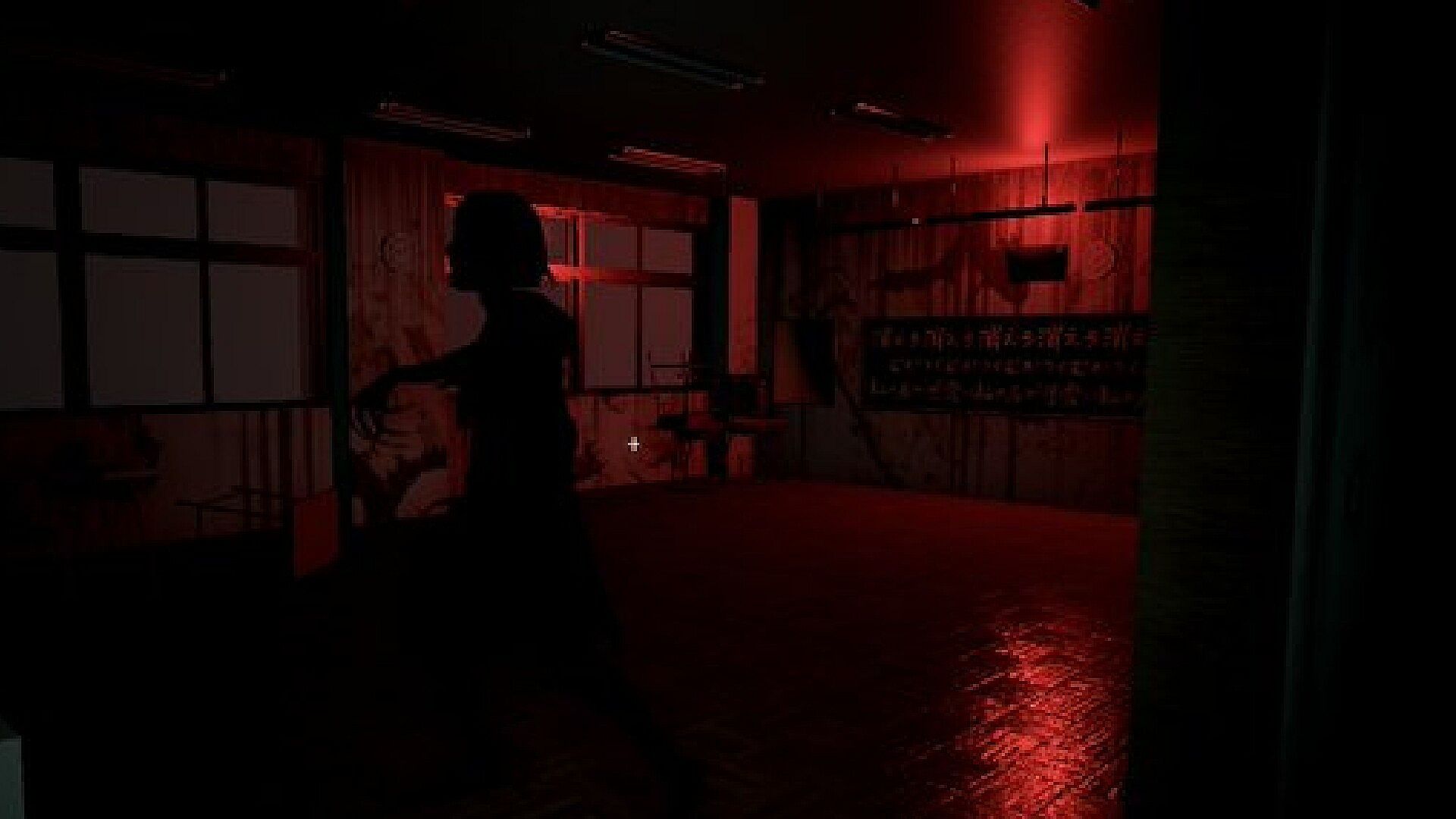
Progression builds tension through gradual revelations about past events. The game emphasizes atmospheric storytelling over action, relying on the isolation of the setting and the accumulation of unsettling information. Completion typically takes one to two hours, making it suitable for a focused single session. Text serves as the primary means of communication, with no voice acting to accompany the narrative.
Visuals incorporate AI-generated imagery to depict the apartment's decaying interiors and key story elements. Players interact with the environment through standard point-and-click style mechanics adapted for first-person view, solving escape-room inspired challenges that tie directly into the overarching mystery.
Game Modes
Hell Apartment offers a single-player experience structured around its main narrative path. The game features three distinct endings that branch based on choices and puzzle resolutions encountered during play. These endings provide different perspectives on the central events, rewarding multiple playthroughs for those interested in exploring all outcomes.
No additional modes such as multiplayer, survival challenges, or separate scenarios exist. The entire title functions as one cohesive adventure focused on mystery resolution and confrontation with the building's secrets. A sensitive mode option allows players to adjust content visibility related to distressing themes, including references to suicide, without altering the core puzzle structure.
Story and Setting
The story revolves around the cursed reputation of the apartment building and the specific fate tied to Room 203. As rooms are cleared, layers of the mystery reveal connections to the family's vanishing and the protagonist's own circumstances. The text-based format delivers dialogue and descriptions that build psychological depth, supported by environmental storytelling in each location.
The setting draws from isolated mountain architecture, creating a sense of entrapment that reinforces the escape-room design. Language support spans English, Japanese, Simplified Chinese, Korean, and Russian, allowing broader accessibility for the narrative delivery.
Is It Worth Playing?
This title targets players who enjoy short, focused horror experiences centered on puzzles and narrative discovery rather than combat or extended campaigns. Its brevity and multiple endings make it appealing for those seeking a complete story in a compact package, particularly fans of escape-room mechanics blended with supernatural themes.
With a planned release on August 25, 2026, and no user reviews available yet, reception remains to be seen. The inclusion of a sensitive content toggle addresses potential concerns around mature themes like suicide depictions. Availability on PC through standard digital platforms positions it as an accessible entry for indie horror enthusiasts looking for a contained adventure without ongoing seasonal updates or additional content layers.
Those drawn to text-driven mysteries in confined spaces will find the structure aligns well with its described scope. The absence of voice acting keeps emphasis on reading and interpretation, suiting players comfortable with that format.