























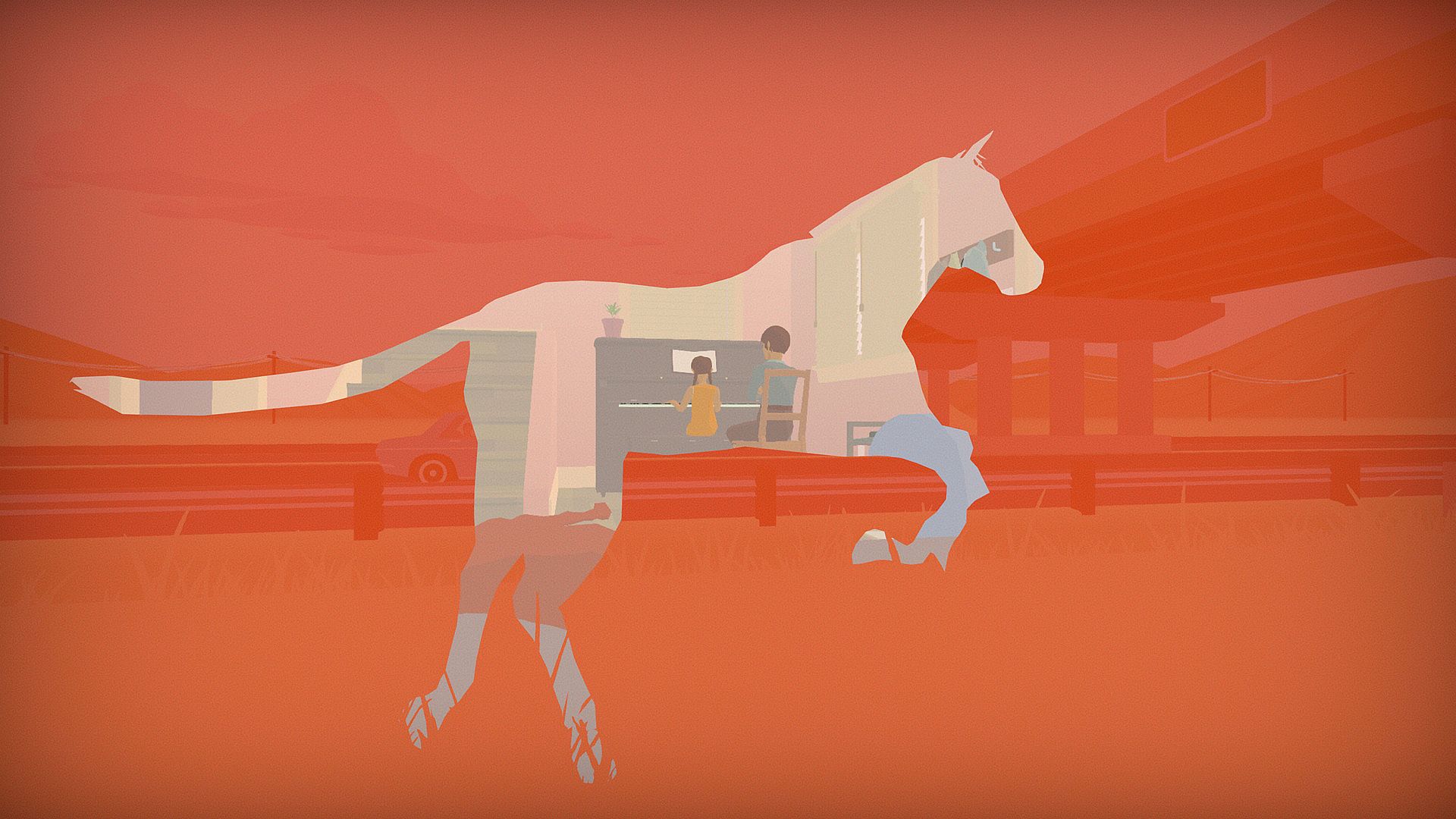
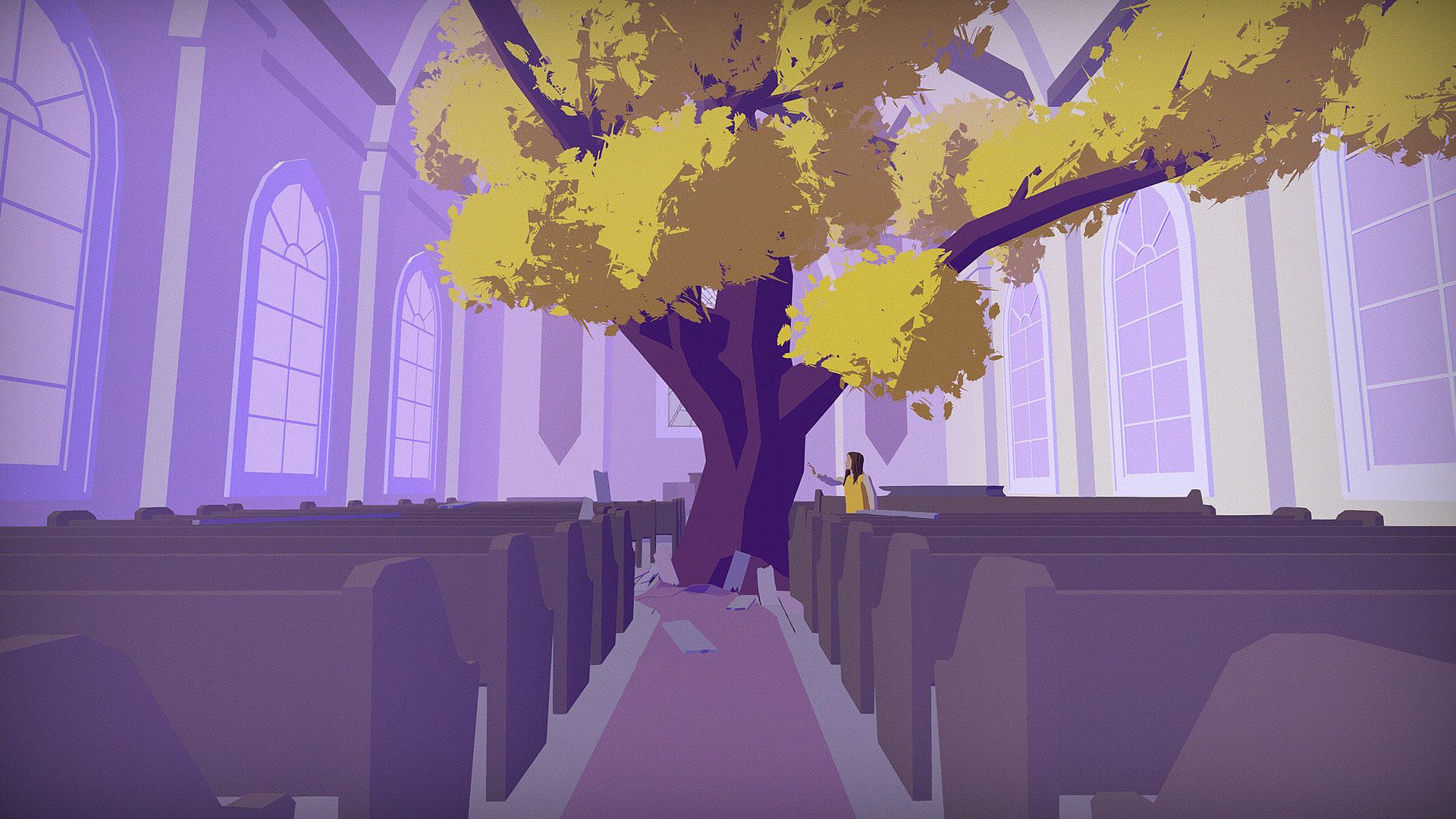
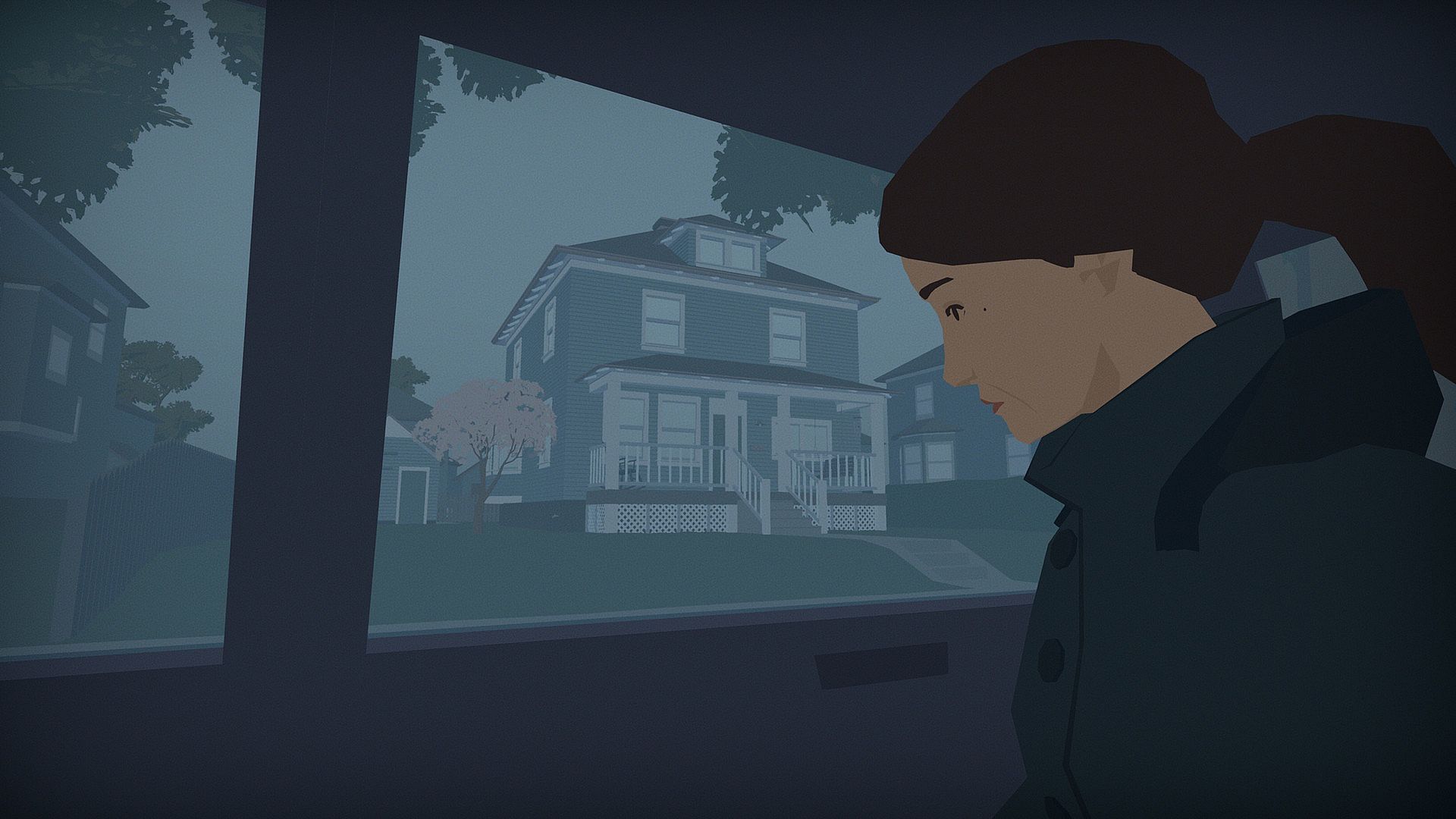

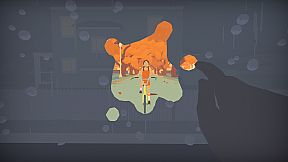

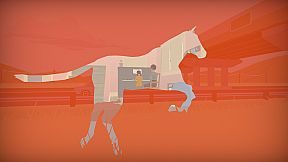
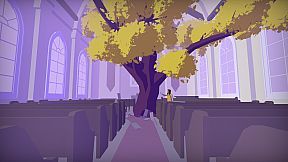
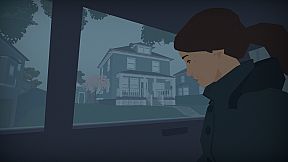
Hindsight is an indie casual adventure game developed for PC that invites players into a reflective journey through one woman's memories. Built around the idea that everyday objects can serve as portals to the past, it follows the story of Mary as she returns to her family home after her mother's death and begins sorting through personal items. The experience unfolds as a single-player narrative exploration title where perspective and attention to detail drive the progression.
Gameplay
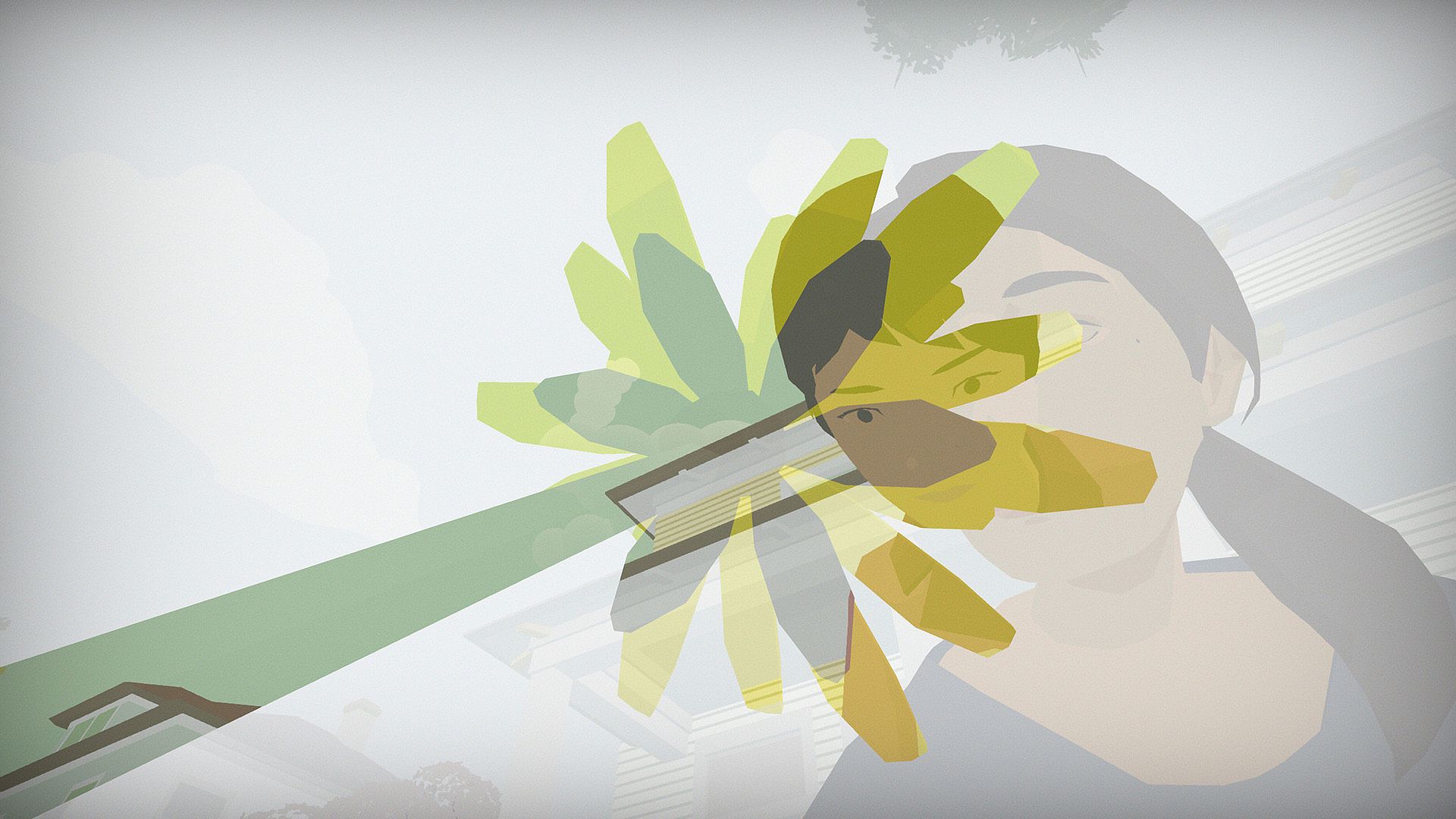
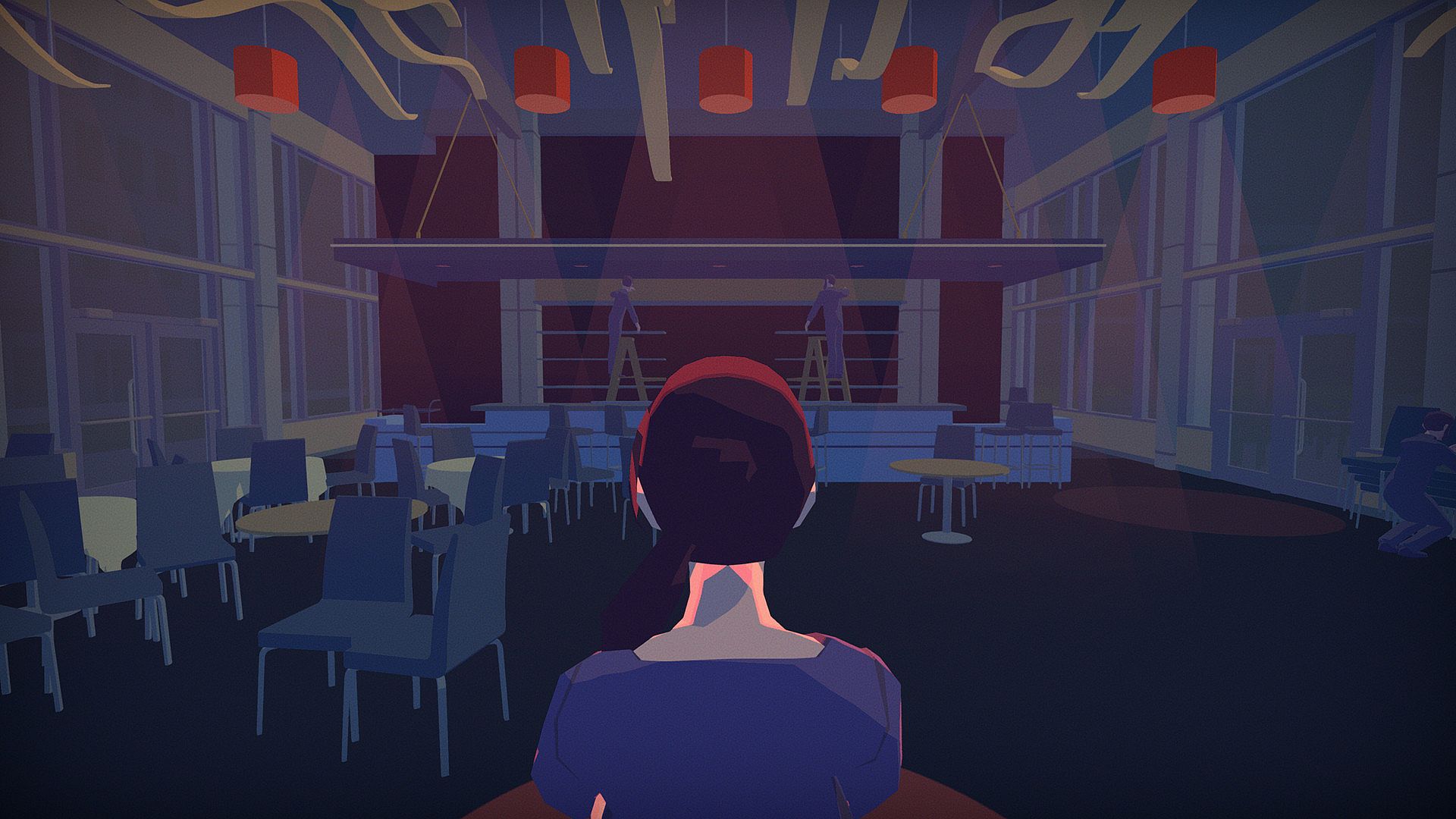
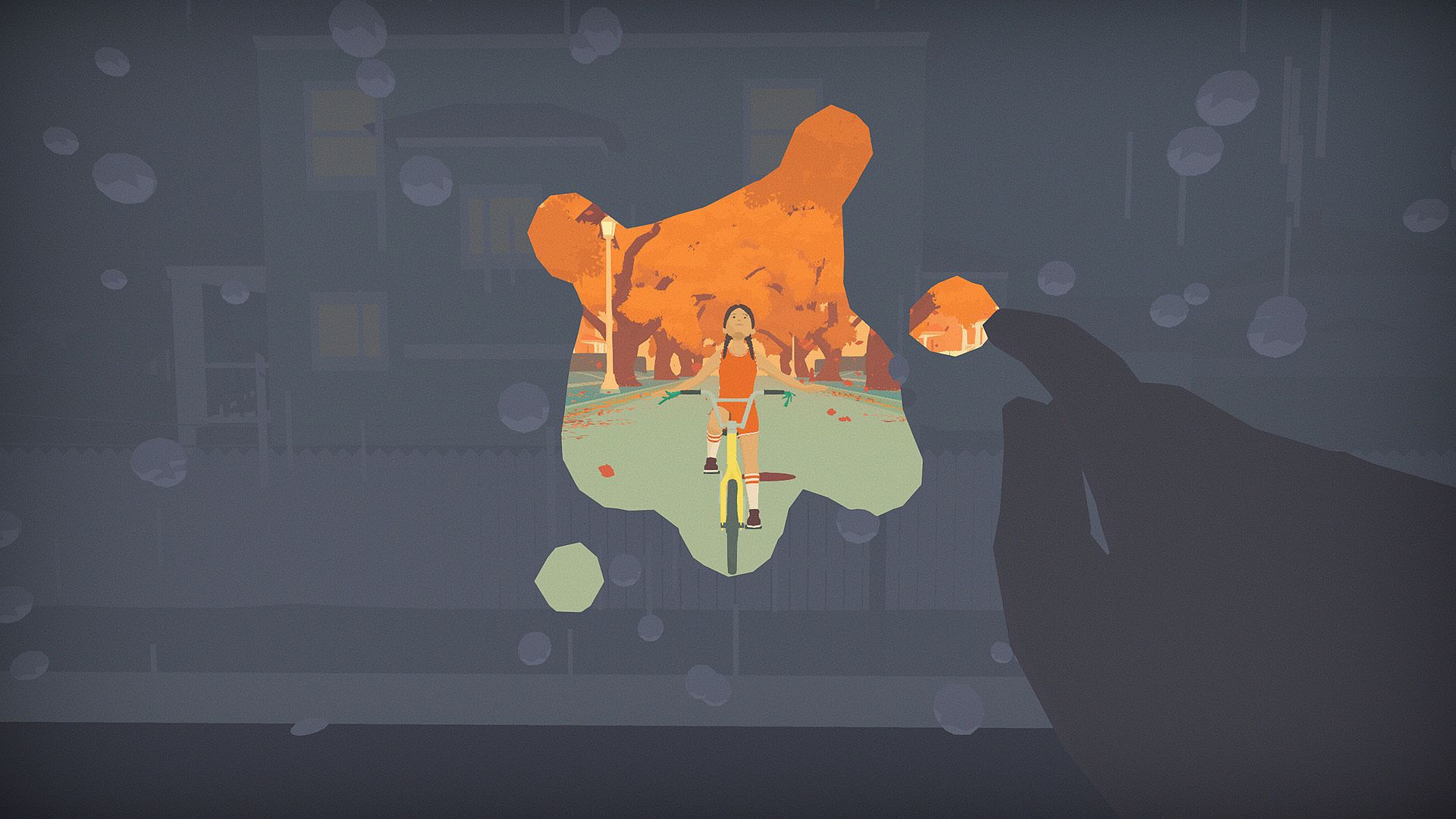
Core gameplay centers on navigating static scenes within the childhood home and interacting with objects that shimmer to indicate hidden memories. Players adjust the camera angle and viewpoint around fixed points in each diorama, rotating the view until an object aligns to open a window into a frozen moment from the past. Clicking or selecting these items advances the sequence, revealing narrated recollections that connect events across Mary's life from early childhood onward.
Simple interactions punctuate the exploration, such as manipulating items in a scene to trigger forward or backward time shifts or performing basic actions like arranging objects on a table. These elements encourage slowing down to notice small details left behind, with the camera movement serving as the primary tool for discovery rather than complex controls or combat systems.
Game Modes
Hindsight operates entirely as a single-player narrative experience with no separate multiplayer components or distinct game modes. The full journey consists of progressing through interconnected memory sequences triggered by household belongings, where the order of exploration can vary slightly based on player choices in directing the protagonist's focus. This structure keeps the emphasis on personal reflection without branching paths or competitive elements.
Narrative Structure
The story spans Mary's entire life, piecing together her relationship with her mother through cascading memories and dreams that emerge from ordinary possessions. Narration provides context for each scene while players linger in moments or move forward, highlighting themes of identity, loss, and what remains after time passes. The linear yet perspective-driven format allows the emotional weight to build gradually as connections between past events become clearer.
Is It Worth Playing?
This title suits players seeking a contemplative single-player adventure focused on emotional storytelling and subtle mechanics rather than action or long campaigns. Its short length makes it accessible for those who appreciate thoughtful pacing and visual elegance in indie games. Reception has been generally favorable on PC, with praise for the innovative use of viewpoint shifts to deepen the narrative impact. If the premise of exploring life through everyday objects appeals, the experience delivers a cohesive and memorable session without requiring ongoing commitment or additional content.