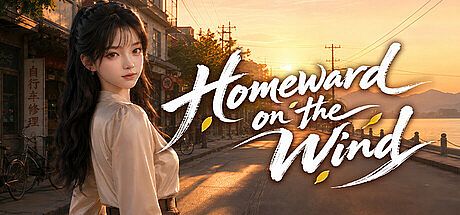


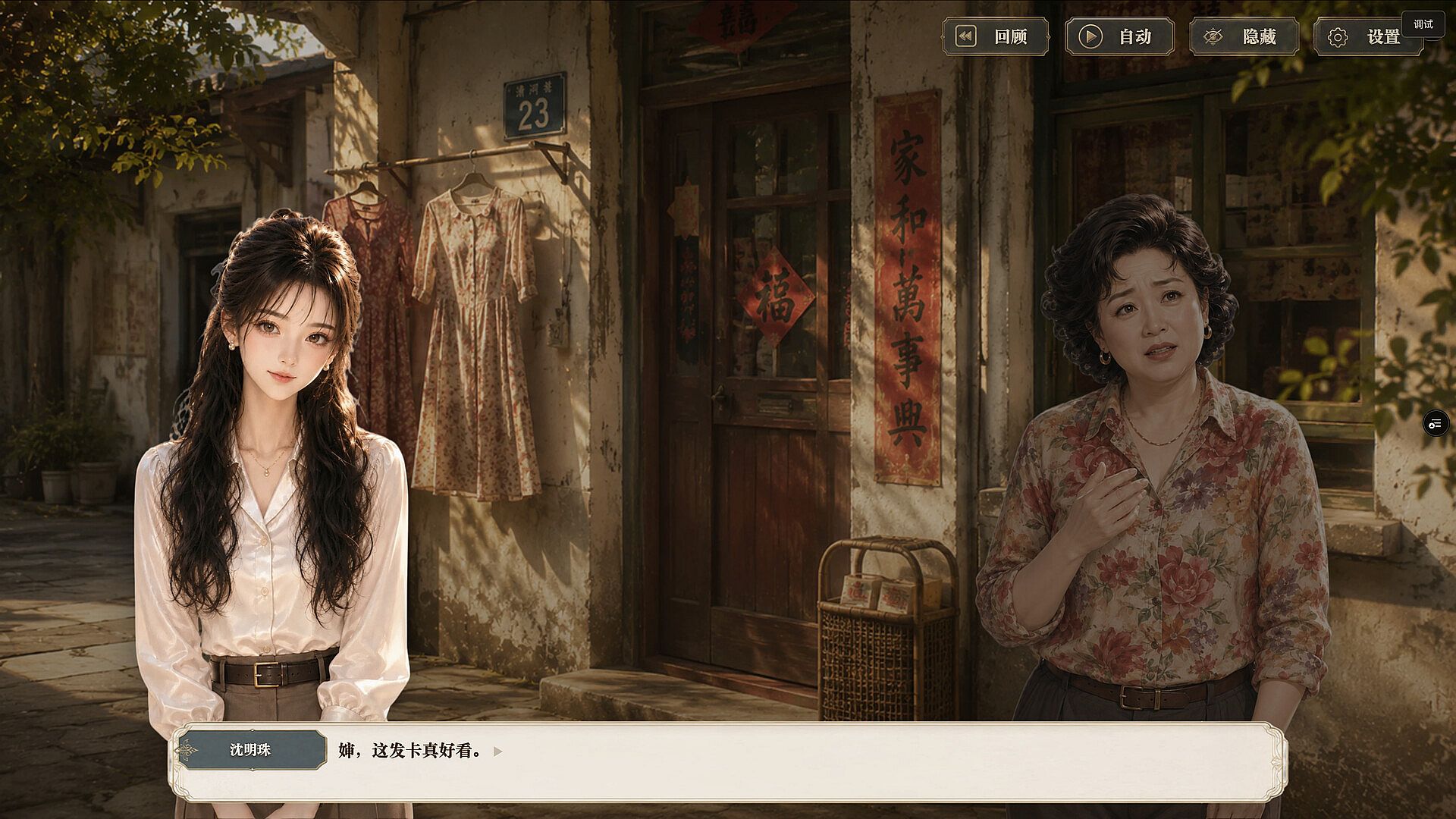
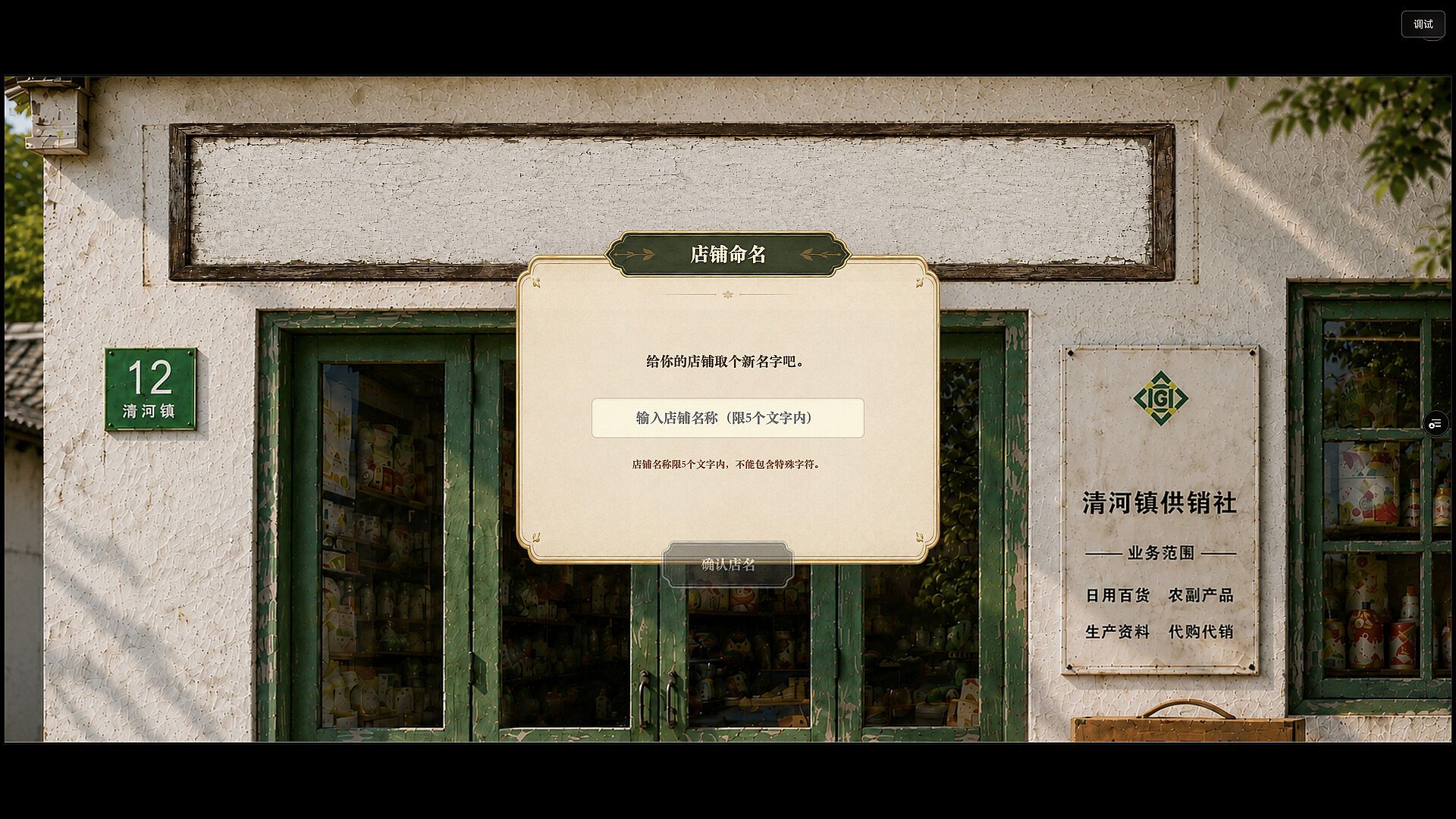
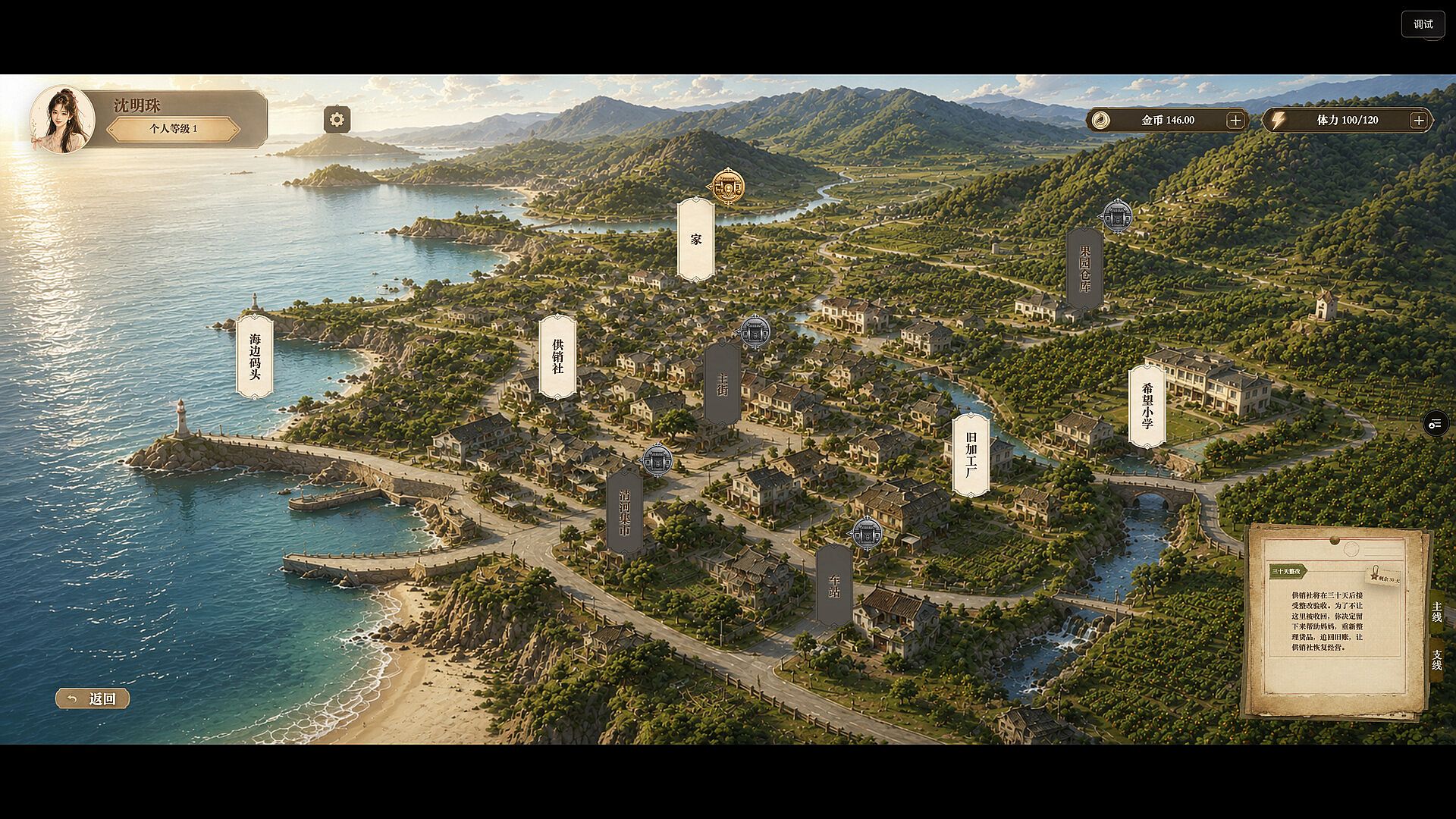
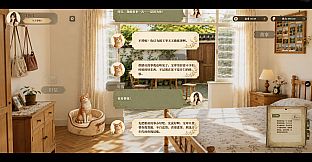
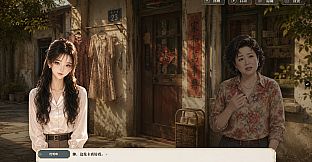
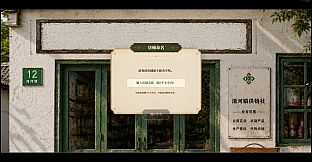
Homeward on the Wind is a single-player strategy RPG simulation game that blends store management with town restoration and narrative choices. Set in the fictional town of Clearbrook during 1992, players take on the role of Shen Mingzhu returning to revive her mother's struggling general store while reconnecting with residents and uncovering personal history.
Gameplay
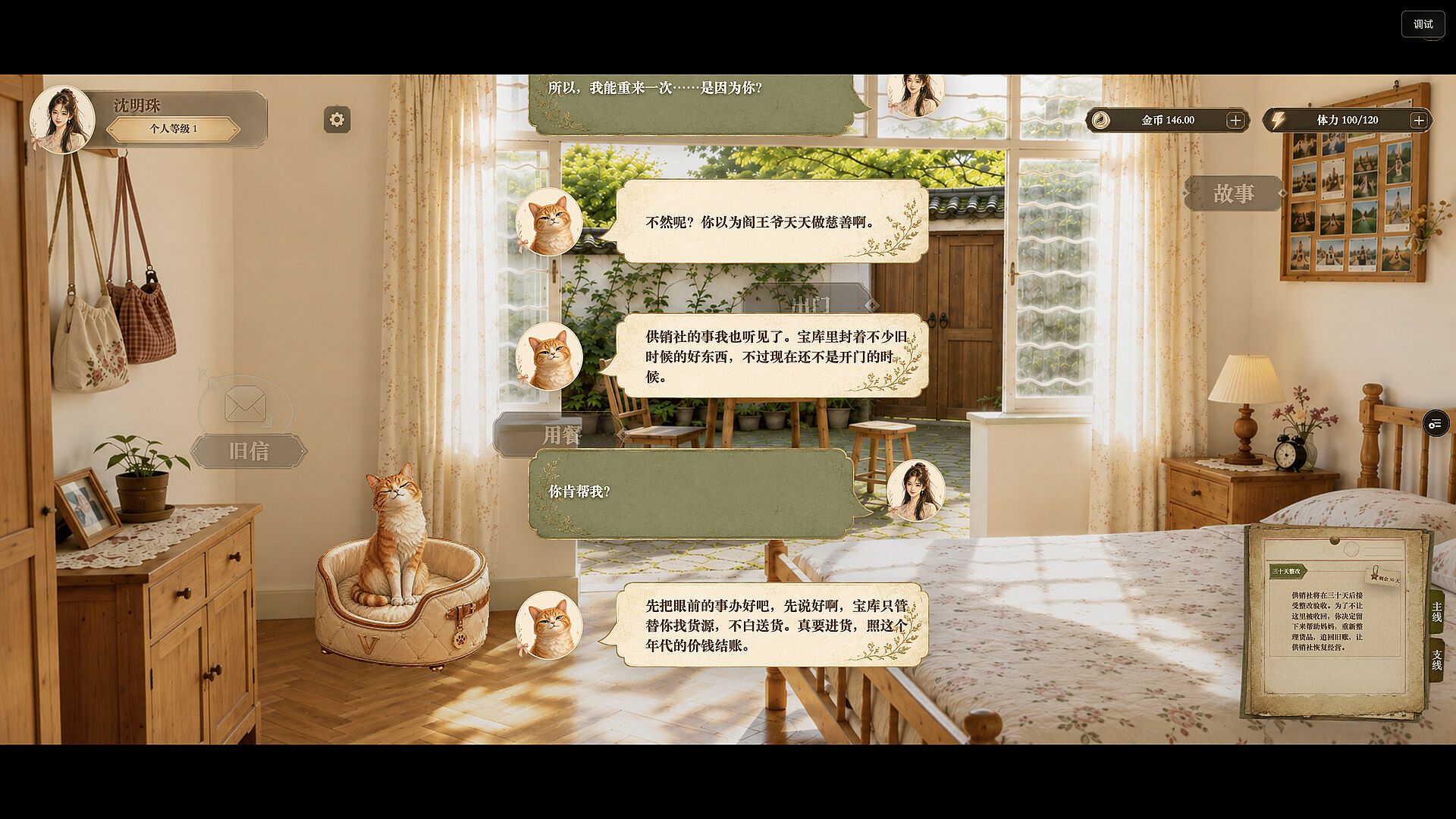
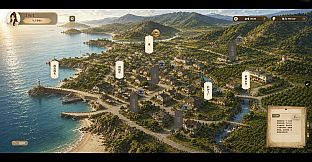
The core loop centers on operating the general store. Players restock shelves with goods inspired by 1990s nostalgia, manage inventory levels, and respond to the daily needs of townspeople who visit. Business growth leads to facility upgrades, new product unlocks, and the ability to expand into additional shops that introduce varied management systems. Exploration of Clearbrook forms another key pillar, where players meet residents, learn their stories, restore old buildings, and gradually reopen areas to bring color and activity back to the streets. Story decisions influence relationships with family members, friends, and other key figures, creating different paths through the narrative. A mysterious orange cat serves as a constant companion during store operations, town walks, and quieter moments, helping reveal hidden elements from the past.
Game Modes
Homeward on the Wind operates as a single-player experience without separate multiplayer or competitive modes. The design integrates store management, exploration, and story progression into one continuous journey. Players advance by balancing daily business tasks with town restoration efforts and relationship-building choices, all within the fixed 1992 setting of Clearbrook. No distinct challenge variants or alternate play styles beyond this unified structure have been detailed.
Story and Setting
The narrative unfolds through everyday interactions in a small town atmosphere. Returning to Clearbrook means confronting missed connections from the past, with player choices shaping bonds to the mother, old friends, and new acquaintances. Town restoration ties directly into the story, as revived buildings and areas unlock further resident encounters and personal revelations. The 1990s aesthetic extends to inventory items and environmental details, grounding the simulation in a specific era of everyday life.
Is It Worth Playing?
Homeward on the Wind targets players who enjoy relaxed strategy and simulation titles focused on management and light narrative elements. The combination of inventory planning, town rebuilding, and relationship decisions offers a steady progression loop suited to casual sessions. As a single-player title still listed as coming soon with no user reviews available, its appeal depends on interest in 1990s-inspired store simulation paired with story choices and companion elements. Those drawn to casual RPG and simulation genres may find the integrated systems rewarding once released, while players seeking competitive modes or large-scale multiplayer features should look elsewhere.