




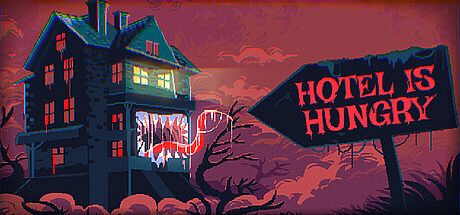



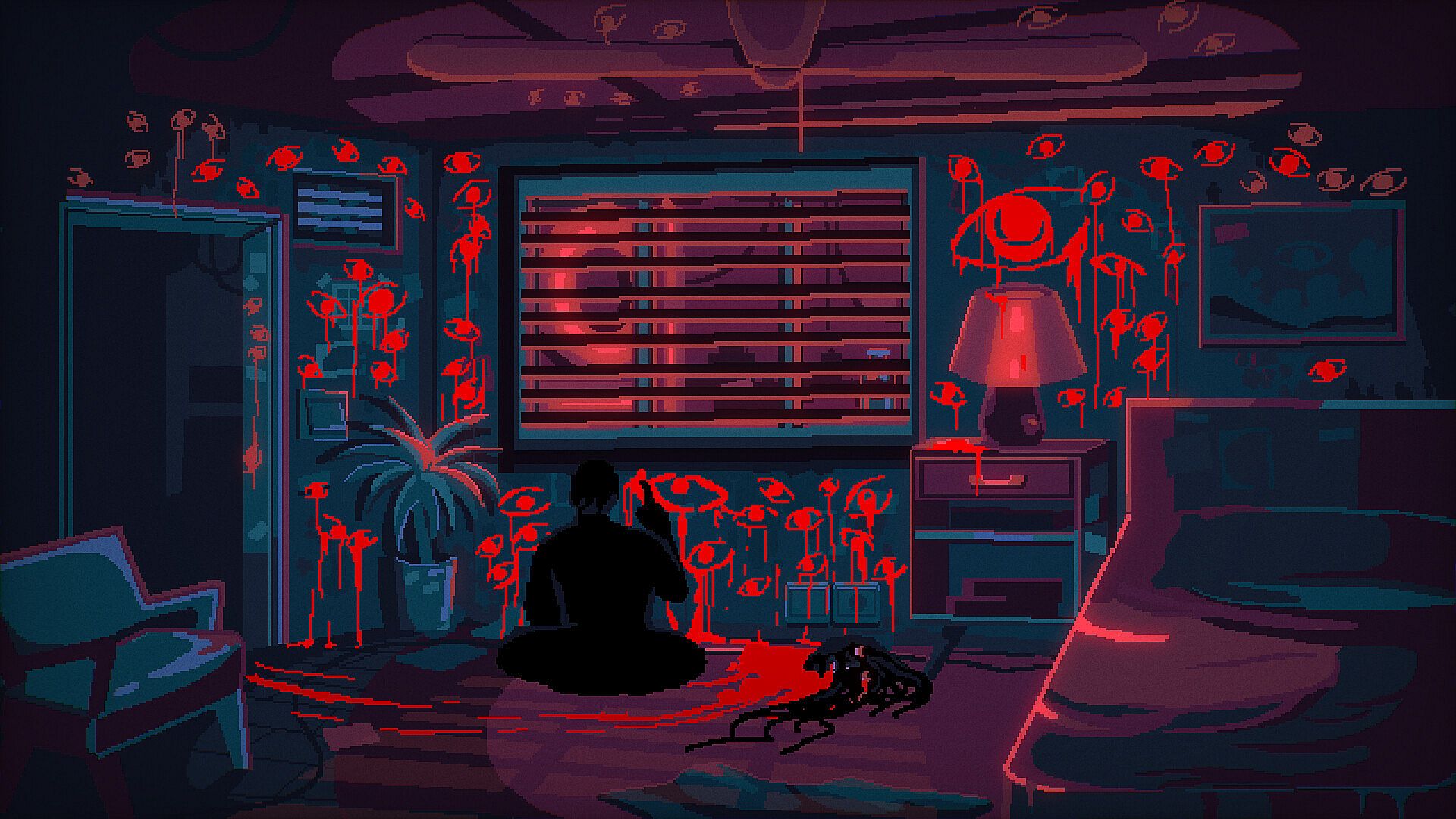
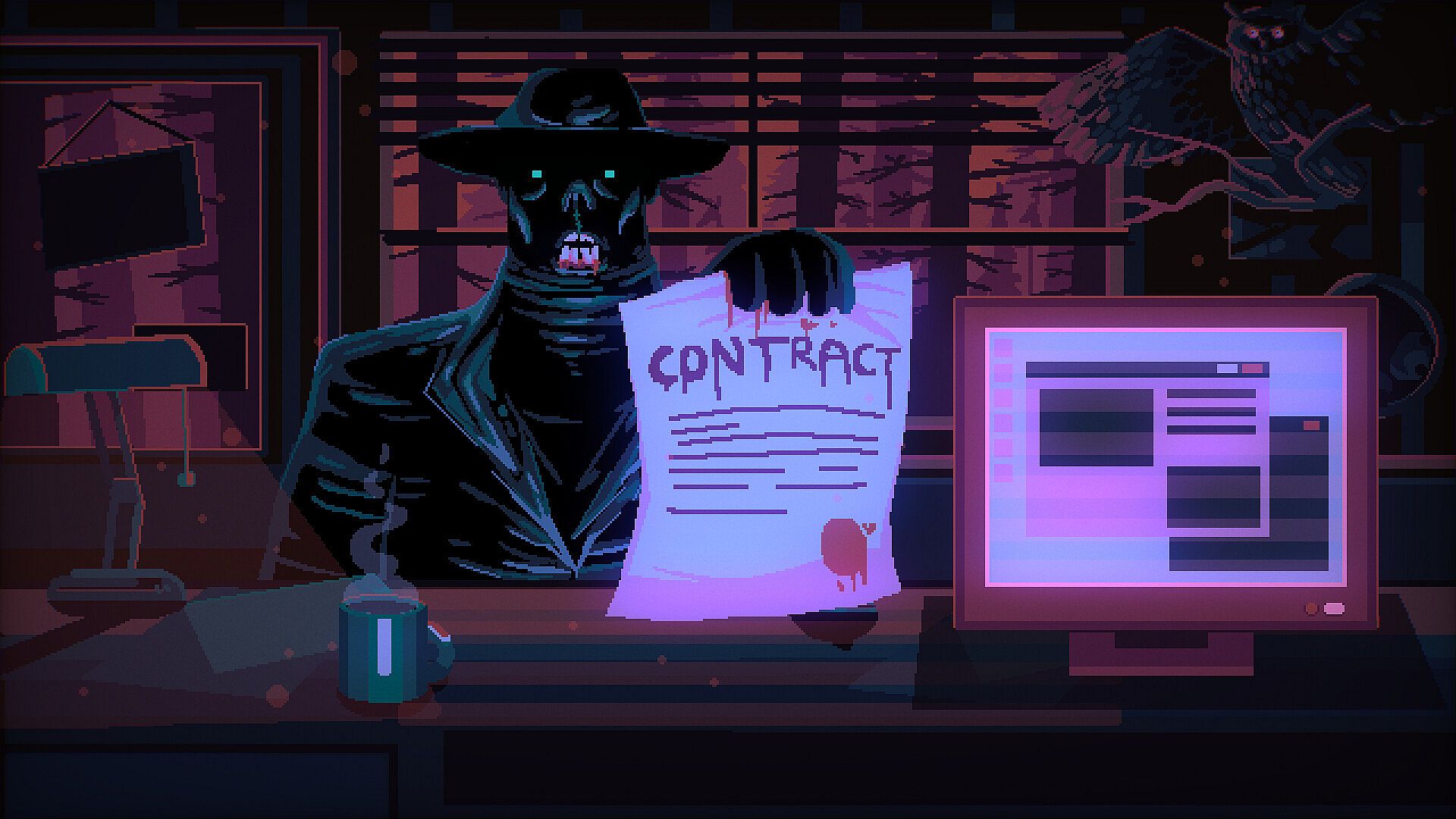


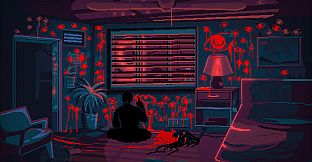
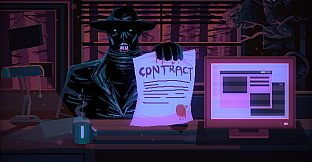
Hotel Is Hungry is an indie simulation game that blends hotel management with psychological horror on PC. Players take on the role of a front desk clerk in a living hotel that feeds on its guests after a solar flare has turned the outside world into a radioactive wasteland. The core premise centers on deciding who enters the building each day while concealing the building's true nature as a monstrous entity that grows hungrier with every passing night.
Gameplay
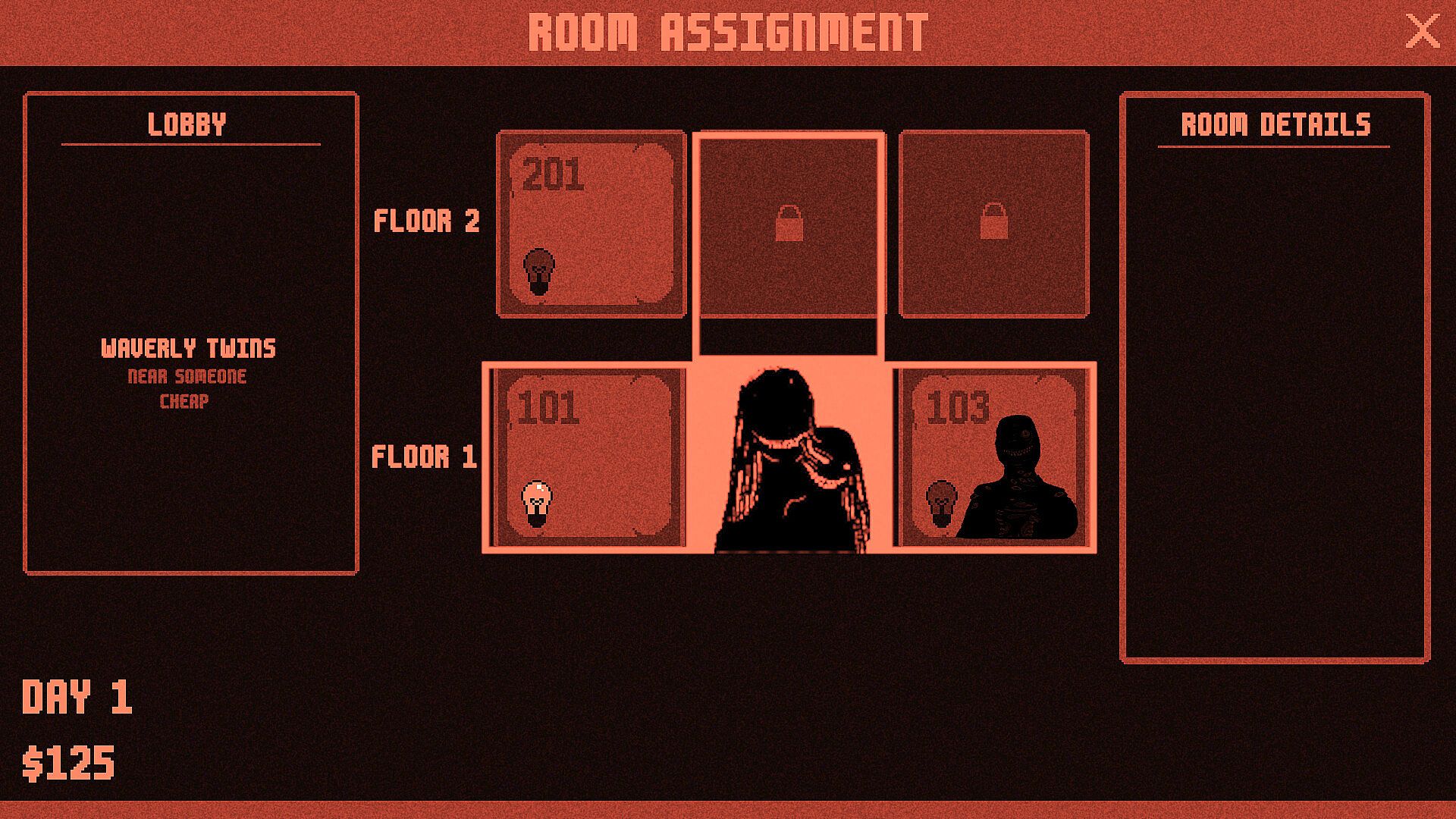
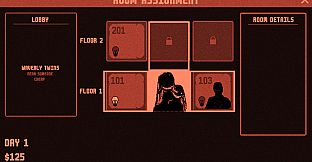
Daytime revolves around managing the reception desk. Each morning brings a new set of guests whose appearances and requests must be inspected carefully. Only one guest can be turned away per day, which forces difficult choices about who stays and who leaves. Placement of guests follows a Tetris-style system that assigns rooms based on their specific needs and the layout of available spaces. Wrong placements can trigger deadly events once darkness falls.
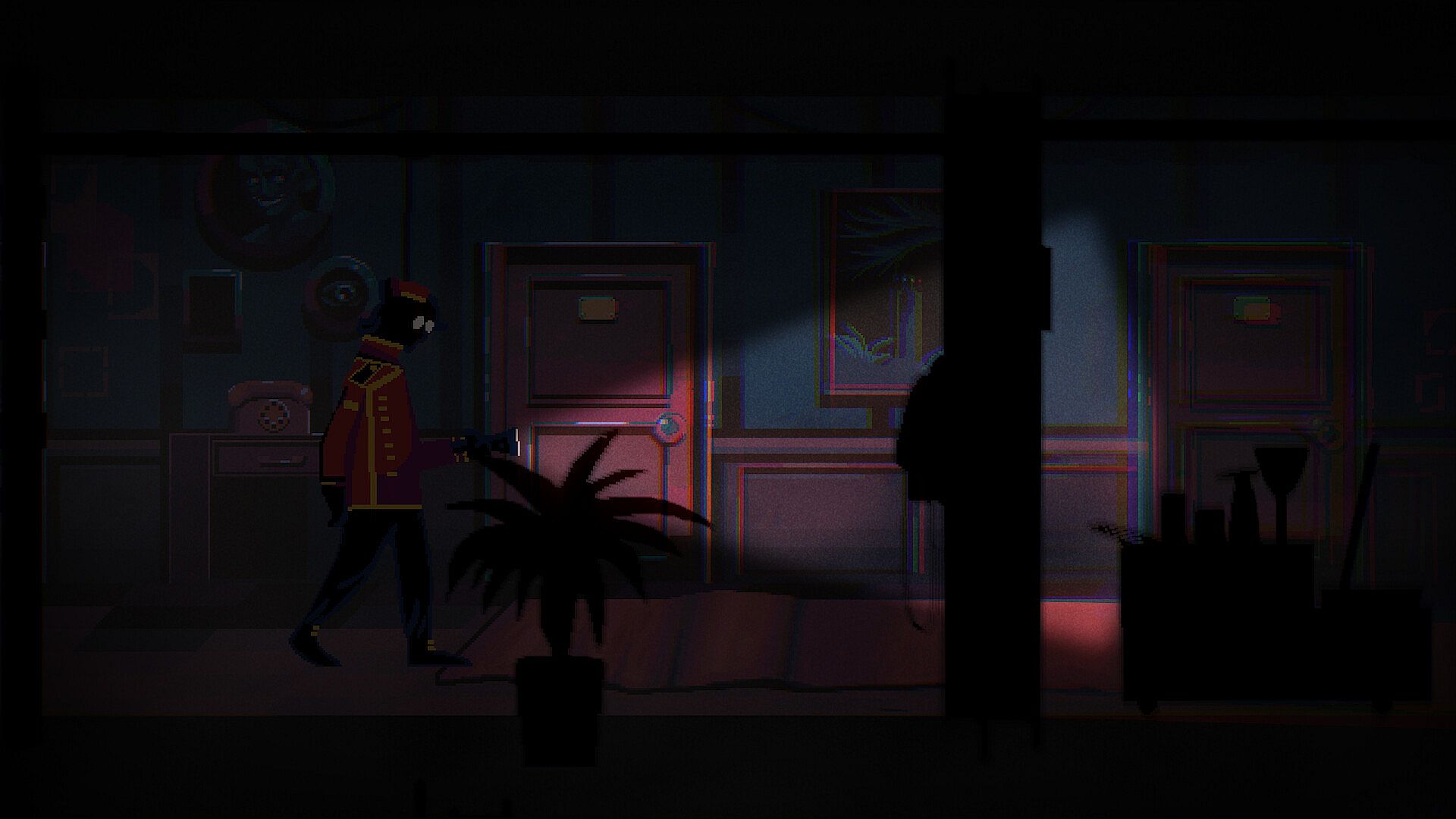
Nighttime shifts the focus to survival. The hotel corridors turn pitch black, and the player must navigate them with a flashlight while dealing with the consequences of earlier decisions. Power management requires routing electricity through the grid, and leaving any room unlit marks its occupant as prey for the building itself. Guests may knock with demands for items prepared at the bar, sending the player on risky round trips through dangerous hallways. If attacked, the only escape route leads to the brightly lit bar area where monsters cannot follow.
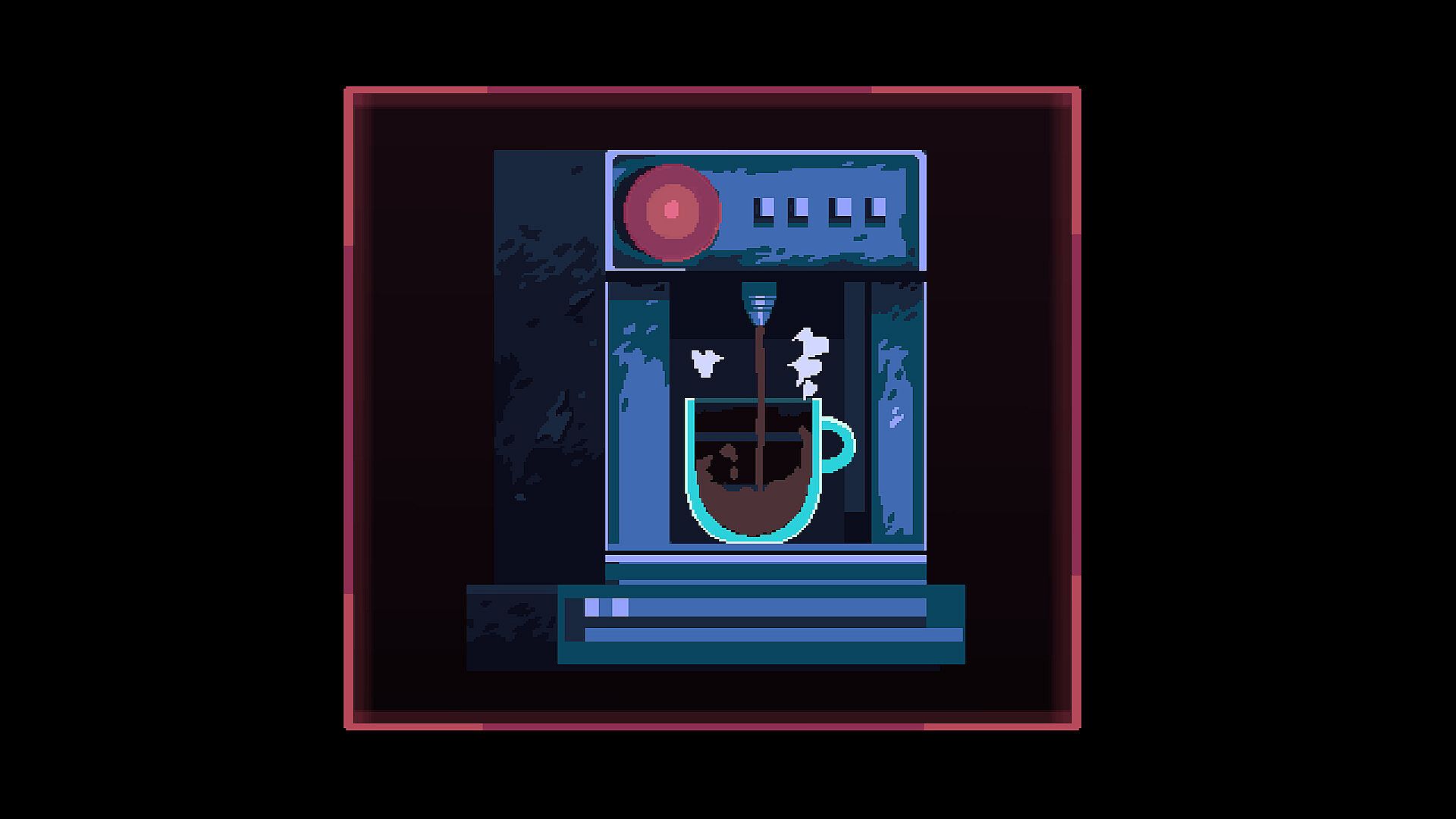
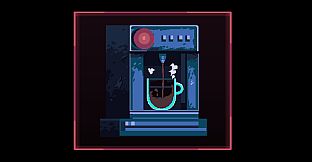
Progression involves using earnings to expand the hotel with new floors and rooms. Minigames tied to preparing coffee, beer, and microwave orders increase income, while upgrades to the flashlight and generator improve survival odds. Every night introduces shifting conditions such as flickering lights and changing guest behaviors, ensuring no two evenings play out identically. The hotel functions as a living organism whose hunger must be satisfied or redirected.
Game Modes
The experience unfolds as a single continuous campaign without separate named modes. Each night builds on previous choices, with permanent consequences that alter future guest interactions and hotel behavior. Procedural elements like generator failures and roaming guests create variation within the core loop of daytime management and nighttime survival. The structure emphasizes replayability through different outcomes rather than distinct multiplayer or competitive formats.
Key Mechanics
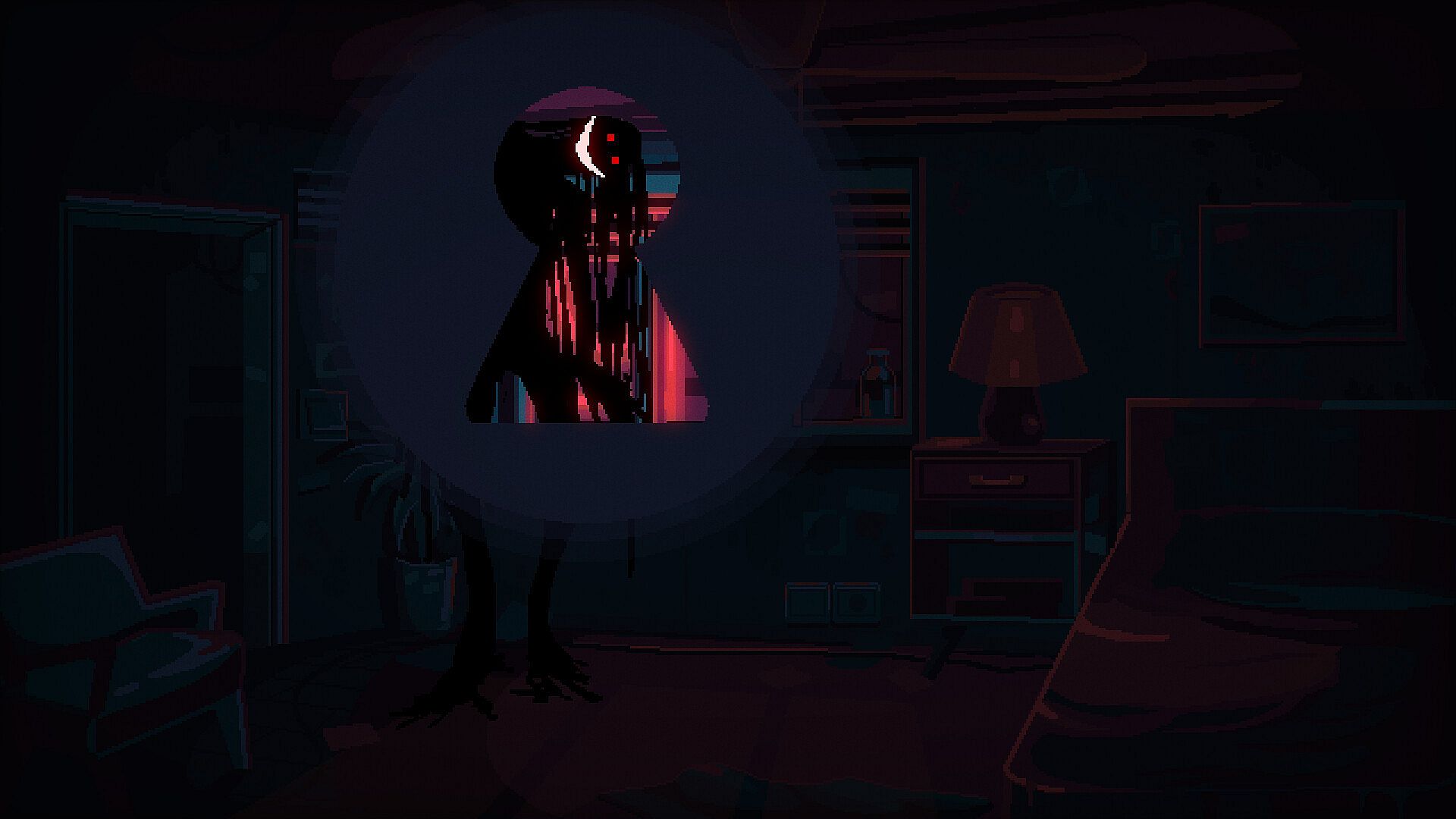
Inspection tools include peering through keyholes when guests refuse to communicate, though this action carries the risk of encountering an eye on the other side or triggering an immediate attack. The Tetris-like room assignment system requires balancing guest requests against the hotel's layout to minimize nighttime threats. Power allocation decisions directly determine who becomes the hotel's meal, adding tension to every evening's preparations. Upgrades and expansions provide tangible improvements to both income and defensive capabilities over time.
Is It Worth Playing?
Hotel Is Hungry targets players who enjoy deliberate, choice-driven simulation combined with horror tension. The claustrophobic setting and permanent consequences of daily decisions create a focused singleplayer experience that rewards careful planning and quick reactions during nighttime sequences. Because the game remains in development with a planned release in Q2 2027, interested players can follow updates from the developer to assess final polish and feature completeness closer to launch. Those drawn to hotel management sims with a dark twist will find the described systems align closely with the premise of concealing a monstrous truth while managing limited resources and unpredictable threats.











