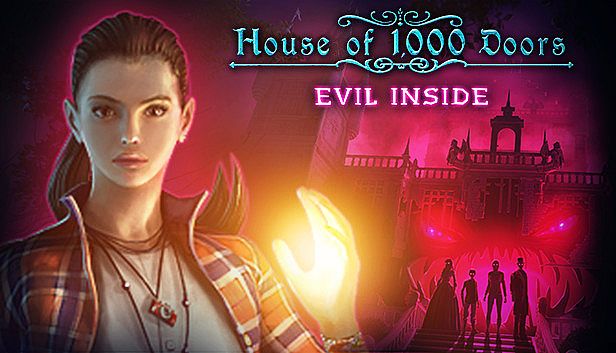

















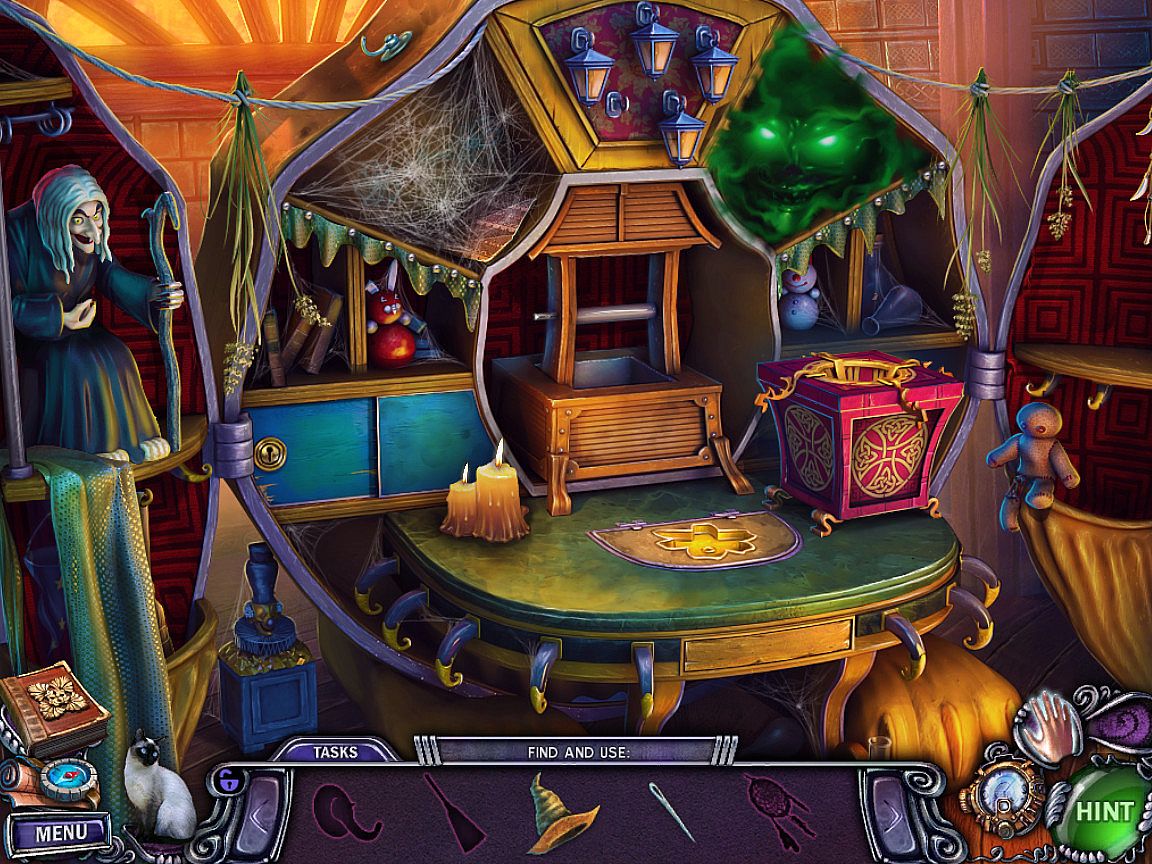
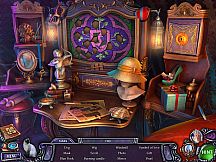
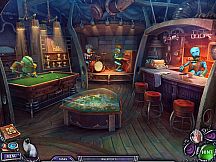
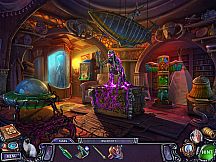
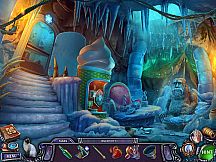
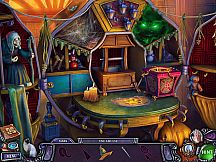
House of 1000 Doors: Evil Inside is a casual adventure game built around hidden object scenes, puzzle solving, and light-based mechanics. Players take control of Emily, a photographer who discovers her ability to wield light against a spreading darkness that threatens the world. The title blends exploration across distinct environments with object collection and problem-solving tasks to advance the narrative.
Gameplay
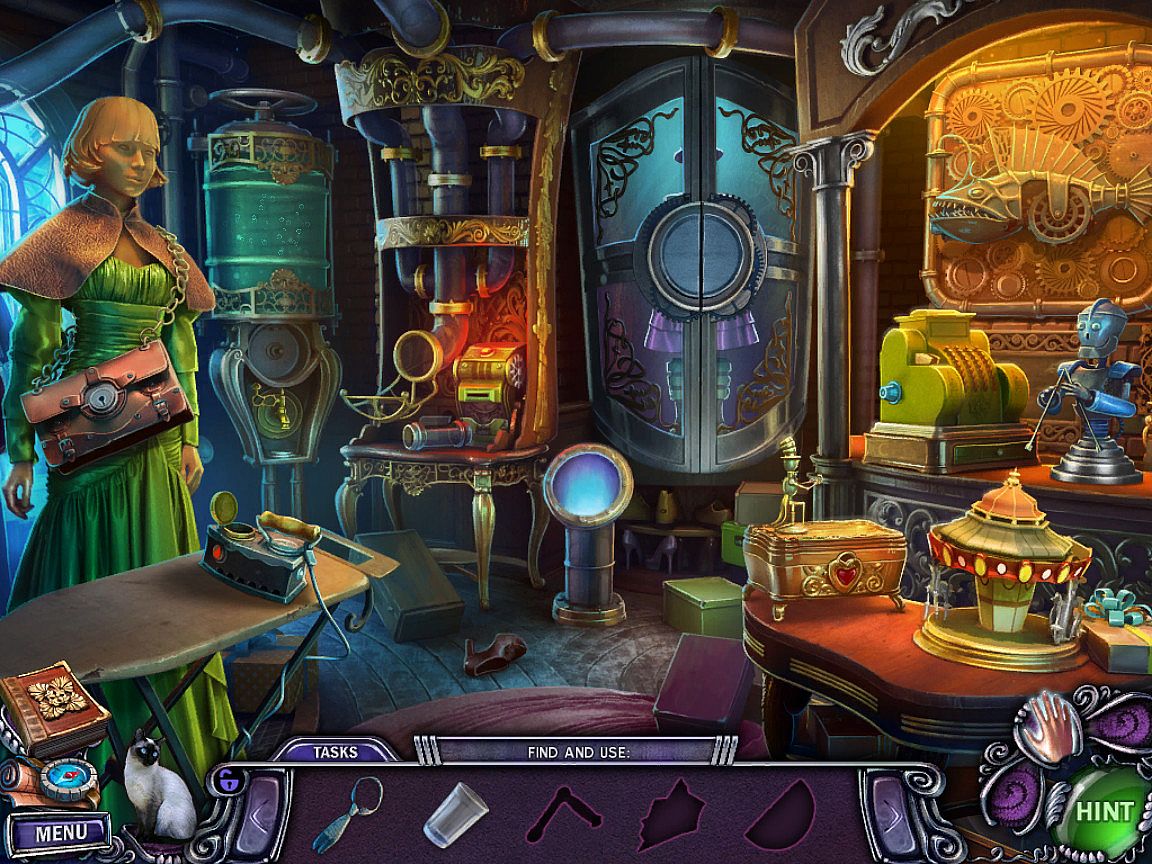
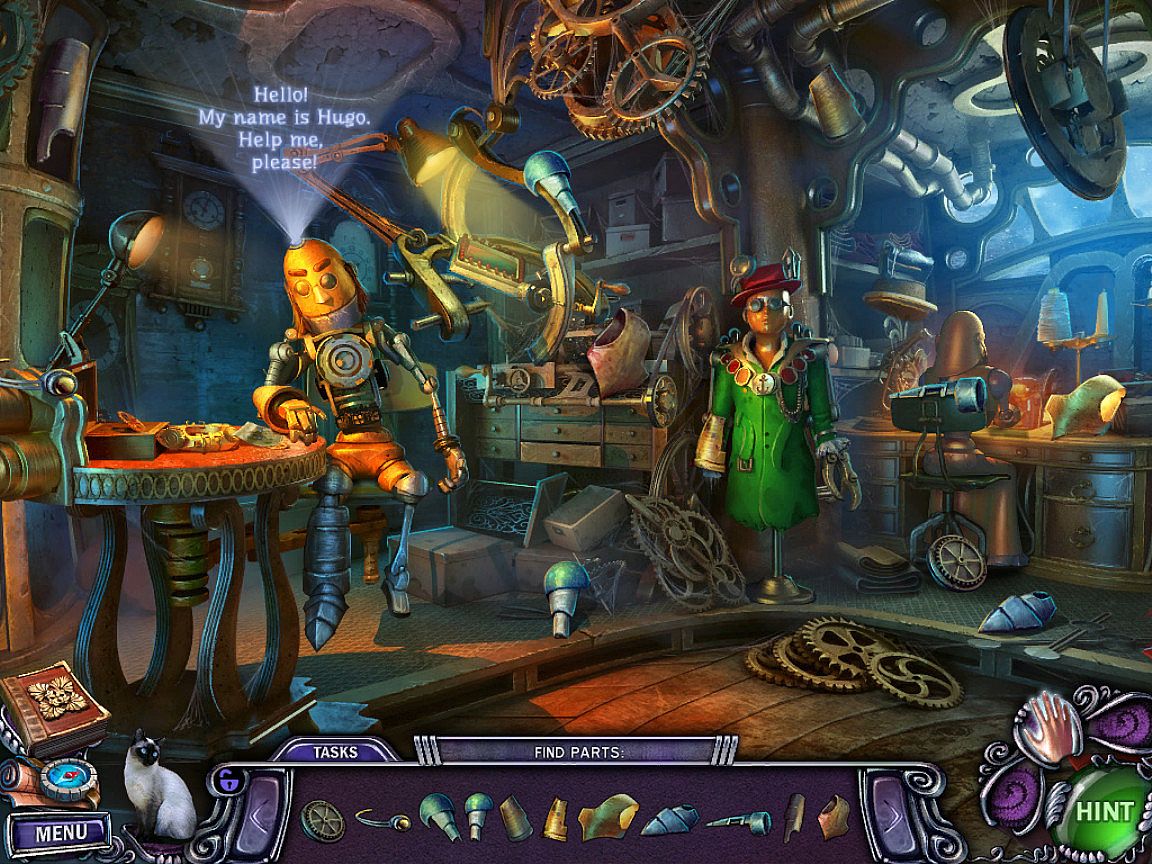
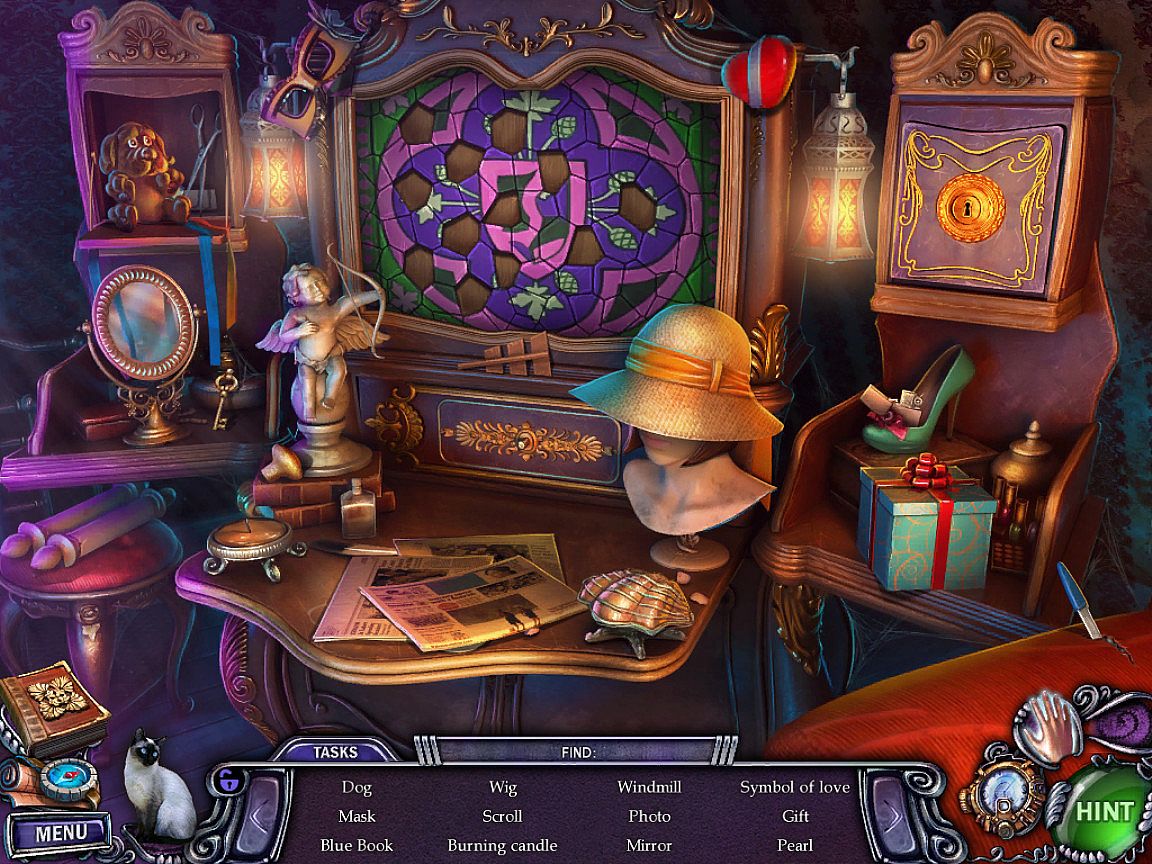
The core loop centers on navigating locations filled with interactive elements. Players search detailed scenes for cleverly concealed items that contribute to progress. These hidden object sequences alternate with standalone puzzles and short mini-games that test logic and observation skills. Emily's light ability serves as a central tool, applied to cleanse corrupted areas and advance through the environments. The experience emphasizes steady progression through a linear story structure supported by visual storytelling and atmospheric audio cues. Controls remain straightforward, relying on point-and-click interactions suited to the casual genre.
Game Modes
The game operates entirely in single-player format with no multiplayer components. The primary experience follows the main campaign across multiple chapters set in three distinct worlds. Completing the central story unlocks additional content that extends playtime, including a dedicated bonus chapter along with supplementary artwork and other extras. No separate competitive or cooperative modes exist, keeping the focus on narrative-driven exploration and puzzle resolution.
Story and Setting
A mysterious creature arrives to unleash a destructive force across Earth, prompting the appearance of the House of 1000 Doors near Emily's home. She becomes central to the conflict due to her innate gift with light. The plot unfolds through visits to three worlds governed by figures overtaken by the darkness. Progression reveals more about the threat and Emily's role while she works to restore balance. Cinematic sequences and character interactions support the unfolding events without requiring external knowledge of prior titles.
Visuals and Presentation
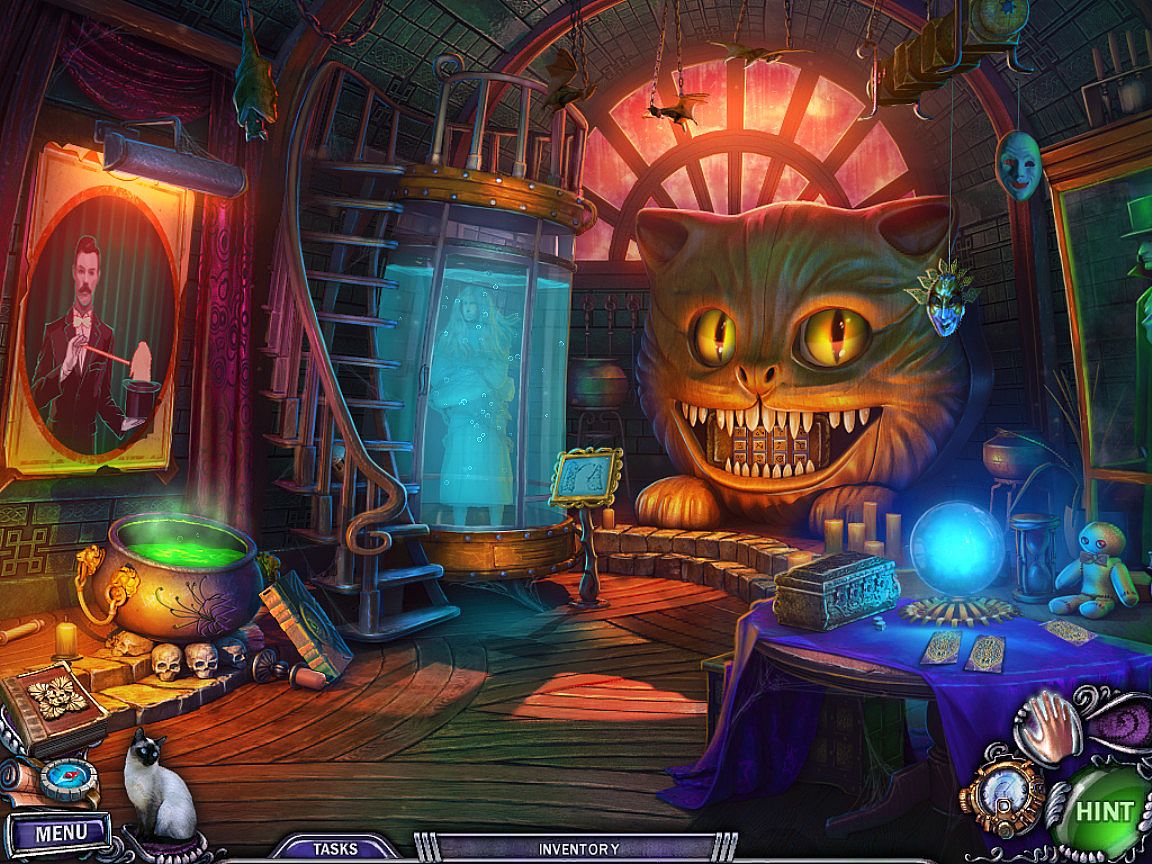
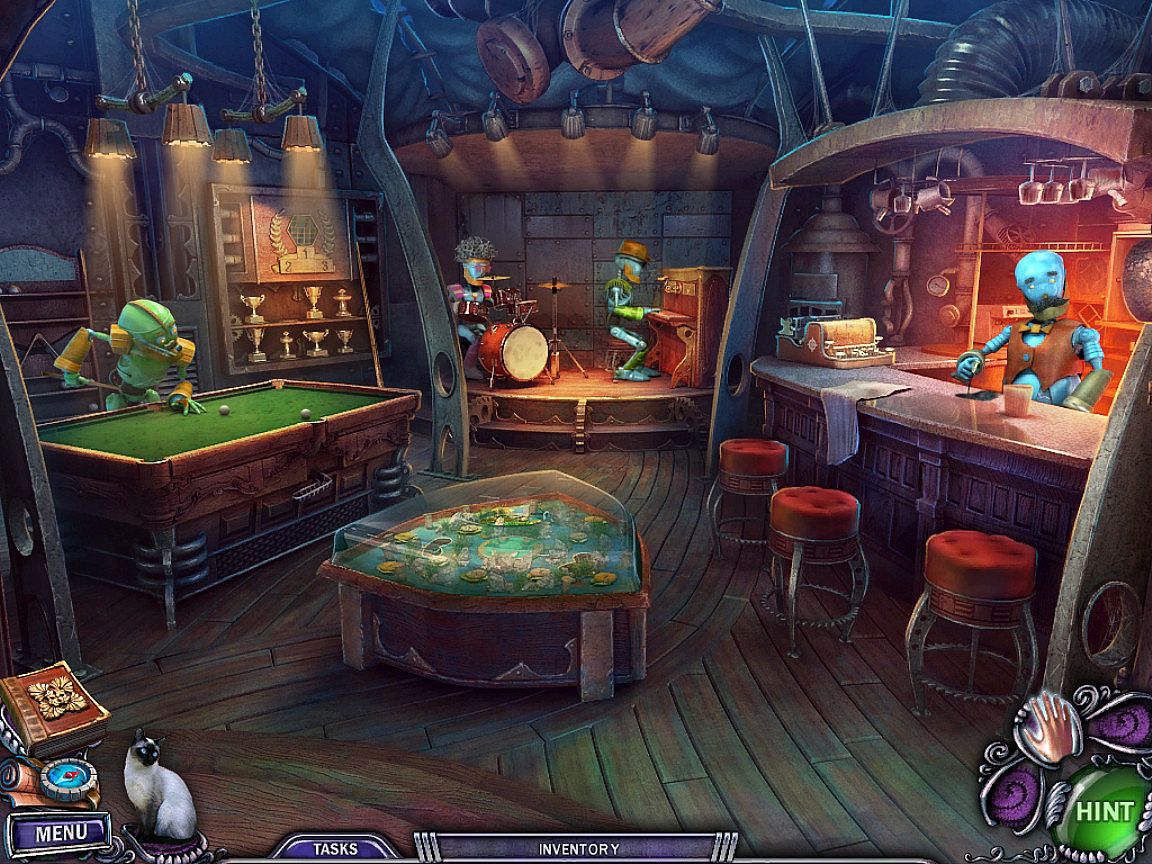
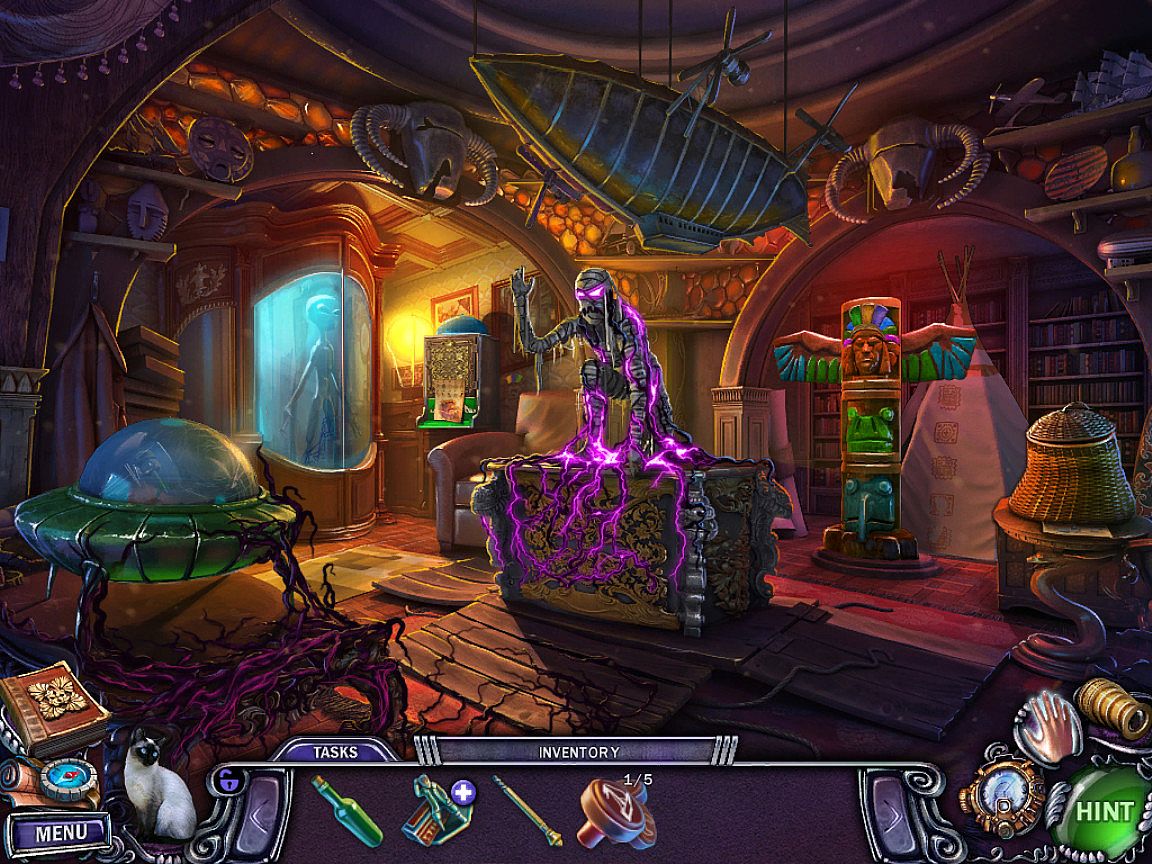
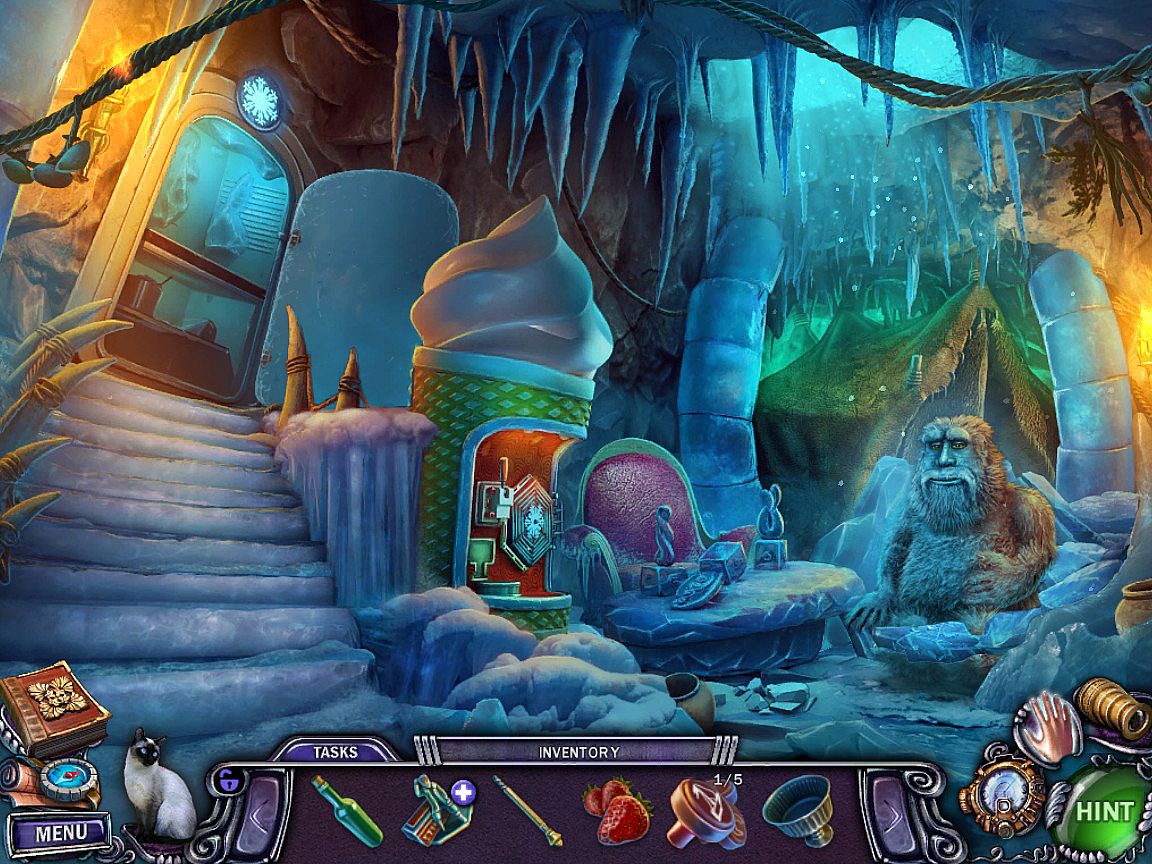
Artwork features detailed environments and character designs that highlight the contrast between light and shadow themes. Animations accompany key actions and transitions, while an original soundtrack underscores tense moments and quieter exploration segments. The presentation maintains a consistent style across scenes, supporting immersion through visual variety in the three main worlds.
Is It Worth Playing?
Player feedback on the title shows mixed results, with Steam reviews sitting at 62 percent positive from over one hundred submissions. Positive comments often note the engaging plot, varied puzzles, solid four-hour main campaign length, and attractive artwork. Some players appreciate the bonus chapter and overall production values. Criticisms tend to focus on occasional pacing or technical issues in extra content. The game suits those who enjoy hidden object adventures and puzzle-focused casual experiences. It delivers a self-contained story with rewarding mechanics for fans of the genre, though expectations should align with its mixed reception and shorter overall duration. Availability on PC makes it accessible for players seeking a straightforward single-player adventure without ongoing updates or seasonal content.