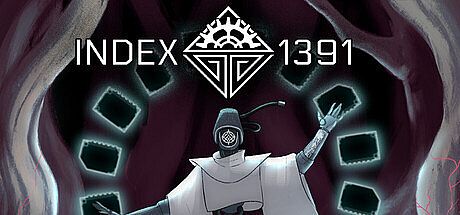


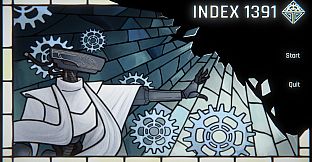
Index 1391 is a strategy game that combines roguelike structure with deck-building mechanics on PC. Players navigate a twisted Sanctum while managing sacred cards to combat the VIRUS that threatens their faith. The experience centers on careful deck construction and tactical execution rather than fast-paced action.
Gameplay
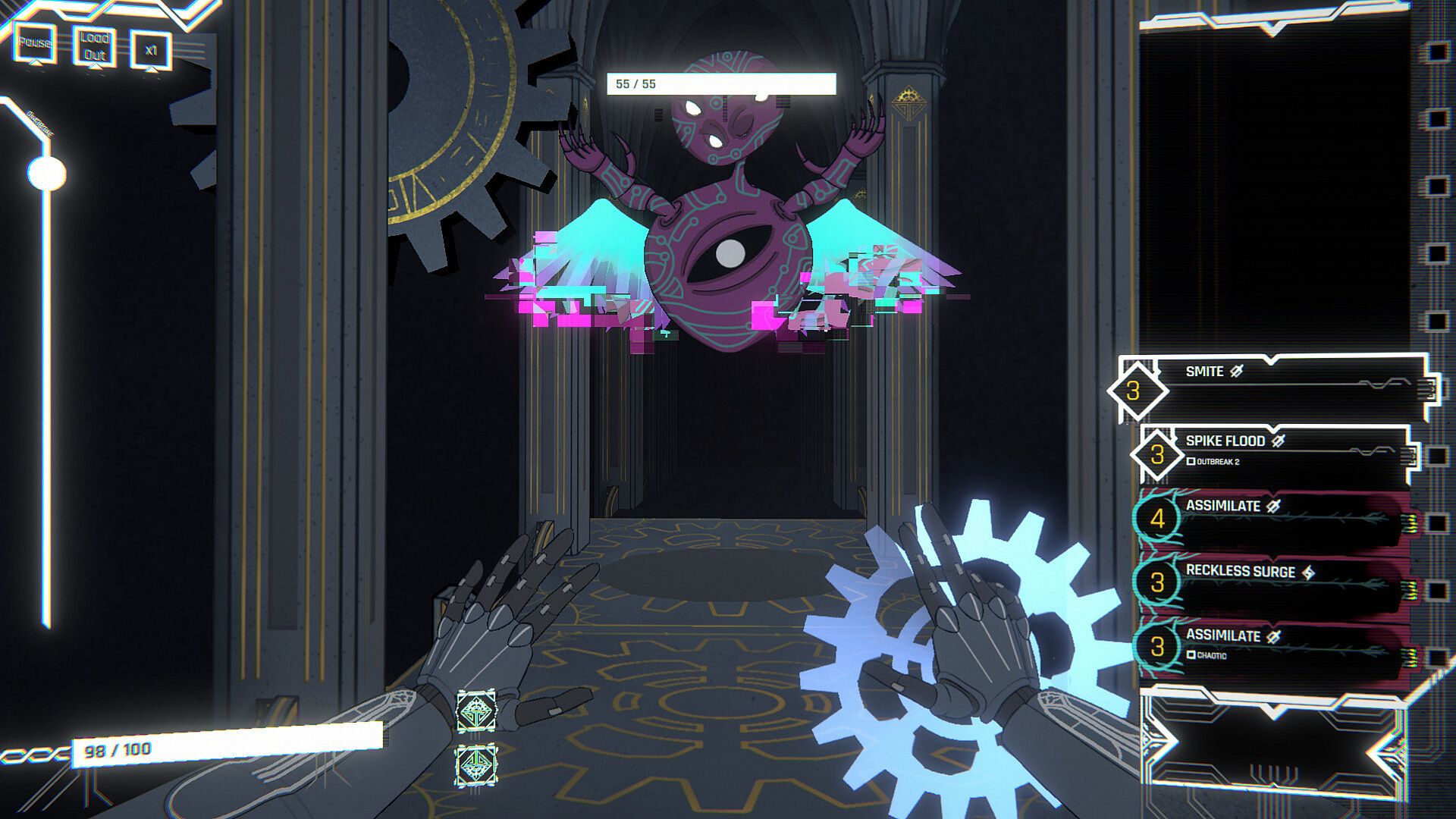
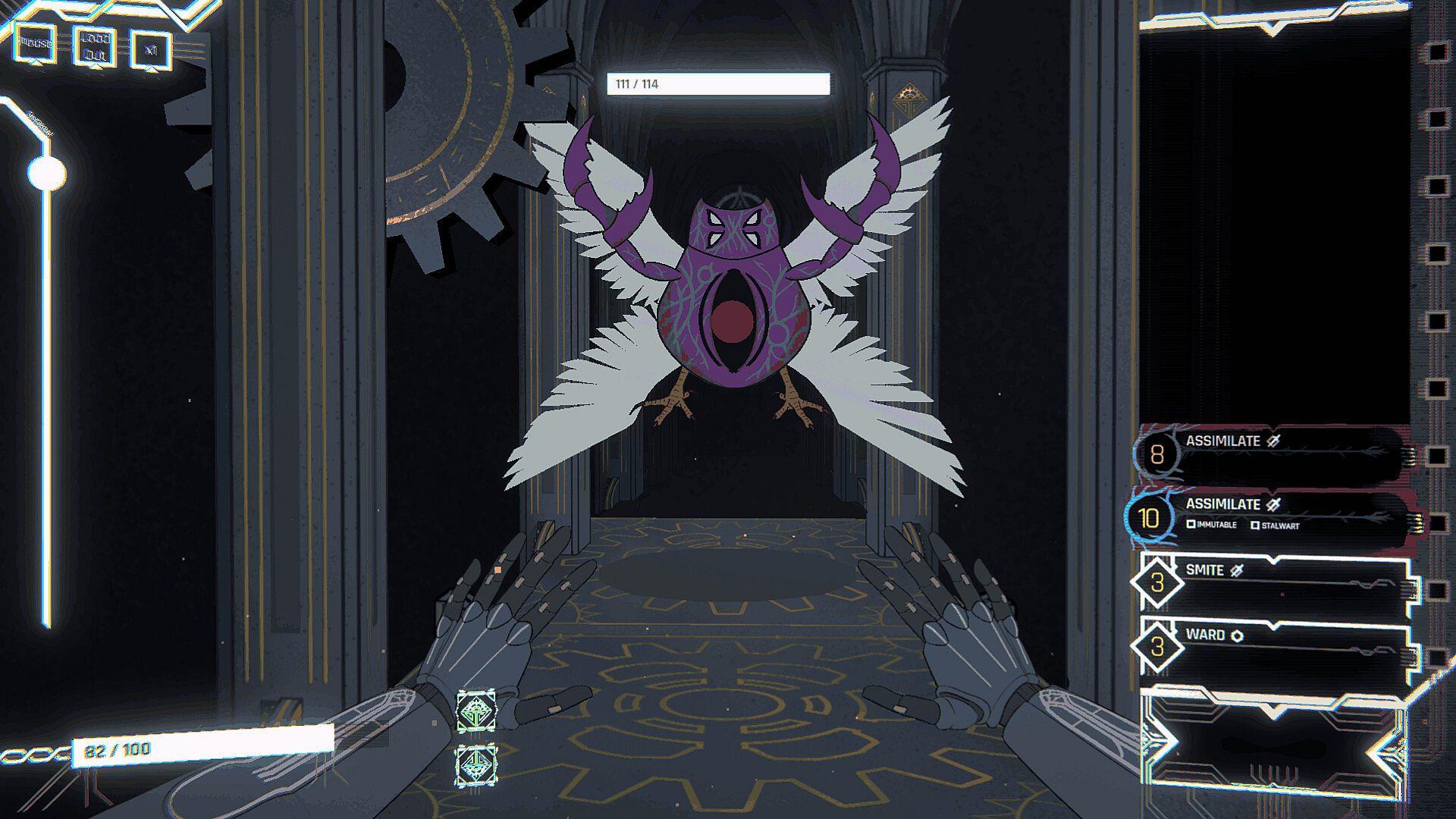
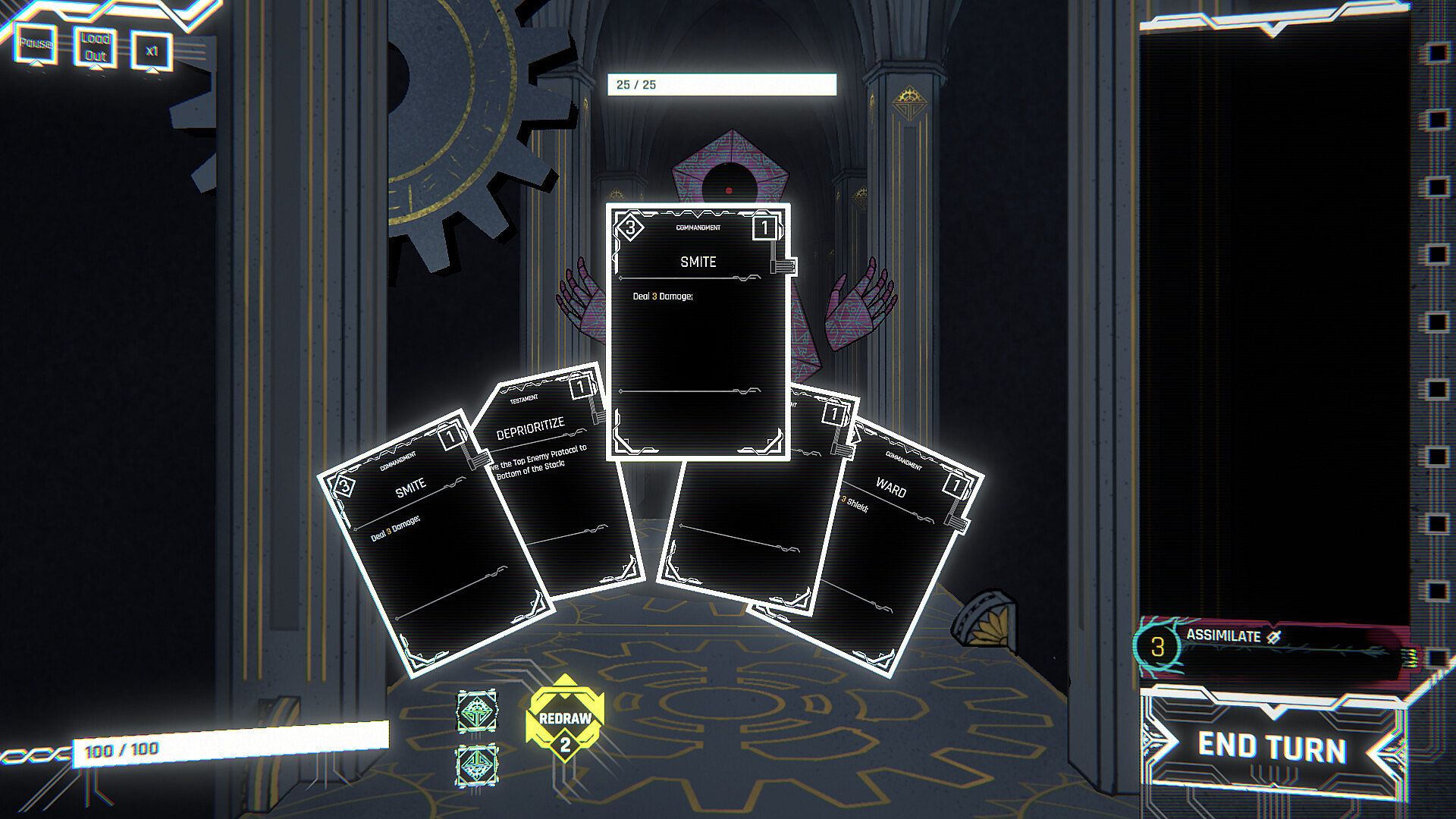
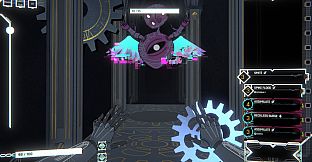
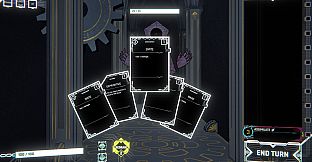
The core loop revolves around collecting and combining cards to form effective decks. Each card contributes to a Stack of Protocols that resolve at the end of the turn. This system requires players to anticipate both their own effects and any interference from enemies. Corrupted minions from the VIRUS can insert their own Protocols into the Stack, forcing adjustments to maintain control over the sequence of events.
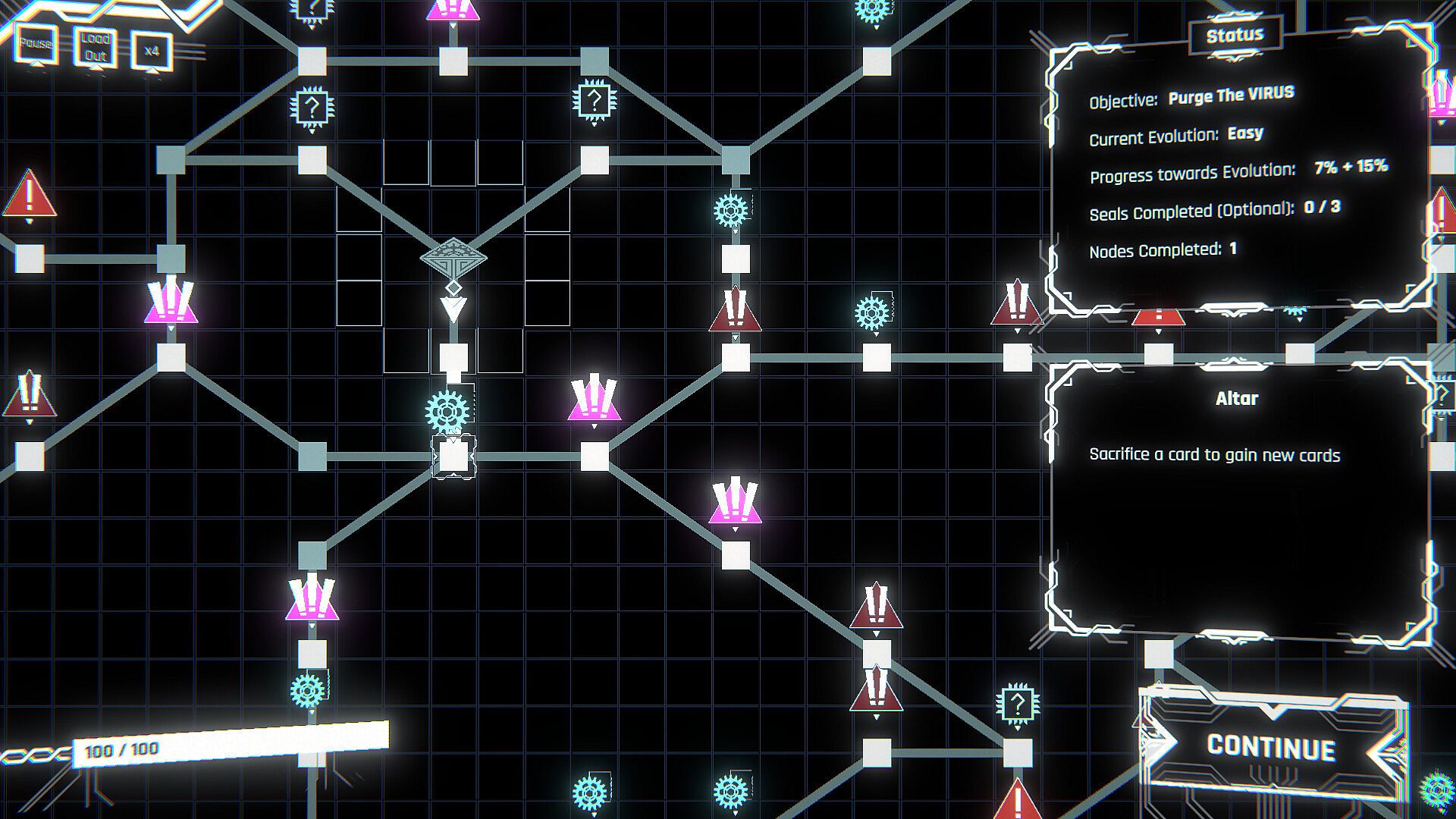
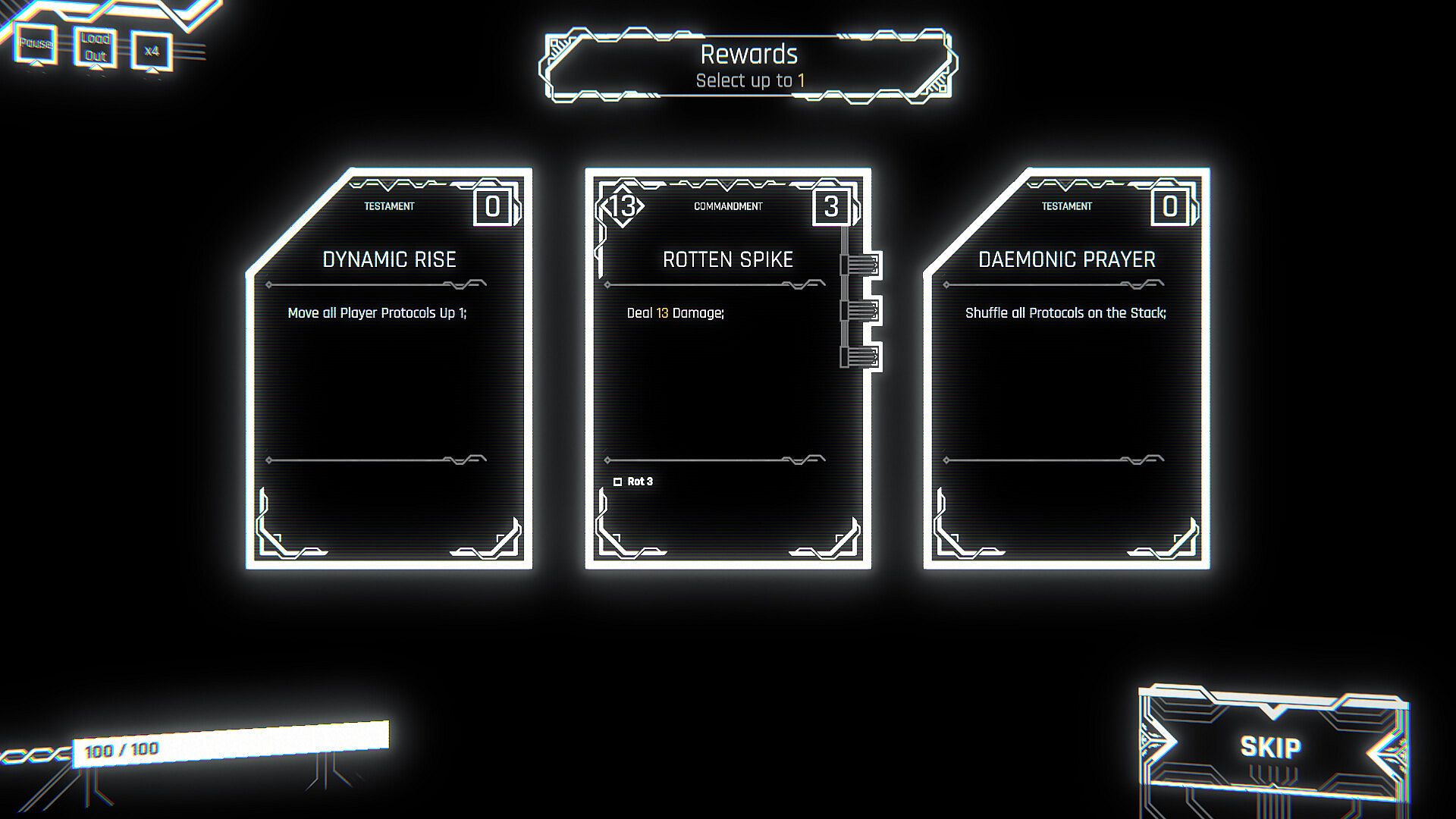
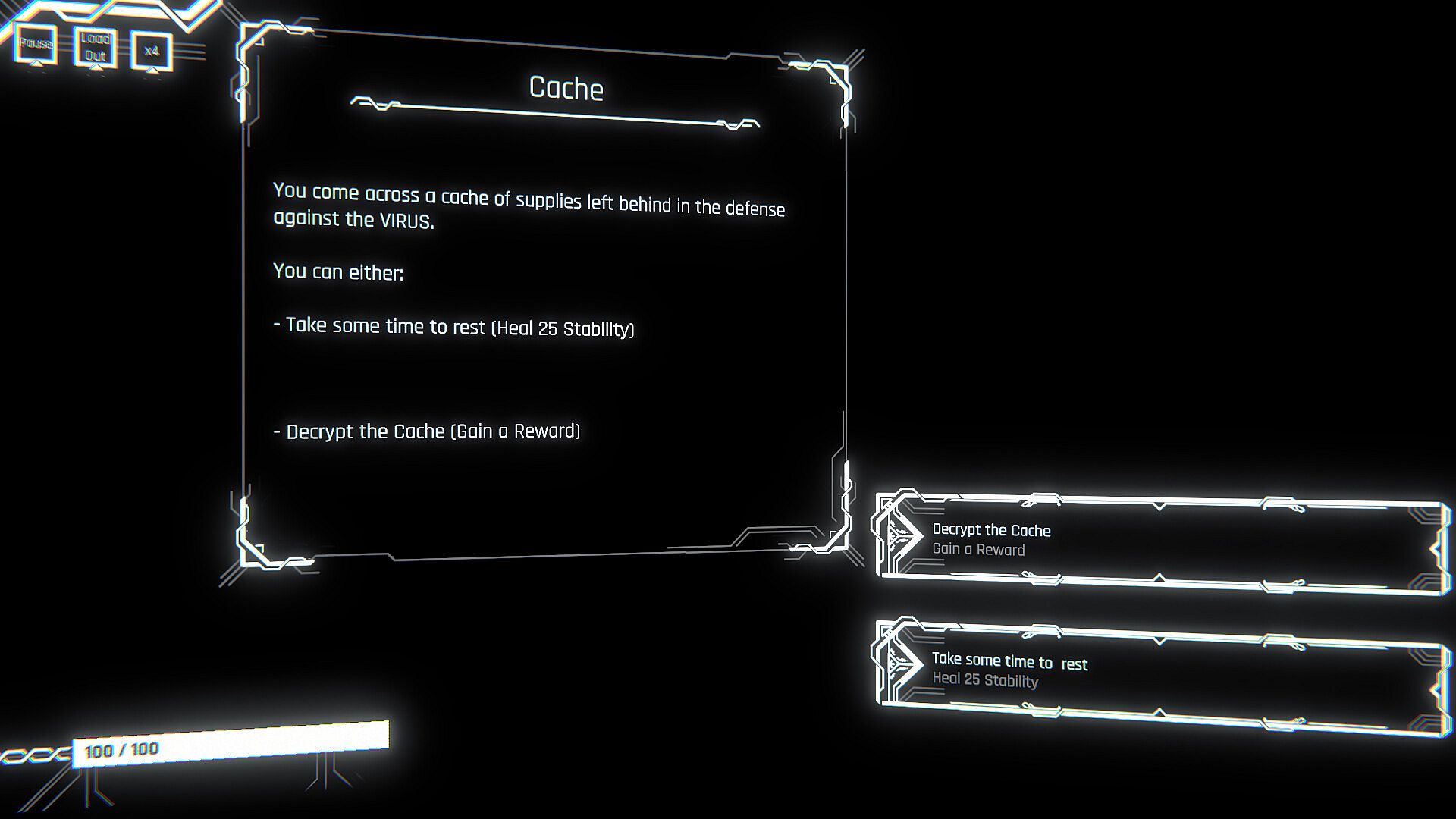
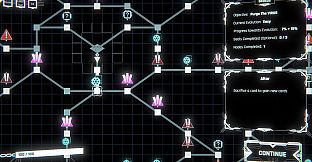
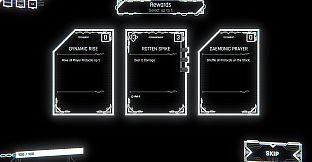
Doctrines appear as rewards during exploration and alter fundamental combat rules. These permanent or semi-permanent changes expand the range of viable strategies across multiple runs. Route planning through the Sanctum nodes determines which cards and Doctrines become available, with each node presenting distinct risks and potential gains. Because every journey generates a fresh Sanctum layout, repeated attempts emphasize adaptation over repetition of the same path.
Deck building occurs between encounters as players discover new cards and decide which ones to retain. The tension between preserving sacred order and incorporating chaotic VIRUS elements influences long-term deck identity. Successful play demands foresight in ordering the Stack so that beneficial Protocols activate before harmful ones can disrupt the plan.
Game Modes
Index 1391 operates as a single-player roguelike experience focused on repeated runs toward the Sanctum core. Each attempt presents a new procedural layout with its own set of challenges and card opportunities. There are no separate competitive or cooperative modes confirmed at this stage; progress centers on surviving successive nodes while refining deck composition and Doctrine selection.
Players manage the interplay between their Protocols and the VIRUS corruption within each run. The absence of fixed levels encourages experimentation across different card synergies and route choices. Completion of one journey does not carry over permanent upgrades beyond the knowledge gained for the next attempt.
Key Mechanics
Protocol stacking forms the central tactical layer. Cards played during a turn accumulate effects that execute simultaneously at turn end, creating opportunities for chained interactions. Enemy actions can corrupt this process, so part of every decision involves accounting for potential disruptions. Doctrines modify these interactions at a higher level, sometimes changing how cards interact or how the Stack resolves.
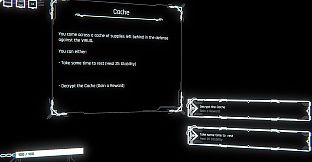
Exploration rewards careful navigation. Nodes vary in difficulty and payout, so choosing paths that align with current deck strengths improves survival odds. The procedural nature of each Sanctum ensures that no two journeys follow identical patterns, rewarding players who adjust strategies on the fly.
Is It Worth Playing?
Index 1391 suits players who enjoy methodical deck construction and turn-based planning within a roguelike framework. The emphasis on Stack management and Doctrine customization provides depth for those who appreciate systems that reward foresight and adaptation. Because each run generates unique challenges, the game maintains variety through procedural generation rather than through additional modes or content tiers.
Those seeking fast action or multiplayer competition will find the deliberate pacing and single-player focus less appealing. The title remains in active development, with its current form centered on the core Sanctum journey and card systems described above. Players interested in techno-gothic themed strategy deckbuilders can evaluate the mechanics through available previews or wait for further updates on release timing.