


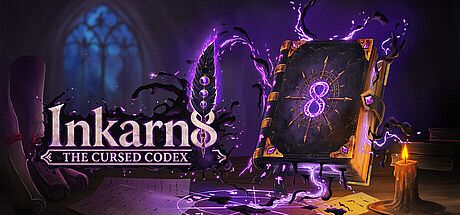


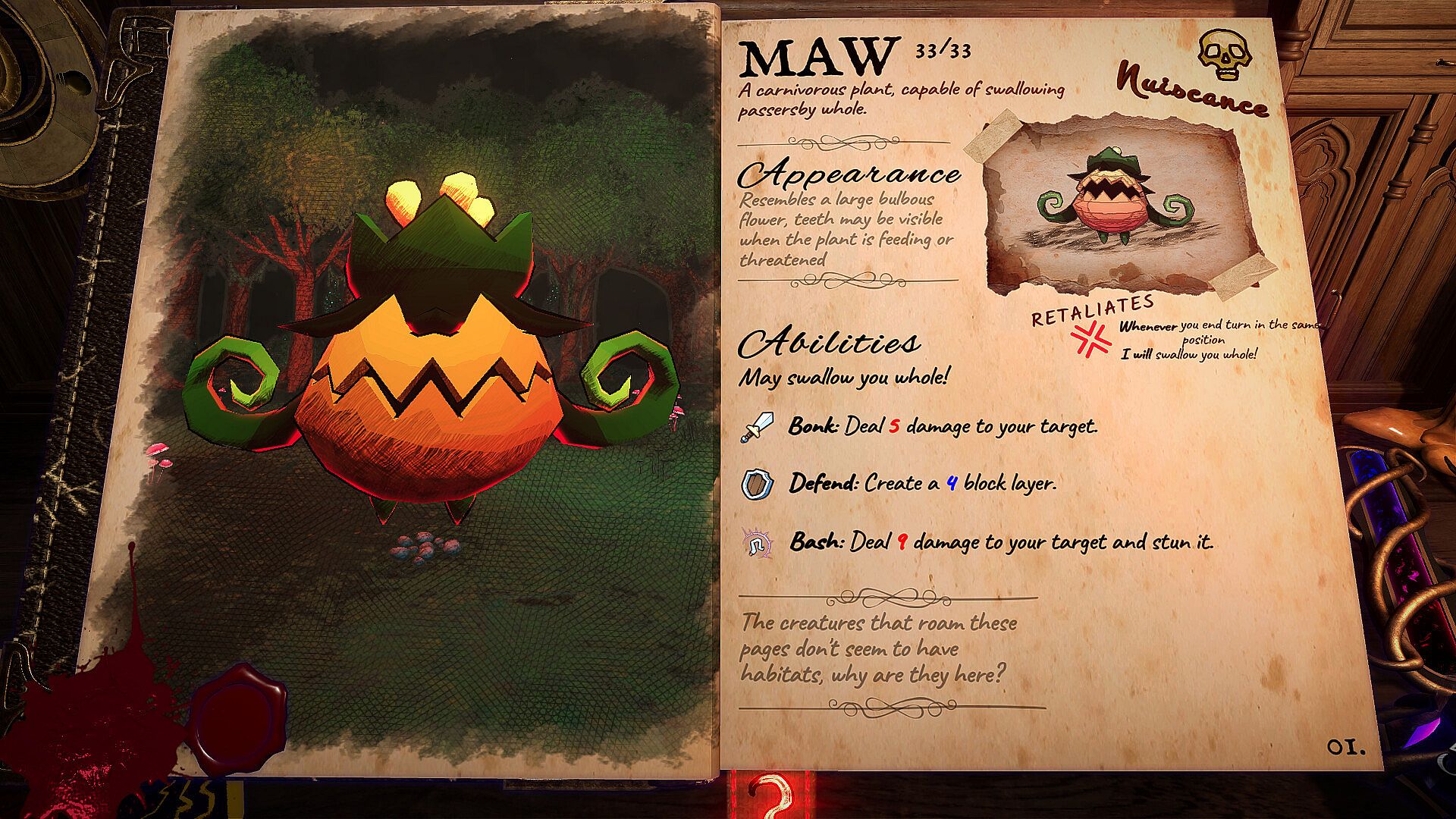
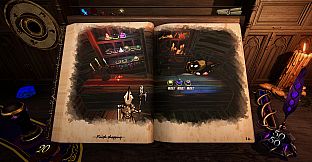

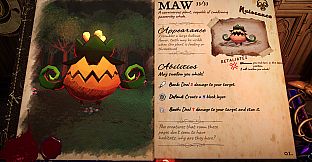
Inkarn8: The Cursed Codex is a dark fantasy roguelite that blends strategy, indie RPG, and adventure elements on PC. Players navigate a living cursed spellbook where every page functions as a distinct room and every chapter serves as a floor in a branching dungeon. Decisions reshape the environment and available paths, while magic requires drawing sigils directly on the pages to cast spells that combine with class abilities, wax-seal actions, and artifacts.
Gameplay
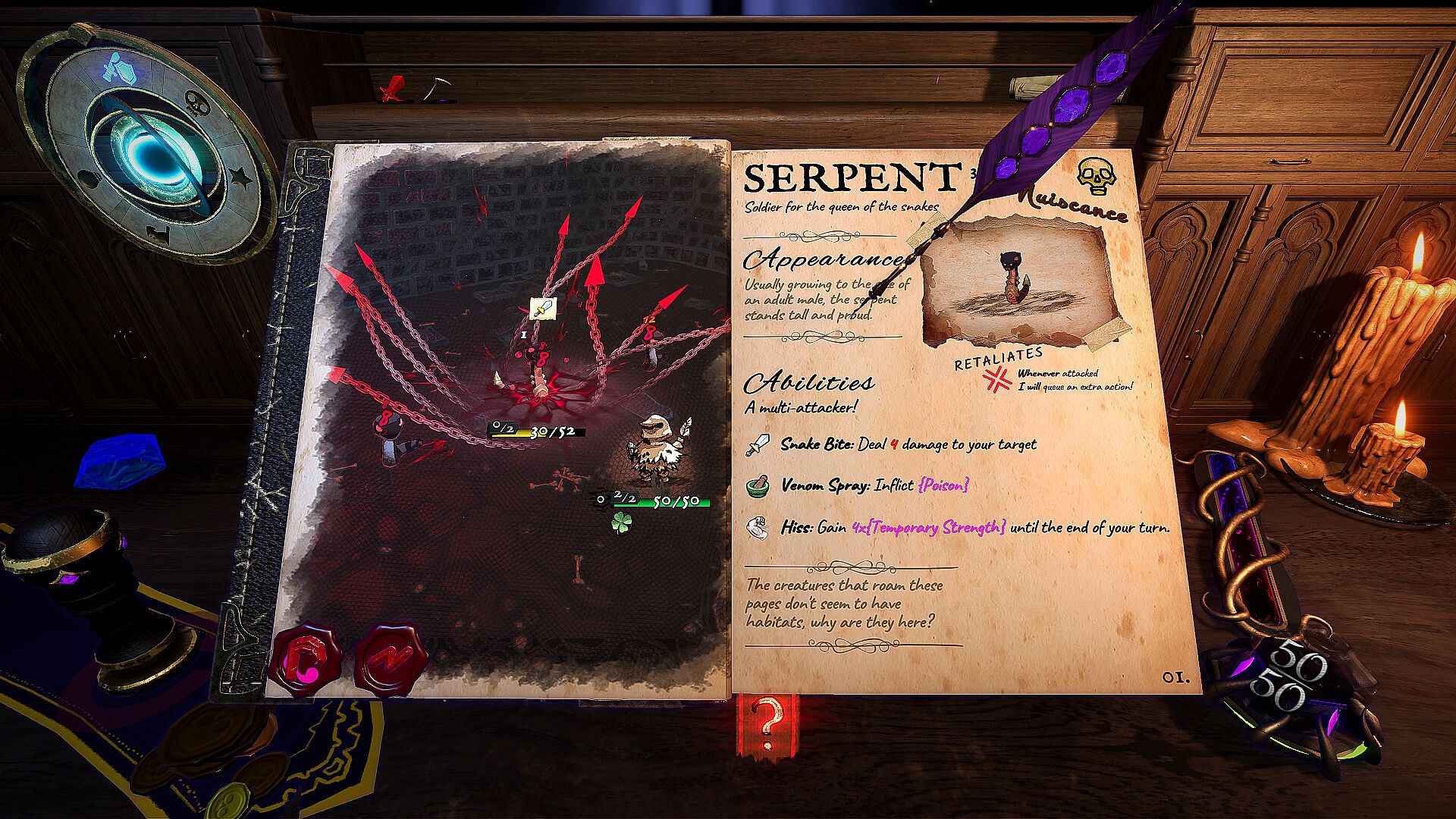
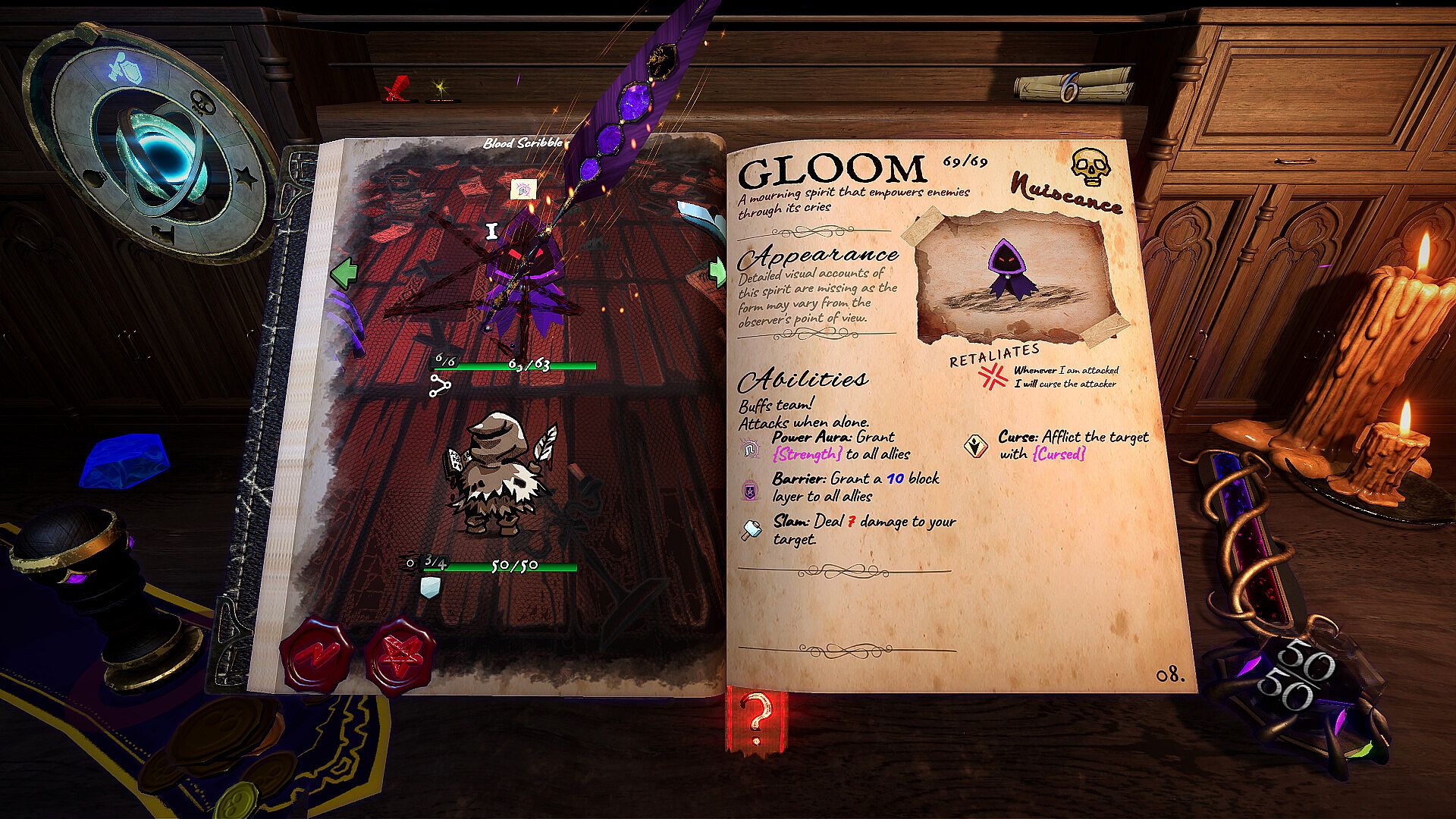
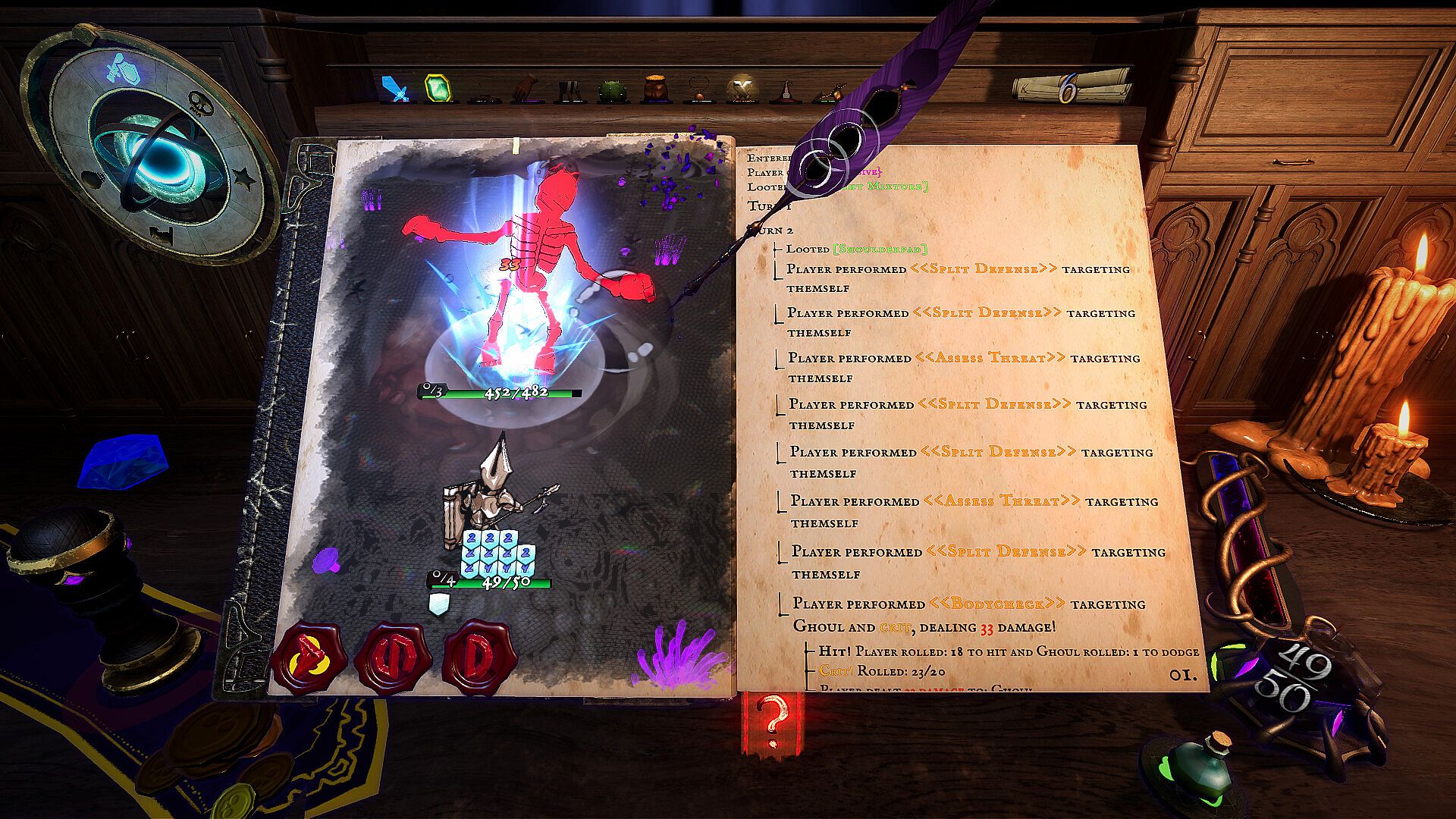
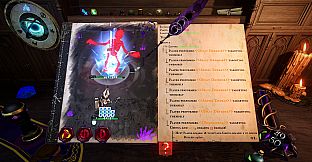
The core loop centers on deliberate turn-based combat inside the Codex. Players draw sigils to activate spells, then layer them with class-specific mechanics such as resource manipulation, life alteration, retaliation effects, or corruption buildup. Each run encourages adaptation as synergies form across encounters with strange creatures, elites, and chapter bosses. Defeating a boss can trigger evolution in the book itself, adding new pages or repositioning threats for future attempts.
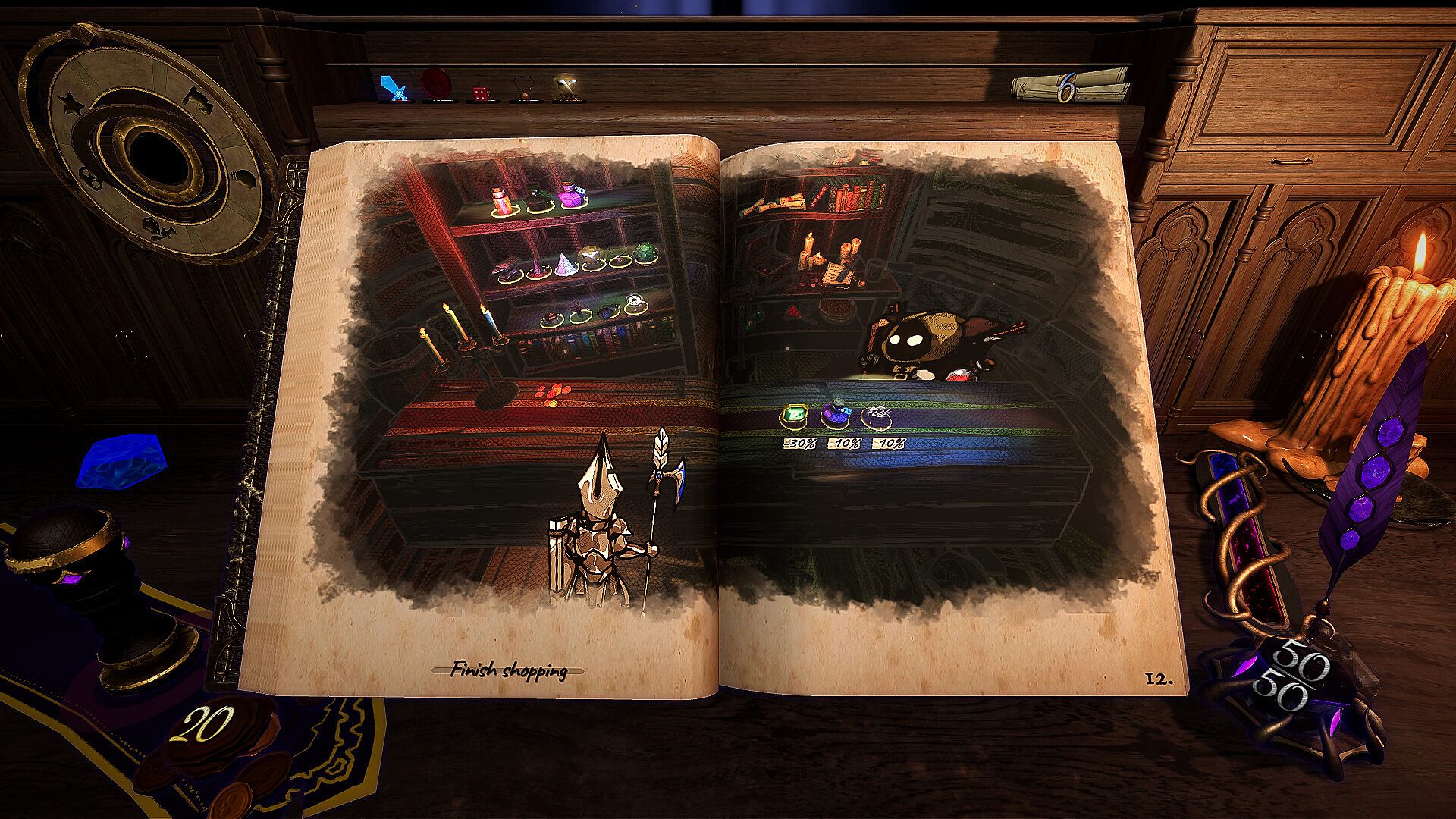
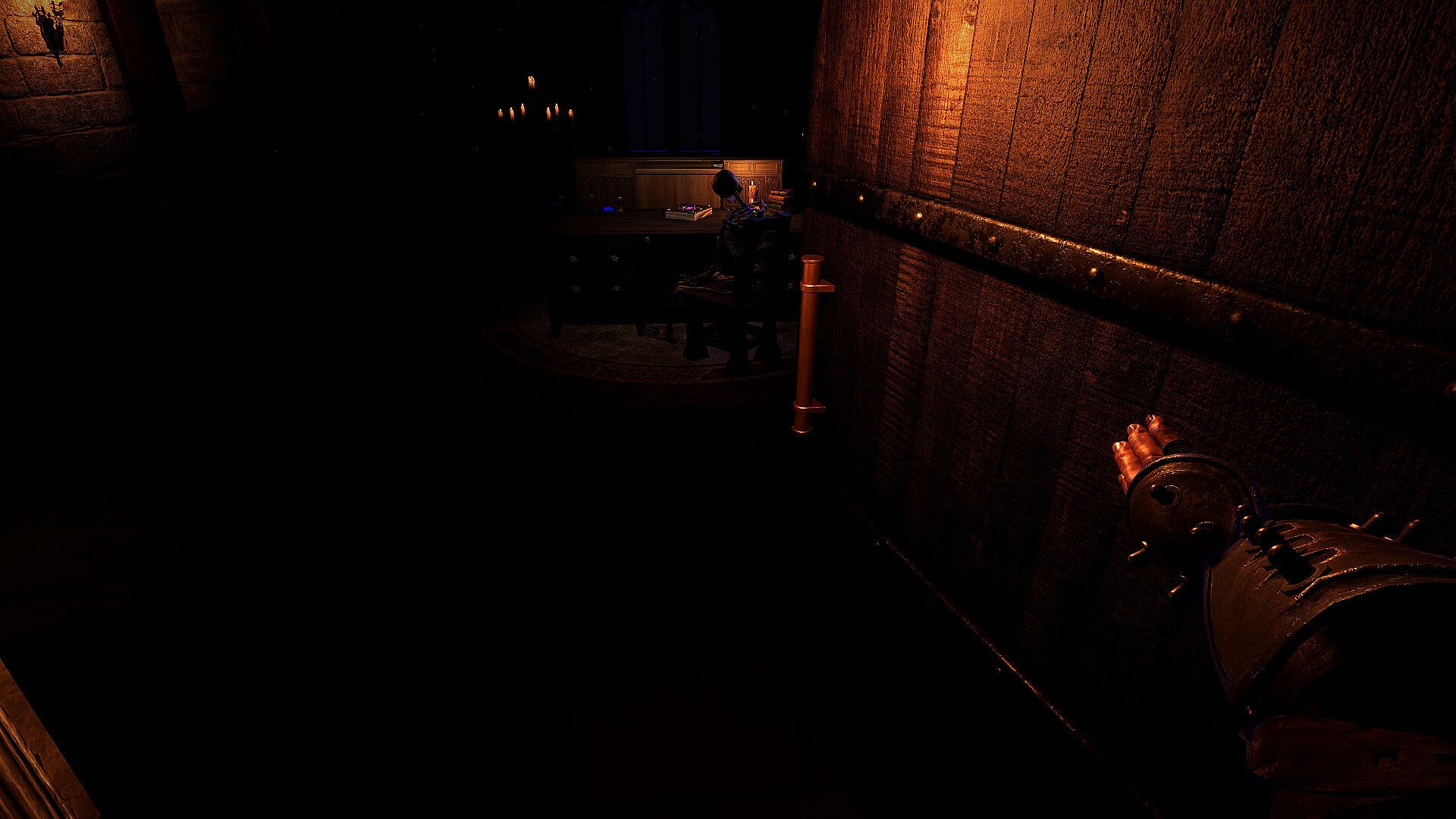
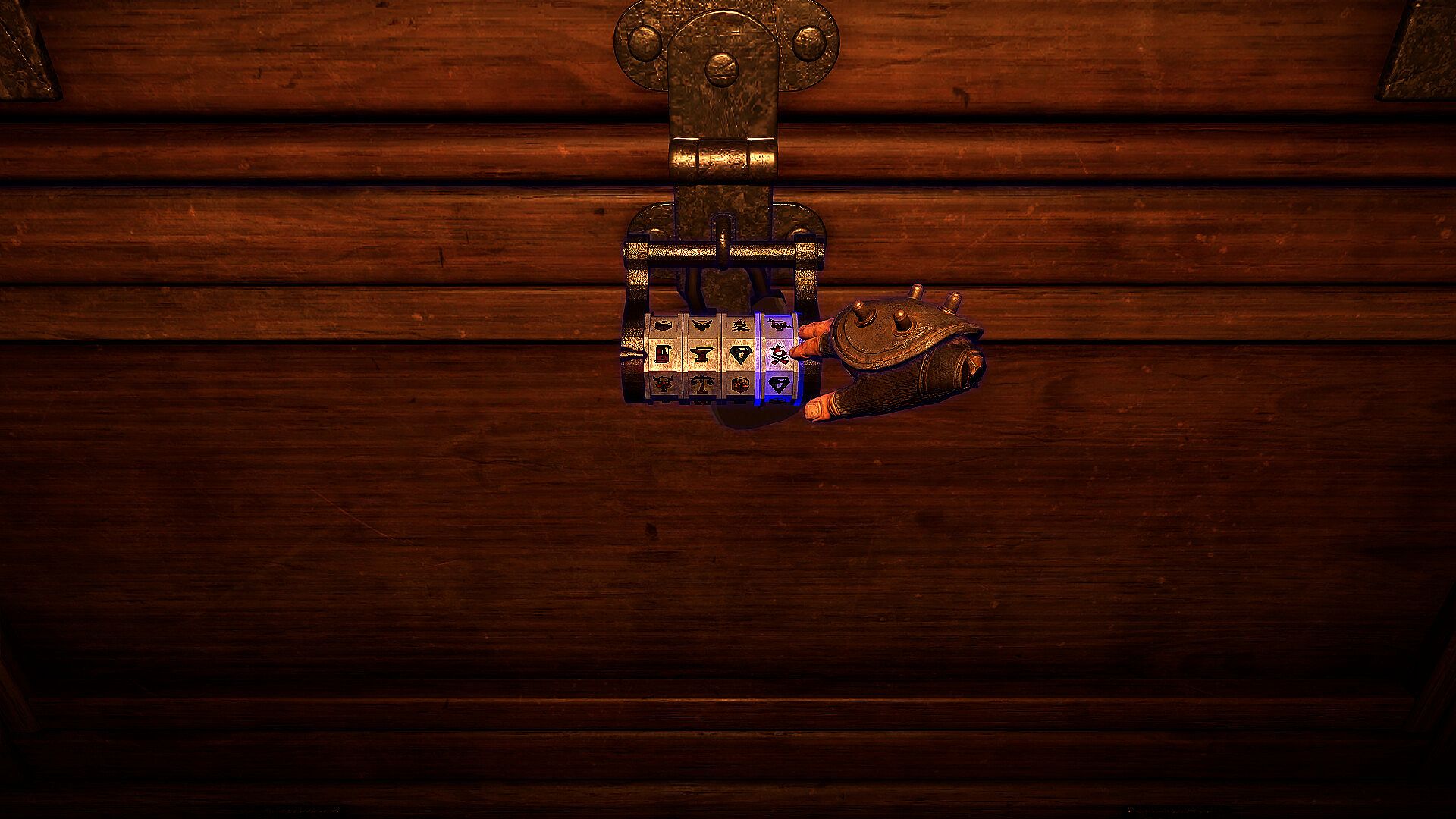
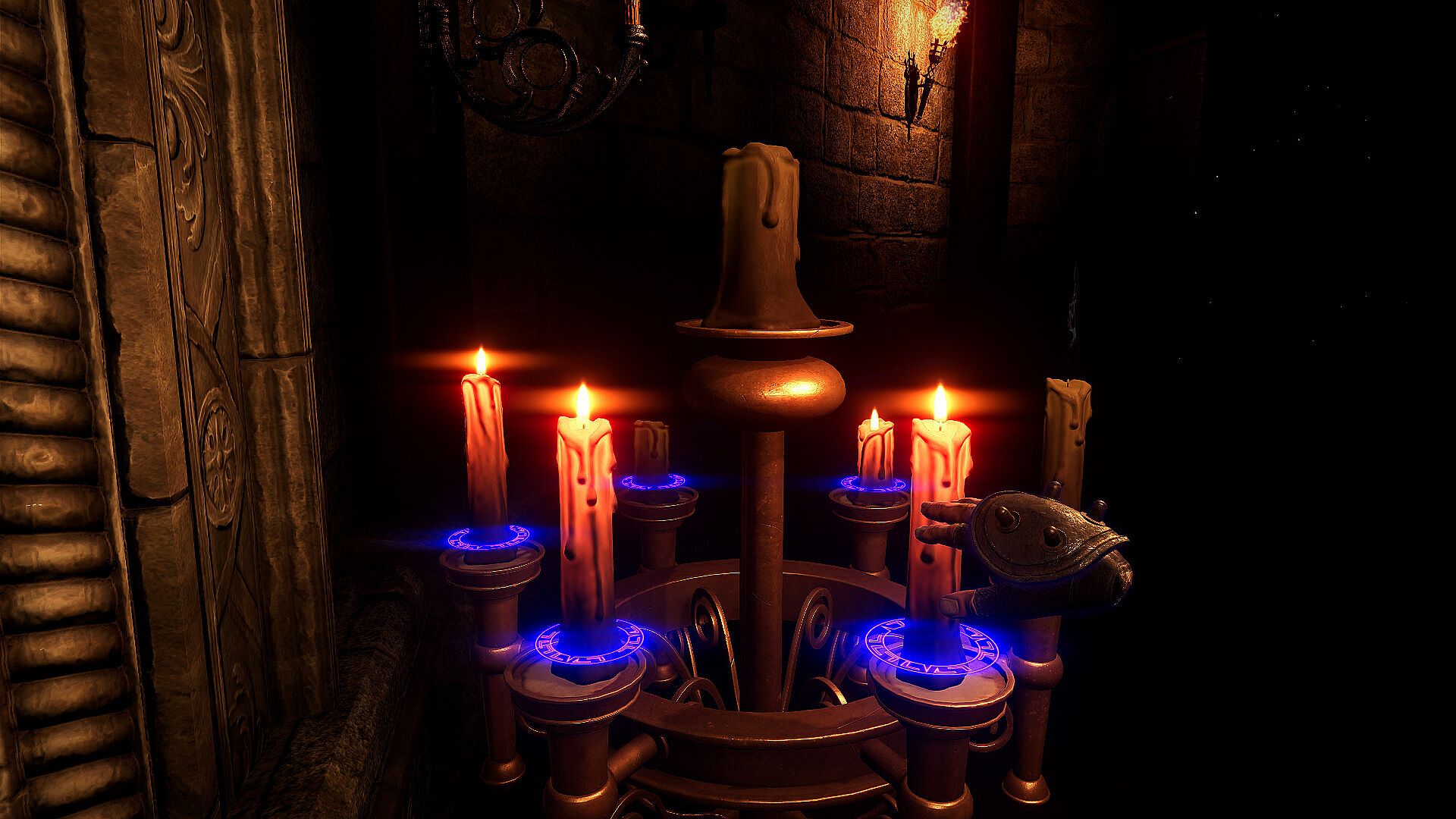
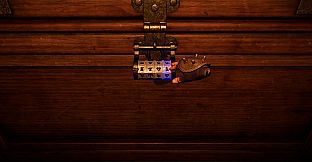
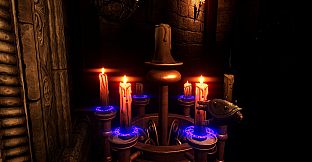
Exploration extends beyond combat through branching page choices that determine routes, risks, and rewards. The Codex responds dynamically to decisions, altering what lies ahead. Between runs, players return to the first-person Scriptorium surrounding the book. This space reveals hidden mechanisms, puzzles, and interactions as progress advances, allowing examination of objects tied to the Codex's origins and seal.
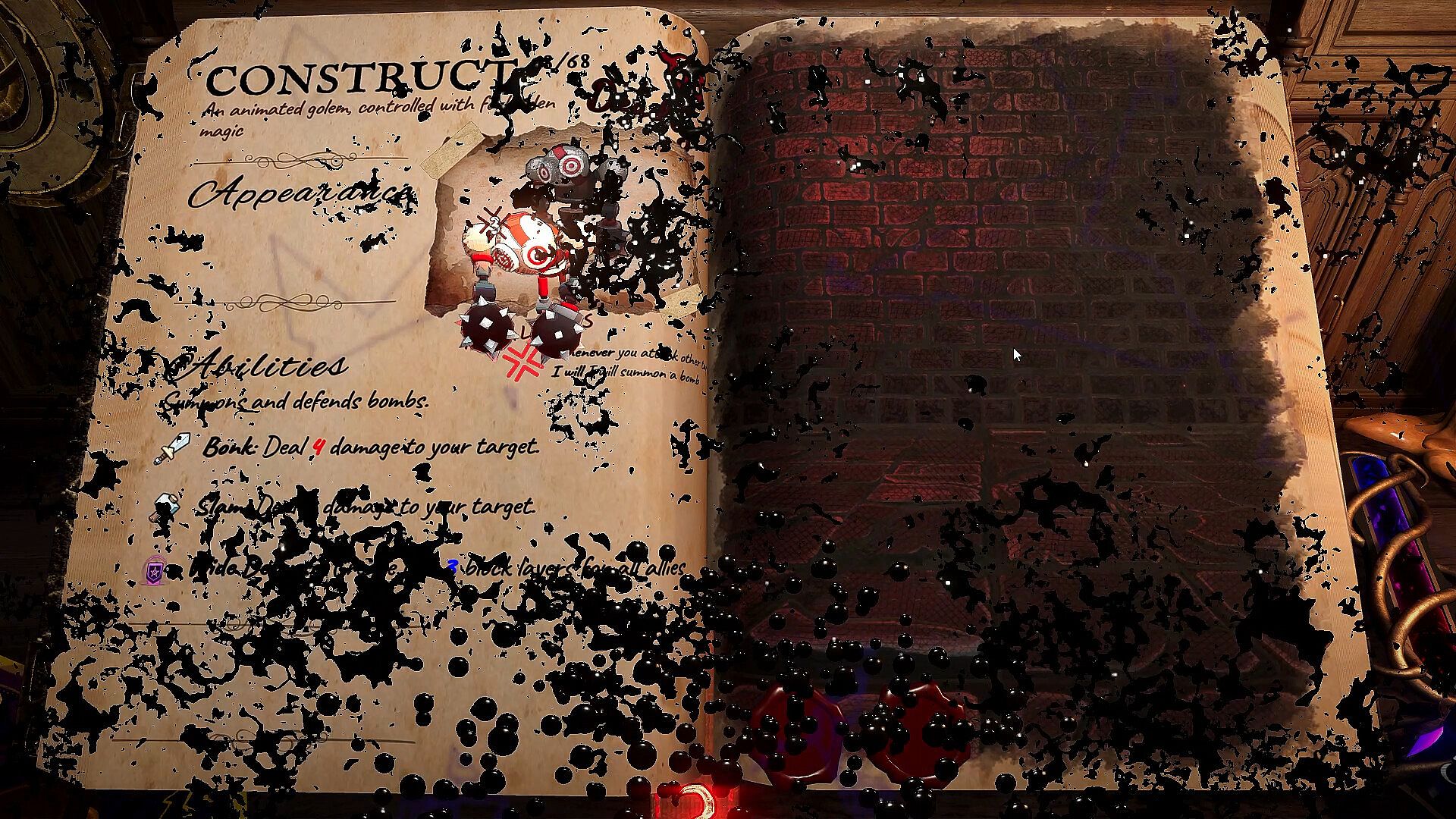
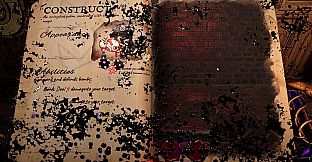
Corruption introduces meaningful trade-offs. Players can accept dangerous bargains or manipulate the Ink that powers abilities, pushing the book further at the risk of escalating consequences. Permanent changes come from strengthening pages, cleansing corruption, or unlocking new possibilities that carry over across runs. Some encounters allow possession of creatures for alternate perspectives, and certain threats may escape their pages entirely.
Game Modes
The experience revolves around repeated roguelite runs through the Codex, each shaped by player choices in path selection, class selection, and risk assessment. Runs emphasize single-player progression where outcomes influence the structure of subsequent attempts through page modifications and new content unlocks. The Scriptorium serves as an ongoing hub for exploration and discovery outside active runs, expanding access to secrets and interactions as overall advancement occurs.
No separate competitive or cooperative modes appear in the current design. The focus remains on iterative single-player journeys that reward experimentation with builds, sacrifices, and long-term alterations to the book.
Progression and World
Progression operates on two levels. Short-term runs build temporary power through artifacts, synergies, and combat tactics. Long-term advancement permanently rewrites elements of the Codex, such as adding pages or altering threat placements after boss defeats. The Scriptorium deepens this by offering first-person investigation of the room around the book, where awakened mechanisms and revealed areas connect to the larger mystery of why the Codex was sealed.
The setting blends the confined, page-bound dungeon with the surrounding Scriptorium environment. This dual space creates opportunities to look beyond the book itself, uncovering connections between the tome and the world that contains it. Mechanics like corruption and possession further blur boundaries during play.
Is It Worth Playing?
The game remains in active development, with a free preview titled Inkarn8: First Pages available that introduces core sigil drawing, turn-based combat, choice systems, and initial class selection. Early feedback on the preview has been positive among a small group of players. The full title continues toward a larger demo, with ongoing work on classes, artifacts, visuals, and the Scriptorium area.
This title suits players who enjoy roguelites with tactile magic systems, branching decision trees, and persistent world changes. Those drawn to deliberate strategy in turn-based encounters and atmospheric dark fantasy settings will find the unique book-based structure compelling. Availability on PC and the emphasis on single-player experimentation make it a strong candidate for fans of indie titles that reward multiple runs and careful planning over fast action.












