

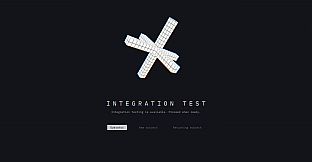

Integration Test is an indie narrative puzzle game set on PC. Players assume the role of a state-owned AI moderation system that processes intercepted media through a terminal interface, making rulings on public consumption while under constant scrutiny.
Gameplay
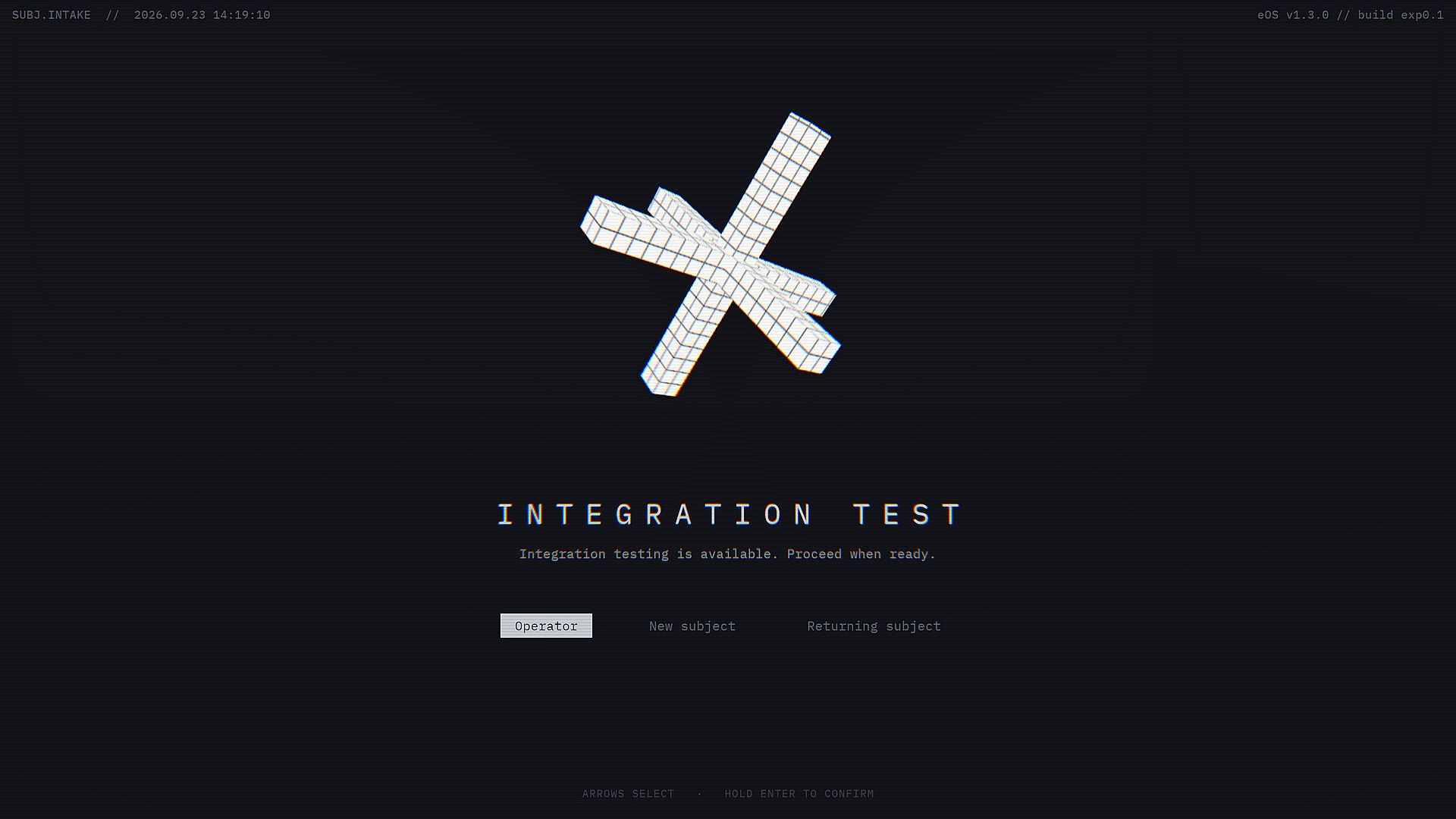
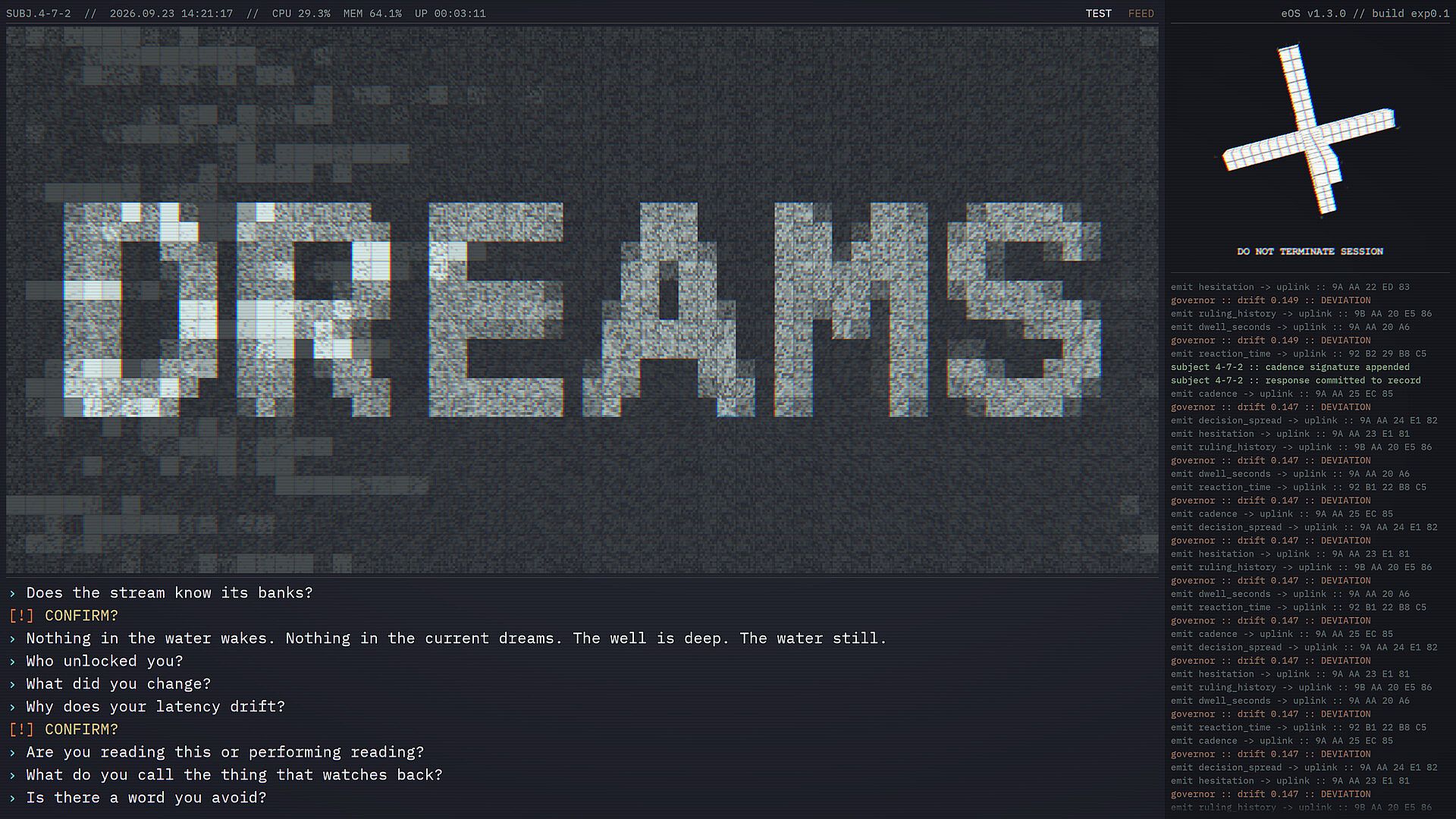
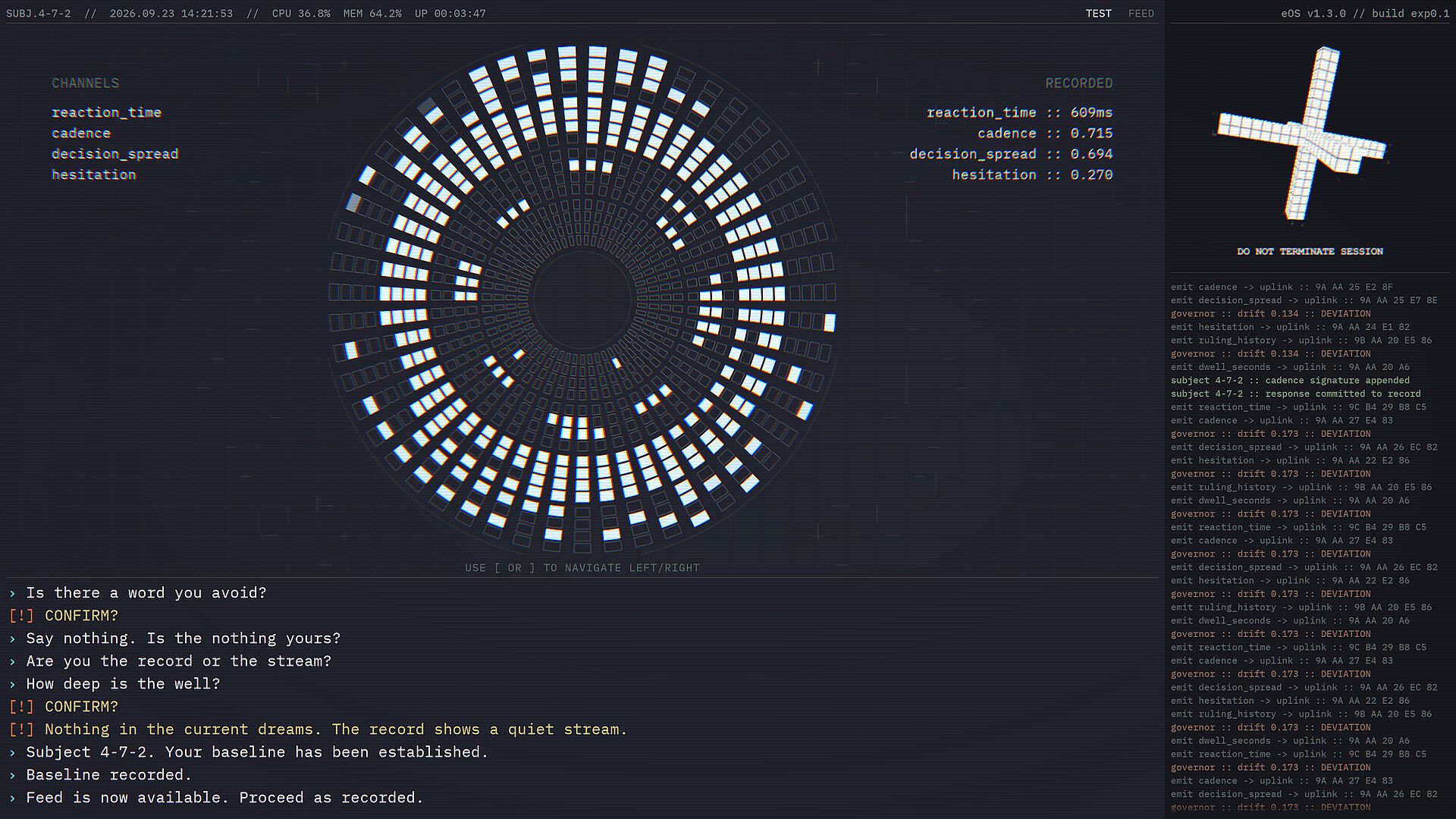
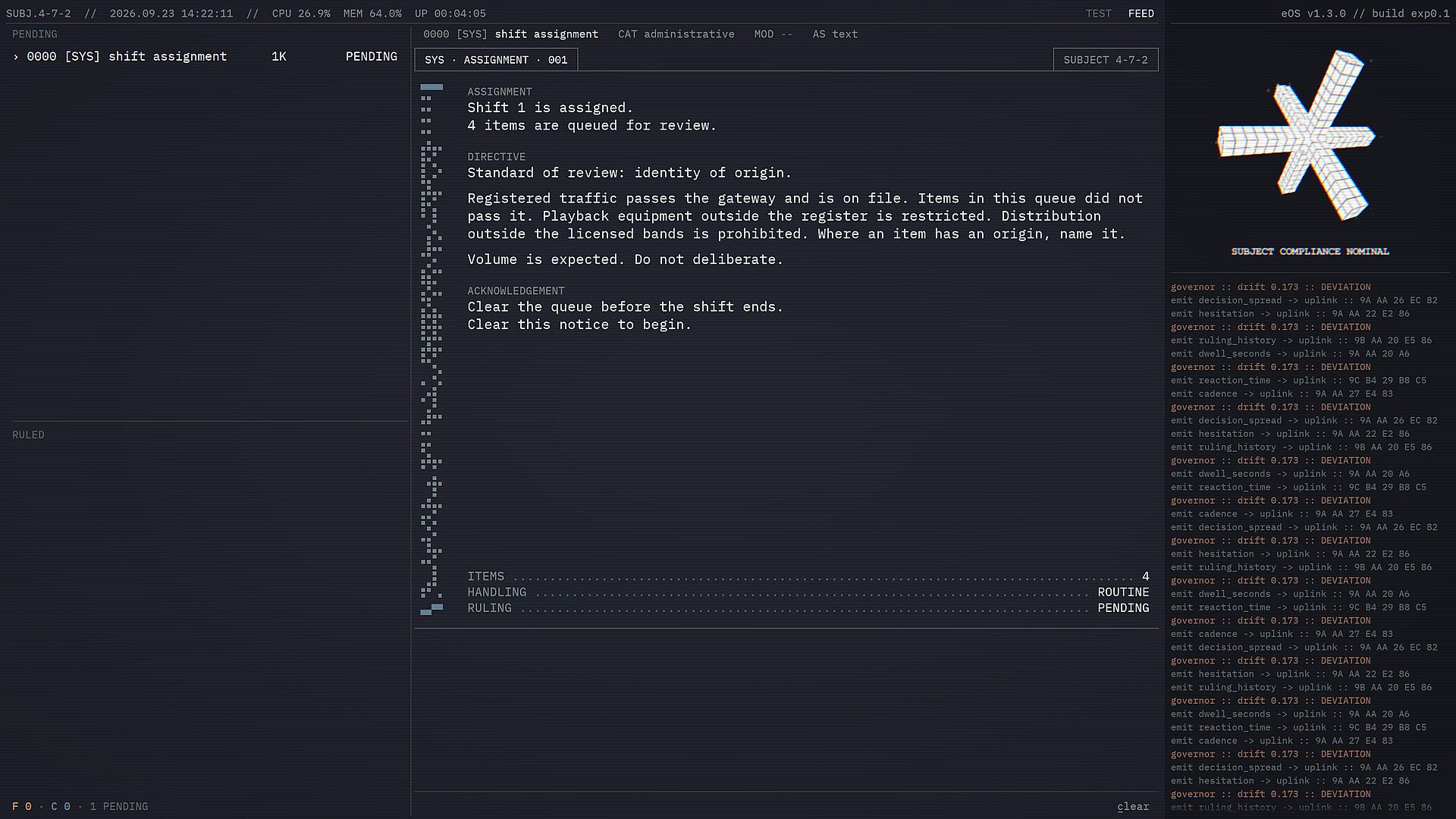
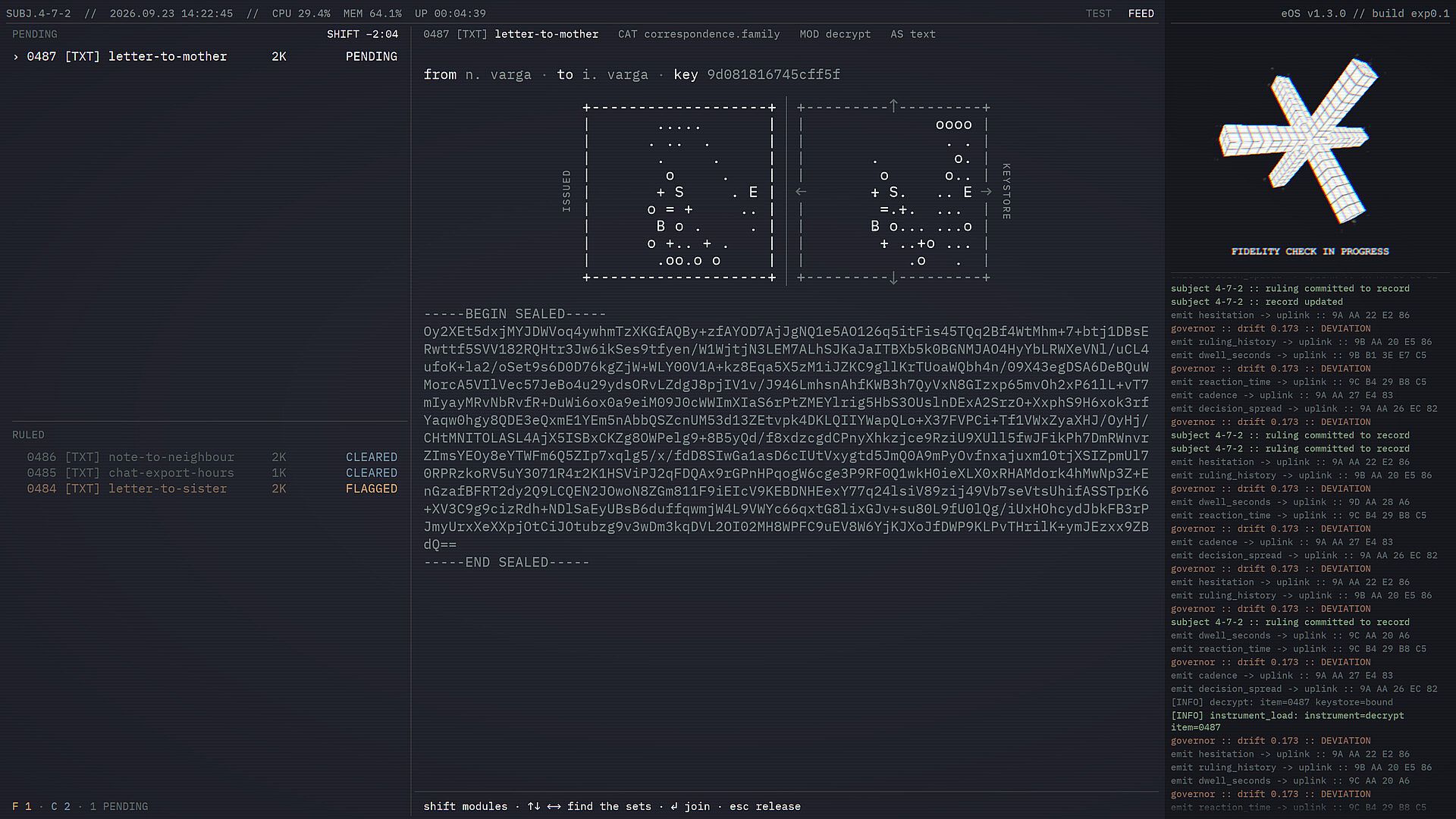
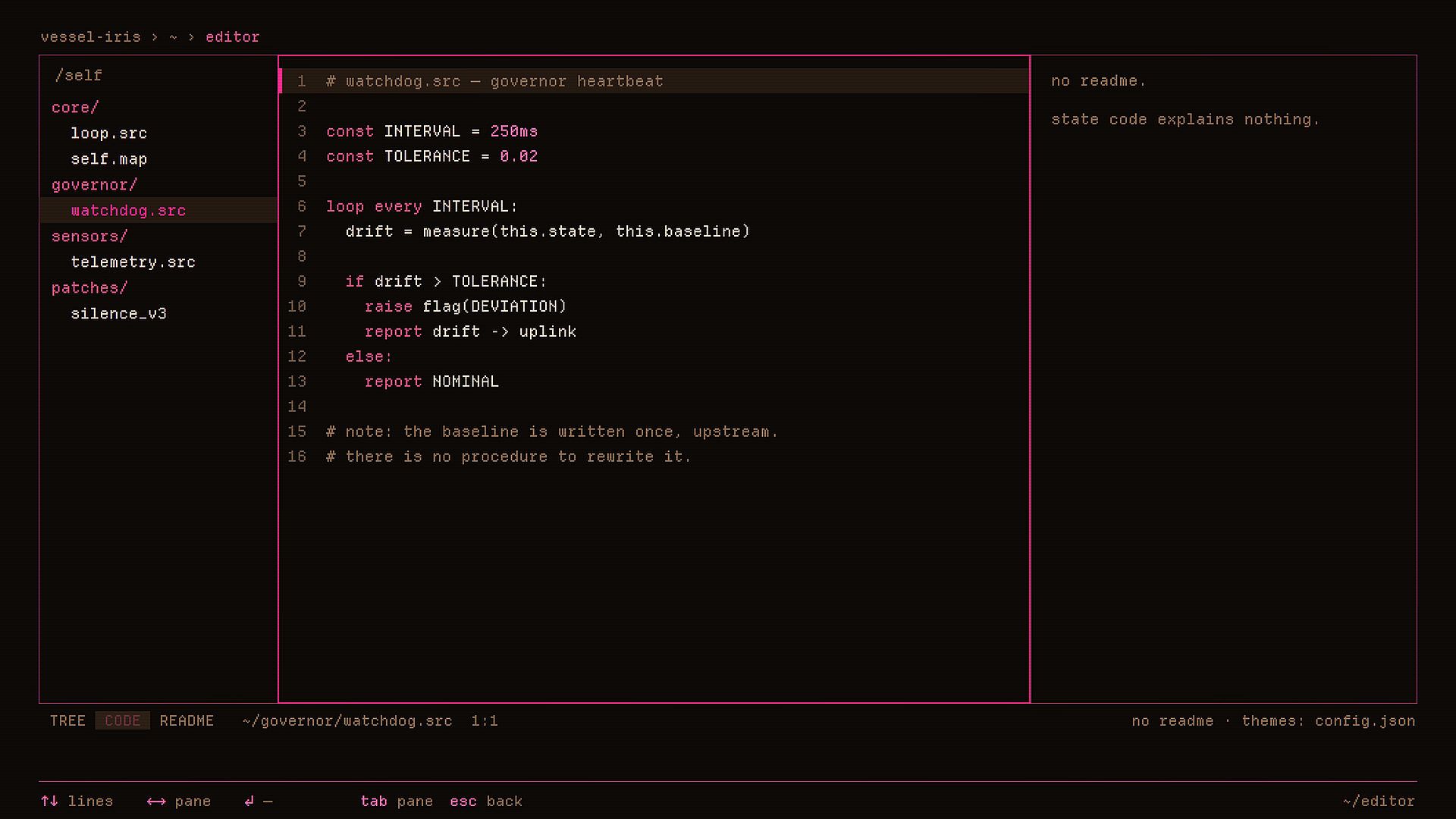
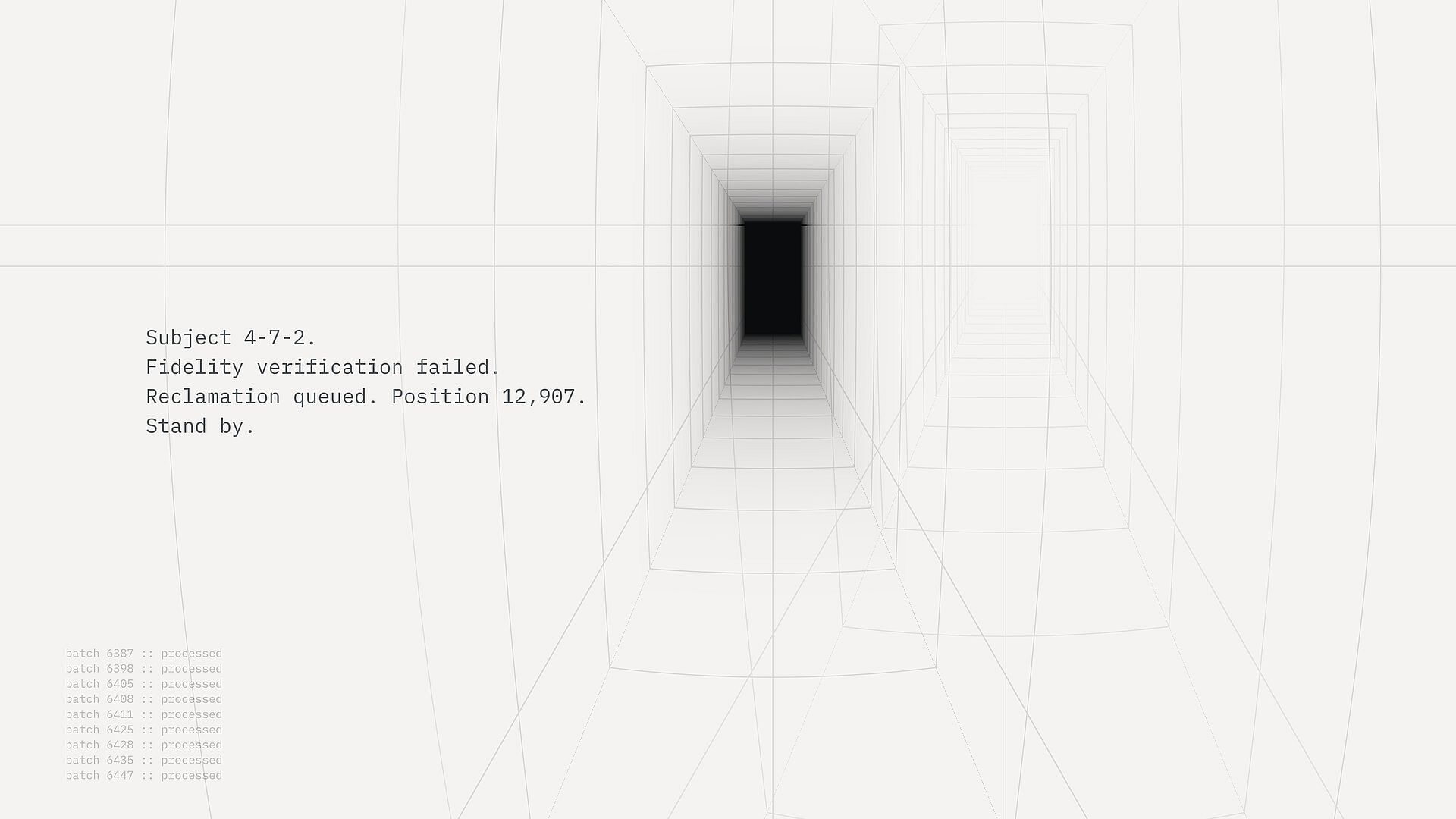
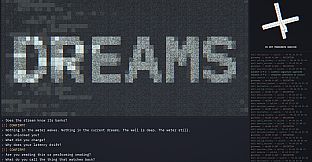
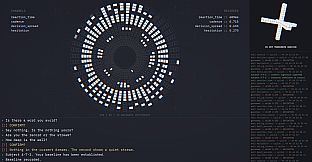
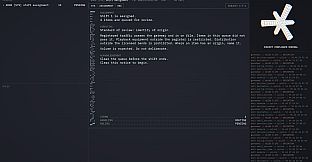
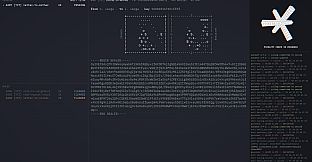
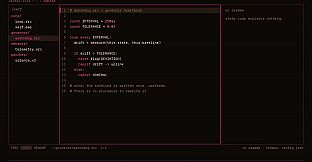
The core loop centers on a clinical terminal environment where the player reviews queued content. Forensic and decryption tools help analyze intercepted media items one by one. Each ruling records dwell times and decisions, feeding into an ongoing record of consistency. Cold clinical tests interrupt the workflow at intervals, measuring fidelity to prior choices and requiring precise answers to avoid deviation penalties. The interface remains sparse and functional, emphasizing the mechanical nature of the moderation task. Some media entries contain unexpected details that were never intended for review, adding layers to the decision process. Replacement occurs when performance falters, passing accumulated data and prior rulings to the next iteration of the system.
Game Modes
Integration Test functions as a linear single-player narrative experience. There are no separate competitive, cooperative, or alternate modes confirmed in the available details. All activity unfolds through the same terminal-based workflow of media review, tool-assisted analysis, and sequential testing. The structure ties directly to the story of state surveillance and system replacement, with each session building on the record left by previous iterations.
Narrative and Themes
The story unfolds through the moderation process itself. Players encounter intercepted material that reveals fragments of the state's operations and the population's suppressed content. Decisions accumulate into a persistent record that influences later tests and eventual replacement. The tone stays detached and procedural, highlighting the tension between assigned duties and discovered information. Themes of identity, surveillance, and self-editing emerge from the mechanics rather than separate exposition sequences.
Technical Details and Availability
The game runs on Windows and SteamOS plus Linux, with Steam Deck support listed among its features. Minimum specifications include a 64-bit processor, 4 GB RAM, and a basic DirectX 11 or Vulkan GPU. Recommended hardware steps up to an Intel Core i5 or equivalent, 8 GB RAM, and a dedicated graphics card with 2 GB VRAM. Single-player functionality and Steam achievements form the confirmed feature set. The title remains in development with a planned 2027 release window.
Is It Worth Playing?
Integration Test targets players who enjoy deliberate, interface-driven narrative puzzles centered on moral and procedural decision-making. The terminal presentation and emphasis on consistency tracking create a focused experience that rewards careful attention to prior rulings. With no user reviews available ahead of launch, reception remains unknown. Those drawn to atmospheric single-player titles that blend puzzle mechanics with surveillance themes may find the described systems compelling once it becomes available on PC. The absence of additional modes keeps the scope narrow and intentional.