














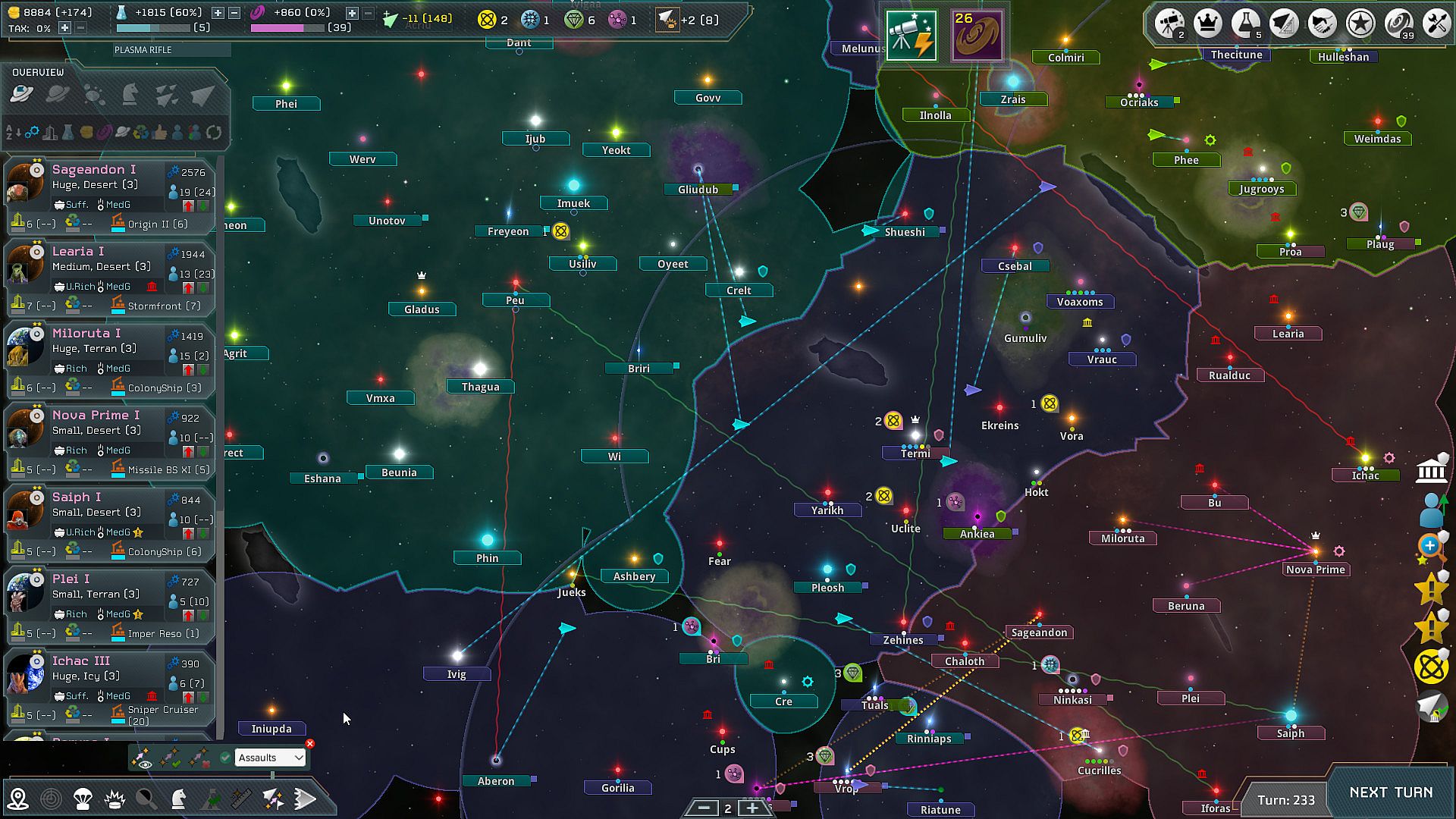
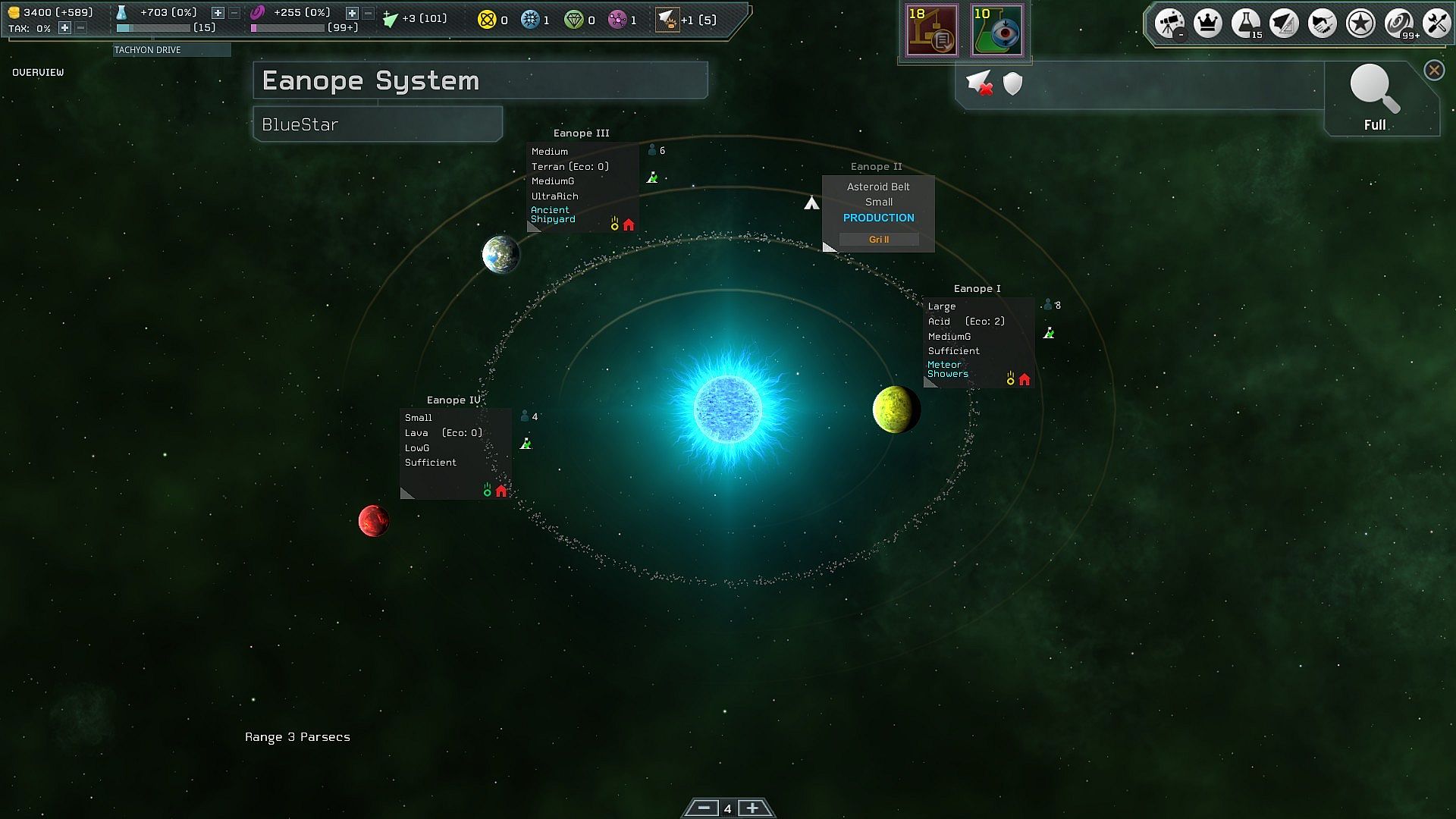

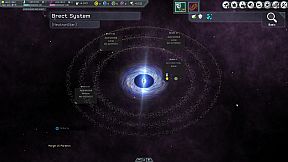
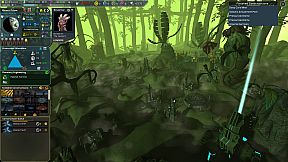
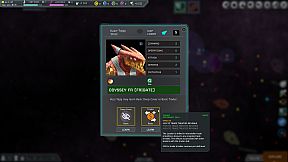
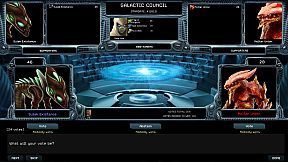
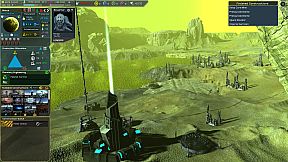
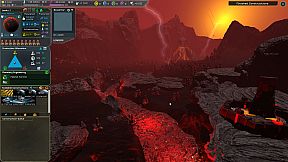
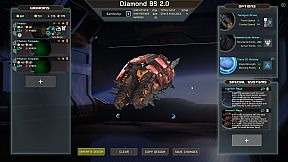
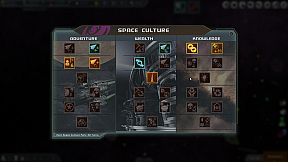
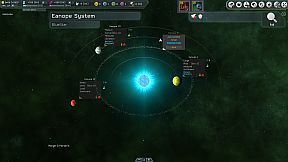

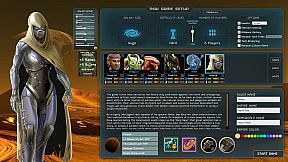

Interstellar Space: Genesis stands out as a turn-based space 4X strategy game that challenges players to forge a galactic empire from humble beginnings. Developed by Praxis Games, this indie title emphasizes exploration, expansion, exploitation, and extermination in a vast, procedurally generated universe. With its roots in classic strategy mechanics, it introduces unique twists to keep sessions engaging for strategy enthusiasts seeking deep, tactical decision-making without overwhelming micromanagement.
Gameplay
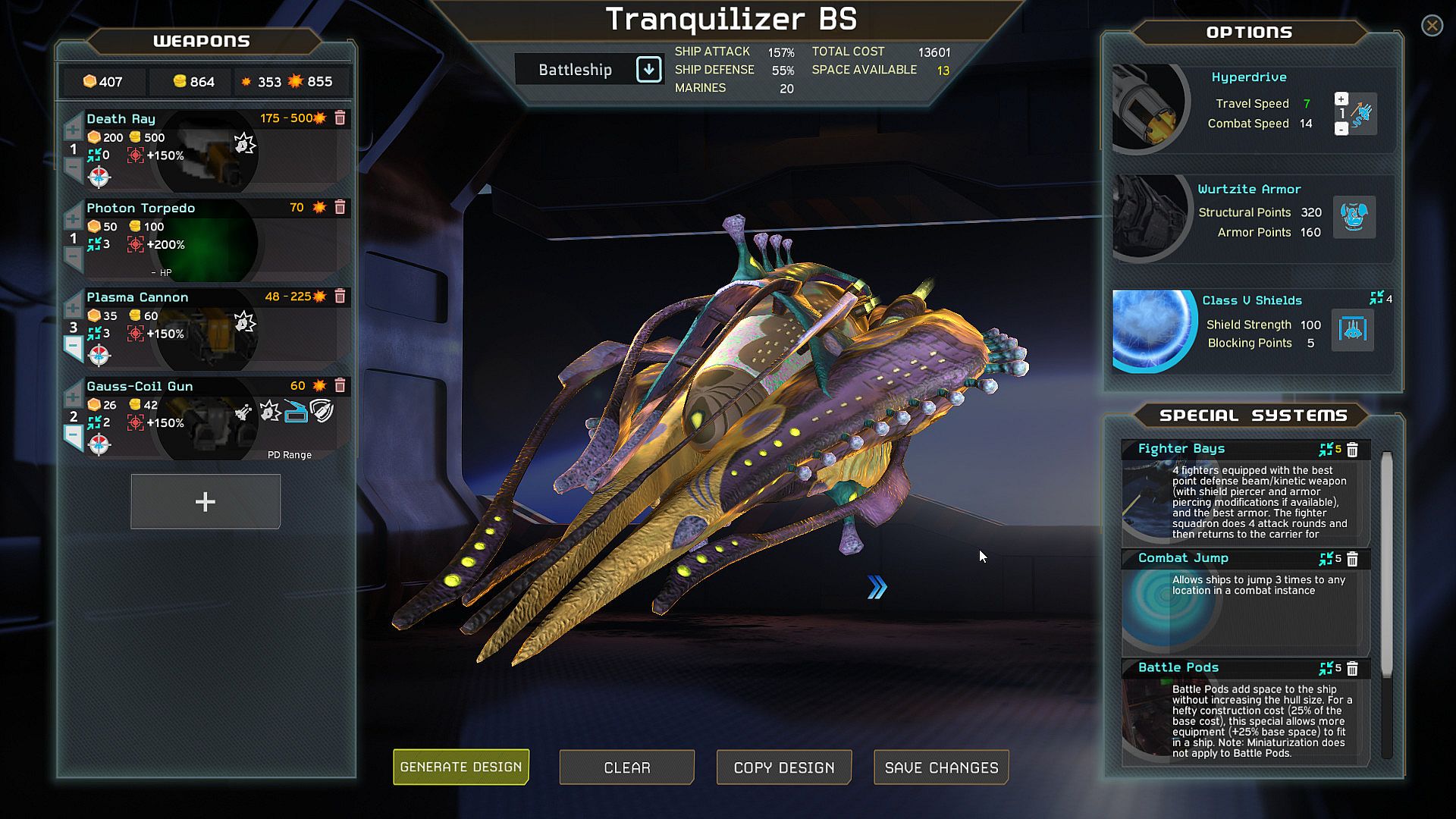
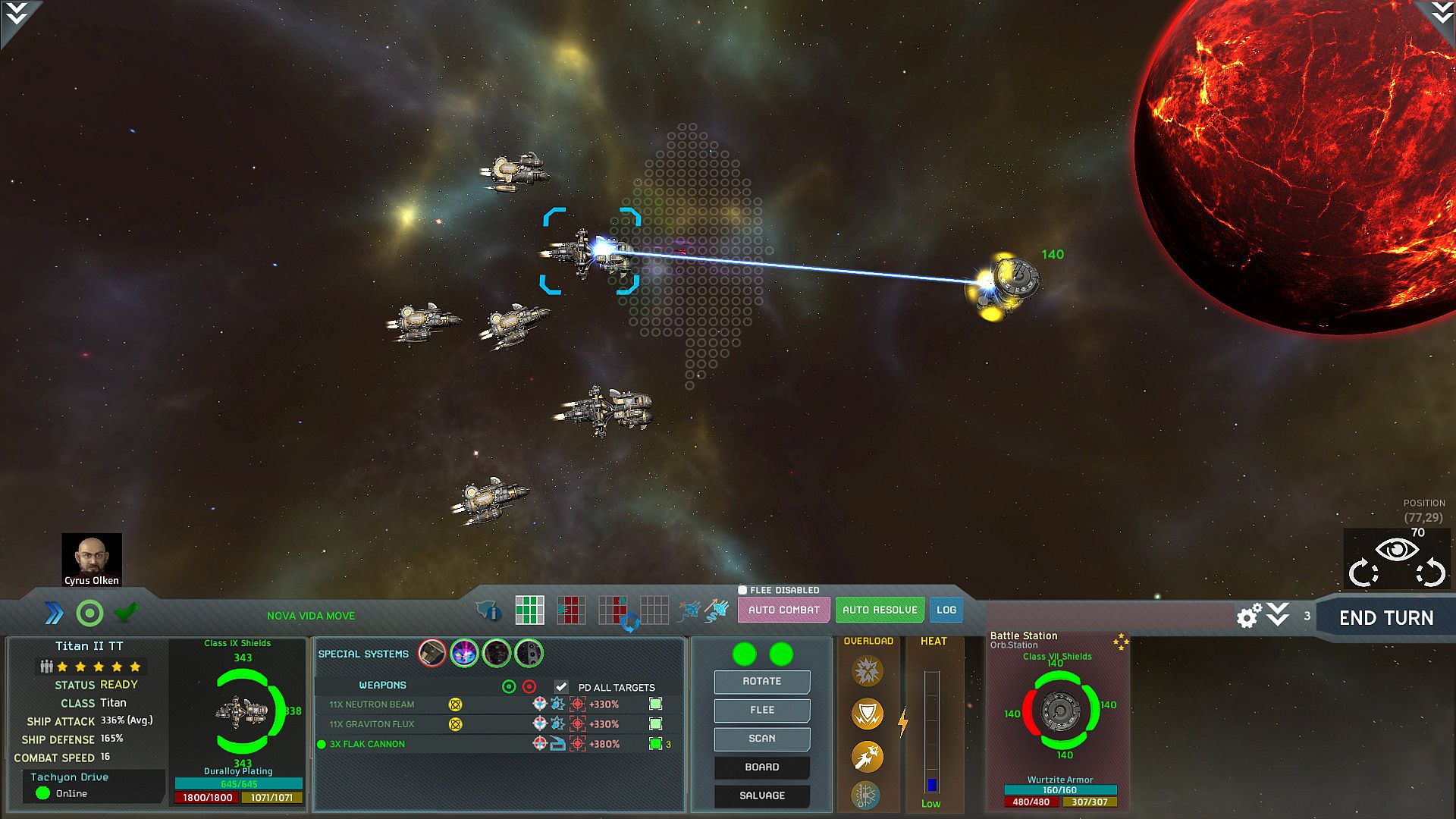
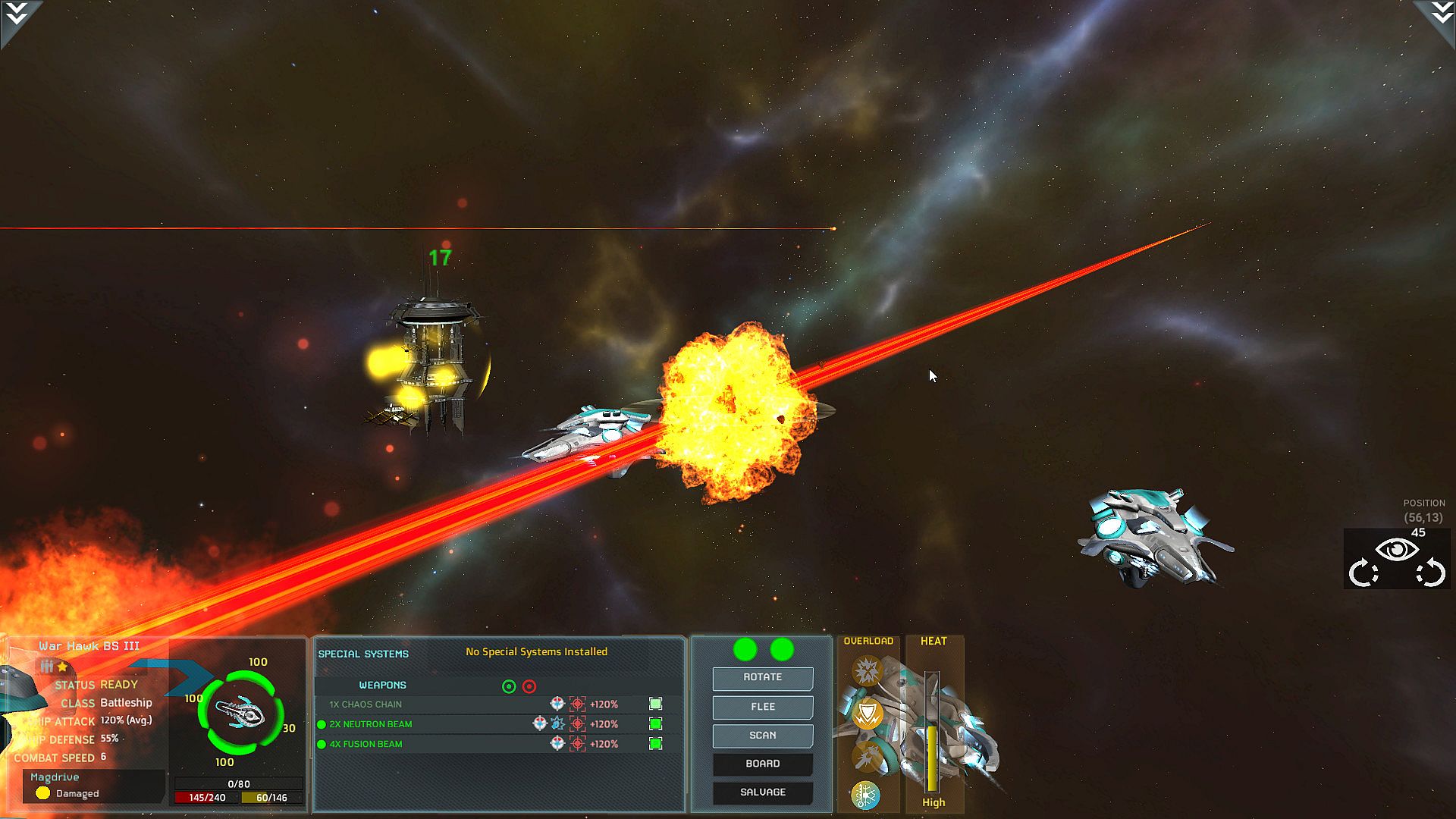
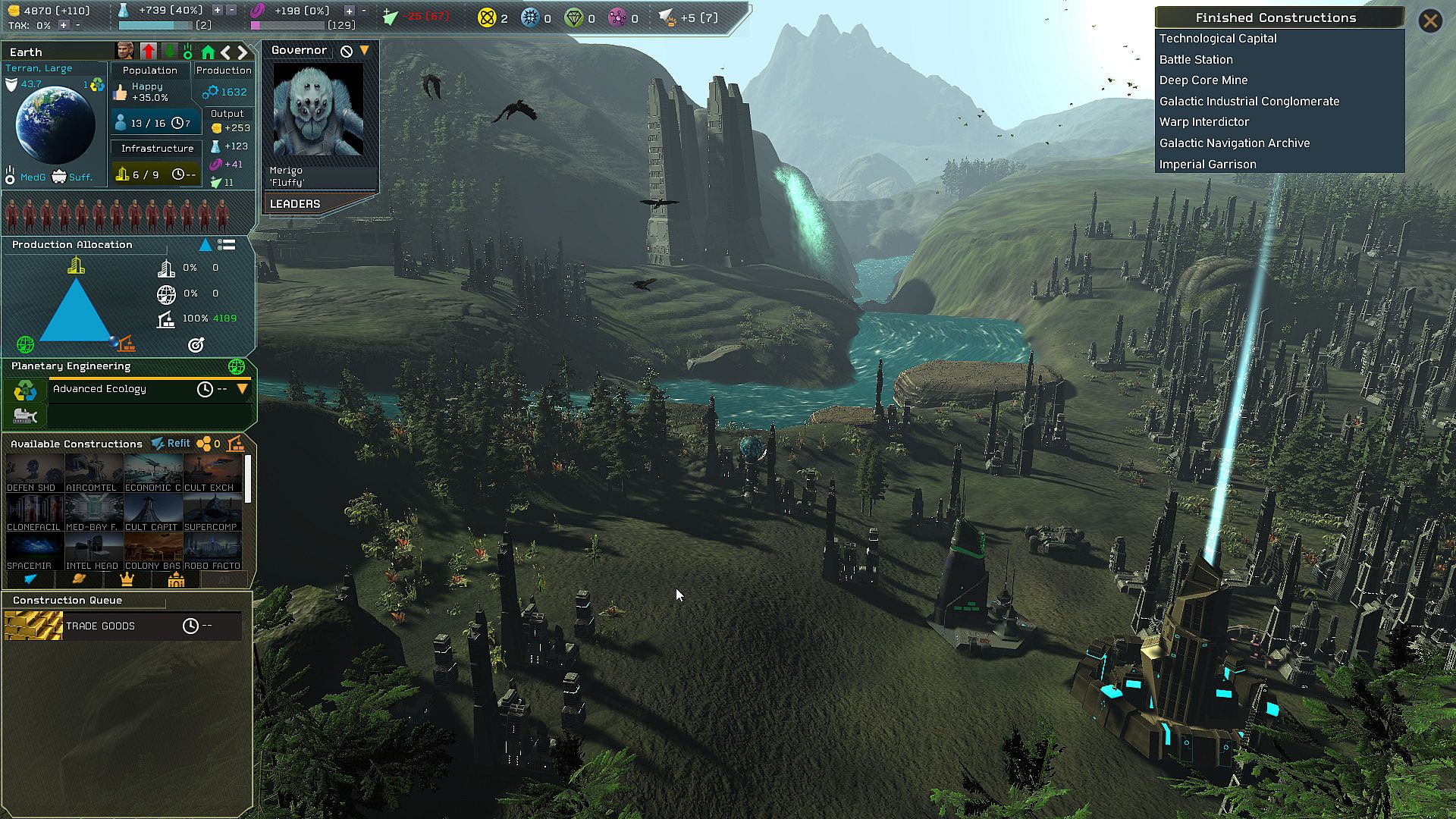
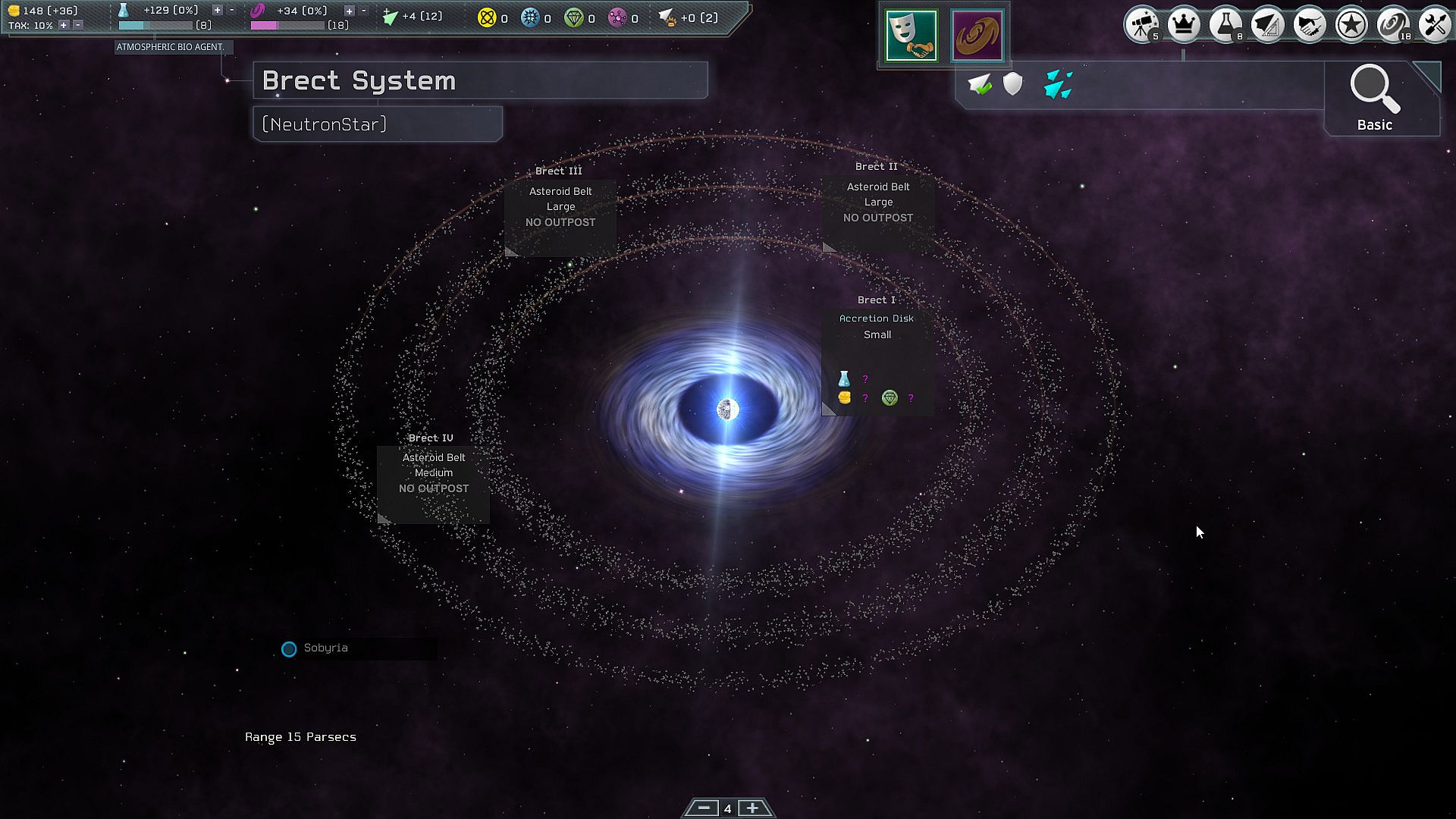
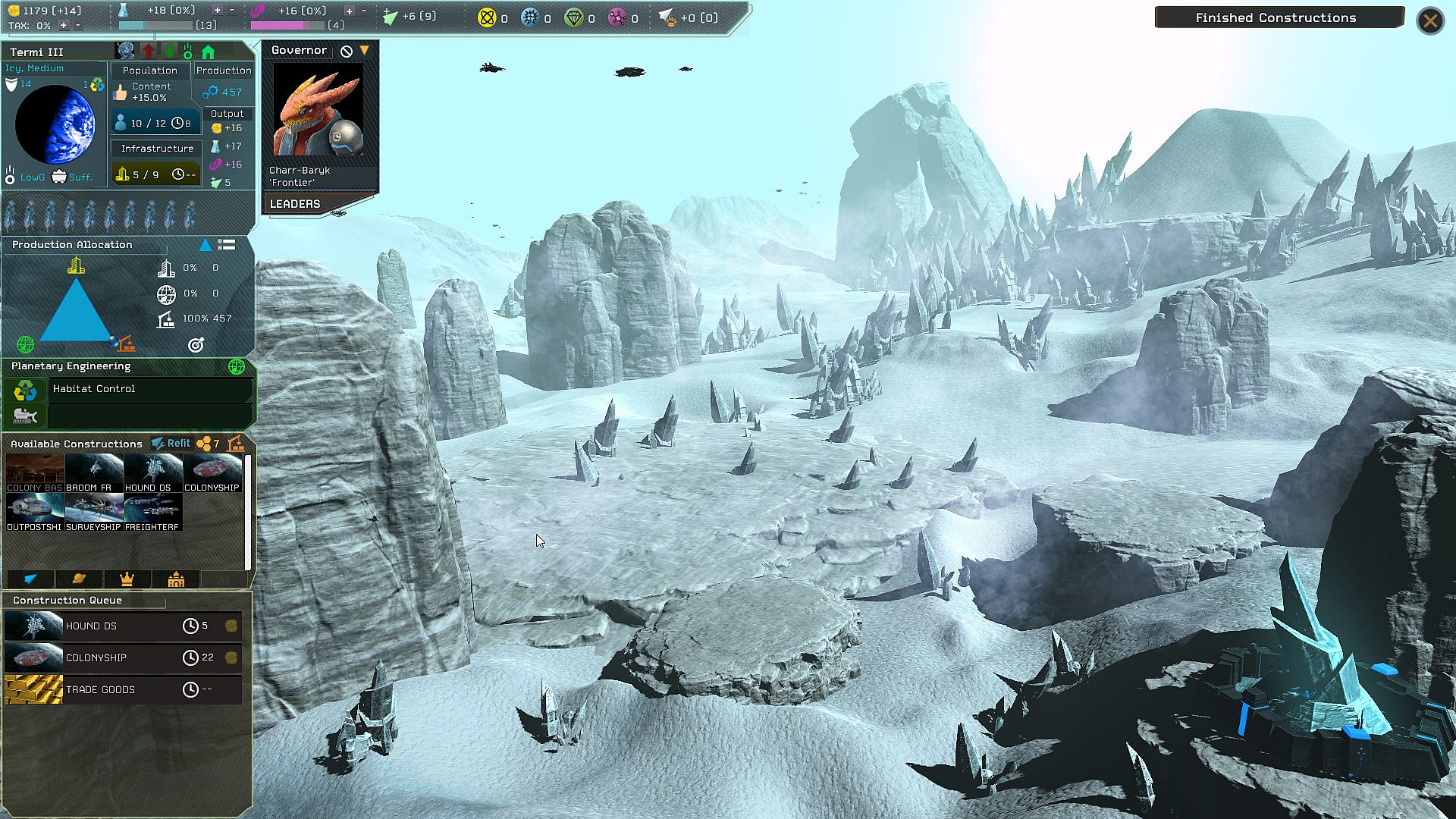
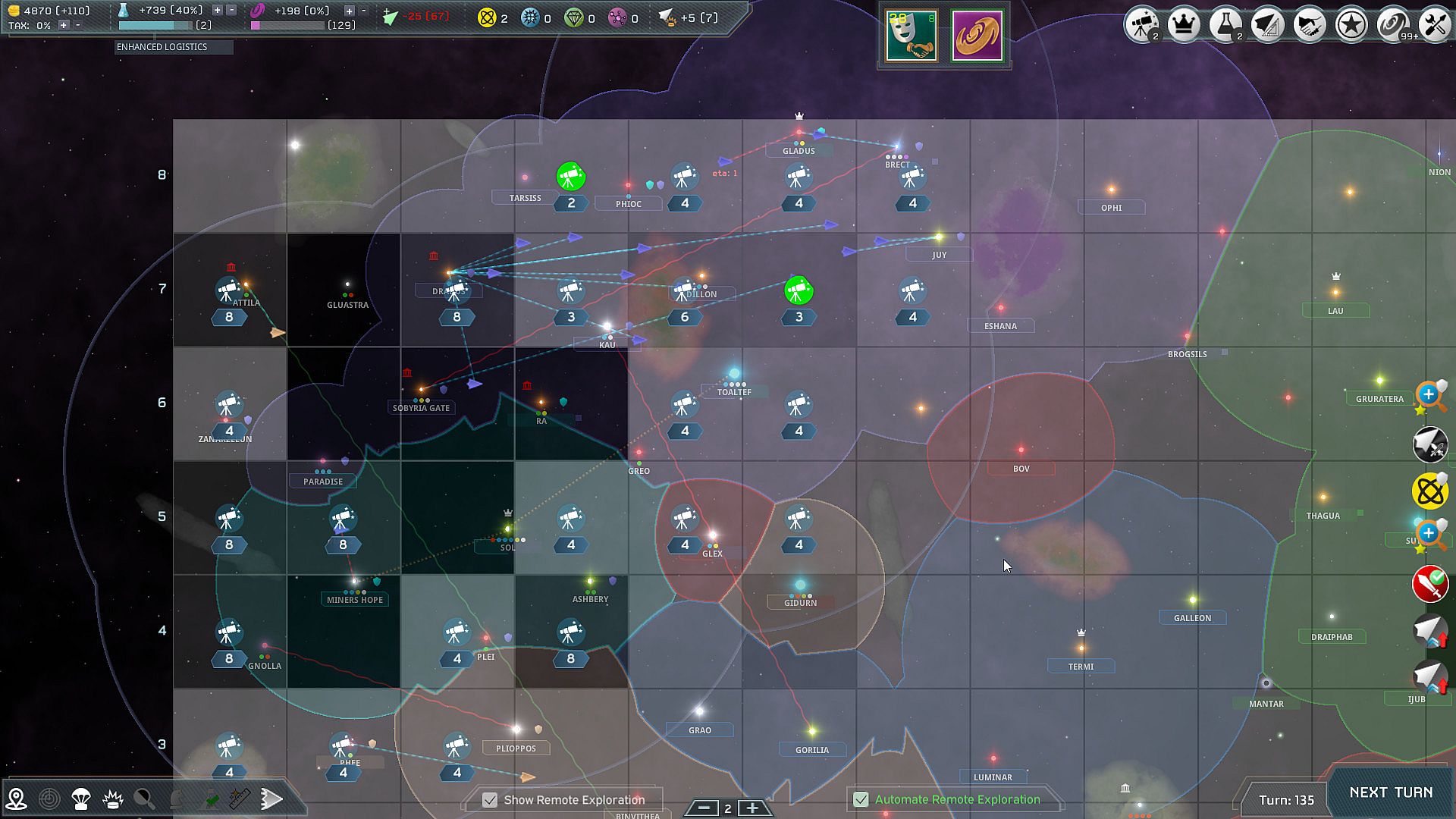
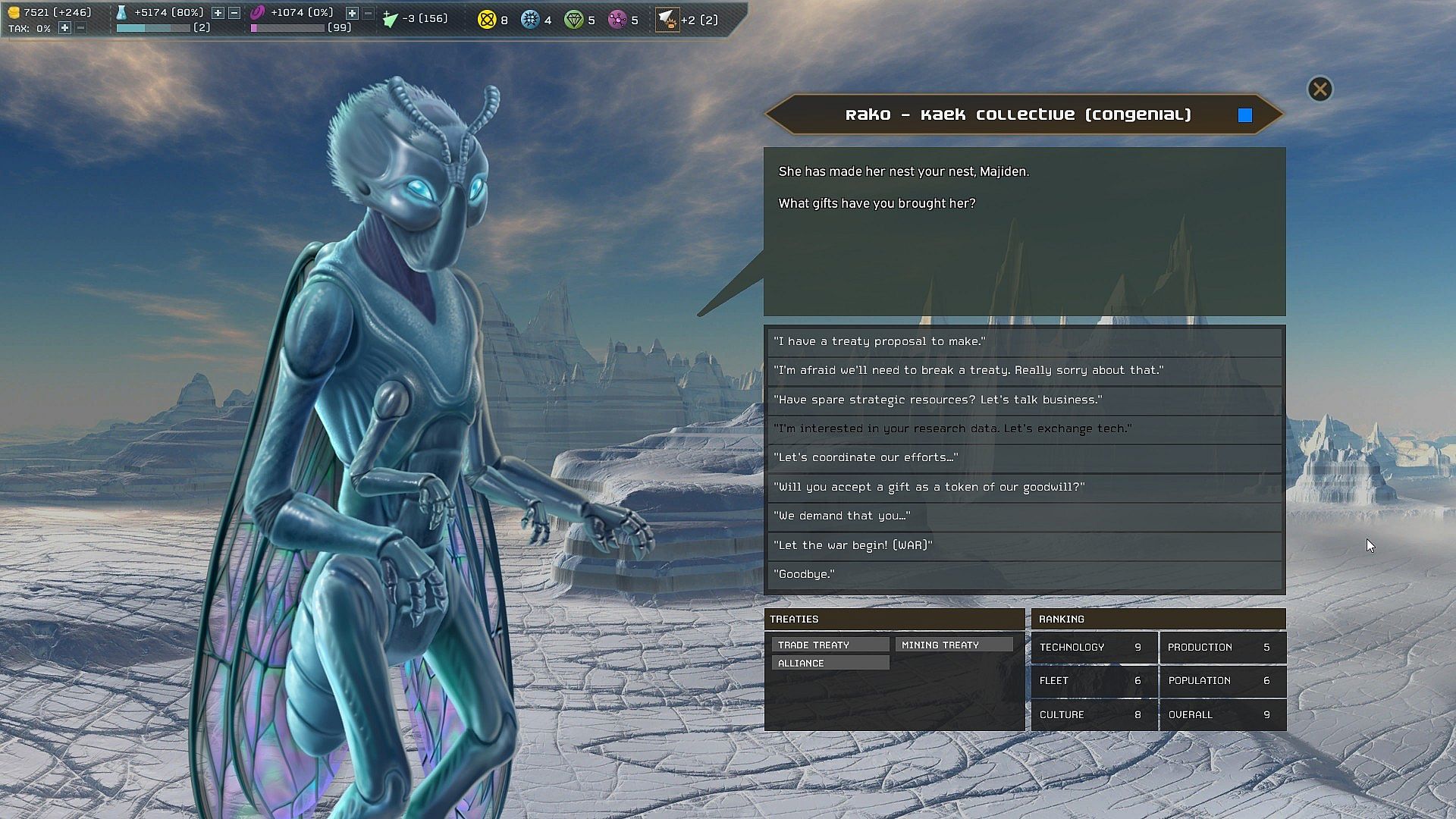
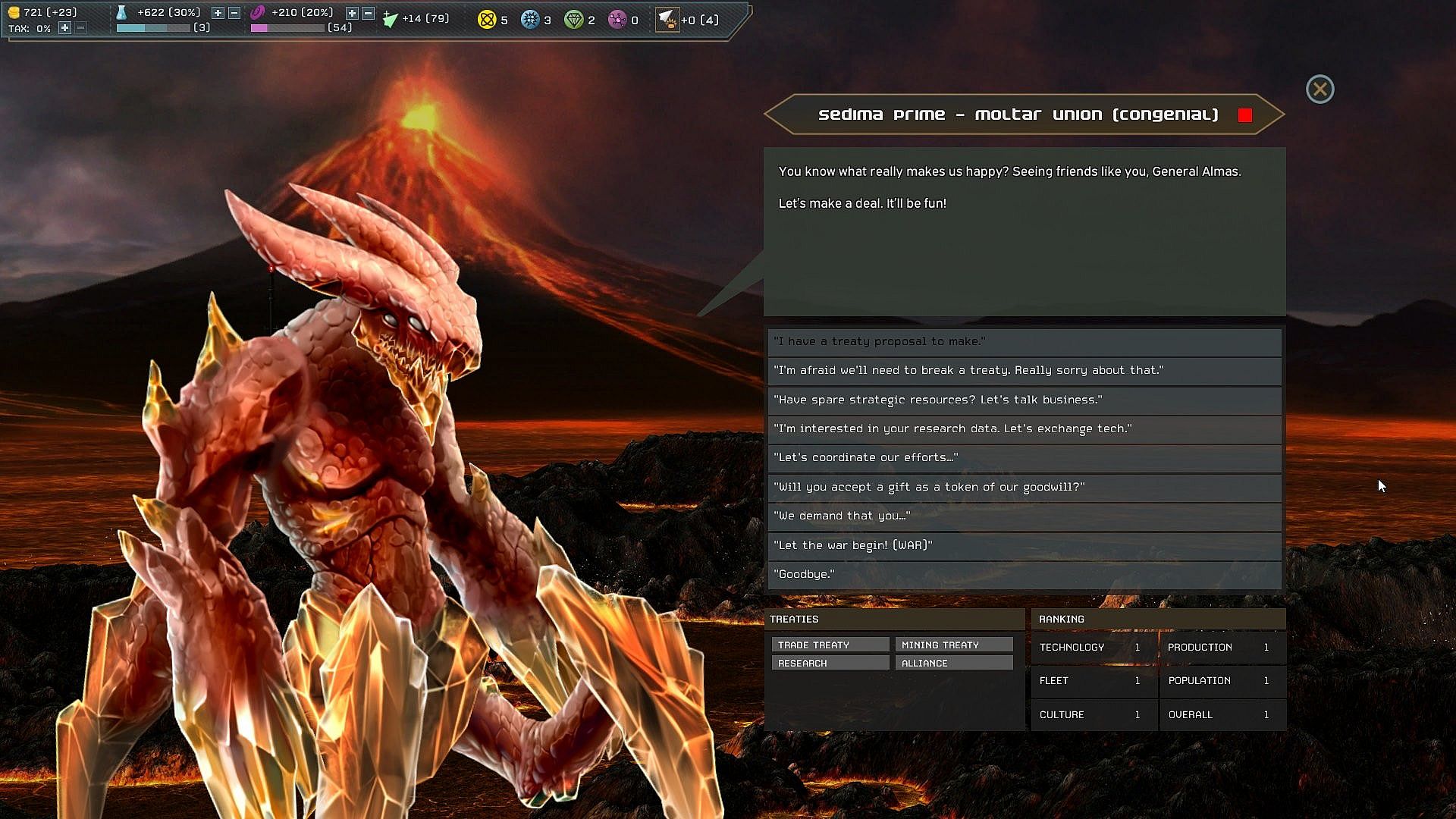
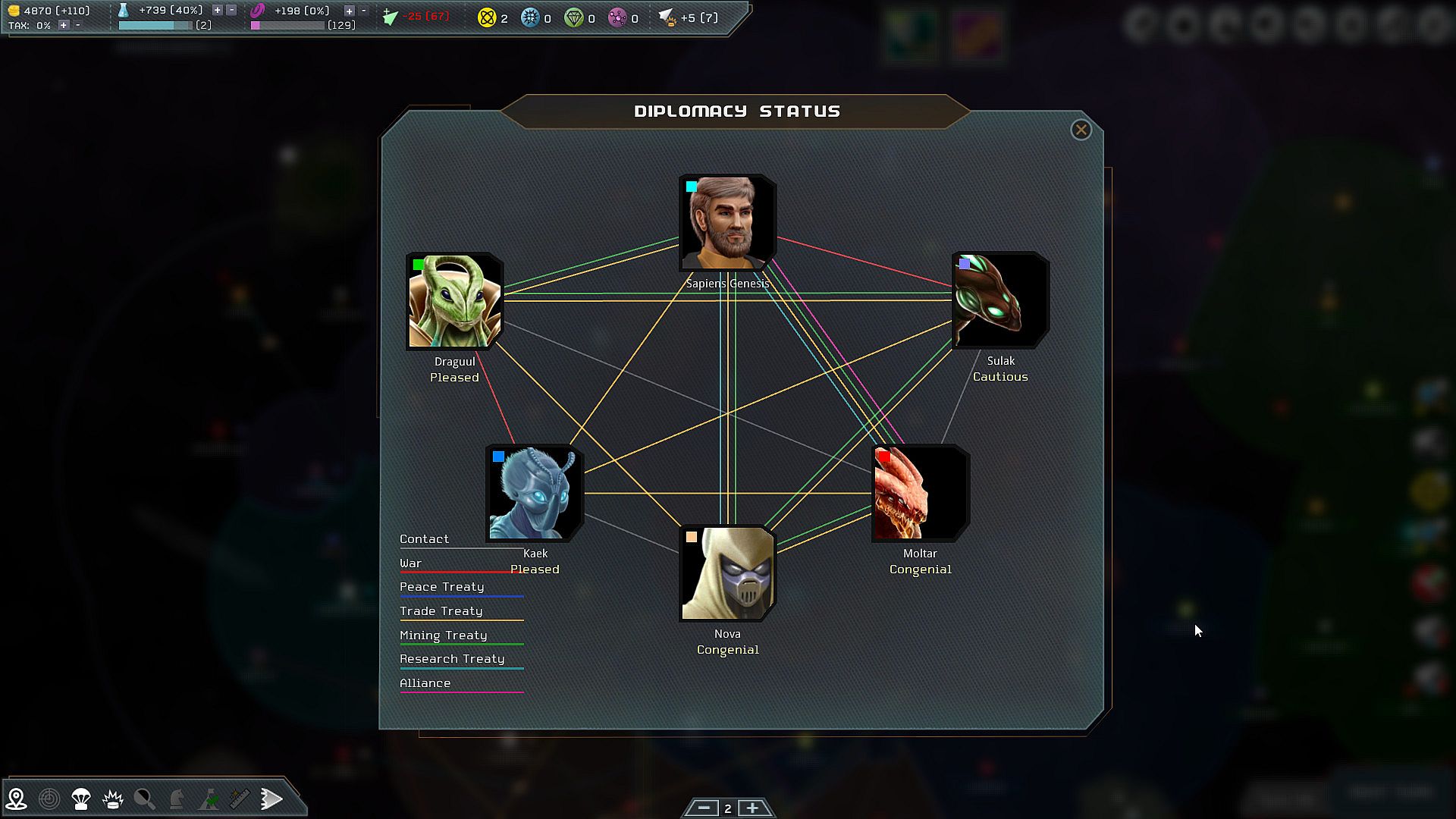
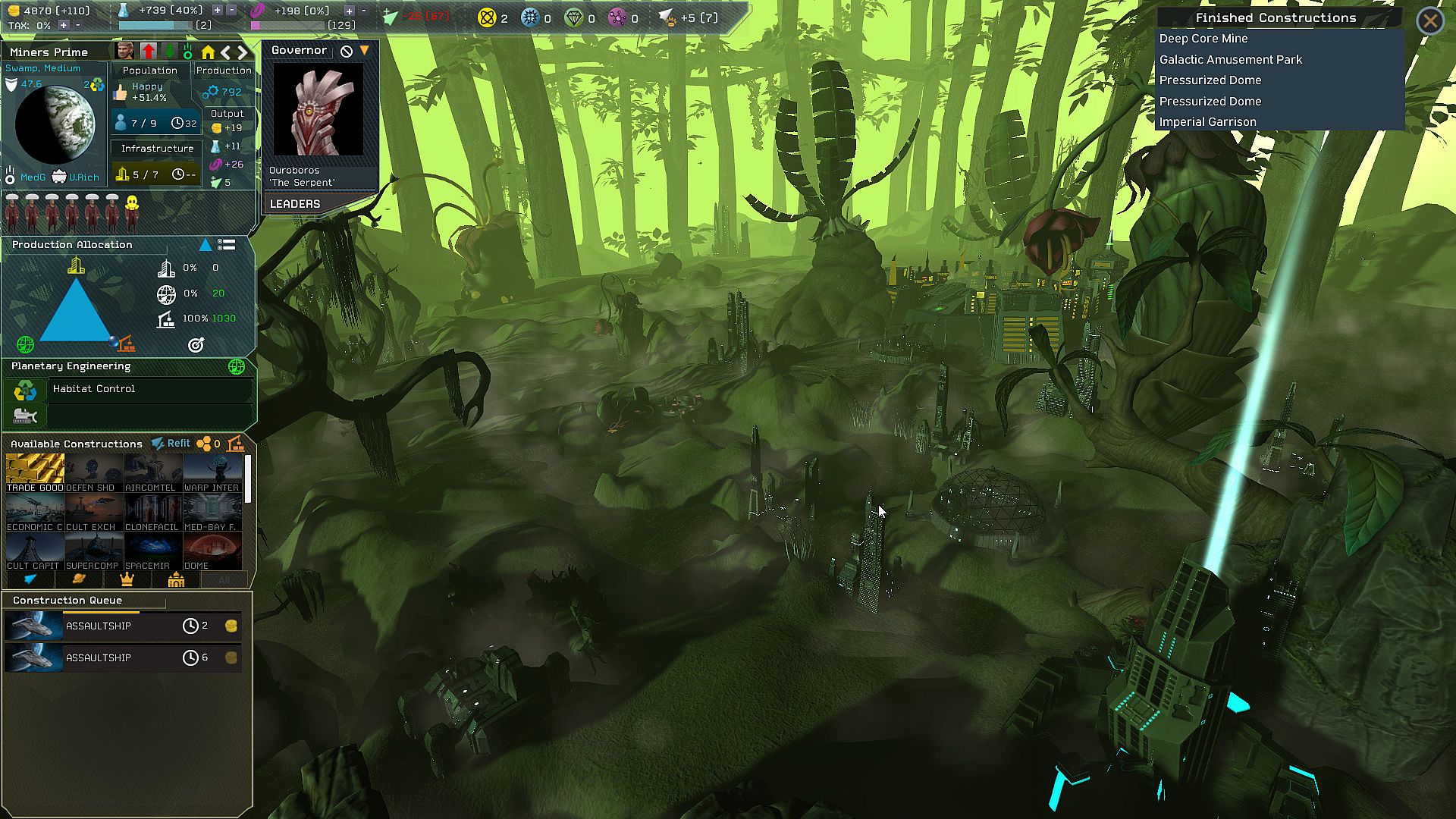
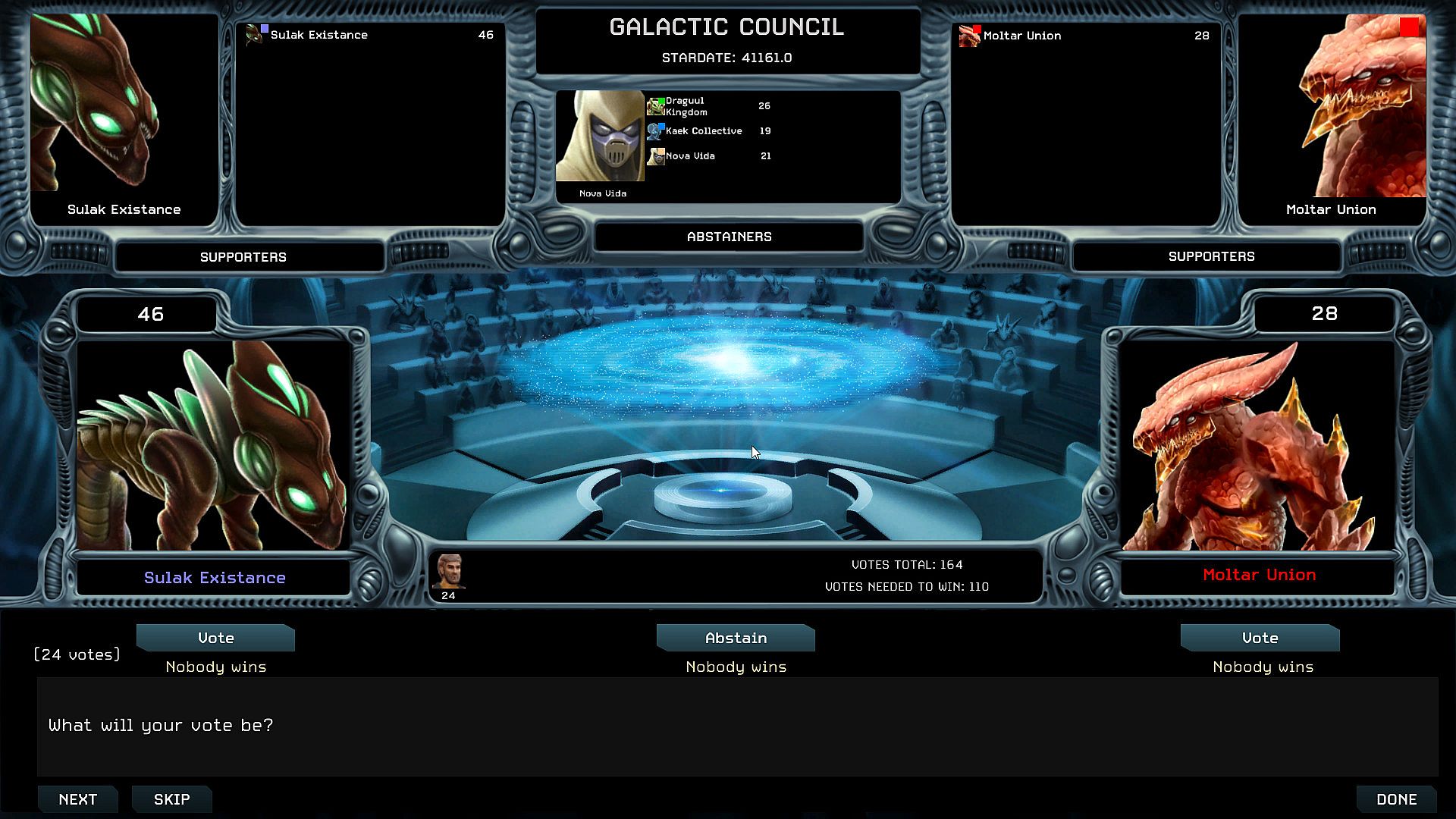
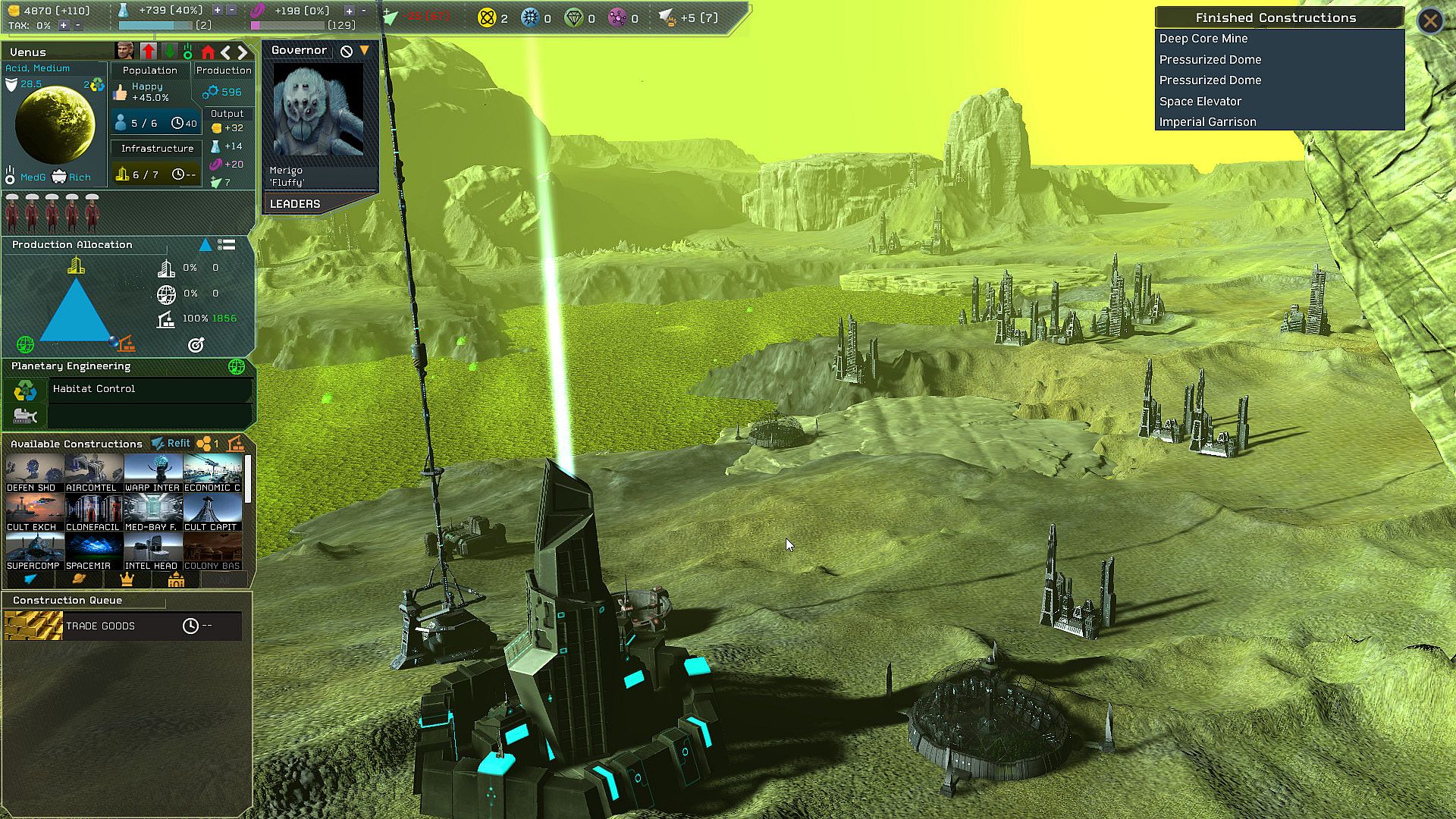
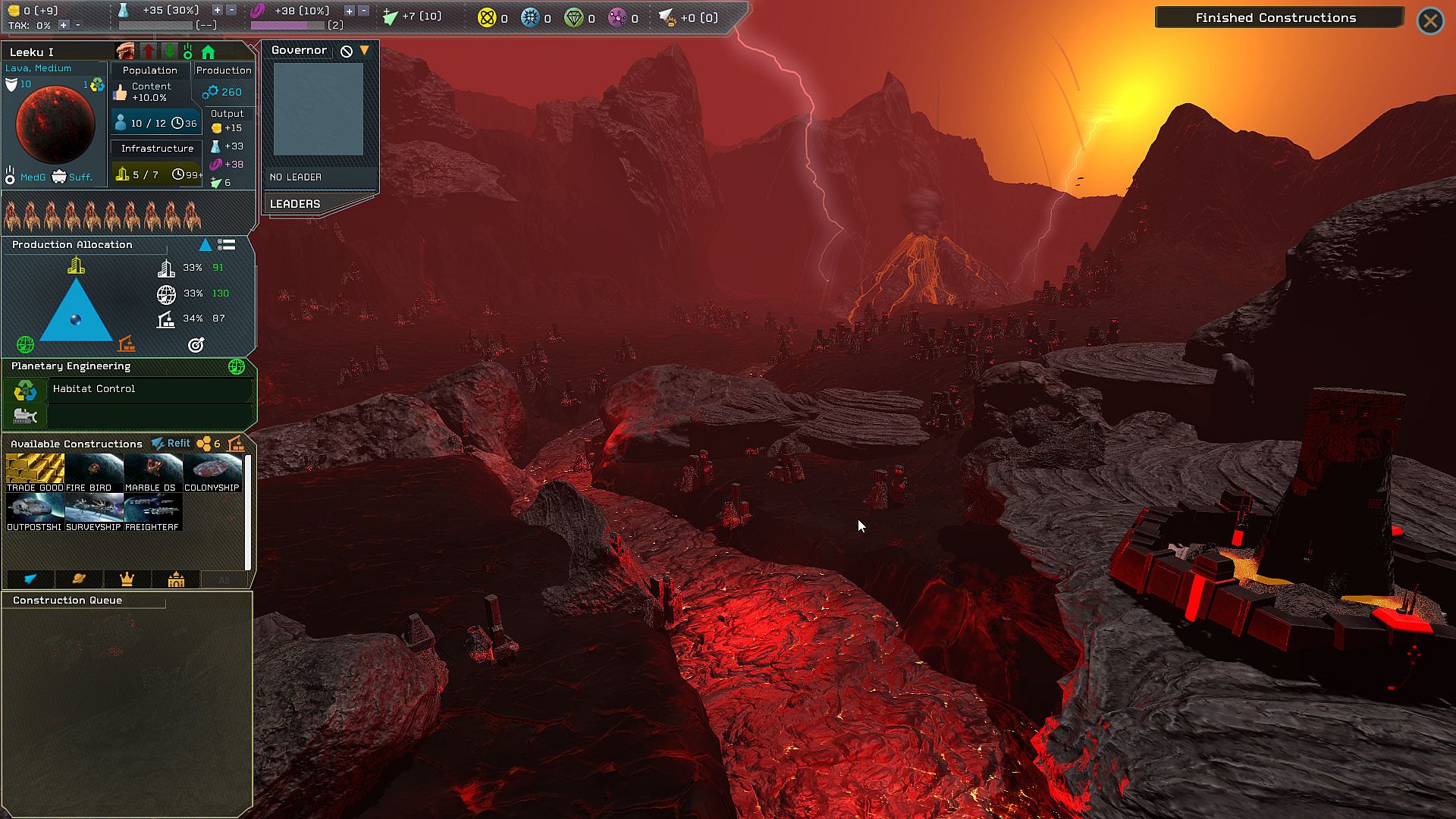
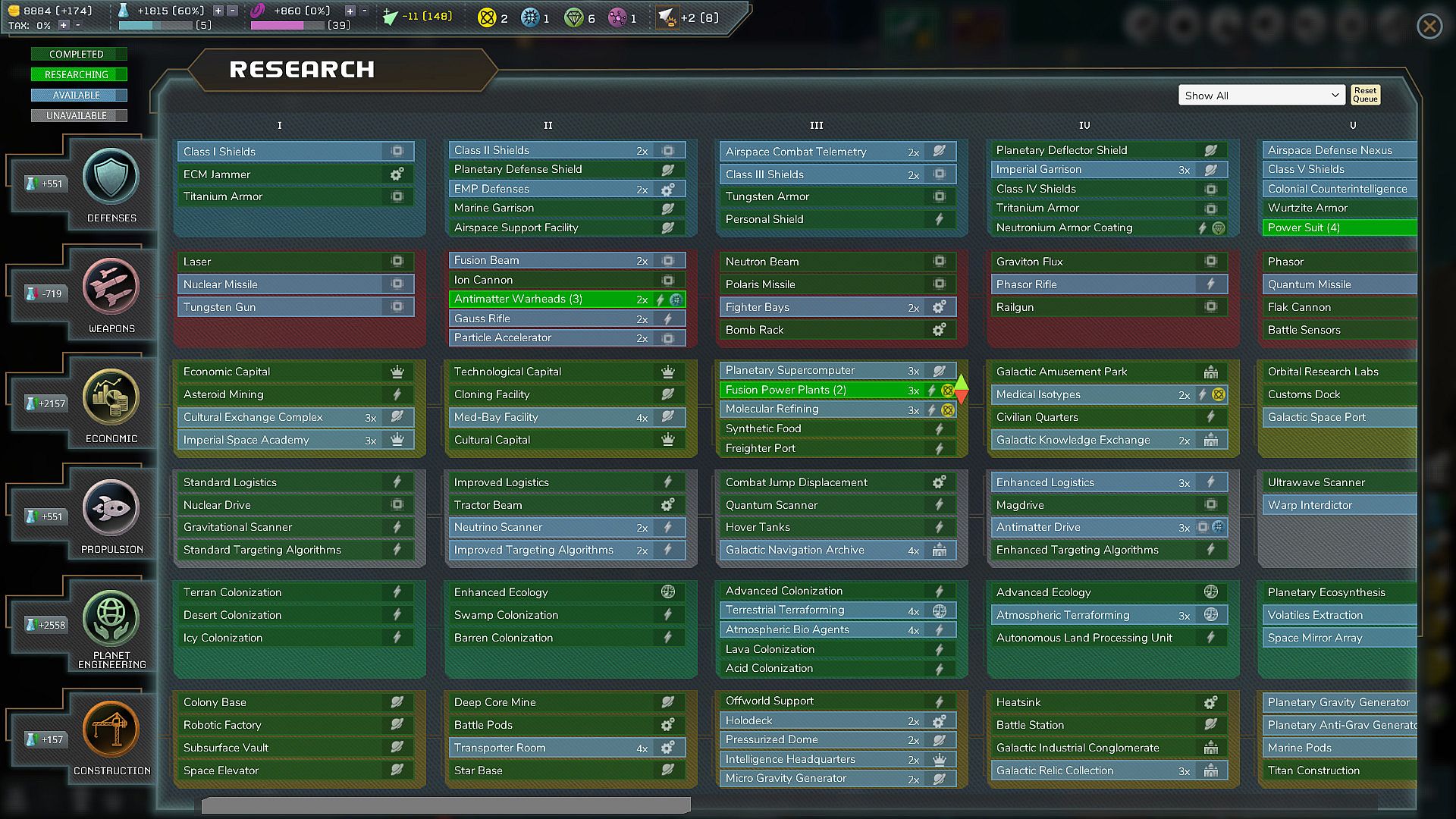
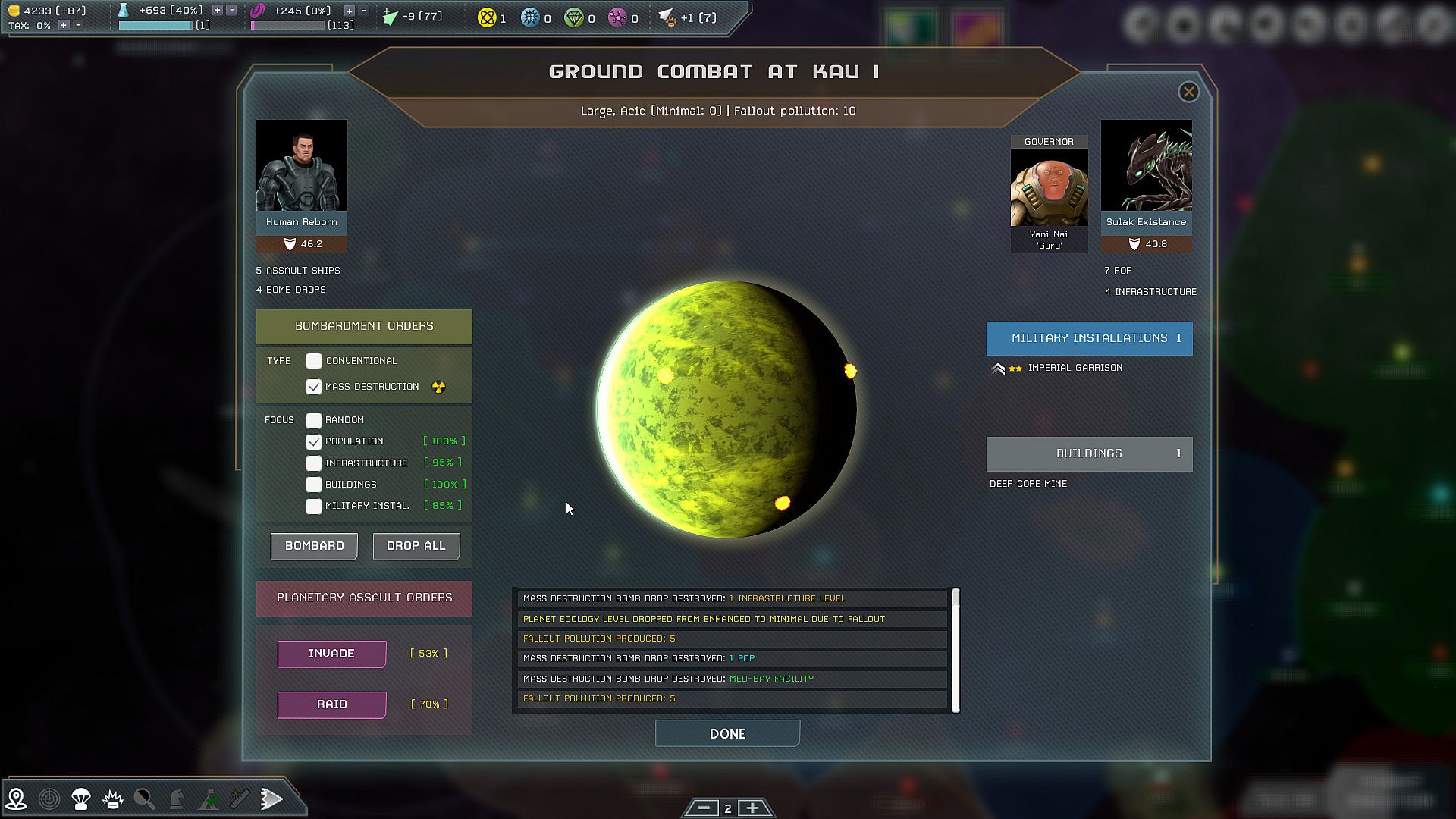
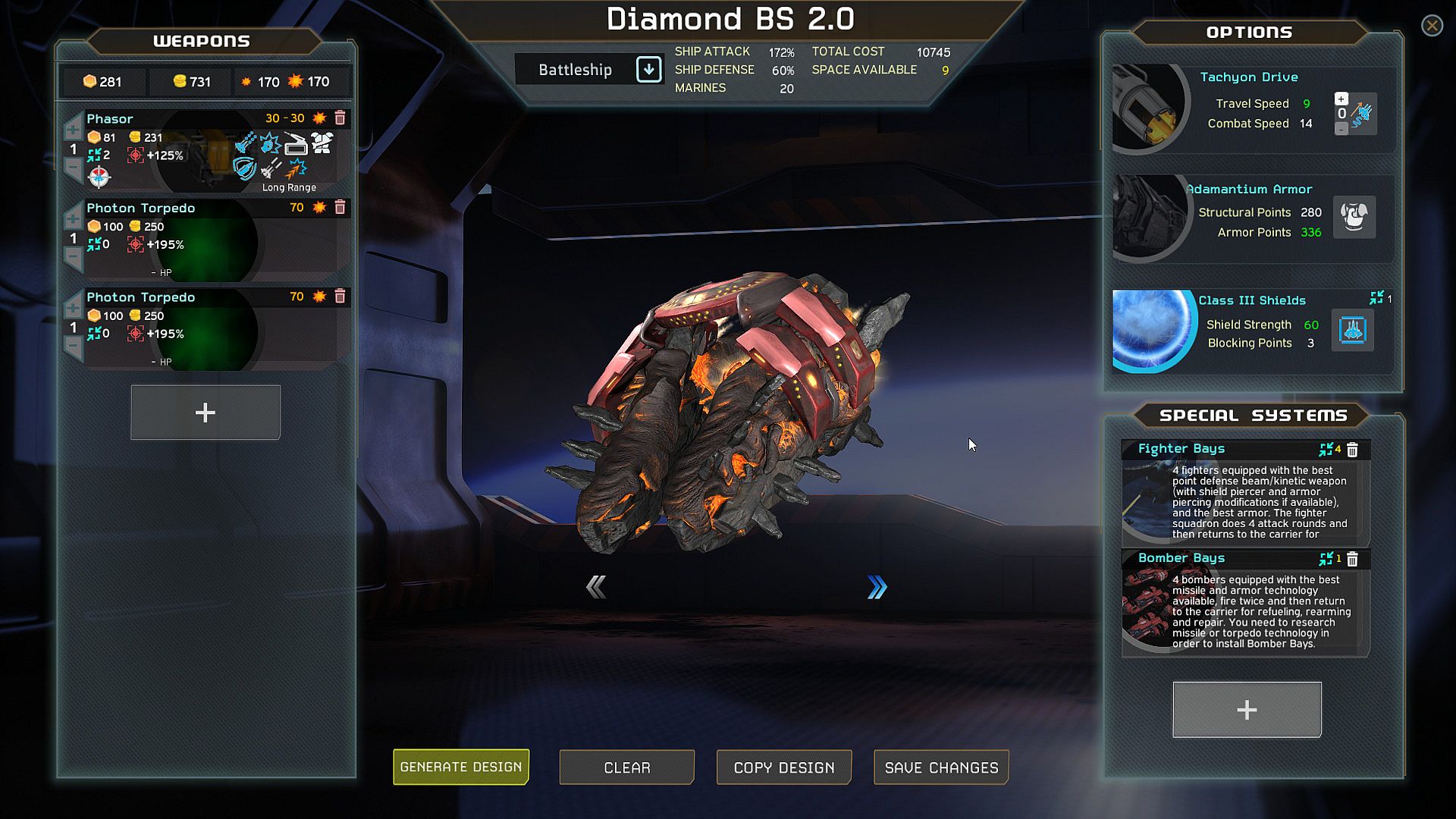
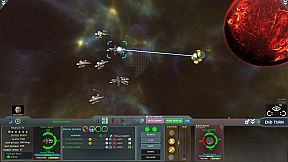
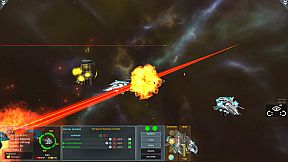
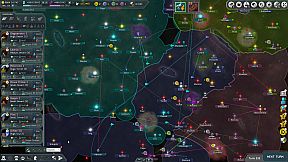
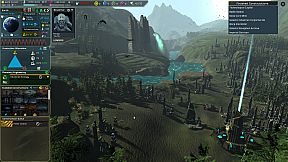
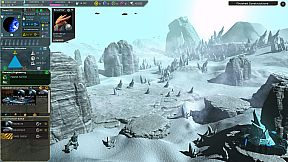
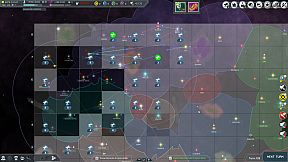
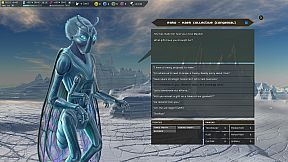
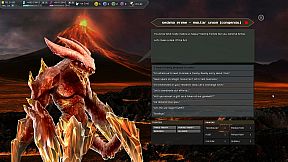
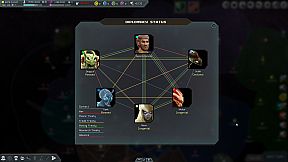
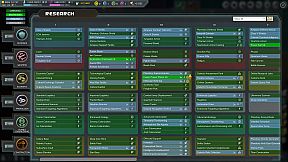
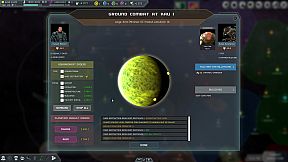
In Interstellar Space: Genesis, the core loop revolves around managing resources, researching technologies, and expanding influence across star systems. Players start by selecting or customizing a race, then explore the galaxy using remote detection or survey ships to uncover planets, black holes, neutron stars, and ancient ruins. Colonization involves settling worlds, terraforming them to suit racial preferences, and developing infrastructure for production and research. Combat unfolds in tactical turn-based battles where custom-designed ships clash, incorporating weapons, defenses, and strategic maneuvers. Diplomacy allows for treaties, alliances, or espionage missions with leaders who possess distinct personalities, skills, and agendas. The game reduces tedium through streamlined mechanics, such as automated colony management and randomized tech trees that encourage adaptive strategies.
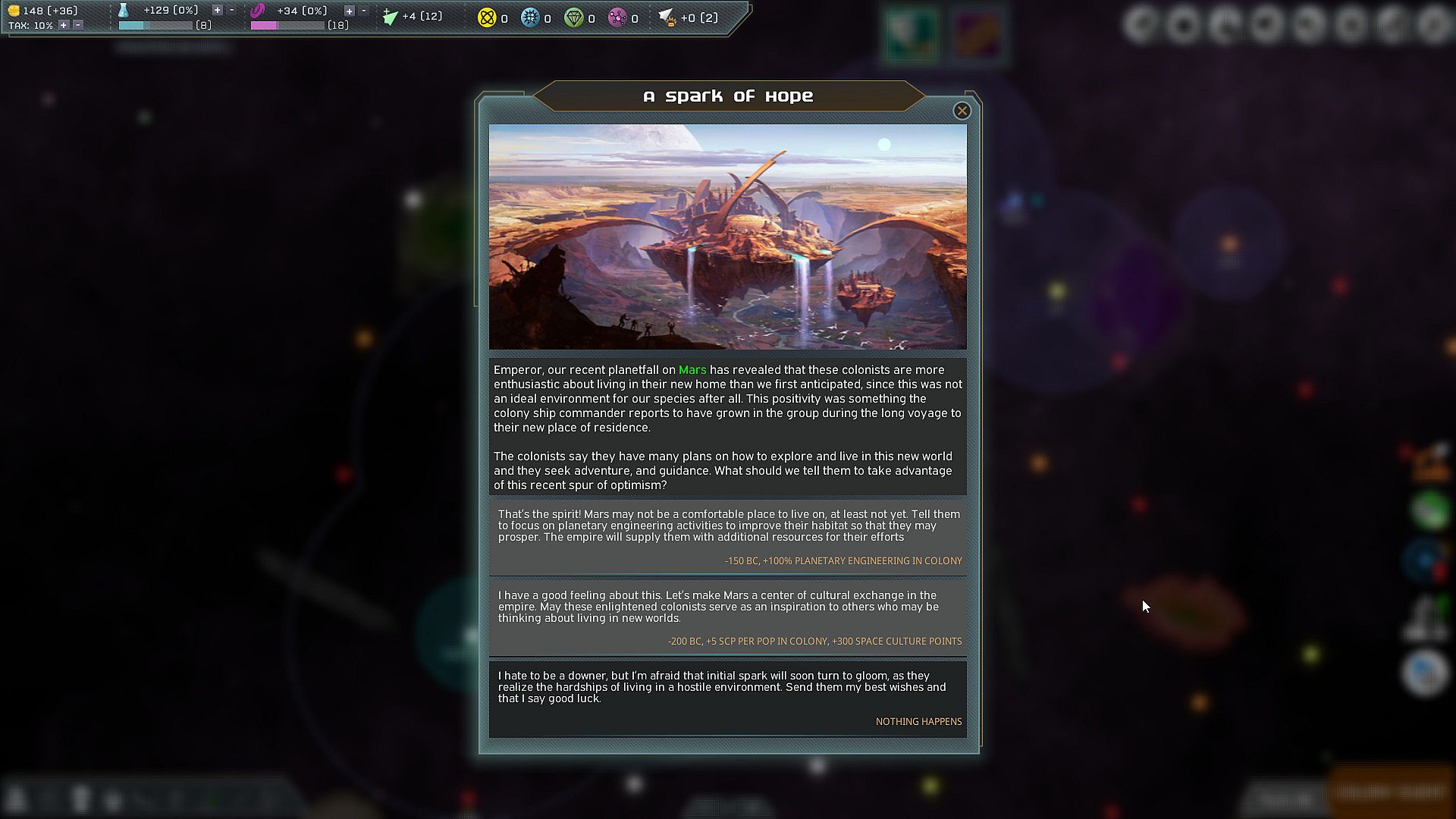
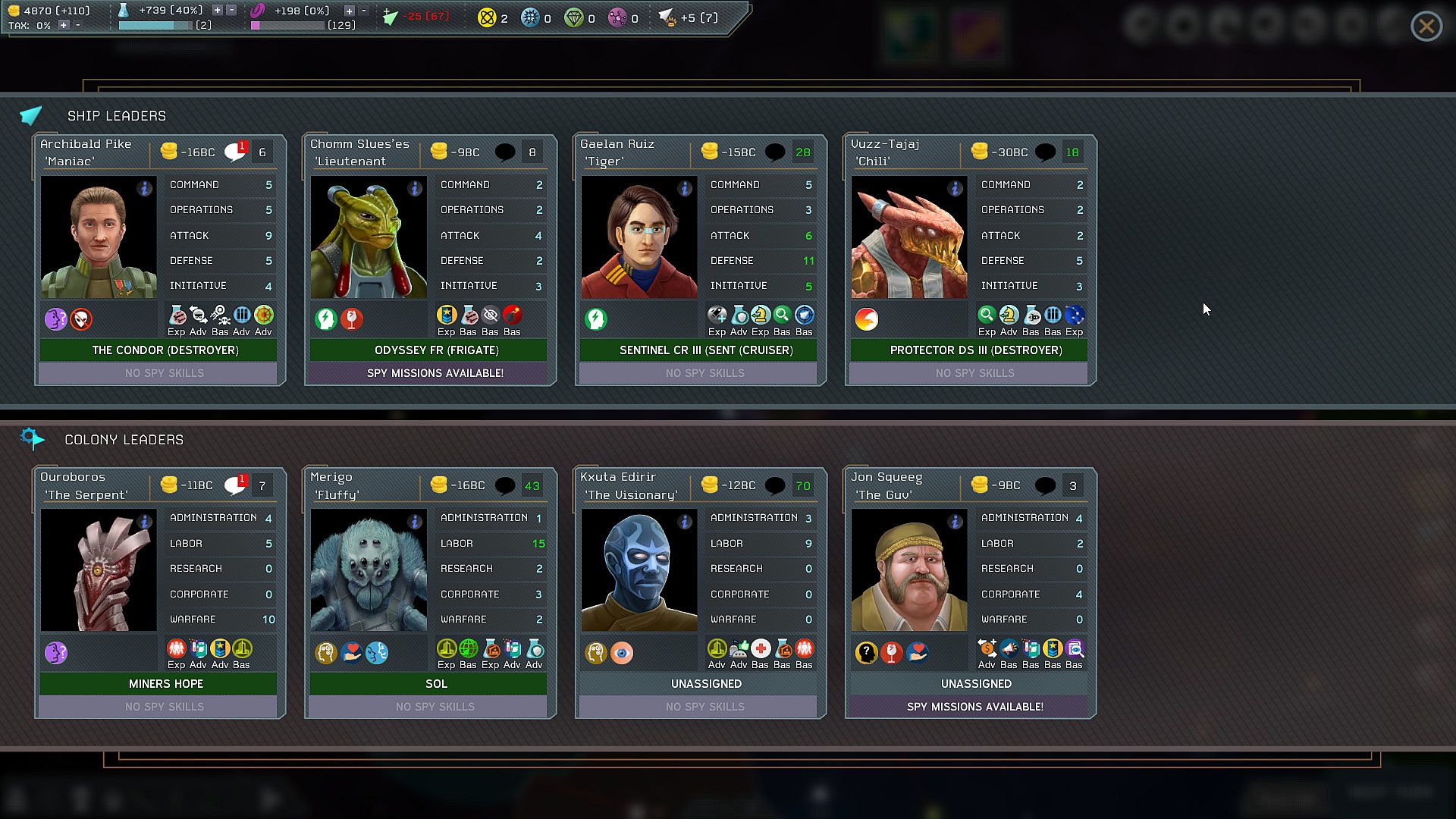
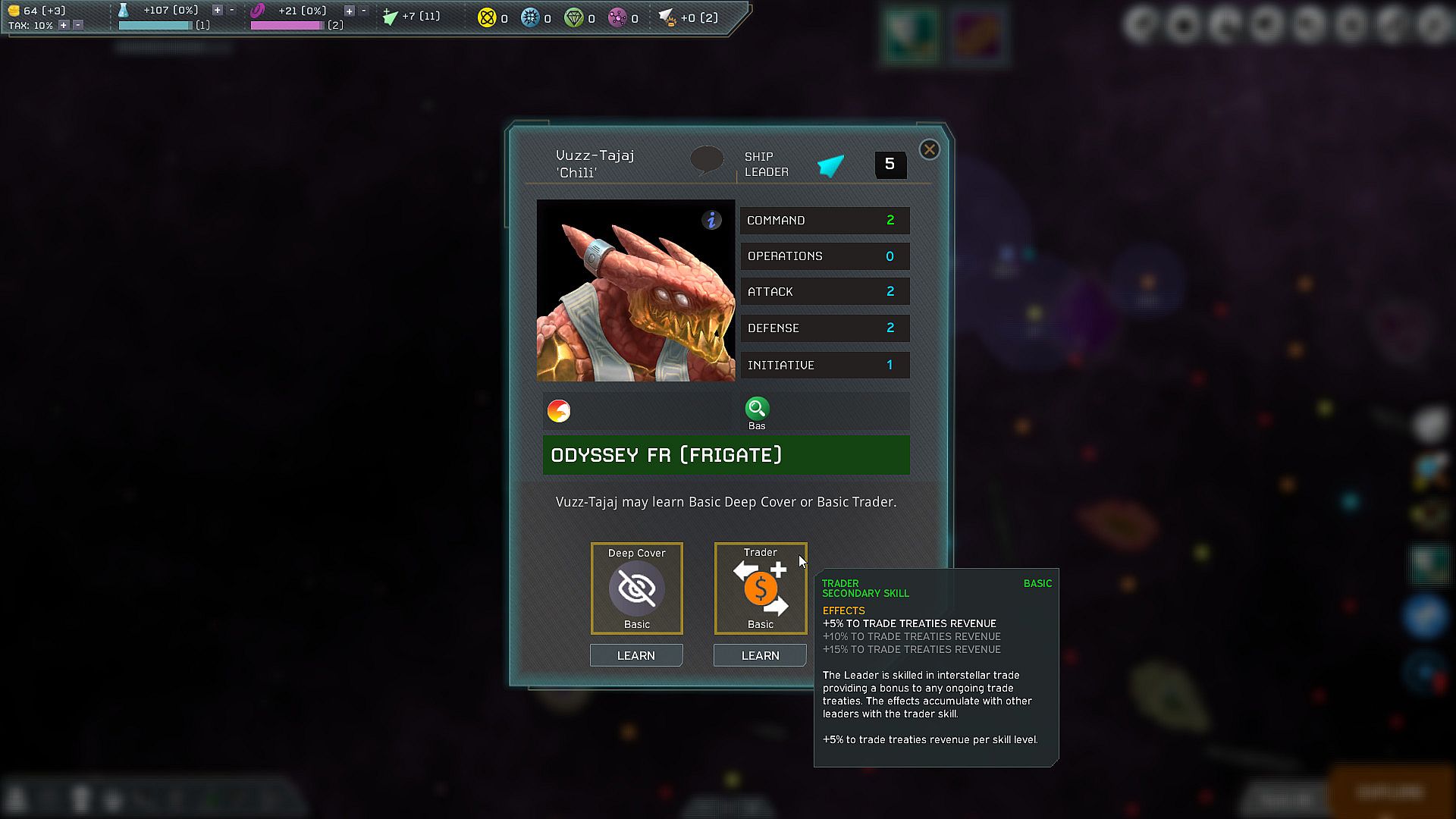
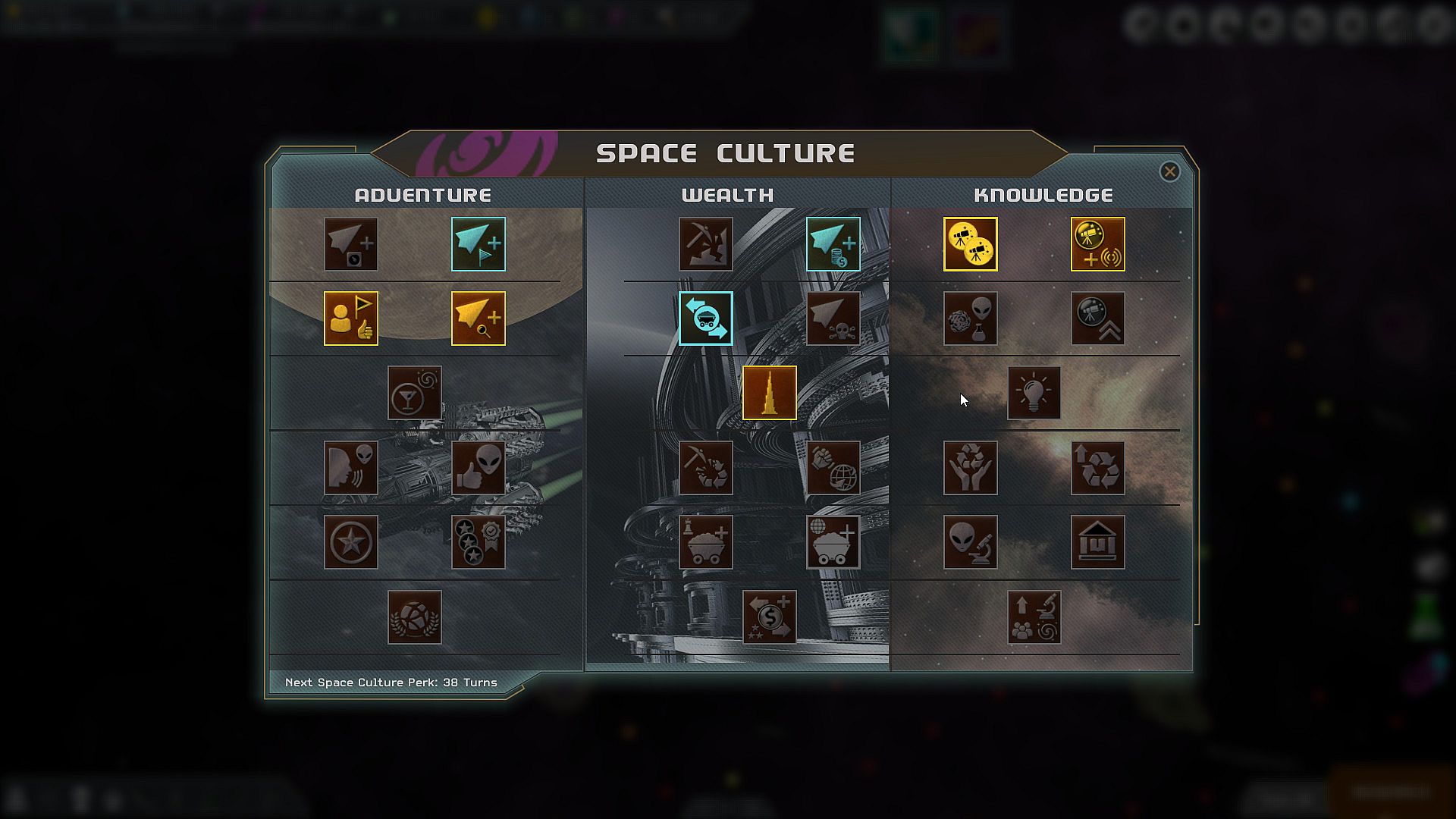
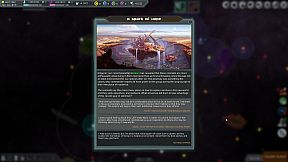
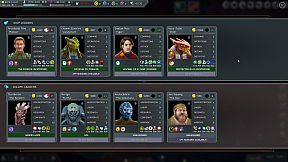
Exploration mechanics add layers of discovery, with events revealing treasures, new technologies, or recruitable individuals. Players must balance supply chains for interstellar travel, exploit asteroids for resources, and evolve their culture to unlock specializations. Leaders play a crucial role, influencing system efficiency and enabling undercover operations to sabotage rivals or gather intelligence. These elements combine to create a strategic depth that rewards planning and adaptation in a dynamic galaxy.
Game Modes
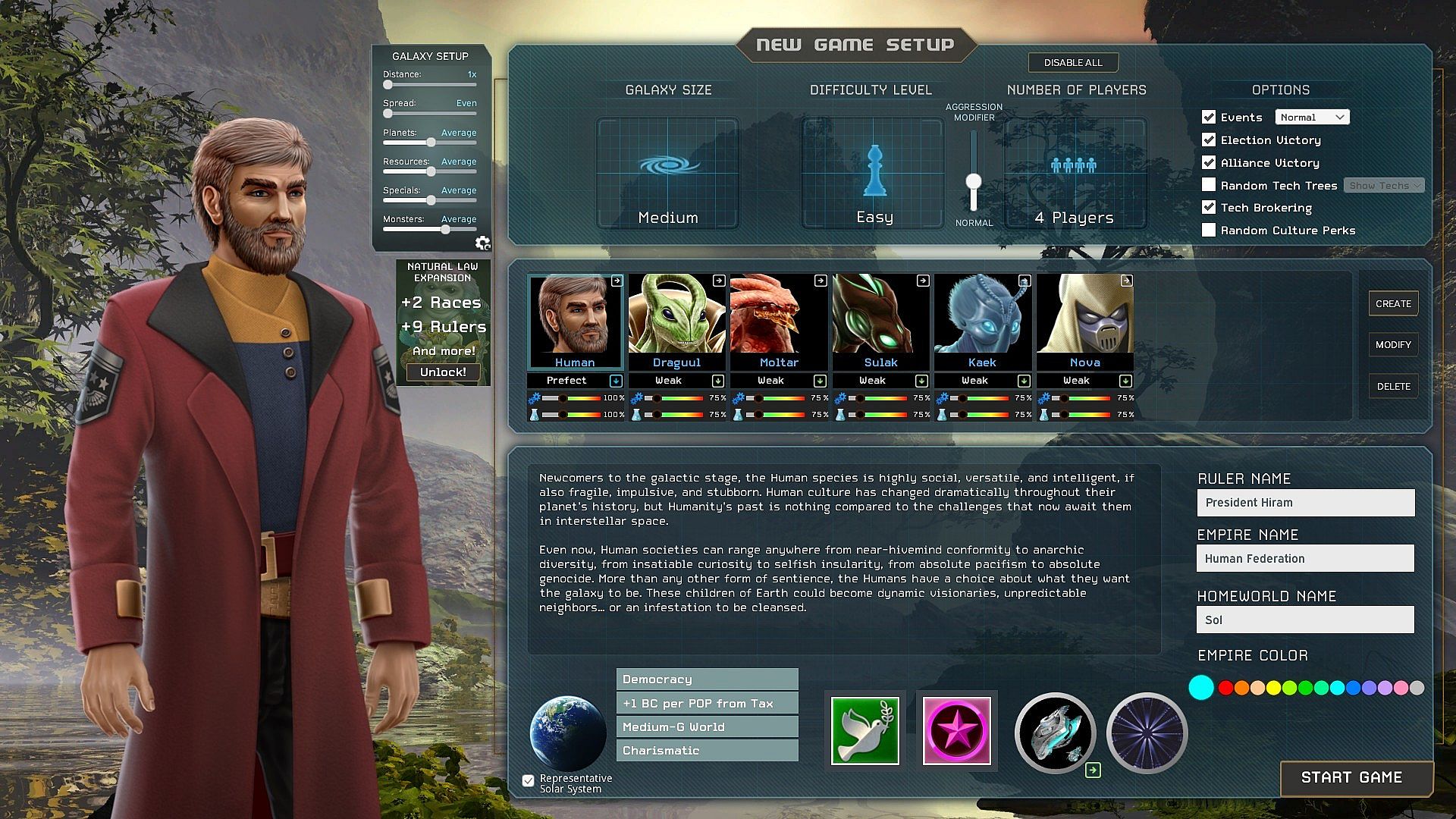
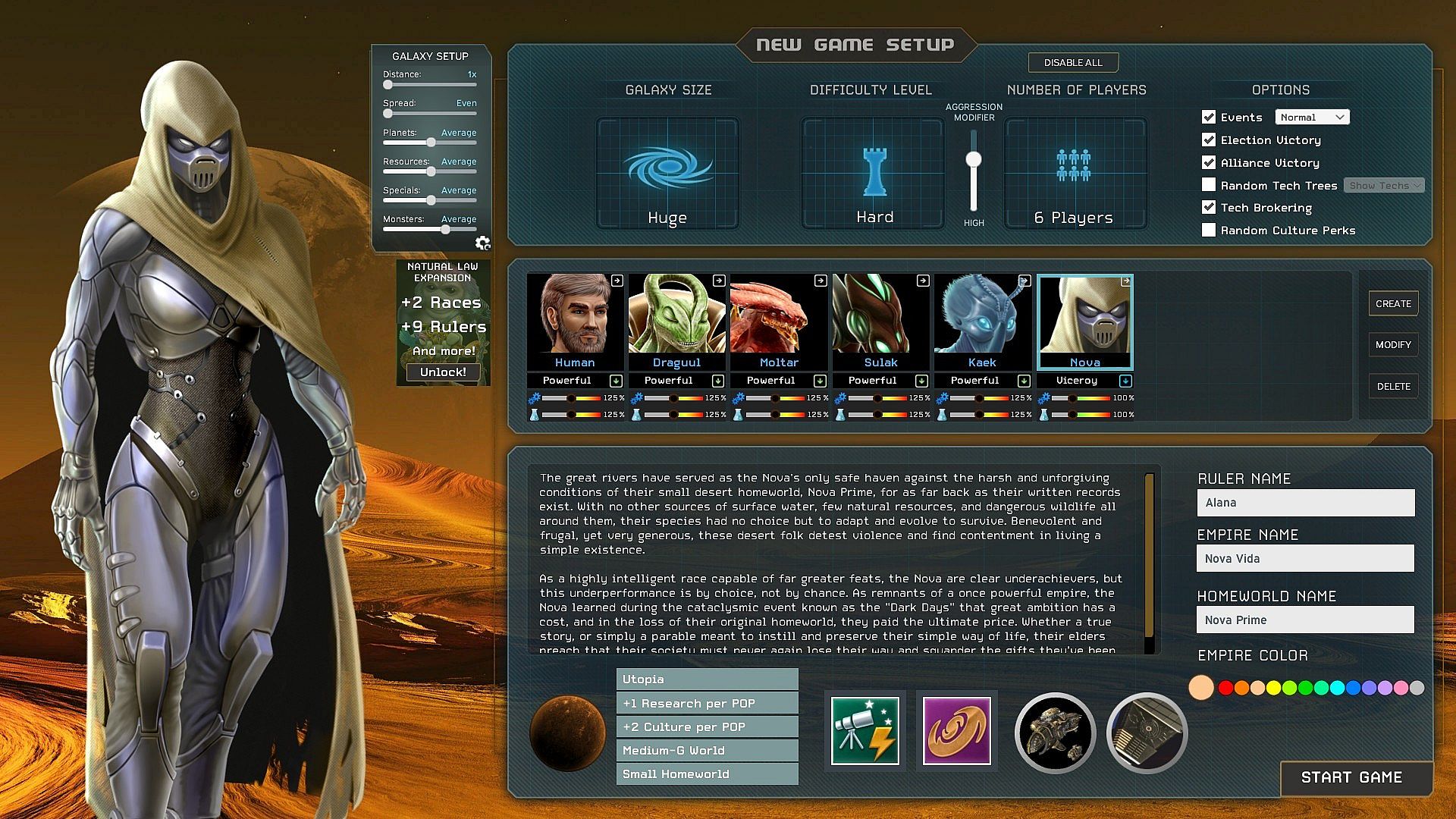
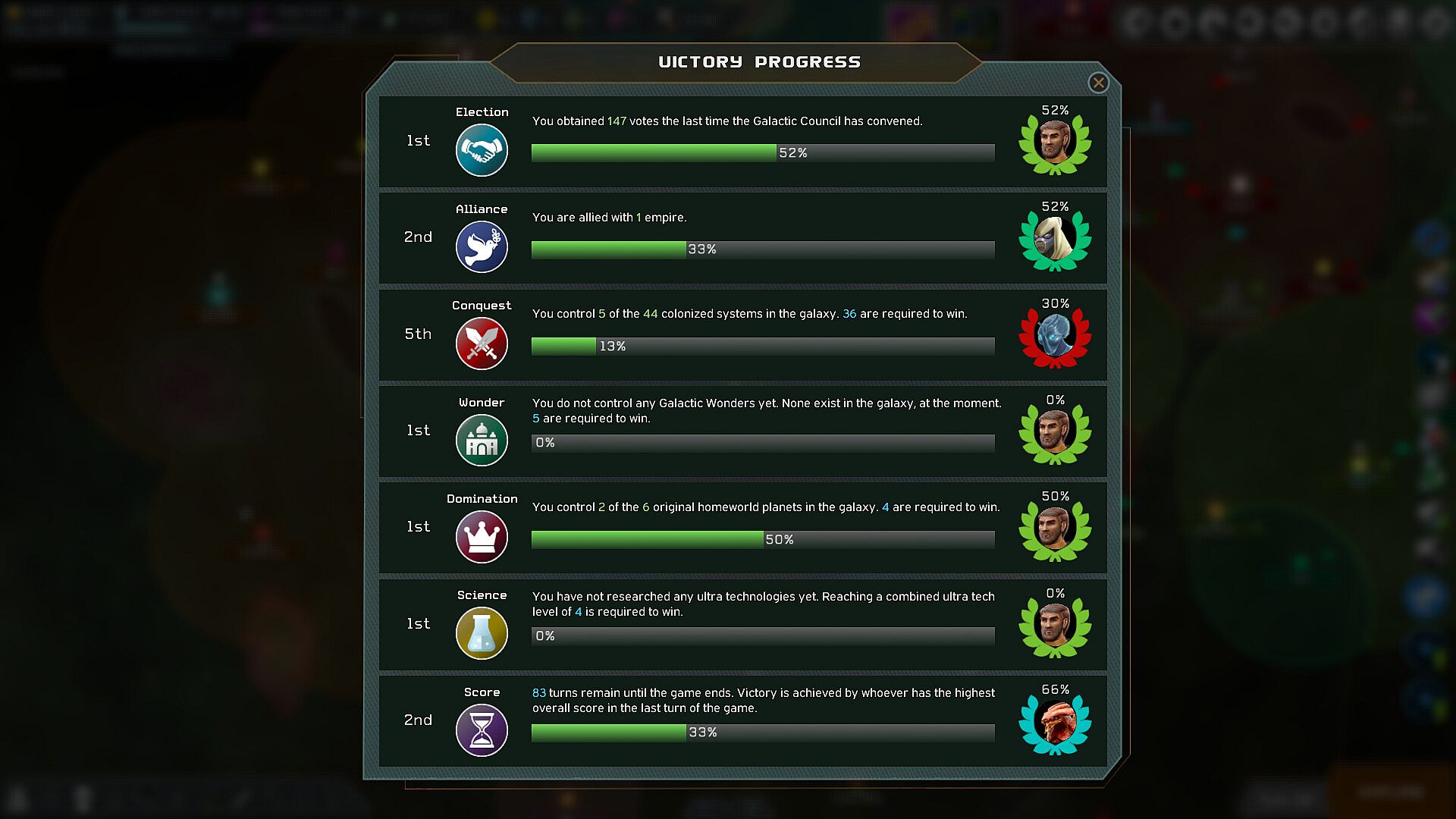
The game focuses on single-player experiences, where you craft your own scenarios through extensive customization options. Adjust galaxy size, difficulty sliders for individual empires, and victory conditions to tailor the challenge. Whether aiming for domination through conquest, technological supremacy, or diplomatic mastery, these settings allow for varied playthroughs. There are no predefined campaigns; instead, each game generates a unique galaxy with randomized elements, ensuring replayability.
For those who prefer structure, the game supports tech and culture trees that can follow a natural progression or randomize for unpredictability. This flexibility suits both quick sessions and marathon empire-building endeavors, all within a solo framework that emphasizes personal strategy over competitive multiplayer.
Factions and Customization
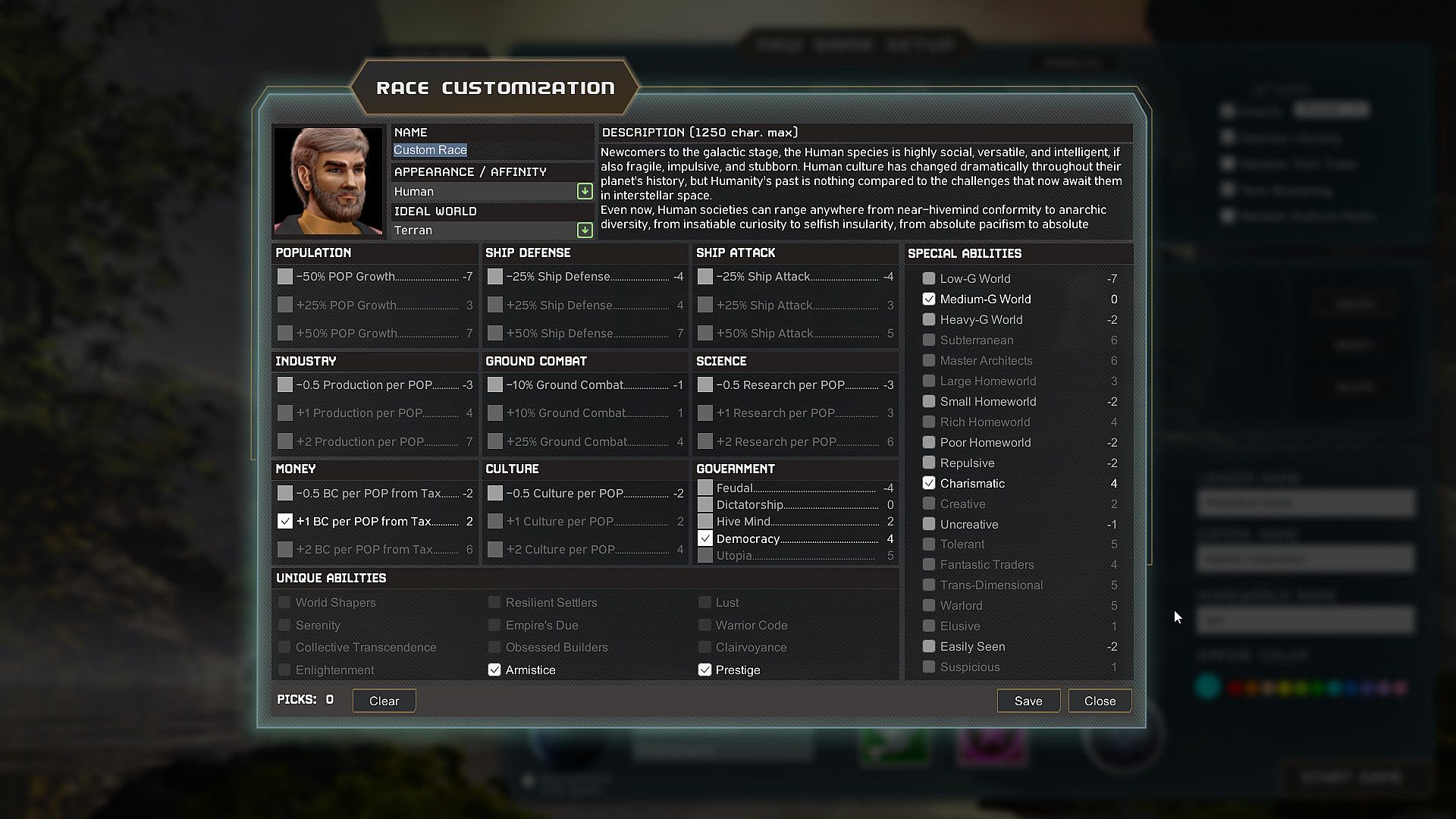
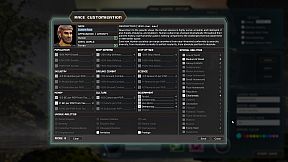
Choose from six predefined races, each with unique abilities, advantages, and backstories that influence gameplay. For example, some excel in research, while others dominate in combat or diplomacy. Beyond that, the custom race designer lets you create your own faction by selecting ideal world types, racial traits, and special abilities that can alter game rules. This level of personalization extends to empire settings, allowing you to fine-tune starting conditions and challenges to match your preferred style.
Is It Worth Playing?
Interstellar Space: Genesis appeals to fans of turn-based 4X strategy who enjoy building empires in a space setting with minimal micromanagement. Player feedback highlights its strengths as a solid Master of Orion-inspired title, praised for pretty visuals and accessible mechanics, though some note a steep learning curve and occasional UI frustrations. With ongoing free updates since its 2019 launch, including graphical enhancements, quality-of-life improvements like streamlined save features, and balance tweaks, the game continues to evolve. If you appreciate deep strategy and solo play in an indie package, it offers strong value, especially for those seeking a fresh take on classic 4X elements without the bloat of larger titles.