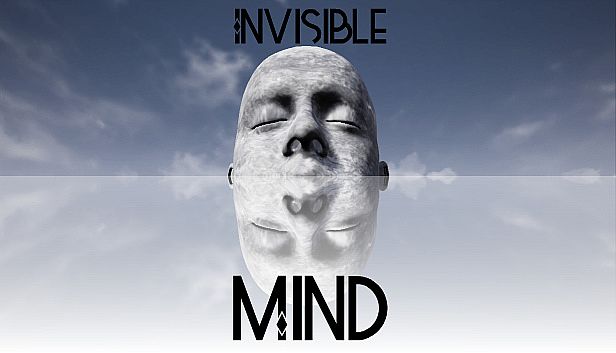












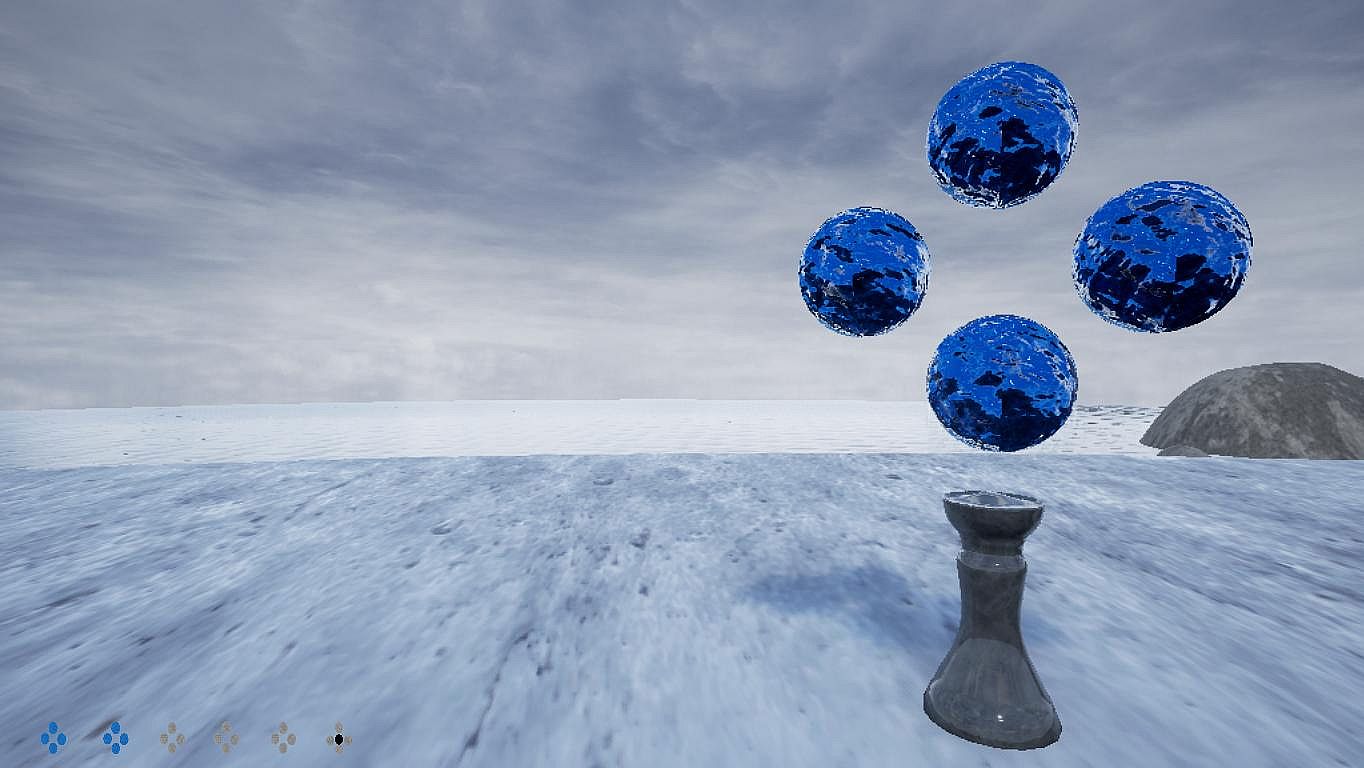
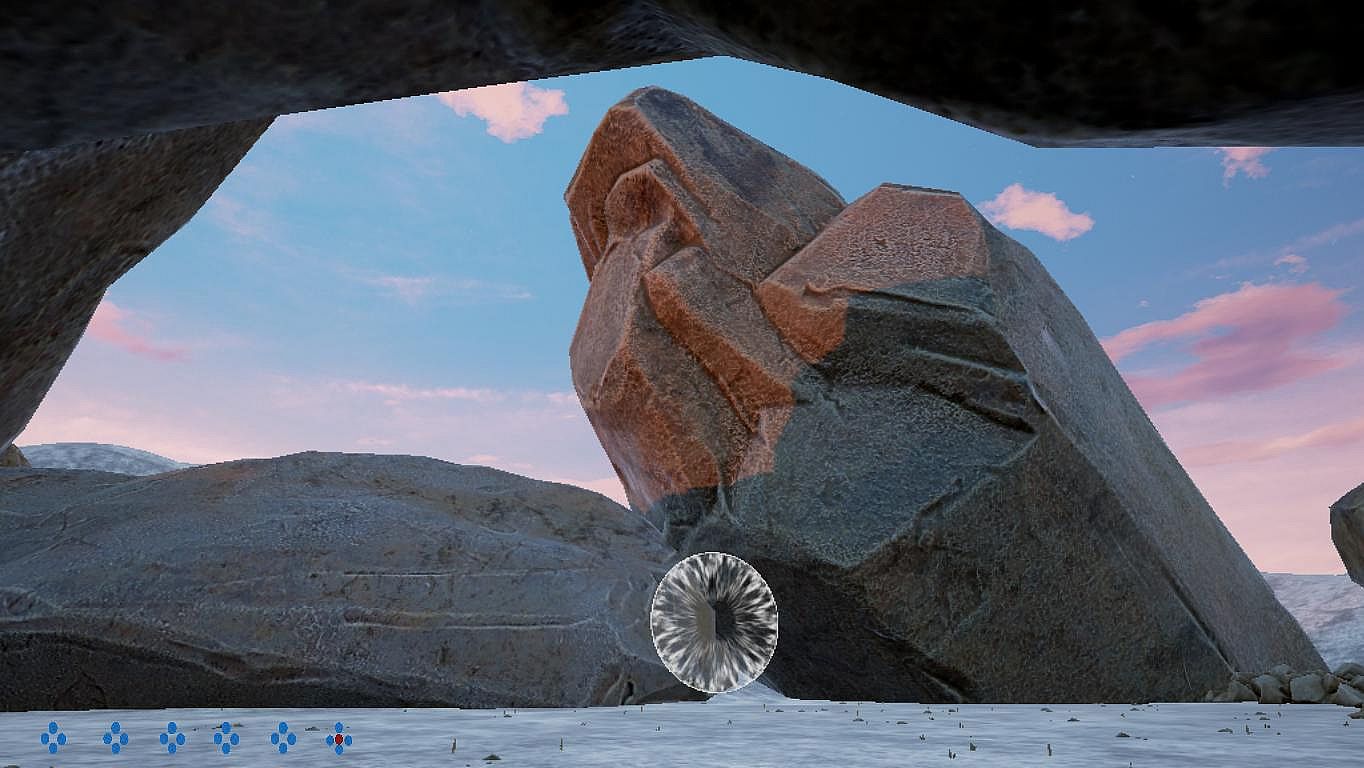
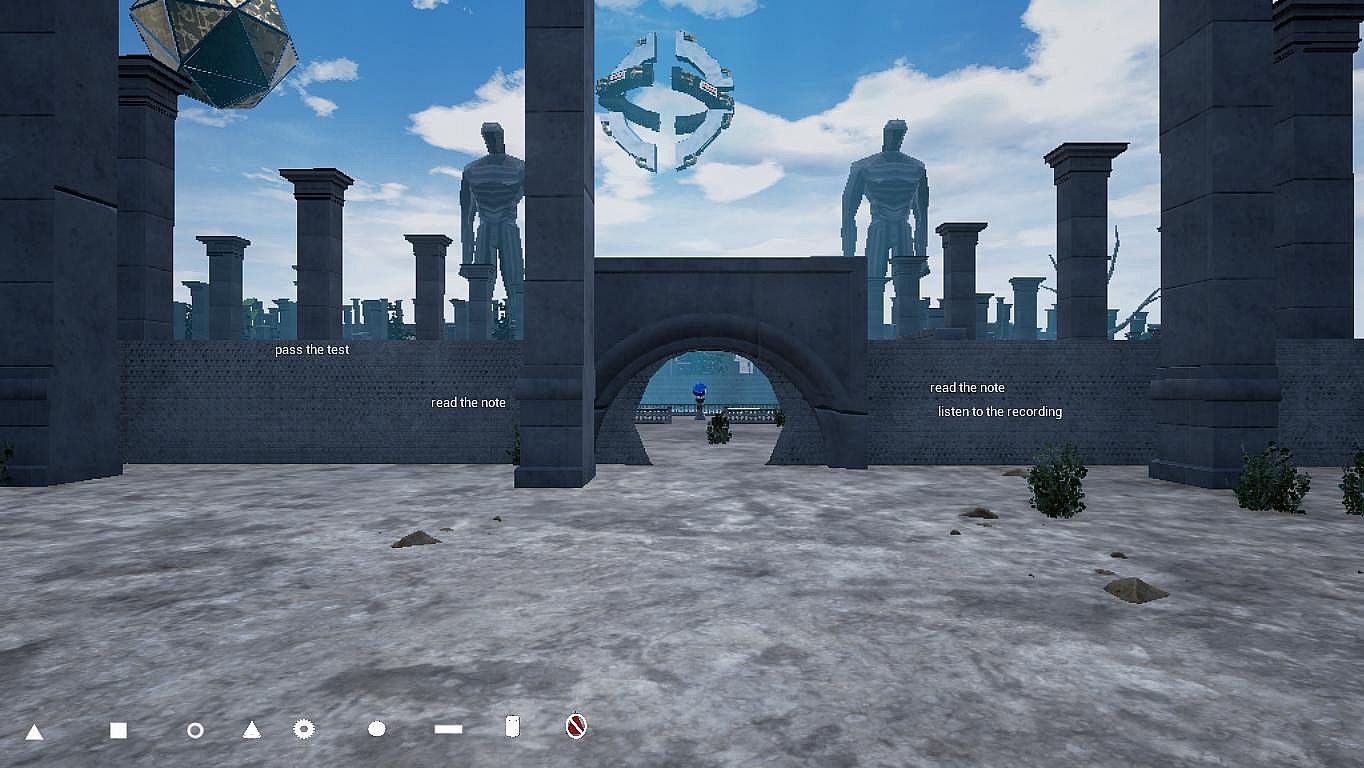
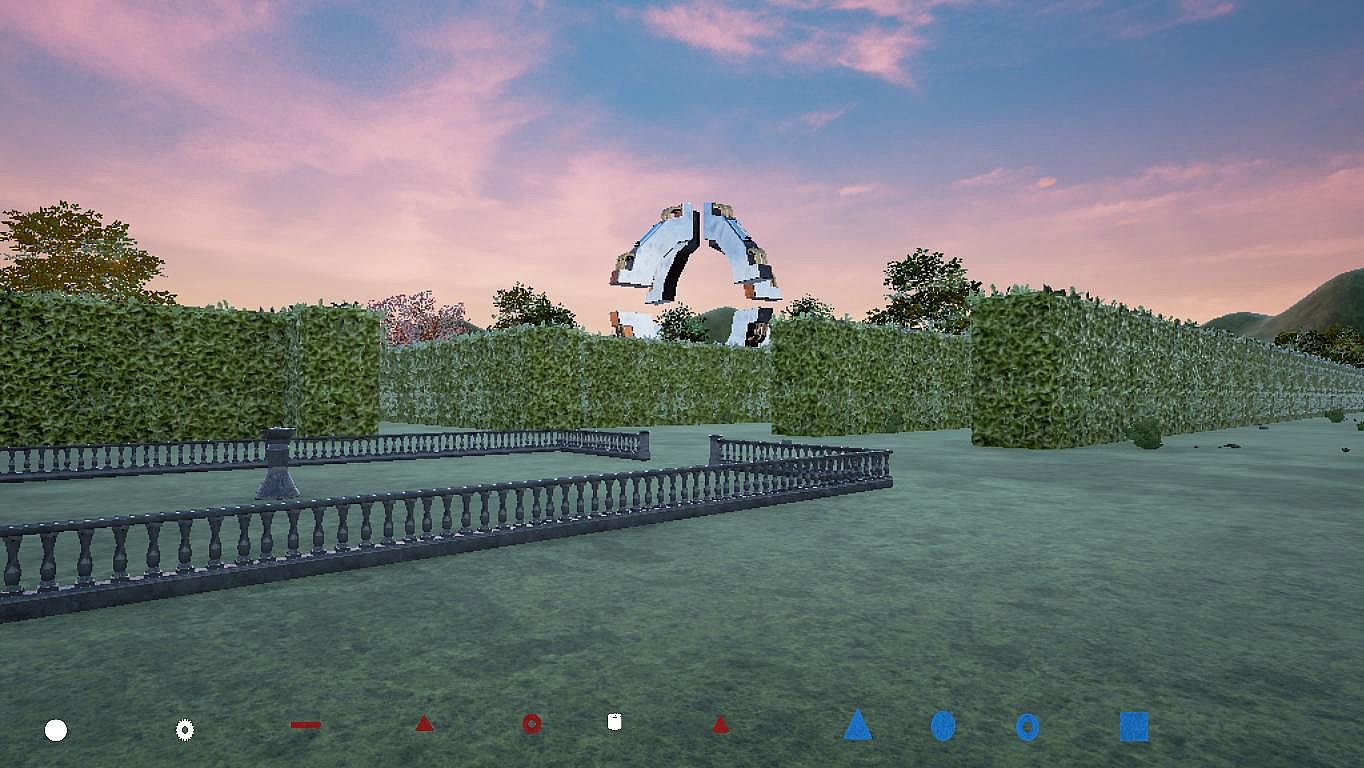

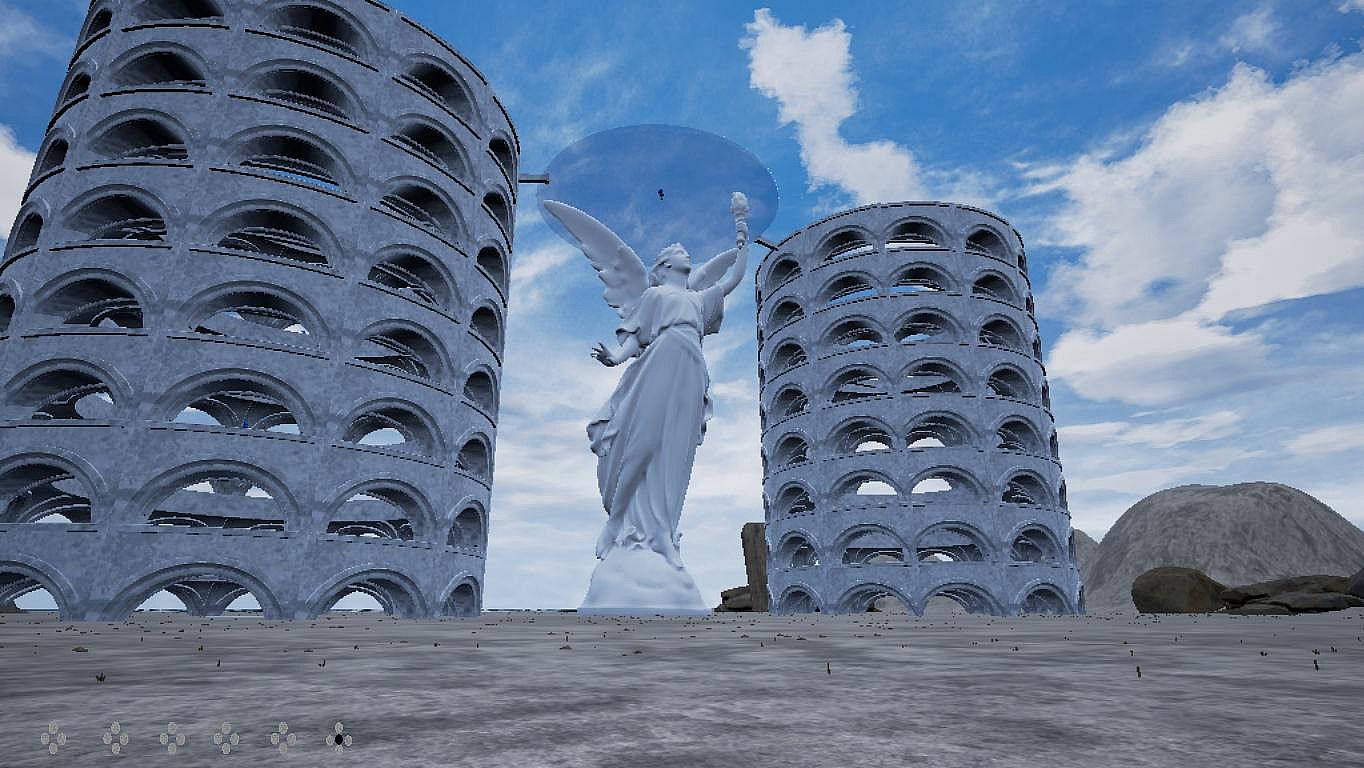
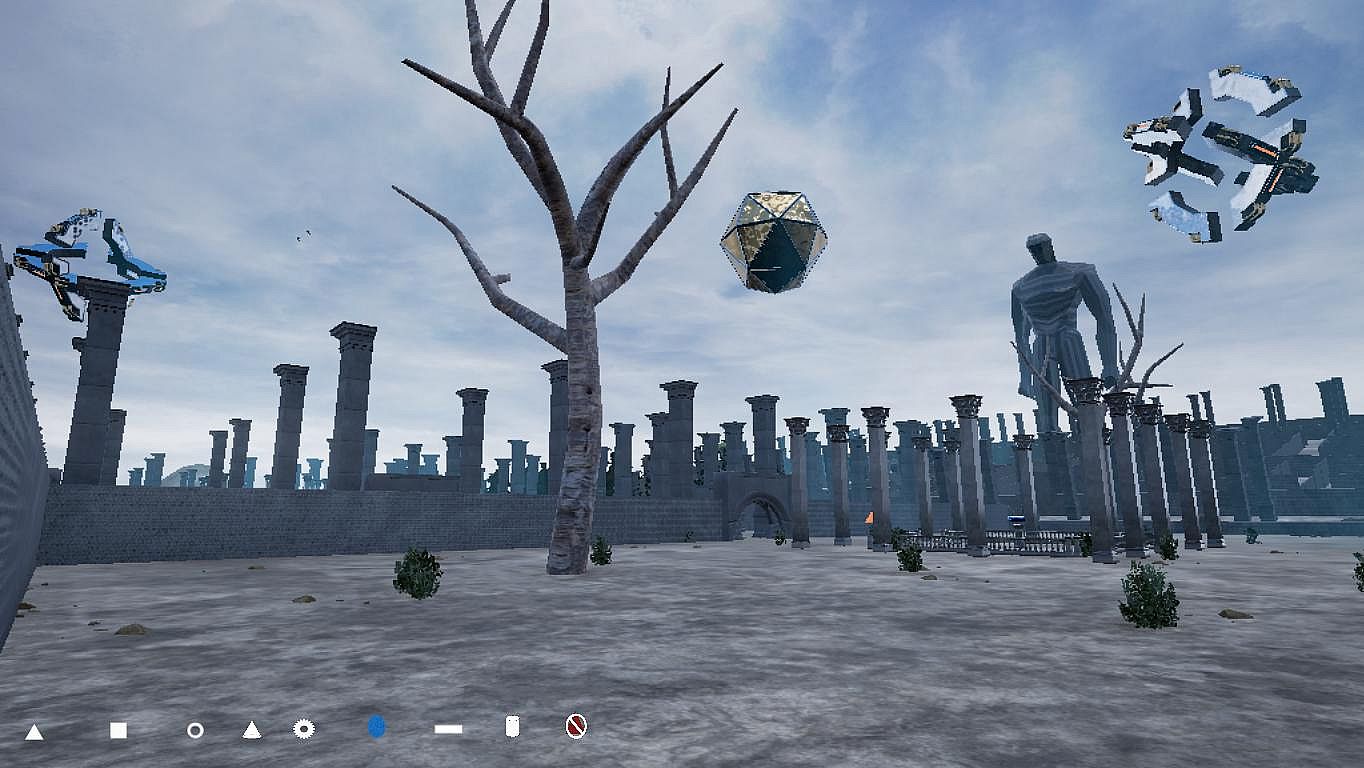
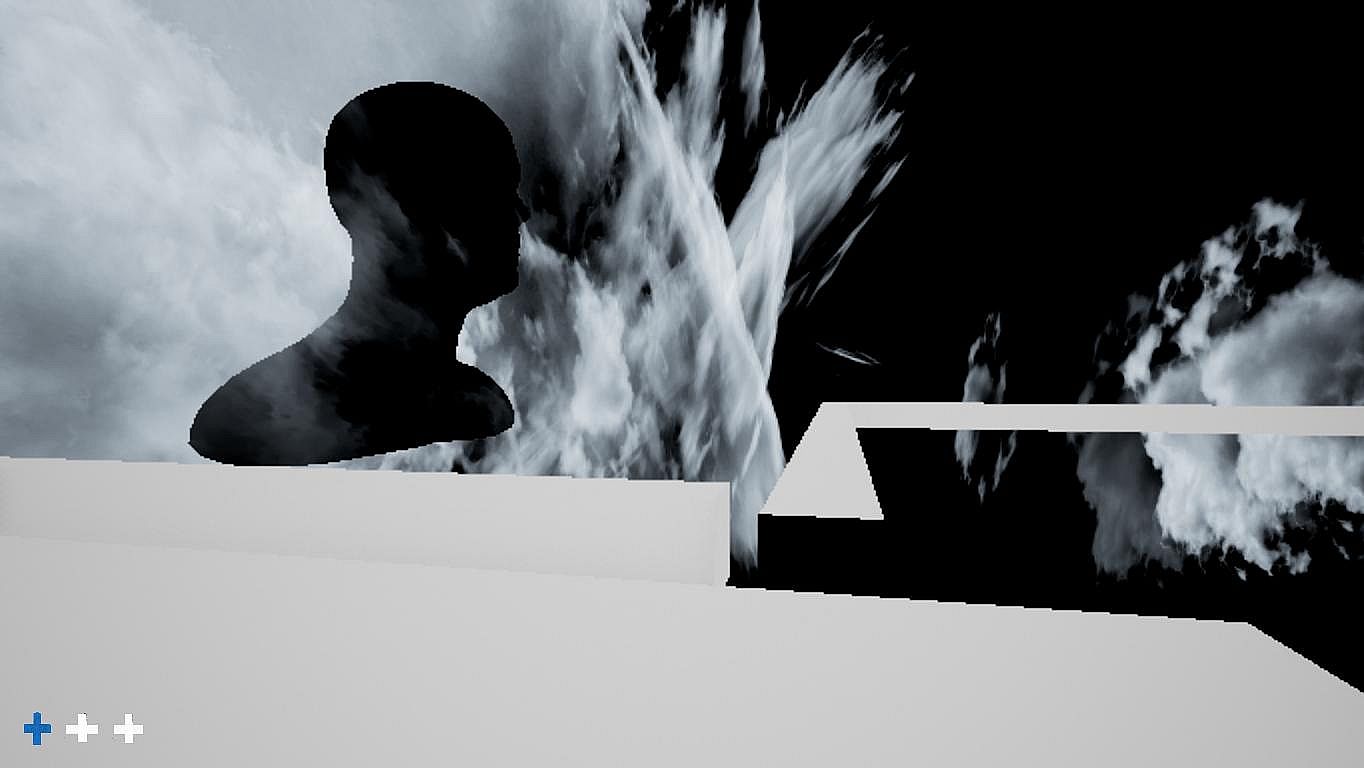
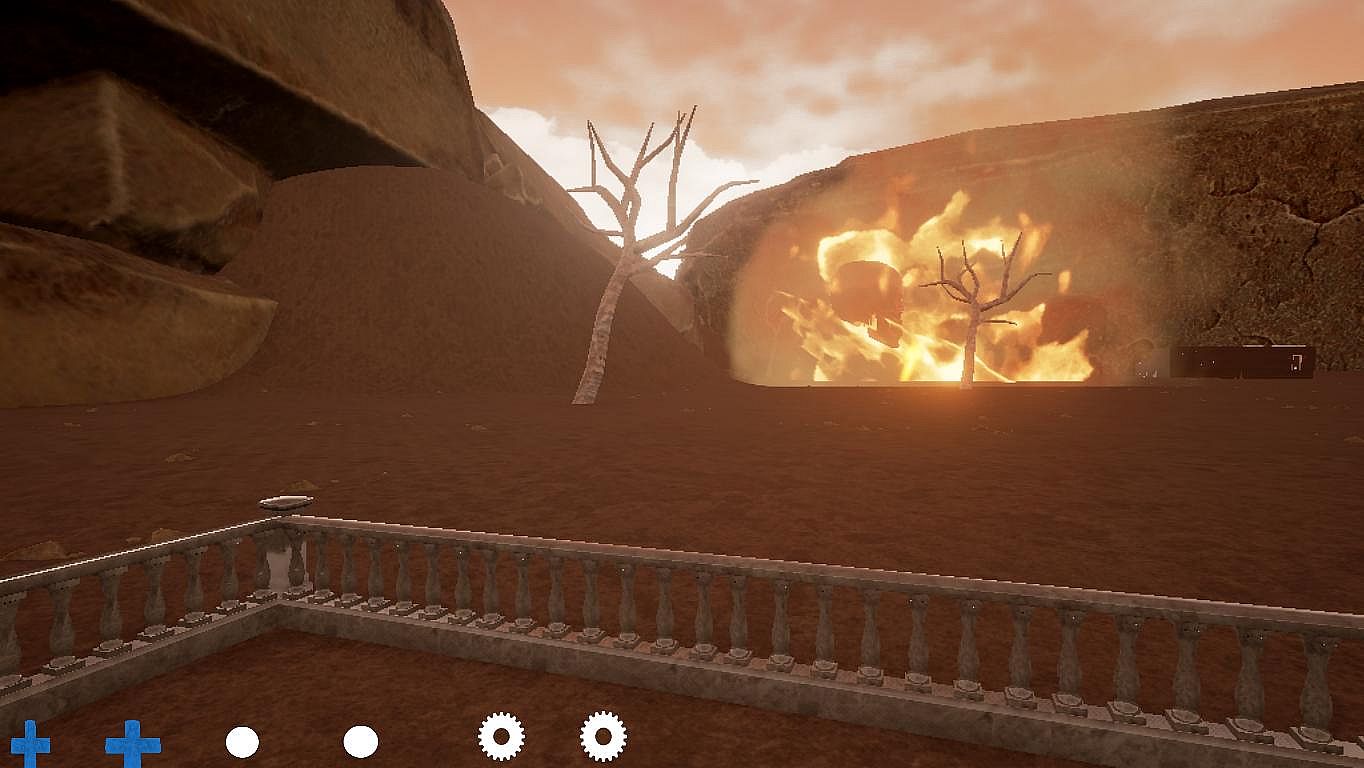

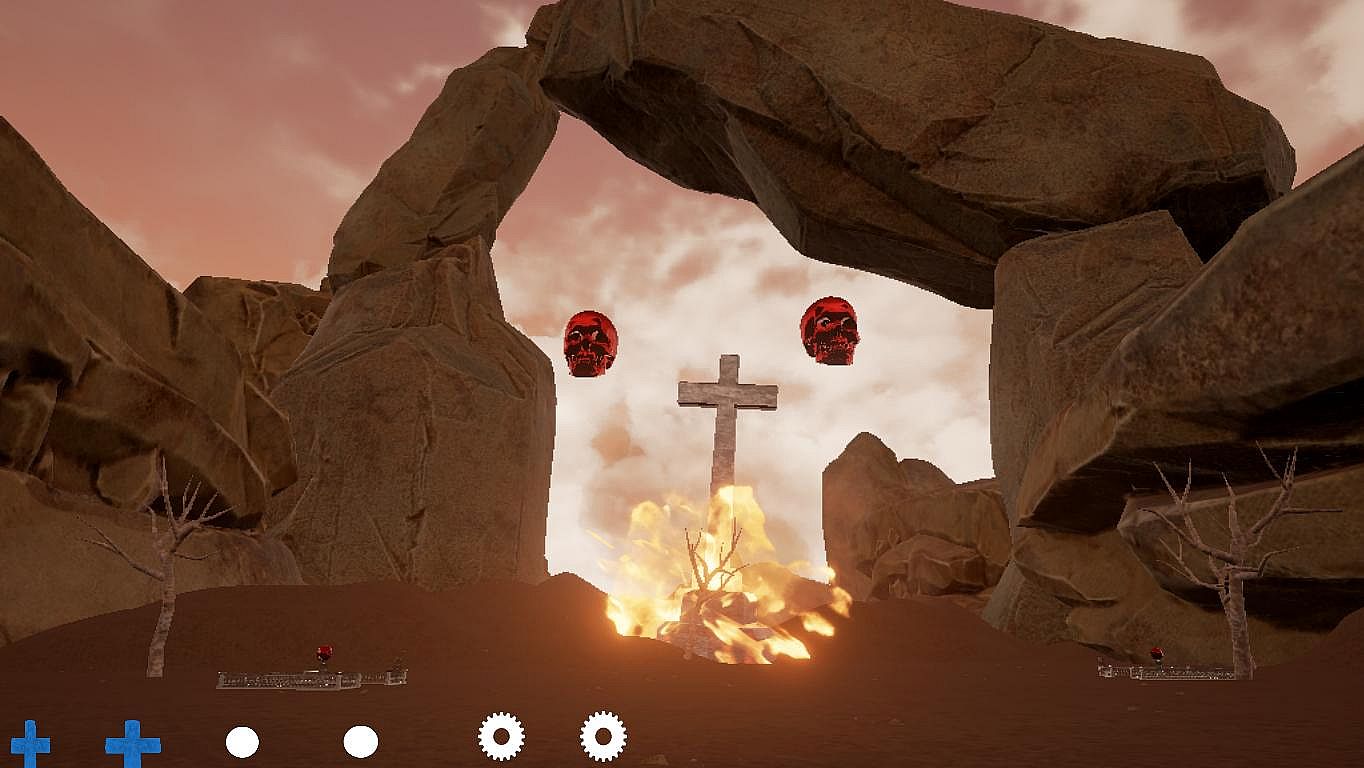
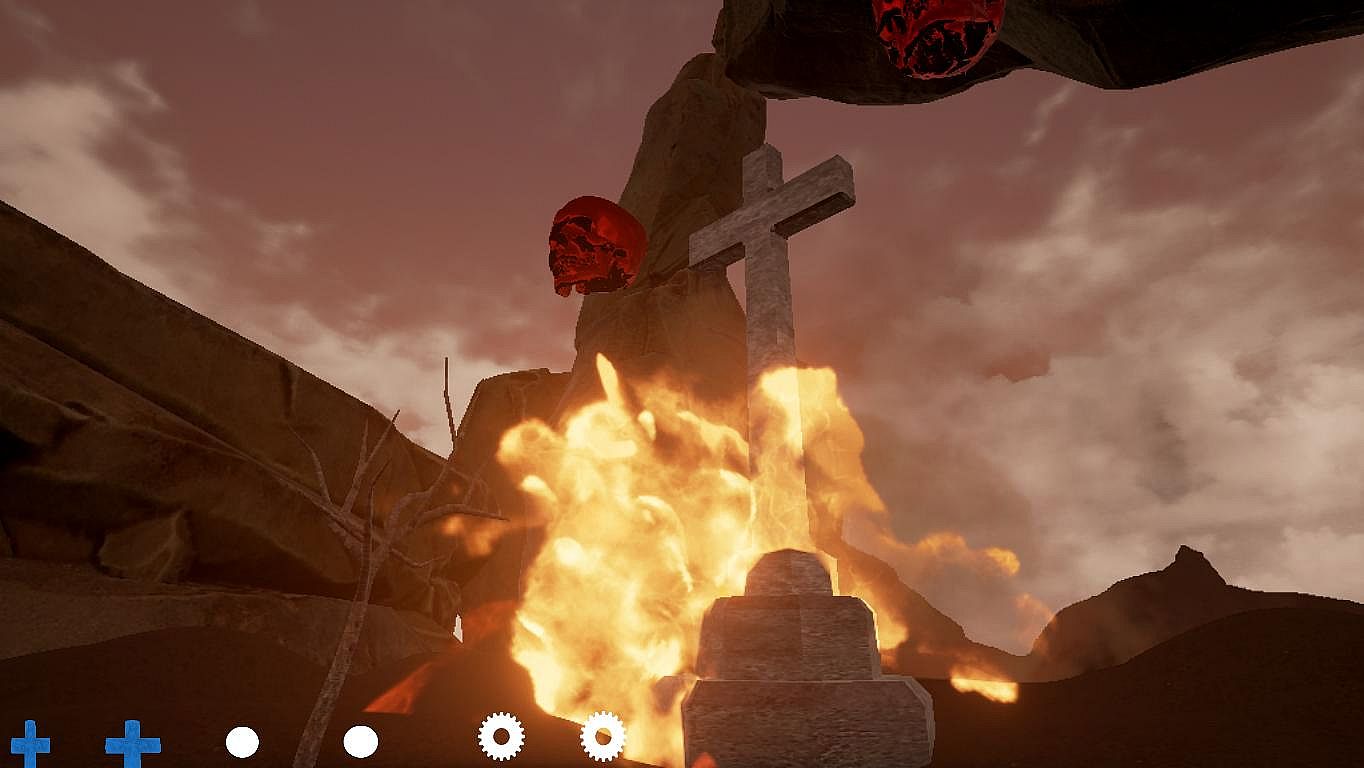
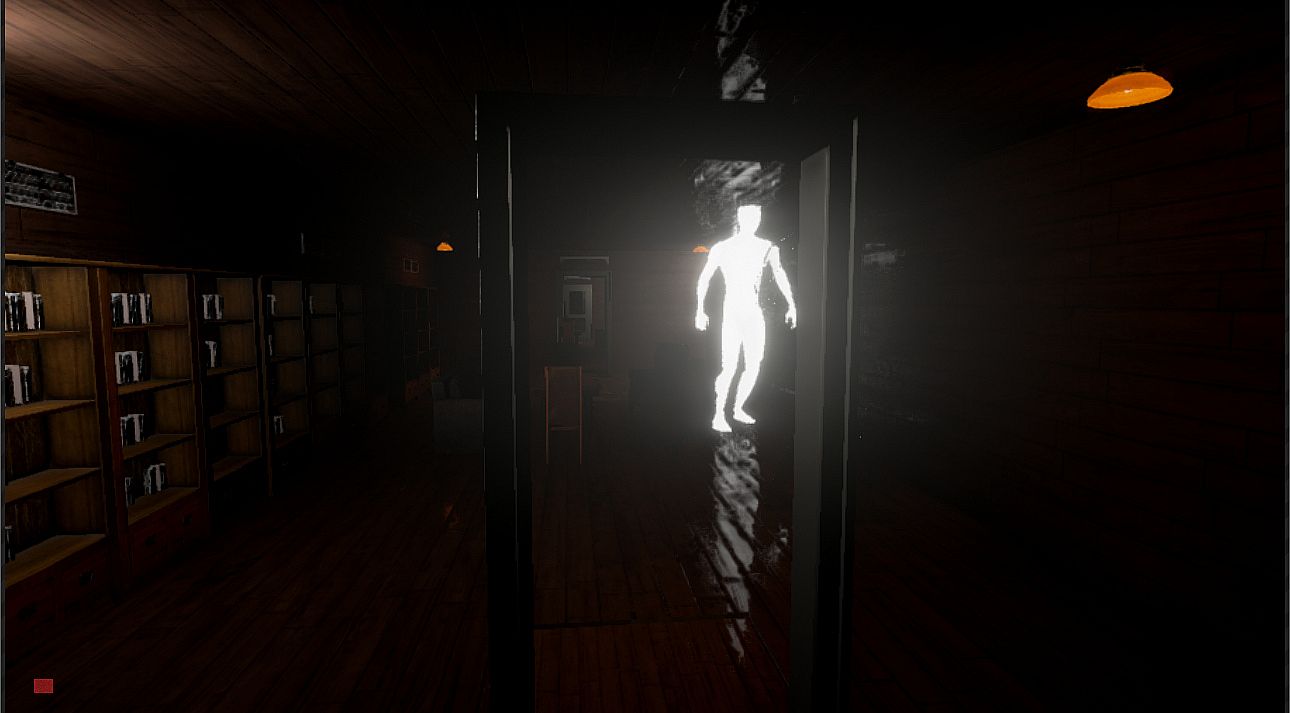





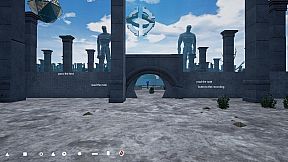
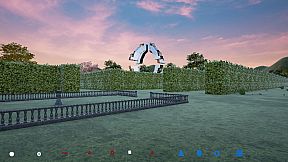
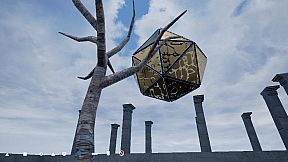

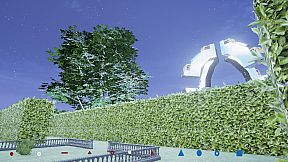





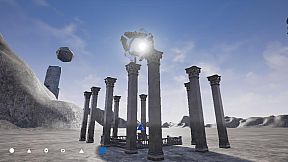
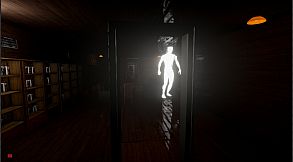

Invisible Mind stands as an indie adventure title centered on introspection and puzzle solving. Players navigate a narrative where the protagonist's consciousness exists apart from a frozen physical form, moving through mentally generated environments to recover fragments of a prior existence.
Gameplay
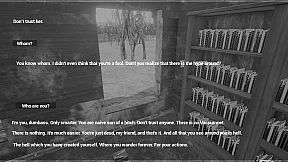
The core loop combines exploration with deliberate puzzle resolution. Participants examine surreal spaces filled with abstract elements, piecing together connections that advance the story while completing structured assessments. These assessments probe personal traits and perceptions, turning mechanical progress into opportunities for self reflection.
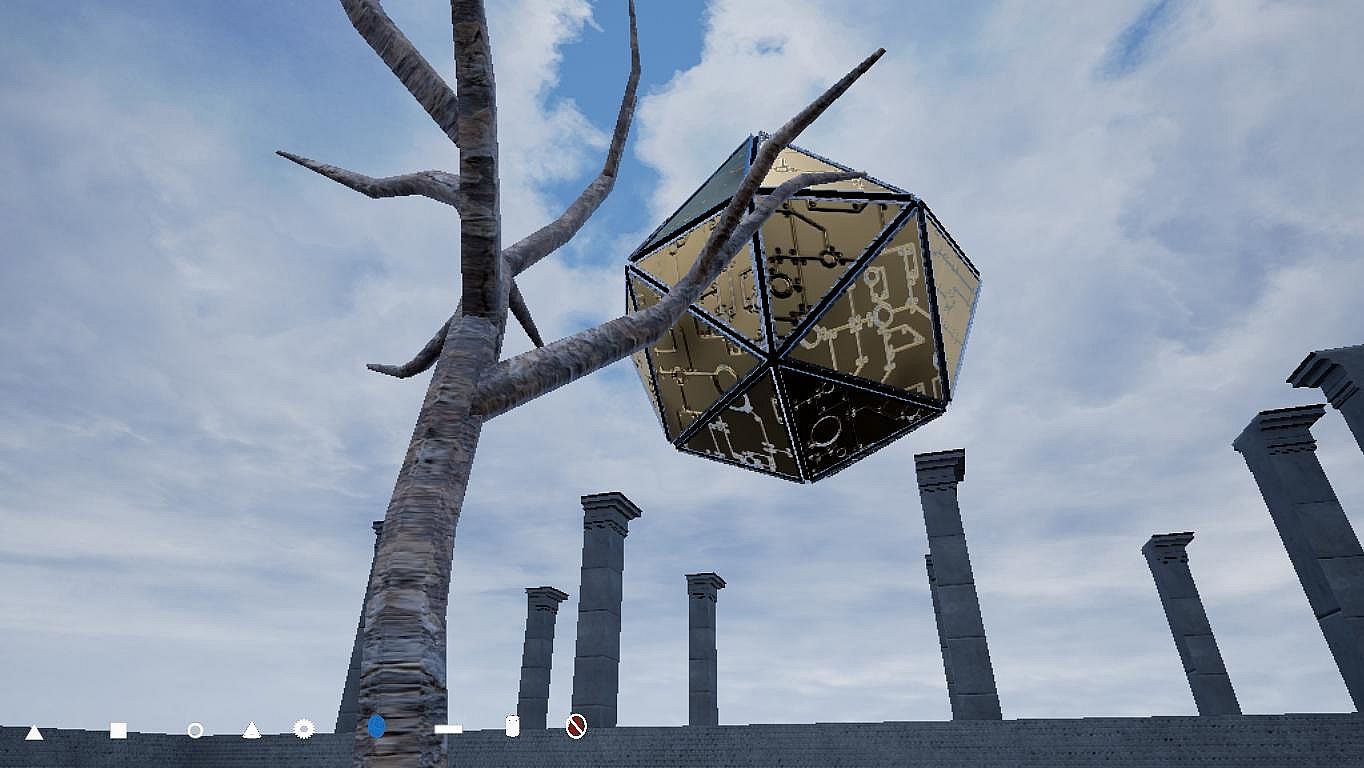
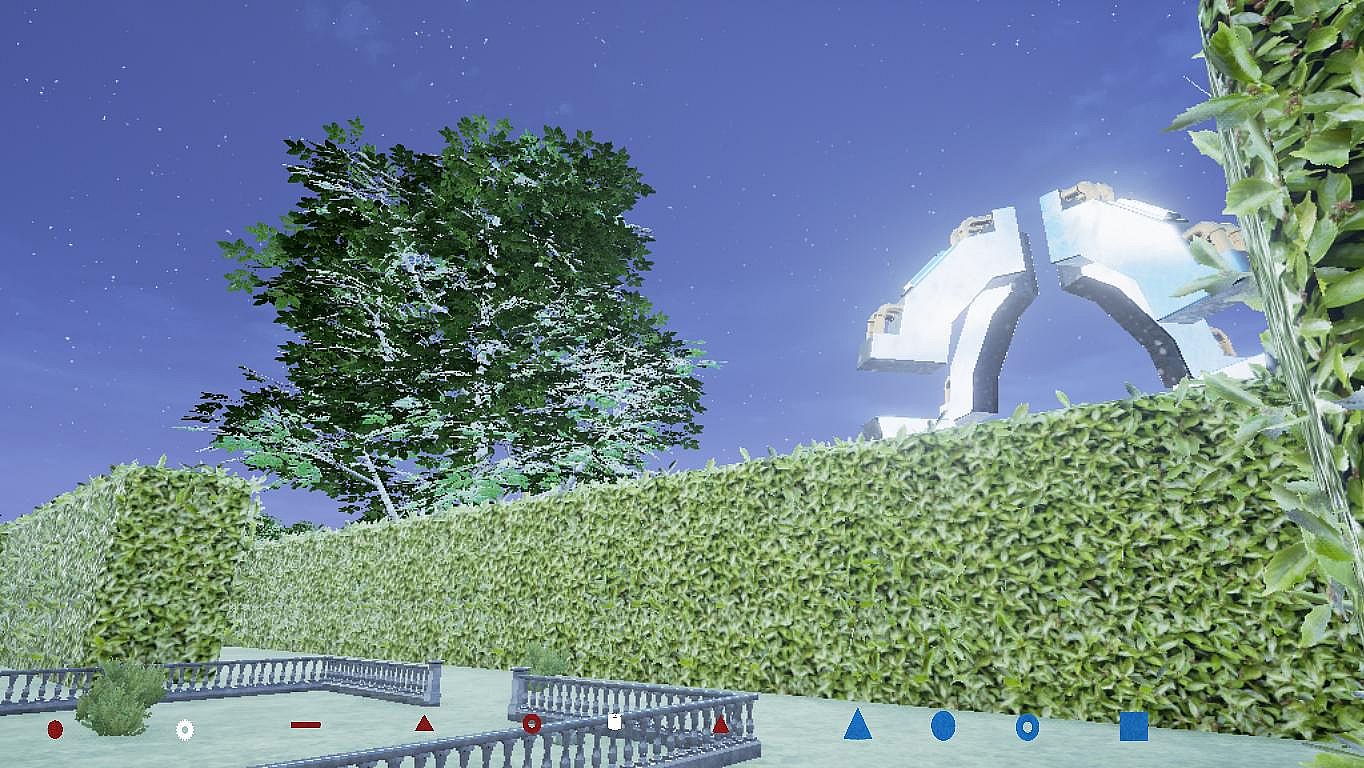
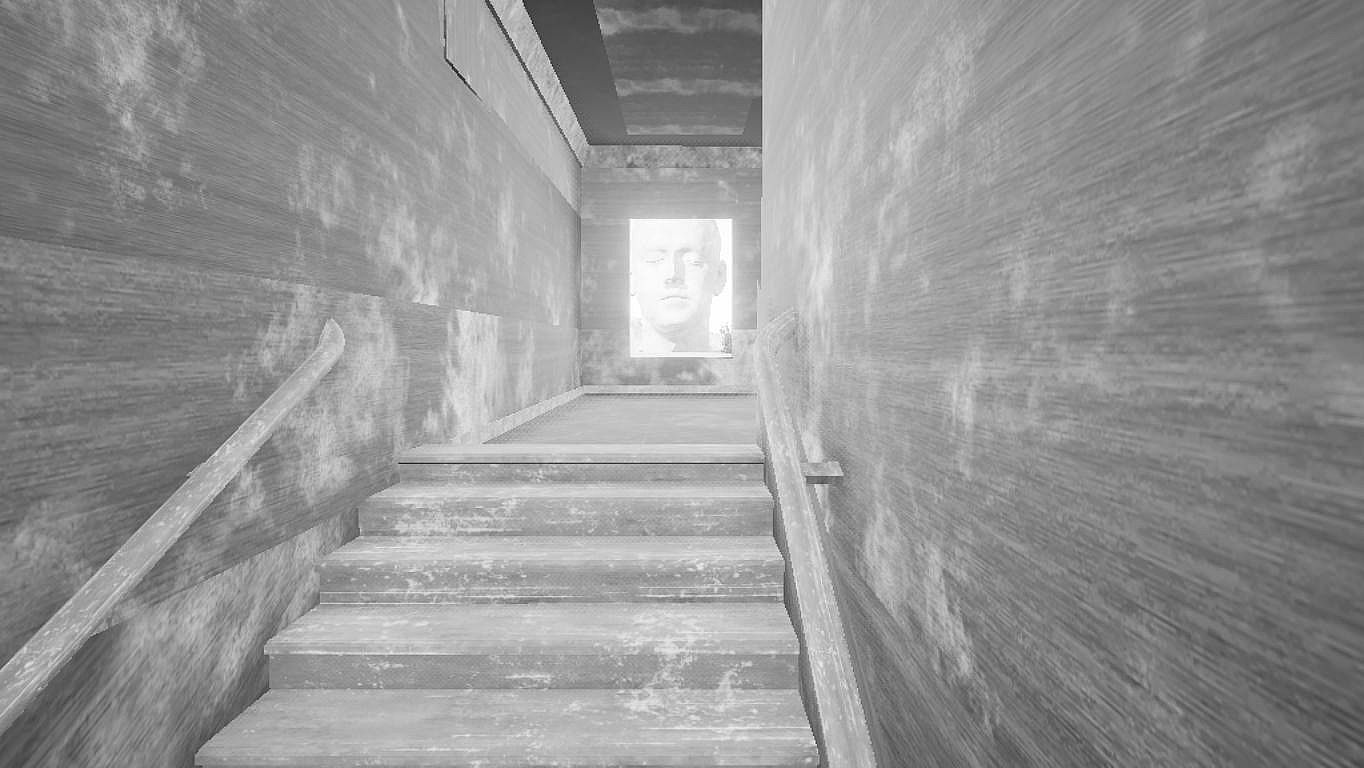
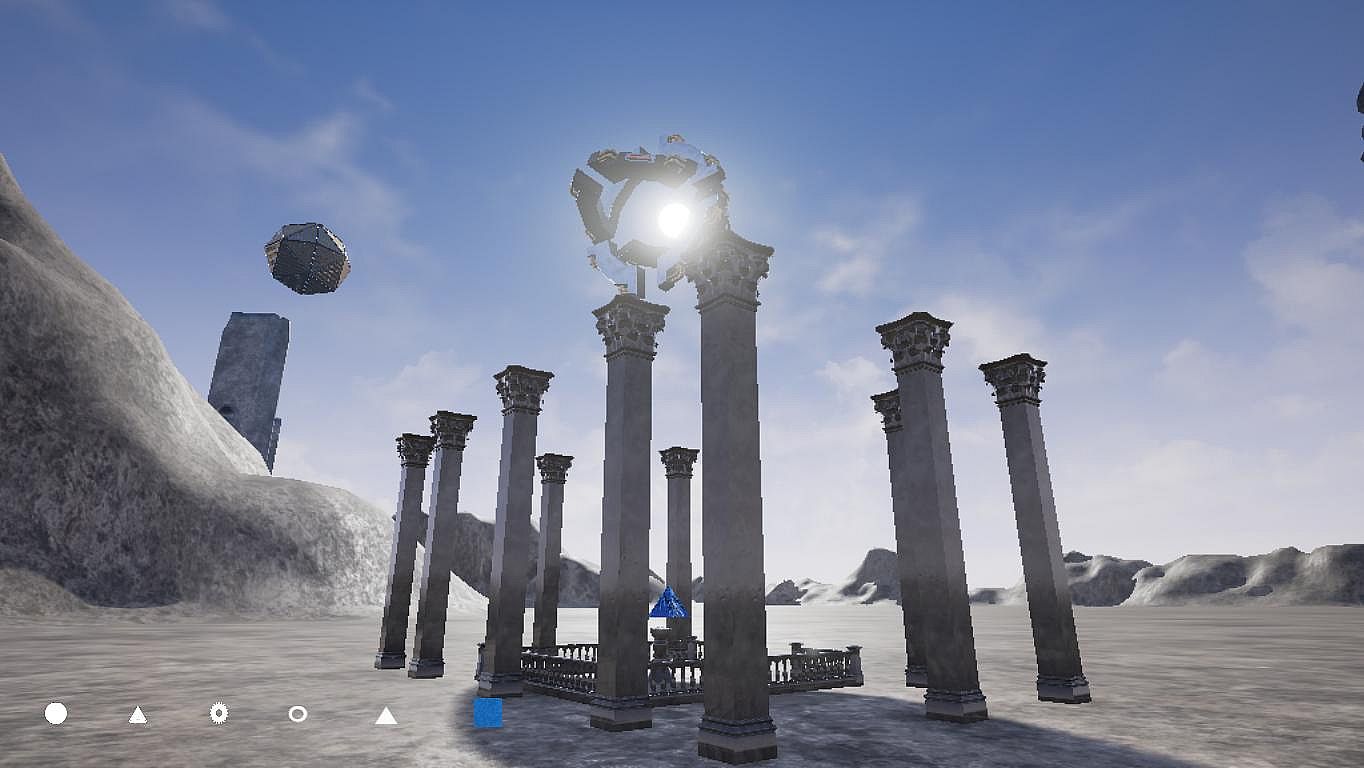
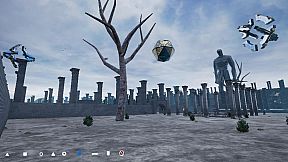
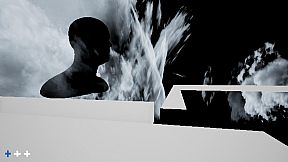
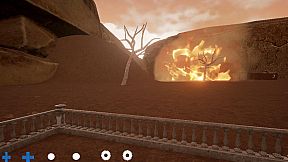
Navigation occurs in first person perspective across disconnected realms shaped by the character's inner state. Geometric forms and shifting layouts require careful observation rather than speed or reflexes. The emphasis rests on interpreting visual cues and environmental logic to unlock further areas and memory fragments.
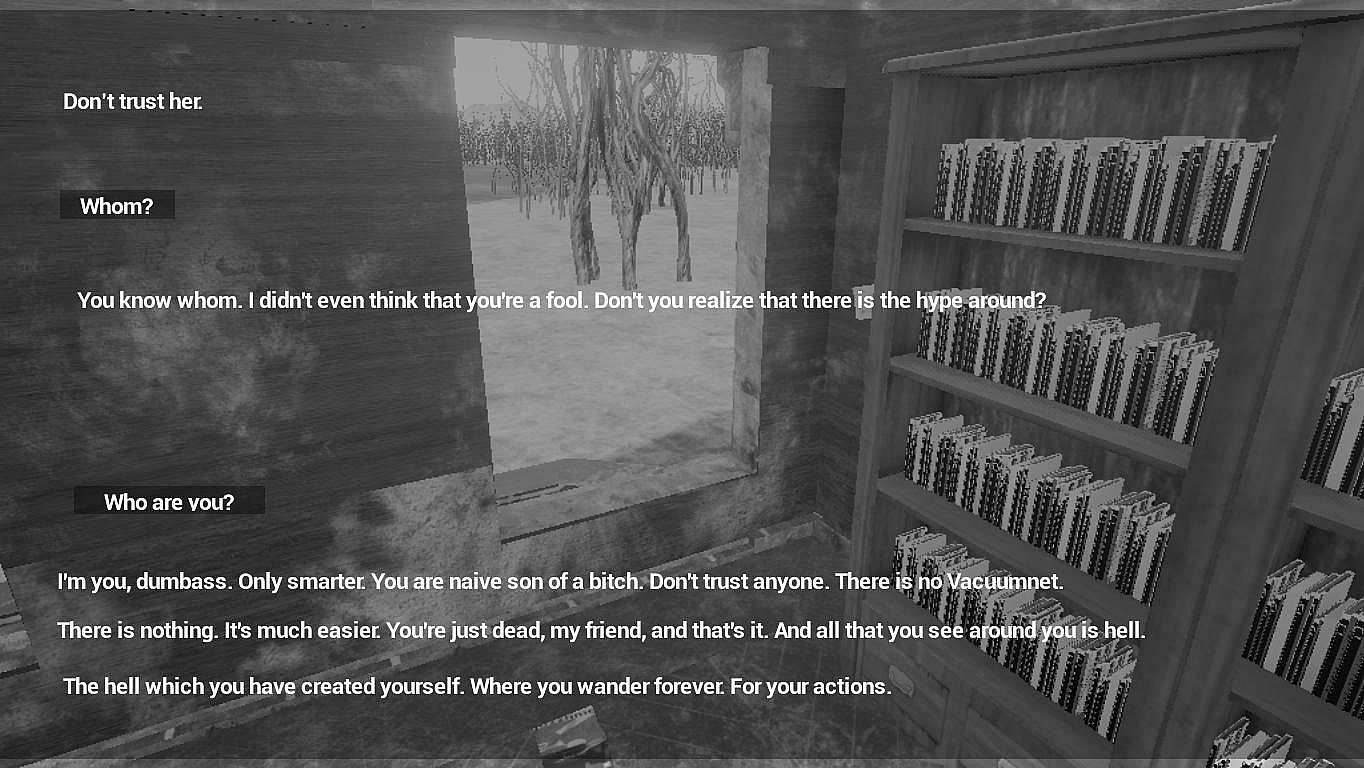
Progression ties directly to the extraction process managed by the company overseeing the procedure. Each solved sequence reveals additional context about the patient's history, blending mechanical challenge with thematic questions about identity and mental composition.
Game Modes
Invisible Mind functions as a single continuous experience without separate competitive or cooperative variants. The entire journey unfolds linearly through the protagonist's wandering across self generated worlds, with all activity focused on puzzle completion and test participation.
Interaction remains solitary throughout, centered on individual discovery rather than external competition or team objectives. The structure encourages repeated engagement with the same sequences to uncover layered meanings behind the tests and memory retrieval.
Is It Worth Playing?
Reception for Invisible Mind sits at mixed levels, with 45 percent of user reviews rating the experience positively. This outcome reflects its niche appeal to those drawn to philosophical puzzles and introspective mechanics over conventional action or narrative delivery.
The title suits players interested in short, focused sessions that prioritize mental engagement and personal insight. Its modest system requirements and straightforward presentation make it accessible for those exploring lesser known indie adventures on PC.
Those seeking traditional progression systems or high production values may find the abstract presentation limiting. For audiences open to unconventional storytelling through environmental puzzles and self assessment elements, the game delivers a distinct perspective on consciousness and memory.