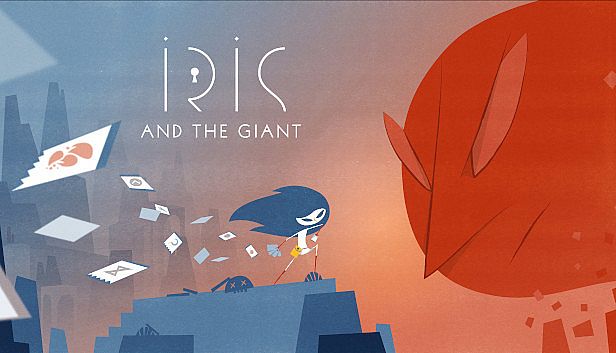




















Iris and the Giant stands out as a single-player strategy indie RPG that blends collectible card game mechanics with roguelike progression and light role-playing elements. Players step into the role of Iris, navigating an imaginary world shaped by her personal struggles, where minimalist visuals frame encounters with monsters and memory fragments that reveal deeper emotional layers.
Gameplay
The core loop revolves around repeated runs through a labyrinthine dreamscape. Each attempt begins with a basic set of cards, and new ones unlock through encounters that also grant points for permanent boosts to Iris. This roguelike structure ensures that failed runs contribute to future success by expanding options and strengthening the character over time.
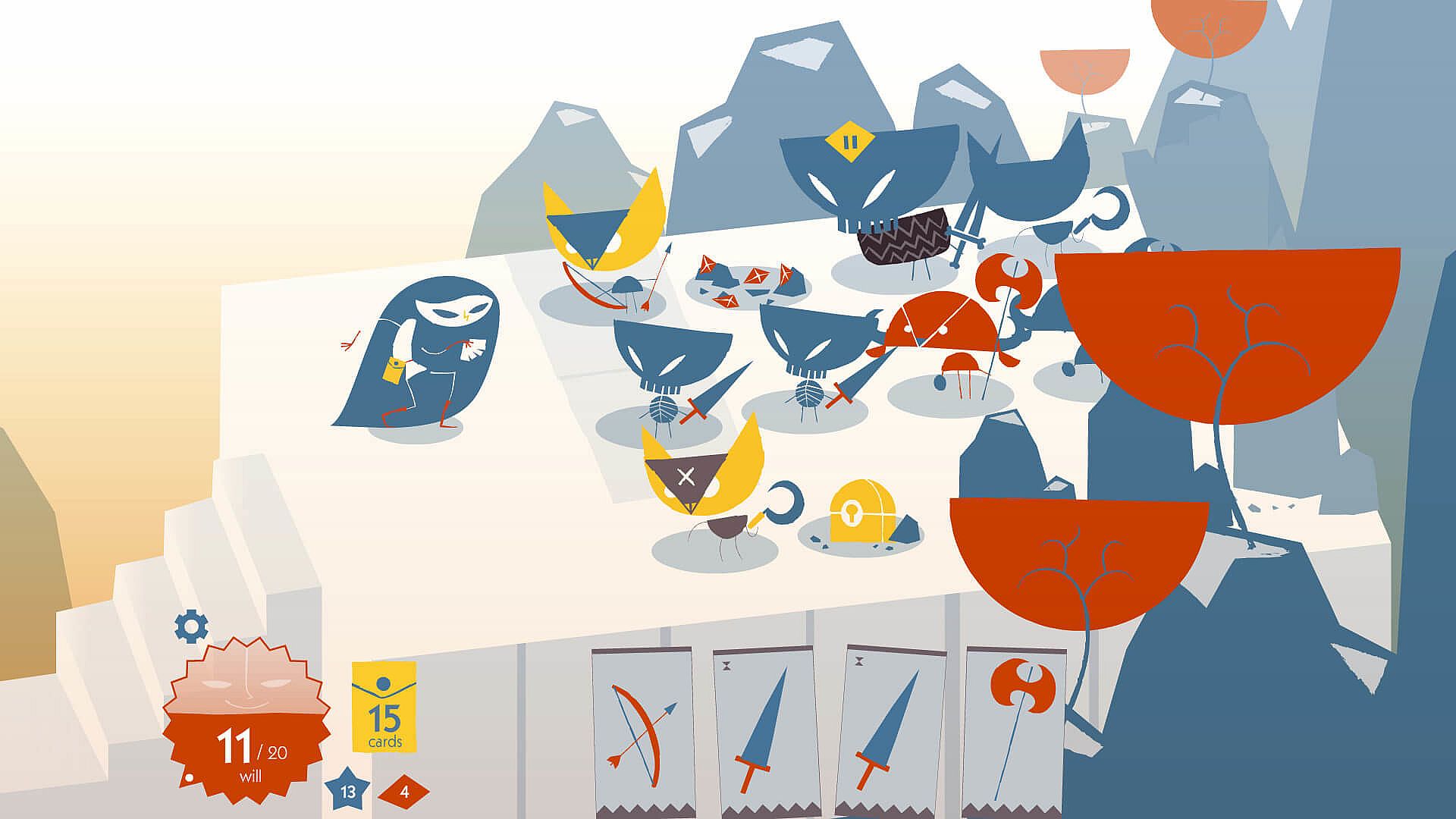
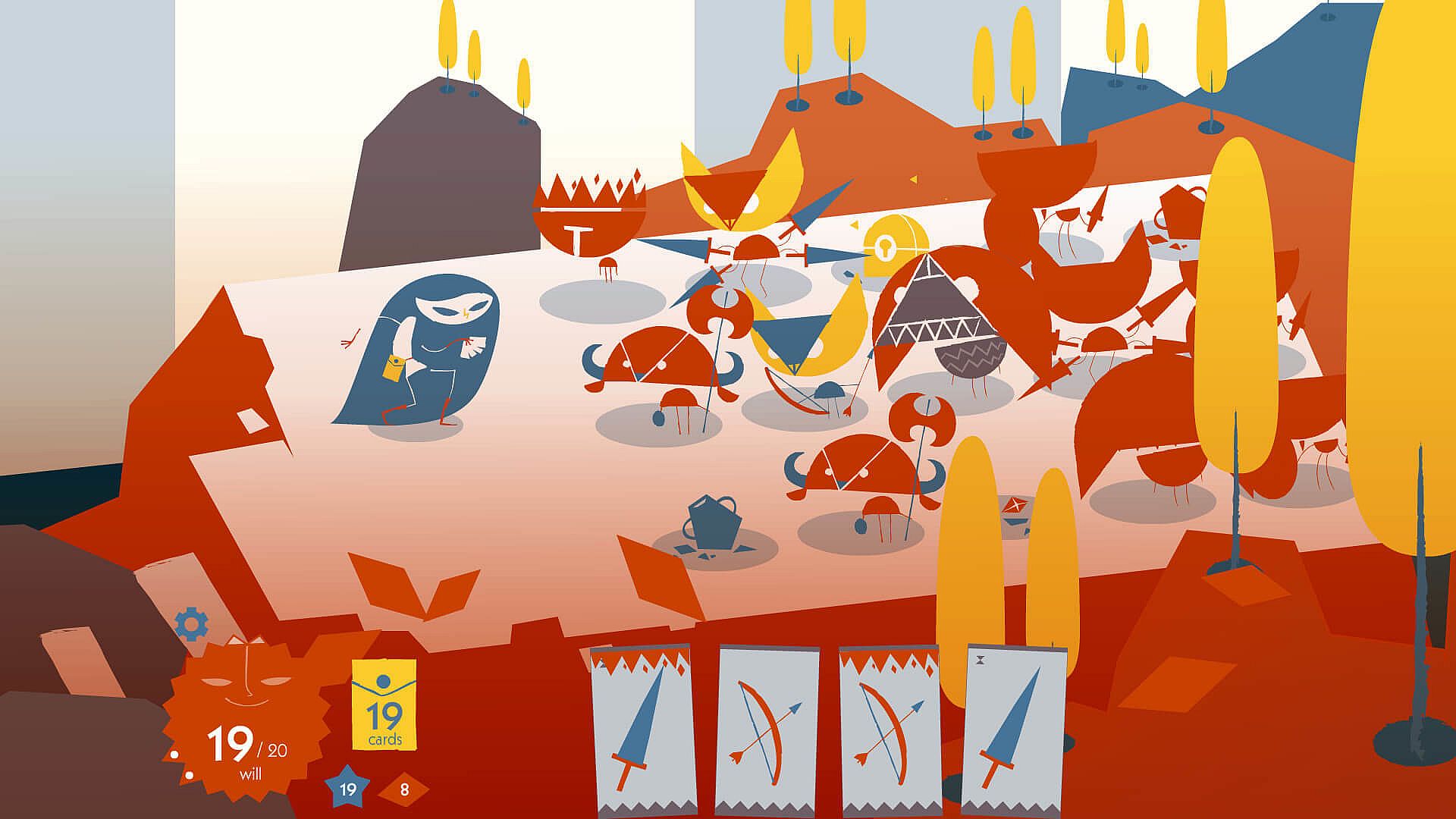
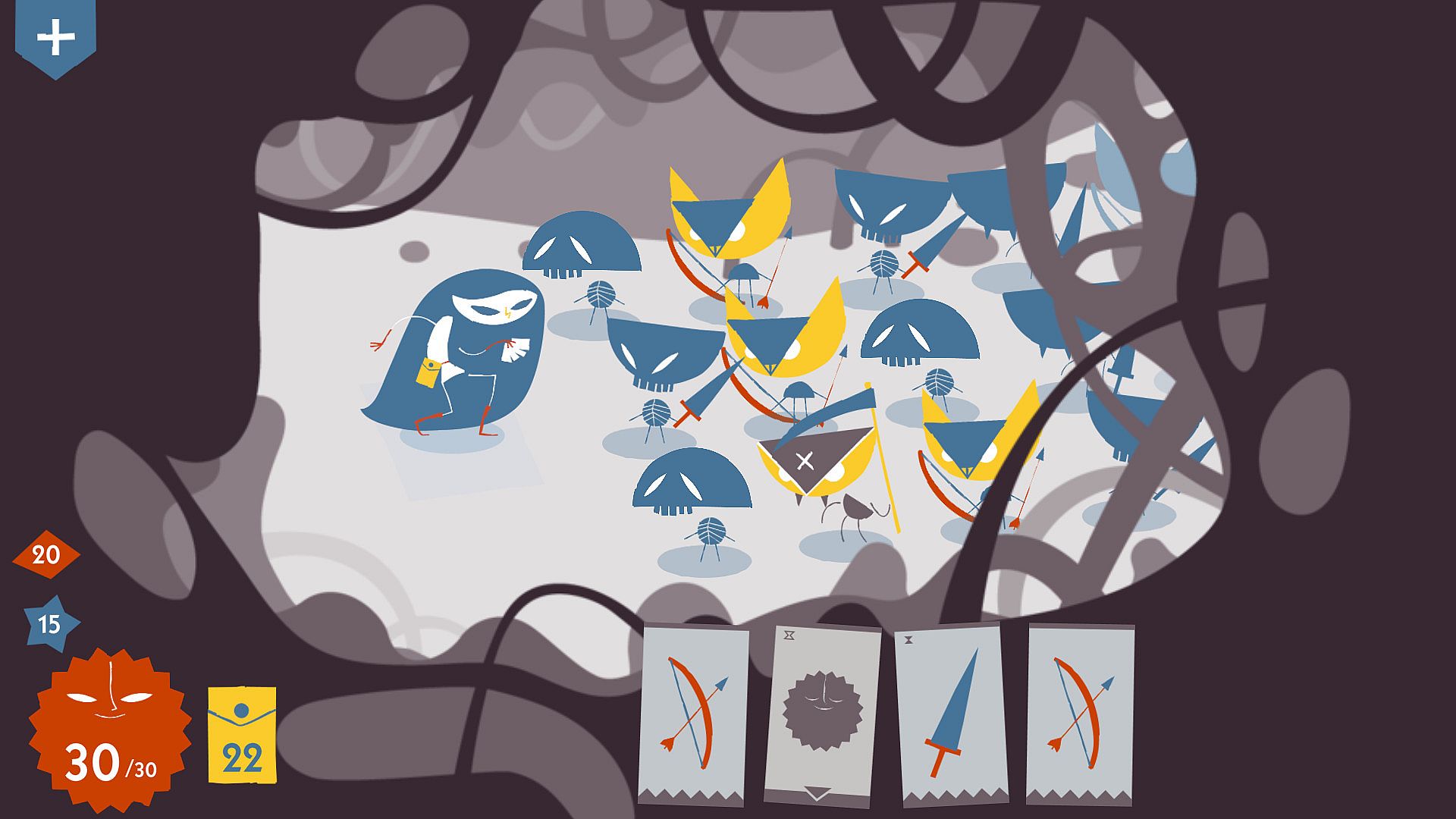
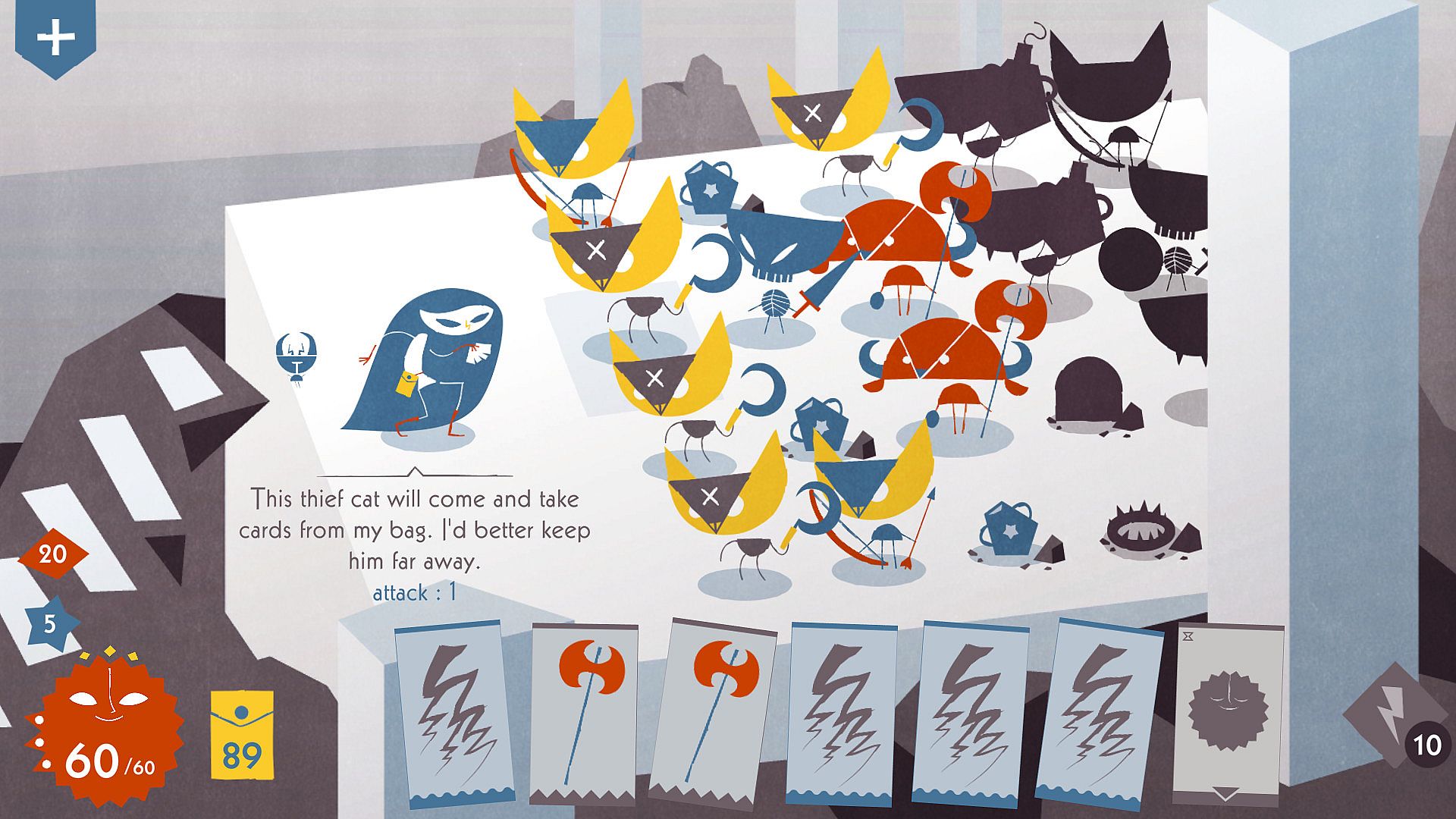
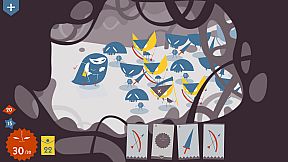
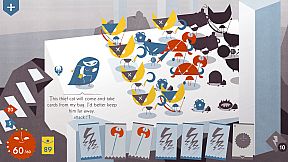
Battles unfold tactically with enemies positioned in three advancing rows. Cards handle attacks, defenses, and special abilities, mixing direct damage with strategic positioning and timing. Gems collected along the way provide power-ups, while chests offer either additional cards for the deck or destructive effects when smashed. The system rewards careful planning, as choices made early influence long-term viability across multiple floors.
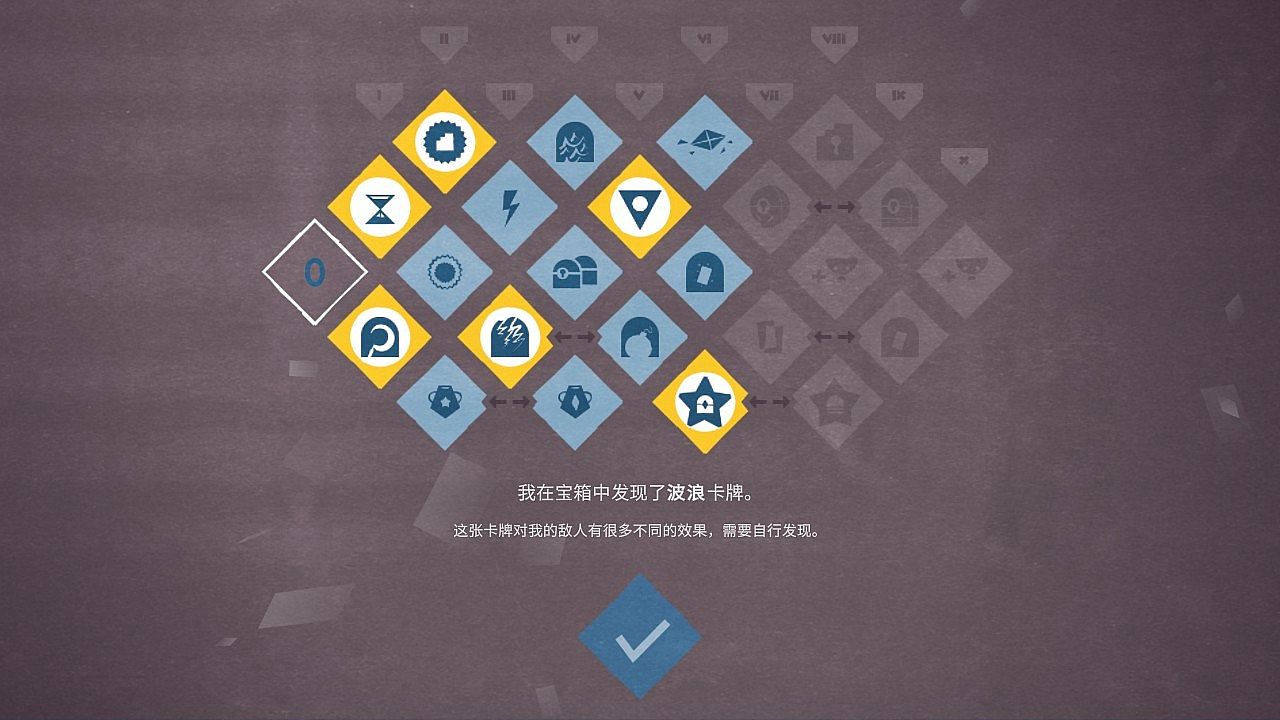
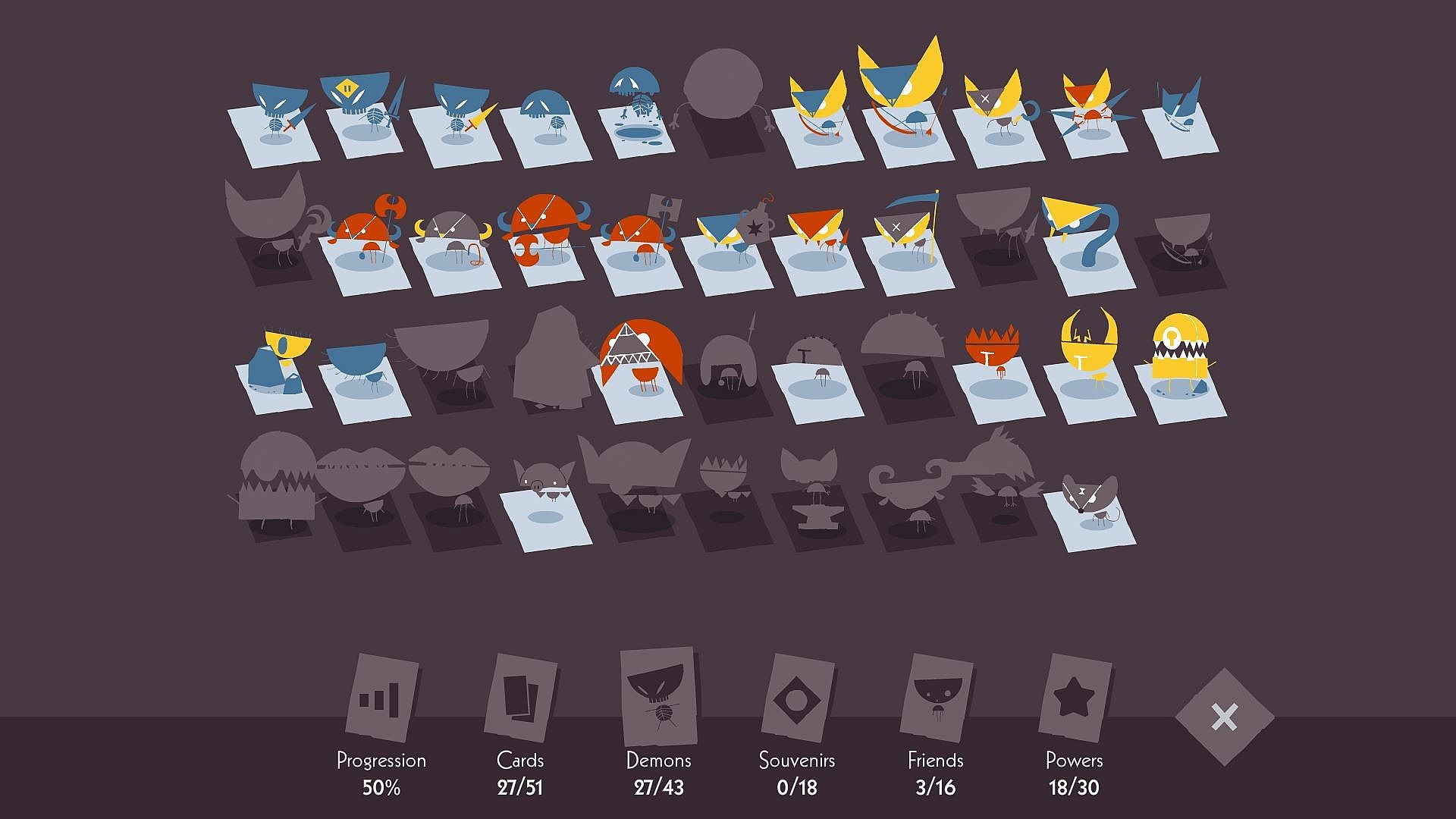
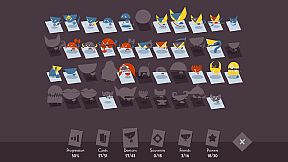
Customization comes through specialization paths that alter how Iris performs, her available cards, and overall playstyle. With a total of 51 cards available, players experiment with combinations that suit aggressive approaches or more defensive setups, adapting to the varied monster behaviors encountered.
Game Modes
The experience centers on roguelike runs that emphasize persistence and incremental improvement rather than separate competitive or cooperative formats. Difficulty settings provide structured progression, starting with accessible options that introduce core mechanics before ramping up to challenge experienced players with tougher enemy patterns and resource constraints.
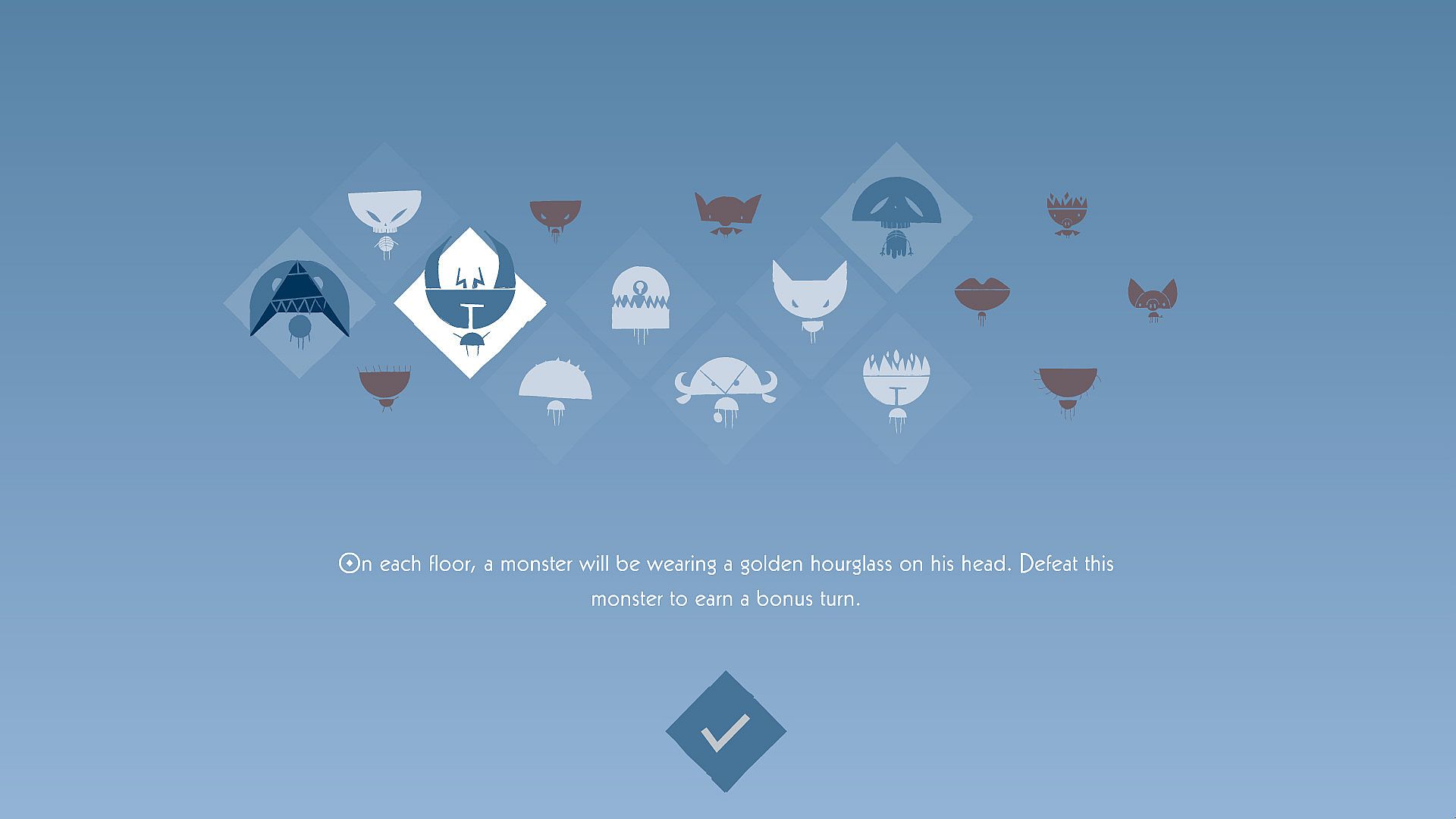
Each run follows the same fundamental structure of exploration and combat, but randomization in card rewards and enemy placements creates variety. Memory fragments uncovered during play add narrative context without altering the mechanical flow, allowing runs to serve both as skill tests and story revelations.
Narrative and Presentation
A poetic, melancholic story unfolds gradually through collected memory pieces that explain Iris's motivations and the symbolic giant she confronts. This narrative focus sets the title apart in a genre often light on character development, presenting themes of inner conflict in a restrained yet effective manner.
The minimalist art style supports the intimate tone, using simple forms to highlight emotional beats over elaborate spectacle. Sound design complements the atmosphere with subtle cues that underscore tension during battles and quieter moments of reflection.
Is It Worth Playing?
Players seeking a thoughtful single-player deck-building experience with roguelike depth will find strong appeal here. The progressive difficulty curve welcomes newcomers while maintaining challenge for veterans through layered strategic decisions and replay incentives tied to deck evolution.
Reception has been very positive overall, with praise centered on the satisfying tactical combat, meaningful customization, and the way the story integrates without overshadowing gameplay. The game stands as a complete package on PC, with no ongoing seasonal content or expansions required to enjoy its full scope. Those drawn to introspective adventures paired with card-based strategy will likely appreciate the focused design and emotional resonance.