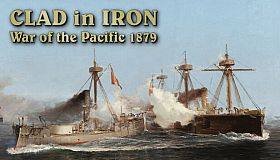


















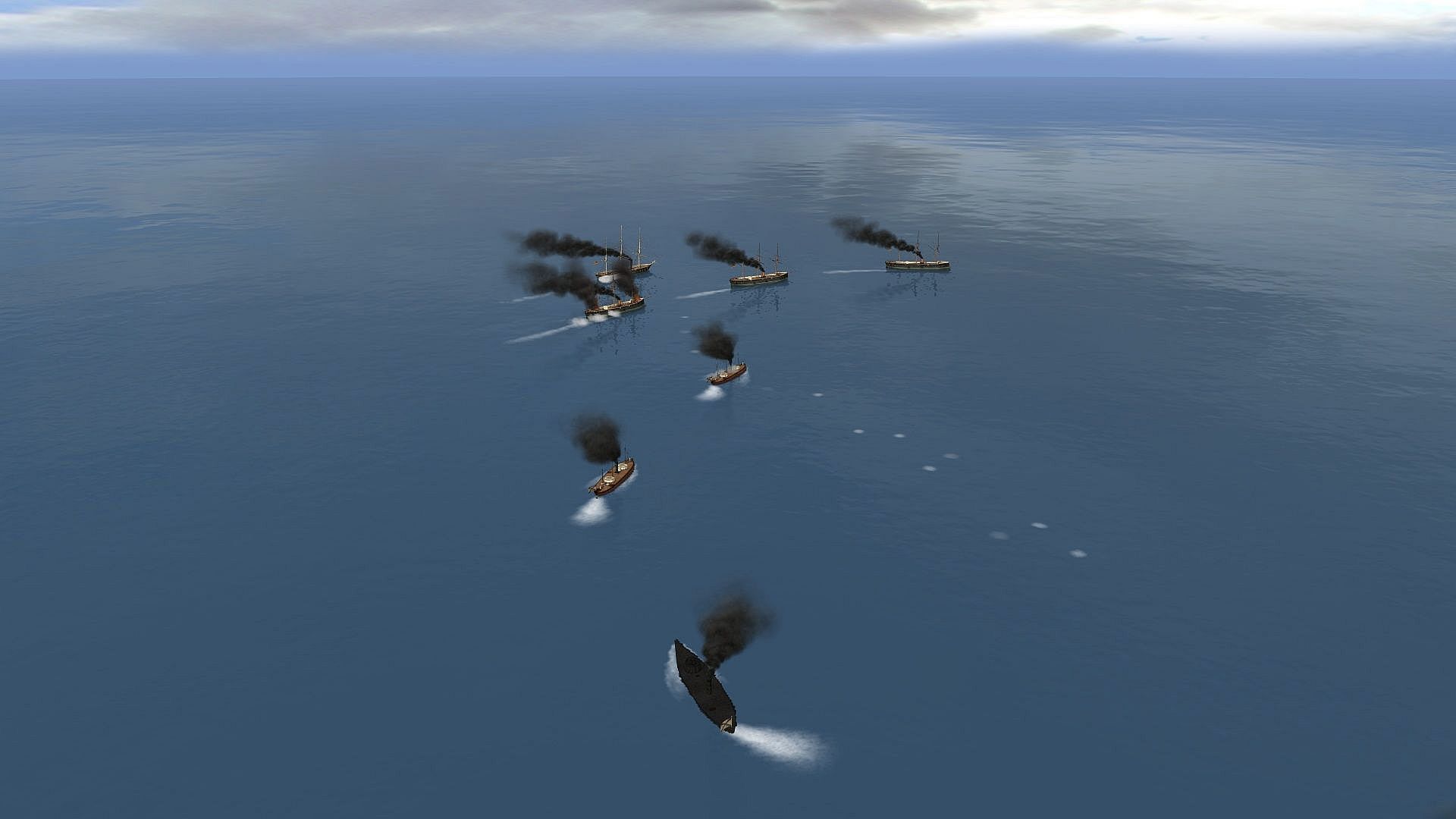
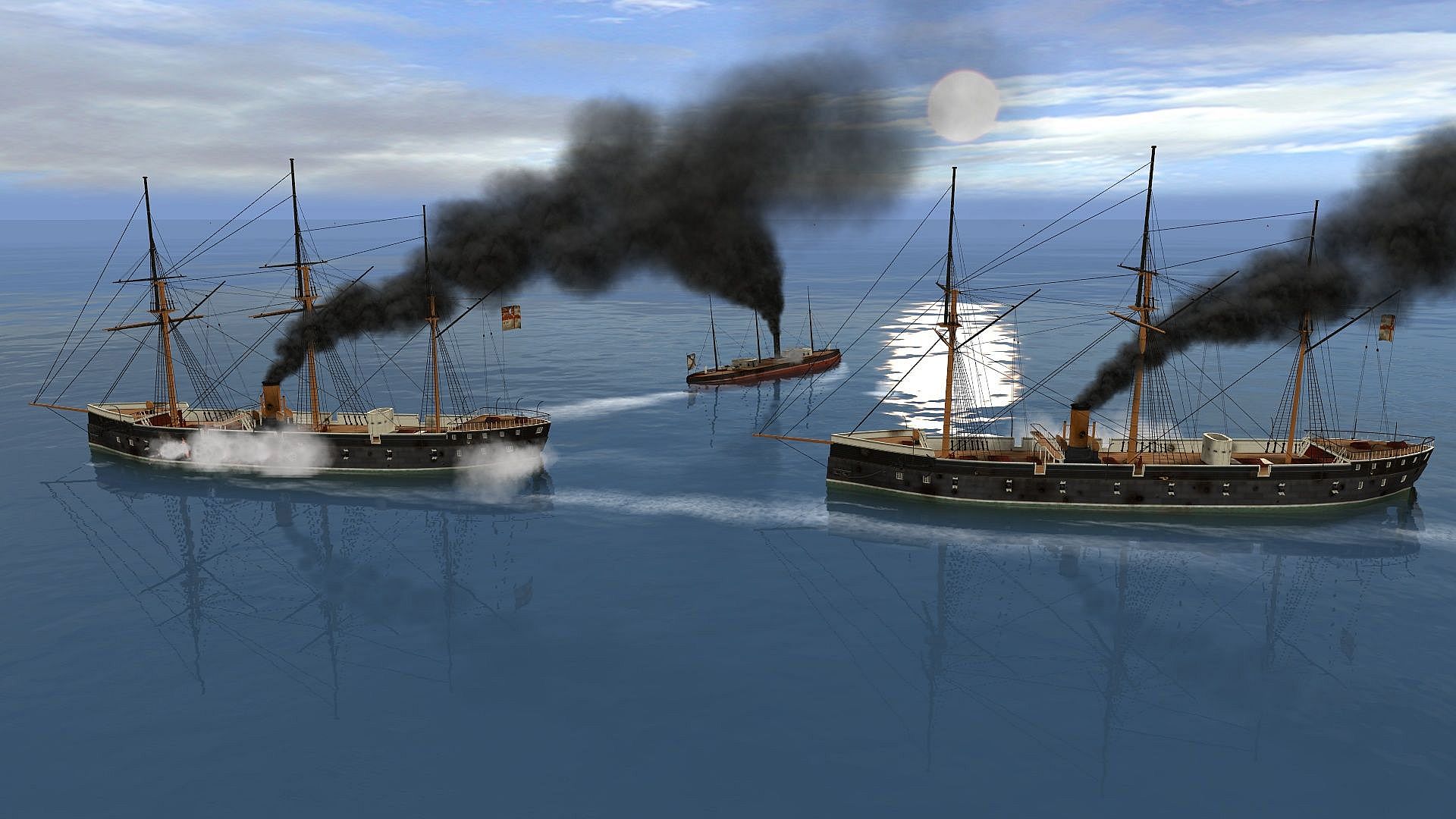
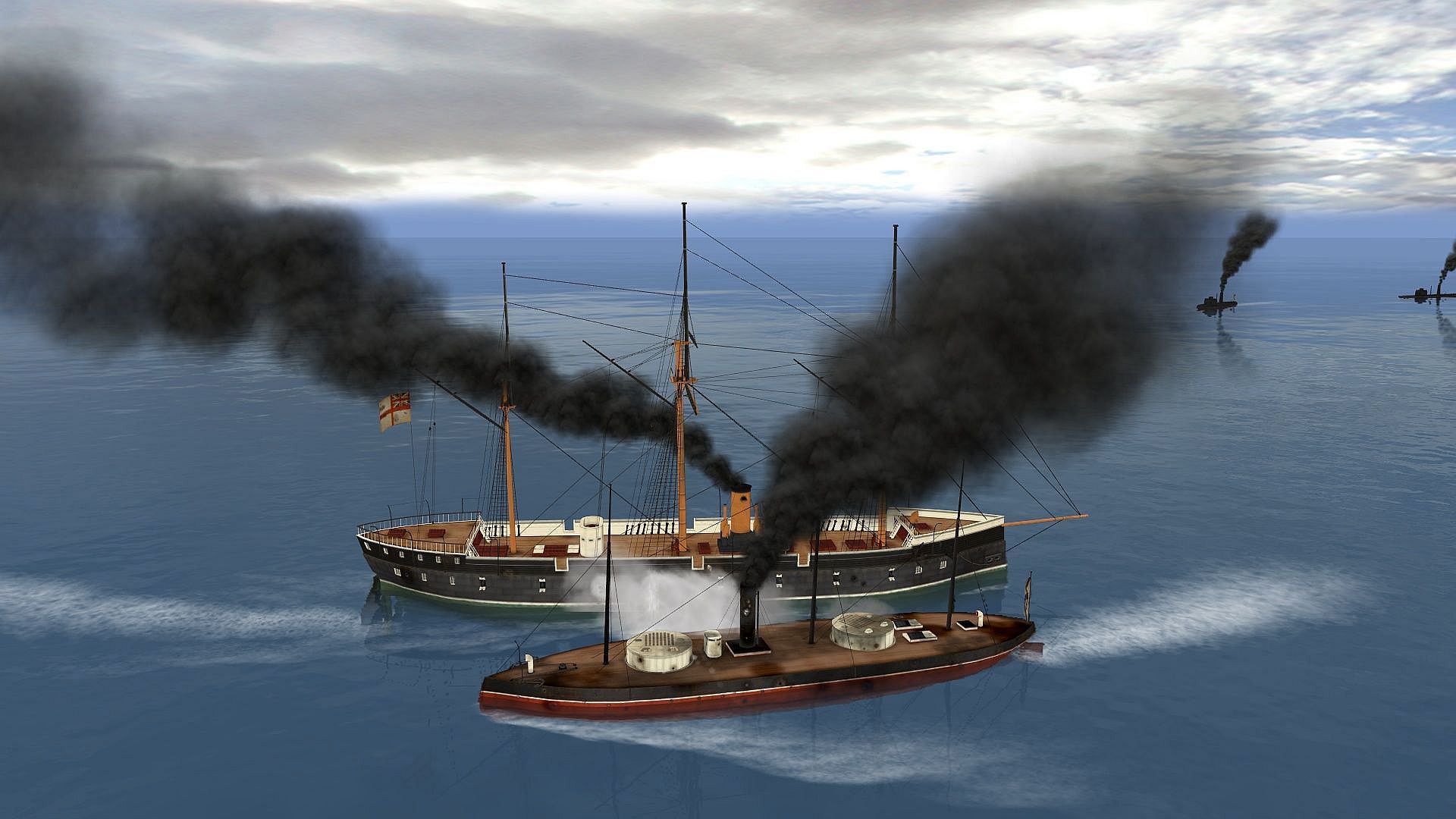
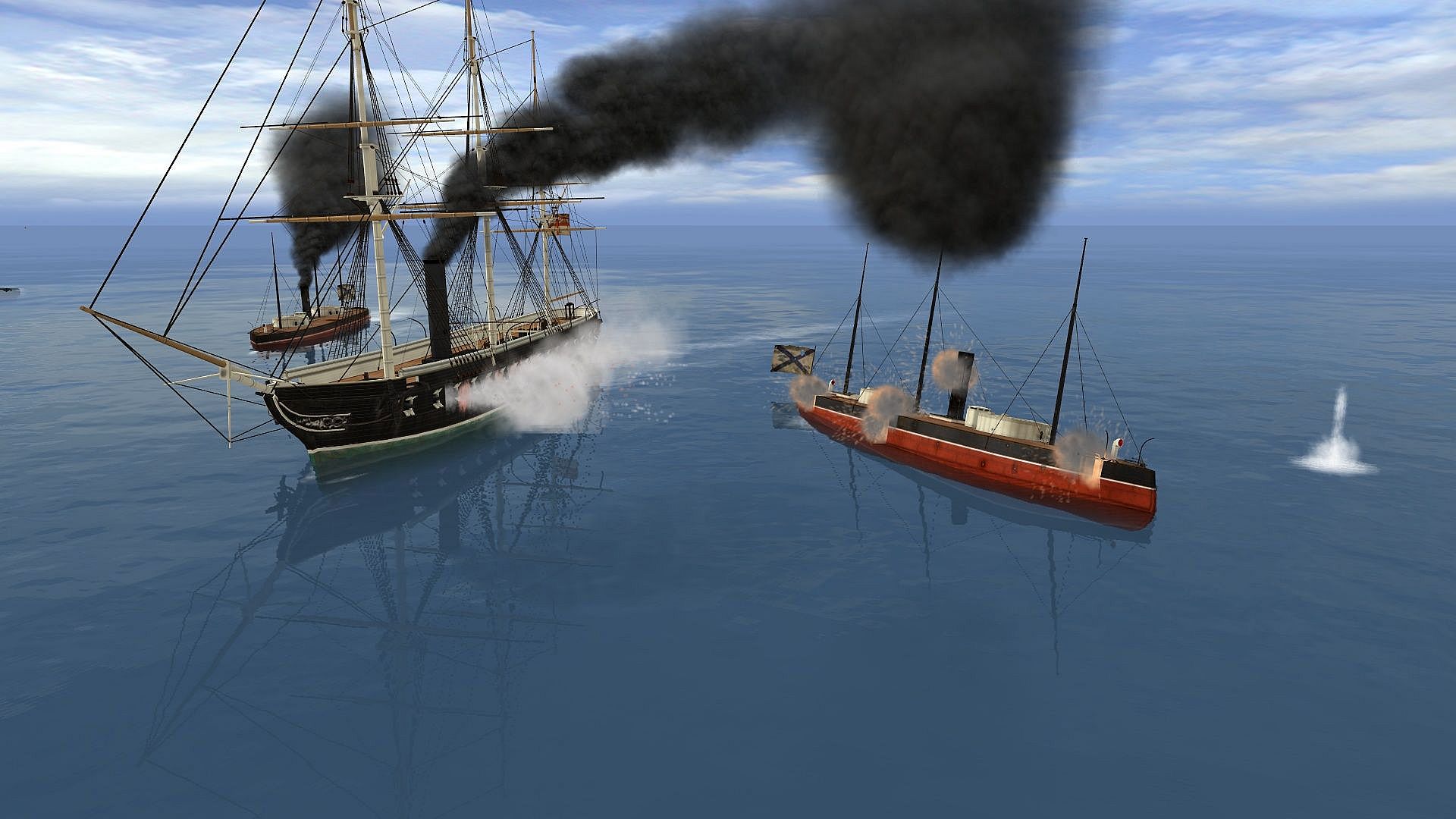
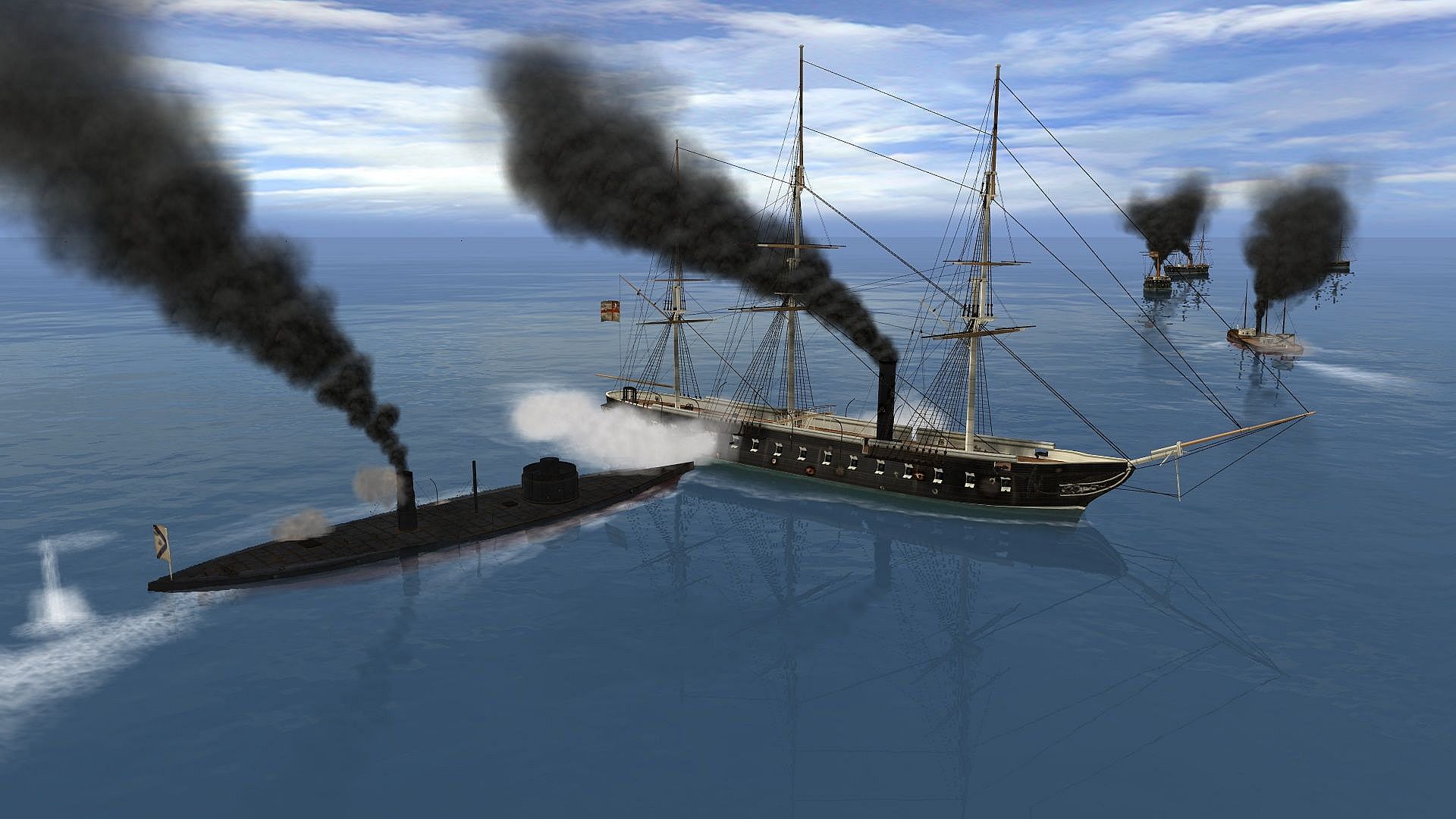
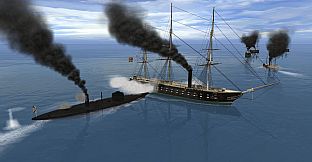
Ironclads: Anglo Russian War 1866 is a strategy game centered on naval fleet command during a fictional conflict between Britain and Russia in 1866. Players take control of squadrons in real-time battles while handling broader strategic and financial decisions that shape fleet composition and operations. The title draws from the era of ironclad warships, emphasizing realistic ship handling and combat resolution on PC.
Gameplay
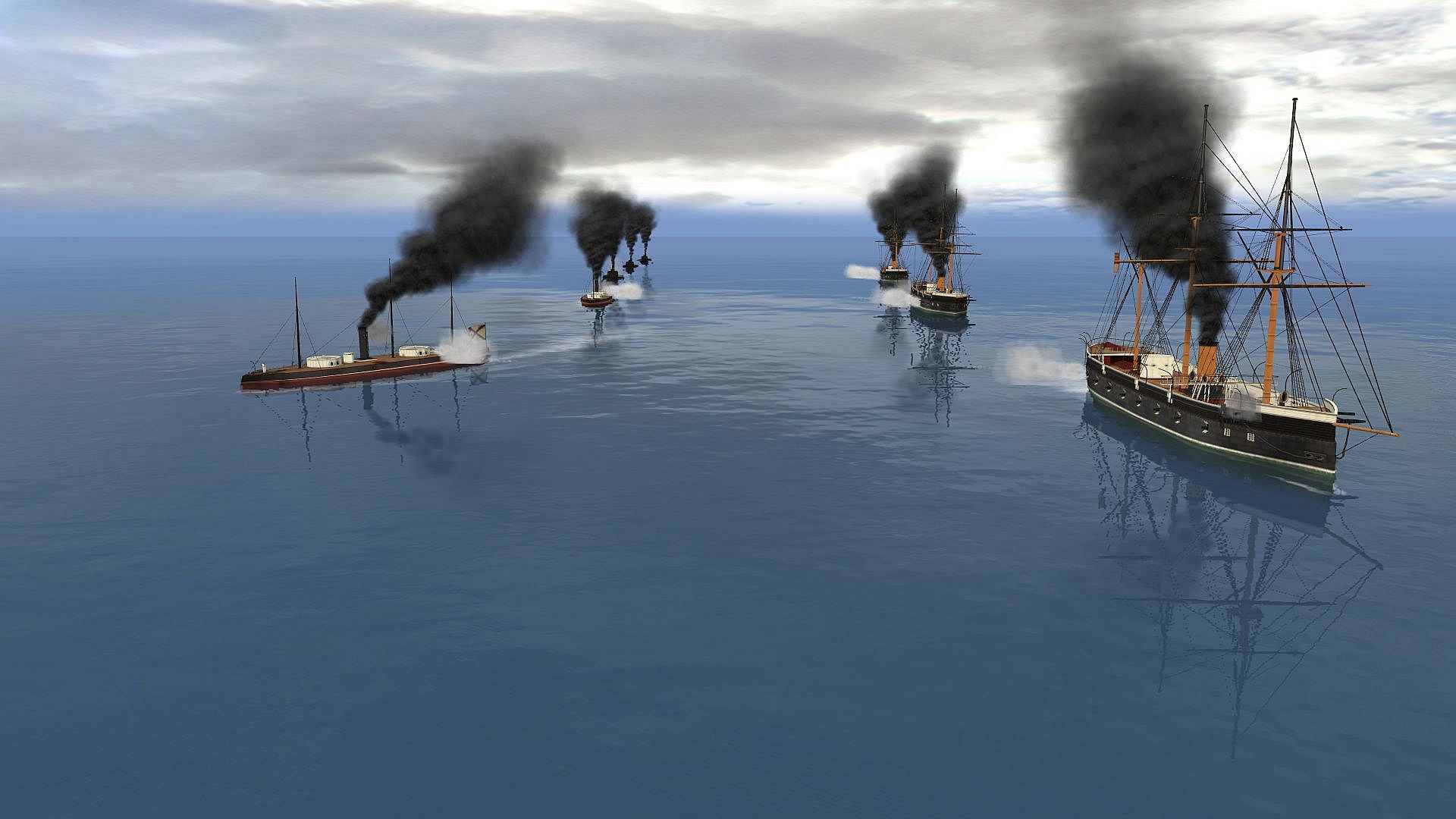
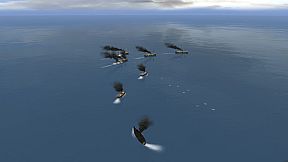
The core loop revolves around planning squadron structures through financial and strategic management before engaging in combat. Players allocate resources to build and organize fleets, then deploy them in battles where direct control focuses on maneuvering groups of ships. Individual vessels handle targeting and firing automatically once positioned, allowing attention to shift toward formation tactics and positioning relative to enemy forces.
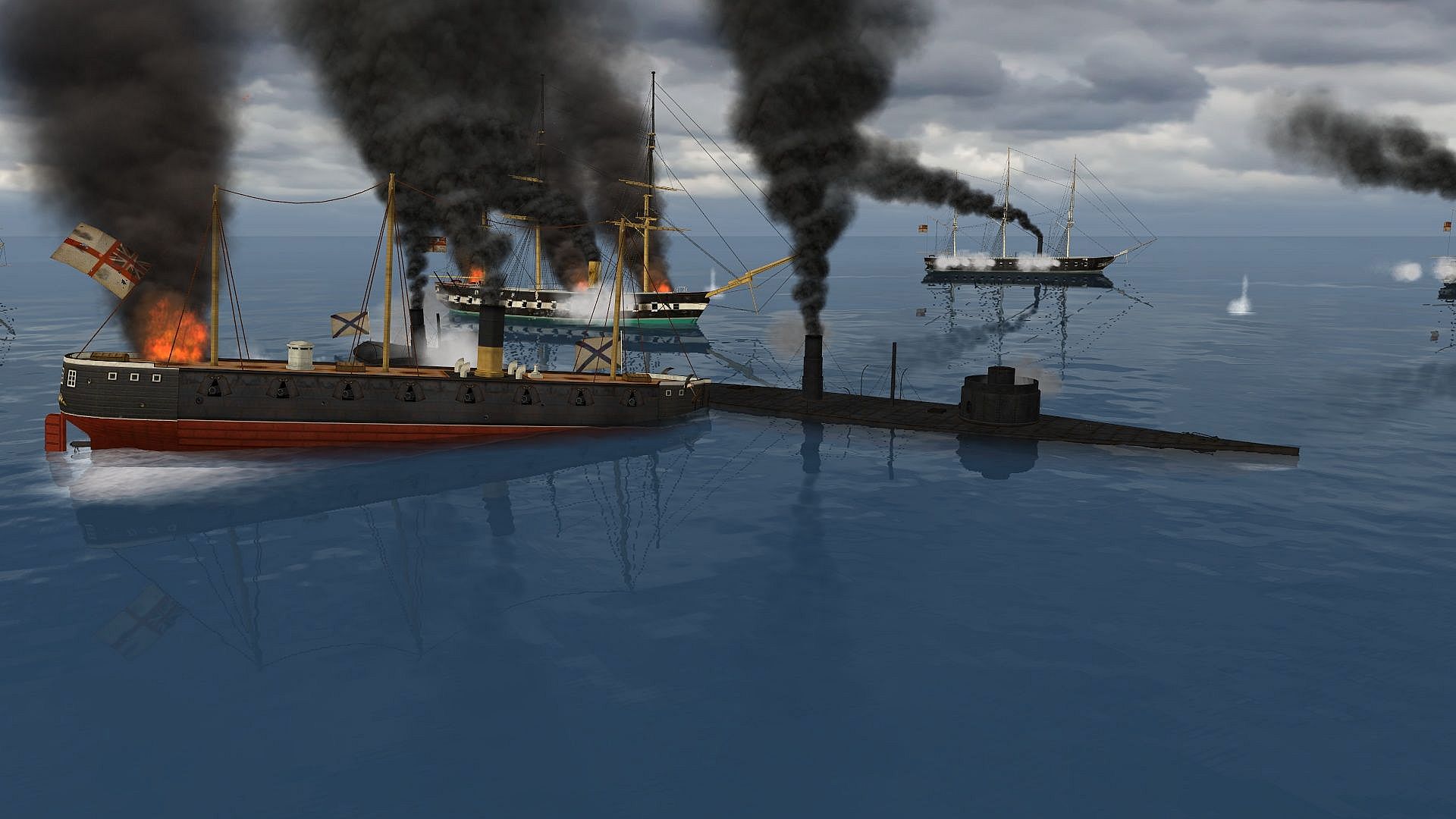
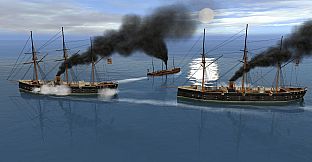
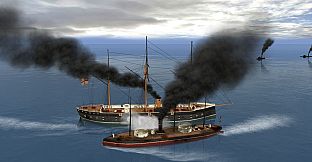
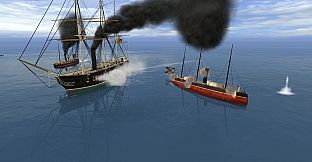
Ship models incorporate period-appropriate characteristics, including hull strength, speed, and armament variations that influence performance in engagements. Ballistic calculations and weapon effectiveness follow detailed models that account for range, angle, and ship movement during exchanges. This setup rewards careful squadron grouping and timely adjustments to maintain advantageous firing lines while minimizing exposure to counterfire.
Strategic layers extend beyond individual battles into resource oversight that determines available ship types and upgrades. The system encourages balanced fleet development suited to different operational needs, such as blockade enforcement or squadron interception missions drawn from the historical backdrop of Baltic and North Sea operations.
Game Modes
The game operates exclusively in single-player format. Battles unfold in real time with emphasis on squadron-level command rather than individual ship micromanagement. Players progress through scenarios that simulate the Royal Navy objectives of neutralizing Russian forces in the North Sea and imposing blockades.
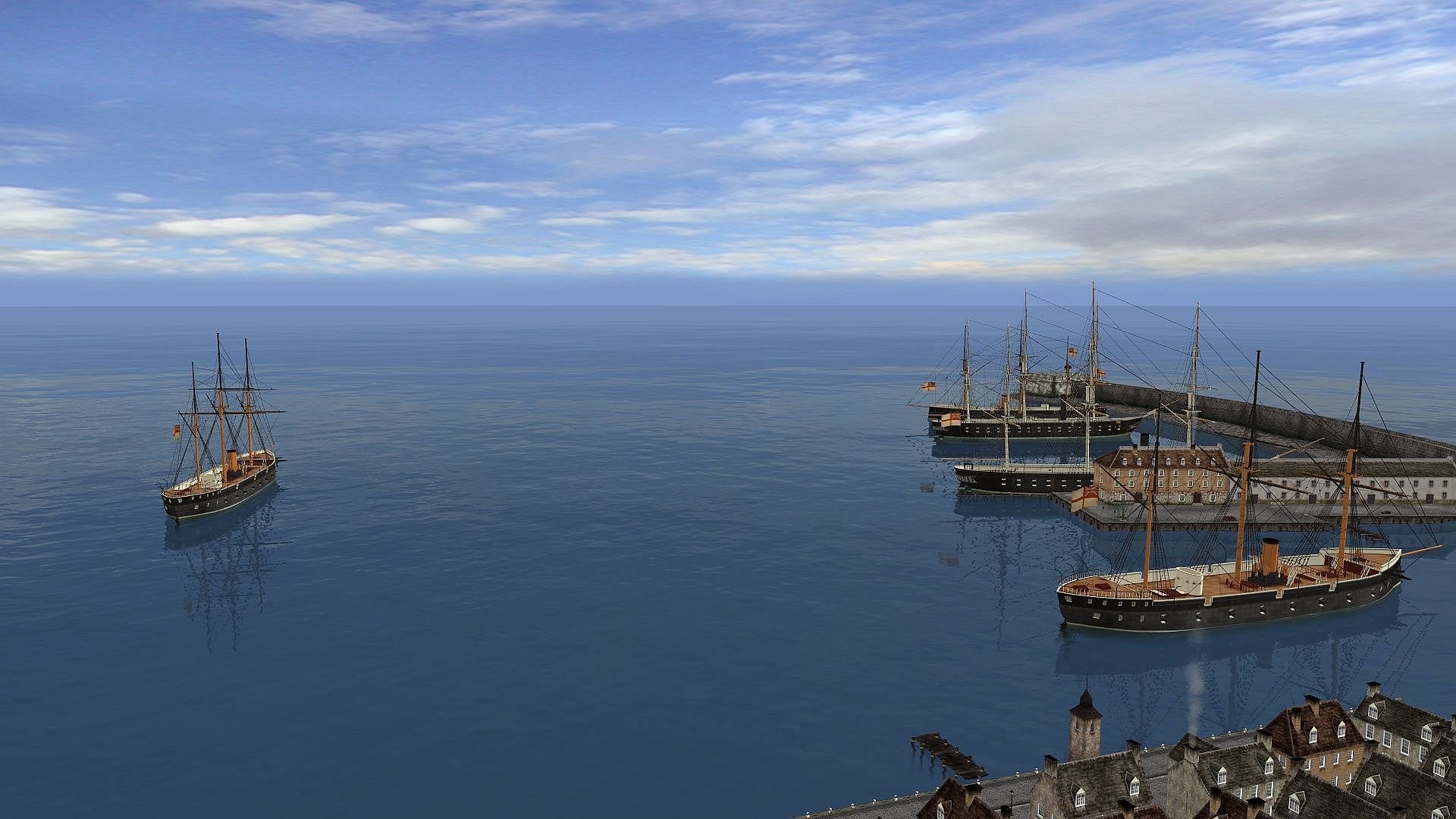
Preparation phases precede each engagement, where financial planning and squadron organization set the parameters for the upcoming fight. Once combat begins, the focus remains on group maneuvers and positioning, with automatic weapon systems handling direct attacks. No additional modes such as multiplayer or separate skirmish options appear in the verified structure.
Historical Setting and Fleet Composition
The conflict stems from Russian ambitions toward Constantinople and control of the Black Sea straits, clashing with British interests in the Mediterranean. Russia fields a modernized fleet in the Baltic and North Sea following setbacks in the Crimean War, while Britain supports Polish rebels and aims to disrupt Russian naval presence.
Fleet composition reflects the ironclad transition period, with vessels differentiated by armor, propulsion, and gun configurations. Players manage these elements through the strategic layer to counter opposing squadrons effectively in open-sea confrontations.
Is It Worth Playing?
The game suits players interested in historical naval strategy simulations with a focus on fleet management and real-time tactical maneuvering. Its single-player structure delivers a contained experience built around squadron organization and combat resolution mechanics.
Reception on the primary distribution platform stands at mostly negative, with 33 percent positive ratings from 24 user reviews. The title remains available for purchase on PC and continues to receive occasional promotional discounts, though no recent content updates or ongoing support have been documented since its 2011 release.
Those seeking detailed ship modeling and automatic combat systems within a narrow historical scenario may find value in its specialized approach. Broader audiences looking for varied modes or modern multiplayer elements will encounter limitations consistent with its original design scope.