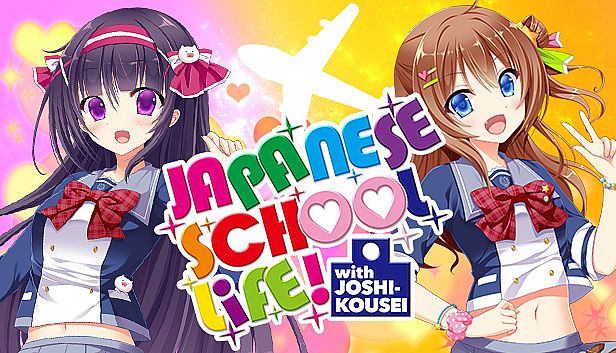










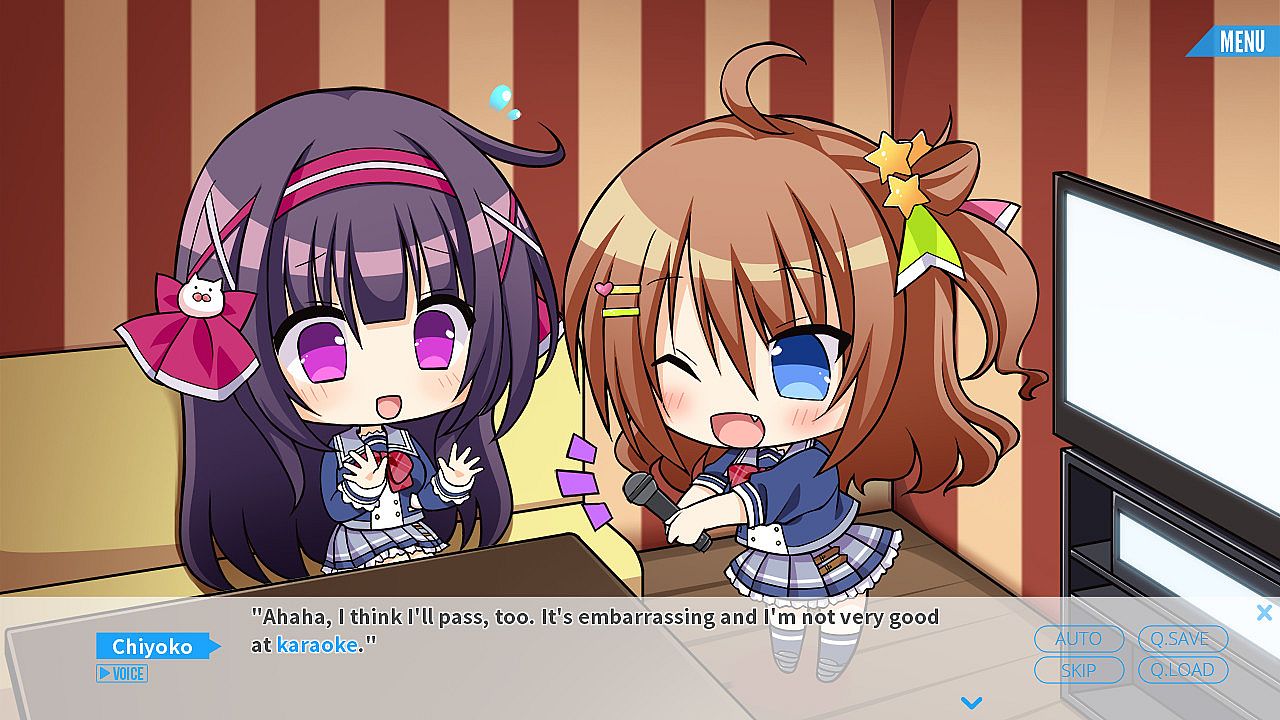
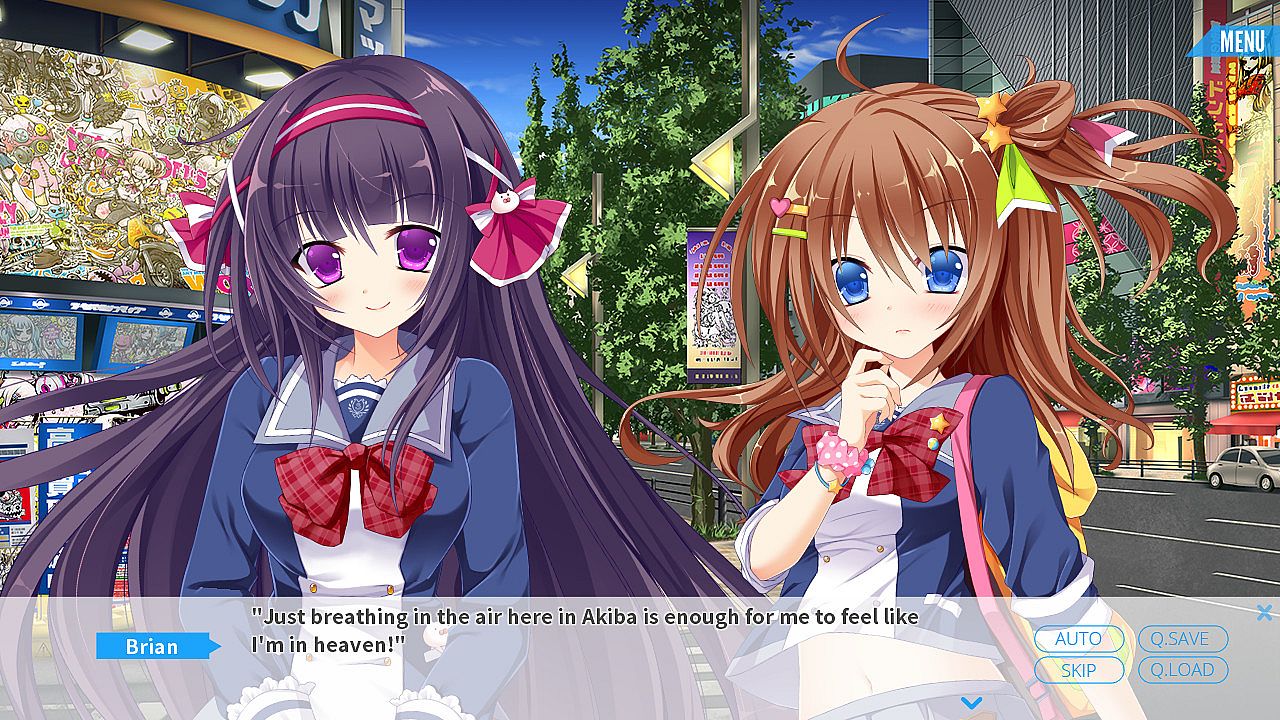
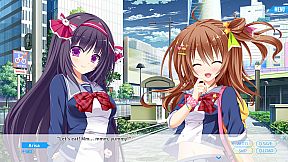

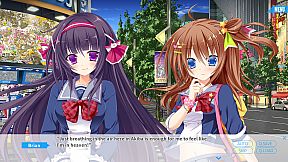
Japanese School Life is a single-player visual novel that follows an American exchange student named Brian as he spends a full year attending high school in Japan. The story unfolds across the four seasons, introducing players to everyday routines, seasonal events, and cultural experiences through interactions with two classmates, Honda Chiyoko and Suzuki Arisa. Developed as an indie casual title for PC, the game emphasizes learning about Japanese customs, school life, and otaku interests while building friendships that can lead to different conclusions.
Gameplay
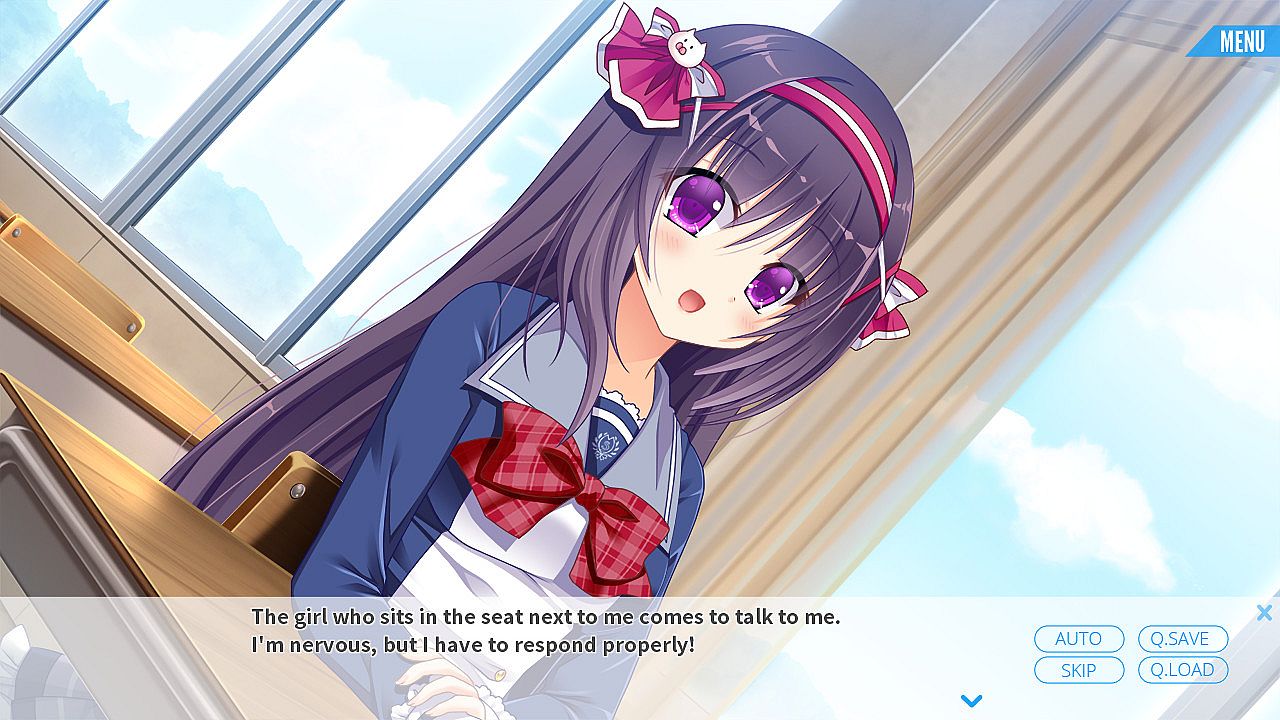
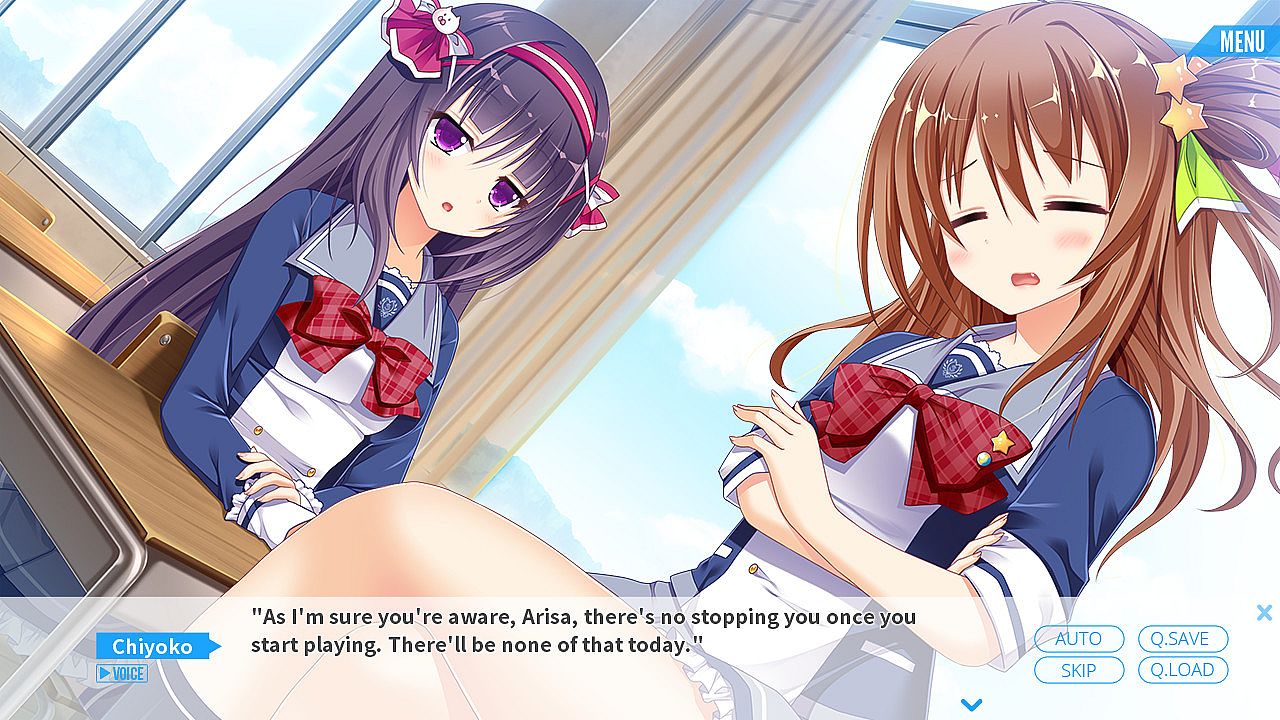
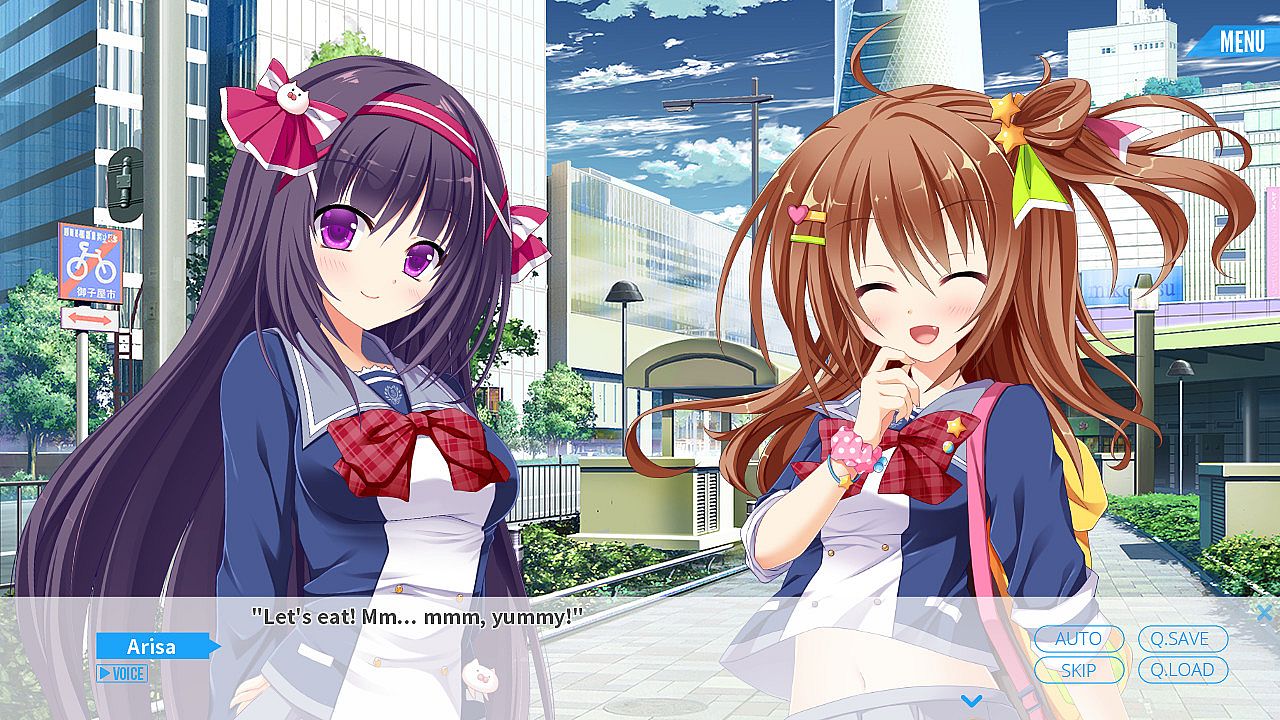
The core loop centers on reading narrative text accompanied by character portraits that animate via the e-mote system. Players advance through scenes set in school, after-school activities, and special outings by selecting from limited dialogue options. These choices influence hidden affinity points with each girl, shaping which ending becomes available at the conclusion of the school year. An accessible glossary provides explanations for Japanese cultural terms and otaku references encountered during play. Text can be displayed in English, Japanese, or a combined format to support language practice. An optional Nekomimi mode adds cat-ear overlays to the character models for a lighter tone.
Progression follows the academic calendar, covering the initial arrival amid cherry blossoms, the challenges of commuter trains and rainy season, summer vacation activities such as beach visits and festival stalls, a school trip to Kyoto, the cultural festival with its maid cafe booth, Halloween cosplay, a Japanese-style Christmas, winter Comiket participation as a circle member, New Year visits, Setsubun, and Valentine's Day. The experience remains focused on observation and conversation rather than timed challenges or resource management.
Game Modes
The title operates as a single continuous story with a shared route that branches only at the end based on accumulated choices. Two distinct endings exist, one centered on each of the main female characters. No separate difficulty settings, side stories, or alternate scenarios appear beyond these conclusions. The structure encourages replaying once to pursue the second ending after completing the first.
Story and Cultural Elements
Brian begins as an outsider unfamiliar with daily Japanese life and gradually participates in events that highlight both ordinary school routines and popular seasonal traditions. The narrative covers summer Comiket as a bustling gathering, autumn sightseeing in Kyoto's historic districts, and winter holidays including Hatsumode. The two girls serve as guides, explaining customs and sharing personal moments during study sessions and free time. Voice acting is provided for the heroines, with Taneda Risa voicing Honda Chiyoko and Takada Hatsumi voicing Suzuki Arisa.
Is It Worth Playing?
Player feedback on Steam rates the game Very Positive, with 93 percent of 164 reviews favorable. Reviewers frequently note its value as an introduction to Japanese school customs, festivals, and otaku culture through a relaxed visual novel format. The short length suits those seeking a focused slice-of-life experience without extensive branching paths or complex systems. It appeals most to individuals interested in cultural details and light character interactions rather than action or heavy decision-making. The game remains available as a complete standalone title with no ongoing seasonal updates required.