

























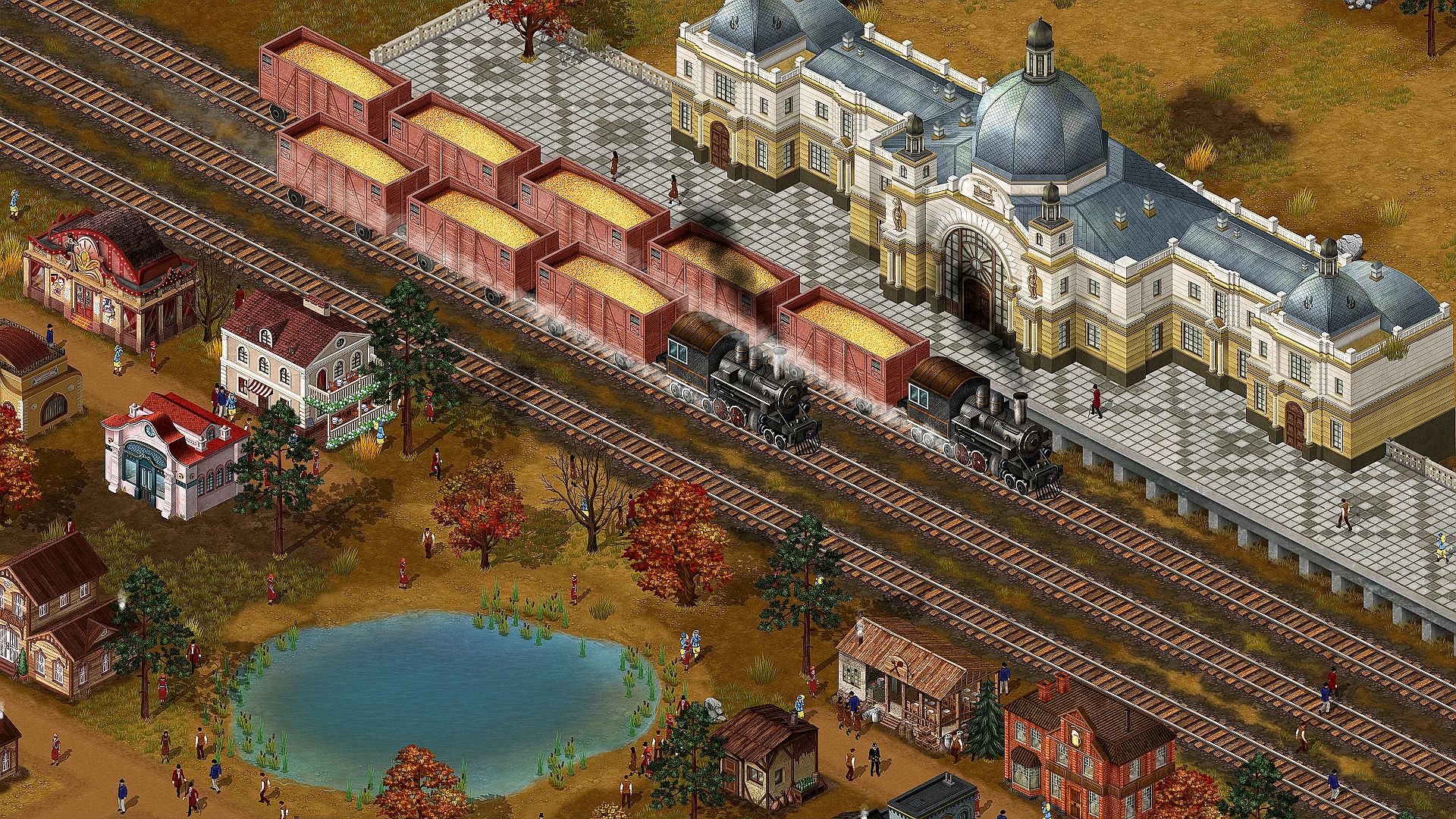
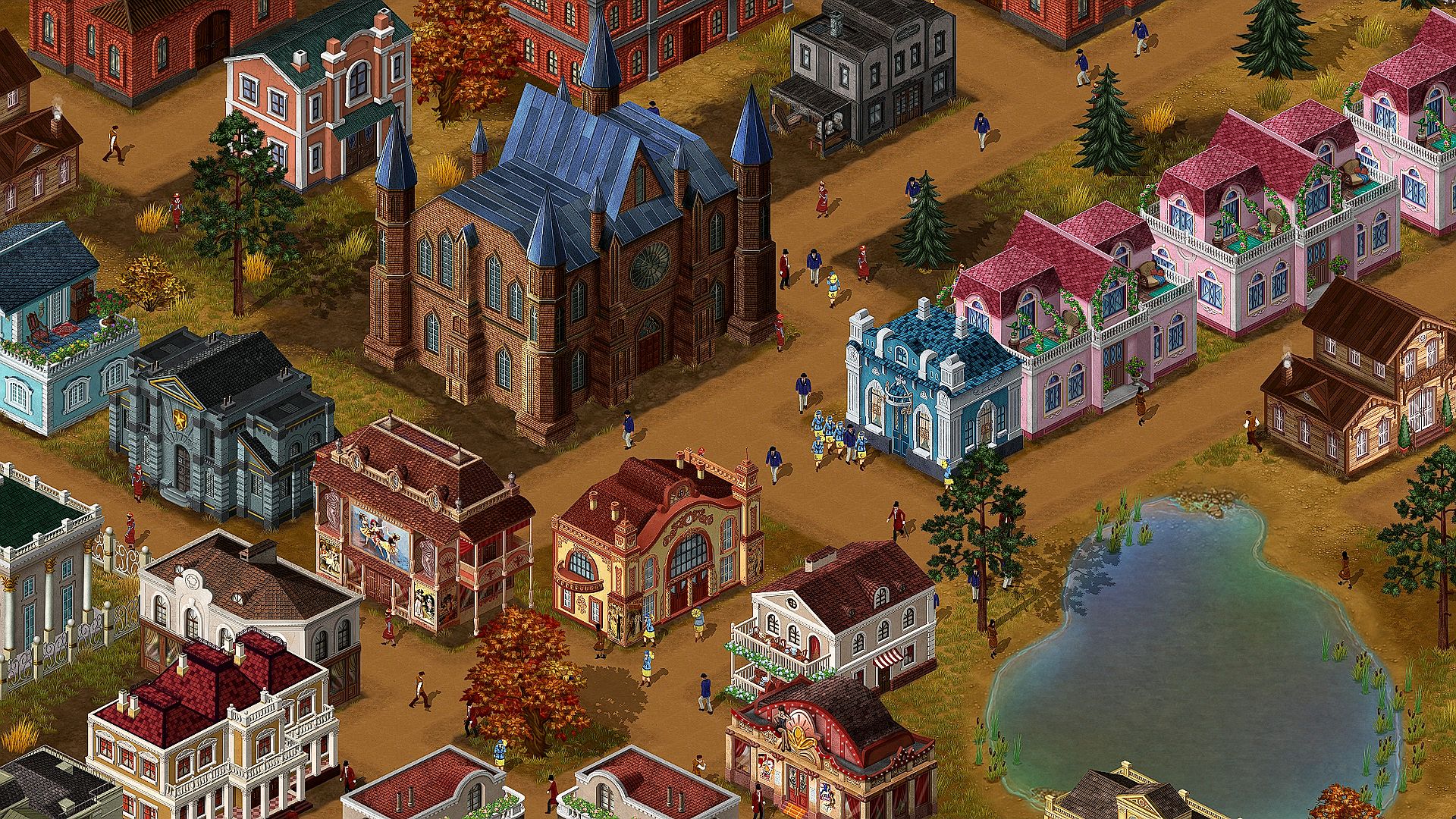
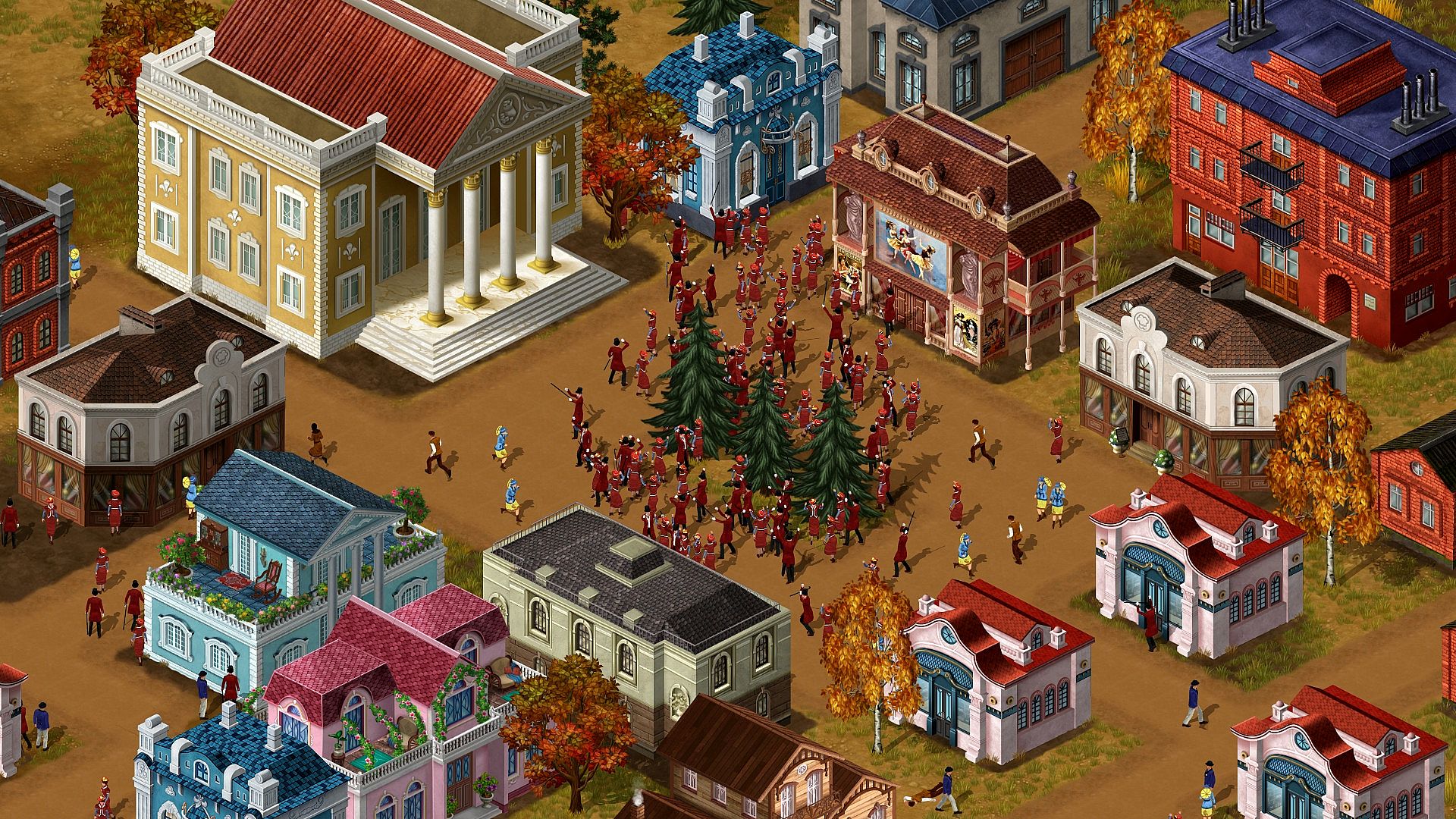
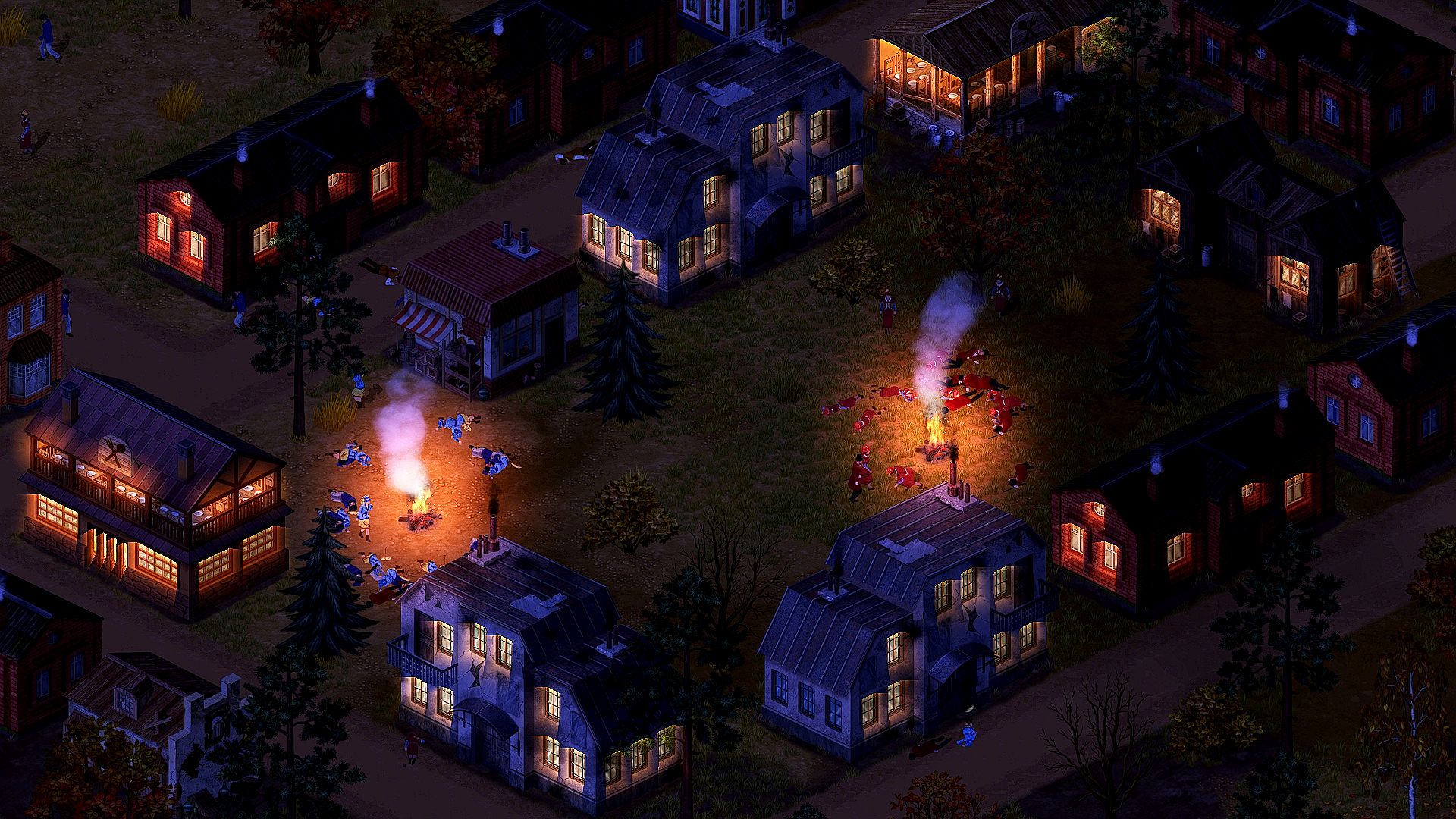
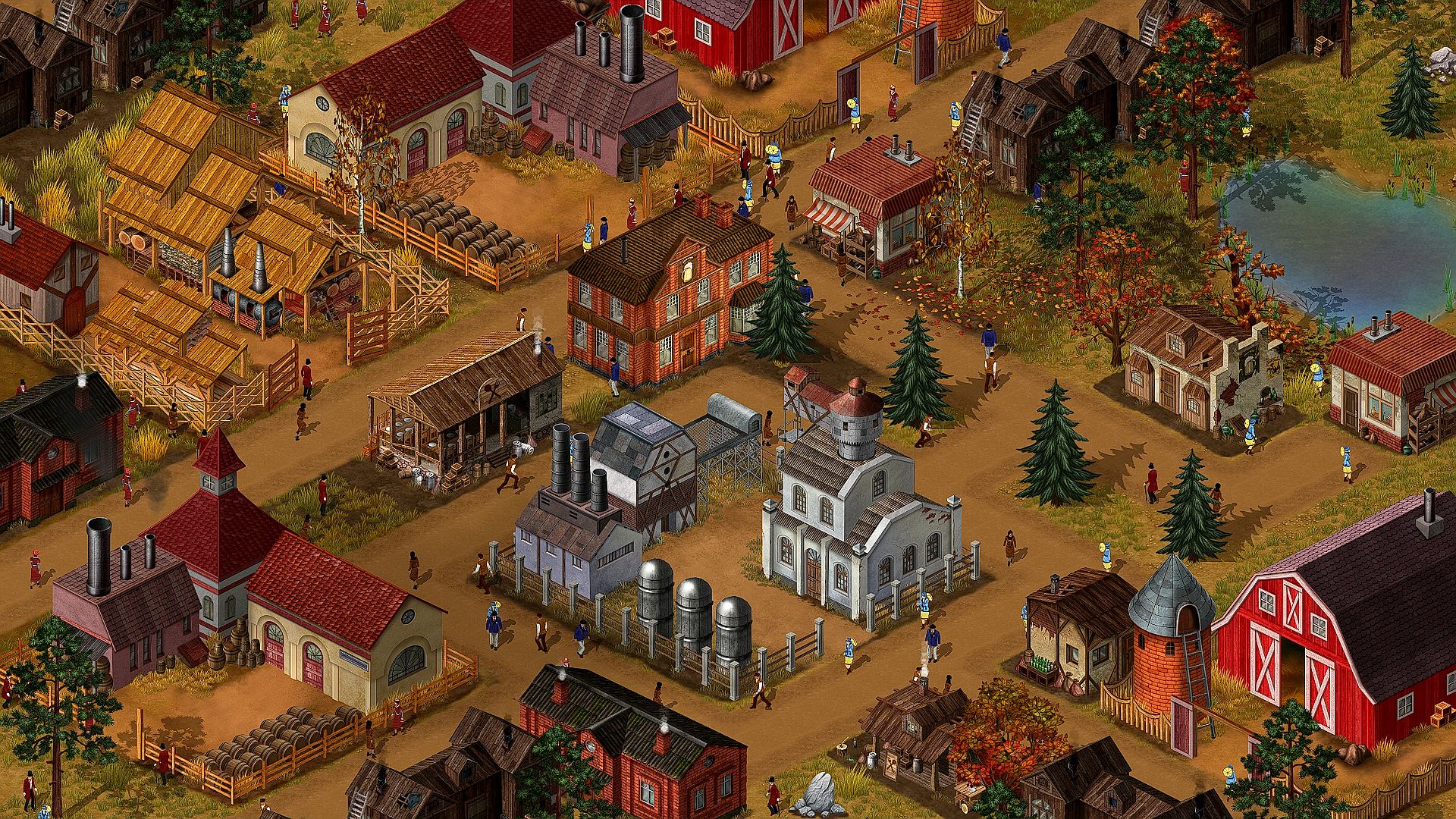
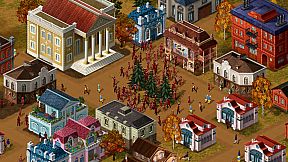

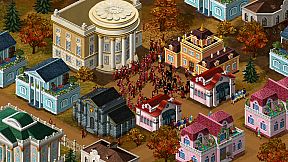


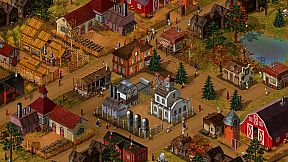

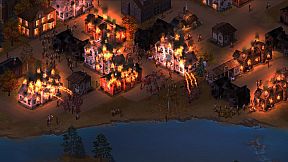
Kapital: Sparks of Revolution is a strategy and simulation game that places players in charge of a capital city facing deep social and economic turmoil. Developed as an indie title for PC, it combines city-building mechanics with ongoing crisis management and class-based conflict. The core experience revolves around maintaining order while resources dwindle and different social groups push their own agendas.
Gameplay
Players manage a limited pool of resources to meet the needs of three distinct social classes: nobles, bourgeois, and workers. Nobles handle official roles and law enforcement, the bourgeois contribute through taxes, and workers supply the labor essential for construction and production. Balancing these groups requires constant decisions about food distribution, housing allocation, and infrastructure priorities, as shortages quickly lead to unrest.
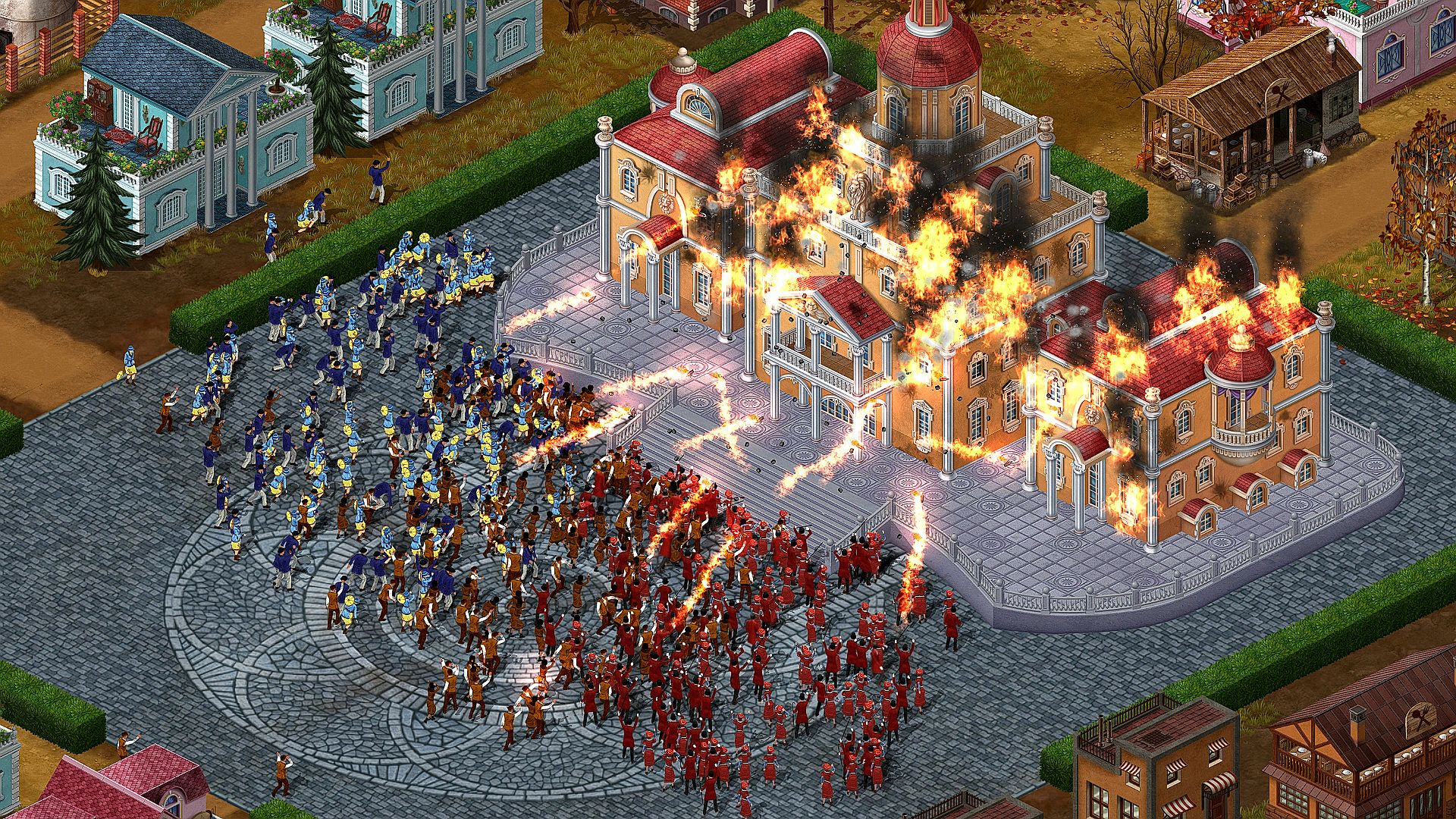
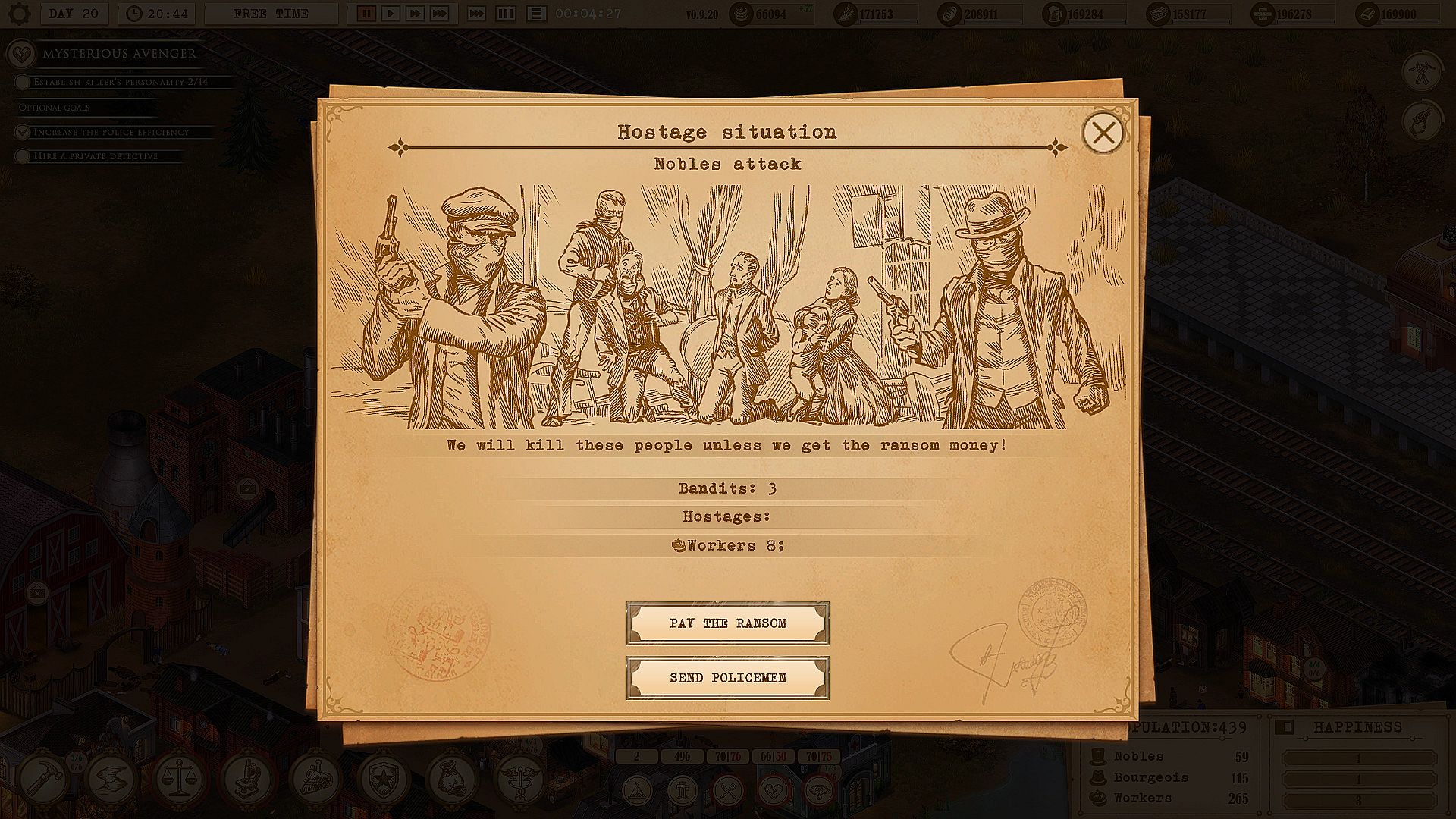
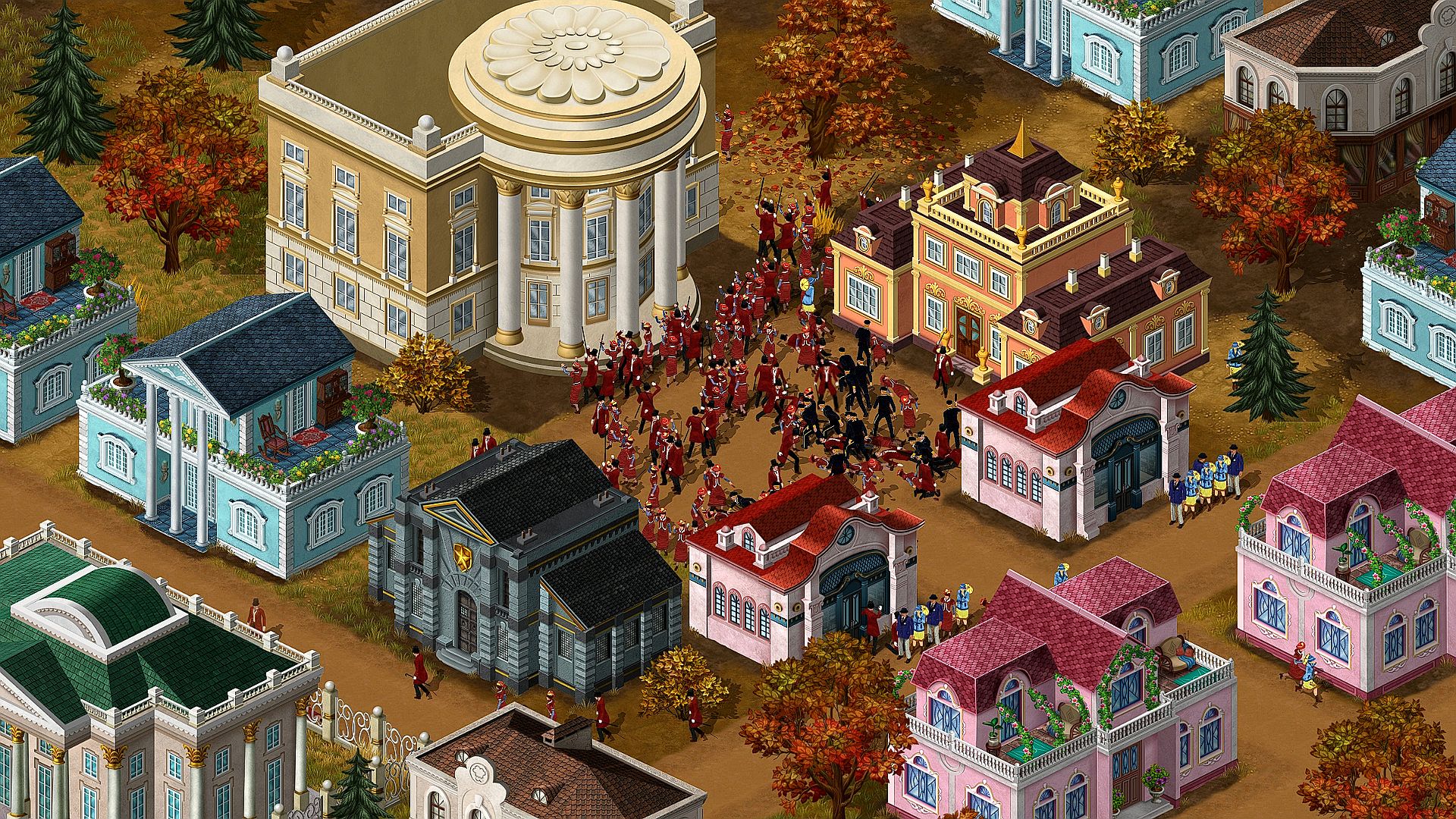
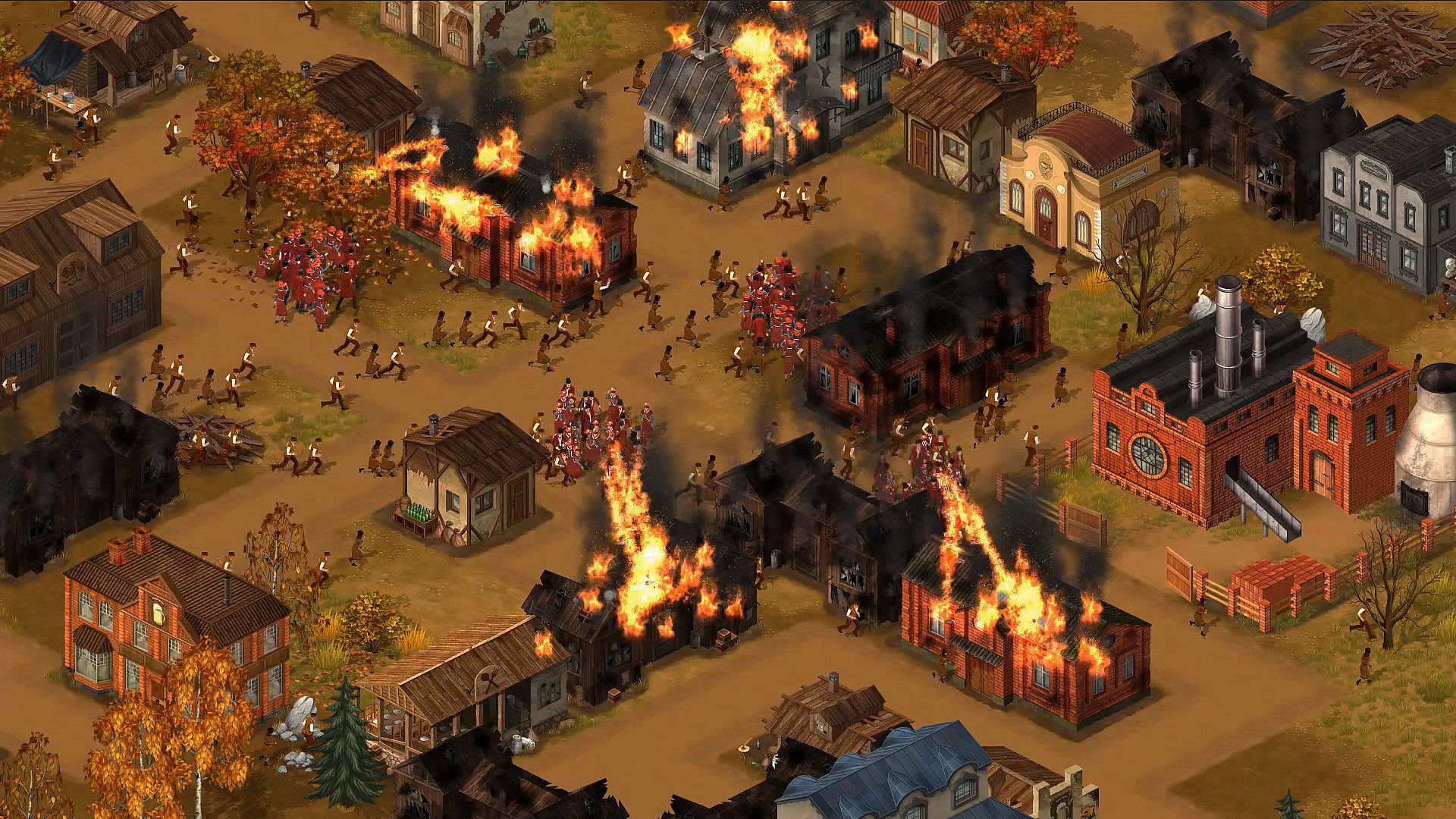
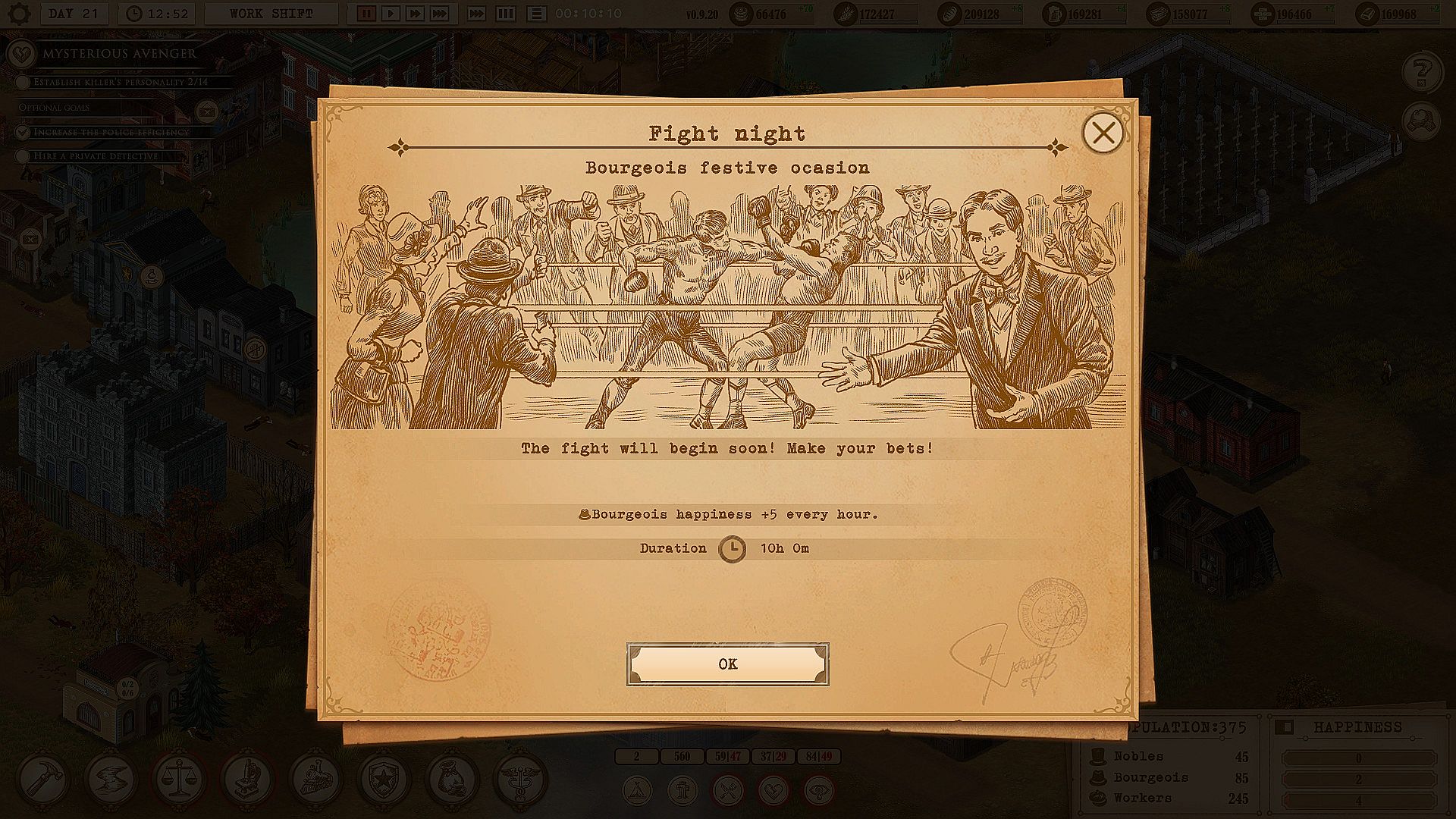
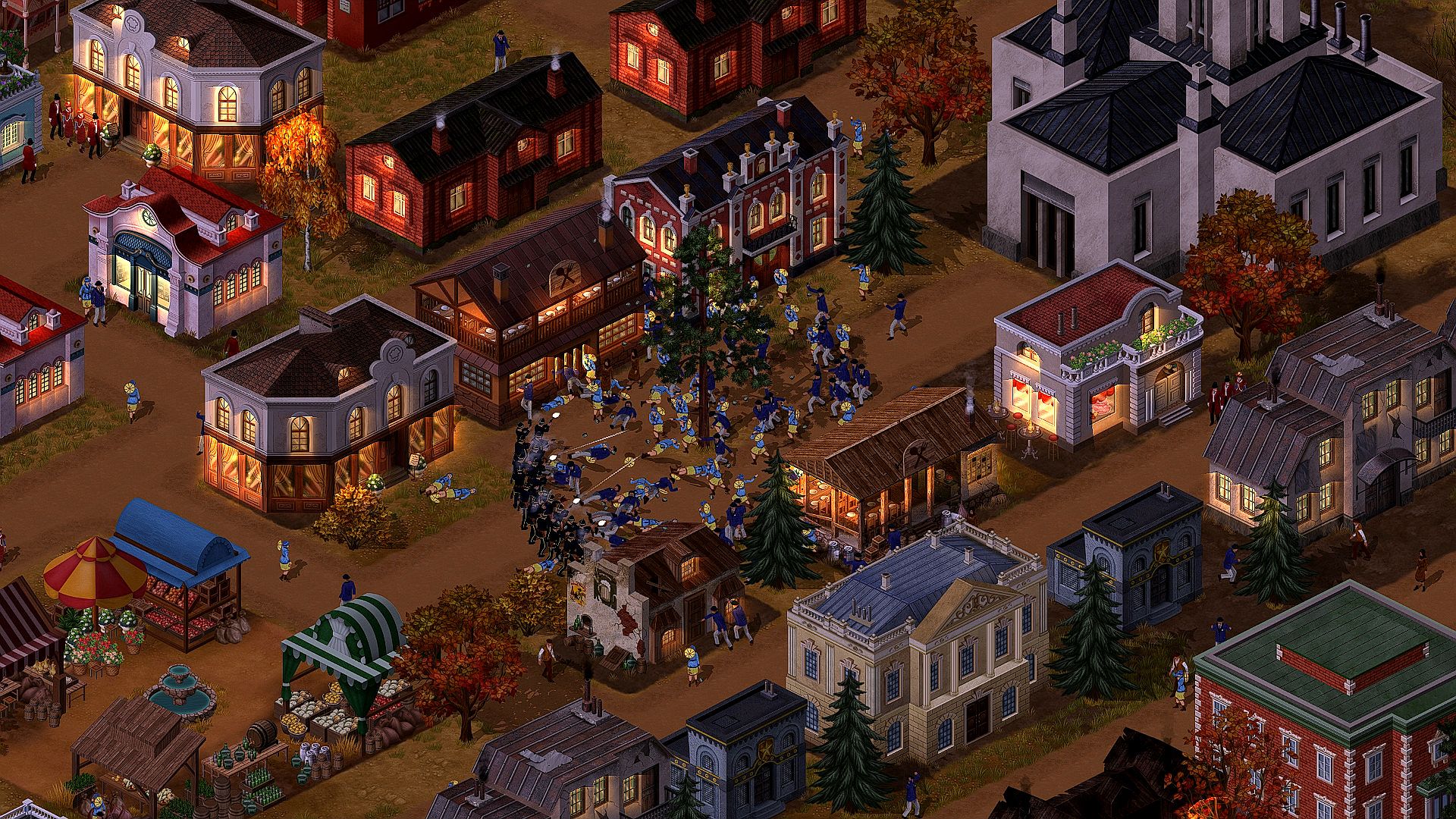
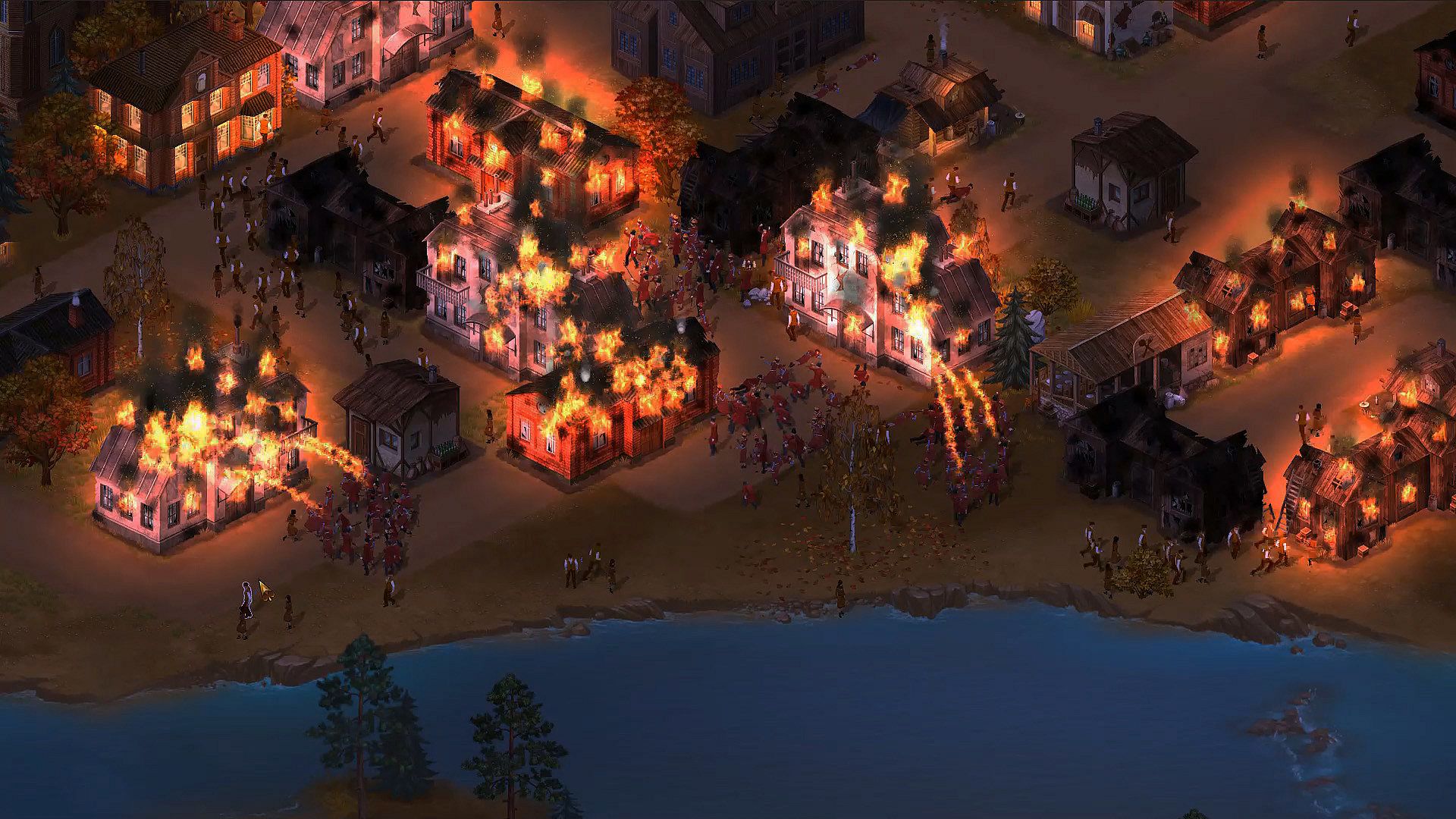
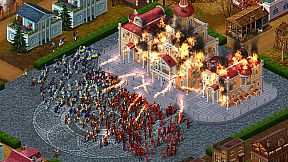
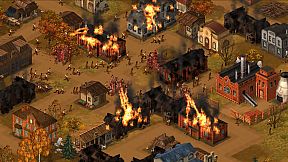
Threats emerge regularly in the form of epidemics, accidents, sabotage attempts, and hostage situations. Unsatisfied citizens may turn into dissidents who organize secret groups aimed at overthrowing the leadership. Protests can escalate into riots and violence on the streets, forcing choices about which class to favor or suppress through policy and force.
Progress comes through technological research and new laws that address citizen welfare, crime reduction, and corruption control. These systems tie directly into maintaining street order while advancing city development. The simulation emphasizes that no single policy satisfies everyone, and repeated crises test the ruler's ability to adapt without collapsing the social structure.
Game Modes
The primary experience is a sandbox mode that allows open-ended city management amid persistent conflict. Players shape the urban layout and respond to events without a fixed endpoint, focusing on long-term survival through resource allocation and class relations.
A campaign mode structures the same systems into a more directed narrative of crisis escalation. It guides players through scenarios that highlight the challenges of leading during societal breakdown, with objectives tied to stabilizing the city against mounting threats from the three classes.
Both modes operate in a single-player isometric view, emphasizing strategic planning over real-time action. The design keeps the focus on economic simulation and social dynamics rather than combat or exploration elements.
Class Dynamics and Resource Management
Each class operates with its own economic function and conflicting vision for the city's future. Nobles prioritize stability and authority, the bourgeois seek conditions that support commerce, and workers demand better living standards and labor protections. These differences drive the central tension, as supporting one group often alienates the others and fuels radicalization.
Resource scarcity forces hard trade-offs. Food and shelter must be rationed during shortages, while new construction competes for the same limited materials. Failure to address grievances across classes leads to growing opposition that manifests in street demonstrations and organized resistance.
Technological and legal advancements provide tools to mitigate these pressures. Research unlocks improvements in areas like public health and security, while laws can shift economic incentives or enforcement priorities. Success depends on timing these changes to prevent any one class from dominating or collapsing the system.
Is It Worth Playing?
Kapital: Sparks of Revolution suits players interested in city-building simulations that incorporate social conflict and difficult moral choices. The mixed reception on Steam, with 62 percent positive reviews from 191 ratings, reflects its niche appeal for those who enjoy managing unrest and class tensions over traditional growth-focused builders.
The game launched in 2022 and continues to receive patches, maintaining its core systems without seasonal content or live-service features. It offers a focused single-player experience centered on crisis response rather than expansive multiplayer or frequent updates.
Those drawn to strategy titles that highlight the limits of leadership in divided societies will find the mechanics rewarding. The emphasis on permanent conflict and resource constraints creates a distinct loop that rewards careful observation of class interactions and proactive policy adjustments.